9 Tiny Idaho Libraries That Feel More Like Cozy Community Rooms
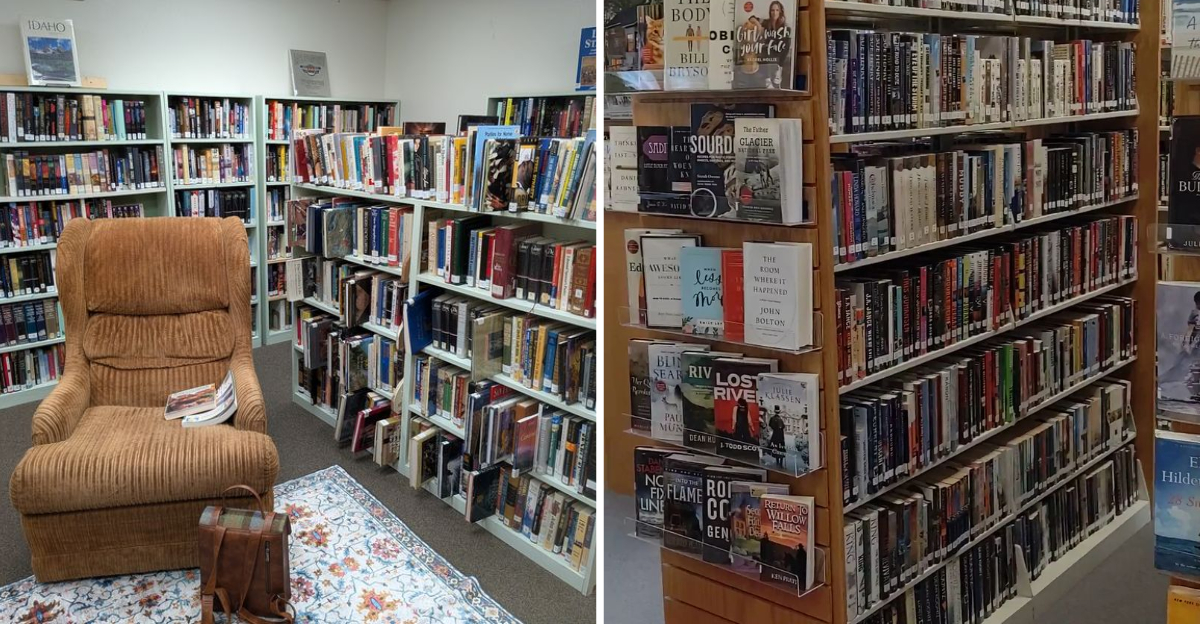
A library can feel more like a neighborhood living room when everyone seems to know the space by heart.
Across Idaho, tiny reading rooms bring books, local history, children’s corners, events, and community services together under one very cozy roof.
The scale changes the whole mood.
Shelves sit close, conversations feel easier, and every corner seems designed to be useful rather than impressive.
Small space, big community energy!
Some libraries share buildings with other local services, while others create gathering spots almost entirely through volunteers and regular visitors.
Come for the books, but notice what happens around them. These little rooms show how much connection can fit inside a very modest footprint.
1. Meridian Tiny Library, Meridian
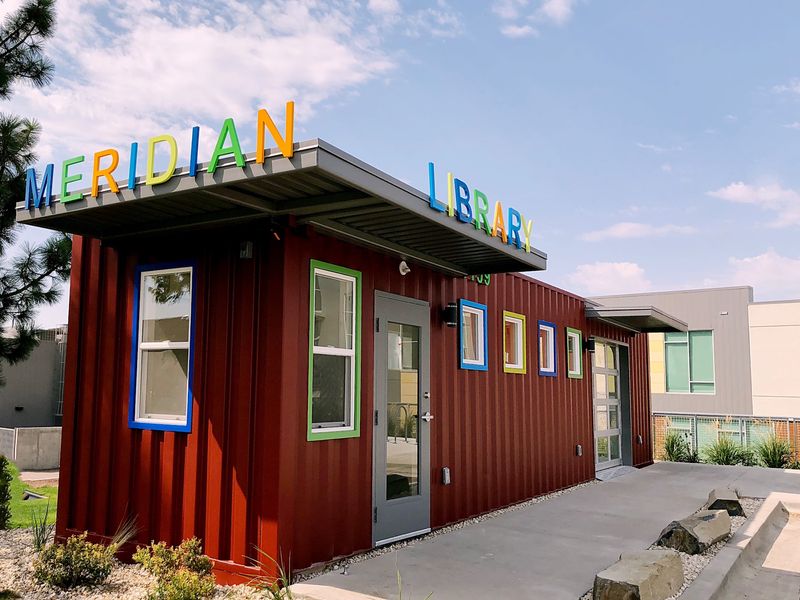
The Meridian Tiny Library packs its early-literacy mission into just 320 square feet.
The repurposed shipping container sits on The Hill campus beside other community facilities, including the nearby YMCA.
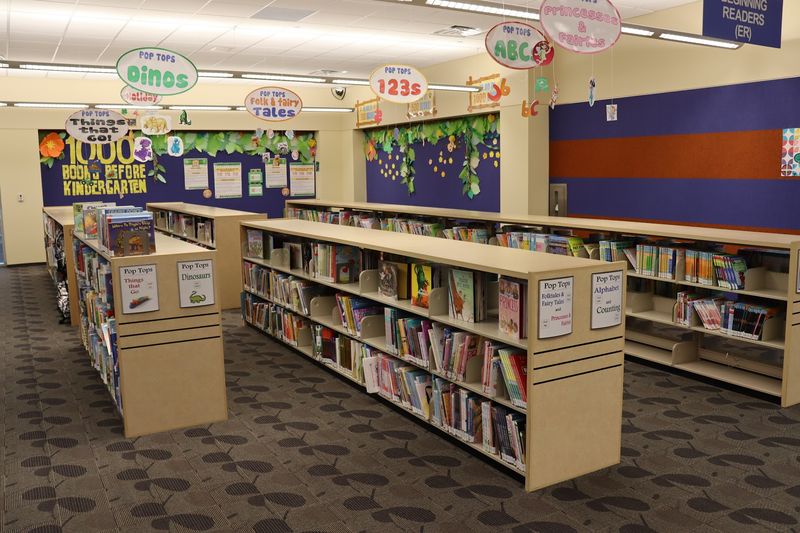
Early learners are the main focus, with board books, picture books, Easy Readers, literacy kits, and activities designed to help children prepare for kindergarten. A small collection for parents and teachers is available too.
The design deserves applause. Benches double as storage bins for wooden blocks and puppets, so nothing sits unused.
Bookshelves ride on wheels, letting staff rearrange the room in minutes. On warm afternoons, part of the collection rolls outdoors for open-air reading.
It operates as part of the Meridian Library District, giving the tiny early-learning space access to the resources of a much larger library system.
The container sits on The Hill, a 22.5-acre campus built around community well-being. Local organizations share the grounds, so a single trip can cover several errands.
I find the scale especially suited to early learners because the entire room was intentionally designed around play, reading, movement, and flexible activities.
The Tiny Library is currently open from 10 a.m. to 2 p.m. Monday through Saturday, with programming and visitor levels varying by day.
Bring a blanket during summer months for the outdoor sessions. Shade on the campus makes reading outside comfortable.
You can find it at 5159 S Hillsdale Ave in Meridian. Parking is straightforward, which matters with a stroller in tow.
Container architecture with a literacy mission proves creativity beats square footage every single time.
2. Lewisville Legacy Library
Here is a crazy thought: a library older than most Idaho highways still checks out books today. Its doors opened in 1882.
The Lewisville Public Library anchors a quiet eastern Idaho city where farming still sets the daily rhythm. Small building, deep roots.
History hunters get the biggest payoff here. Shelves hold local history books, newsletters, and folders of old news clippings about the area.
Tracing a family line through Jefferson County? Ask at the desk first, because the good material is not always shelved out front.
Digital resources round out the collection, linking residents to databases and materials far beyond the town limits. Rural does not mean disconnected.
Youth programming carries real weight in a community this size. Summer reading keeps kids in books through the long, hot growing season.
Reading logs, prizes, and group activities pull in siblings and cousins together. Word travels fast when there are only so many households.
Expect a room where the librarian probably knows the regulars by name. That familiarity is the whole point of a town library.
Bring a notebook if genealogy is your goal, since photographs and clippings are best copied by hand or camera. Ask permission before photographing anything fragile.
Late morning tends to be calm, giving you room to spread papers across a table. Afternoons lean younger and livelier.
Look for the library at 1197 W Main St in Lewisville. The drive itself rolls past potato fields and irrigation lines.
Over 140 years of continuous service says plenty about a town that never stopped reading.
3. Notus Public Library, Notus
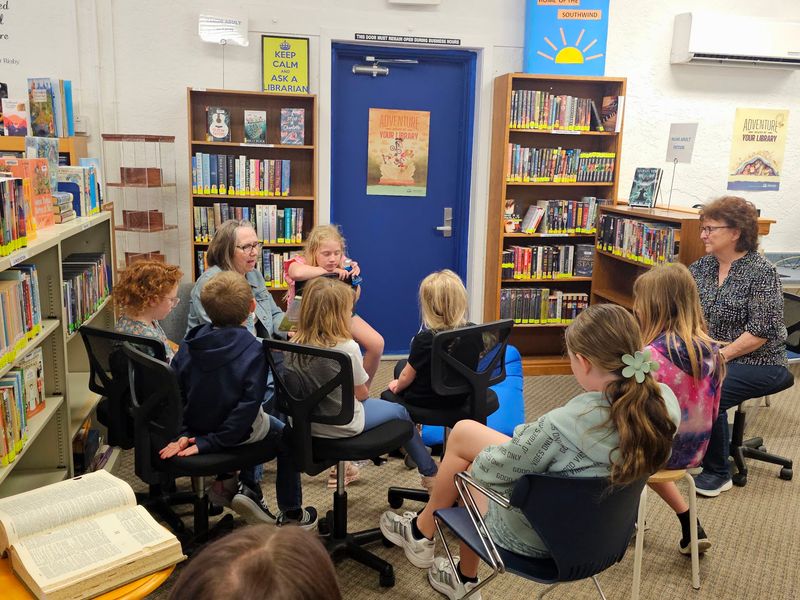
Let’s be real for a second: some buildings simply have more character than others. A bank, a grocery, a mercantile, and now a library.
The Notus Public Library moved into its remodeled 1905 structure back in March 2005. Every previous tenant left a little personality behind.
Farm country wraps around the town on all sides. Corn, onions, sugar beets, and potatoes fill the fields you pass on the way in.
Boise sits only 35 miles away, which is a handy detail for day trippers. Country quiet, city access, no compromise required.
Programming keeps the small room busy. Toddler storytime runs regularly, complete with songs, picture books, and plenty of wiggling.
Summer reading and children’s programming remain active parts of the library’s calendar.
Adults benefit too, since the collection covers popular fiction alongside practical nonfiction. Requests help shape what lands on the shelves.
Plans for a new building are in the works, which tells you demand keeps climbing. Growth in a town this size is worth celebrating.
Toddler Storytime resumes in September 2026 after its summer break, while other children’s activities run at different points throughout the year.
The strongest historical detail is the building itself, a remodeled 1905 structure that previously served as a bank, grocery, and mercantile.
You will find it at 387 N First St in Notus, right in the middle of town. A former bank turned book vault might be the best career change in Canyon County.
4. Ririe Public Library, Ririe
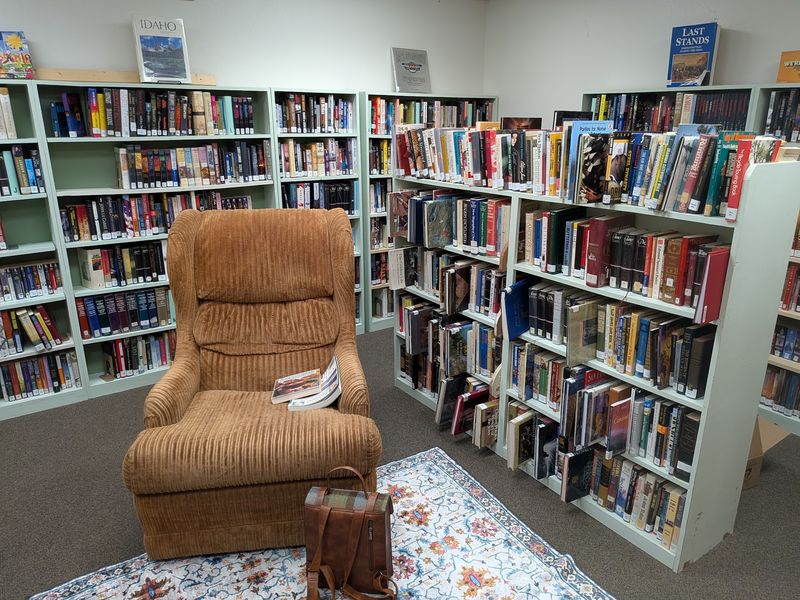
My jaw dropped when I learned this little town once ranked among Idaho’s busiest wheat shipping points. Grain built the place, and the library carries the story forward.
The Ririe Public Library keeps a clear mission: connect residents to information and champion reading. Simple goals, steadily delivered.
Ririe itself dates to 1914, born when the railroad arrived and changed everything. Tracks brought commerce, families, and eventually schools.
A serious fire in 1919 tore through much of the southern section of town. Residents rebuilt, and that stubbornness still shows.
Community life leans on gathering spaces, and two prominent church buildings host many local activities. The library fills the civic side of that equation.
Inside, the city library keeps its mission straightforward: providing access to information while promoting reading and literacy for local residents.
Literacy support is the heartbeat here, from early readers to adults brushing up on skills. Nobody gets lost in a room this size.
Travelers heading toward Ririe Reservoir or Kelly Canyon can fold in a quick stop during the library’s limited weekday hours.
Ririe itself has plenty of documented agricultural history, including its former status as Idaho’s largest wheat-shipping center and the railroad that helped establish the town in 1914.
Current hours are Monday, Tuesday and Thursday from 11 a.m. to 5 p.m. and Wednesday from 9 a.m. to 3 p.m.
The address to save is 464 Main St in Ririe. Main Street parking keeps things easy. Railroad grit and library warmth make an unexpectedly great pairing in eastern Idaho.
5. Stanley Community Library, Stanley
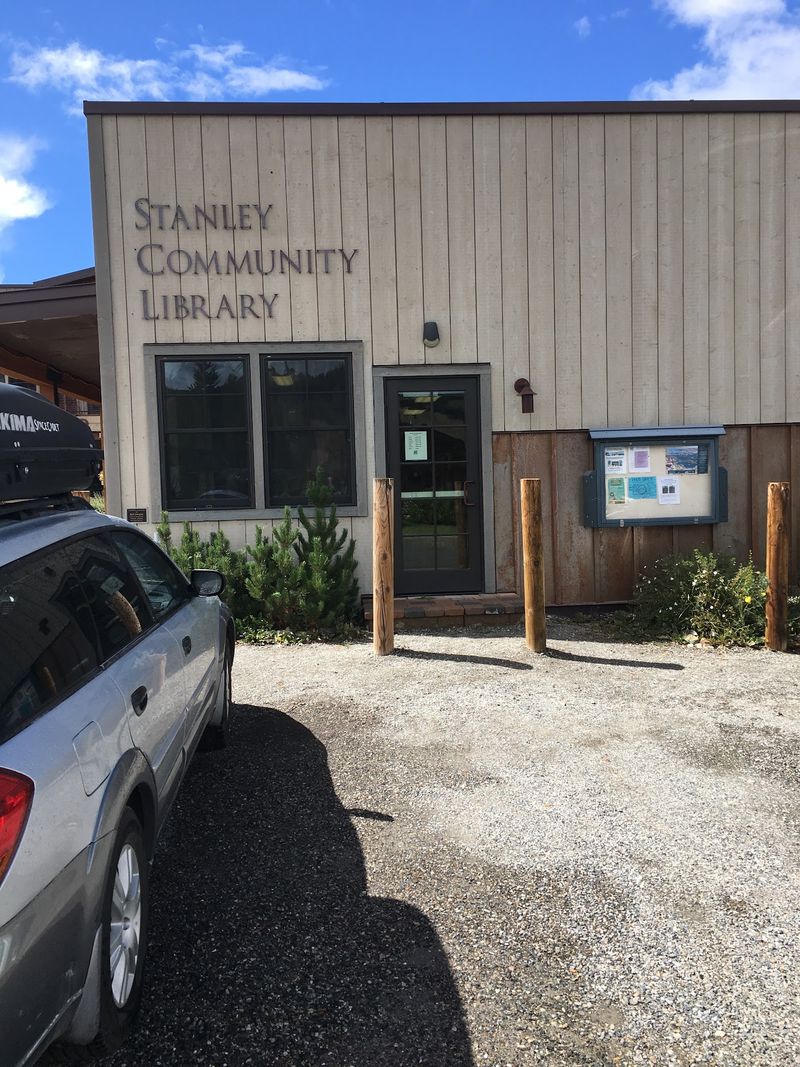
A library in a mountain town of this size has to do more than lend books, and Stanley Community Library has clearly embraced that job.
The little public space at 240 Niece Avenue feels closely tied to everyday community life, with shelves, computers, local information, and programs all sharing the same welcoming footprint.
Its collection holds roughly 5,500 physical items, but the library also gives patrons access to tens of thousands of digital titles, which makes the reach feel much bigger than the room itself.
What makes it especially suited to this list is how many reasons people have to linger. The library hosts book discussions, lectures, readings, children’s programs, craft nights, workshops, and other small gatherings throughout the year.
There is even a Community Closet, a puzzle exchange, public computers, Wi-Fi, printing, copying, and test proctoring.
In a place surrounded by the Sawtooths, that combination makes the building feel less like a formal institution and more like the dependable room everyone in town knows how to use.
Recent years have brought about 5,600 in-person visits annually, an impressive number for such a small community. Summer hours expand between Memorial Day and Labor Day, while regular hours continue through the colder months.
Stop in for a book and it is easy to understand why people stay for a conversation, a local program, or simply a quiet chair with mountain views nearby.
Even the town-square setting adds to that casual, drop-in feeling, especially when neighbors arrive for one of the library’s many programs.
6. Leadore Community Library, Leadore
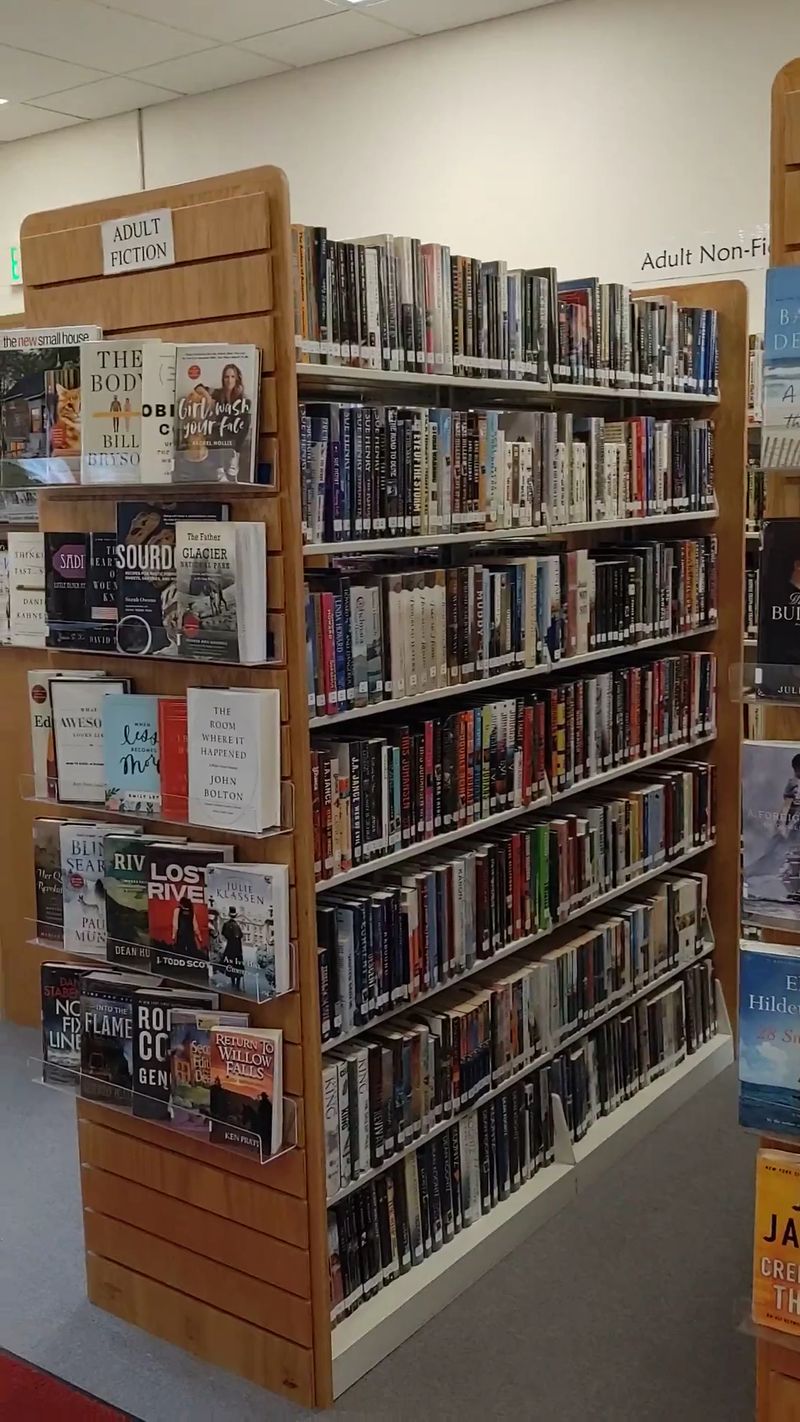
Leadore Community Library may be one of the easiest places in Idaho to mistake for a neighborhood gathering room.
That is partly because it actually shares space with the Leadore Community & Visitors Center.
The library has served the Upper Lemhi Valley since 1961 and now operates as a branch of the Lemhi County Library District, giving this remote corner of the state a surprisingly useful collection of services behind an unassuming door.
Inside, the setup is straightforward and personal. Books remain the heart of the room, but visitors also find DVDs, audiobooks, themed children’s backpacks, e-readers, three public computers, two patron laptops, and wireless internet.
If something is missing from the shelves, staff can request it through interlibrary loan. That practical flexibility matters in a community where the next large library is not just around the corner.
The calendar makes the place feel even more communal. Recent programming has included a Readers’ Rendezvous book club, family reading nights, and all-ages summer reading activities.
Instead of trying to imitate a large urban library, Leadore works because it feels scaled to the people who actually use it.
Current hours are Tuesday and Thursday from 10 a.m. to 6 p.m. and Saturday from 10 a.m. to 2 p.m. That limited schedule only adds to the small-town rhythm.
When the doors are open, the library functions as a reading room, technology stop, information desk, and community meeting place all at once, without ever losing its warm, familiar small-town atmosphere along the way.
7. Rockland School/Community Library, Rockland
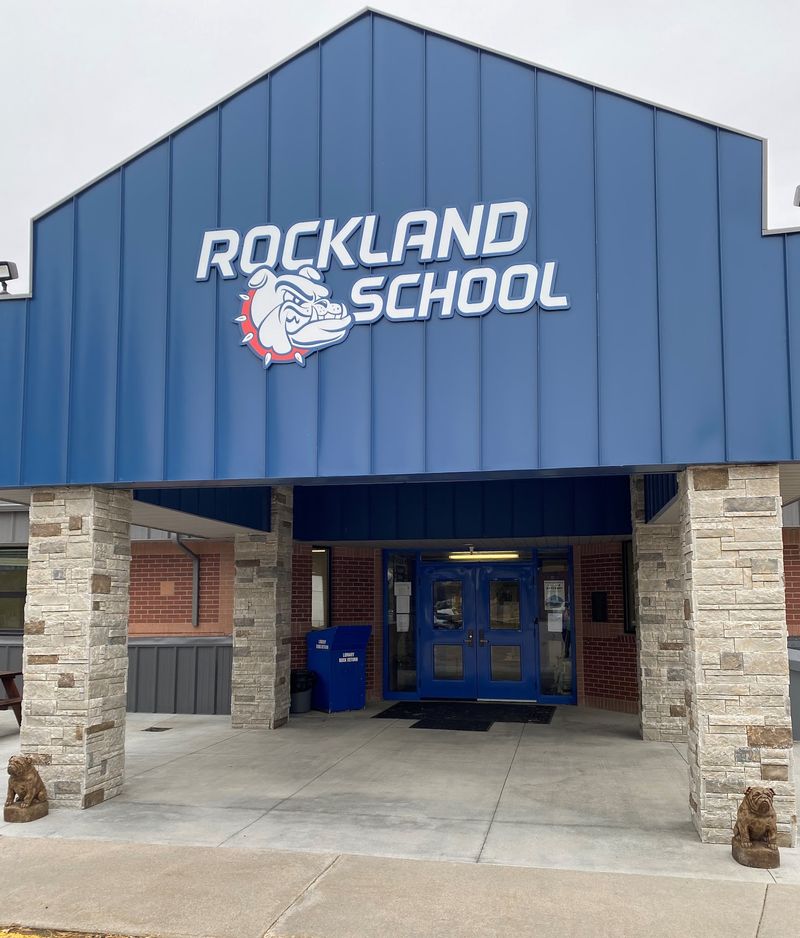
It came completely out of left field: one library, two entirely different user groups, no separation needed. Students and townsfolk share every shelf.
The Rockland School/Community Library opened in 1974 and has grown steadily ever since. Shared space was the plan from the start.
Rockland School District educates roughly 180 students across grades K-12. Community life orbits that campus in almost every season.
The tradition runs deeper than most people realize. Volunteers built the very first Rockland School in 1883, and it doubled as a social center.
Dances, meetings, and gatherings happened under that early roof. Today’s library carries the same double duty forward.
Materials cover school assignments and adult interests side by side. A teenager researching a report might sit beside a rancher checking out a novel.
Practical tip: school-year hours differ from summer hours, so check before you drive out. Access can follow the academic calendar.
Rockland sits in a quiet valley in Power County, south of American Falls. The surrounding countryside makes a pretty approach.
Anyone interested in rural education history should ask about the district’s early years. Small schools keep excellent institutional memory.
Respect the student side of the operation during class hours, since classes may be using the room. Quiet browsing keeps everyone happy.
The location to note is 321 E Center in Rockland, right by the school campus. Two purposes, one modest room, and 140-plus years of the same neighborly idea working just fine.
8. Horseshoe Bend District Library, Horseshoe Bend
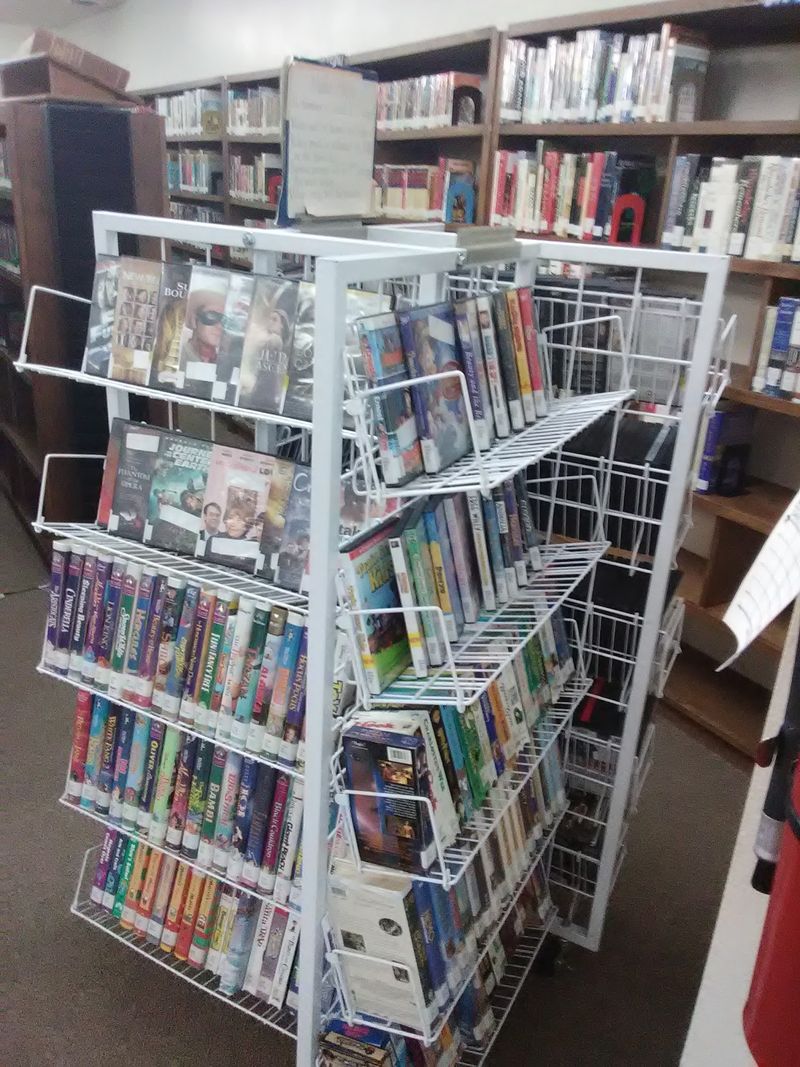
This town started with gold miners waiting on winter weather. They camped by the river, and a settlement grew from the pause.
The Horseshoe Bend District Library serves that community today, right along the highway corridor. Convenient stop, interesting backstory.
Miners heading for the Boise Basin settled the area in 1862. What began as a waiting spot turned permanent.
For a short stretch the settlement answered to Warrinersville, named for a local sawmill operator. In 1867 the name officially became Horseshoe Bend.
Once the gold frenzy cooled, residents pivoted rather than packing up. Ranching and logging carried the economy for generations.
The roughly 2,160-square-foot Horseshoe Bend District Library serves the town and surrounding area with a collection that has historically numbered more than 11,000 volumes.
The library sits directly along Highway 55, making it an easy stop for travelers heading through Horseshoe Bend toward destinations farther north.
The town’s mining-era history is well documented, but the library’s current website does not specifically advertise a local-history clipping or photograph archive.
Spring and fall bring the prettiest drives through the Payette River canyon. Pair the library with a riverside picnic.
Summer reading remains part of the library’s current programming, so families can check the latest schedule before visiting.
You will spot it at 392 Highway 55 in Horseshoe Bend, easy to reach from the road. A town born from patience now keeps a reading room where patience still pays off.