Trumpeter Swans Winter By The Hundreds On This Slow Idaho River At Harriman
Snow piles high along the banks, yet one stretch of river in eastern Idaho stays open and dark all winter long. On that water, hundreds of huge white birds float, feed, and call out with a sound like a horn in the fog.
They are trumpeter swans, the largest native waterfowl in North America, and not so long ago they almost vanished. Watching them glide past a frozen meadow is one of the best free-feeling shows a cold Idaho day can offer.
A Refuge Along The Henrys Fork
Eight miles of the Henrys Fork of the Snake River run through Harriman State Park, and that ribbon of water is the whole reason this place matters to swans. The park sits in Fremont County, in the Island Park country of eastern Idaho, inside the Greater Yellowstone Ecosystem.
It covers roughly 11,000 acres and doubles as a state park and wildlife refuge. Meadows, lodgepole forest, two small lakes, and a quiet river share the space, and there are no ATVs or motorbikes buzzing through.
The mailing address is 3489 Green Canyon Road in Island Park, just off Highway 20. From the parking areas, a short walk past old ranch buildings opens onto a wide valley that feels far larger than the drive in suggested.
Visitors come for plenty of reasons, from horseback rides to fly fishing. In winter, though, one headline outshines the rest.
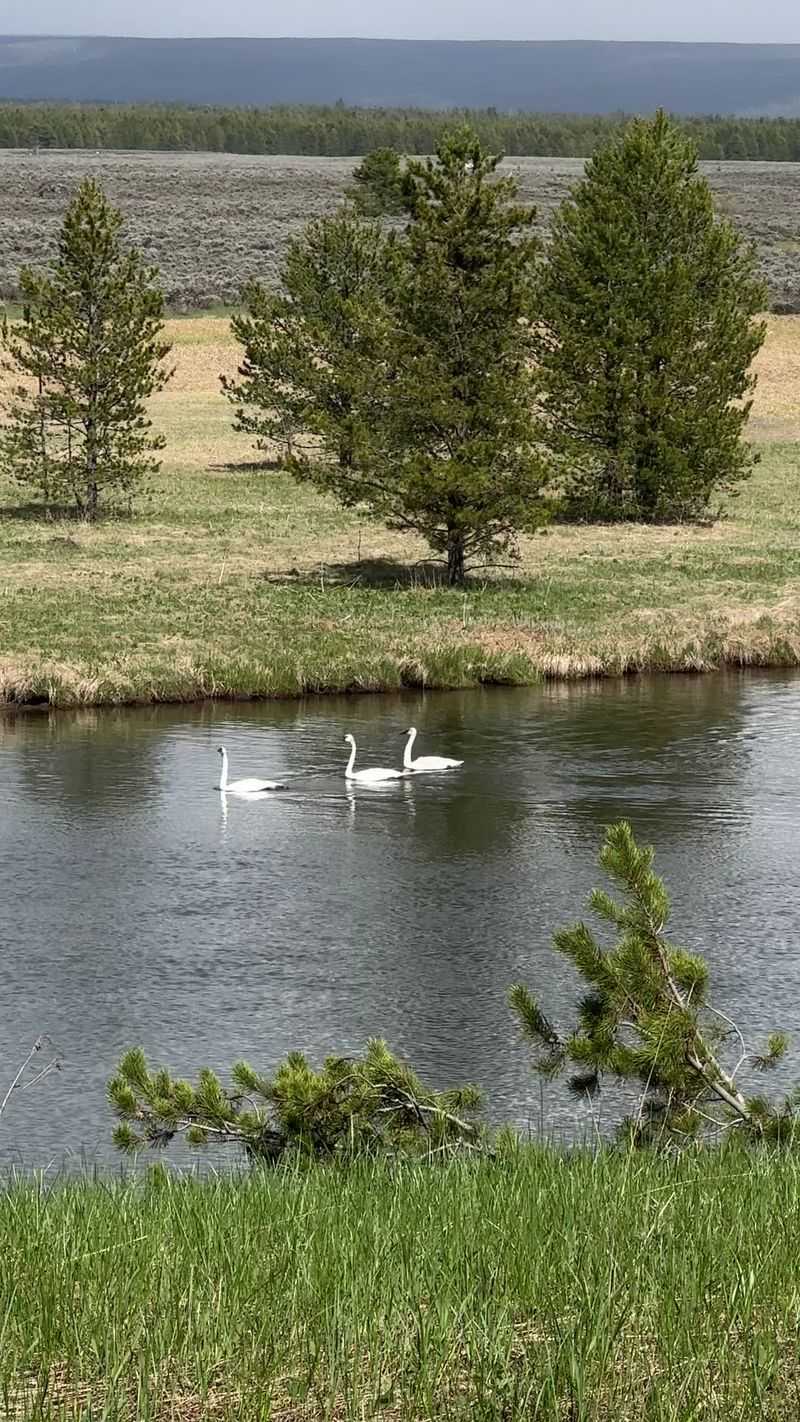
Hundreds of trumpeter swans settle onto the river from roughly November through April, turning a calm Idaho stream into one of the best places in the Lower 48 to watch them up close without a boat or a guide.
From Railroad Ranch To Public Land
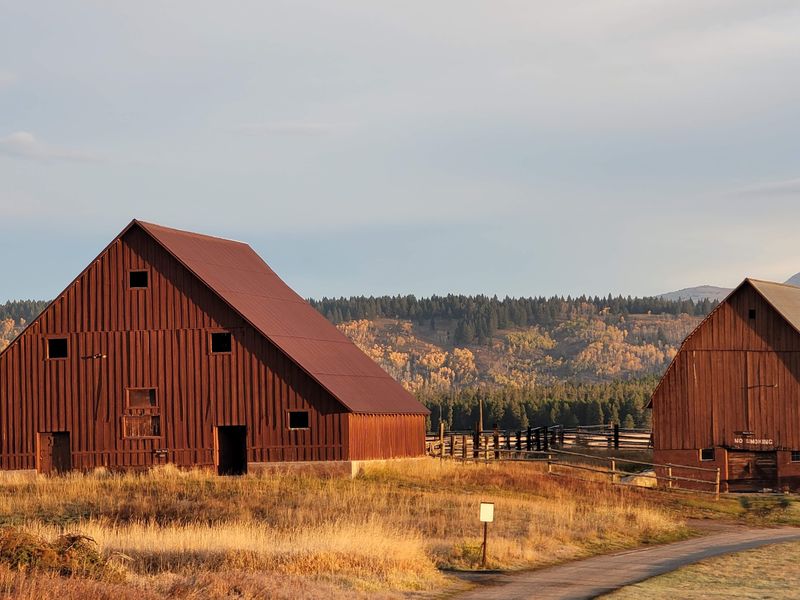
Long before anyone called it a state park, this valley was the Railroad Ranch, a private retreat owned by prominent families tied to the railroad business. They ran cattle, fished the river, and built a cluster of sturdy log and frame buildings.
In 1977 the land was dedicated to Idaho as a state park and wildlife refuge. That handoff came with a condition that shaped everything after: the ground would stay protected for the animals first.
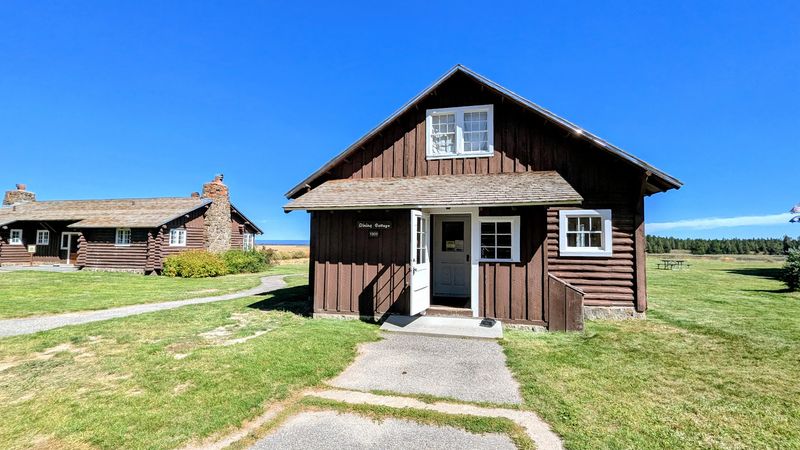
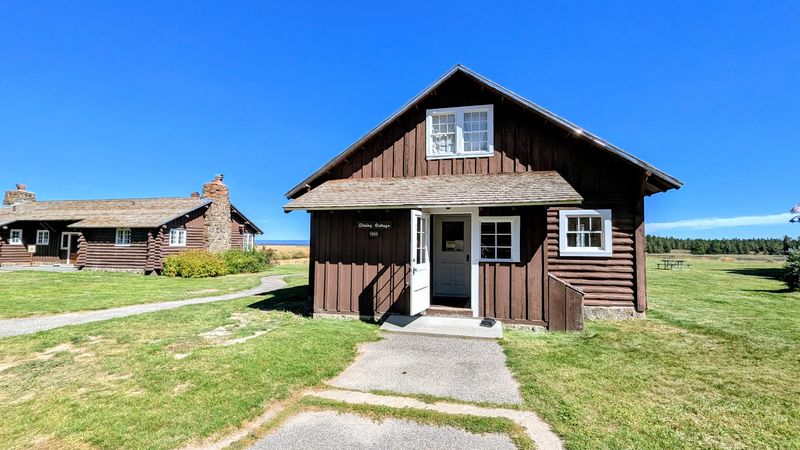
Many of the original buildings still stand. Visitors can walk in and around several of them, reading displays about how people lived here in the early 1900s.
Regulars describe it as stepping back in time, with the creak of old floorboards and the smell of aged timber.
Some of those renovated structures now work as overnight lodging, so the ranch is still hosting guests, just a very different crowd than a century ago.
Kids can grab an activity book and work toward a junior ranger certificate and badge. It is an easy way to turn a history stop into a small quest before heading down to the river to find the birds.
Spring Water That Refuses To Freeze
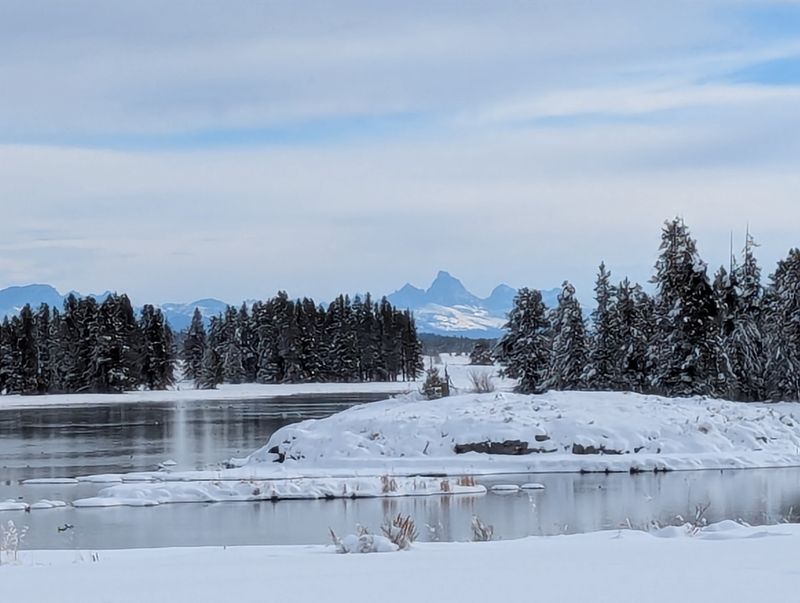
Cold mornings in Island Park can drop far below zero, and one visitor noted it always feels colder than the thermometer claims. Still, the Henrys Fork keeps flowing.
The secret lies underground. The river here is fed by springs, so its water stays steady in temperature and resists freezing even when ponds and lakes nearby lock up solid.
Mist often lifts off the surface on frigid dawns, which makes the scene look like a kettle left on low.
For swans, open water is not a luxury. It is the pantry.
Underwater plants keep growing in the current, and the birds tip their long necks below the surface to graze all winter.
A swan also needs open water to get airborne. These birds are so heavy they require something like a 100-yard runway of clear water to take off.
A frozen river would leave them grounded and hungry.
So the slow, spring-fed flow through Harriman does double duty, feeding the flock and giving it room to fly. Few rivers in Idaho can promise both through a whole winter.
North America’s Biggest Waterfowl
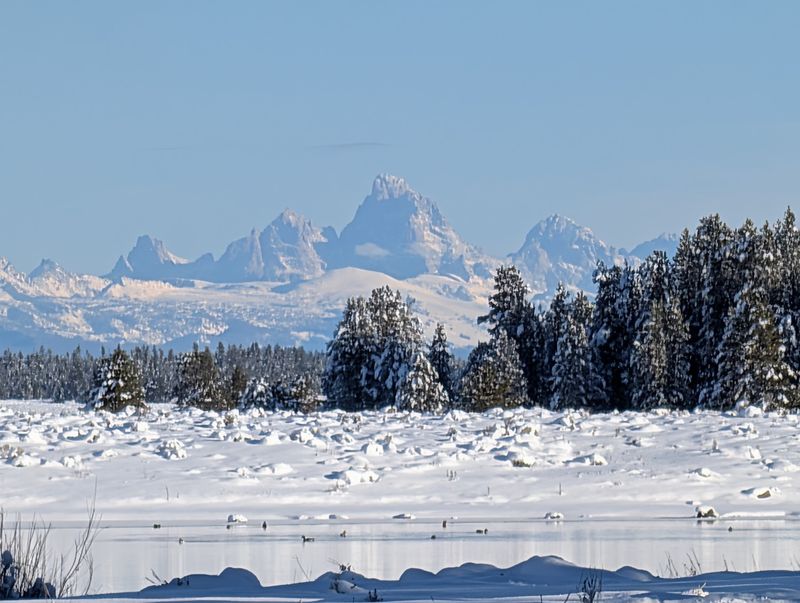
Eight feet. That is how wide a trumpeter swan’s wings can stretch, wider than most people are tall with arms held out.
Adults weigh somewhere between 20 and 30 pounds, making them the largest native waterfowl on the continent.
Up close, you notice the all-black bill and the long, straight neck. The feathers look almost too white against gray winter water.
Then there is the voice. The name comes from a deep, horn-like call that carries across the valley, and a flock chatting on a still morning sounds a little like a brass section warming up.
Standing on a snowy bank and hearing that echo is half the reason people make the trip.
Watching one take off is a show of its own. The bird runs across the surface, feet slapping the water, wings beating hard until it finally lifts.
It looks like work, because it is.
Landing is just as dramatic, with big feet pushed forward like water skis. Bring binoculars, but you may not need them often.
The birds are large enough to follow easily from a respectful distance.
A Comeback Written On The Water
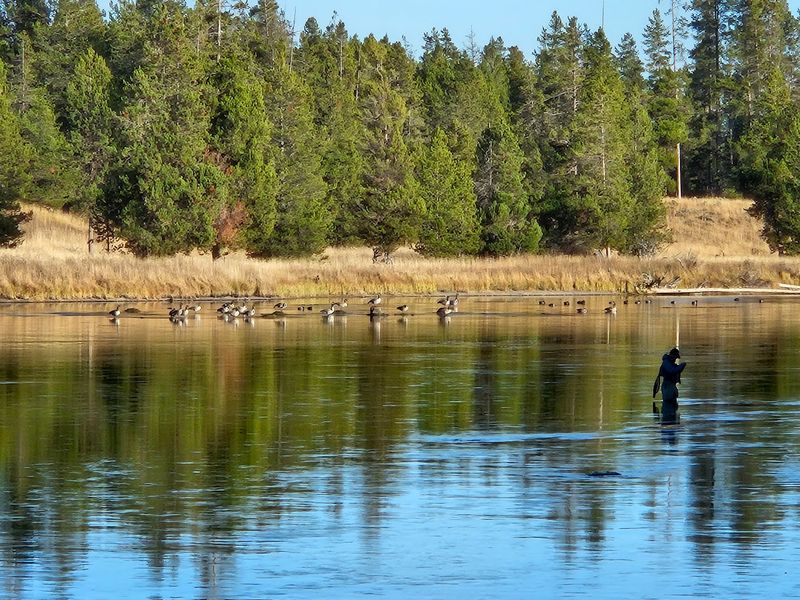
By the early 1900s, heavy hunting had pushed trumpeter swans to the edge. Only about 50 to 70 adults remained in the non-migratory population scattered across Idaho, Montana, and Wyoming.
That tiny group hung on in places with open water, much like the Henrys Fork. Protection and years of patient conservation work slowly turned the numbers around.
Today, organizations such as The Trumpeter Swan Society keep watch over the birds and their habitat. Zoo Idaho has joined efforts like the Oregon Trumpeter Swan Restoration Project, helping return swans to places they once lived.
Harriman plays a quieter role in that story. With its protected land and reliable river, it gives both resident and visiting swans a safe place to rest, feed, and raise young.
Knowing that history changes how a winter visit feels. Those hundreds of birds floating by are not just pretty scenery.
They are proof that a nearly empty sky can fill up again when people give wildlife enough room.
Anyone who grew up in eastern Idaho hearing about the swans’ return will find the scene especially satisfying to see in person.
Travelers From Alberta And The Yukon
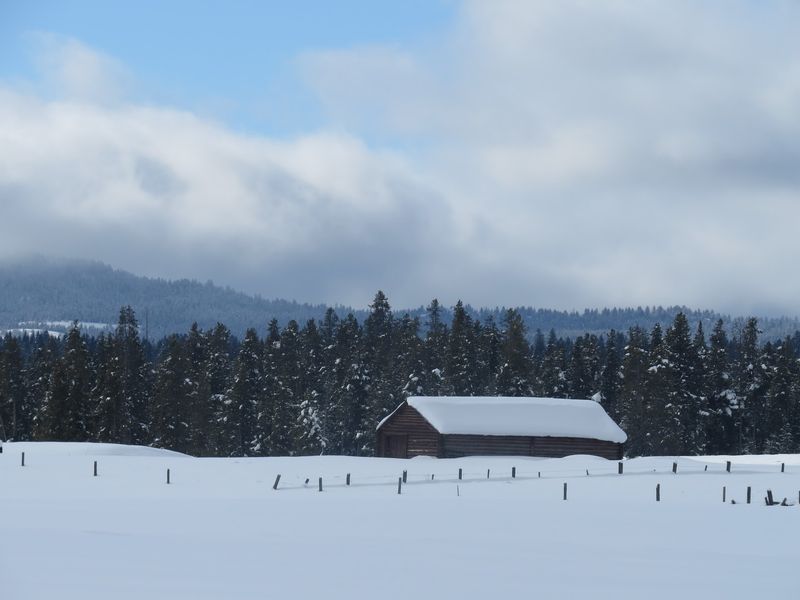
Many of the winter swans at Harriman have flown a very long way. Their nesting grounds sit in northern Alberta, British Columbia, and the Yukon Territory, and each fall they head south toward the corner where Montana, Idaho, and Wyoming meet.
Other swans join them from elsewhere in Canada and from Montana’s Red Rock Lakes National Wildlife Refuge, just over the divide. The result is a mixed crowd gathering on the same few miles of friendly water.
Arrivals pick up as November settles in. By the heart of winter, the river can hold hundreds of birds at once, spread along bends and slow pools.
Timing matters if you want the big numbers. The window runs roughly November through April, and midwinter usually brings the fullest river.
Early spring can bring departures in noisy, flapping groups.
It is a little wild to think about while standing in Fremont County snow. The bird paddling past might have spent summer near the Arctic, and it chose this spot in Idaho to wait out the cold.
Summer Cygnets And Resident Pairs
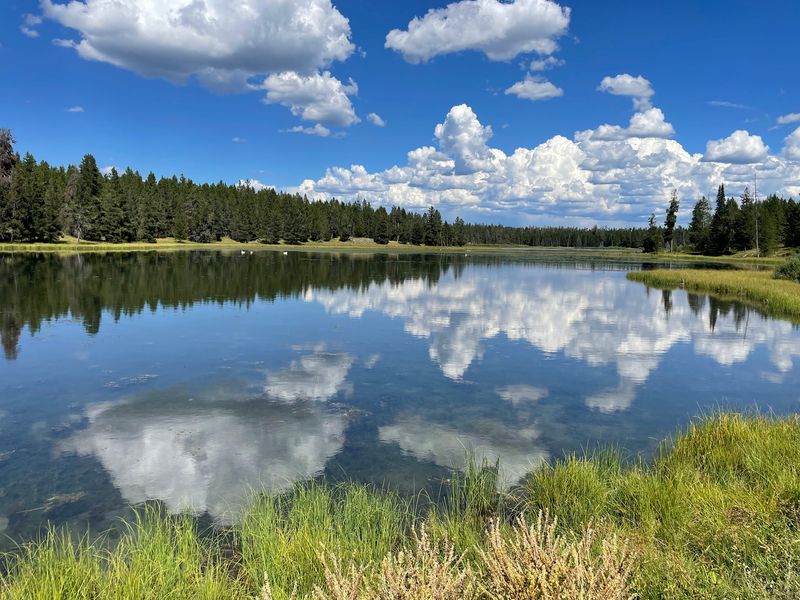
Come July, the scene looks completely different. Most of the winter crowd has flown north, but a small group of swans stays behind to nest.
Idaho has only around 20 nesting pairs statewide. Even so, Harriman has produced more cygnets than any other area in the state over the past four decades, which says a lot about how well this valley suits them.
Young swans, called cygnets, start out fluffy and gray. They trail behind their parents through reeds and shallows, gradually growing into the long-necked shape of adults.
Families should keep voices low and give nests plenty of space. Swans are sensitive to disturbance, especially while raising young, and a curious crowd on the bank can push them off their routine.
For visitors who can’t make a winter trip, spotting a swan family on a summer walk is a fine consolation prize. It also shows why protecting this place year round matters so much.
The winter spectacle depends on birds that trust this river in every season, not just the snowy ones.
Skis, Snowshoes, And Fat Tires
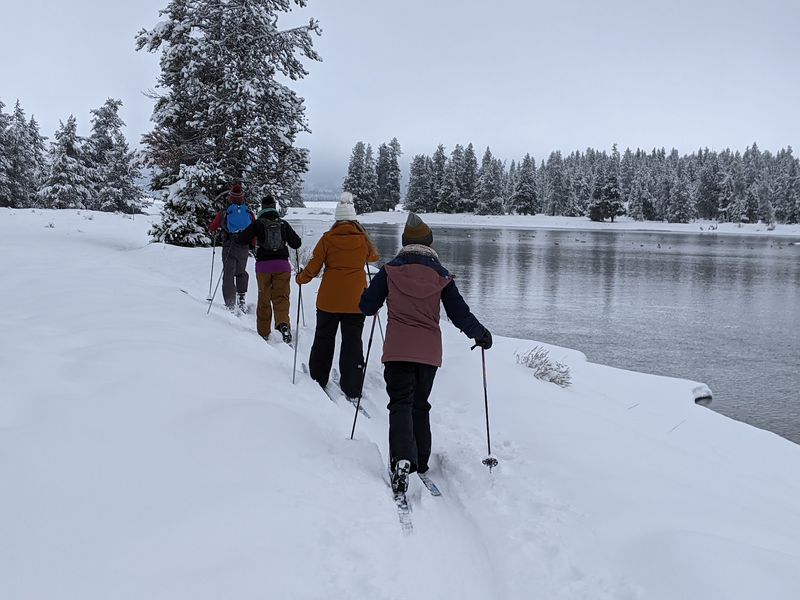
Winter swan watching here often comes with exercise attached. Once snow covers the valley, the trail system turns into a playground for cross-country skiers, snowshoers, and fat-tire bikers.
Riders mention more than 20 miles of trail that stay well kept even in the cold months. The routes wind through open meadows and forest edges, with river views popping up along the way.
Skiing is one of the most popular reasons people come in winter, and snowshoeing is close behind. Both let you glide quietly toward the water without startling wildlife the way a crowd of boots might.
Sunrise and sunset get special praise from winter regulars. Pink light on snow, steam off the river, and a line of white birds make a pretty good reward for a chilly start.
Dress seriously. Island Park weather can turn harsh, and wind across open ground bites fast.
Layers, warm gloves, and a thermos of cocoa go a long way.
Snow years vary, too. One visitor found thin cover early in the season, though the trails were still pleasant for hiking.
Moose Tracks And Elk Bugles
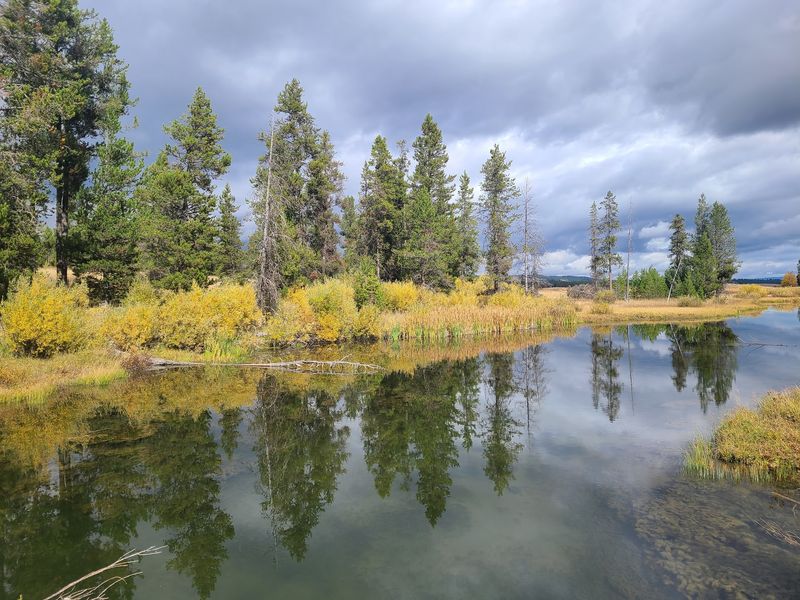
Swans may steal the winter spotlight, but they have plenty of neighbors. Moose wander the willow thickets, elk move through the meadows, and hawks and eagles scan the river from above.
Fall brings the elk bugle, a high, eerie call that visitors come specifically to hear. In warmer months, sandhill cranes stalk the wet ground and add their rattling voices to the mix.
Birders appreciate trails that hug the lakeshore, giving close looks at waterfowl without much effort. Deer show up along the horse trails too.
This is also bear country. Grizzlies and black bears live in the broader Island Park area, and regulars strongly recommend carrying bear spray outside of deep winter.
One trail runner reported bear sign everywhere without ever seeing an animal.
A good rule covers every creature here: enjoy them from a distance. Swans in particular can get stressed when people crowd them, and moose are best admired from far away.
Part of the fun is simply not knowing what will step out of the trees next. Even a short walk can surprise you.
Trout That Test Every Angler
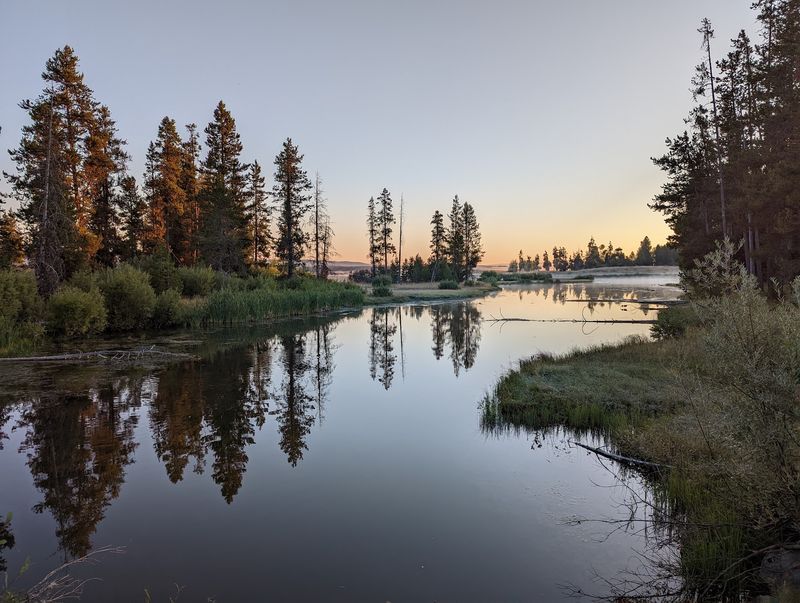
Anglers talk about the Henrys Fork at Harriman the way musicians talk about a famous concert hall. The river is considered world-class for fly fishing, and its rainbow trout have a reputation for being very selective.
That same slow, spring-fed water that keeps swans fed also grows insects and plants that feed the fish. Glassy surfaces mean trout can inspect a fly carefully before deciding, which makes each catch feel earned.
Fishing here is catch-and-release, so the fish go back into the current for the next person to try. Check current Idaho fishing rules and seasons before packing a rod, since regulations on this stretch are specific.
Even non-anglers enjoy watching. Wading figures casting long, looping lines across the meadow create a calm, patient picture that matches the pace of the whole park.
In winter, the river belongs mostly to the birds. Come summer, it shares its banks with fishermen, and both groups seem to know how to keep things quiet.
That peaceful balance is a big part of why people keep returning.
Saddles For Every Size Rider
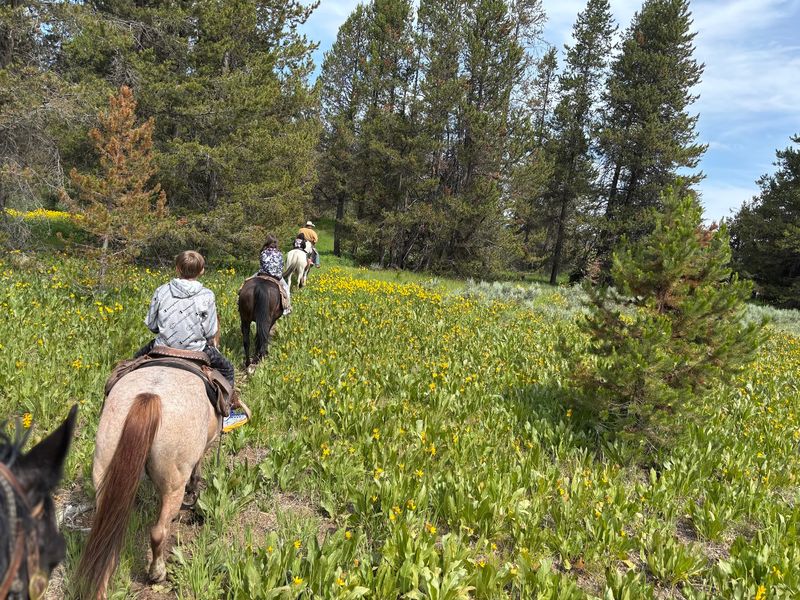
Horseback riding might be the most talked-about summer activity in the whole park. Guided trail rides loop around a lake, through the woods, and out to views of the Tetons on clear days.
Beginners report the horses are easygoing and well trained. One family described their 5-year-old riding his own horse on a tiny saddle, with a guide holding the lead rope the whole way.
Guides get warm praise for being friendly, patient, and full of information about the area. Rides of around two hours are common, with deer and wildflowers often showing up along the route.
Plan ahead on the schedule, since rides do not run every day of the week. One visitor hoping to ride on a Sunday found the stables closed, so it pays to check before driving up.
Riders with their own horses have options too. Horse trails and corrals are available for folks trailering in.
Winter visitors won’t find trail rides, of course. But it is worth knowing about for a return trip once the swans head north and wildflowers take over the meadows.
Nights In Yurts And Old Cabins
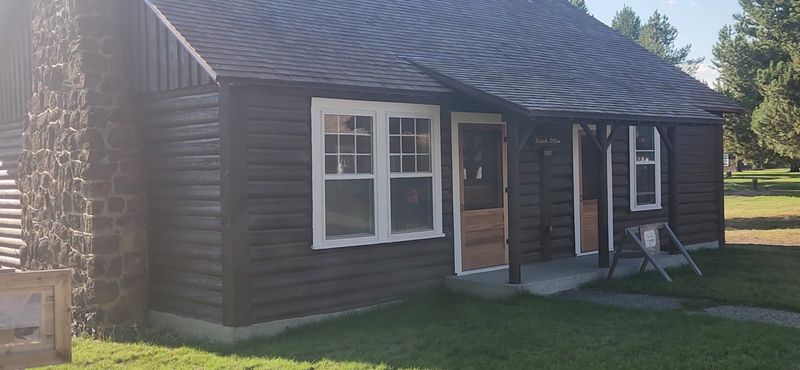
Day trips work fine, but a night on site lets you catch the swans at first light without a long drive. Harriman is mostly a day-use park, yet it offers overnight stays in yurts and renovated historic buildings.
Yurts are a winter favorite. Some families make it a tradition, staying overnight and spending days snowshoeing or skiing across the valley.
The Becker yurt sits about 1.5 miles from the overnight parking area. Two routes lead there: one winds through forest, the other crosses a flat, open field and heads more directly.
A vault toilet sits nearby, but there is no fire pit, so open fires are not allowed.
Summer campers get one strong warning from past guests. Mosquitoes can be fierce in spring and early summer, so pack plenty of bug spray.
Cabins inside the old ranch buildings add a sense of history to the stay. Waking up in a structure from the Railroad Ranch era, then stepping out to hear swans calling from the river, is the kind of Idaho morning people remember for years.
Gate Times, Fees, And The Drive North
Getting there is simple. Harriman sits right off Highway 20 in Island Park, north of Ashton and a scenic drive from Idaho Falls or Rexburg for a winter day out.
Plan on a motor vehicle entrance fee. It has historically been just a few dollars per car, which feels like a bargain for a day with swans, moose tracks, and miles of trail.
Hours and fees can shift by season, so check with the park before heading out.
A ranger station with knowledgeable staff can help with questions about trails, wildlife, and conditions. The grounds are kept clean, and there is a pavilion along with river access.
Winter driving on Highway 20 calls for good tires and extra time. Snow can pile up fast in Island Park, and temperatures tend to run colder than the forecast suggests.
Bring layers, binoculars, snacks, and a camera with a zoom lens. In warmer months, add bug spray, sunscreen, and bear spray.
Mud can linger on trails after rain, so bikers may want to wait a few dry days before riding.
Worth The Cold Fingers
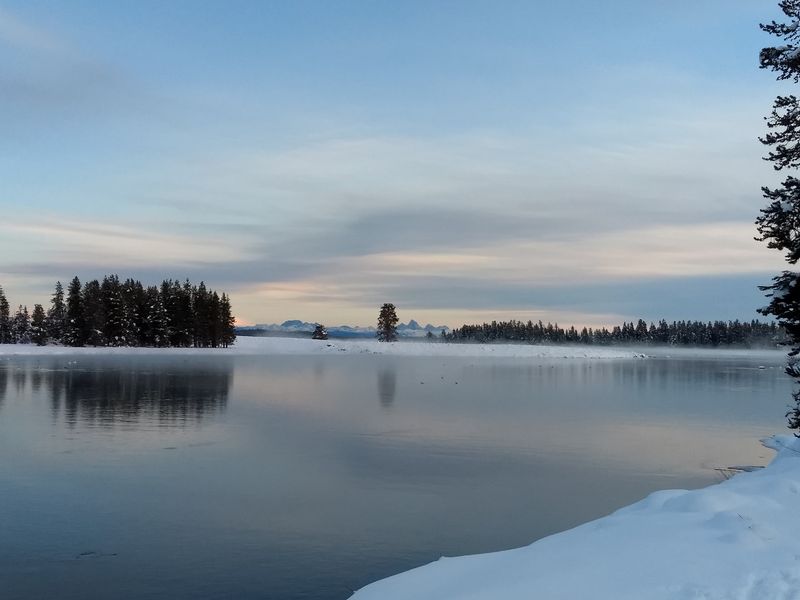
Frozen toes are a small price for what waits on the Henrys Fork. Few places in Idaho let you stand quietly in the snow while hundreds of the continent’s largest waterfowl float, feed, and call just across the water.
Harriman suits a wide range of people. Families get history, junior ranger badges, and easy trails.
Skiers and fat bikers get groomed miles through open country. Birders and photographers get a front-row seat to a true conservation success.
It is not a flashy place, and that is the point. No engines roar through, the river moves slowly, and the old ranch buildings stand as quiet reminders of another era.
Aim for the heart of winter if seeing the biggest flocks is the goal. Summer brings its own rewards with cygnets, trail rides, and trout rising in the evening light.
Either way, it is a spot many eastern Idaho families already call their go-to park. After one foggy morning listening to those horn-like calls roll across the valley, it is easy to see why so many keep coming back.