12 North Carolina Places Where You Can Volunteer And Make A Real Difference For Animals
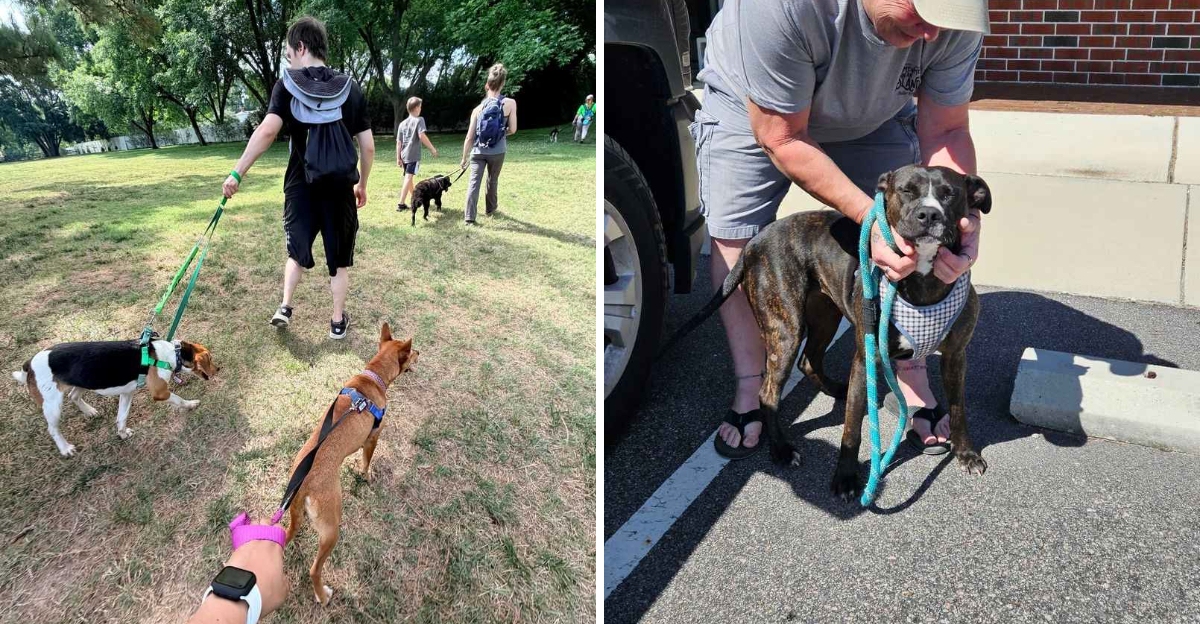
Volunteering with animals has a funny way of making a few hours disappear.
You arrive expecting to help with one small task, and before long you are invested in whether a nervous dog finally relaxes or whether a recovering animal gets through another good day.
Across North Carolina, volunteer programs give people very different ways to be useful. Some roles are hands-on from the start, while others happen quietly behind the scenes and matter just as much.
That variety makes it easier to find a place that fits your comfort level.
Many organizations welcome beginners after orientation, while more specialized work requires extra training or a longer commitment. Age rules also differ, so checking ahead saves frustration.
The biggest contribution is often consistency.
Show up when you said you would, do the unglamorous work well, and suddenly you are helping create a better day for an animal that needed one.
12. SPCA Of Wake County – Raleigh
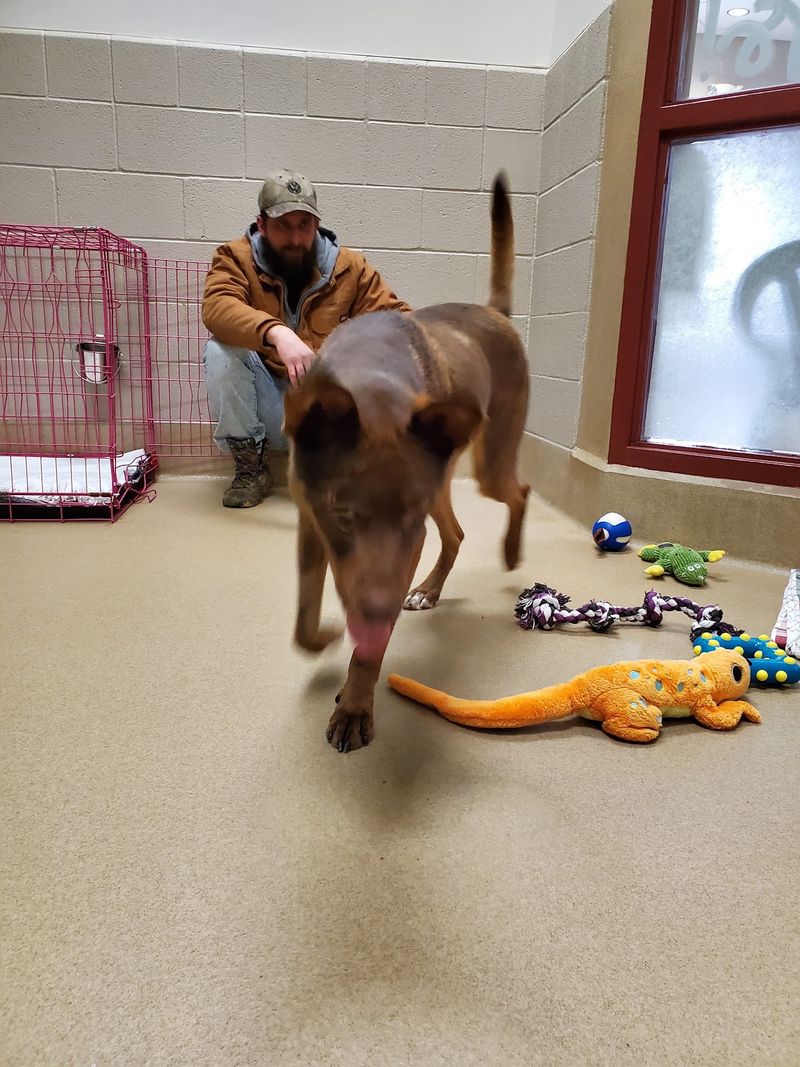
A major expansion makes 2026 an especially interesting time to volunteer with the SPCA of Wake County.
The Curtis Dail Pet Adoption Center remains at 200 Petfinder Lane in Raleigh. Beside it, the new Peggy Garner Britt Pet Admission and Resource Center opened this spring as part of the Susan and Randall Ward Regional Campus for Pets and People.
Renovation work at the older adoption center is still underway, but adoptions and volunteer activity continue. New volunteers must be at least 18 and complete the organization’s onboarding and role-specific training.
The main assignments include Canine, Feline, and Small Pets Butlers, who clean animal spaces, provide enrichment, handle potty breaks, and spend positive time with pets.
Matchmakers work more directly with visitors by learning about available animals and helping with introductions.
General Cleaning volunteers tackle laundry, dishes, and other back-of-house jobs, while Event volunteers assist at community programs and wellness clinics.
More advanced positions can open later in areas such as medication administration, medical support, and administration.
SPCA Wake asks volunteers to contribute at least 48 hours per year, so this is designed for people willing to return rather than make a single appearance. In 2025 alone, volunteers contributed more than 16,000 hours to the organization’s work.
11. The Humane Society Of Charlotte – Charlotte
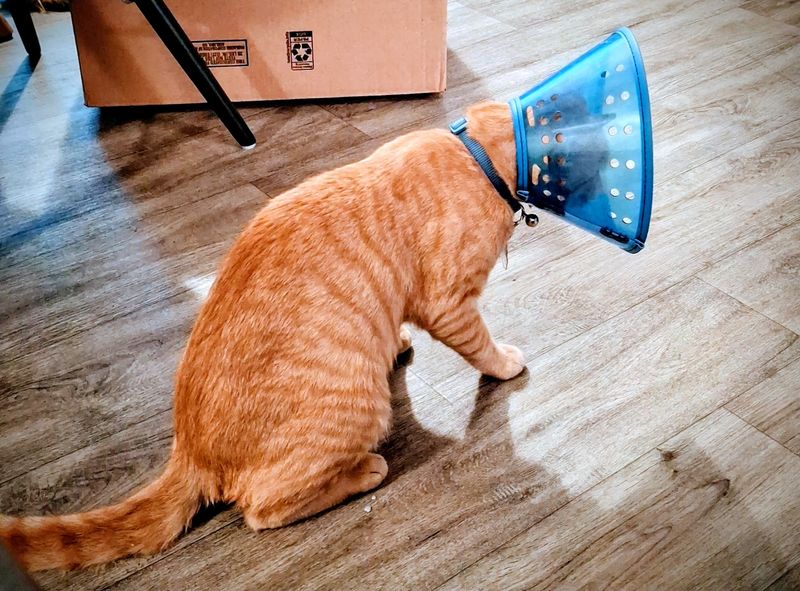
Early mornings at the Humane Society of Charlotte can begin with the practical work that keeps an adoption center functioning.
Current 2026 volunteer shifts at 1348 Parker Drive include dog kennel housekeeping, cat kennel housekeeping, laundry, dog walking, animal enrichment, clinic support, and several administrative or community-based assignments.
Kennel volunteers sanitize food and water bowls, clean bedding and toys, wash floors, and help Animal Care staff maintain healthy spaces before the public arrives.
Dog walking requires additional training, with volunteers completing two training shifts before becoming Qualified Dog Walkers.
Once approved, they can sign up for regular walks, shorter afternoon potty breaks, and more advanced opportunities such as Adventure Tails or dog playgroups.
On-site volunteering starts at age 16, although volunteers who are 16 or 17 must bring a parent or guardian to orientation.
The Humane Society of Charlotte asks volunteers to commit to six hours per month for at least six months, which gives animals more consistency than one-time visits could provide.
Newcomers first watch an information session, pass a short quiz, and attend orientation before signing up for assignments.
Group projects are available as well, often concentrating on kennel cleaning, laundry, yard work, and other tasks that make the whole facility easier for animals and staff to use.
10. Animal Protection Society Of Durham – Durham
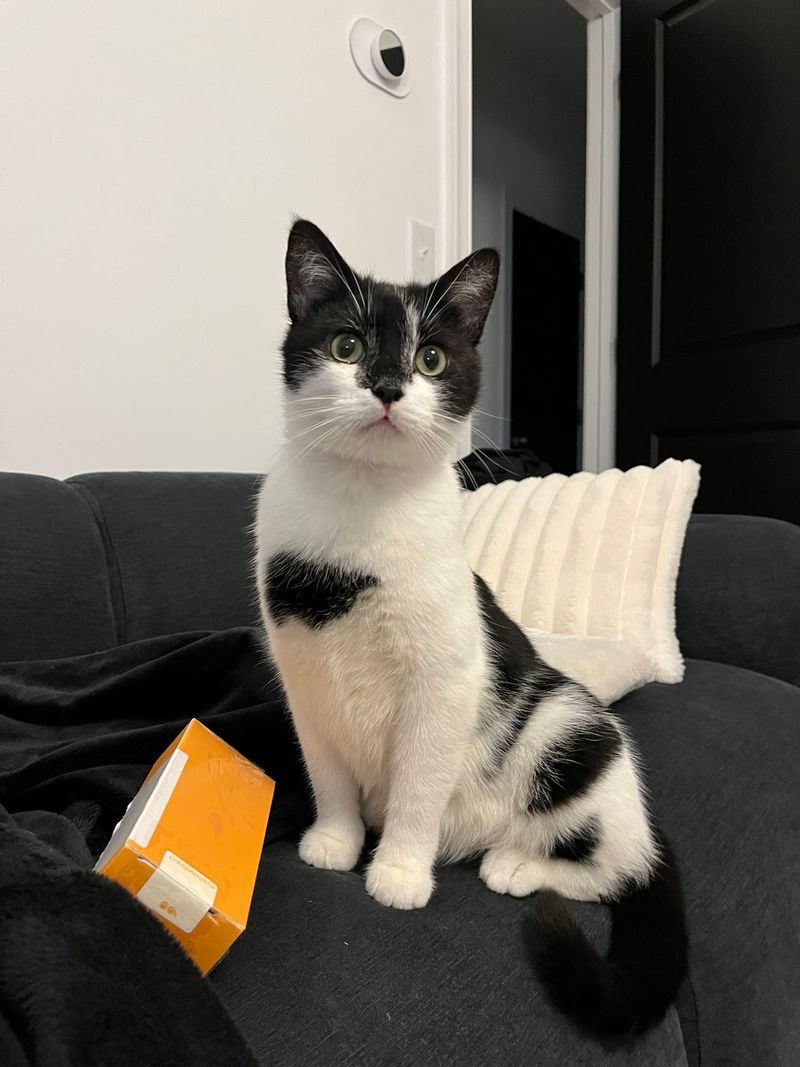
A book and a calm voice are enough to make one of the most unusual volunteer programs in Durham work. Reading Time with Cats at the Animal Protection Society of Durham welcomes participants as young as five to sit in the cat rooms and read aloud between noon and 2 p.m.
Monday through Saturday. Readers do not handle the cats, which makes the assignment especially approachable for children or anyone who likes animals but is not comfortable with direct handling.
The broader volunteer program at 2117 E. Club Boulevard includes dog walking and enrichment, cat care, medical assistance, front-desk support, community events, and event dog handling after additional experience.
Youth rules vary by role. Volunteers ages 10 to 16 can help with dog walking or cat care when accompanied by an adult, while those 16 and older can volunteer independently with dogs and cats.
Regular APS volunteers are generally asked to contribute eight hours each month and make a six-month commitment. Orientation comes first, followed by training in the chosen area before independent shifts begin.
The Reading Time program has lighter handling requirements but still uses the volunteer portal and orientation process.
That range gives the Animal Protection Society of Durham an unusually broad entry point, from a child quietly reading beside a cat room to an experienced volunteer helping an adoptable dog build better leash skills.
9. Orange County Animal Services – Chapel Hill
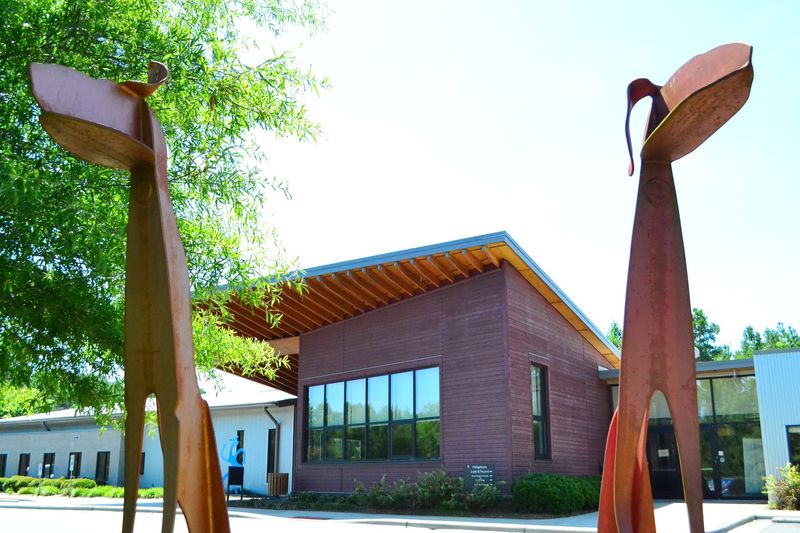
Getting a shelter dog out into the wider world is one of the most distinctive ways to help at Orange County Animal Services.
The current Dog Adventures program includes Dog Day Out, overnight Dog Sleepovers, and Hikes with Hounds. Each gives adoptable dogs time away from the shelter while helping staff learn more about their behavior in everyday settings.
Participants in Dog Adventures must be at least 18. Hikes with Hounds pairs registered volunteers with selected shelter dogs for guided walks, while Dog Day Out can turn a few free hours into a park visit or another approved local outing.
Photographs and feedback from those trips can also help staff present a fuller picture of each dog to potential adopters.
Volunteers who would rather stay closer to the facility at 1601 Eubanks Road can help with clerical work, laundry and dishes, outreach events, animal transportation, and other shelter-support duties.
Fostering operates separately and can include animals needing medical recovery, socialization, neonatal care, or simply time away from the shelter environment.
Orange County Animal Services continues to schedule Hikes with Hounds and other volunteer activities throughout 2026, so this is more than an occasional special event.
The variety works especially well for people who want meaningful animal involvement without committing to exactly the same type of shelter shift every week.
8. Guilford County Animal Services – Greensboro
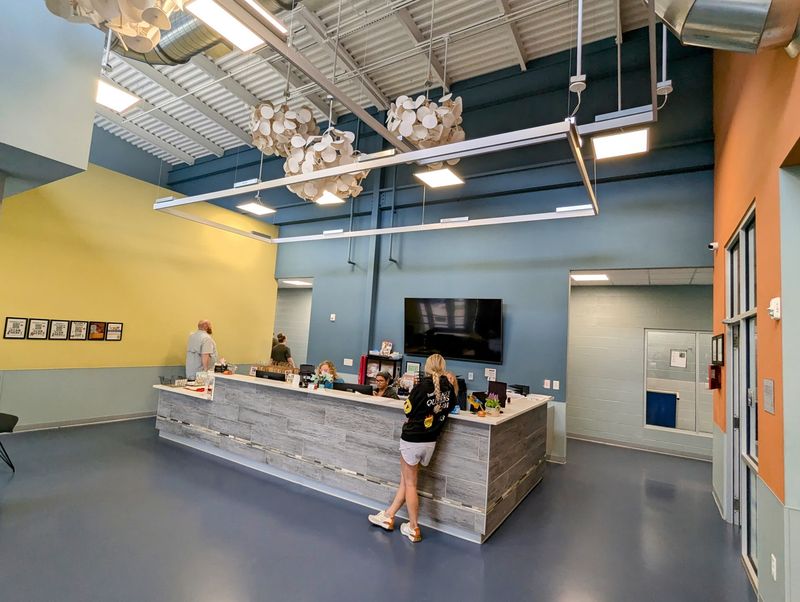
A shelter dog does not have to spend every volunteer outing inside the shelter grounds.
Dogs Day Out lets approved participants take an adoptable dog into the community for exercise, socialization, photos, and a change of scenery.
At 980 Guilford College Road in Greensboro, the broader volunteer program also includes animal enrichment, grooming, kennel support, administrative help, lobby greeting, events, and the Canine Comfort Crew.
That last program takes suitable shelter dogs on visits to nursing homes, allowing volunteer work to benefit people as well as the animals taking part.
Volunteers must generally be 18 or older, although exceptions require advance approval from the Volunteer Coordinator.
Guilford County asks active volunteers to complete at least 24 hours of service during a year, which is a relatively manageable commitment for someone balancing work or school.
Anyone who prefers not to handle animals can still help with administrative tasks and other support roles.
One important 2026 planning detail concerns groups: organized volunteer projects are already booked through the end of the year, so additional group requests are not currently being accepted.
Individual opportunities remain available. With multiple programs under one roof, Guilford County Animal Services gives volunteers room to start with cleaning or enrichment before deciding whether more specialized animal work feels like the right fit.
7. Forsyth Humane Society – Winston-Salem
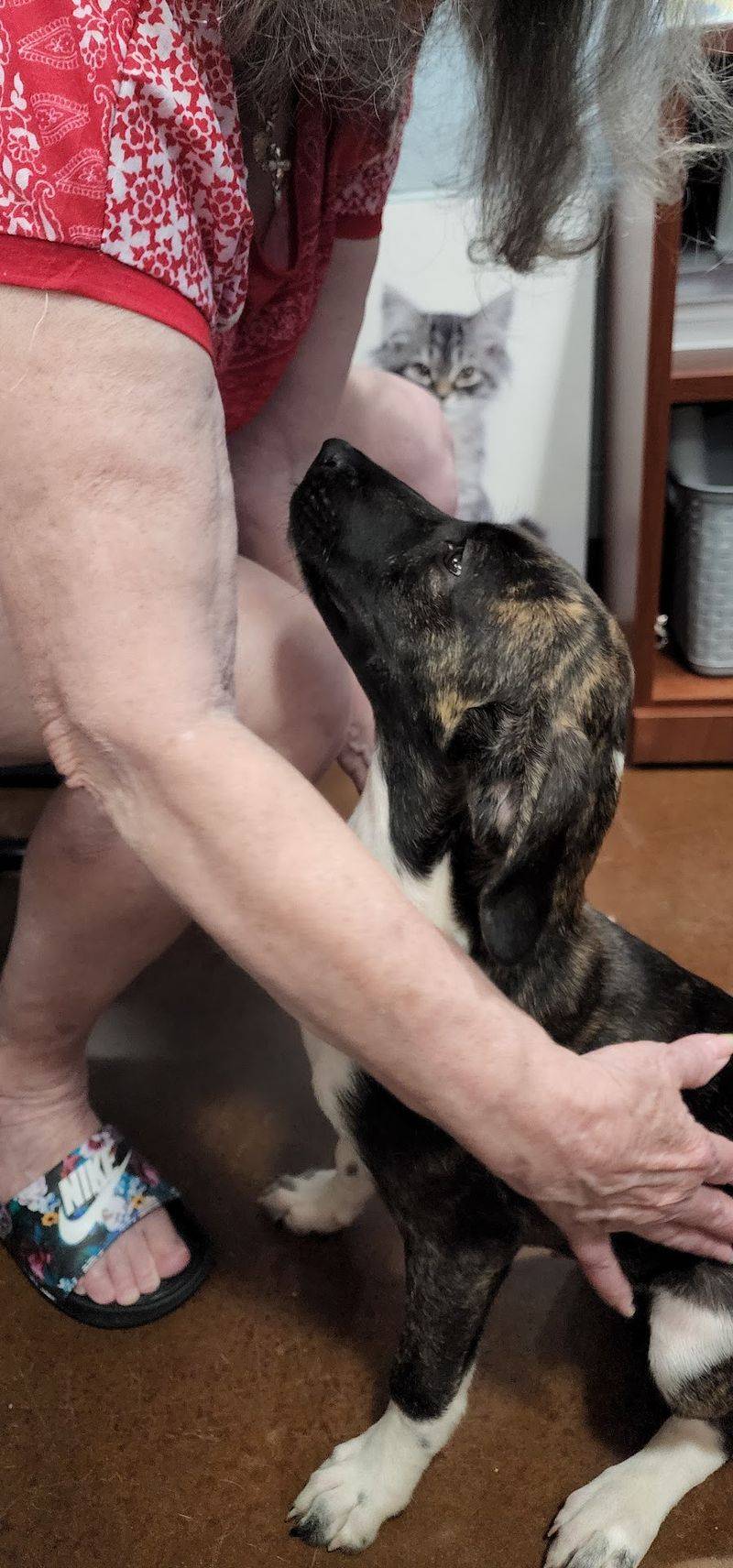
Cleaning may not be the glamorous side of animal rescue, but Forsyth Humane Society makes it clear that those shifts matter just as much as the visible ones.
Volunteers at 4881 Country Club Road in Winston-Salem support the organization through shelter cleaning, animal comfort, community outreach, events, and the routine jobs that keep daily operations moving.
The current program accepts volunteers age 16 and older for independent service. Children ages 12 through 15 can participate when accompanied by a trained parent or legal guardian, with both adult and child registered in the volunteer system.
Newcomers complete an application and attend an in-person orientation before signing up.
Volunteer hours currently run Monday through Saturday from 8 a.m. to 1 p.m. and again from 2 to 6 p.m., even though public adoption hours are narrower and the shelter itself is closed to visitors Sunday and Monday.
That distinction gives volunteers more opportunities to help outside normal adoption traffic. On-site needs, however, are very much active in 2026.
Forsyth Humane Society’s current volunteer page emphasizes flexibility, making it a practical place for someone who is happy helping wherever the shelter needs an extra pair of hands.
6. Saving Grace Animals For Adoption NC – Wake Forest
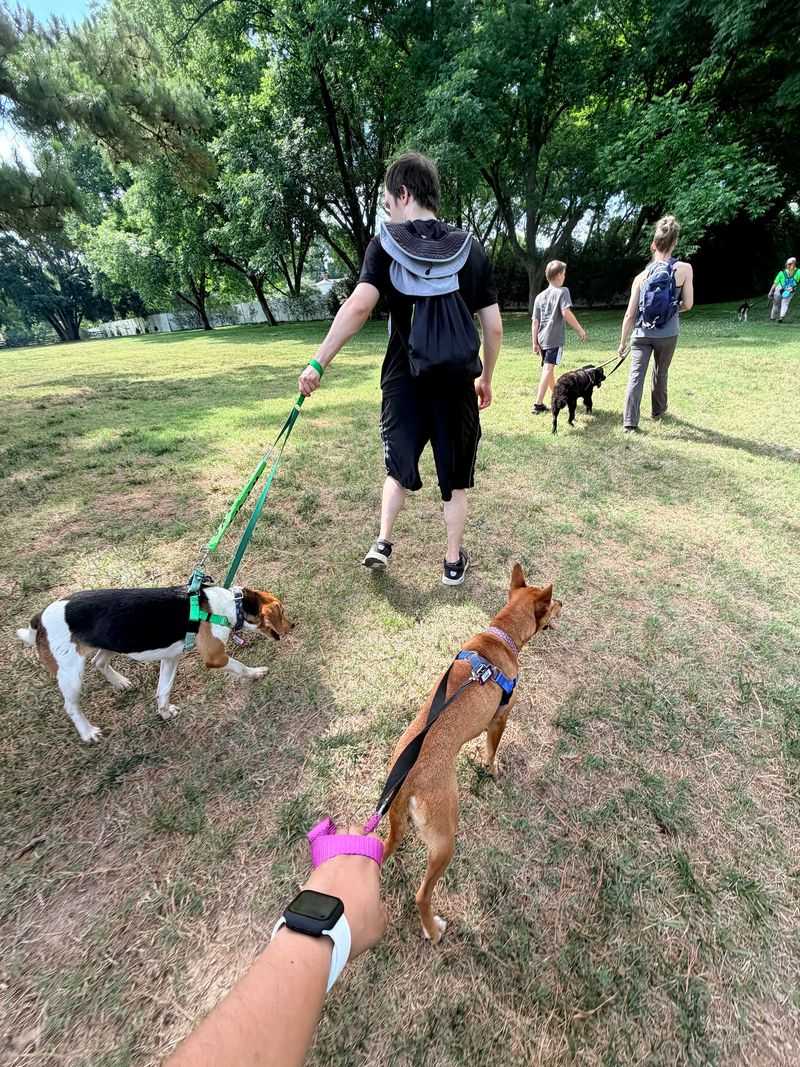
Sleepovers, hikes, and farm chores make this rescue feel more like a country adventure than a shelter visit. Operations run from 13400 Old Creedmoor Road, Wake Forest, NC 27587, where dogs pulled from rural shelters wait for new homes.
Volunteers power nearly everything.
Shift Work covers daily care: feeding, cleaning, rotating dogs outdoors, and helping with medical needs. The Host a Dog for a Weekend program lets you take a dog home for a sleepover, giving the pup a break and the staff useful notes about house manners.
The Hiking Program gathers volunteers for group walks on local trails, boots crunching gravel while tails swing in every direction. Trail outings build confidence in dogs who freeze at new sounds.
Fostering puppies or dogs recovering from surgery remains a constant need.
Orientations are scheduled for September 12 and September 17, 2026. Arrive in clothes that can handle mud, bring plenty of water, and expect happy exhaustion.
Saving Grace Animals for Adoption NC turns everyday kindness into second chances.
5. Carolina Tiger Rescue – Pittsboro

Volunteer work becomes much more structured when the residents include tigers and other wild cats.
Carolina Tiger Rescue operates its sanctuary at 1940 Hanks Chapel Road in Pittsboro, where current individual opportunities are divided into Animal Care, Tour Team, Construction, and a few additional support roles.
Animal Care is the most physically demanding option and is open to adults 18 and older. Volunteers prepare diets, change water dishes, clean enclosures, feed animals, help with maintenance, and create enrichment that encourages natural behavior.
The role requires at least one four-hour shift each week, and non-seasonal volunteers commit to a full year. Recruitment is currently open from August through March, so September 2026 falls squarely within the application season.
Tour Team volunteers also must be 18 and commit for 12 months, but their work focuses on guiding visitors and explaining the sanctuary’s mission, conservation positions, and the backgrounds of resident animals.
Construction volunteers tackle groundskeeping, enclosure work, repairs, and other physically demanding projects, with a six-month minimum commitment.
This is not a casual animal-contact experience. Training, barriers, procedures, and long-term reliability matter because the residents are wild animals, not pets.
Carolina Tiger Rescue’s current volunteer descriptions make that seriousness clear, which also makes every completed shift more valuable to the sanctuary’s daily operation.
4. Piedmont Farm Animal Refuge – Pittsboro
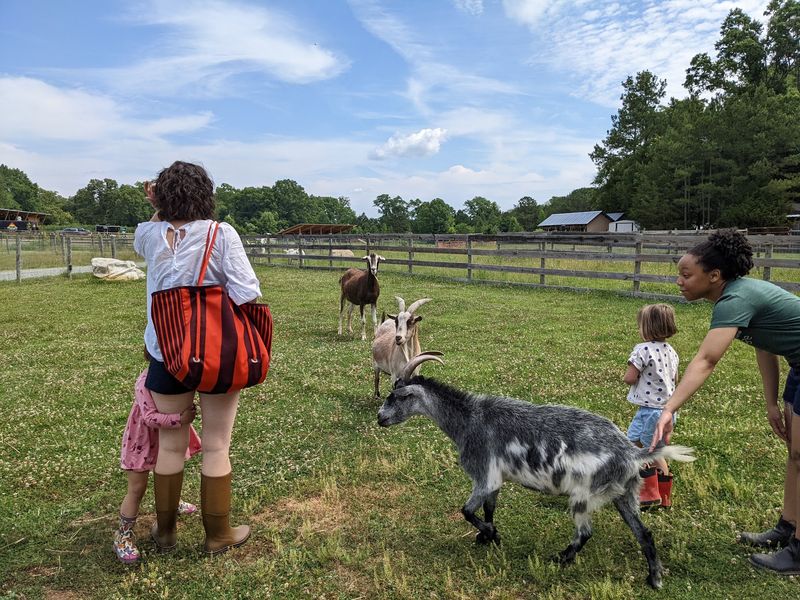
Feeding a rescued goat or replacing bedding in an animal house is only one part of the volunteer picture at Piedmont Farm Animal Refuge. The Pittsboro sanctuary cares for more than 100 rescued farmed animals, including cows, sheep, goats, turkeys, chickens, ducks, geese, and a guinea fowl.
Volunteer roles range from physically demanding animal-house cleaning to laundry, vegetable preparation, office work, tours, special projects, and direct animal care after training.
The sanctuary’s main address is 7236 NC-87, but volunteers are specifically told to enter through the Pavilion forest entrance at 7432 NC Hwy 87 N, an important detail for anyone using GPS.
General volunteering and Animal House Cleaning can include children age 10 and older when they work alongside a parent or legal guardian. Office volunteering starts at 14.
Direct Animal Care is much more demanding: participants must be at least 18, complete training, commit to at least three shifts per month for a year, and be able to handle outdoor work and heavy lifting.
Those volunteers provide food, water, enrichment, and socialization while following the sanctuary’s care routines independently.
Tour guides have their own commitment requirements, while education volunteers can help with programs such as Camp Compassion and LEAP. Companion animals, including dogs, are not allowed at the sanctuary because of the stress and safety issues they can create for residents.
3. Possumwood Acres Wildlife Sanctuary – Hubert
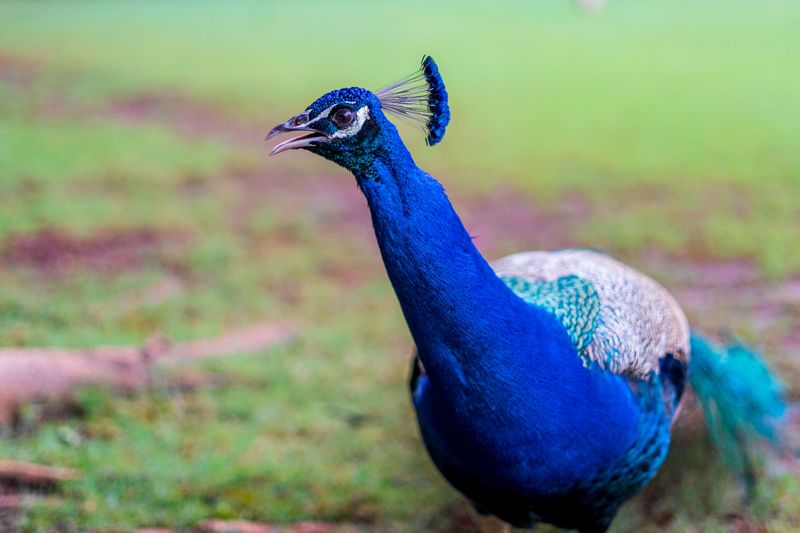
Native wildlife brings a completely different set of responsibilities at Possumwood Acres Wildlife Sanctuary. The nonprofit operates at 119 Doe Drive in Hubert and remains open from 9 a.m. to 6 p.m. daily while caring for wild animals that need rehabilitation before they can return to their natural environments.
Current volunteer information says helpers work alongside staff and interns with animal care, maintenance, and groundskeeping.
The sanctuary also specifically welcomes people with practical skills such as carpentry, construction, landscaping, or photography, making this one of the better choices for volunteers who want to contribute without necessarily focusing on animal handling.
New volunteers register through the sanctuary rather than simply arriving and beginning care on their own. That distinction matters in wildlife rehabilitation, where unnecessary human interaction can interfere with an animal’s ability to return successfully to the wild.
Specific animal-care responsibilities depend on staff instruction and each volunteer’s experience, so new helpers should expect to begin with the tasks assigned to them. The need for help, however, is current and explicit.
Volunteers remain central to everyday care, cleaning, property work, and the many supporting tasks that allow trained rehabilitators to spend more time concentrating on injured and orphaned native animals.
2. Outer Banks SPCA – Manteo
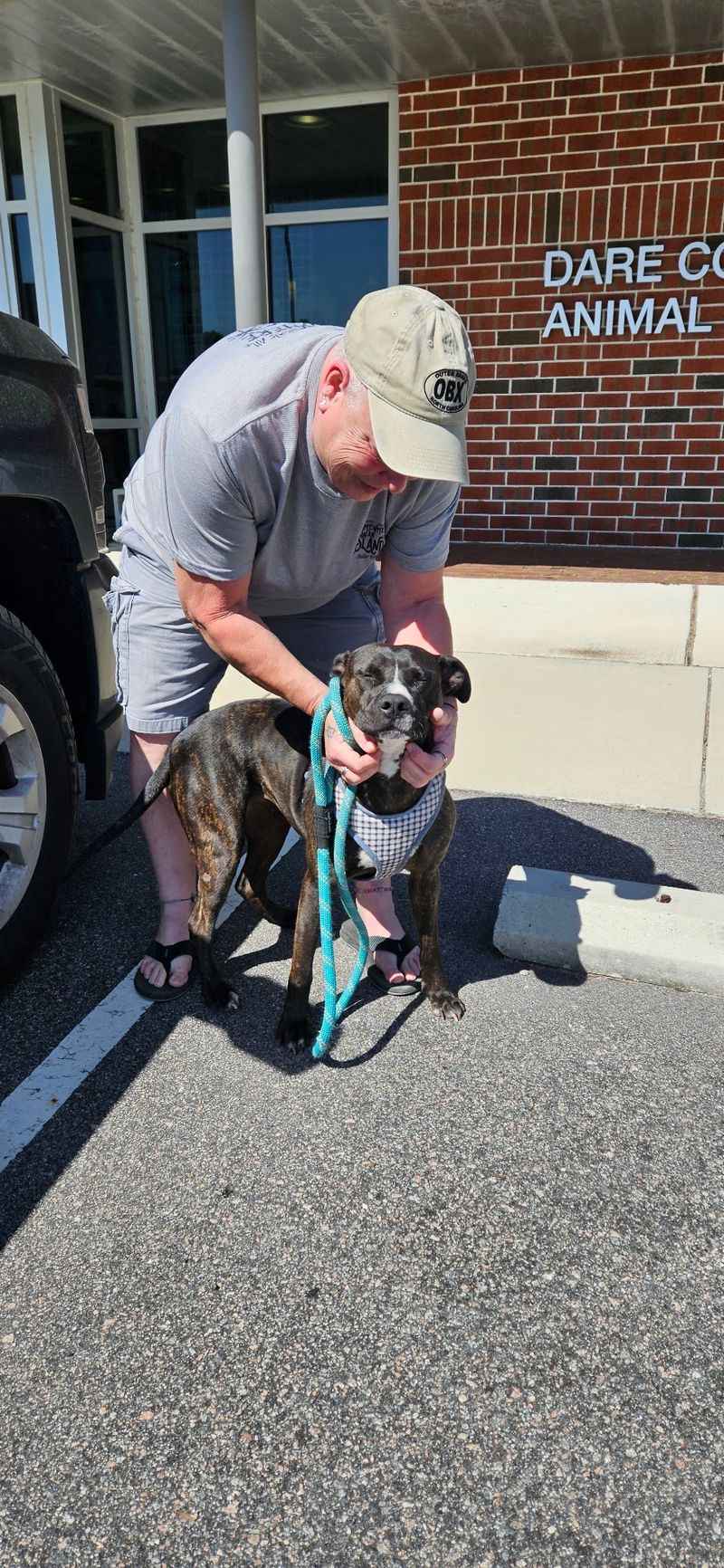
Visitors do not have to live on the Outer Banks to give a shelter dog a good day. The Outer Banks SPCA, which operates the Dare County Animal Shelter at 378 Airport Road in Manteo, actively promotes Voluntourism for travelers who want to add animal volunteering to a vacation.
Participants can spend time with shelter animals, walk dogs, help with bathing, or use the shelter’s reading corner.
The special Foster for a Day program takes that idea farther by allowing an approved participant to bring a dog out for a daytime adventure and return the animal before closing.
A Voluntourism version even comes with a Treasure Map pointing toward dog-friendly places around the Outer Banks.
Regular local opportunities currently include Dog Walking, Cat Enrichment, Clean Team shifts, a PetSmart Cat Team, off-site event assistance, Foster for a Day, and committee work.
Volunteer visits are generally available Monday through Friday between 9 a.m. and 5 p.m., with the shelter closed from 1 to 2 p.m. and weekend opportunities handled by appointment. School volunteers younger than 16 need parental supervision.
Unlike a long-term foster arrangement, Foster for a Day requires no overnight stay, making it unusually accessible for people who have only a few free hours. Outer Banks SPCA turns that limited window into useful exercise, socialization, and visibility for an adoptable dog.
1. Carolina Raptor Center – Huntersville
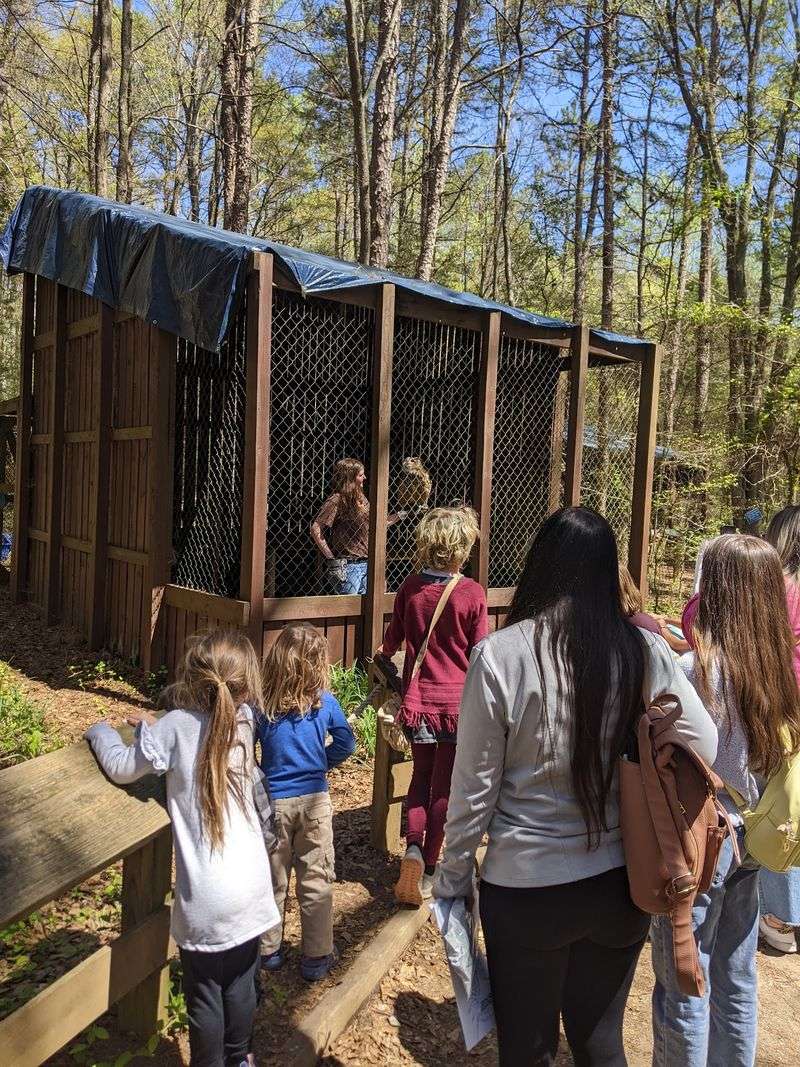
Bird lovers willing to make a real commitment can become part of the work happening behind the Raptor Trail at Carolina Raptor Center.
The organization operates at 6000 Sample Road in Huntersville within Latta Nature Preserve. More than 30 avian ambassadors live along its three-quarter-mile visitor trail, while the rehabilitation hospital cares for hundreds of wild raptors each year.
Current volunteer roles include Docent, Avian Ambassador, Property, Raptor Hospital, Raptor Rescue Team, Photography, and other specialized assignments. Most individual positions are for adults over 18 and require a minimum one-year commitment.
Candidates complete an application, interview, background check, paperwork, and orientation before training in a particular role.
Hospital volunteers can help clean indoor and outdoor enclosures, prepare appropriate food, record feeding and behavior information, clean equipment, answer calls, and assist staff with arranging transportation for incoming patients.
The Raptor Rescue Team focuses on safely getting birds to the hospital, while Property volunteers keep the large wooded site functioning. People interested in public education can work toward docent or ambassador-related roles instead.
Carolina Raptor Center also offers occasional Community Volunteer Days for people who cannot commit to a full year. Long-term volunteers pay a current $40 program fee covering uniform and supplies.
The work is structured, but that structure is what allows North Carolina volunteers to contribute safely around birds receiving professional rehabilitation care.