These 10 Florida Places Make Every Traveler Want To Stick Around Longer
The problem with a great trip is realizing too late that you scheduled the flight home.
Florida has a habit of creating that problem with clear springs, historic streets, tropical gardens, old forts, space history, and landscapes that seem to change every few hours.
One day can involve butterflies and glass-bottom boats. The next might bring rockets or ancient cypress.
How do you leave on time after that?
These places give travelers much more than a quick photo stop. Another path, exhibit, boat ride, or unexpected detail always seems ready to pull the day forward.
Keep the itinerary loose. The smartest decision may be leaving one extra night completely unplanned.
1. Marie Selby Botanical Gardens, Sarasota
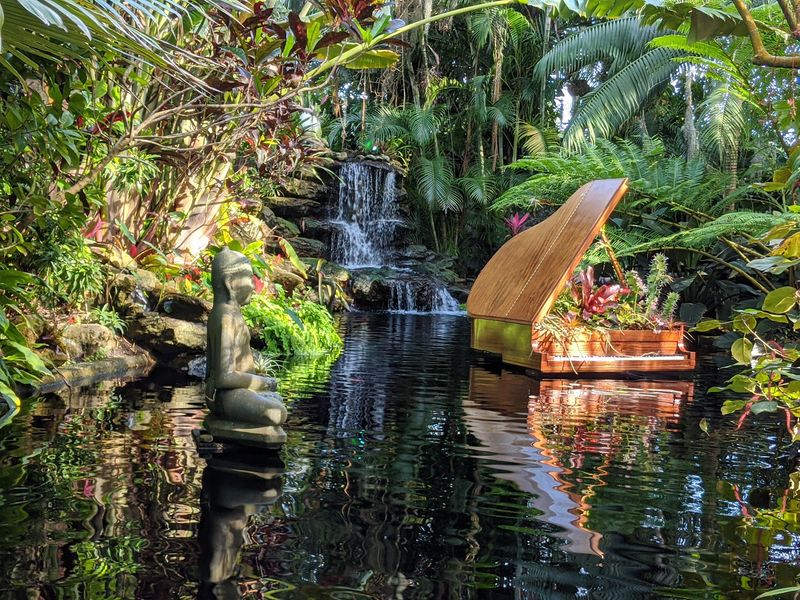
Tropical plant science can actually feel like a fairy tale.
Marie Selby Botanical Gardens spans two campuses in the Sarasota area, with a 15-acre Downtown Sarasota campus and a 30-acre Historic Spanish Point campus in nearby Osprey.
The downtown campus specializes in epiphytes, including many orchids, bromeliads, gesneriads, and ferns adapted to growing on other plants rather than rooting in the ground.
Inside the rainforest conservatory, humid air, delicate ferns, and bold blooms surround you at every turn.
Children get their own elevated rainforest garden up in the treetops. Swinging bridges and epiphyte canyons make the climb feel like a small adventure.
Down at the water, a mangrove walkway opens onto calm views of Sarasota Bay. Bring a hat, since shade comes and goes along the boardwalk.
The second campus, Historic Spanish Point in nearby Osprey, covers 30 acres of native Florida plants. Exhibits and preserved rooms there tell stories of ancient peoples and pioneer families.
Trails and boardwalks wind through pine flatwoods and oak hammocks, so wear comfortable shoes. Docent-led walk-and-talk tours are offered on many weekdays at the Downtown campus, subject to volunteer availability.
On select Saturdays, Selby Gardens offers a full-day boat excursion with roundtrip transportation between the Downtown Sarasota and Historic Spanish Point campuses.
You will find the downtown entrance at 1534 Mound St. Plan a slow morning, because rushing this one would be a small crime against orchids.
2. Bok Tower Gardens, Lake Wales
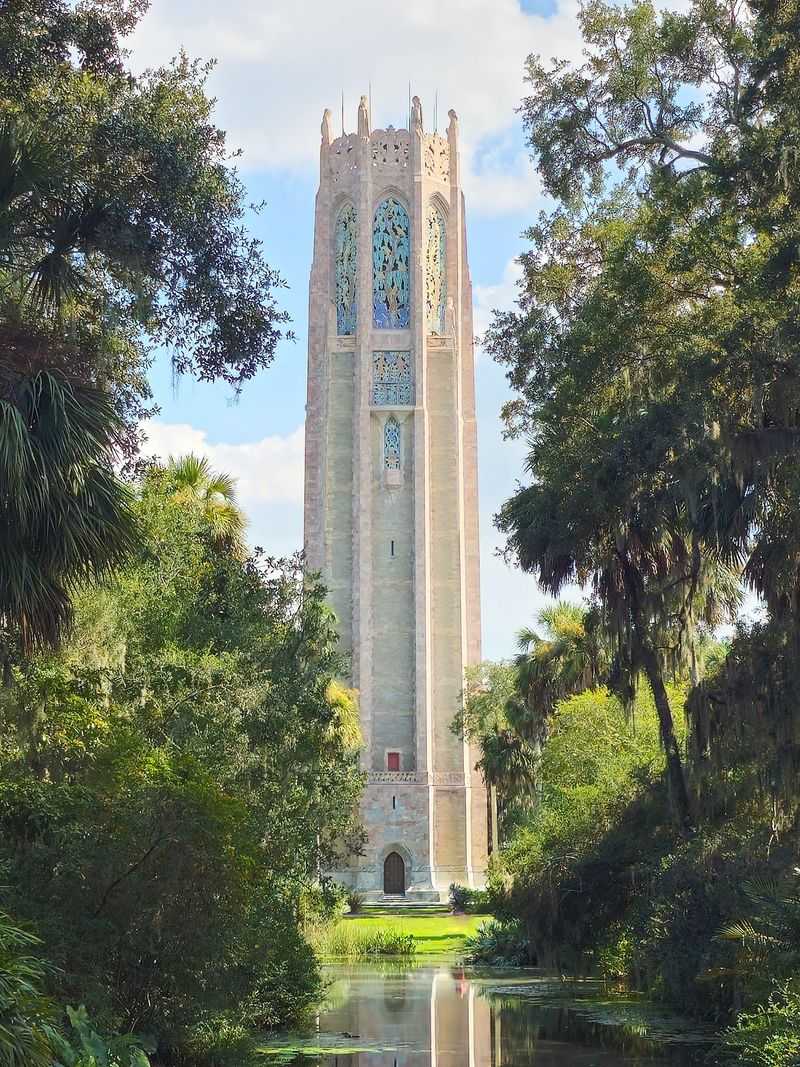
The carillon gives Bok Tower Gardens one of its most distinctive sounds, carrying across the Lake Wales Ridge during scheduled concerts and shorter musical selections.
The 205-foot Singing Tower carillon anchors everything with daily concerts. Music drifts over gardens originally designed by the Olmsted firm, and the effect is instantly calming.
Winding paths lead through seasonal color and native Florida plantings. Live oaks draped in Spanish moss shade camellias, azaleas, and magnolias when their season arrives.
Nearby stands El Retiro, formerly known as Pinewood Estate, a 20-room Mediterranean-style winter residence built in the early 1930s for Bethlehem Steel executive Charles Austin Buck.
Kids gravitate toward Hammock Hollow Children’s Garden, built for climbing and hands-on discovery. Parents usually end up playing too, which nobody seems to mind.
Beyond the manicured areas, the Pine Ridge Nature Trail and 1.5-mile Preserve Trail cross longleaf pine and sandhill habitat. More than 125 bird species have been documented across the property.
Watch for gopher tortoises and other wildlife along the sandy habitats, while eastern indigo snakes are among the protected species associated with the preserve.
A reflection pond and koi pond near the tower invite long, lazy pauses. The address is 1151 Tower Blvd, and this national historic landmark rewards anyone who slows down enough to listen.
3. Silver Springs State Park, Silver Springs
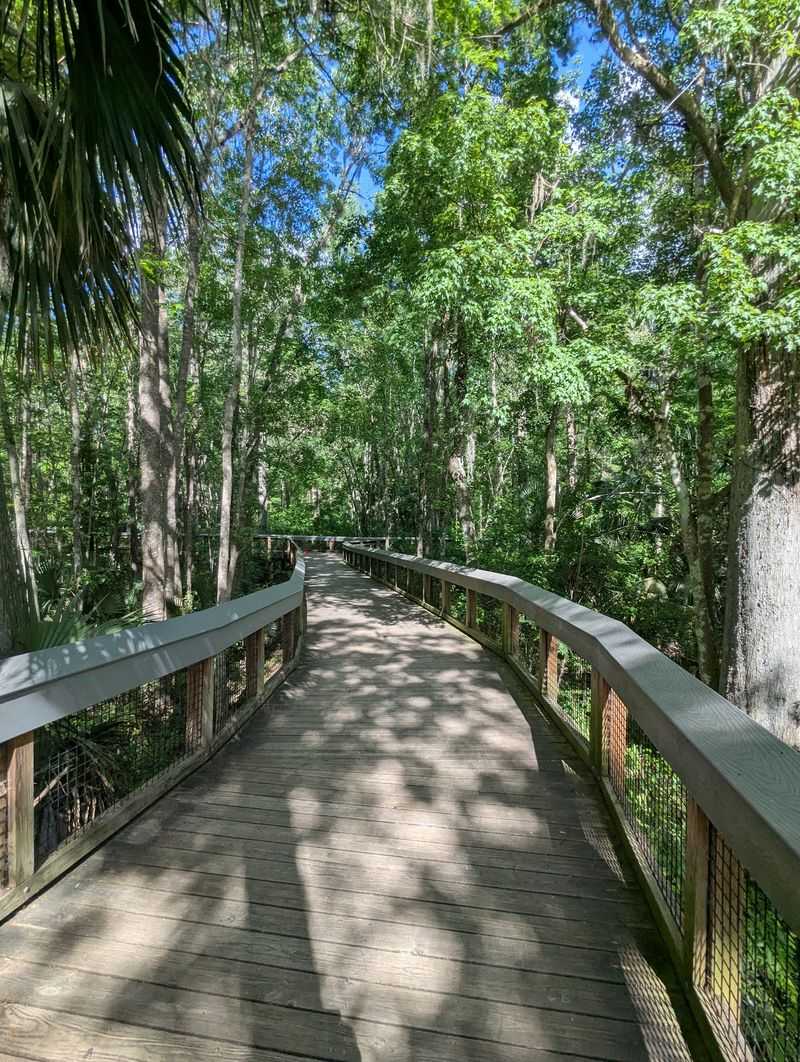
Water this transparent almost seems staged, yet the springs are entirely real. Silver Springs State Park protects one of the largest and clearest freshwater springs in the country.
Glass-bottom boats have been the signature ride here for generations. Looking down, you spot ancient artifacts, waving eelgrass, and fish going about their business.
The five-mile Silver River flows from more than 30 artesian vents. Kayakers and canoers glide through glassy water framed by thick forest.
Alligators sun themselves on logs while manatees appear during cooler months. Herons and egrets patrol the banks, seemingly unbothered by paddles.
Land lovers get plenty too, with trails for hiking, biking, and horseback riding. Deer, tortoises, and busy squirrels show up regularly along the paths.
The Silver River Museum adds the human side of the story on weekends, while its Pioneer Village combines historic and reconstructed frontier buildings with guided tours offered on selected Saturdays.
Cabins and campsites let you stretch a day trip into a proper getaway. Waking up beside the river beats any hotel view in the county.
Bring water shoes, bug spray, and a waterproof phone case. Head to 5656 E Silver Springs Blvd in Silver Springs, then let the current set your pace for the afternoon.
4. Morikami Museum And Japanese Gardens, Delray Beach
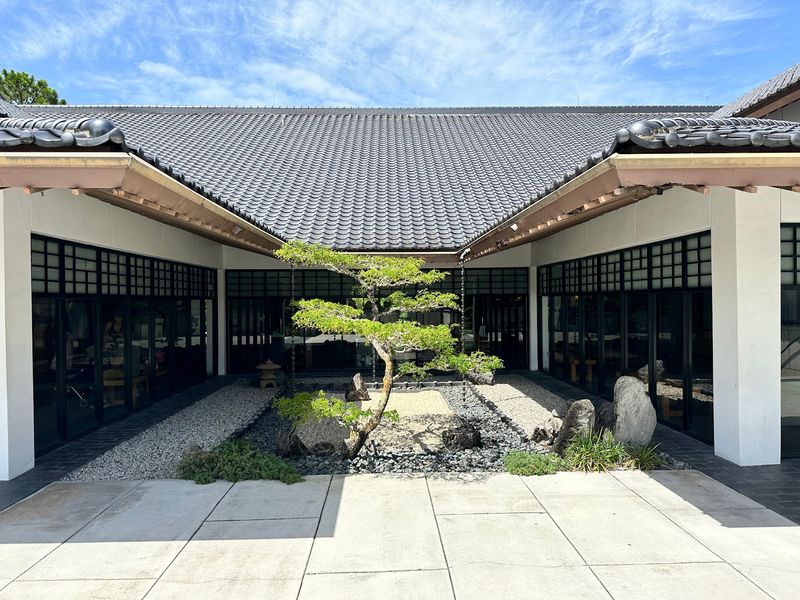
South Florida hiding an authentic Japanese garden sounds unlikely, and yet here we are. Morikami Museum and Japanese Gardens covers 16 peaceful acres in Delray Beach.
The Roji-en gardens function as a living exhibit. Six sections mirror six different historical periods of Japanese garden design.
Paths curve past bamboo groves, still ponds, and rocks placed with obvious care. Stone bridges link the areas, keeping the whole walk meditative.
The gardens include a world-class bonsai collection, while the indoor museum galleries feature rotating exhibitions of Japanese art and artifacts.
Rotating exhibitions bring Japanese art and artifacts into the galleries, giving repeat visits a chance to reveal something different.
Tea ceremony demonstrations take place on select dates, while separate classes and workshops allow registered participants to learn more about the practice.
Workshops cover floral design, sushi making, Taiko drumming, and calligraphy. Booking ahead helps, since popular sessions fill quickly during winter months.
Cornell Cafe normally serves a Pan-Asian-inspired menu Tuesday through Sunday from 11 a.m. to 3 p.m., but it is scheduled to close temporarily from September 22 through September 30, 2026.
Koi fill the garden lakes and are easy to spot from bridges and paths throughout Roji-en. Find it all at 4000 Morikami Park Rd, where an hour somehow turns into an entire relaxed afternoon.
5. Edison And Ford Winter Estates, Fort Myers
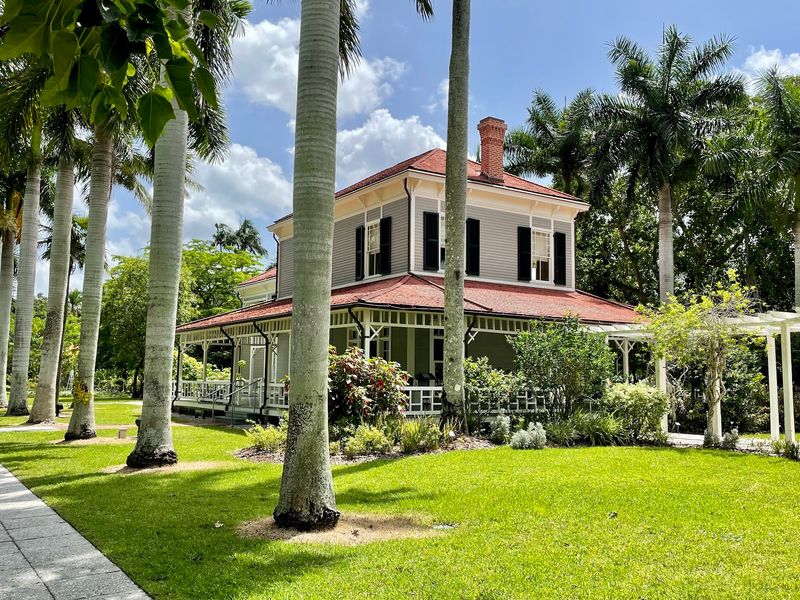
Two of America’s greatest inventors picked the same riverside neighborhood for their winters. Edison and Ford Winter Estates preserves those homes in Fort Myers, side by side.
More than 20 acres of botanical gardens surround the houses. Thomas Edison collected plants obsessively, so rare trees and exotic specimens fill the grounds.
Edison’s 1928 Botanic Research Laboratory still stands on the property, interpreting the rubber-research program that tested more than 17,000 plant samples.
The 15,000-square-foot museum stays air conditioned, which matters in July. Inside, groundbreaking inventions trace how ordinary life changed forever.
Antique automobiles from Henry Ford’s world share the exhibit halls. Displays explain how both men shaped modern industry.
Their friendship comes through in photographs and shared projects. Two curious minds, one shared love of tinkering.
Guided tours cover the history well, though self-guided routes let you linger. Audio options work nicely if you prefer quiet exploration.
Seasonal events and educational programs run all year long. Holiday lighting displays here are particularly charming.
Give yourself at least three hours, more if gardens interest you. The riverfront views alone deserve a bench break.
The entrance sits at 2350 McGregor Blvd, under the shade of an enormous banyan tree. History, science, and tropical greenery rarely share an address this gracefully.
6. Vizcaya Museum And Gardens, Miami
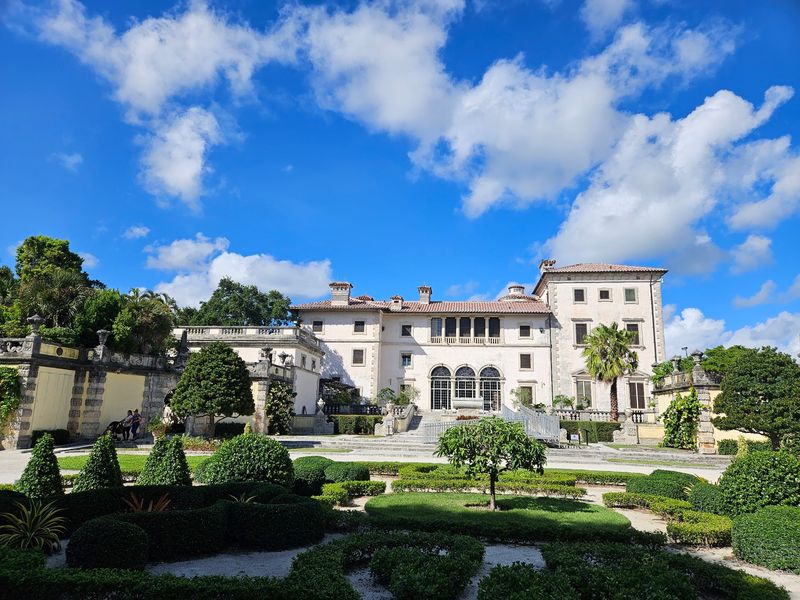
Gilded Age grandeur meets Biscayne Bay at Vizcaya Museum and Gardens, a National Historic Landmark along Miami’s shoreline.
Construction ran from 1914 to 1922 for industrialist James Deering. He wanted a winter residence with European bones, and he got exactly that.
The Main House holds decorative arts spanning antiquity through the Baroque era. Room after room shows tapestries, furniture, and ceilings worth studying slowly.
Outside, ten acres of formal gardens unfold in elaborate patterns. Italian and French influences show up in fountains, hedges, and classical statues.
Past the manicured sections, a native rockland hammock takes over. A mangrove shoreline reveals what this coast looked like before mansions arrived.
Vizcaya Village is undergoing a major restoration, with work on five remaining historic buildings scheduled for completion in late 2026 while other Village areas and programs remain accessible.
Community events keep the estate feeling current rather than frozen. Farmers markets and outdoor yoga sessions appear on the calendar regularly.
Guided and self-guided experiences explore the architecture, history, and design, though visitors in 2026 should expect active preservation work and temporary closures in parts of the Main House and Formal Gardens.
Comfortable shoes help, since the garden paths cover real ground. The address is 3251 S Miami Ave, and few Florida properties balance history with breezy bay air quite so beautifully.
7. Key West Butterfly & Nature Conservatory, Key West
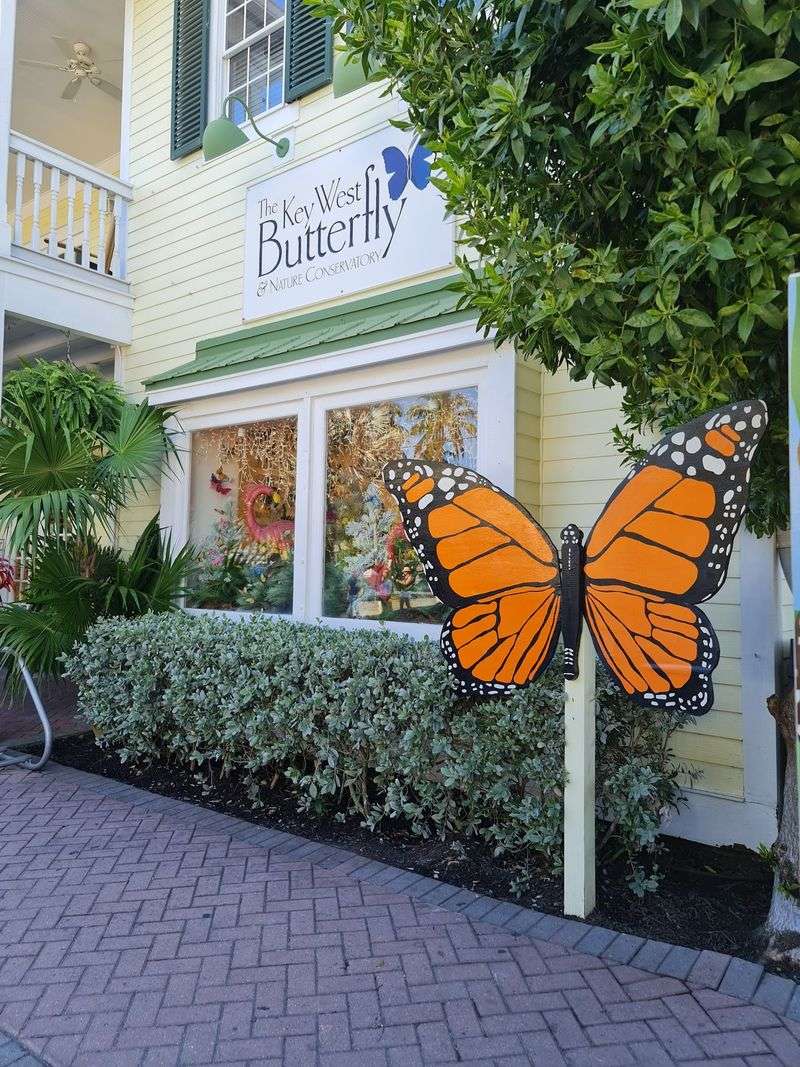
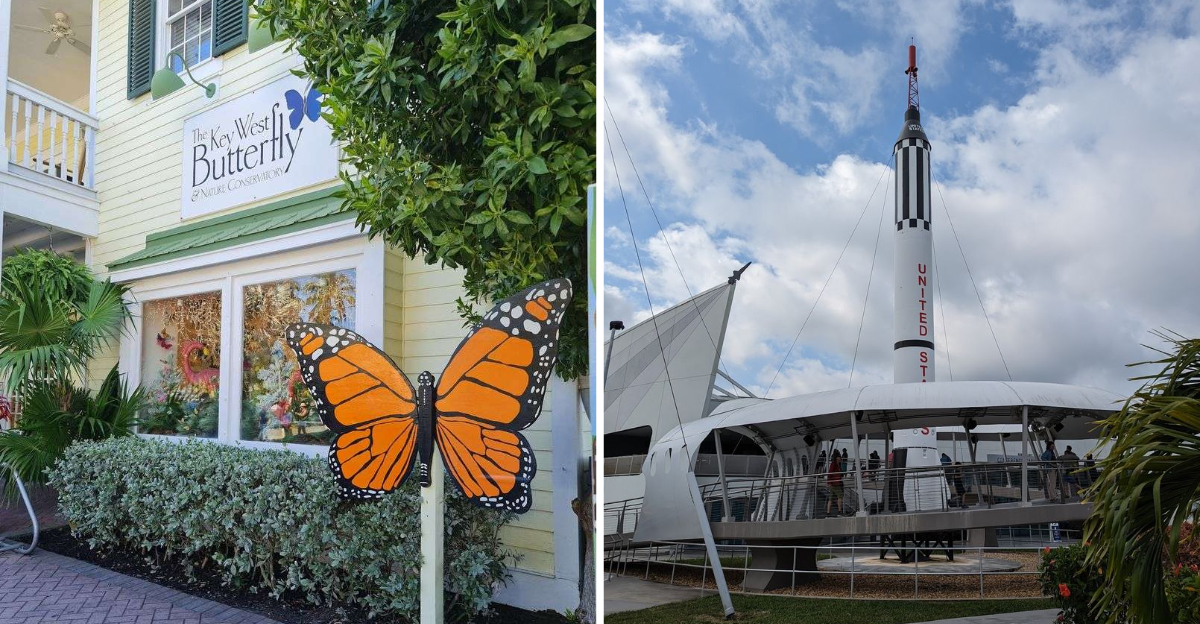
Hundreds of wings moving at once creates a sound you never forget. The Key West Butterfly & Nature Conservatory keeps that magic under a glass dome.
Inside the climate-controlled habitat, butterflies from over 50 species fly freely. They land on flowers, railings, and occasionally on your shoulder.
Tropical blooms and leafy trees fill the space with color. Cascading waterfalls and a babbling brook add gentle background noise.
A wooden bridge crosses the water at the center. Standing there gives the best all-around view of the flight zone.
Exotic birds share the habitat, including resident flamingos named Rhett and Scarlett. Their pink feathers make them impossible to miss.
The Learning Center explains butterfly anatomy and life cycles clearly. Displays also cover the remarkable Monarch migration across North America.
Live caterpillars munch leaves behind glass, prepping for metamorphosis. Kids press their faces close and refuse to leave.
The Wings of Imagination gallery features artwork made with preserved butterflies. Their patterns look almost too perfect to be natural.
Flamingle experiences offer small-group time with Rhett and Scarlett daily from 4:30 to 5:45 p.m., while Twilight Tours have limited availability and must be scheduled in advance.
The conservatory stays warm and humid for its tropical inhabitants, so lightweight clothing makes sense. You will find it at 1316 Duval St.
8. Kennedy Space Center Visitor Complex, Merritt Island
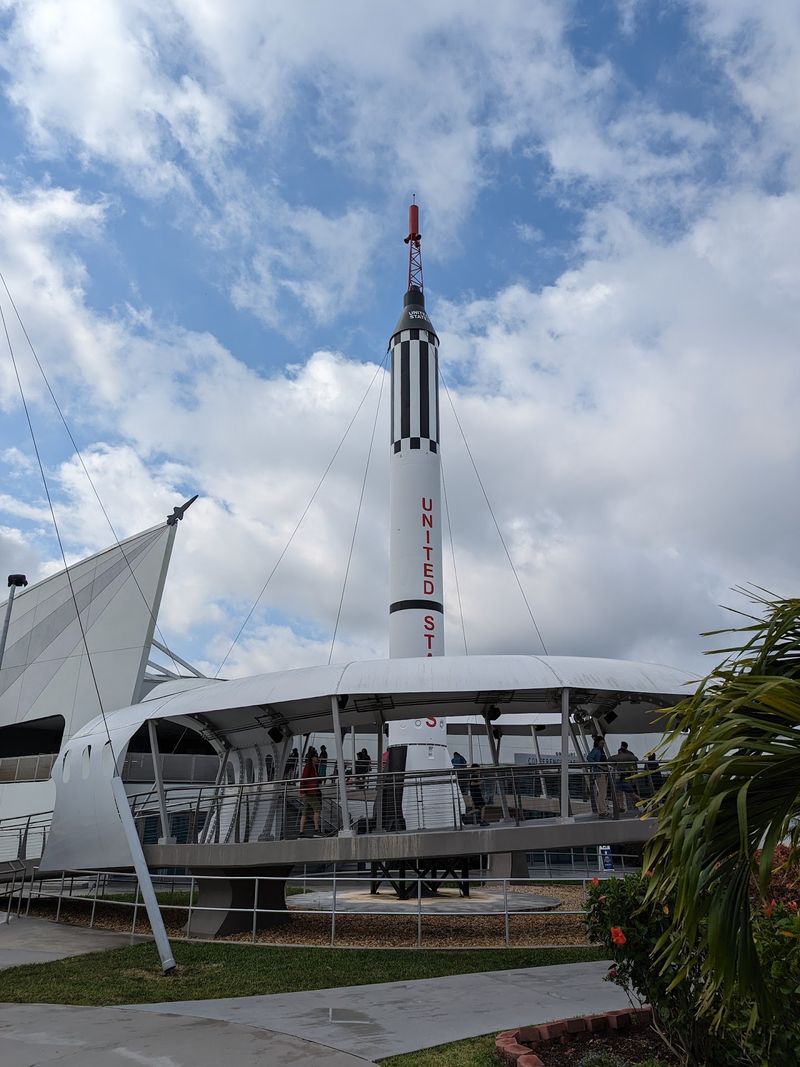
Standing beneath a real rocket rearranges your sense of scale permanently. Kennedy Space Center Visitor Complex delivers that jolt on Merritt Island.
The Rocket Garden lines up colossal launch vehicles outdoors. Craning your neck becomes the default posture there.
Heroes & Legends houses the U.S. Astronaut Hall of Fame. Artifacts and interactive displays honor the crews who left Earth’s atmosphere behind.
Space Shuttle Atlantis hangs tilted with its cargo bay doors open. Seeing scorched tiles up close makes reentry very real.
The Shuttle Launch Experience simulates the rumble of liftoff. Shorter guests and nervous stomachs should check the height and comfort notes first.
Forever Remembered offers a quiet, respectful tribute to fallen astronauts. The room asks for silence, and everyone gives it.
The Kennedy Space Center Bus Tour goes behind NASA’s gates for drive-by views of operational facilities including the Vehicle Assembly Building, with additional stops such as the Apollo/Saturn V Center and Gantry at LC-39 depending on current operations.
Arrive early, because a full day here fills up fast. Sunscreen and water bottles are non-negotiable on the Space Coast.
Check the current launch schedule before booking, but remember that launches can be delayed or scrubbed and visitor viewing opportunities depend on NASA, Space Force, and operational conditions.
The complex sits along Space Commerce Way. Few experiences connect generations quite like walking among machines built to carry humans into orbit.
9. Mount Dora Lakeside Charm
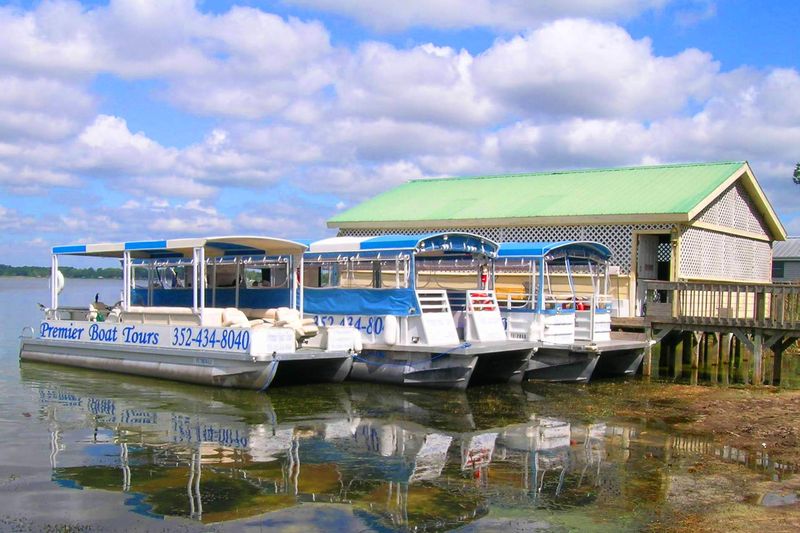
Storybook towns usually exist in books, not on Florida ridges. Mount Dora proves otherwise, perched above the water with historic architecture and easygoing energy.
Eclectic shops and solid restaurants line the walkable downtown. Festivals crowd the yearly calendar, keeping things busy without feeling hectic.
The real star, though, is the water. Boat tours cross Lake Dora and slip into the famous Dora Canal.
That canal earned the nickname The Most Beautiful Mile in the World. Narrated eco-tours drift beneath cypress trees roughly 2,000 years old.
Spanish moss hangs down like curtains over the channel. Sunlight breaks through in scattered patches, and cameras come out immediately.
Wildlife appears constantly along the route. Herons, ibis, egrets, anhingas, turtles, and alligators all make regular cameos.
Ospreys dive for fish while bald eagles watch from high nests. Guides point them out before most passengers notice.
Local histories report that portions of The African Queen were reshot on the Dora Canal in 1951, adding a bit of Hollywood history to the waterway.
Annual events include Florida’s oldest and largest Bicycle Festival, plus an Arts Festival, Craft Fair, and Plant and Garden Fair. Shoreline tours and sunset cruises round out the options.
Current tour operators use several Mount Dora launch points, including daily Premier Boat Tours departures from the historic Lakeside Inn at 100 N Alexander St.
10. St. Augustine Historic District
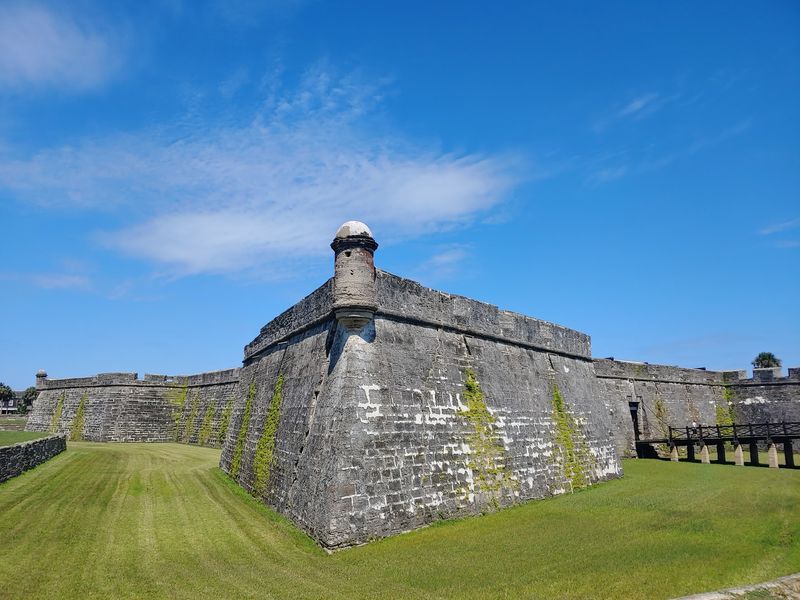
Founded in 1565, this city has been continuously occupied longer than any other European-established settlement in the continental United States. St. Augustine wears that history openly on every cobblestone street.
Spanish, British, and later American influences appear throughout the historic district, reflecting the city’s long and changing colonial history.
Castillo de San Marcos guards Matanzas Bay as the oldest masonry fort in the country. Its coquina walls are built from tiny compressed seashells.
Climbing the bastions gives sweeping views over the water. Cannon demonstrations draw crowds on scheduled weekends.
The former Ponce de Leon Hotel now serves as part of Flagler College. Tiffany stained glass and grand courtyards make campus tours worthwhile.
Treasury Street claims the title of narrowest street in town. Photos there are practically mandatory.
The Gonzalez-Alvarez House, known as The Oldest House, details colonial daily life. Guides explain everything from cooking to construction methods.
Pirate fans should head to the St. Augustine Pirate & Treasure Museum. It holds one of the largest pirate artifact collections anywhere.
Two hundred nineteen steps lead up the St. Augustine Lighthouse for coastal panoramas. Take breaks on the landings.
Add the Lightner Museum, the original Ripley’s Believe It Or Not, and Ponce de Leon’s Fountain of Youth.
Come during the 2026–27 Nights of Lights, running November 21, 2026 through January 18, 2027, when more than three million white lights illuminate the historic district.