The 1,408-Acre Maryland State Park With A 42-Acre Mountain Lake
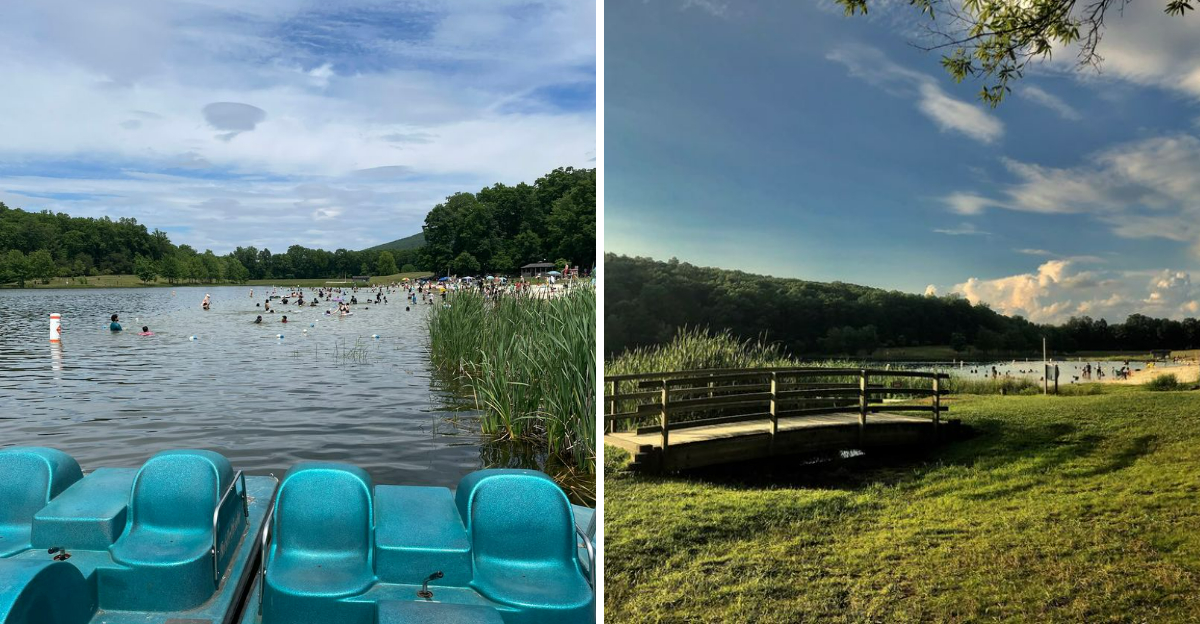
Some parks make you recalibrate what “big” actually means once you’re standing inside them. I drove out expecting a modest afternoon stop, maybe an hour of walking and a decent view.
Instead I found water stretching farther than I could see and trails branching off in every direction. This Maryland park kept unfolding the longer I stayed, one overlook leading to another I hadn’t planned on finding.
Families spread out blankets near the shoreline while a few kayaks drifted past without a sound. Nobody seemed rushed.
Nobody seemed to be checking a schedule. I ended up staying three hours longer than planned, and I still didn’t see everything.
This Maryland spot has a strange effect on people. You come for a quick visit and leave already planning your next one.
A Mountain Lake With A Real Sandy Beach
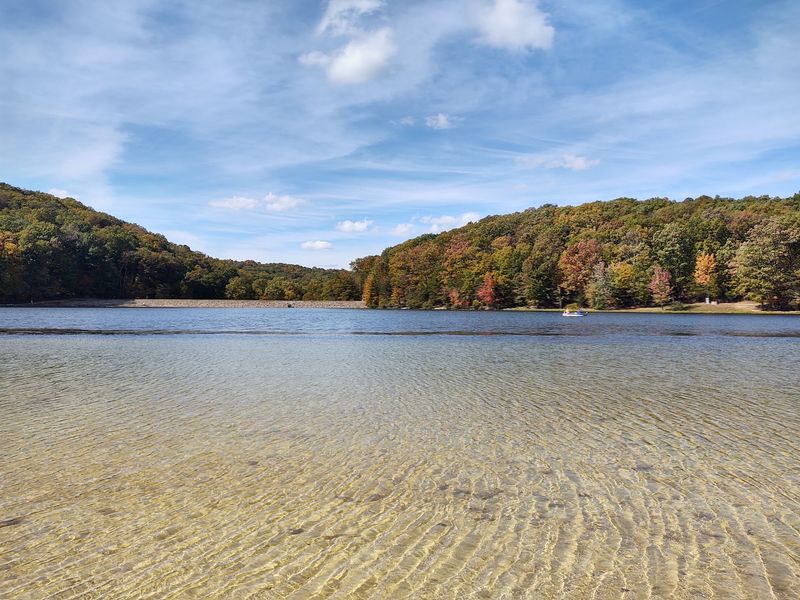
Maryland is not exactly famous for mountain swimming, which makes the 42-acre lake here feel like a magic trick. The water is fresh, clear, and ringed by forested slopes on nearly every side.
Swimming happens off a sandy beach that stays surprisingly tidy. From the grass edge to the waterline runs roughly 40 to 50 feet of sand, so blankets, chairs, and coolers all fit without elbow bumping.
There is a shallow zone for little swimmers and a roped deeper section around four to five feet. Lifeguards work the beach during the main season, which takes some worry off parents.
The lake has a light green freshwater tint and a bit of floating plant life. That is normal, healthy, and honestly part of the charm.
Fishing is popular too, from docks and small boats, since the lake is stocked. Early mornings feel especially quiet out on the water.
Beach days here cost very little compared to a coastal trip. You can find all of this at 21843 National Pike, the home of Greenbrier State Park.
Trails That Range From Easy Strolls To Rocky Workouts
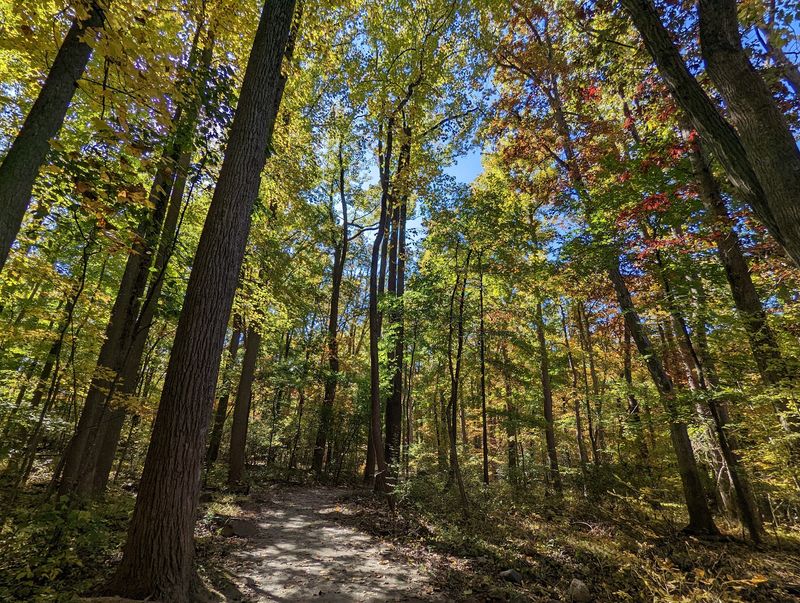
Hikers get two very different experiences here, depending on ambition. Short loops near the water suit families with small kids and stroller-tired legs.
The Big Red Trail is the serious option, stretching several miles through thick forest. Expect rocky footing, a solid climb near the 1.5 mile mark, then a level stretch that feels earned.
Around 3.5 miles, the descent begins, and loose rocks demand real attention. Sturdy shoes matter more than fancy gear on that section.
Tree cover is almost constant, which is wonderful in July and less dramatic for photos. Shade beats scenery when the humidity climbs.
Navigation is refreshingly simple thanks to frequent map signs and clear blazes. Getting lost takes genuine effort.
Birdsong often becomes the only sound once you climb away from the beach. Those quiet pockets are the reason many people keep coming back.
A walk around the lake makes a fine cooldown afterward. In late winter, you might even watch thin ice drift across the surface.
Campgrounds Built For Long Weekends
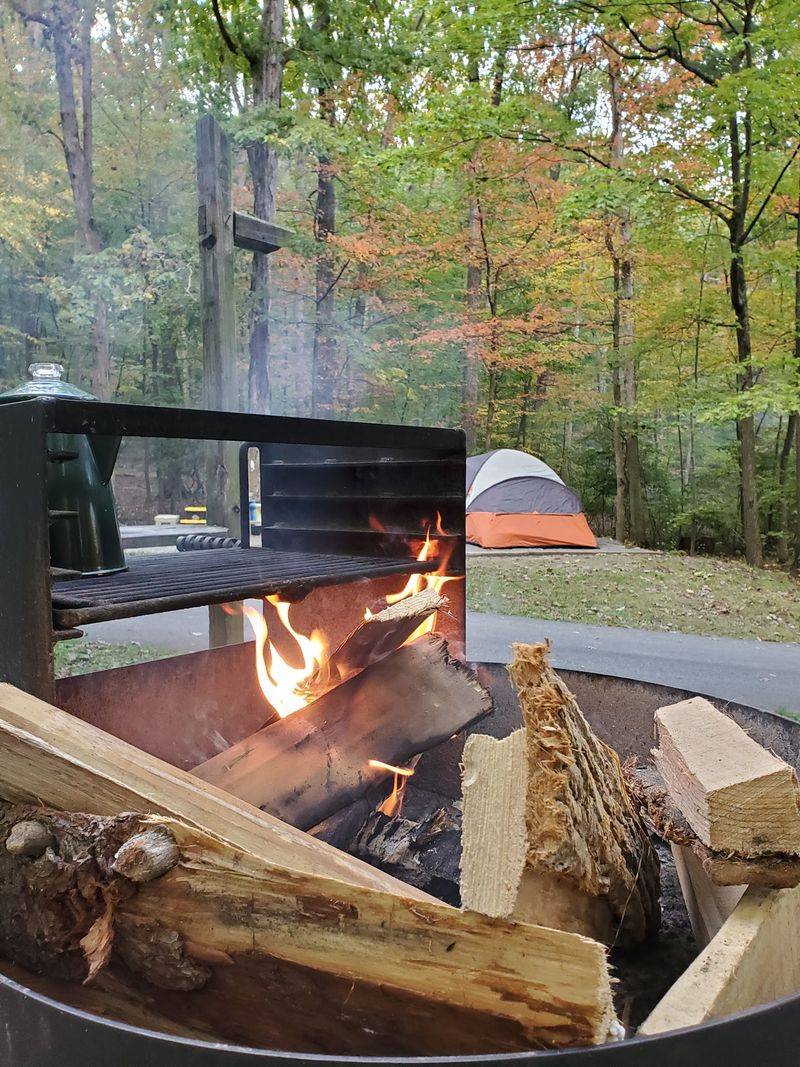
Four camping loops spread across the hillsides, and each one has its own personality. Sites tend to be shaded, roomy, and set far enough apart that neighbors stay pleasantly distant.
Every site comes with a fire ring and a picnic table. Restrooms and water access sit close to the loops, which saves a lot of midnight wandering.
Cedar and Dogwood camp loops welcome pets, giving visitors with dogs designated camping options.
Terrain here is genuinely hilly, and some campground roads are steep. Big rigs should check site details before booking.
Pricing stays friendly, with powered sites running around 35 dollars. A dump station sits near the main entrance and is easy to spot.
Quiet hours are generally respected, which makes the whole place feel calm after dark. Families with early risers benefit most.
Camping often unlocks the best version of the lake. You get sunrise stillness before day visitors arrive with their coolers and floats.
Picnic Tables And Grills Practically Everywhere
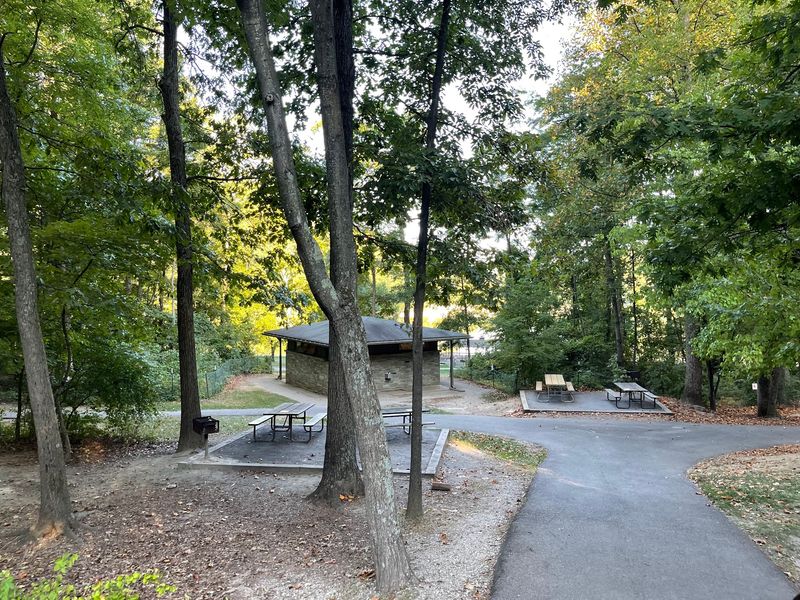
Cookout culture is strong here, and the setup makes it effortless. Tables and grills appear across the picnic areas, many of them under generous shade.
Families arrive with coolers, charcoal, and folding chairs like a well-rehearsed team. The smell of grilled food drifting toward the beach is a signature detail.
Pavilions serve larger gatherings such as reunions and birthday parties. Rules about attaching gear to structures do exist, so ask staff first.
Paved walkways connect much of the picnic zone to the water. That makes hauling supplies far easier than dragging them through sand.
Trash and cleanup habits vary with crowds, so packing out your own mess helps everyone. Bring extra bags just in case.
Shade selection matters more than people expect in midsummer. Arriving early gets you a tree-covered table instead of a sunbaked one.
Eating outdoors after a swim tastes better than it should. Something about lake air makes plain hot dogs feel gourmet.
Restrooms And Bathhouses Worth Bragging About
Nobody expects clean bathrooms at a busy swimming lake. Yet spotless facilities come up again and again from people who visit here.
Two bathhouses serve the beach area, and they differ noticeably. One is older with a few stalls and a steady incline to reach it.
The newer building includes full showers, changing space, and outdoor foot showers. Rinsing sand off before the car ride home is a small luxury.
Restrooms sit inside that modern bathhouse alongside the first aid room. Everything stays within a short walk of the sand.
Campground loops have their own bathhouses too. Hot water occasionally runs short, so early showers are the smart move.
Staff clean these spaces frequently throughout the day. A brief closure usually means someone is doing thorough work inside.
Supplies are generally well stocked, even on weekends. Tossing a spare pack of wipes in your bag still counts as good planning.
Accessibility Details That Actually Help
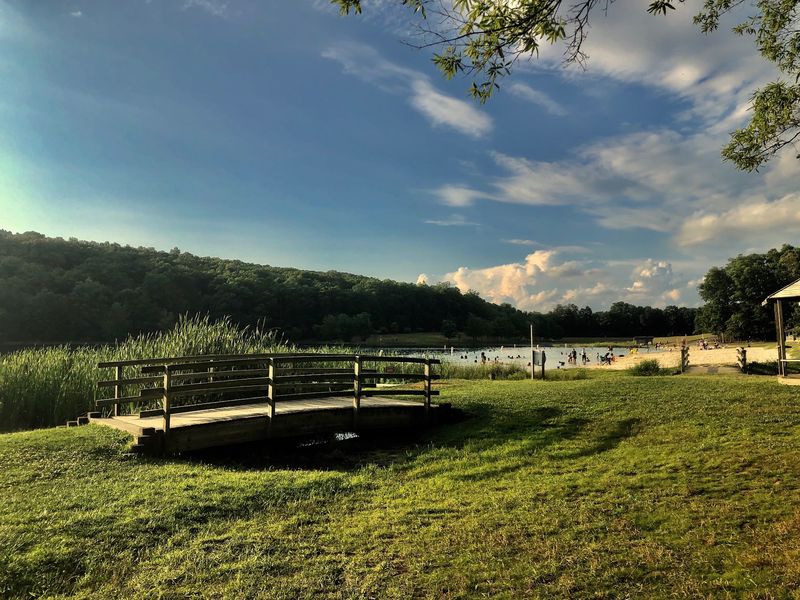
Getting close to water is often the hardest part of an outdoor trip. Paved walkways here make that far simpler than most lake parks.
Wheelchair access exists throughout the day-use area. Visitors using chairs regularly move around the beach and picnic zones.
Choosing the lower parking lot pays off enormously. From there, reaching the sand involves no steps at all.
Parking can fill on busy summer weekends, so arriving early or reserving ahead when required is a smart move.
Some older facilities sit uphill and require more effort. Scoping out the layout on arrival prevents unnecessary climbs.
Two bathhouses near the beach means shorter distances for everyone. Families with strollers notice that convenience immediately.
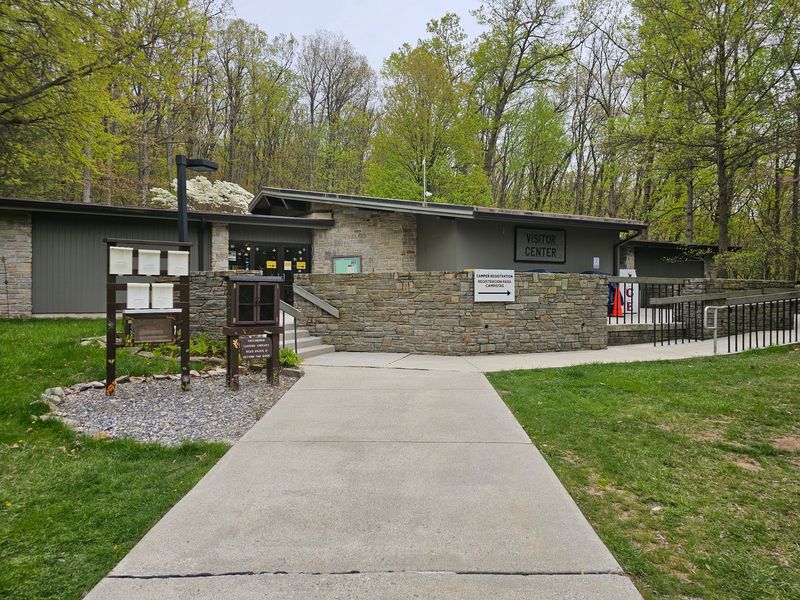
Staff at the visitor center know the grounds well and answer questions patiently. Asking about the easiest routes takes thirty seconds.
Small logistics like these decide whether a day feels relaxing or exhausting. Here, the details lean in your favor.
Paddle Boats And Kayaks For Slow Water Days
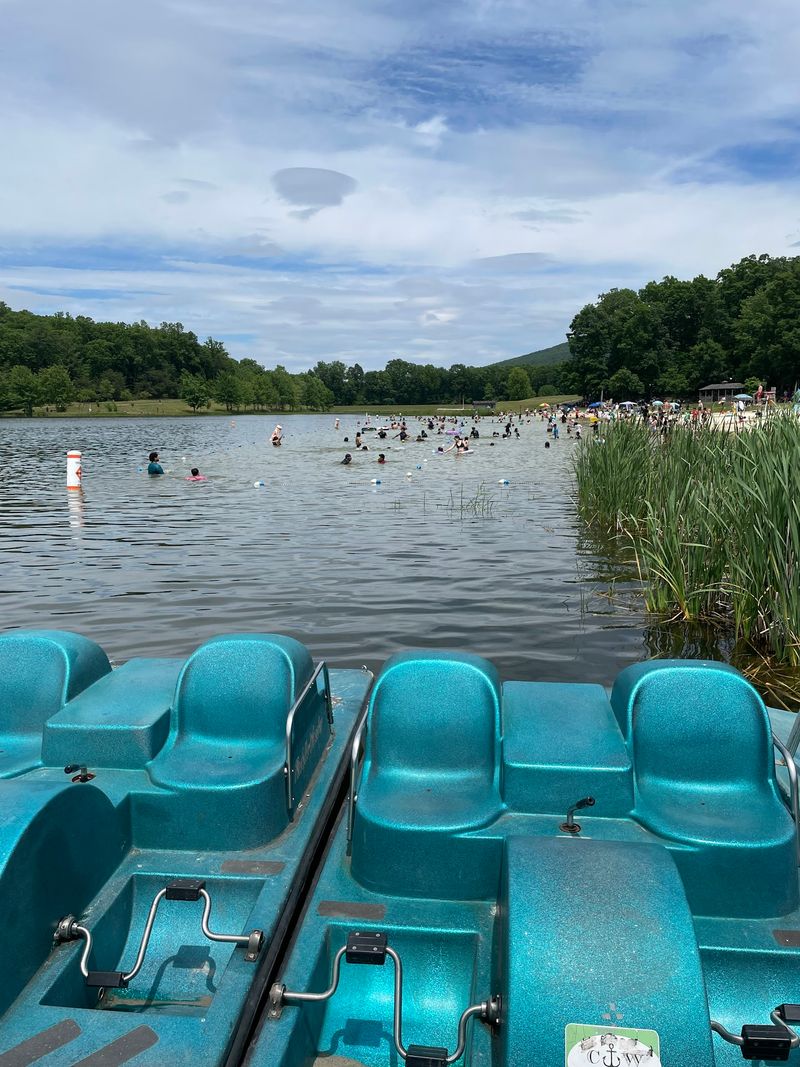
Renting a paddle boat is the cheapest thrill in the whole park. Thirty minutes runs about 20 dollars, and an hour costs around 35.
That’s less than most people spend on lunch, and it buys a much better view.
Payment happens at the concession stand, then you carry your receipt to the dock roughly 200 feet away. The system sounds clunky but moves fast.
Lines rarely build up, even on a busy summer weekend.
Staff hand out life jackets and help everyone board without drama. They also assist getting out, which your knees will thank them for.
These boats use pedals rather than oars, so arms stay relaxed. In half an hour you can cover most of the open water.
Kayaking is popular too, and the lake stays calm enough for beginners. There is a boat ramp for anyone bringing their own craft.
Seeing the shoreline from the middle of the lake changes everything. Ridges look taller and the beach crowd shrinks to a colorful strip.
Late afternoon is the sweet spot for paddling. Light softens, wind drops, and the water turns mirror smooth.
Smart Timing And Reservation Tips
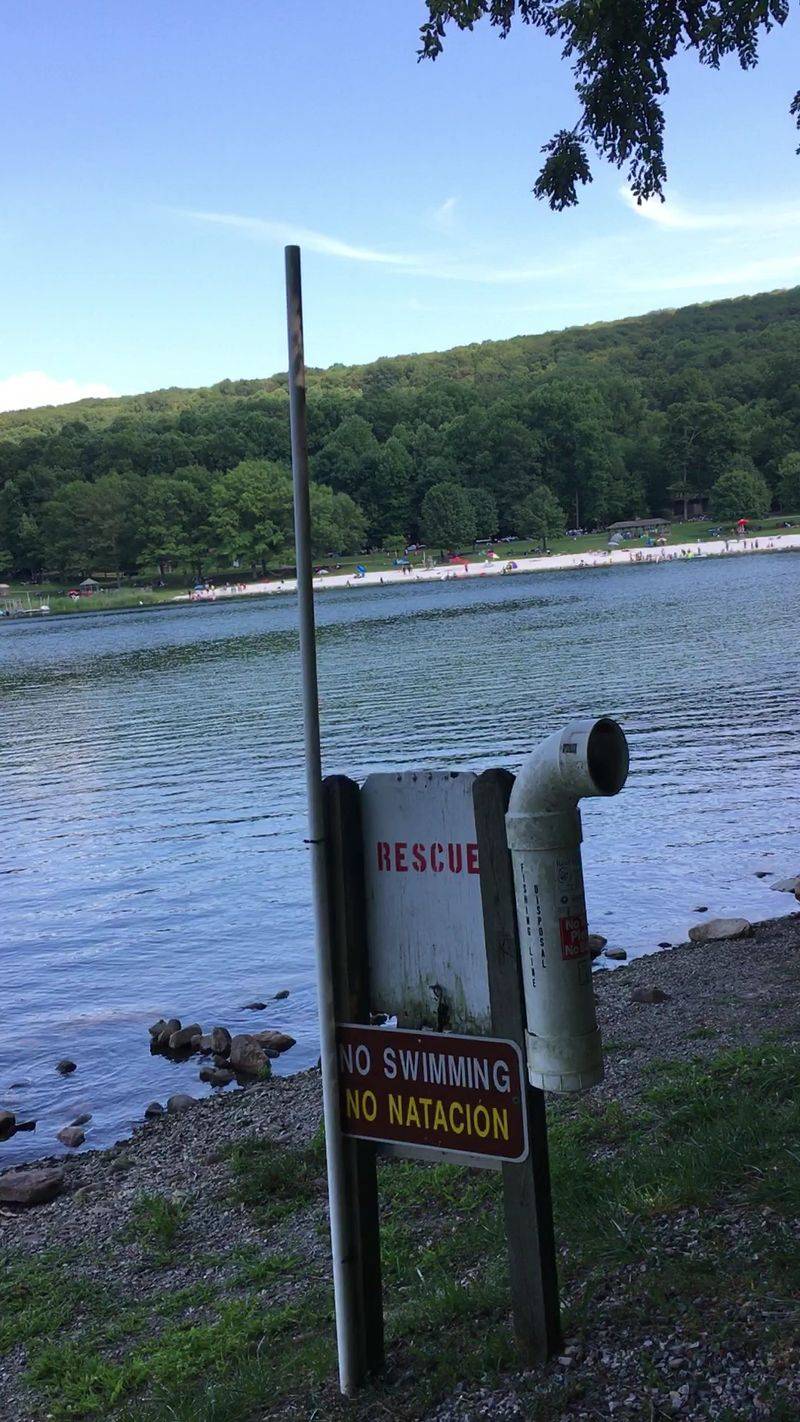
Popularity is the only real challenge at this lake. On hot summer weekends, capacity can fill within a few hours of opening, so an early start makes a real difference.
The park is open from 8 AM to sunset April through September and from 10 AM to sunset October through March. Those hours give plenty of room for a full day, whether you’re there for the beach or the trails.
Day-use passes for summer weekends and holidays should be reserved online ahead of time. Confirmation arrives by email with a QR code for the ranger, so keep your phone charged before you head out.
Entry costs are modest, with Maryland residents paying a few dollars per person. Campsites typically run around 30 to 35 dollars, which feels reasonable for a spot this scenic.
Weekdays feel dramatically calmer than Saturdays. Evenings can also work well if the gates reopen after capacity clears, giving latecomers a second chance at a quieter visit.
Spring and fall bring cool water but wonderful trails. Mid-May visits often mean beaches nearly to yourself, along with milder temperatures for hiking.
Bug spray belongs in every bag from late spring onward. Bees and gnats show up wherever food and water meet, especially near picnic areas.
Pets are allowed in the day-use area from after Labor Day weekend through Memorial Day weekend, with seasonal restrictions around the swimming beach. Leashes are required throughout the park year round.