This Small Georgia College Has The World’s Largest Campus And Is Ranked One Of The Best Values
I still don’t know how a college campus can be bigger than some small countries, but here we are. A friend from Georgia swore this place existed, and I honestly thought she was exaggerating until I checked the numbers myself.
Acres stretched past anything I’d seen at a university, and yet tuition stayed low enough to make my jaw drop twice. Students here walk past lakes, working farms, and enough open land to lose your phone signal completely.
Georgia keeps producing these surprises, and this one might be the biggest yet, literally. What makes this school worth every penny, and how does a campus this massive stay this affordable?
The answer changed how I think about college value entirely, and it might change your mind too.
A Campus So Big It Holds A Whole Mountain
About 27,000 acres. That is the number that stopped me mid-sip of my coffee.
Most colleges measure land in blocks or maybe a few hundred acres. Here, the property includes forests, rolling pastures, and an actual mountain within its boundaries.
Driving through it feels less like a campus tour and more like a national park visit. Deer wander across open fields without much concern for passing cars.
The scale is officially recognized too. Berry College identifies its 27,000-acre property as the world’s largest college campus.
What surprised me most was how quiet it stayed. You can drive several minutes without seeing another building.
Wide sky, tall trees, and long stretches of green make the air feel cooler somehow. It smells like pine and cut grass in the warmer months.
Students describe the land as part of their education, not just scenery. Research projects happen out in those woods and fields.
If you want to see it yourself, the entrance sits along a highway in northwest Georgia. The address is 2277 Martha Berry Hwy, and the place is Berry College.
Eighty-Eight Miles Of Trails Waiting For Your Sneakers
Eighty-eight miles of trails sounds like a typo. It is not.
The property carries trails built for hiking, mountain biking, and horseback riding. That is more mileage than many state parks offer.
I picked a shorter loop and still needed a water refill halfway through. The paths shift from packed dirt to gravel to soft leaf cover.
Some routes climb toward higher ground where the trees thin out. Others stay low and follow flat, shaded stretches that feel wonderfully easy.
Bikers seem to love the technical sections near the wooded ridges. Riders on horseback use their own designated routes.
Bring real shoes. Flip-flops and pine roots do not get along, as I learned the hard way.
Wildlife is genuinely everywhere out here. Deer are so common that spotting one stops feeling special after an hour.
Trail maps help, because the network sprawls in every direction. Cell service can be spotty deeper in the woods.
Go early if you want cool air and soft light. The trails feel almost private before mid-morning.
It is the rare campus where a hike counts as a legitimate weekend plan.
Martha Berry’s 1902 Idea That Never Faded
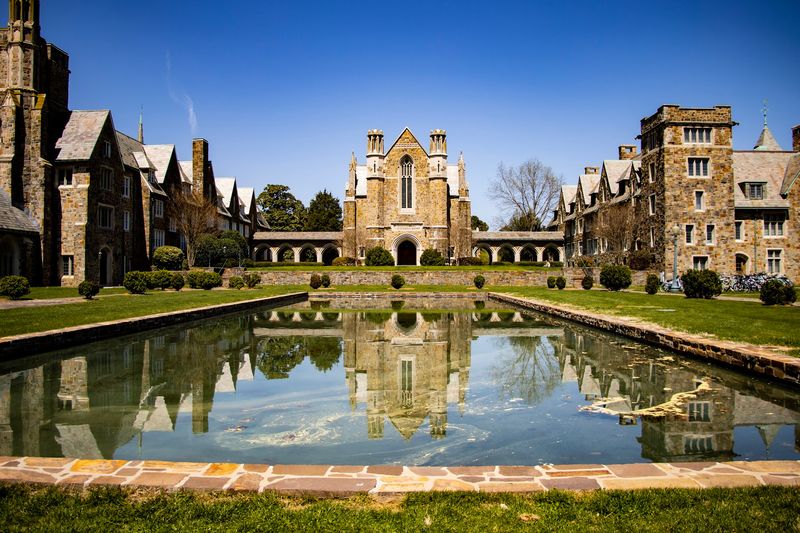
In 1902, one woman started a school for boys with almost nothing but conviction. That decision built everything you see today.
Martha Berry founded the Boys’ Industrial School with a plan to give rural students real education and real skills. Her vision grew steadily from there.
The motto she chose still appears across the grounds. “Not to be ministered unto, but to minister” reads as a call to serve rather than a slogan.
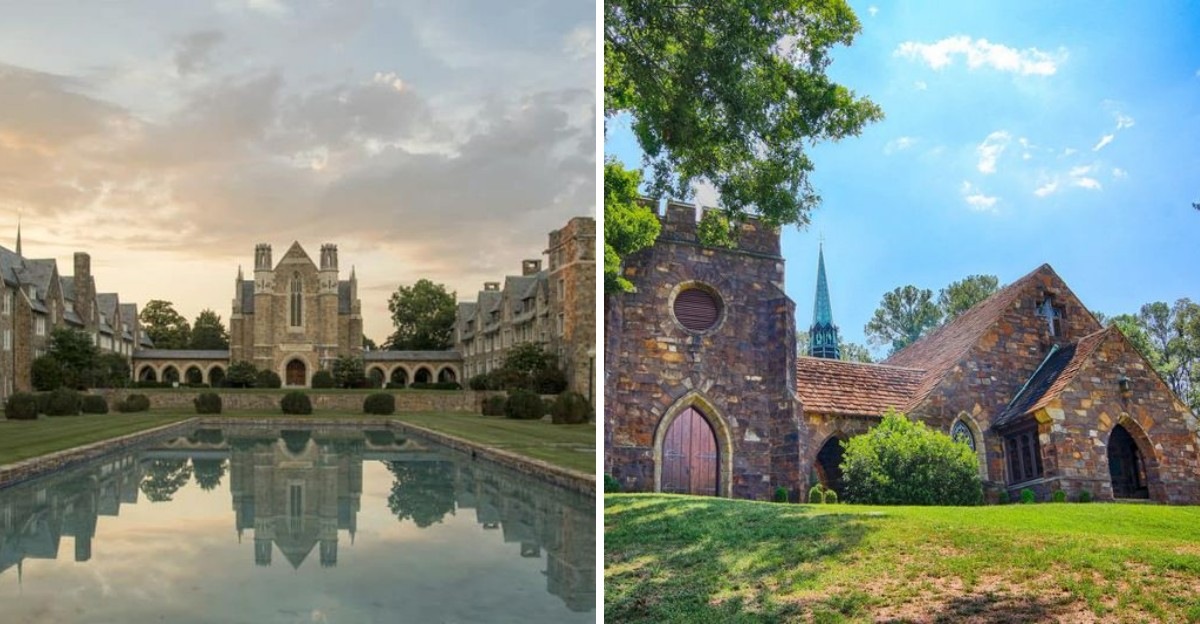
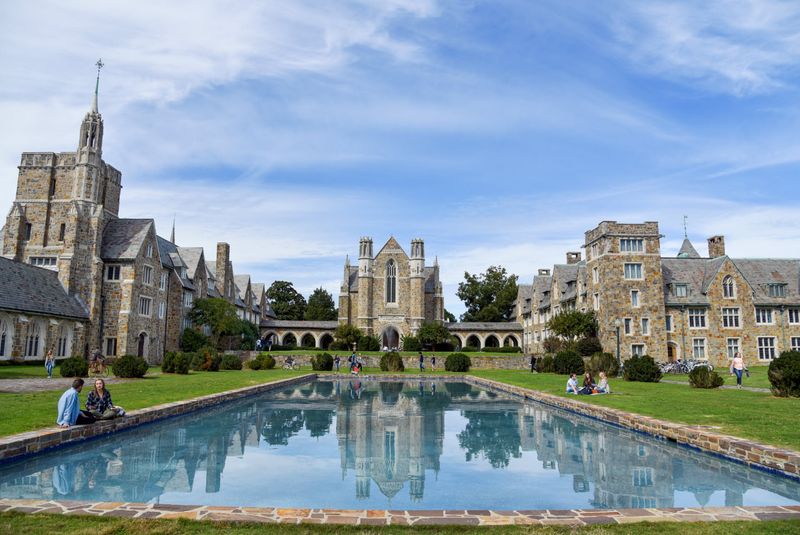
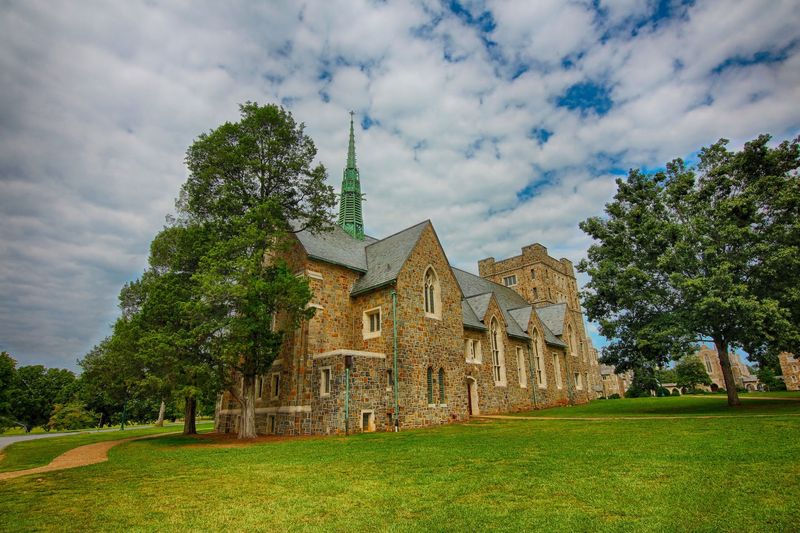
You feel that history in the architecture. Stone walls, arched windows, and old shade trees give the older sections a settled, timeless mood.
What impressed me was how the founding purpose still shapes daily life. Service and work remain woven into the student experience.
The story is also part of Georgia’s broader history. Her efforts brought education to families who had few options at the time.
Walking past the older buildings, I kept thinking about how ambitious that original plan must have sounded. A school in the woods for country kids.
Over a century later, it holds the largest campus on the planet. Not bad for a single stubborn idea.
LifeWorks Turns Students Into Paid Professionals
Getting paid while learning is not a bonus here. It is the design.
The LifeWorks program offers paid student work experience right on the property. Every student can take part.
Participants can build up to eight semesters of professional development without leaving campus. That is four full years of resume material.
Over 1,000 different job opportunities exist across the grounds. Positions span offices, labs, farms, workshops, and student services.
What makes it useful is the range. A student might handle communications one year and hands-on technical work the next.
I found the practicality refreshing. Instead of scrambling for summer internships, students gain experience week by week.
Supervisors treat these roles as actual jobs with actual expectations. That accountability seems to be the point.
For families weighing college costs, earning income while studying changes the math. Work experience and paychecks arrive together.
Graduates leave with references, skills, and a track record. Employers notice that kind of preparation.
The program traces back to the founding idea of learning through work. Over a hundred years later, it still holds up beautifully.
Ranked Number One For Best Value In The South
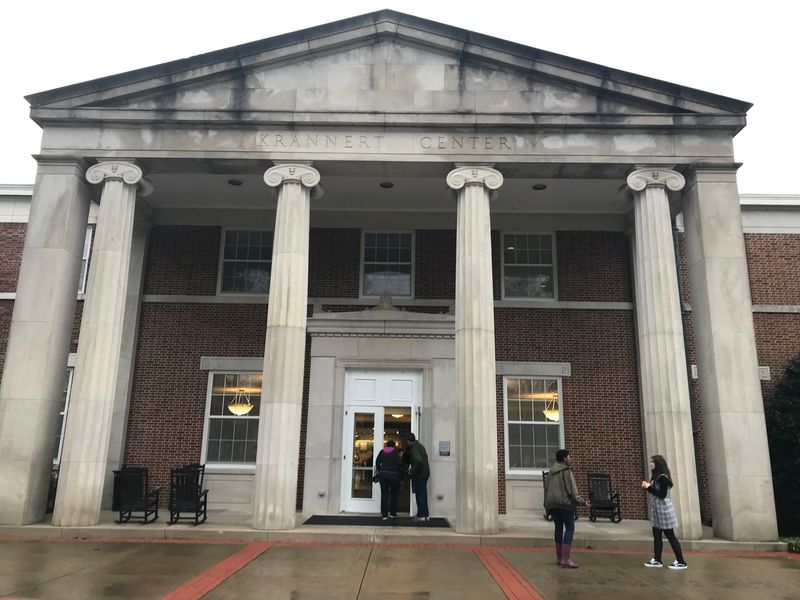
Rankings usually make my eyes glaze over. This one made me sit up.
U.S. News & World Report placed the school at #1 in Best Value among Regional Universities in the South for 2026.
That is first place, not a top-ten mention.
The Princeton Review also lists it regularly among Best Value Colleges. Two respected sources reaching the same conclusion carries weight.
Value means more than a low sticker price. It reflects what students actually receive compared to what they pay.
Between paid campus work and strong financial aid practices, the numbers make sense. Students graduate with experience already attached.
I talked with a family touring the grounds who mentioned comparing cost sheets for months. Their spreadsheet pointed here.
For parents, the appeal is obvious. Real academics, real work experience, and a reasonable overall cost.
The recognition is not new either. The school has appeared on value lists repeatedly over the years.
Being small has not limited its reputation. If anything, the size helps it deliver more per student.
Sometimes the best deal really is the one nobody expected.
Teaching That Earned Top Marks, Not Just Good Ones
Great teaching is hard to measure. Someone measured it anyway.
The college ranked #1 for undergraduate teaching among Regional Universities in the South for 2026. That category rewards classroom quality above all else.
The student-faculty ratio sits at 12:1. Classes stay small enough for more personal interaction with professors.
Small numbers change how learning feels. Questions get answered instead of postponed.
I peeked into a classroom during my visit and counted roughly a dozen students. The conversation sounded like a discussion, not a lecture.
Faculty here focus on undergraduates rather than distant research careers. That priority shows in the ranking.
The surrounding land doubles as a teaching tool. Science students study forests, water systems, and wildlife right outside their buildings.
The reservoir on the property even supplies water for the school. Students can study a working system rather than a textbook diagram.
Hands-on learning is not a marketing phrase here. It is the geography.
For students who dislike massive lecture halls, this setup solves the problem entirely. You are seen, heard, and expected to participate.
One Of The South’s Most Beautiful Places To Study
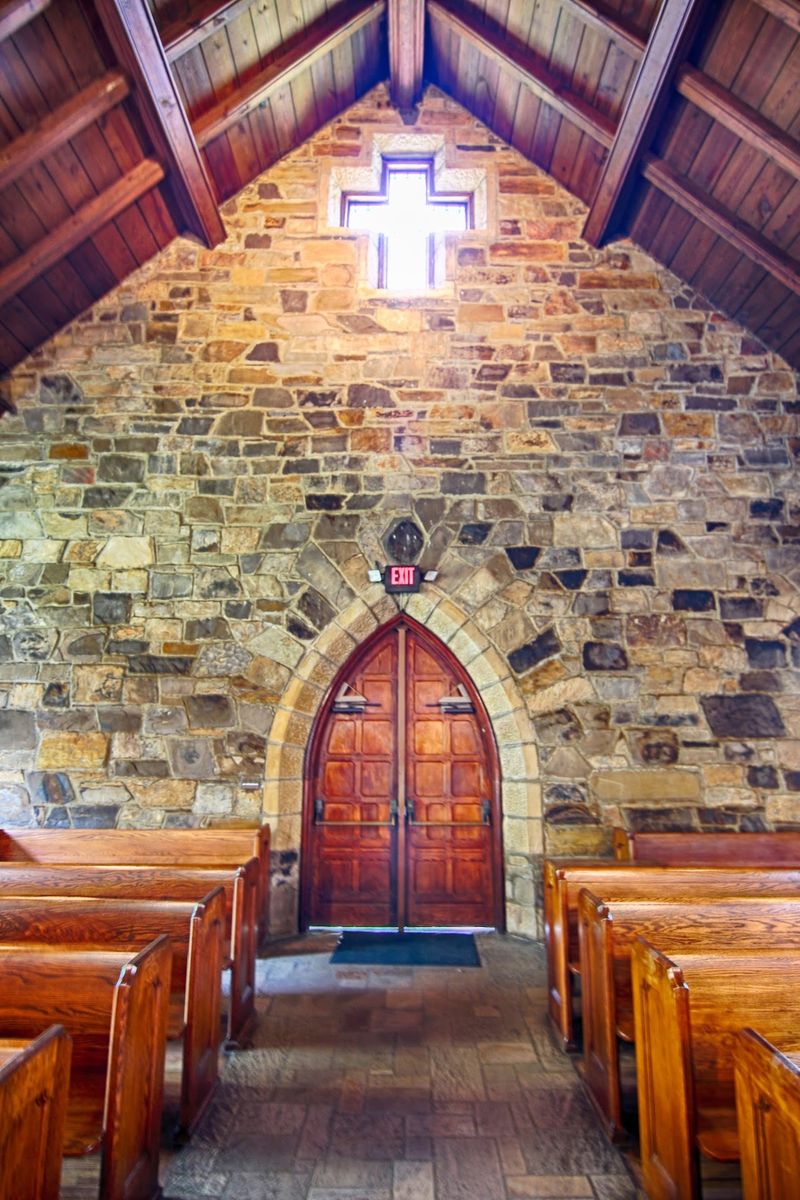
Southern Living magazine named this campus among the most beautiful in the South. After one afternoon there, I stopped arguing with magazines.
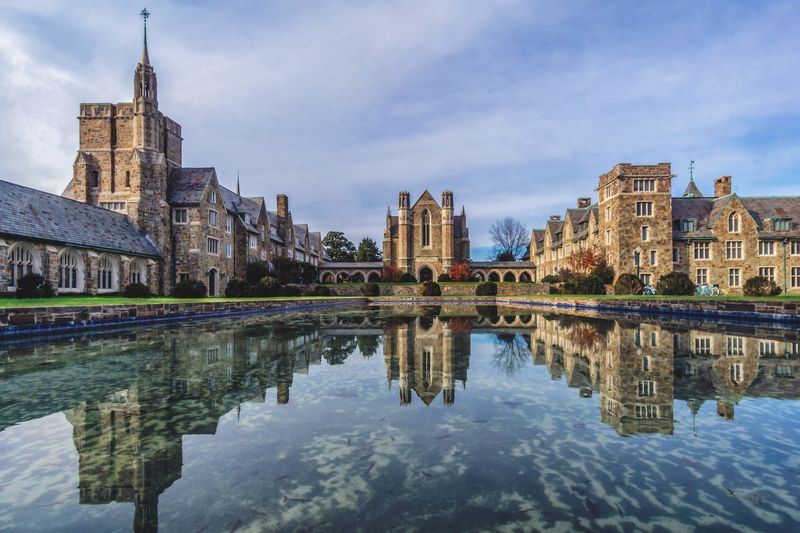
Stone buildings sit against wide lawns and long tree lines. Mountains rise behind the rooftops like a painted backdrop.
Light does interesting things here in the late afternoon. Shadows stretch across the grass while the stone glows warm.
Different sections carry different moods. Some areas feel formal and historic, while others feel wild and rural.
The open fields caught my attention most. Cattle and pasture land sit surprisingly close to academic buildings.
Photographers come for good reason. Weddings and portrait sessions happen on the grounds regularly.
Autumn brings serious color to the hardwood forests. Spring covers everything in fresh green and flowering trees.
Visitors are welcome to drive through and enjoy the scenery. Just keep an eye out for deer crossing the roads.
Beauty this large does not feel curated. It feels earned, shaped by more than a century of care.
I left with a full camera roll and mild jealousy toward everyone who studies here.
A Residential Community Where Almost Everyone Stays
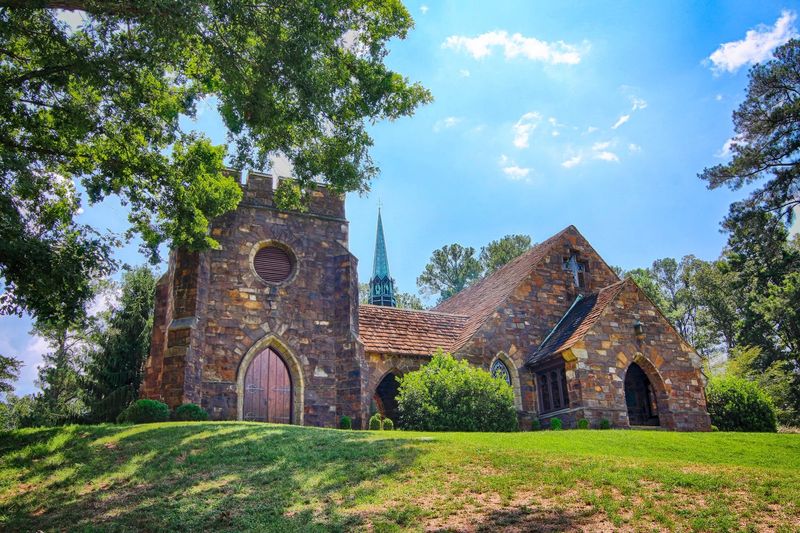
About 90 percent of students live on the property. That single statistic explains the atmosphere.
When nearly everyone stays, campus stops emptying out at night. Study groups, events, and late conversations happen naturally.
Residence halls sit within the larger landscape rather than off in a corner. Students walk out the door into forest and open sky.
The community feels tight without feeling small. People recognize each other in the dining hall.
I noticed how comfortable students seemed with the space. Hammocks, bikes, and backpacks appeared everywhere.
Living on such a large property has practical perks. Trails, fields, and quiet study spots are minutes away on foot.
Families often mention feeling reassured by the setup. Support systems are physically close by.
The residential design supports the work program too. Campus jobs are a short walk instead of a commute.
Freshmen adjust quickly because everyone shares the same starting point. Nobody is scattered across a city.
It creates something rare in higher education. A genuine neighborhood built inside a forest, running on shared purpose.
Norse Roots And Plenty Of Fun
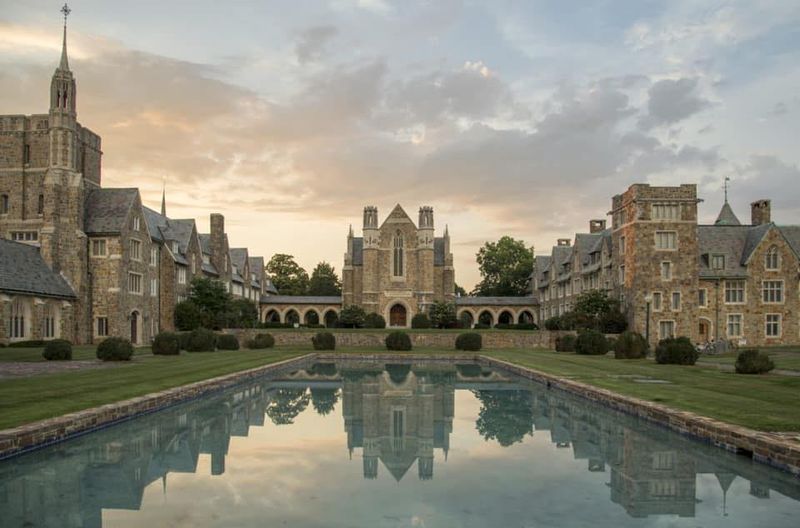
More than 70 student clubs and organizations operate on campus. Interests range from academic societies to outdoor recreation groups.
Athletics run at the NCAA Division III level. The teams compete as the Berry Vikings.
Division III means students play for love of the sport while keeping academics central. Games still draw enthusiastic crowds.
Sports facilities sit inside that enormous property, which gives events a distinct feel. Fields framed by trees and hills beat concrete any day.
Intramural and recreational options fill the gaps for casual athletes. Nobody needs a scholarship to get involved.
Outdoor programs take obvious advantage of the terrain. Cycling, riding, and trail activities are built into student life.
What struck me was the sheer amount of activity for such a modest enrollment. Something happens nearly every evening.
Students who arrive shy tend to find a group quickly. With that many options, it is difficult not to.
Big land, small numbers, endless things to do. That combination is exactly why the place stuck with me.