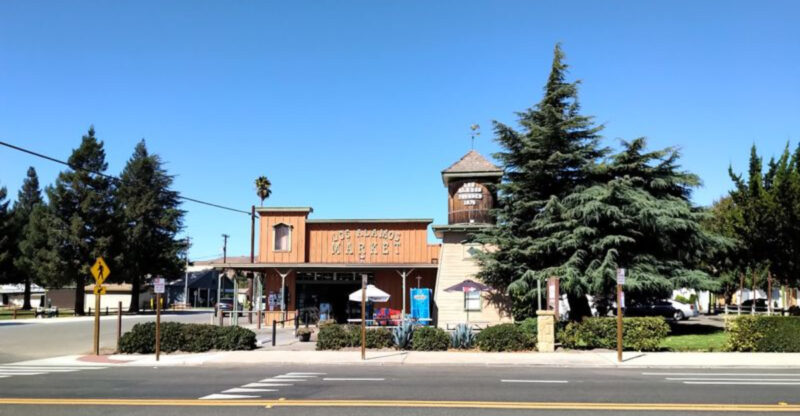
This Under-The-Radar California Recreation Area Has Seen A Surge In Black Bear Sightings
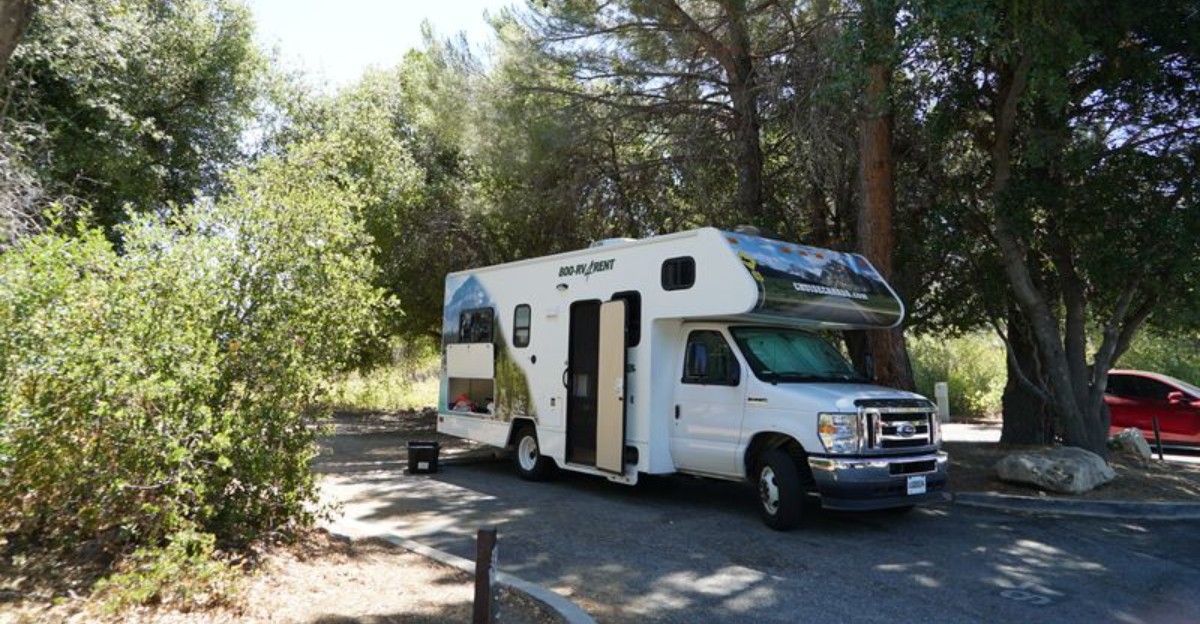
A quiet recreation area feels very different once black bears start appearing more often.
The trails and picnic areas still offer the same outdoor escape, but visitors suddenly have another reason to pay closer attention to what is happening around them.
This California recreation area has seen a noticeable increase in bear sightings, adding a surprising layer to a place better known for easygoing days outside.
The change does not have to make a visit feel alarming.
It simply means the landscape is sharing a little more of its wild side than usual, and that makes basic awareness matter more than ever.
Most people still come for the scenery and open space.
Now, there is also the possibility of spotting one of the region’s most impressive animals from a safe distance.
A Mountain Lake With A Surprisingly Wild Side
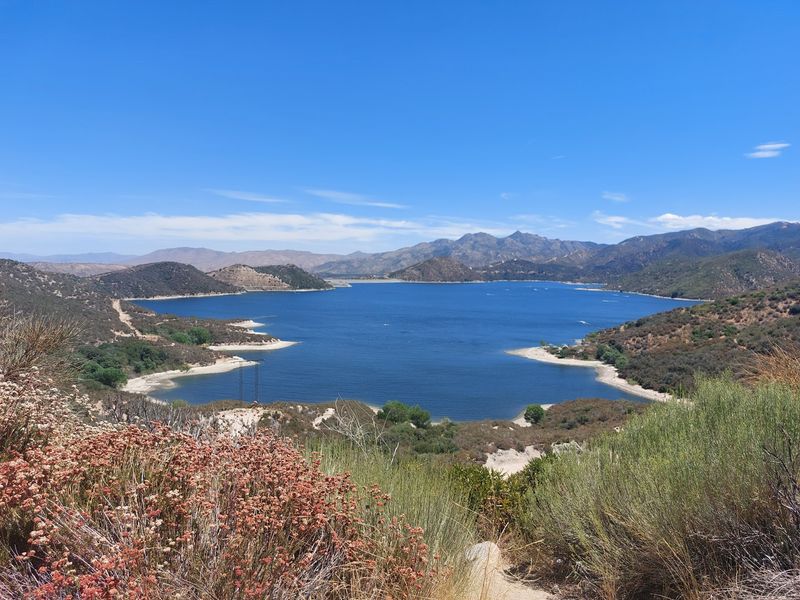
Few reservoirs in Southern California sit where forest and desert meet quite like this one does.
Silverwood Lake was formed by Cedar Springs Dam and rests high in the San Bernardino National Forest at roughly 3,350 feet.
The result is a landscape of contrasts, with pine-dotted slopes on one side and the wide open Mojave stretching out beyond the ridges.
Cooler months bring snow to the surrounding peaks, and the water often reflects them on calm mornings.
Summer feels completely different, with warm air, boat traffic, and the smell of sunbaked pine along the shoreline.
Wildlife is part of the deal here, and black bears have become a more visible part of that picture in recent seasons.
Visitors who expect a simple lake day sometimes leave surprised by how genuinely wild the surroundings feel once they step away from the parking lots.
Planning helps a lot, since conditions shift with elevation and season more than people expect from a park this close to major cities.
Layers are smart even in warm months, because mornings and evenings cool off quickly at this height.
Cell service can be spotty in spots, so downloading a park map before arriving saves frustration.
The Park Sits Just North Of San Bernardino
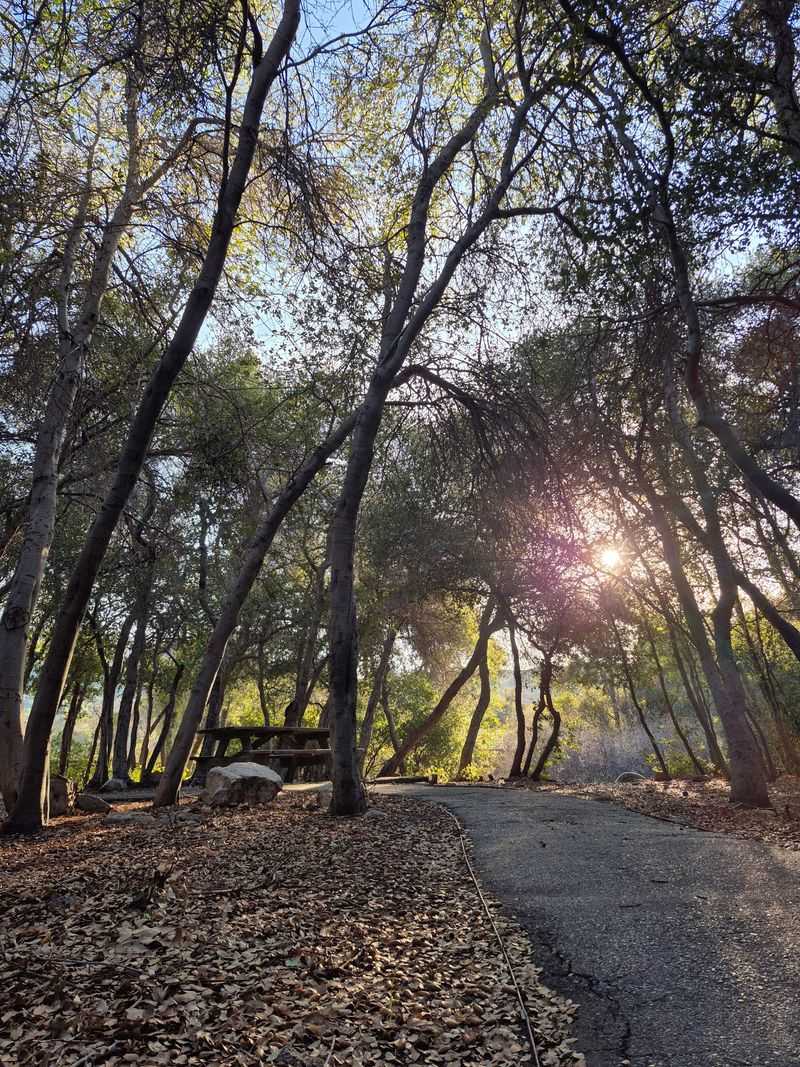
Getting here does not require a full day of driving, which is part of the appeal.
Silverwood Lake State Recreation Area is located at 13990 Sawpit Canyon Road, Hesperia, CA 92345, within San Bernardino County.
The park sits roughly 20 miles north of the city of San Bernardino and is reached by Highways 18 and 138.
Mountain highways mean curves, changing grades, and slower travel than a freeway map might suggest.
Drivers towing boats or trailers should plan extra time and check road conditions during winter storms, since snow occasionally affects mountain routes.
Weekday visits generally feel quieter than weekends, especially during summer when swim beaches draw larger crowds.
Arriving earlier in the day helps with parking and gives more time before afternoon winds pick up on the water.
The proximity to the high desert also means temperature swings, and a morning that starts chilly can turn hot by midday.
Fuel and supplies are easier to gather before the final stretch of mountain driving, since services near the park are limited.
Families traveling with young kids often break the drive with a short stop, which makes the winding sections easier on everyone.
The location strikes a nice balance between accessible and genuinely removed from the noise of nearby cities.
Black Bear Sightings Have Recently Increased
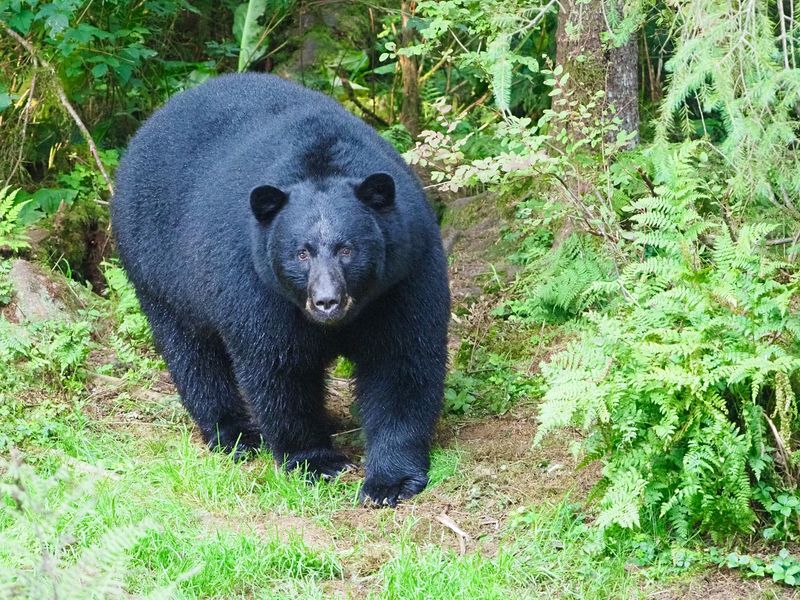
Bears have always lived in these mountains, but the frequency of reports has shifted.
California State Parks has issued advisories for the recreation area after a noticeable rise in black bear sightings.
Officials have pointed out that bears are appearing in parts of the park where they were historically scarce.
Activity itself is not new to the region, and that context matters when reading headlines about a surge.
What has changed is how often visitors and staff are encountering bears close to developed areas rather than deep in the woods.
Rangers actively monitor bear presence and update guidance as conditions change through the season.
For visitors, the practical takeaway is simple enough: assume bears are around, even in spots that seem busy or open.
Keeping a clean campsite and staying alert on trails covers most of what an average trip requires.
Bears that find food near people tend to return, which is why park rules focus so heavily on storage and trash.
Checking in at the entrance kiosk gives current information that a website may not reflect on any given day.
Curiosity is natural, and seeing a bear from a safe distance can be a memorable part of a trip. Respecting that distance keeps both the animal and the visitor out of trouble.
Campers Are Seeing Bears In New Areas
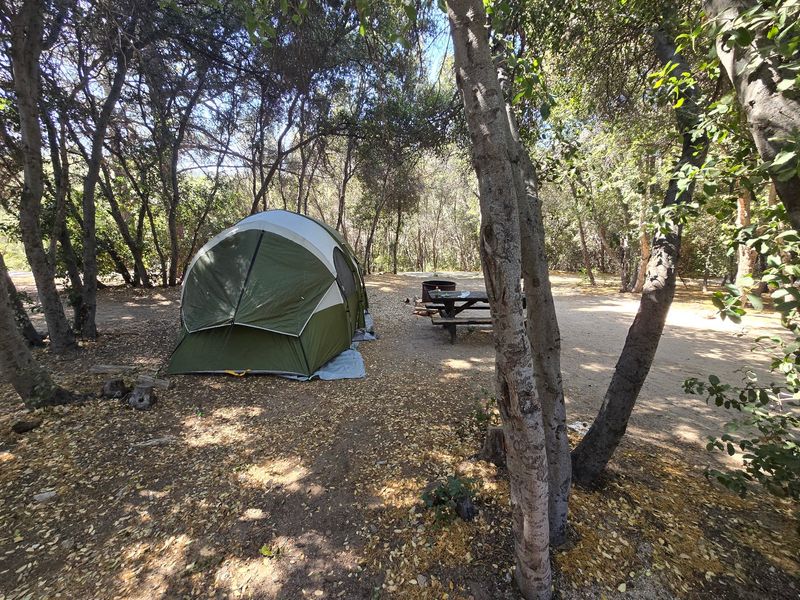
Word travels fast around a campground when a bear wanders through.
Increased activity has been especially noted in the New Mesa and Old Mesa campgrounds on the west end of the park.
Both areas were historically less frequented by bears, which is exactly why the change caught attention.
Reports include bears exploring campsites and even attempting to get into locked vehicles.
State Park Rangers monitor these areas and enforce bear-safety regulations more strictly than in past seasons.
Campers who have visited for years may need to adjust habits that once felt harmless, like leaving a cooler out overnight.
Coolers are a particular problem, since bears have learned to open them without much effort.
Keeping a tidy site takes only a few extra minutes at the end of each evening and makes a real difference.
Anyone camping with kids can turn the routine into a shared task, which helps everyone remember the steps.
Noise from generators or music does not reliably keep bears away, so food storage remains the main line of defense.
Reporting a sighting to park staff helps rangers track patterns across the campgrounds. Most encounters end quietly when people stay calm and let the animal move along on its own.
New Mesa And Old Mesa Are Getting Extra Attention
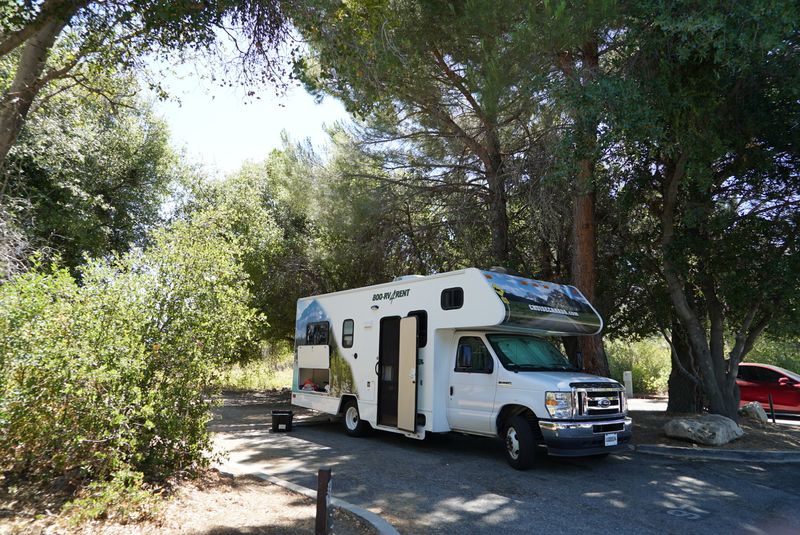
Two campgrounds sit between the lake and Highway 138, and they carry most of the park’s overnight visitors.
Old Mesa Campground offers 95 non-hookup campsites, while New Mesa Campground provides 40 sites with power, water, and sewage connections.
Every campsite in both areas comes with a fire ring, a charcoal grill, and an outdoor picnic table.
The layout works well for a mix of tent campers and RV travelers, which keeps the atmosphere varied.
Because of the recent bear activity, strict bear-safety rules apply throughout both campgrounds.
Rangers may check sites, and posted regulations are worth reading carefully rather than skimming.
Hookup sites at New Mesa tend to book quickly during warm months, so reserving ahead is the safer approach. Old Mesa suits travelers who bring their own water and prefer a simpler setup.
Evenings cool down noticeably, so a warm layer belongs in the bag even during summer trips.
Cooking smells linger, which is one reason the food storage rules apply to the whole site rather than just the table.
A little preparation turns these campgrounds into an easy base for several days of lake time.
Miller Canyon Has Long Been The Better-Known Bear Area
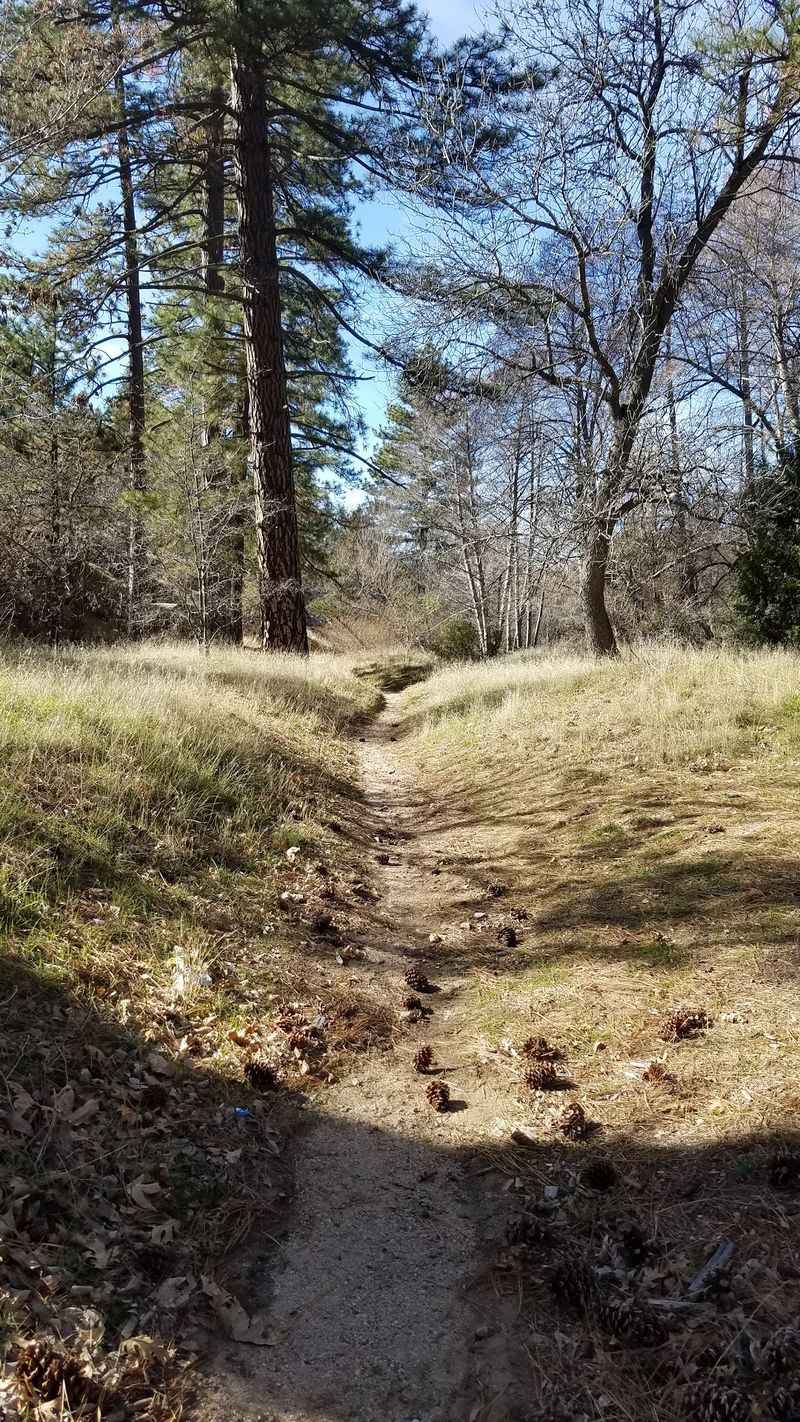
Long before recent advisories, one part of the park already had a reputation for bear activity.
Miller Canyon has historically seen more consistent sightings, helped along by densely wooded surroundings that suit bears well.
Group campsites operate there seasonally from May 1 through September 30.
Sightings have long been common in the Black Oak and Miller Canyon day use areas, so regular visitors tend to expect them.
The thick tree cover creates cooler, shadier ground than the open shoreline, which changes the whole feel of a visit.
Groups booking sites here should brief everyone on food storage before the first meal rather than after. Larger gatherings produce more food waste, and that makes disciplined cleanup even more important.
Day users stopping at the picnic areas should avoid leaving bags or coolers unattended, even briefly.
Walking in pairs and keeping conversation going helps avoid surprising an animal on shaded paths.
The canyon setting offers a quieter kind of park experience compared to the beaches, with birdsong and rustling leaves replacing boat engines.
Seasonal availability means checking dates before planning a group trip around this area.
Anyone drawn to shade and forest rather than sun and sand will likely find this corner of the park appealing.
Seeing A Bear Means Giving It Plenty Of Space
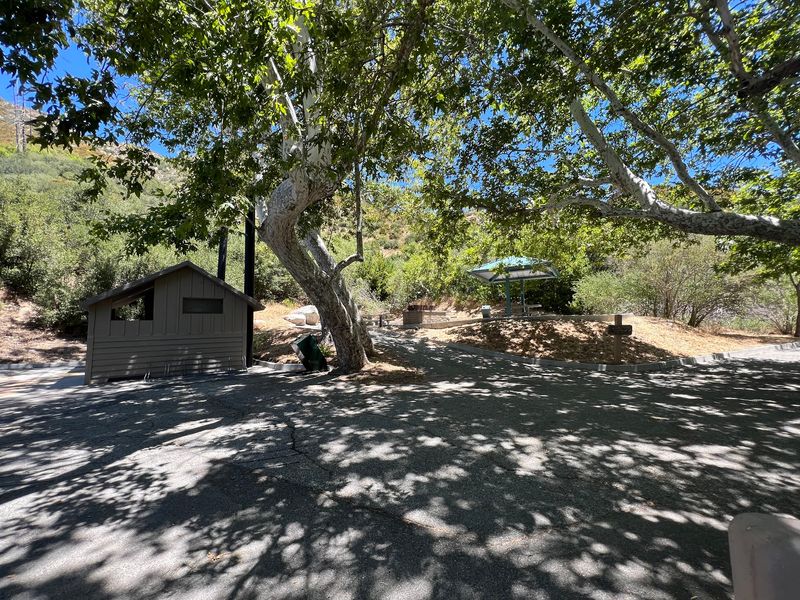
Knowing what to do beforehand makes an encounter far less frightening.
Approaching a bear or its cubs is never acceptable, since mother bears are highly protective and may attack when they feel threatened.
Running is also a bad idea, because it can trigger a chase response.
The recommended approach is to make yourself look large by waving your arms and making loud noises.
Backing away slowly gives the animal room to leave on its own terms, which is usually what it wants to do.
In the unlikely event of an attack, fighting back aggressively is the advice given by park officials.
Aggressive bear behavior should be reported right away to park staff or by calling 911.
Talking through these steps with children before a trip helps them stay calm if a bear appears near a campsite.
Keeping dogs leashed reduces the chance of an unwanted confrontation on the trails.
Photos are tempting, though stepping closer for a better angle puts everyone at risk. A zoom lens or a phone from a safe distance captures the moment without crowding the animal.
Most bears want nothing to do with people, and giving space is usually all it takes for the encounter to end quietly.
Know The Current Bear Advisory Before You Go
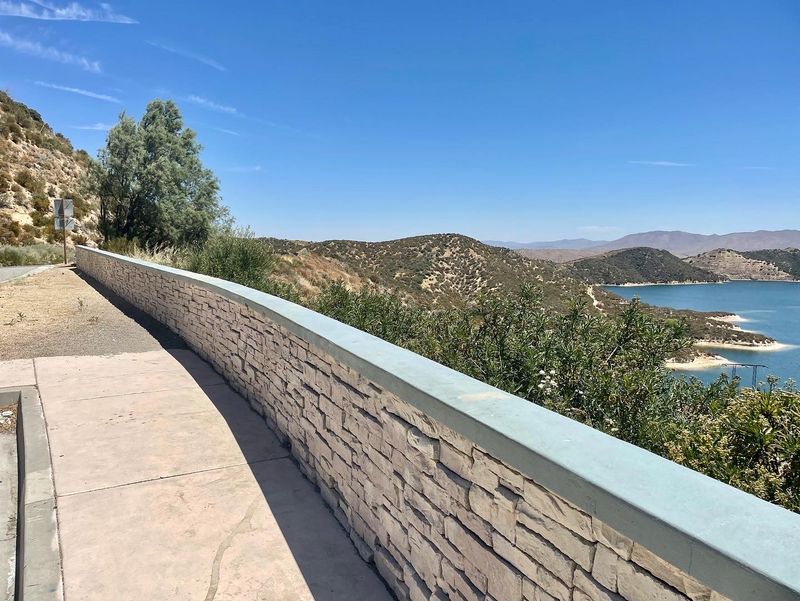
Checking conditions ahead of time is the least glamorous step of trip planning and often the most useful.
California State Parks has issued a bear advisory for Silverwood Lake State Recreation Area because of increased bear activity.
Visitors should review the park’s official website or ask park staff for the latest information on sightings and safety guidelines.
Advisories can change through the season as bear behavior shifts with weather and food availability.
Posted regulations at campgrounds and day use areas reflect current requirements and should be followed closely.
Rangers update signage as needed, so a quick read at the entrance is worth the pause.
Groups traveling together benefit from sharing the guidance before arrival rather than sorting it out at the campsite.
Knowing where dumpsters are located makes the nightly cleanup routine faster.
Reporting sightings helps staff track patterns and respond where activity is concentrated.
None of this needs to overshadow the trip, since most visits pass without any bear encounter at all.
Preparation simply removes the guesswork and lets attention stay on the water, the trails, and the quiet mountain evenings.
Respecting the wildlife here keeps the park enjoyable for future visitors and safer for the bears that call these slopes home.