This California Shop Turns Pickles Into A Full-Blown Fermentation Obsession
Pickles are not supposed to become a whole personality.
Then one crunchy, briny bite starts acting way more interesting than it has any right to. Suddenly, cucumbers are only the beginning.
There are bright jars, sharp flavors, and shelves that make a simple snack feel like a small science experiment.
California food shops can get wonderfully specific, and this one takes that idea seriously.
The fun is in the obsession. A pickle stop like this is not just about grabbing one jar and leaving.
You start noticing texture. Then heat. Then tang.
It is quirky without feeling forced. Useful without being boring.
The kind of shop that makes people rethink what belongs in their fridge.
Start With The Shop That Takes Pickles Seriously
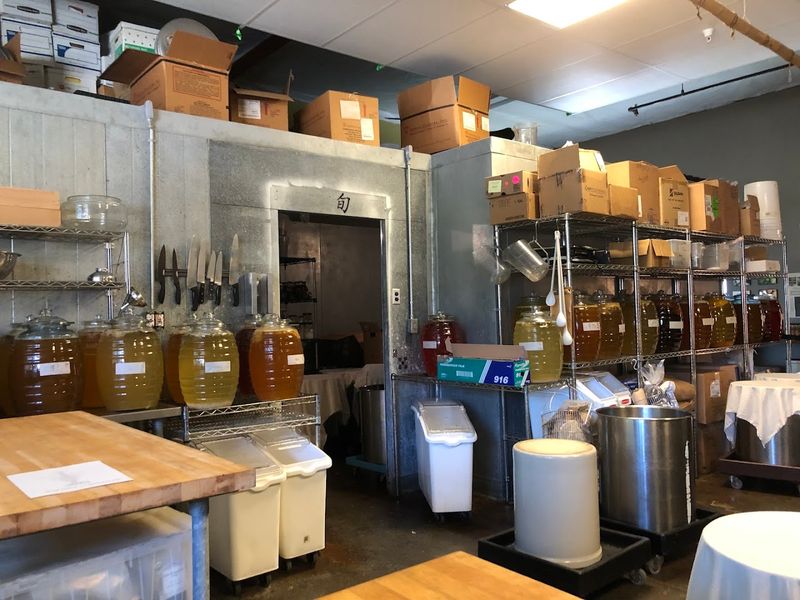
A space where 100 to 200 individual fermentation projects are actively bubbling away is not a typical Tuesday hangout spot.
Cultured Pickle Shop, located at 800 Bancroft Way, Suite 105, Berkeley, CA 94710, has been dedicated to small-batch vegetable fermentation for nearly three decades, making it one of the most focused fermentation operations in the country.
The shop started with a deep interest in fermented foods developed on a farm in Mendocino, and that agricultural rootedness still shapes everything produced here.
The retail store is open seven days a week, giving visitors plenty of opportunity to browse jars of kimchi, sauerkraut, miso, amazake, and seasonal specialty pickles.
Products are made without added vinegar, water, or heat, relying entirely on natural fermentation processes that can take anywhere from a few days to several years.
The range on the shelves tends to shift with the seasons, reflecting what Northern California produce is at its peak at any given time.
Stopping in on a weekday means a quieter, more relaxed shopping experience, while weekends bring the added energy of the Rice and Pickles dining event happening in the same space.
Find It On The 5th Street Side
Knowing exactly where to enter saves a lot of circling around an unfamiliar building.
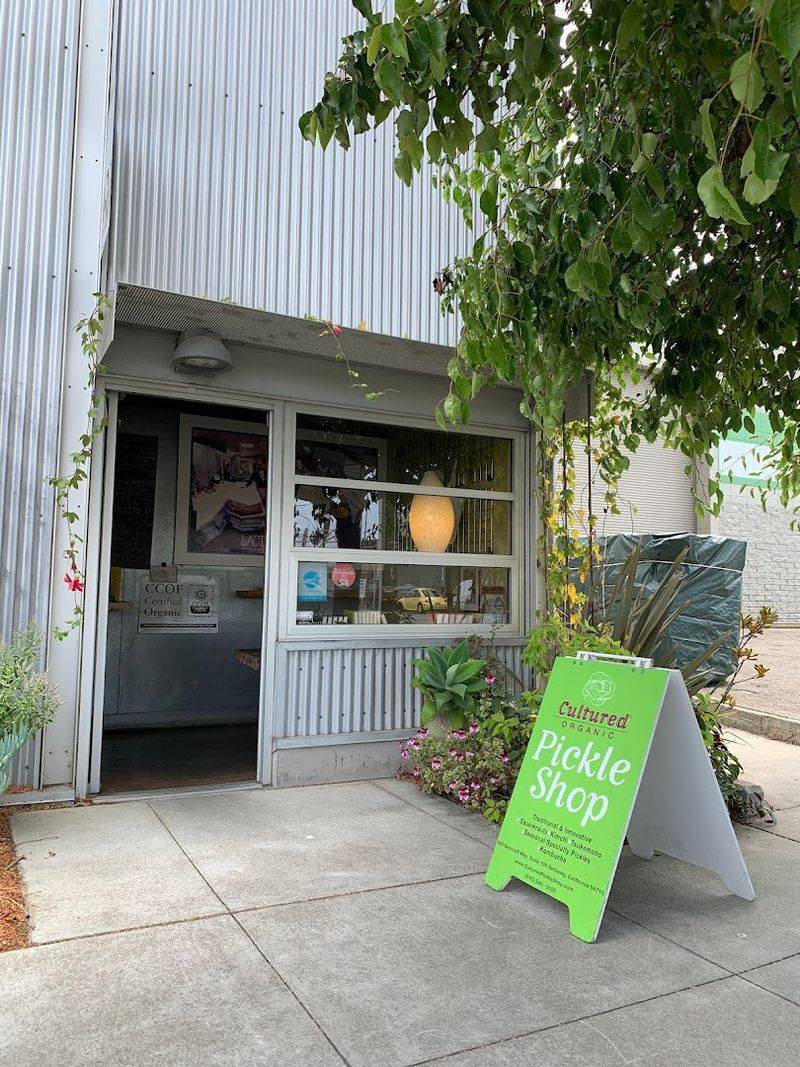
Suite 105 sits on the 5th Street side of the 800 Bancroft Way building, and that detail matters more than it might seem when pulling up for the first time.
The address puts the shop in a light-industrial part of Berkeley that feels a little unexpected for a food destination, but that unassuming exterior is part of the charm.
The warehouse-style setting is not dressed up or decorated to look like a boutique food shop, and that honesty carries through to everything sold inside.
What visitors find is a working production facility that also happens to welcome the public, which gives the whole experience a behind-the-scenes quality that is hard to replicate elsewhere.
Retail hours run from 9 a.m. to 6 p.m. Tuesday through Friday, with slightly shorter hours on weekends and a limited Monday window from 9 a.m. to noon.
Checking current hours before visiting is always a good idea, since schedules can shift.
The shop can be reached at 510-540-5185, and the official website at culturedpickleshop.com carries the most up-to-date information on hours and availability.
See Why This Is More Than A Pickle Jar Stop
Most people associate pickles with a single flavor: briny, garlicky, and cold from the fridge. What happens inside Cultured Pickle Shop stretches that assumption in every direction.
The product lineup includes around ten varieties of sauerkraut, four types of kimchi, fourteen kinds of seasonal specialty pickles, and eight kombucha flavors, alongside traditional Japanese ferments like nukazuke, kasuzuke, and miso-zuke.
The fermentation process here is treated as a living craft rather than a formula.
Natural microbial communities are cultivated and monitored across dozens of individual projects at any given time, with some ferments aging for 12 to 18 months and others stretching to three years or more.
Sunchoke kasuzuke, for example, ferments for a full three years before it reaches the retail shelf.
The use of Northern California seasonal produce means the flavor profiles shift throughout the year, so a jar purchased in spring may taste noticeably different from one picked up in autumn.
That variability is intentional and celebrated rather than treated as inconsistency.
For anyone who grew up thinking pickles were just cucumbers in a jar, the range here offers a genuinely eye-opening introduction to how wide the world of fermentation actually is.
Go For The Weekend Rice And Pickles Meal
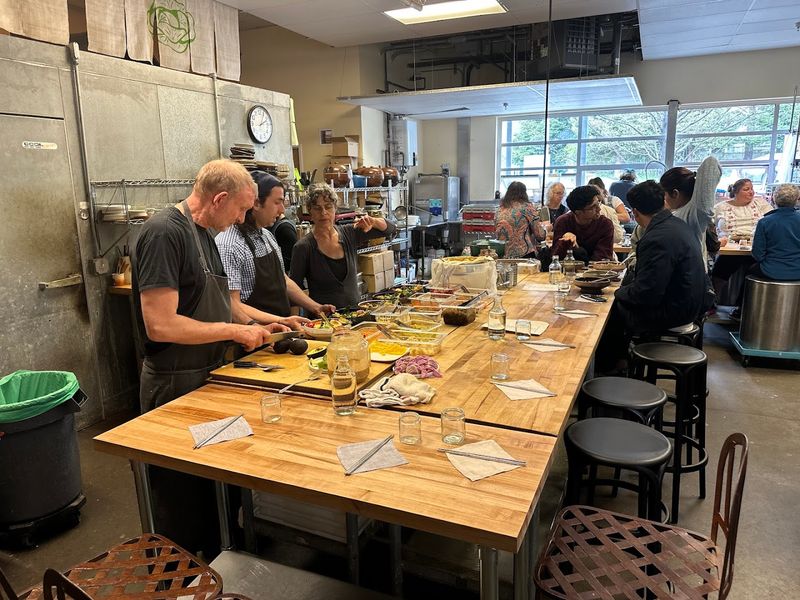
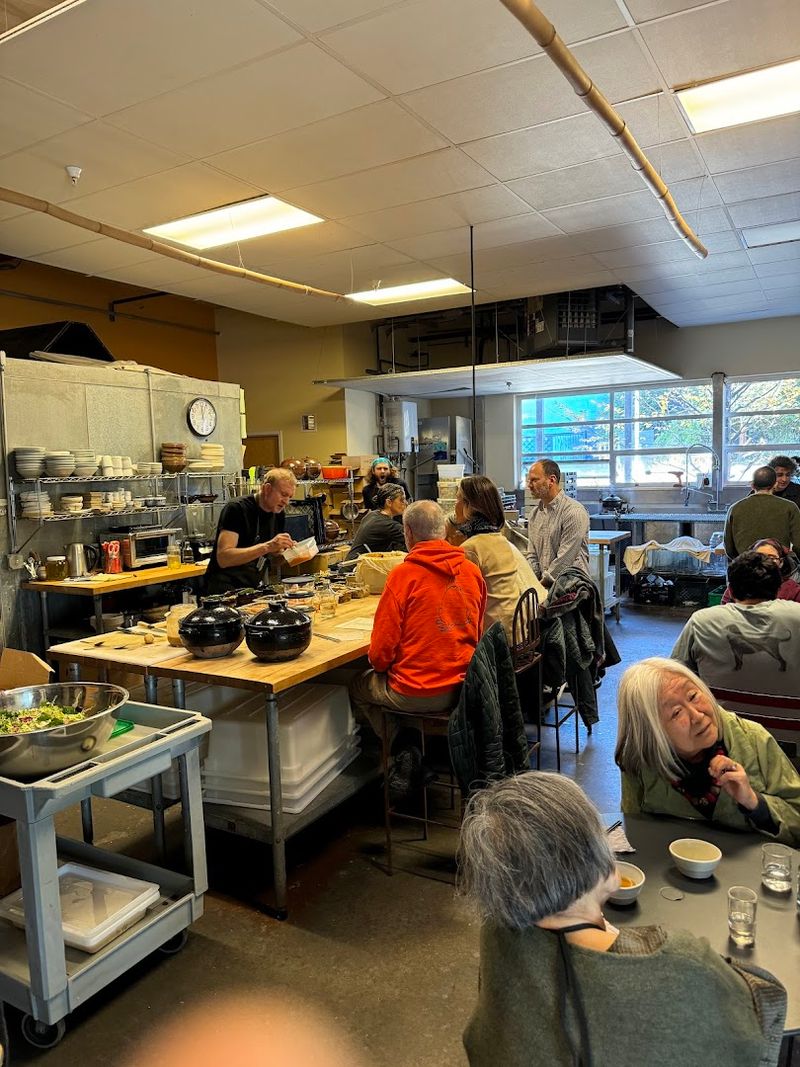
On Saturdays and Sundays from 11 a.m. to 4 p.m., the production floor at Cultured Pickle Shop transforms into one of the more unusual dining experiences available in the Bay Area.
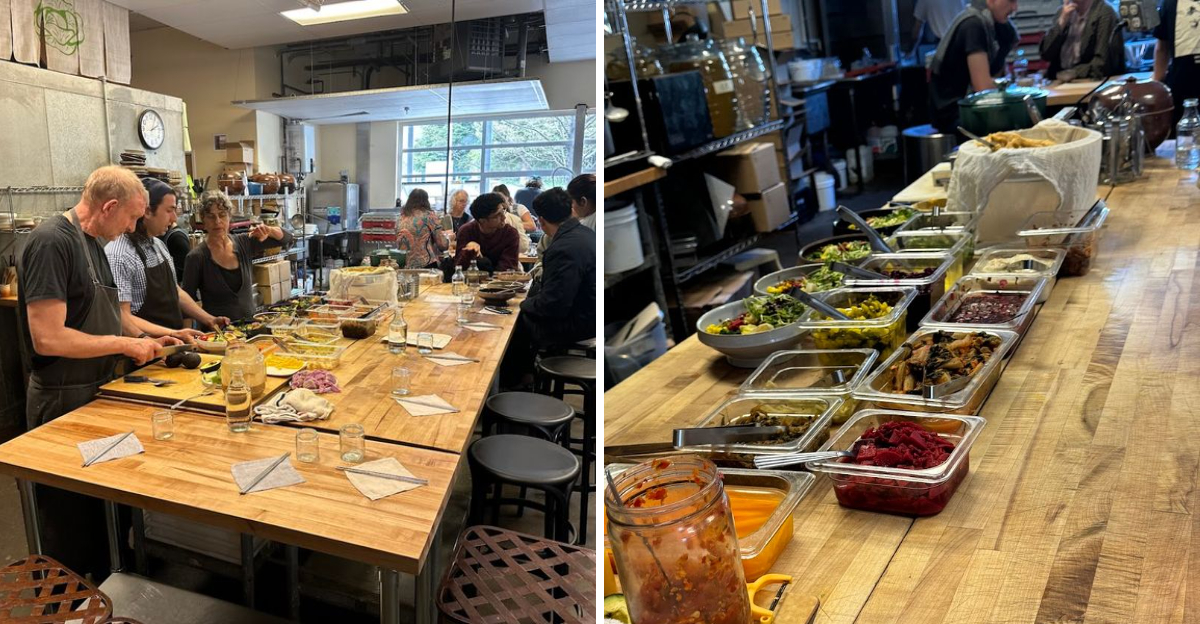
The Rice and Pickles meal is a three-course prix fixe event where guests sit at long communal tables surrounded by fermentation vats and watch their bowls being assembled in real time.
The menu changes weekly based on what is in season and what ferments are ready.
A typical meal starts with a dashi starter, followed by a bowl of locally grown rice topped with more than 15 unique ferments, some of which have been aging for years.
The meal closes with a fermented sweet bite, which has included options like black sesame amazake pudding.
Seating is limited, so calling ahead or emailing for a reservation is strongly recommended, especially for weekend visits.
The communal table setup makes it easy to ask questions about what is being served, and staff are genuinely engaged in explaining the process behind each item.
Takeout is also available for those who prefer to enjoy the bowls elsewhere. The meal is vegan-friendly by default, with optional add-ons like cultured egg or avocado available depending on the week.
Sample A Whole Fermented World
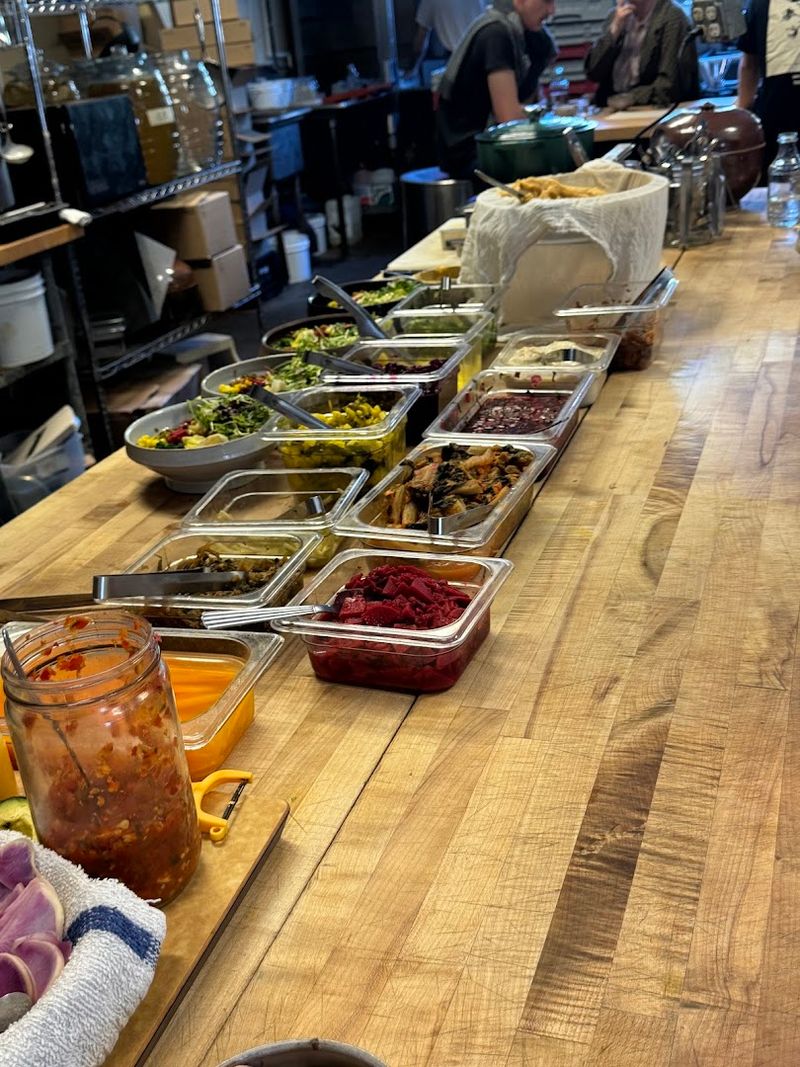
Few food experiences pack as many distinct flavors into a single sitting as the tasting lineup at Cultured Pickle Shop. The shop maintains ferments that span a wide range of traditions.
From European-style sauerkraut and brine pickles to Japanese kasuzuke and nukazuke, alongside kombucha in unconventional flavor combinations like beet and hojicha or carrot and rooibos.
Each item carries its own texture, saltiness, and depth depending on how long it has fermented and what it was packed with.
The seasonal specialty pickle selection alone tends to run around fourteen varieties at any given time, meaning repeat visits often turn up something new.
Products are made with a low-waste approach, and even the kombucha that shifts toward vinegar gets repurposed rather than discarded, which says a lot about how seriously the craft is taken here.
For visitors who have never tried amazake, the shop offers a gentle entry point into that fermented rice drink, which tends to be lightly sweet and smooth.
The kombucha here leans less sweet than commercial versions, with a more pronounced fizz and fermented complexity.
Trying a few things before buying a jar to take home is a practical way to figure out which ferments suit personal taste preferences best.
Look Beyond Cucumbers
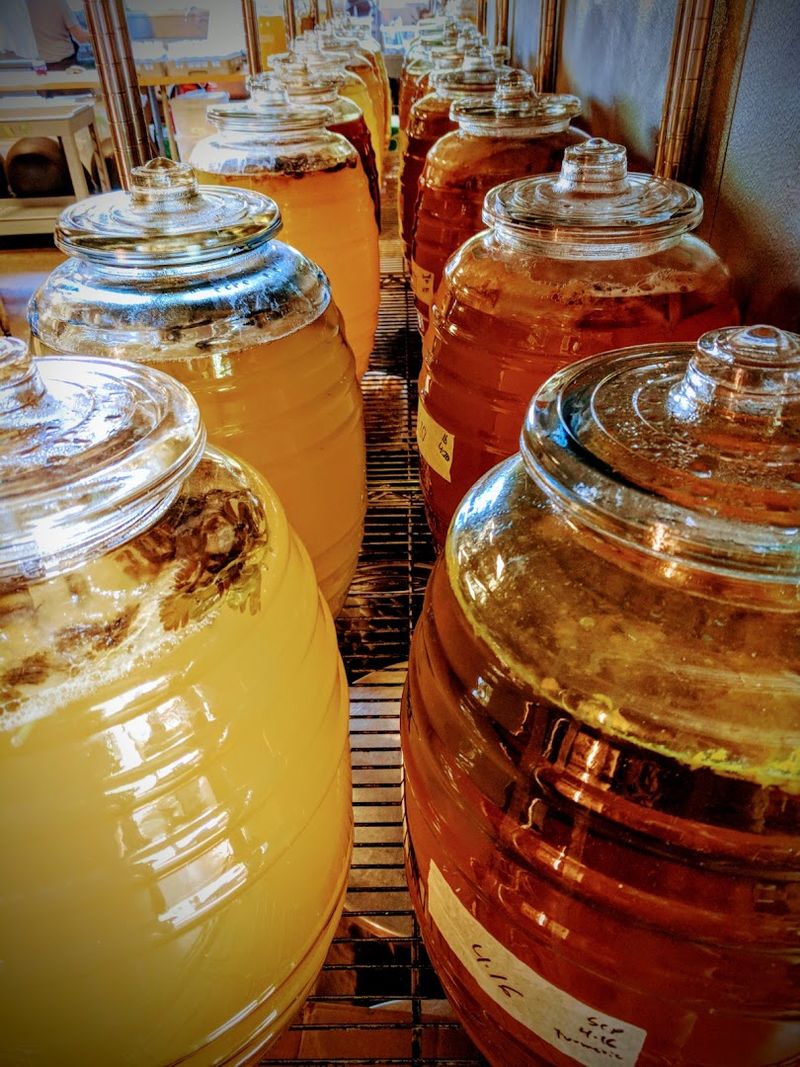
Miso is not something most people expect to find handmade in a small Berkeley shop, but Cultured Pickle Shop produces it alongside amazake, kombucha, and a rotating cast of fermented vegetables that have very little to do with the classic dill spear.
The shop’s product range reflects a broad understanding of fermentation as a global craft rather than a single culinary tradition tied to one vegetable or one culture.
Amazake, a fermented rice drink made from koji, tends to surprise first-time tasters with its natural sweetness and creamy texture.
The miso produced here develops its flavor over extended aging periods, resulting in a depth that differs noticeably from the shelf-stable versions found in most grocery stores.
Both products are available for retail purchase and are worth exploring even for visitors who came in specifically for the pickles.
The kombucha selection at the shop leans toward savory and earthy flavor pairings rather than the fruit-forward profiles common in commercial brands.
Flavors rotate based on what is available seasonally and what the fermentation process produces, so the lineup on any given visit may look different from the one described online.
That unpredictability is part of what makes browsing the retail case feel genuinely interesting rather than routine.
Time Your Visit Around Lunch
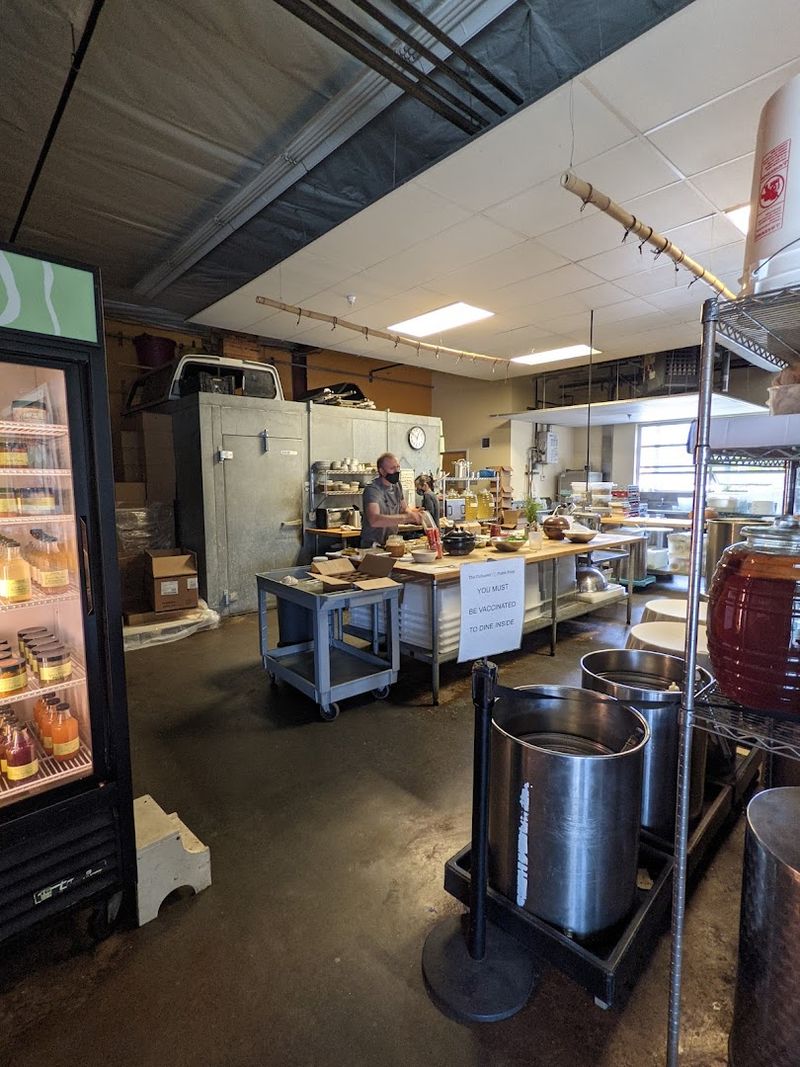
Weekday visits to the retail store are perfectly worthwhile, but the full experience at Cultured Pickle Shop really opens up on weekends.
The Rice and Pickles event runs Saturday and Sunday from 11 a.m. to 4 p.m., turning a shopping errand into a proper meal with context and conversation built in.
Arriving closer to 11 a.m. tends to mean a calmer start before the space fills up, while later arrivals around midday will find more energy and a livelier atmosphere.
Reservations are genuinely recommended rather than just politely suggested, since the seating capacity is limited by the size of the production space.
Takeout orders can also be arranged by phone for those who prefer to skip the sit-down format.
Pairing the weekend meal with a browse through the retail selection afterward makes for a satisfying few hours.
Trying something at the table and then picking up a jar of the same ferment to take home is a natural progression that many visitors seem to fall into without planning it.
The shop’s compact size means the whole visit, meal and shopping included, tends to fit comfortably into two hours.
Bring Home A Fridge-Worthy Souvenir
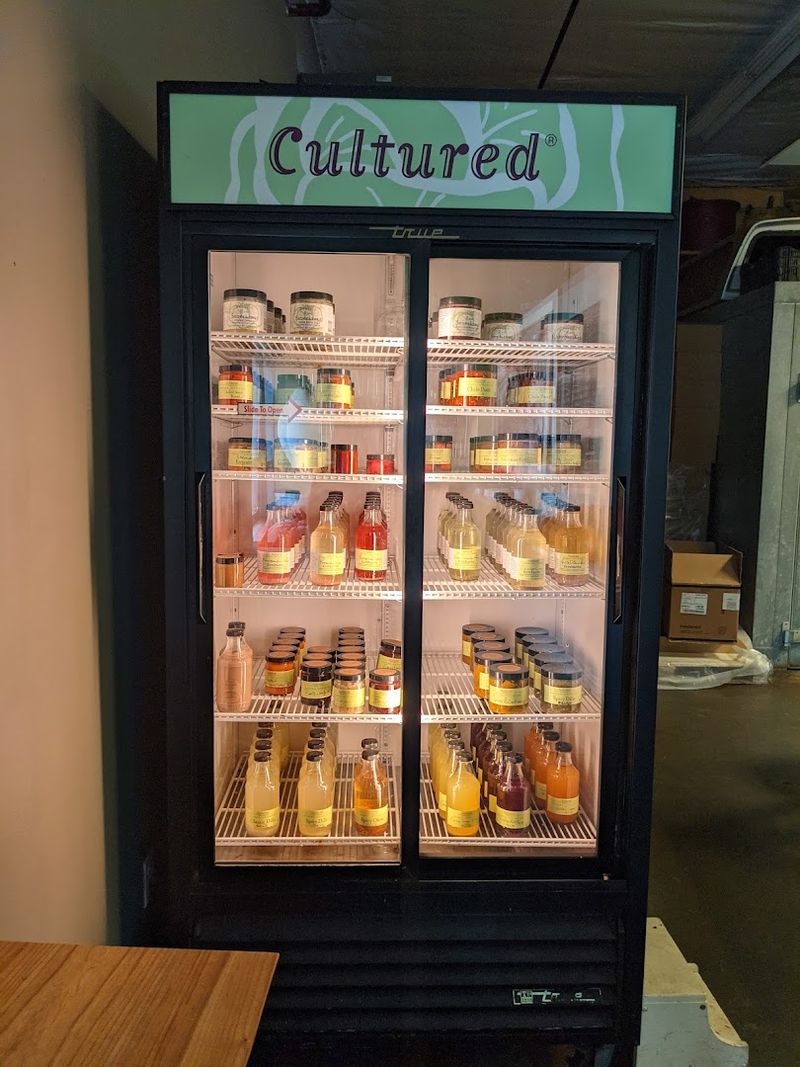
The retail case at Cultured Pickle Shop is genuinely one of the more interesting places to shop for food in Berkeley.
Jars of kimchi, sauerkraut, nukazuke, kasuzuke, and miso-zuke line the shelves alongside bottles of kombucha and containers of amazake, all made in the same space where customers are standing.
That transparency between production and retail gives every purchase a sense of direct connection to the people and process behind it.
Fermented products travel well in a cooler and hold up in the refrigerator for extended periods, making them a practical take-home option compared to many perishable food souvenirs.
Picking up a jar of something unfamiliar, like a sake lees pickle or a long-aged miso, is a low-risk way to experiment with flavors that are genuinely difficult to find elsewhere.
The staff can usually point toward what is freshest or most interesting on any given day.
Kombucha bottles from the shop make a particularly good travel companion since they are sealed and fizzy and tend to spark conversation when shared at home.
The seasonal nature of the product lineup means a jar purchased today may not be available on the next visit, which gives each purchase a quiet sense of timeliness.
Buying a couple of different ferments to compare at home is a habit many repeat visitors seem to develop naturally.