This North Carolina Mountain Town Has Some Of The Cleanest Air In The State
Most mountain towns brag about the view.
This North Carolina spot could brag about the breathing.
Its county earned straight A grades for ozone and short-term particle pollution in the American Lung Association’s 2026 State of the Air report. It also landed on national cleanest-county lists, which is a much stronger flex than saying the air “feels fresh.”
The numbers come from EPA monitoring collected over several years, so this is not one unusually crisp morning getting carried away with itself.
That makes the surrounding mountains even more inviting.
You can spend the day outside knowing the scenery is backed by air-quality data that looks unusually good on paper. Then, when your legs have had enough, downtown is close enough to take over without killing the relaxed mood.
Apparently, this mountain escape brought receipts for the fresh-air claim.
The Air Quality Numbers Give The Headline Real Support
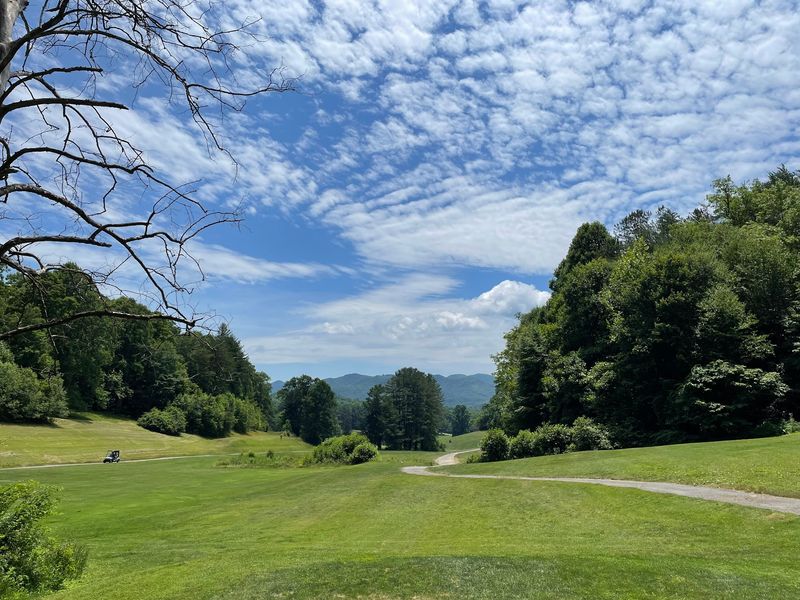
The claim about clean air is not based on Black Mountain simply looking green and mountainous. The strongest evidence comes from Buncombe County, where the town is situated.
In the 2026 State of the Air report, Buncombe recorded zero unhealthy ozone days and zero unhealthy short-term particle-pollution days during the 2022–2024 reporting period, earning an A in both categories.
Its annual fine-particle design value was 6.1 micrograms per cubic meter, comfortably passing the applicable standard.
Even more telling, the American Lung Association included Buncombe on its nationwide list of cleanest counties for short-term particle pollution and separately on its cleanest-counties list for ozone.
The Asheville–Waynesville–Brevard metropolitan area also joined the national cleanest list for daily particle pollution.
Air conditions can still change with weather and regional events, so no mountain town can promise perfect air every day. Still, the multi-year monitoring gives Black Mountain’s fresh-air appeal something far more substantial than travel-writing atmosphere.
Lake Tomahawk Gives You Mountain Scenery Without A Long Hike
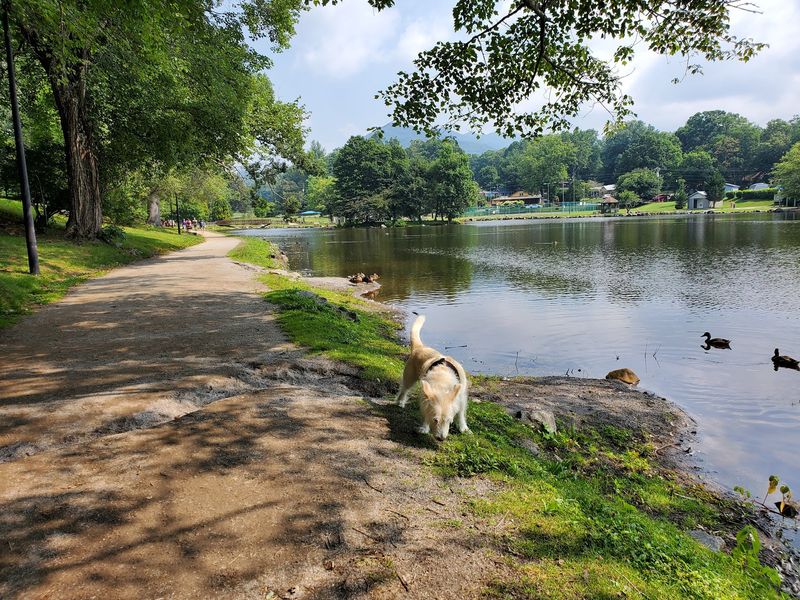
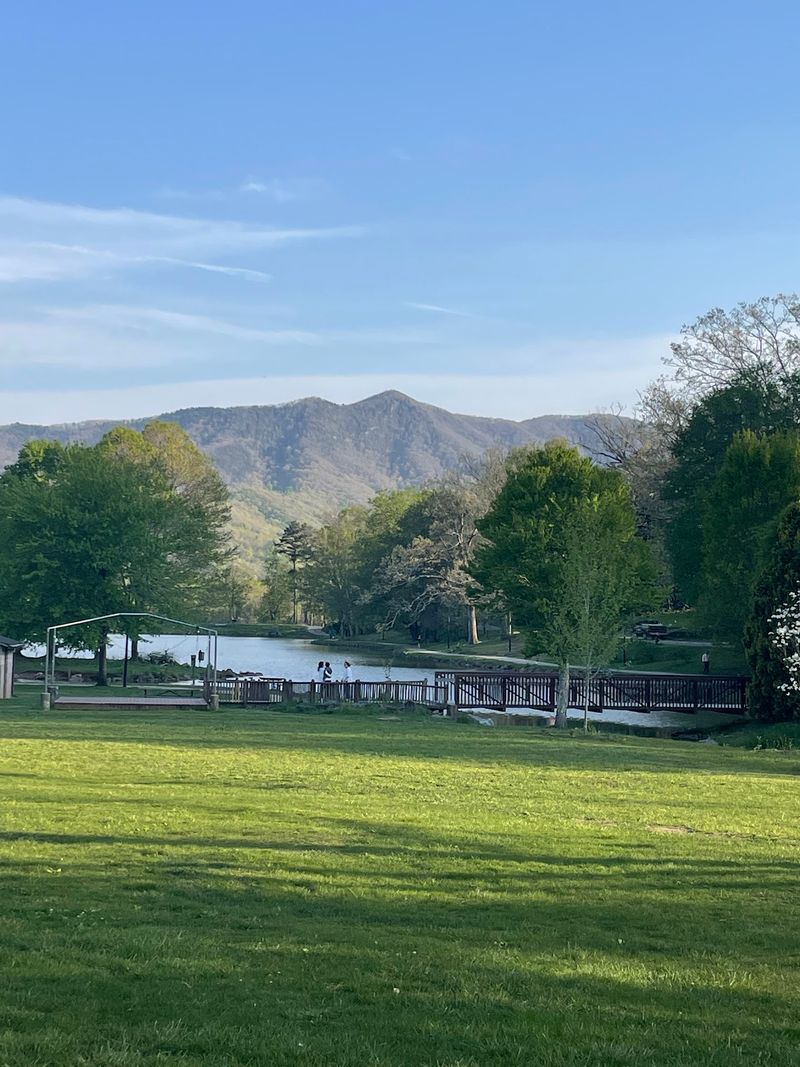
You do not have to disappear into the backcountry to make the most of Black Mountain’s outdoor setting. Lake Tomahawk Park sits close to the center of town at 401 Laurel Circle Drive, spreading across 16.3 acres around an 8.9-acre lake.
The water itself was created by a dam built between 1933 and 1935, and today a 0.55-mile crushed-granite trail loops around it.
That distance makes the park useful whether you want a leisurely lap after breakfast or enough room for several circuits without committing half the day.
The town says the trail is suitable for strollers and wheelchairs, while bicycles are not permitted on the loop. A fishing pier reaches toward the water, non-motorized boats are allowed, and benches make it easy to stop rather than treat the walk like a workout.
The southern end crosses the historic dam and opens toward the Seven Sisters mountain range, giving a short, easy route a backdrop that feels much larger than its mileage suggests.
Downtown Is The Kind Of Place Where An Hour Easily Becomes Three
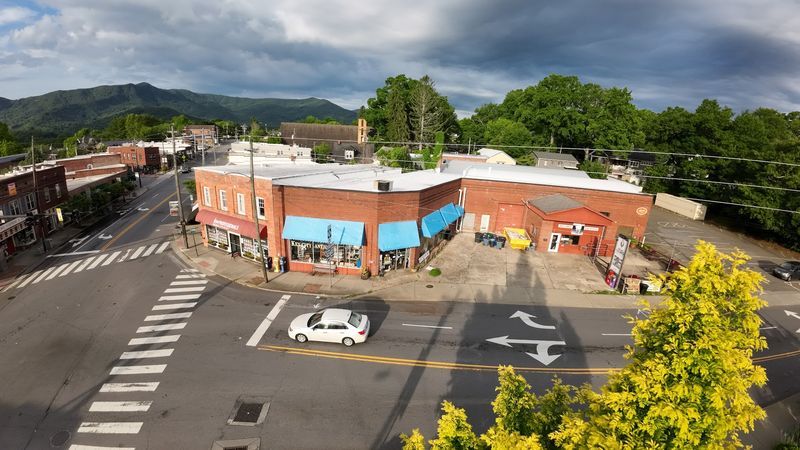
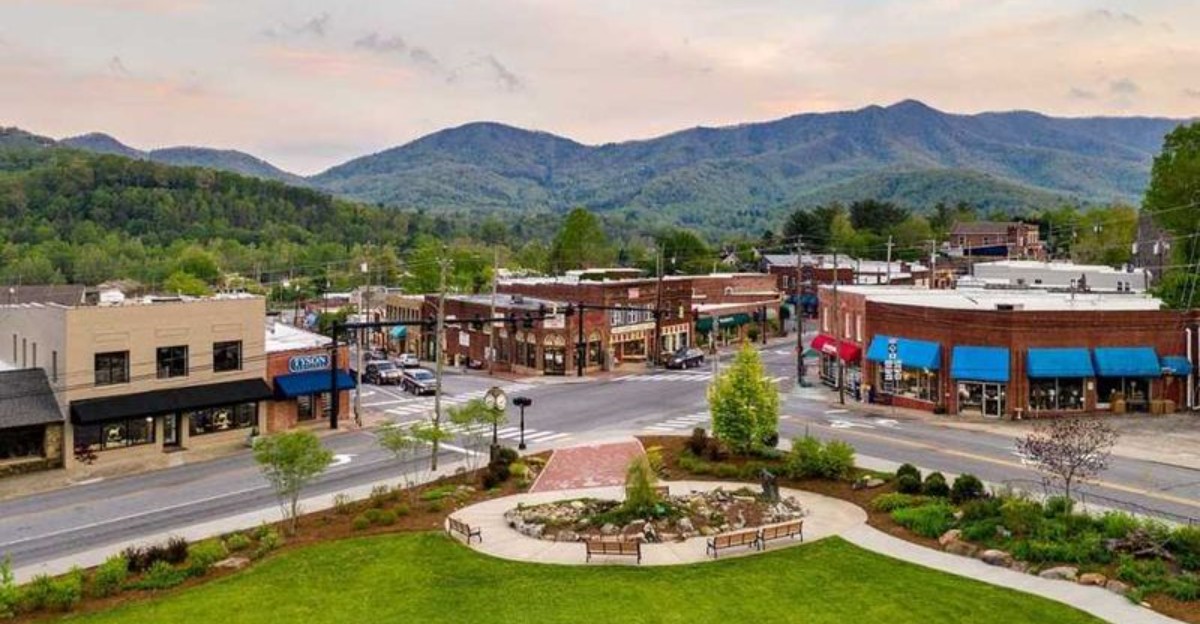
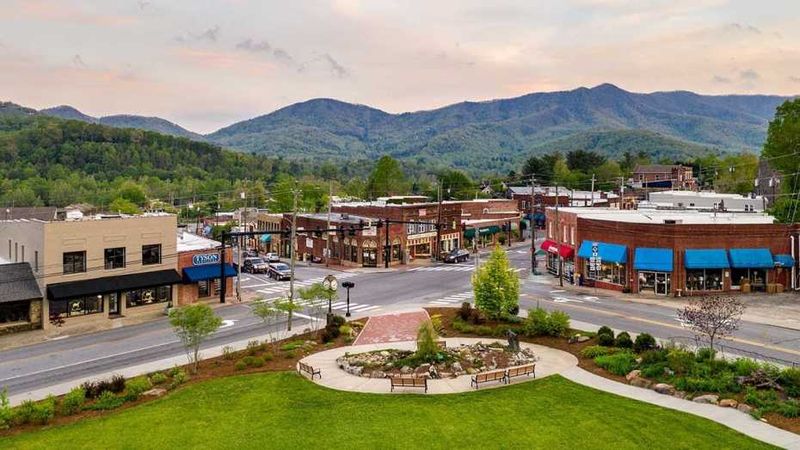
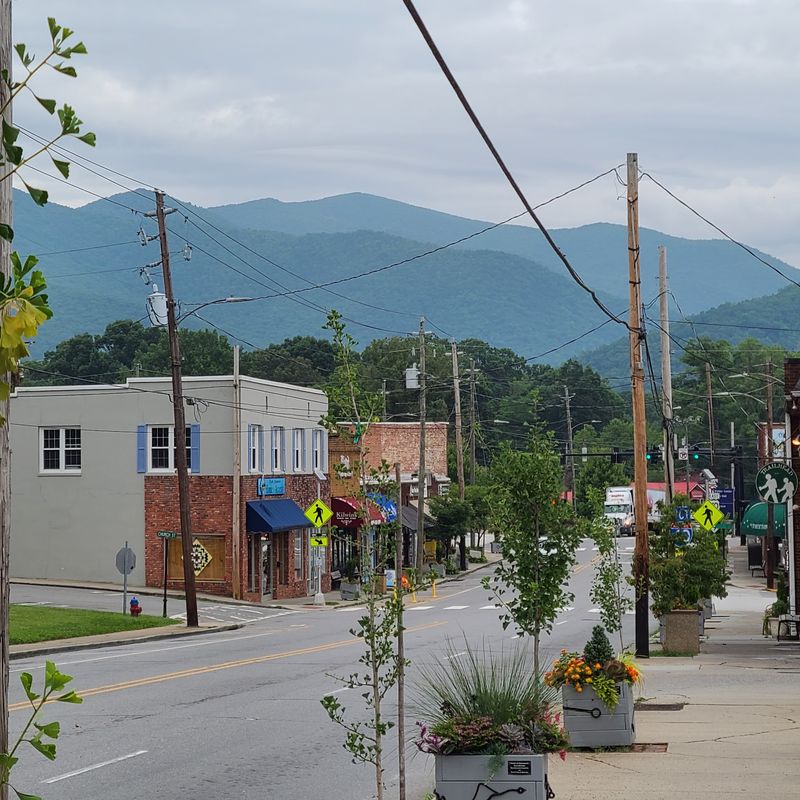
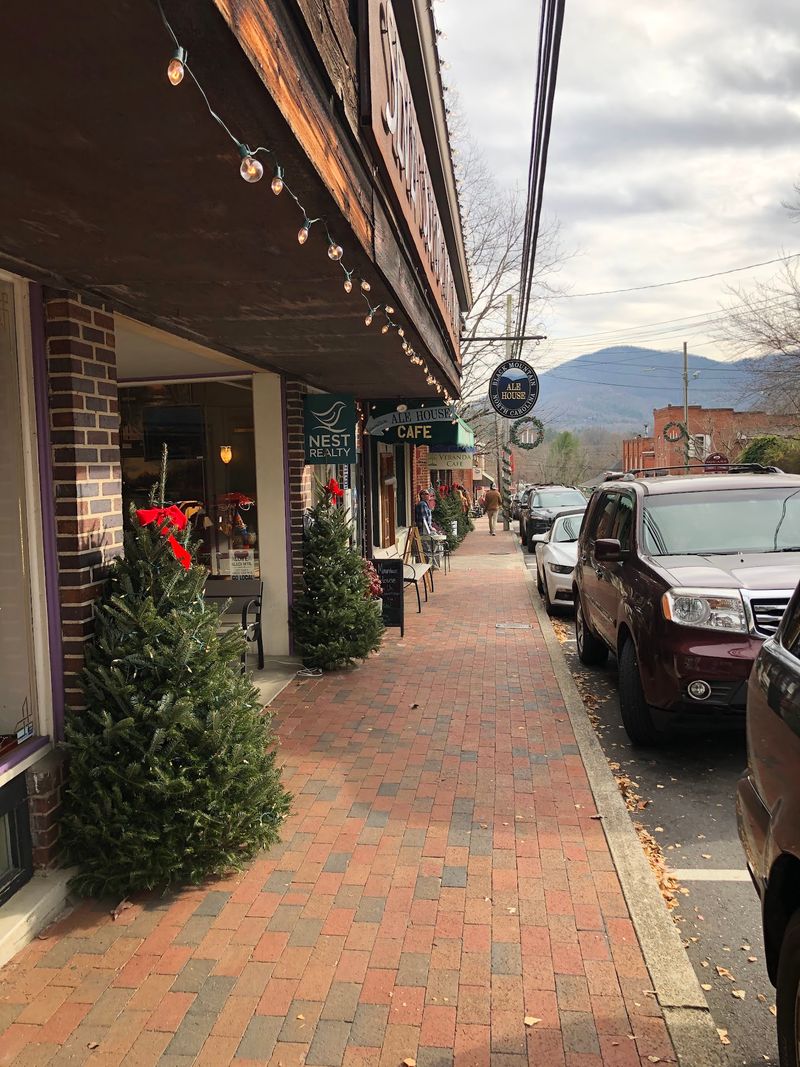
Black Mountain’s center does not require a complicated plan. State Street, Broadway, Cherry Street, and the surrounding blocks contain the sort of small businesses that encourage browsing without turning the afternoon into a shopping marathon.
The town traces its incorporation to 1893 and describes downtown as the historic and civic center of the community, with a mixture of older buildings and newer commercial spaces filled by shops and restaurants.
Current Chamber listings include locally focused art galleries, pottery studios, specialty stores, a traditional hardware and general store, and other independent businesses spread through the district.
Town Square adds a natural stopping point at 106 Montreat Road, where 1.3 acres hold seating, landscaped areas, a pavilion, a clock, and a seasonal splash pad.
There are even oversized chairs around town that have become part of Black Mountain’s playful “Little Town that Rocks” identity.
Instead of one headline attraction dominating downtown, the appeal comes from how easily a gallery visit can turn into another storefront, a park break, and another block worth exploring.
An Old Municipal Building Now Runs On Art Instead Of Paperwork
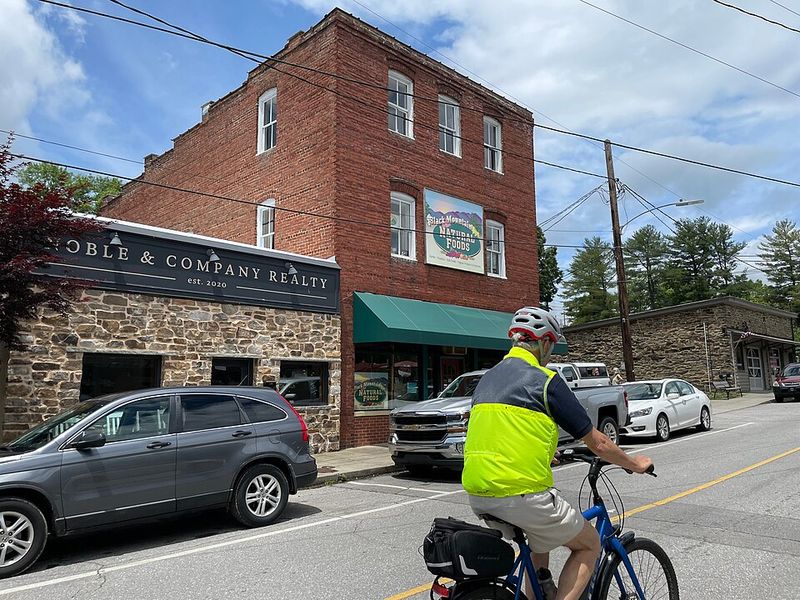
One of downtown’s more interesting buildings has already lived several different lives. The structure at 225 West State Street was built in 1927 and once housed Black Mountain’s municipal operations, including the police department and library.
After later sitting vacant, it was saved from demolition and eventually transformed into the Black Mountain Center for the Arts, which opened to the public in October 2000. The conversion did more than put paintings on old government walls.
The former library became gallery space, the old council chamber became a theater seating more than 80 people, and areas once used for other municipal purposes now accommodate dance and visual-arts programming.
A former town garage behind the building was later renovated into a clay studio.
That history gives the center character before you even check what is currently on display. Today its schedule includes exhibitions, performances, workshops, and classes, while regular building hours are listed Monday through Friday from 10 a.m. to 5 p.m.
It is a good example of Black Mountain preserving an older building by keeping it useful rather than simply keeping it old.
The Former Firehouse Tells A Much Bigger Valley Story
Almost next door, another historic civic building has taken on a completely different purpose.
The Swannanoa Valley Museum & History Center occupies Black Mountain’s former firehouse at 223 West State Street, a 1921 building designed by Richard Sharp Smith, who served as supervising architect at the Biltmore Estate.
The museum looks beyond the boundaries of downtown to tell the broader story of the Swannanoa Valley, giving visitors useful context for the communities and landscape around them.
Permanent material occupies the second floor, while changing exhibitions give the first floor a reason to look different from one visit to another.
Its scale works especially well in a town like this. You do not need to reserve an entire afternoon for it, but it offers enough substance that it should not be treated as a five-minute stop either.
Current hours are Thursday through Saturday from 10 a.m. to 5 p.m., with a $5 admission or donation listed for adults; members, students, and children are admitted free.
Pairing the museum with the arts center makes two neighboring buildings tell remarkably different versions of Black Mountain’s past and present.
The Town’s Greenways Make It Easy To Keep The Day Outside
Lake Tomahawk is only one piece of Black Mountain’s walking network. The town maintains several short greenways that work well when a mountain summit sounds unnecessarily ambitious.
The River Loop Trail covers roughly half a mile through Black Mountain Veterans Park and follows the Swannanoa River before connecting with other paths in the recreation area.
Nearby, the paved Community Garden Trail circles the Dr. John Wilson Community Garden and includes an ADA-accessible inner loop, educational signs, and plantings designed to support local wildlife.
The Oaks Trail adds another half-mile connection toward downtown, while the Flat Creek Trail offers a paved, generally level route with interpretive material explaining streambank restoration.
River Walk Park contributes another approximately half-mile path beside the Swannanoa River, along with picnic tables and a fenced dog park.
None of these routes is trying to compete with the harder trails in the surrounding mountains. Their advantage is the opposite: you can fit one into an ordinary afternoon, turn around whenever you like, and still be back among the downtown shops before the day has slipped away.
Montreat Turns A Casual Walk Into A Real Mountain Adventure
The scale changes quickly when you travel north into neighboring Montreat. Its privately managed wilderness contains more than 20 trails stretching over 40 miles, and public hiking is permitted throughout the year.
That gives Black Mountain visitors access to everything from manageable woodland outings to long routes that demand considerably more preparation.
Lookout Mountain is among the familiar destinations close to Montreat, while more ambitious routes reach Walker’s Knob, Graybeard Mountain, and sections leading toward higher terrain near the Blue Ridge Parkway.
The 2026 public-hike schedule illustrates just how broad the range can be: guided outings included easy half-day history walks, moderate routes, and strenuous full-day hikes approaching 16 miles.
Montreat recommends sturdy footwear, water, snacks, and a trail map, particularly for anyone venturing beyond the simplest routes.
The useful thing about staying in Black Mountain is that none of this requires turning the whole trip into an expedition.
Downtown can still be where you eat and browse, while a serious trail system waits only a short trip up the road when you decide the mountains deserve more than admiring from below.
Fall Gives The Surrounding Ridges A Completely Different Look
Black Mountain works in every season, but the surrounding elevation becomes especially useful once autumn color begins moving across Western North Carolina.
Higher slopes generally change before lower valleys, so the regional display develops gradually rather than reaching a single perfect peak everywhere at once.
Around town, Lake Tomahawk provides an easy foreground for mountain views, and its loop means you can watch the slopes without committing to a scenic drive. Montreat adds higher terrain and wooded trails when you want to move closer to the color.
Downtown offers an entirely different way to experience the season, since mountain ridges remain part of the scenery even while you are wandering among stores and galleries.
Exact timing is impossible to promise months in advance because temperature, rainfall, and other weather conditions influence the progression every year.
That uncertainty is part of why Black Mountain makes a useful base: the town occupies the valley while quick access to higher elevations gives visitors more than one place to look as the season advances.