These 10 Rhode Island Towns Offer Real Value For Those On Fixed Incomes
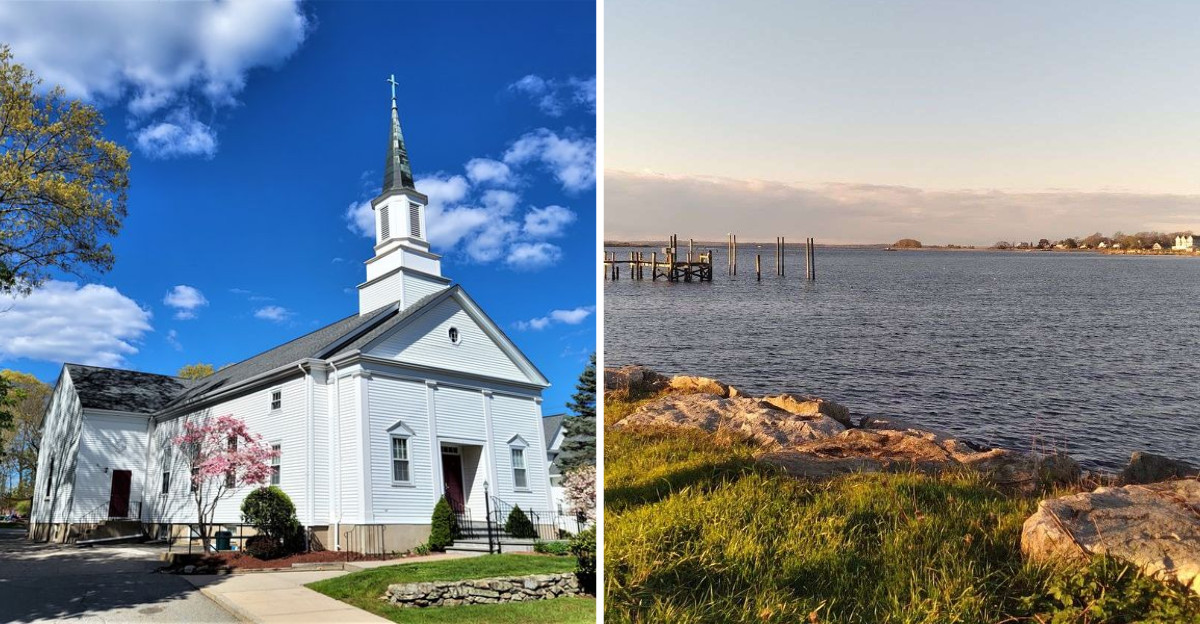
A fixed income feels very different depending on the town attached to it.
In Rhode Island, certain communities combine lower housing costs with practical perks such as local transportation, public parks, community services, and everyday errands that do not require a long drive.
The scenery is a bonus, not the whole argument.
Mill-town streets, wooded corners, riverfront areas, and coastal access can all show up without automatically pushing daily life into luxury territory.
That balance matters!
The smartest comparison looks beyond rent alone. Utilities, taxes, transportation, health care access, and low-cost recreation all shape the monthly picture.
These towns stand out because the lifestyle can stay interesting while the budget stays under closer control.
1. Burrillville
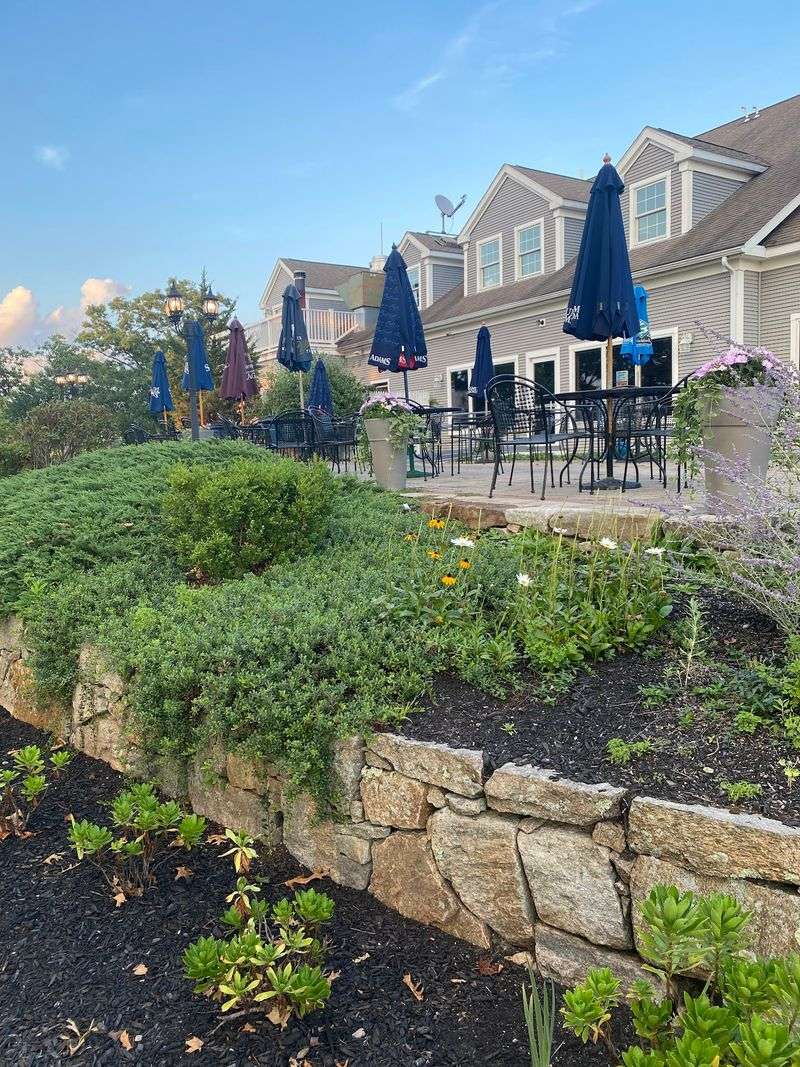
Here is a crazy thought: fifty-seven square miles of forest, lakes, and old mill history can double as an affordable hometown. Burrillville sits in the northwest corner of Rhode Island, tucked near the Connecticut border.
Census data for 2020–2024 puts Burrillville’s median gross rent at $1,206, below Rhode Island’s $1,342 statewide median. Residents age 65 and older make up about 20.3 percent of the town.
George Washington Management Area spans roughly 4,000 acres of state-managed land, with opportunities for hiking, camping, fishing, cross-country skiing, and other outdoor recreation.
Wallum Lake gets stocked with trout, which keeps fishing lines busy all spring. Quiet woodland walks are free, and there are plenty of them.
History buffs get old mill sites dating to America’s Industrial Revolution. The Assembly Theatre, built in 1934, still hosts plays and concerts today.
Community pride runs deep in this corner of the state. Volunteers support local fire departments and help run seasonal festivals. The Burrillville Arts Festival celebrates local painters and makers each year.
Wright’s Farm Restaurant has served family-style chicken dinners since 1972. Portions are generous and the tradition is beloved.
Cyclists can pick up sections of the Blackstone River Greenway nearby. Providence and Boston both sit within easy reach, which keeps this rural retreat conveniently connected.
2. Coventry
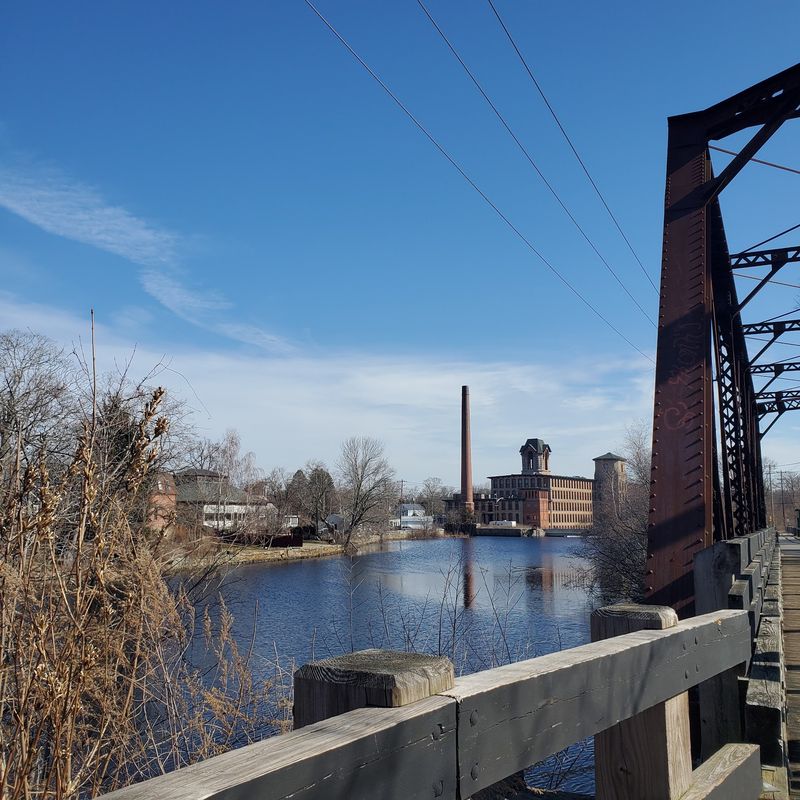
Let me be real for a second: affordability in New England usually means giving something up. Coventry manages to keep costs reasonable without stripping away comfort or scenery.
Sitting in Kent County just west of Warwick, this town blends suburban convenience with genuine country quiet. The western half stays rural, full of stone walls and open fields.
Census data offers a clearer affordability measure: Coventry’s median gross rent was $1,206 for 2020–2024, about $136 below Rhode Island’s statewide median.
English colonists settled here in the 1700s, and the town still wears that history well. Old farmhouses and village crossroads dot the landscape.
About 19.2 percent of Coventry residents are age 65 or older, according to current Census estimates, giving the town a substantial older population alongside younger households.
Outdoor recreation remains a practical advantage, although residents relying on transportation should note that Coventry’s municipal transportation program is currently on hold.
RIPTA fixed routes and West Warwick/Coventry Flex service remain available.
Commuting is manageable too, since larger employment centers sit a short drive east. Coventry rewards anyone who wants elbow room without total isolation, and neighbors here still wave from their driveways.
3. Tiverton
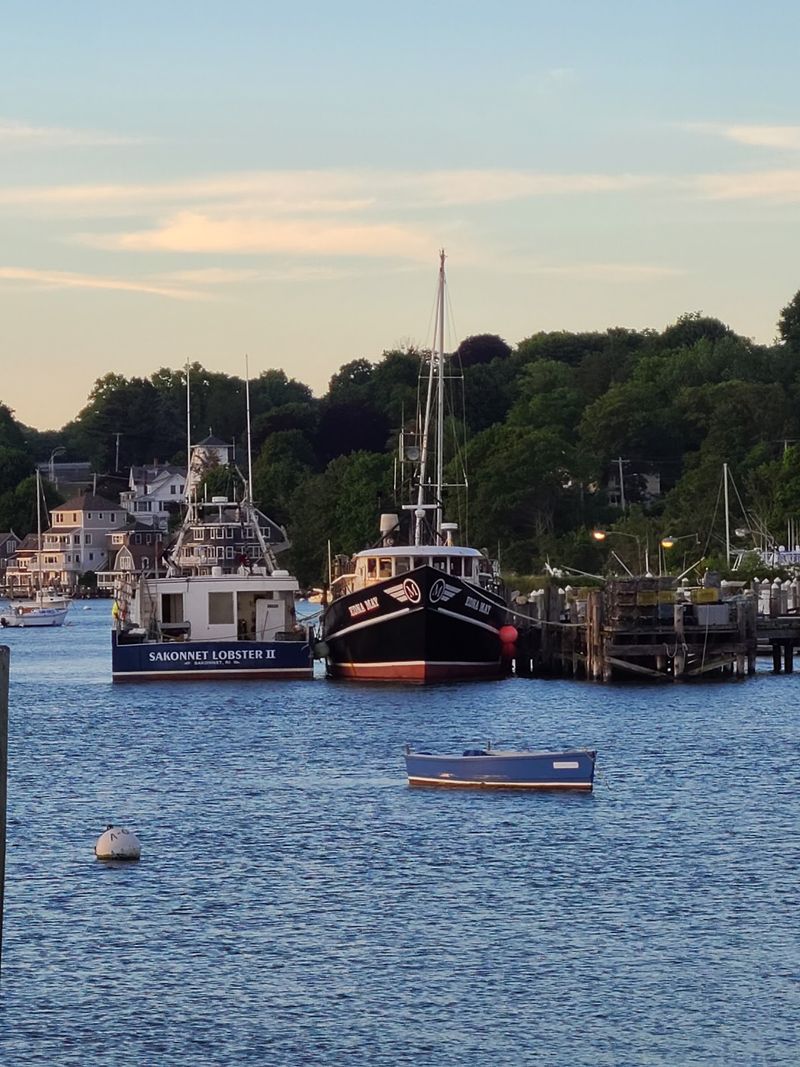
Perched along the Sakonnet River, this town serves up water views without the frantic energy of a resort strip.
Census data for the full town puts Tiverton’s median gross rent at $1,247 for 2020–2024, below Rhode Island’s statewide median of $1,342.
Overall expenses can still run above national norms, so patience while house hunting pays off. Utilities lean a bit high, though transportation costs stay close to typical figures.
Tiverton’s full town population was estimated at 15,809 in 2025. Census data for 2020–2024 gives a median owner-occupied home value of $411,900 and median household income of $106,036.
Tiverton’s value case is stronger when based on measurable housing and transportation costs rather than a generic monthly budget estimate. The town also offers a free senior-center bus for eligible residents.
Beaches and waterways sit minutes away, and none of them charge you for a sunset. Fishing, kayaking, and shoreline walking fill the calendar cheaply.
Historic sites scattered around town connect residents to centuries of New England life. Old cemeteries, farm stands, and stone-lined lanes tell the story.
Local seafood and waterfront dining add to Tiverton’s appeal, although restaurant costs vary and should not be treated as a guaranteed source of savings.
4. Westerly
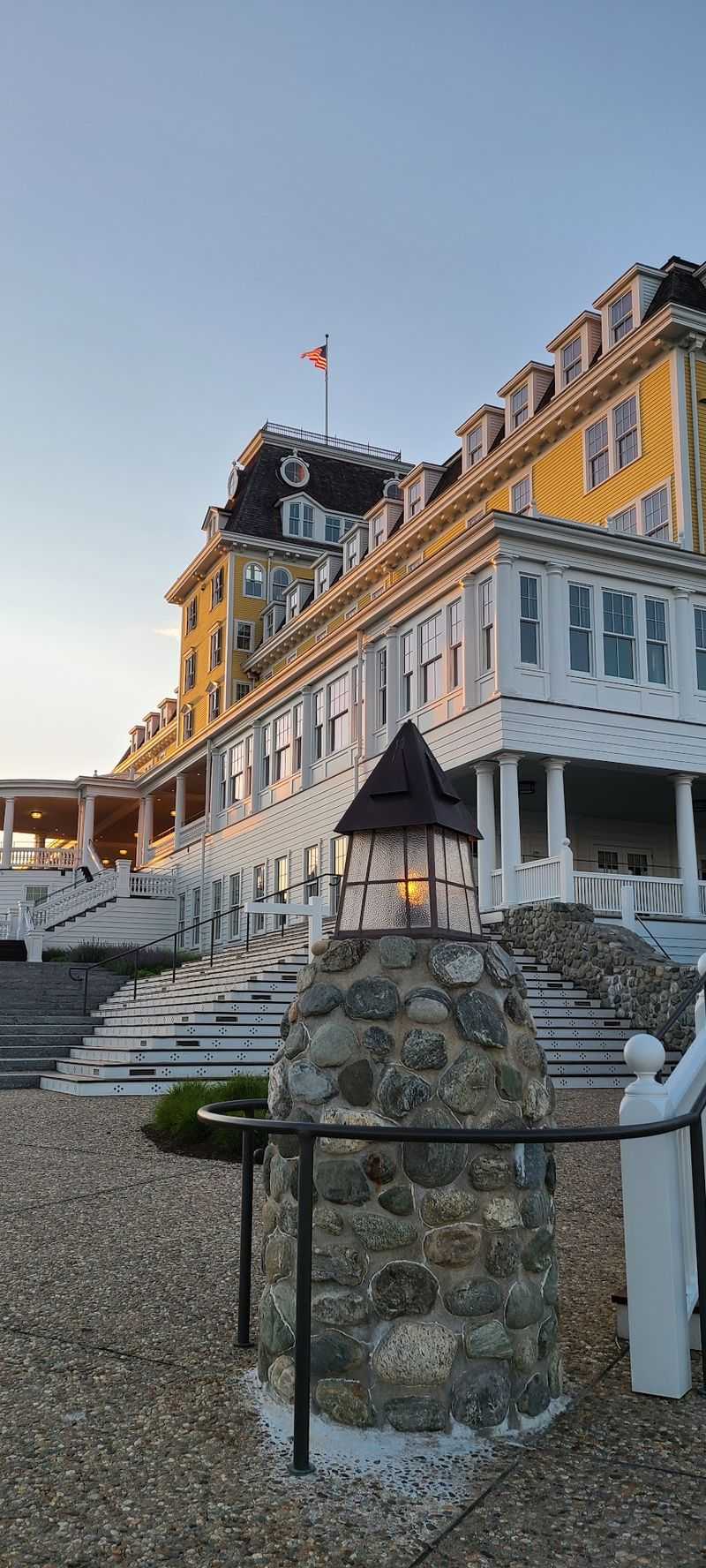
Not every entry on this list is cheap, and this one asks more of your wallet. What it hands back is coastline, culture, and a downtown with real granite bones.
Westerly anchors the southwestern shore of Rhode Island, right at the Connecticut line. Its beaches rank among the finest anywhere on the Atlantic seaboard.
Housing is the expensive part of Westerly’s equation. Census data for 2020–2024 puts the median owner-occupied home value at $466,600, while median household income is $98,875 and median gross rent is $1,257.
So why include it? Because value is not only about the lowest number on a spreadsheet. Some people trade square footage for ocean air, and Westerly delivers that trade honestly.
The arts scene punches far above the town’s size. The Artists Cooperative Gallery of Westerly keeps local creativity on display all year.
Community events fill the calendar across every season. Concerts, markets, and seasonal gatherings cost little and build real friendships.
Westerly offers extensive coastal recreation, though parking or access fees can apply at some beaches, especially during the summer season.
Anyone considering it should weigh the higher monthly outlay against those daily rewards carefully. Downsizing into a smaller condo or apartment is the smart move here, and the ocean does not charge admission.
5. Johnston
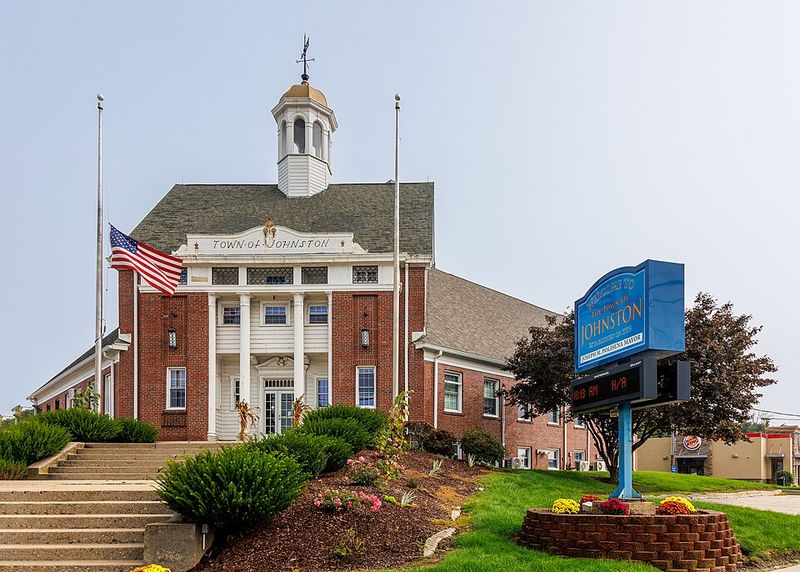
My jaw dropped a little when I realized how close this suburb sits to the state capital. Everything Providence has stays within a short drive, minus the city price tag on every corner.
Johnston occupies a comfortable pocket of Providence County, blending residential streets with easy access to shops and medical care.
Johnston compares favorably with several state’s communities on housing: its 2020–2024 median gross rent was $1,275, below the statewide median of $1,342.
Census data for 2020–2024 gives Johnston a median owner-occupied home value of $355,500, median household income of $91,866, and median gross rent of $1,275.
Homeownership rates are high, giving neighborhoods a settled, well-tended appearance. Lawns get mowed, and people know their mail carrier.
Sunny days are plentiful and summers stay pleasantly mild. That climate makes parks and walking paths genuinely usable most of the year.
Public recreational facilities are open to all residents, from ball fields to picnic areas. Free entertainment sits closer than you think.
Everyday costs still vary by household, so fixed-income residents should compare transportation, medical, utility, and grocery expenses alongside Johnston’s relatively moderate housing figures.
The real prize here is proximity, since hospitals, cultural venues, and specialty care sit minutes away. Suburban calm with city convenience is a rare pairing worth grabbing.
6. North Smithfield
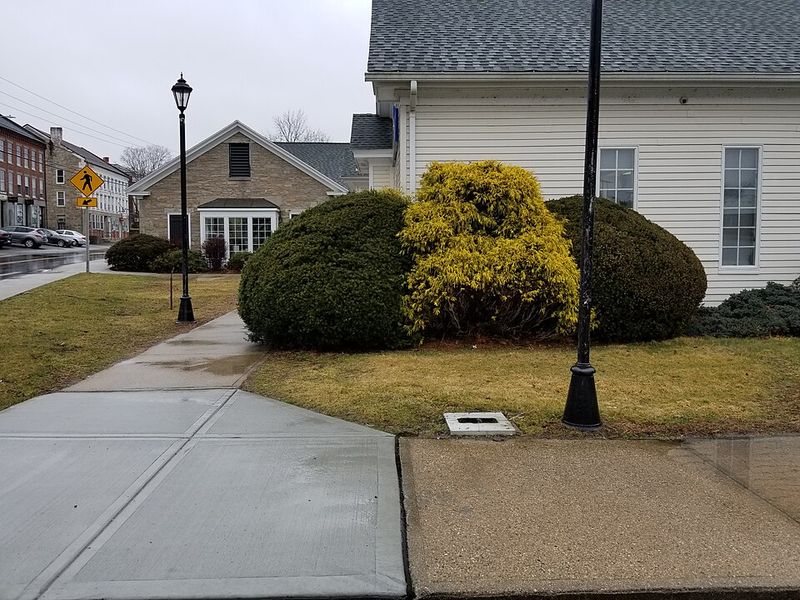
Sometimes a town’s programs matter more than its price index. This one built an entire support system around residents over 60.
North Smithfield spreads across northern Rhode Island with rolling farmland and preserved village architecture.
Several affordable housing communities serve residents aged 62 and older.
The Meadows serves adults 62 and older and includes utilities in the rent, while Deerfield Commons provides income-restricted senior housing where rent can be based on adjusted income and heat is included.
Amenities vary by development, but current housing information confirms features such as community rooms, laundry facilities, planned activities, and accessible units.
A free Senior Transportation Program runs five weekly shopping trips and is handicapped accessible. That single service removes one of the biggest headaches of fixed-income living.
RIPTA’s statewide Elderly Transportation Program adds rides to non-emergency medical appointments for residents 60 and up. Getting to the doctor stops being a puzzle.
Pacheco Park and Centennial Park give everyone free green space to enjoy. Benches, paths, and shade trees do their quiet work.
The Slatersville Historic District preserves America’s first planned industrial village, which is remarkable to wander through. History sits right in the neighborhood.
Wright’s Dairy Farm and Bakery draws crowds for farm tours and fresh treats. The Rustic Drive-in Theatre keeps movie nights delightfully old-school.
Medical care sits close by too, and this town clearly plans for its longtime residents.
7. West Warwick
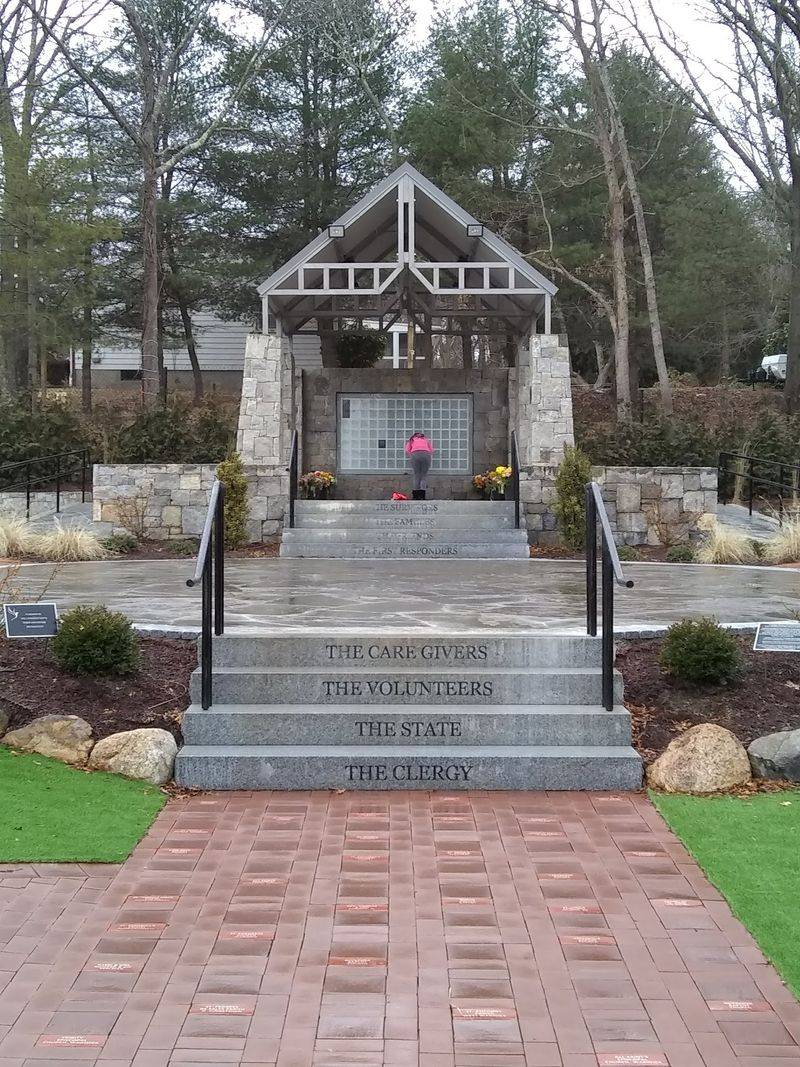
A former textile town turned into one of the most practical addresses in the state for people who do not want to drive far.
West Warwick sits smack in the middle of Kent County, which makes almost everything a short trip.
Census data for 2020–2024 puts West Warwick’s median gross rent at $1,303, slightly below Rhode Island’s statewide median of $1,342.
For fixed-income residents, transportation access may be more relevant than local salary estimates. West Warwick currently has several RIPTA routes plus the 242 Flex service.
Retail, pharmacies, and everyday services cluster close together. Fewer miles behind the wheel means fewer dollars spent on gas.
RIPTA routes 12x, 13, and 23 serve West Warwick, while Flex 242 offers requested pickup and drop-off service within its zone, potentially reducing driving needs for some residents.
Community parks and green spaces break up the built-up areas nicely. Locals use them for morning walks and weekend gatherings.
With a median age of 42.7, the population spans generations. Block parties draw toddlers and retirees alike.
The old mill architecture along the river gives the town a distinctive look you will not find in newer suburbs. Brick, water, and history make good company.
Anyone who values convenience over acreage should put this town near the top of the list.
8. Warren
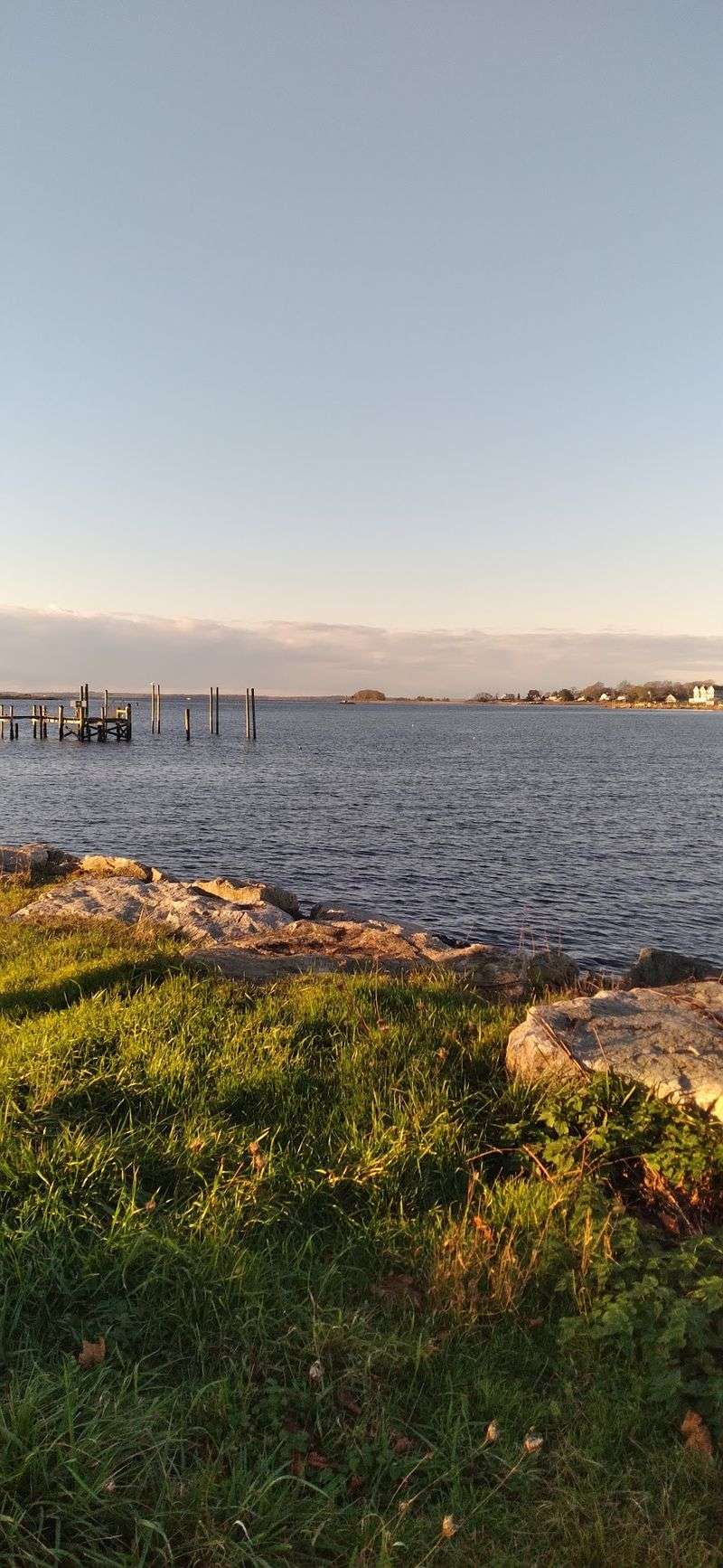
Have you given any thought to living where boats outnumber traffic jams? A compact waterfront community in Bristol County makes that possible without a yacht club membership.
Warren rests on the east bank of the Warren River, and the water shapes daily life here.
Warren’s Census median gross rent was $1,363 for 2020–2024, only slightly above the state’s statewide median of $1,342.
Current Census data puts Warren’s median household income at $90,729. Its fixed-income appeal is strengthened by free town transportation for residents age 60 and older.
Downtown is walkable and packed with independent shops and eateries. Supporting small businesses feels natural when they sit three doors down.
Local events and community programs add low-cost recreation throughout the year, though costs vary by event.
Boating, fishing, and shoreline walks fill free afternoons. Watching the river change color at dusk is entirely free entertainment.
Historic buildings line several streets, preserving the town’s maritime past. Shipbuilding once powered this waterfront, and you can still sense it.
Public transit links Warren to other parts of Rhode Island for appointments and errands. That connection matters when driving becomes less appealing.
Housing does push costs above national averages, so smaller homes make the math work. Salt air and a friendly Main Street sweeten every trade-off.
9. Cumberland
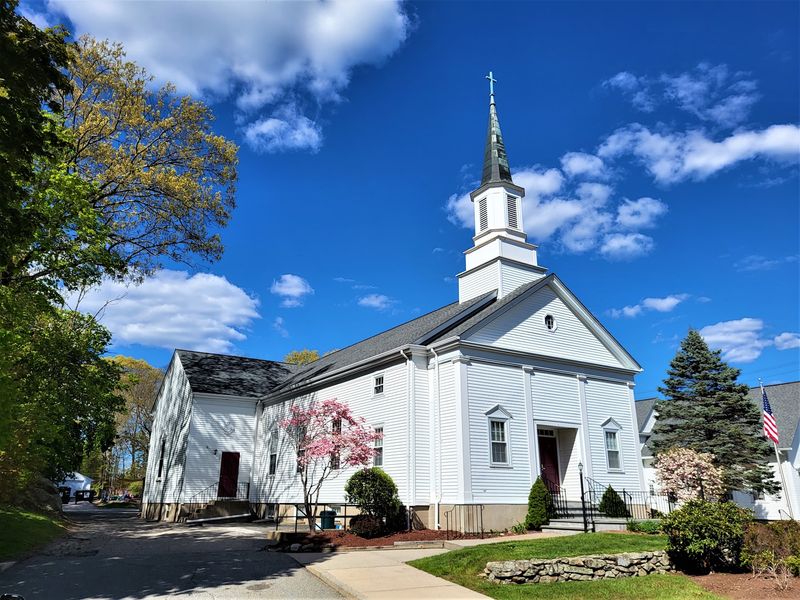
It makes you wonder how one town holds onto colonial history while running modern coffee shops on the same street. The lower Blackstone Valley pulls it off nicely.
Cumberland sits in Providence County, offering suburban comfort with a close-knit feel throughout its neighborhoods.
Cumberland is better framed around access and amenities than low housing costs: its Census median gross rent of $1,379 is slightly above the state’s statewide median.
Census data for 2020–2024 puts Cumberland’s median gross rent at $1,379 and its median owner-occupied home value at $431,000.
Parks are the local pride, and there are many of them. Diamond Hill Park delivers rocky slopes, trails, and wide open space for wandering.
The town was incorporated in 1746 and played a role in early American industry. Well-preserved sites keep that story visible.
Cafe Colombia Bakery draws regulars looking for pastry and conversation. Small gathering places like it hold a community together.
Shopping and dining options sit close to home, cutting down on long errands. Convenience adds up over a month.
Providence is a quick trip away, which means major hospitals and cultural venues stay within reach. That access matters more with each passing year.
History, green space, and neighborly warmth make an appealing package, and the trails at Diamond Hill never send a bill.
10. Glocester
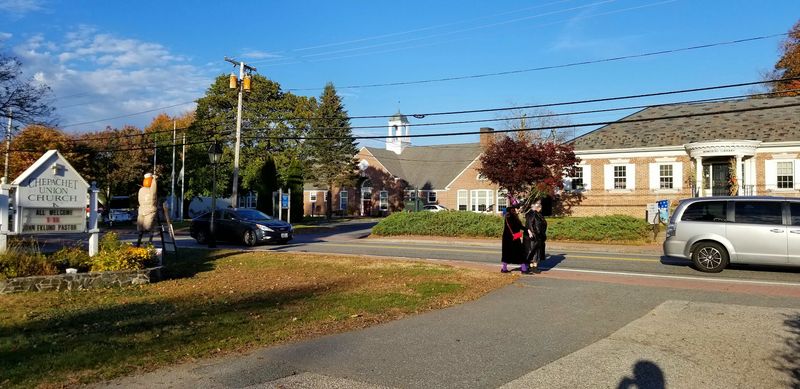
Glocester has no municipal water or sewer system, so residents rely on private wells and onsite wastewater systems.
That avoids municipal water and sewer bills but shifts costs toward electricity, maintenance, pumping, testing, and eventual repairs.
Glocester occupies the northwest corner of Providence County, where woods outnumber traffic lights by a wide margin.
Glocester’s housing picture depends heavily on tenure: Census data gives a median home value of $396,500 and median gross rent of $1,417, so it is not automatically one of the state’s cheapest rental markets.
For a consistent comparison, Census data for 2020–2024 puts Glocester’s median gross rent at $1,417.
Household costs vary considerably, particularly because Glocester homes depend on private wells, onsite wastewater systems, and a mix of heating fuels.
The scenery is the main attraction, with forests, ponds, and long country roads. Hiking and nature walking cost nothing but time.
Census data shows 22.2 percent of Glocester residents are age 65 or older, making older adults a substantial part of the community.
Glocester offers a low-density rural setting, but land prices vary widely and should not be described as categorically cheaper without current parcel-level market data.
Anyone craving quiet mornings, birdsong, and room to breathe will settle in fast. This corner of the state trades noise for peace, and the deal is a good one.