10 Rhode Island Mill Towns Where Portuguese Kale Soup Still Defines The Community
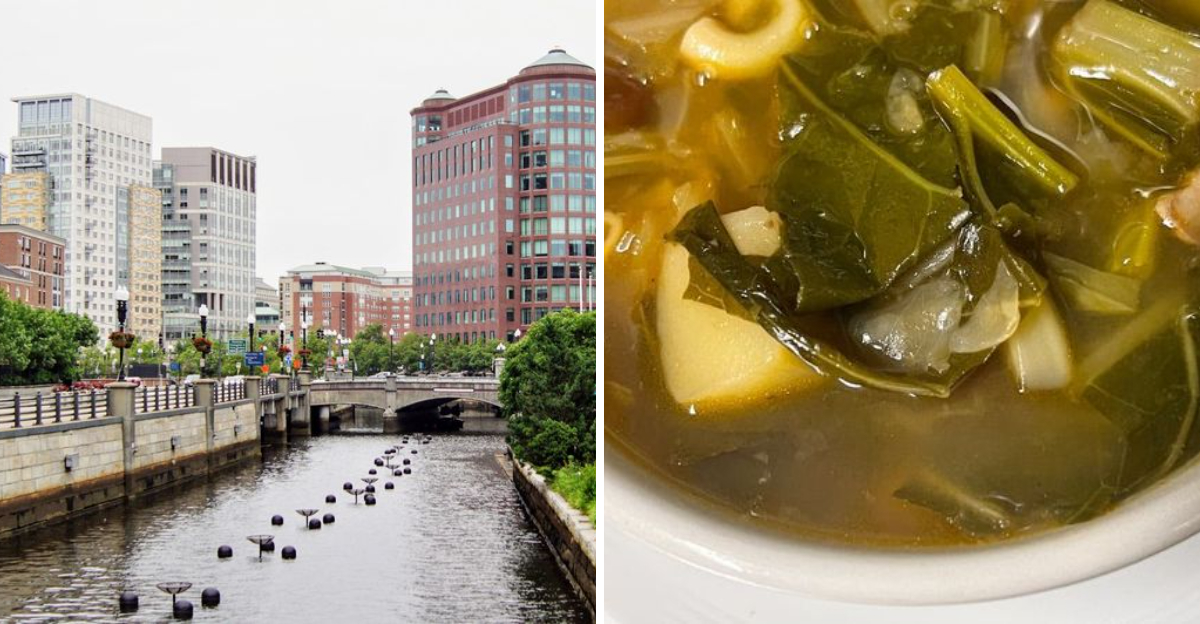
I pulled over on a cold Tuesday because something smelled too good to ignore, and that is honestly the best travel decision I have made in years.
A hand-written paper sign in a steamed-up window said caldo verde, and I stood there for a second trying to remember if I had eaten anything that morning. I had not.
What followed was a bowl of soup so good it felt almost unfair, thick with kale, rich with broth, and carrying the kind of depth that only comes from a recipe passed down through generations of people who really meant it.
Rhode Island’s old mill towns do not look like much from the highway, but Portuguese immigrants settled here long ago and left behind something extraordinary.
Their kale soup became the quiet heartbeat of these communities, and if you know where to look, you can still taste exactly what that means in every single bowl.
1. Central Falls
Central Falls, Rhode Island is the smallest city in the smallest state, but it punches way above its weight when it comes to Portuguese food culture.
The streets here smell like garlic and smoked sausage on any given weekday, and nobody thinks that’s unusual. It’s just Tuesday.
Caldo verde in Central Falls is not a restaurant gimmick. It’s cooked in homes, served at church halls, and ladled out at community fundraisers with the kind of confidence that only comes from decades of repetition.
The recipe is passed down, not written down.
You’ll find it at small lunch counters along Broad Street, where the menu might be handwritten and the portions are generous enough to embarrass a grown adult.
The soup is simple: kale, potato, olive oil, and linguica sliced thin. But the broth has a depth that makes you want to ask who made it and if they’d adopt you.
Central Falls has held onto this tradition tighter than most, and the community pride around the soup is something you can feel the moment you sit down at a counter stool.
2. Pawtucket
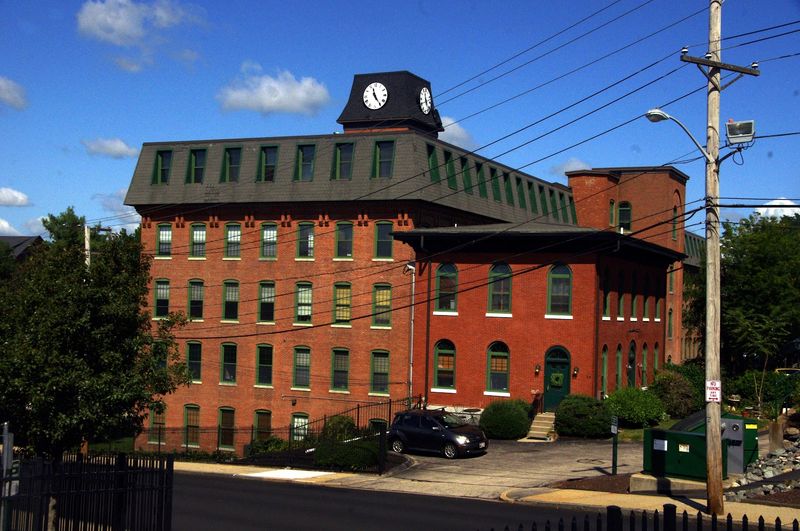
This town built the American Industrial Revolution, and the Portuguese community built a food culture inside it that never left.
Walk down Dexter Street on a Saturday morning and you’ll understand what I mean before you even find parking.
The kale soup here has a smokier edge than you’d expect. Locals credit the type of chourico used, which is the Portuguese-style sausage with a spice blend that varies by family and by neighborhood.
I once watched a debate about whose grandmother’s recipe was superior last a full forty-five minutes. Nobody budged.
Pawtucket’s Portuguese roots run deep into the city’s identity. Social clubs, bakeries, and small family restaurants have kept the tradition alive through multiple generations.
The soup shows up at birthday parties, after Sunday mass, and at the kinds of neighborhood gatherings where everyone brings a dish and nobody leaves hungry.
At places like those along East Avenue, you can still find caldo verde made fresh daily. It doesn’t need a fancy presentation.
A bowl, a spoon, and a chunk of crusty bread is the whole experience, and it’s completely worth the drive from anywhere in New England.
3. Valley Falls
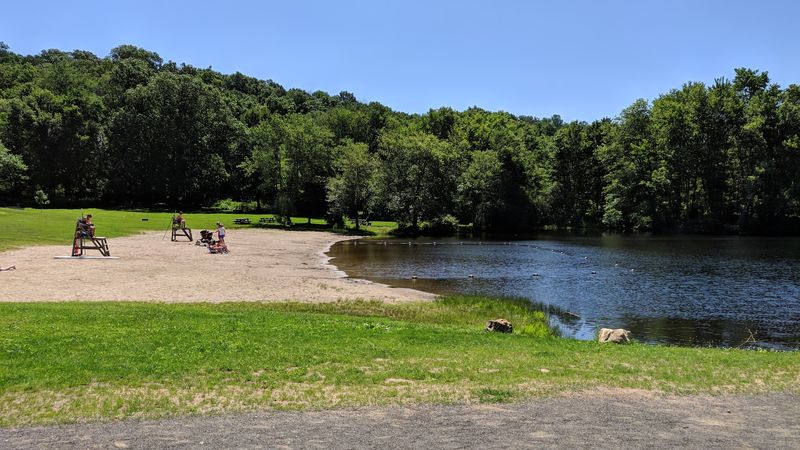
Valley Falls sits quietly between Pawtucket and Cumberland, and most GPS systems seem personally offended when you try to navigate there. But the Portuguese families who settled here didn’t need GPS.
They needed a place to work, a place to worship, and a place to make soup.
The kale soup tradition in Valley Falls is tied closely to the mill worker heritage of the area.
Generations of families who came from the Azores and mainland Portugal brought their recipes with them and adapted them to what was available locally.
The result is a version of caldo verde that feels both old-world and distinctly Rhode Island.
Small gatherings and church suppers in this community still feature the soup as a centerpiece. It’s not a side dish here.
It’s the main event, and everything else on the table knows it.
If you’re lucky enough to get an invitation to a local family’s home on a cold evening, you will understand immediately why people stay in Valley Falls for generations.
The soup is that good, the company is warm, and the bread basket never quite runs out. That combination is hard to beat anywhere.
4. Tiverton
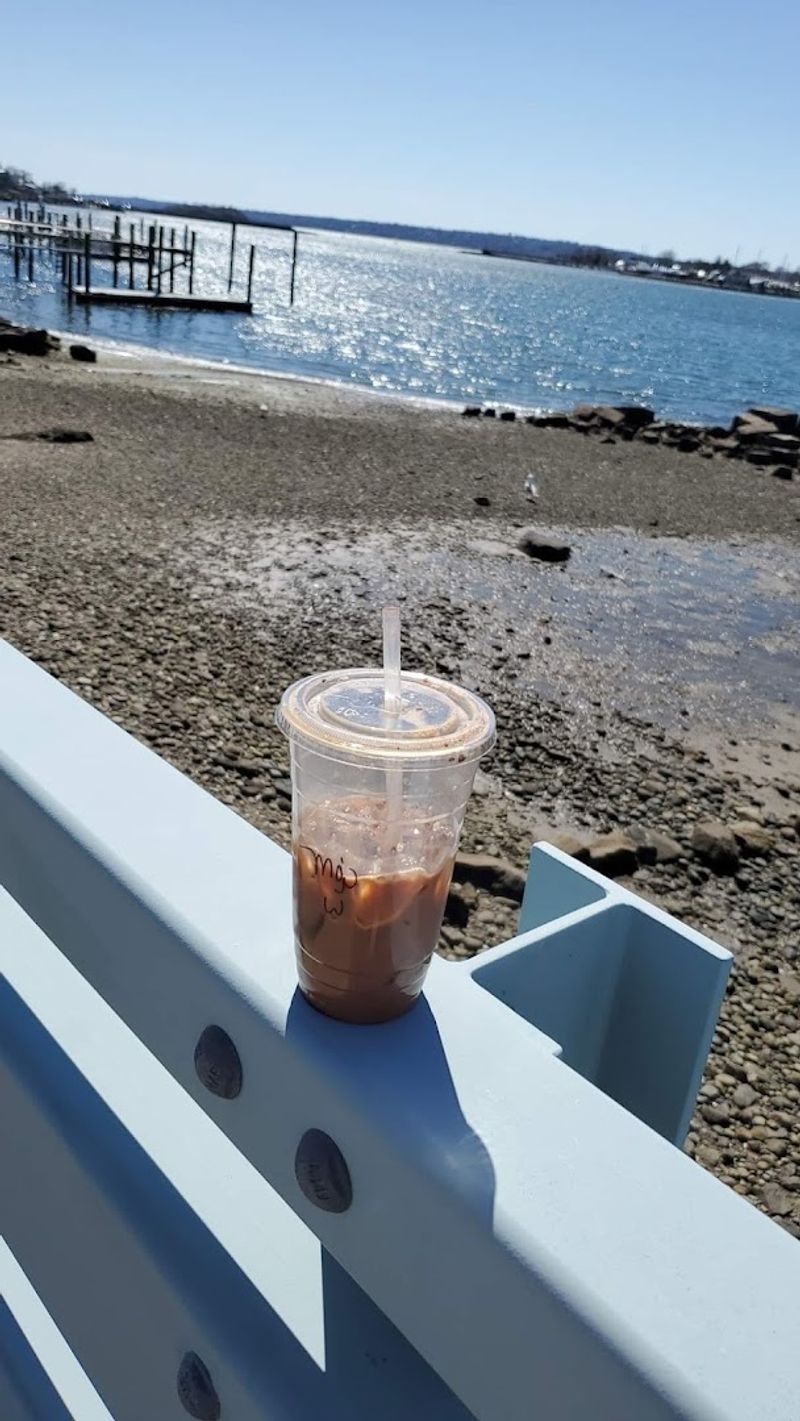
This place that feels like it got left behind in the best possible way. It borders Massachusetts, hugs the Sakonnet River, and has a Portuguese-American community that takes its food seriously without making a big production of it.
The caldo verde in Tiverton has a slightly brighter flavor profile than what you find in the urban mill towns.
Some locals attribute that to the freshness of the kale, which gets grown in backyard gardens here more often than you’d expect.
I talked to one woman who told me she plants kale specifically for soup season, which apparently starts in September and ends when she says it does.
Community events in Tiverton often feature the soup as a fundraiser staple. Parish halls and volunteer fire department dinners have served it for decades, and the recipe stays consistent because the same families keep volunteering to cook.
There’s something deeply reassuring about that kind of continuity. You can find good bowls at a few spots along Main Road, where the portions are honest and the atmosphere is unpretentious in exactly the right way.
Tiverton doesn’t try to be anything other than itself, and the soup reflects that completely.
5. East Providence
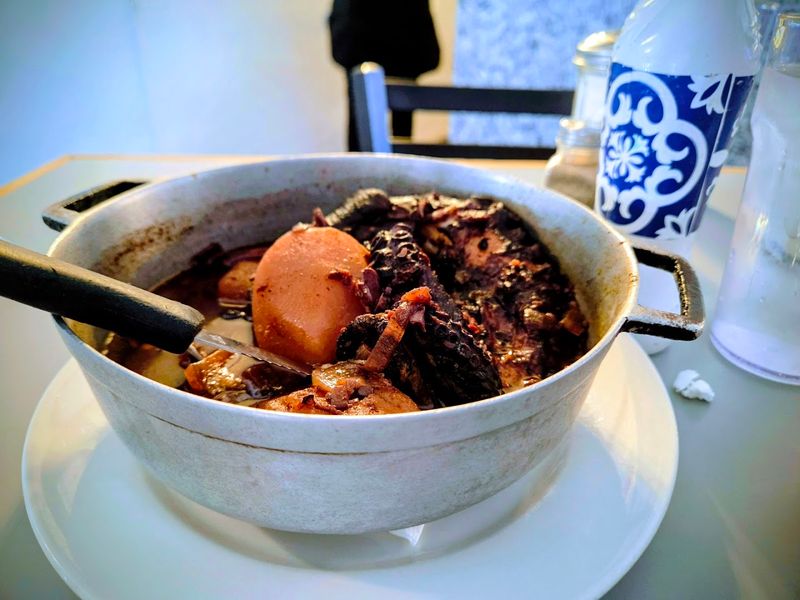
East Providence has one of the highest concentrations of Portuguese-Americans in all of Rhode Island, which is saying something in a state where that number is already impressive.
The food scene here reflects that fact at every turn, from the bakeries to the butcher shops to the lunch counters that have been feeding the same families for forty years.
Caldo verde is practically a civic institution in East Providence. You can find it at sit-down restaurants, at takeout windows, and at the kind of casual spots where the owner knows your order before you sit down.
That last category is my personal favorite, because it means the soup is consistent enough to memorize.
The Portuguese community here has kept its identity strong through food in a way that’s genuinely moving when you pay attention.
Kale soup is served at cultural festivals, school fundraisers, and neighborhood block parties with the same enthusiasm each time.
On Taunton Avenue, there are spots that have been making the same recipe for decades without apology or modification.
That kind of confidence in a dish is rare. East Providence earned it by never cutting corners and always keeping the broth honest.
6. Warren
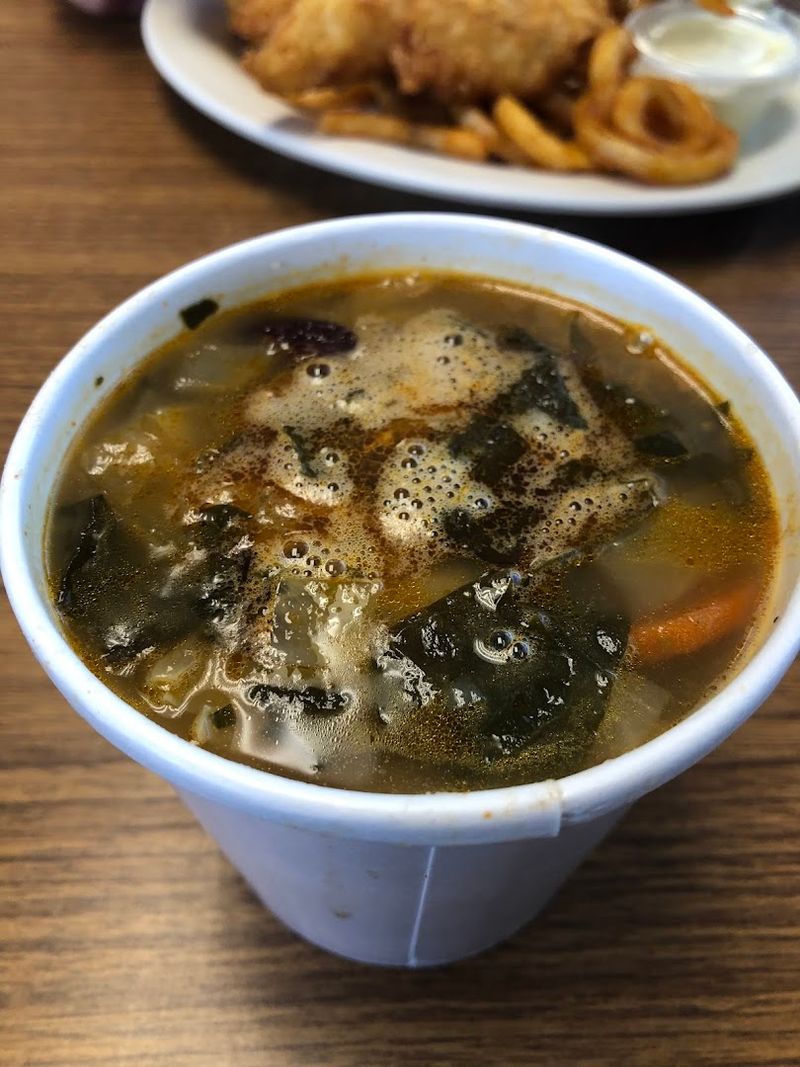
It knows exactly what it is: a small, proud, waterfront community with a serious food culture and zero interest in being trendy about it.
The Portuguese presence here dates back generations, and the kale soup has been part of the social fabric for just as long.
What makes Warren’s version of caldo verde interesting is how community-specific it feels. Families here have their own variations, and you can actually taste the differences if you pay attention.
One restaurant might use a thicker potato base, while a church supper version leans heavier on the greens. Both approaches are defended with great enthusiasm by their respective fans.
I stopped at a small place on Child Street one afternoon and ordered the soup without looking at anything else on the menu.
It arrived in a deep bowl with a generous pour of olive oil on top and a heel of Portuguese bread on the side.
The kale was tender but not mushy, the linguica was sliced thick, and the broth was the kind of thing that makes you sit up straighter.
Warren doesn’t market itself as a food destination, which is exactly why finding a bowl like that feels like a genuine discovery.
7. Bristol
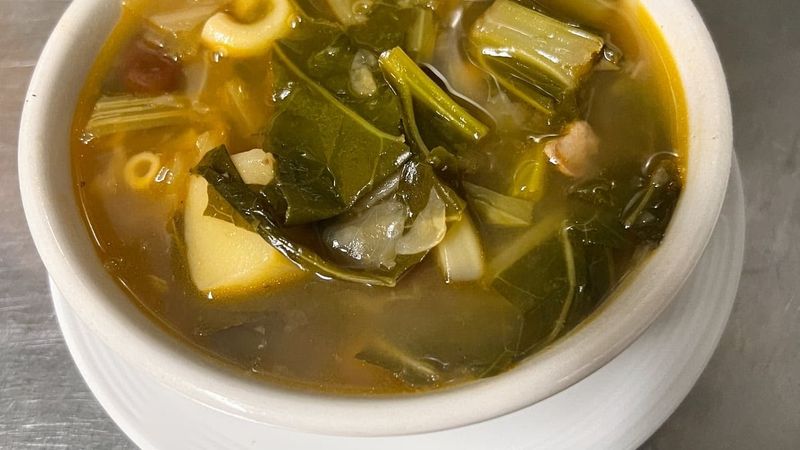
Bristol is famous for its Fourth of July parade, which is the oldest in the country, but the Portuguese community here has been running its own kind of tradition for just as long.
Caldo verde shows up at every major gathering, and it has a celebratory quality in Bristol that feels different from other towns.
The soup here tends to be rich and deeply seasoned, which makes sense given that Bristol’s Portuguese families have had generations to refine their approach.
Cultural festivals in the summer often feature soup stations alongside music and dancing, and the lines for the soup are never short. People come back for seconds without any embarrassment whatsoever.
Bristol also has a strong network of Portuguese-American social clubs that keep the food traditions alive year-round.
These clubs host dinners, cooking demonstrations, and community events where kale soup is always on the menu.
It’s not nostalgia driving that choice. It’s genuine pride.
On Hope Street, you can find spots that serve the soup during lunch hours with the kind of casual confidence that suggests they’ve never once considered taking it off the menu.
In Bristol, caldo verde is not seasonal. It is simply always available, always good, and always worth ordering.
8. Manville

Manville is a village within Lincoln, Rhode Island, and it has the kind of compact, working-class energy that makes you think everyone knows everyone else’s business.
In a place this size, that’s mostly true, and the kale soup is part of the community conversation in ways that would surprise an outsider.
The Portuguese families who came to Manville came for mill work, and they brought their recipes because those recipes were reliable, affordable, and deeply comforting after a long shift.
Caldo verde fit perfectly into that life. Kale was cheap to grow, potatoes were filling, and a good sausage made the whole pot feel like a celebration even on an ordinary night.
That working-class practicality still shows up in how the soup is made and served here. There’s no fussiness about presentation and no upcharging for ingredients.
You get a generous bowl at a fair price, and the flavor does all the talking. Small spots in the village have been doing this for decades, and regulars show up with the kind of loyalty that only comes from never being disappointed.
Manville may not be on anyone’s tourist map, but for people who grew up eating this soup, it’s exactly where they want to be on a cold night.
9. Portsmouth
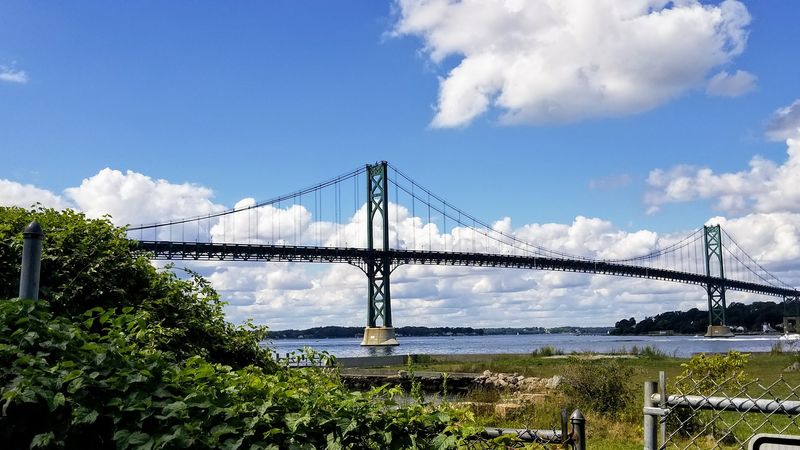
It sits on Aquidneck Island, and it has been home to a proud Portuguese-American community since the early 20th century, one that has never been quiet about its identity or its food.
The Portsmouth Portuguese American Citizens Club was founded in 1927, and it has been the beating heart of that community ever since.
The Feast of St. Anthony, which started in 1928 and has run for nearly a century, is the clearest proof that this tradition is not going anywhere.
Caldo verde is a fixture at every major gathering here, served alongside chourico and Portuguese bread in the way that only a community with deep roots and long memories can pull off.
The soup in Portsmouth carries a celebratory quality that makes sense given the context. This is a town that has been gathering around the same recipes, the same club, and the same saint for nearly one hundred years.
That kind of continuity produces a consistency in the food that is genuinely difficult to find elsewhere in Rhode Island.
When you eat kale soup here, you are not eating a dish someone learned from a cookbook.
You are eating something that has been handed down, adjusted, and perfected across multiple generations of people who took it seriously from the very beginning.
10. Providence
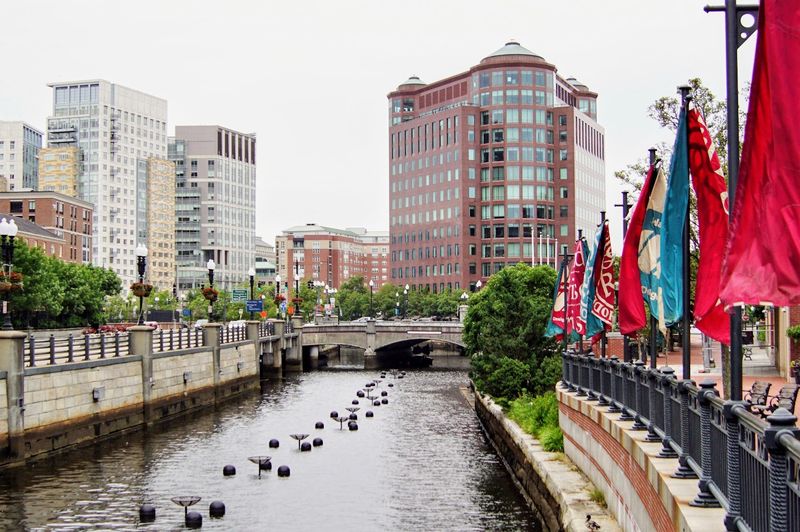
Providence is the capital of Rhode Island, and it carries its Portuguese identity with the kind of quiet confidence that only comes from over a century of presence.
The community here dates back to the late 1800s, when Azorean and Madeiran immigrants arrived for mill work and never quite left, which makes complete sense once you taste the food.
Caldo verde in Providence shows up everywhere from family-run lunch counters to parish hall fundraisers, and the quality never wavers much between them.
The city has enough Portuguese bakeries, butcher shops, and social clubs to keep the tradition honest, and the soup tends to reflect that richness in every bowl.
What stands out in Providence is the sheer depth of the community infrastructure around this food. The soup is not a menu item here.
It is a cultural statement.
You can find good bowls along Atwells Avenue and in the Fox Point neighborhood, where the Portuguese-American presence has shaped the character of entire streets for generations.
Providence does not need to announce its Portuguese identity. It simply lives it, one deeply seasoned pot of kale soup at a time.