Florida’s Giant Water Lilies Are Big Enough to Hold a Small Child
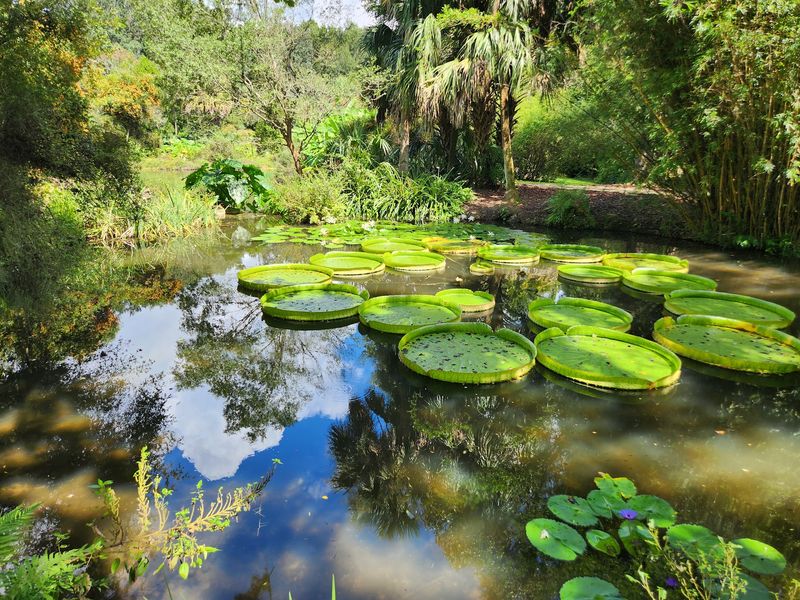
Somewhere in north central Florida, a pond holds leaves so wide and so sturdy that a small child could sit on one without sinking. That sounds like a tall tale, but the plants are real, they come from the Amazon, and they swell to their full glory every summer.
Getting there costs about as much as a sandwich, and the walk that leads to them winds past bamboo taller than a house. It is the kind of place you drive past for years before someone finally tells you what is growing behind the trees.
A 68-Acre Garden on the Edge of Gainesville
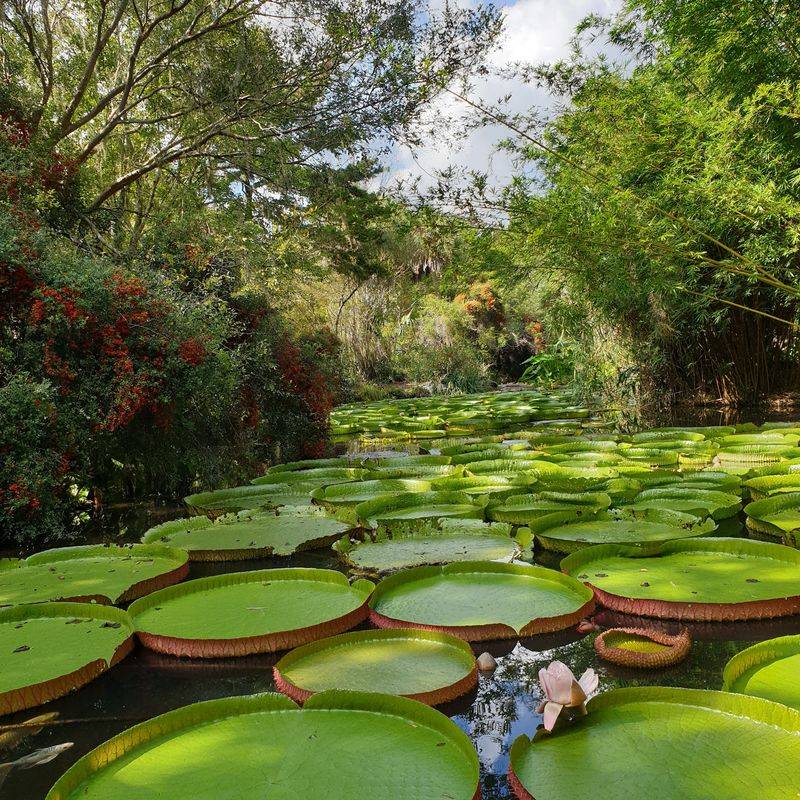
At 4700 SW 58th Dr in Gainesville, a nonprofit botanical garden spreads across 68 acres of north central Florida sandhill and wetland. Twenty-four separate plant collections are stitched together by a paved walkway that runs roughly a mile and a half.
The name comes from the lake and prairie system on the property’s edge, and water shapes almost everything here. Ponds, brooks, and small falls feed the collections, supplied by reclaimed and treated wastewater rather than drinking supply.
What makes the place unusual among Florida gardens is the range packed into one loop. A desert bed of spiny, sun-loving plants sits within a short stroll of a shaded bamboo grove and a pond crowded with koi.
The centerpiece, at least between June and September, floats quietly in the water garden. Victoria water lilies, the largest in the world, unfurl leaves that can measure six feet across and, in the case of Victoria amazonica, reportedly stretch to ten.
Entry is straightforward, the paths are well signed, and the whole circuit takes most people an hour or two at an easy pace.
How Amazon Giants Ended Up in North Florida Water
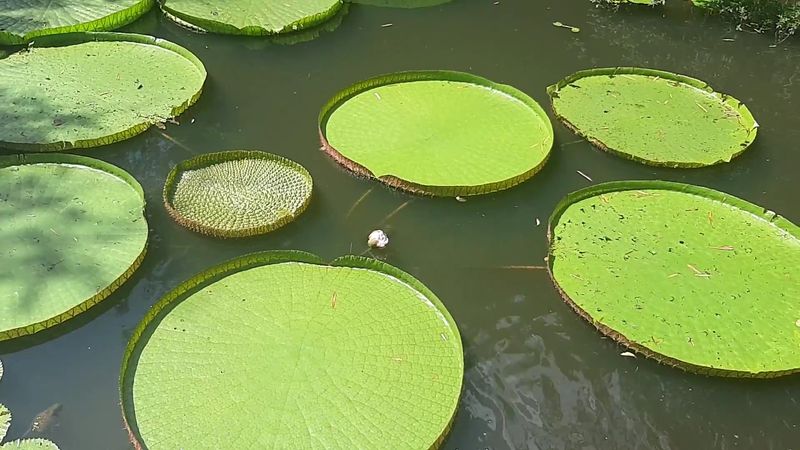
Four thousand miles separate the Amazon basin from Alachua County, yet the water lilies growing here trace their lineage straight to South America’s slow tropical rivers. Victoria amazonica, Victoria cruziana, and cultivated crosses such as the Longwood Hybrid all appear in the garden’s pond.
Florida’s long, humid summers do a passable impression of the plants’ native climate, which is why the collection thrives outdoors instead of under glass. Warm still water, heavy sunlight, and rich muck are the whole recipe.
The hybrids exist because plant breeders wanted the vigor of one species paired with the cold tolerance and rim shape of another. Crossing Victoria species produced leaves that grow fast and hold form in gardens well outside the tropics.
Their arrival in cultivation caused a genuine stir in the nineteenth century, when European growers competed to coax the first flower from seed. The leaf architecture even influenced glasshouse engineering.
Seeing them in Gainesville collapses that distance. One minute you are walking past herbs and roses, the next you are looking at something that belongs in a river basin near the equator.
Leaves Strong Enough to Carry a Child
Flip one of these leaves over and the engineering becomes obvious. A dense lattice of ribs radiates from the center, trapping air in hollow chambers and turning a flat green disc into a floating raft.
Sharp spines cover the underside, which discourages fish and other grazers from nibbling the structure apart. The rim curls upward several inches, giving each pad the look of a shallow green baking tray.
All that reinforcement adds up to serious load capacity. With weight spread evenly across the surface, often using a thin board, a single Victoria amazonica leaf can support somewhere in the range of 70 to 100 pounds, and figures around 65 pounds appear in other accounts.
Which is exactly how the famous photographs came about, the ones showing a child seated calmly in the middle of a lily pad. It is a botanical party trick with real physics behind it.
Growth keeps pace with the drama. A leaf can expand by as much as twenty inches in one day during peak season, meaning the pond looks different from one weekend to the next.
Night Blooms That Change Color by Morning
Here is the part most daytime walkers miss entirely. Victoria water lilies bloom after dark, opening enormous flowers that no midday visit will ever fully reveal.
On the first night, the blossom emerges white and releases a sweet, surprisingly strong scent that gets compared to pineapple. Beetles follow the smell, crawl inside, and get shut in overnight while pollen transfers.
The following evening the same flower reopens in pink or reddish tones, its work as a white beacon finished. Each bloom lasts roughly three to five days from start to collapse.
Color intensity peaks from June through September, when heat pushes both leaves and flowers to their maximum. Late October brings cooler air, and the plants fade or vanish for the season.
Timing matters more here than at almost any other collection in the garden. Arrive in winter and the pond will be open water with koi circling, which is pleasant but not the spectacle the summer months deliver.
Early morning is the best compromise, since a second-night flower may still be holding its pink shape when the gates open at nine.
The Bamboo Grove Everyone Talks About
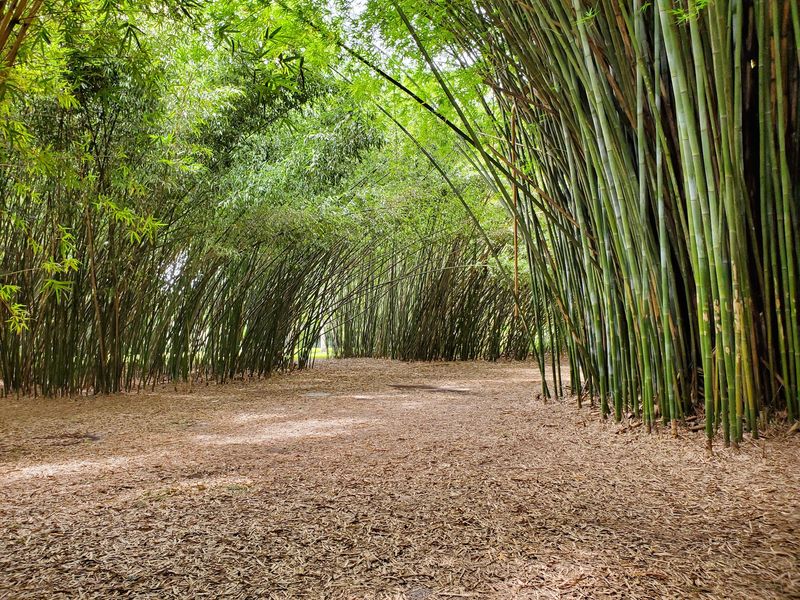
Long before you reach the lily pond, the path slips into a stand of bamboo so tall it swallows the sky. Thick culms rise in clusters, creaking faintly when the wind moves through them.
Bamboo comes up in reviews more than any other feature at Kanapaha, mentioned hundreds of times, and the scale explains why. These are among the largest bamboo specimens most people will encounter anywhere in the United States.
Sound is the strange part. Inside the grove, traffic noise drops away and gets replaced by rustling leaves and the occasional hollow knock of stems tapping together.
Shade makes it a practical refuge on a July afternoon, when the open beds are baking and the pavement radiates heat. Walking the grove slowly is a reasonable way to cool off before circling back to the water garden.
Photographers gravitate here for the vertical lines and the green light filtering down. Bring a wide lens if you have one, because capturing the full height in a single frame is a challenge.
It functions as the garden’s quiet room, no signage required.
Waterfalls, Koi, and the Herb Collection
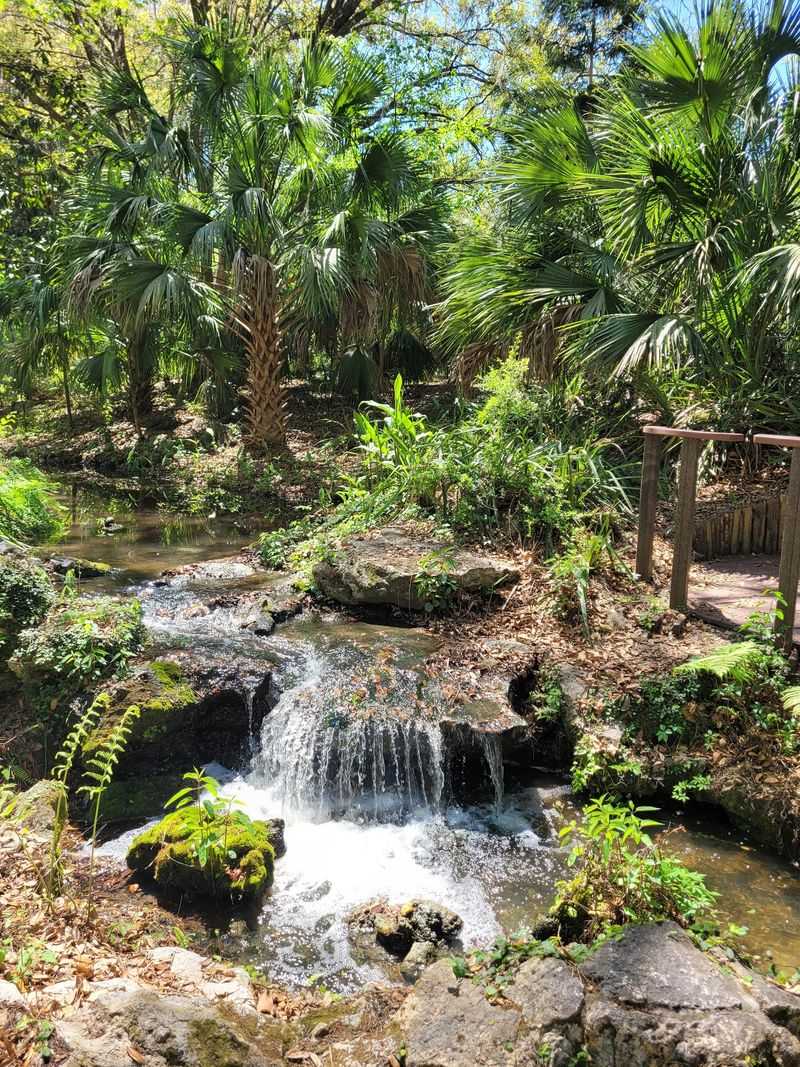
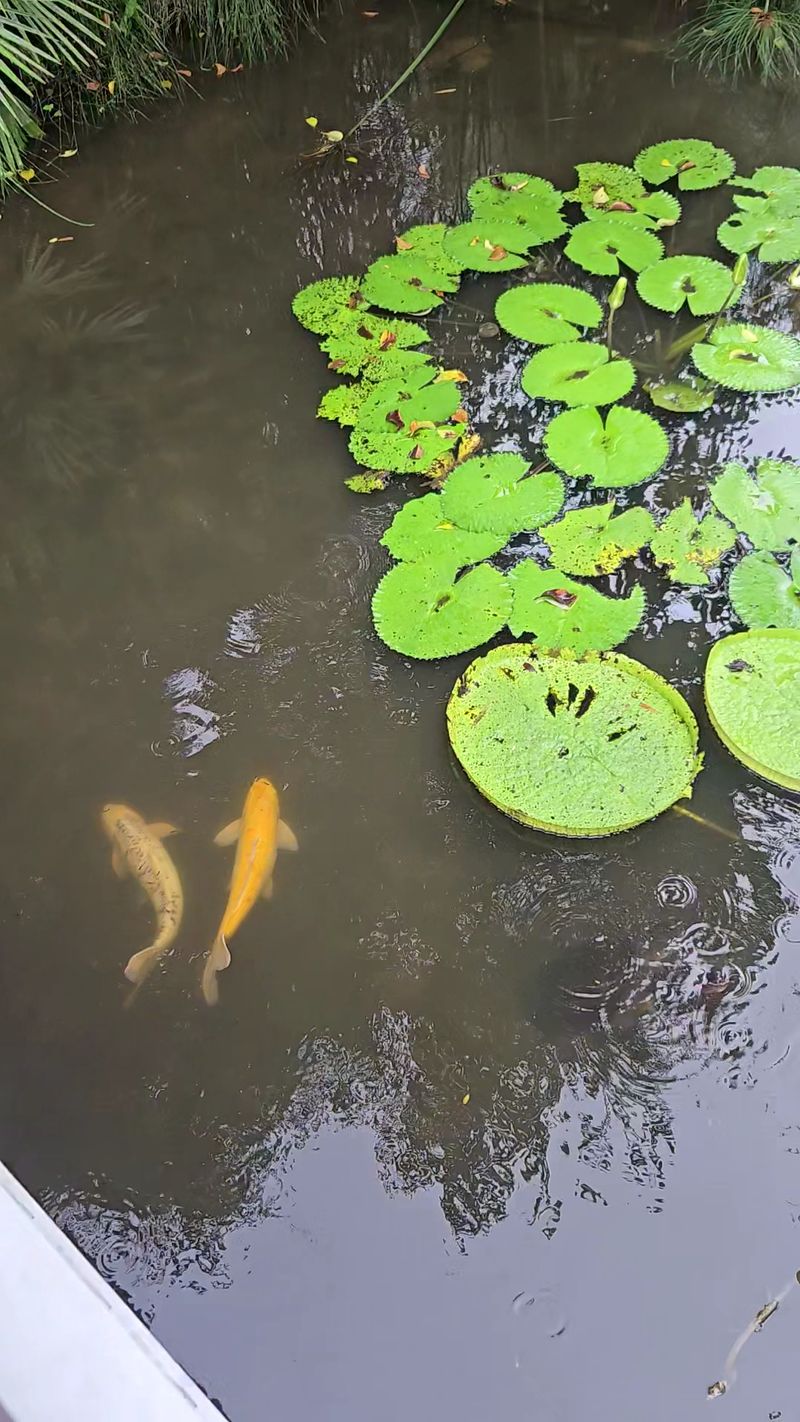
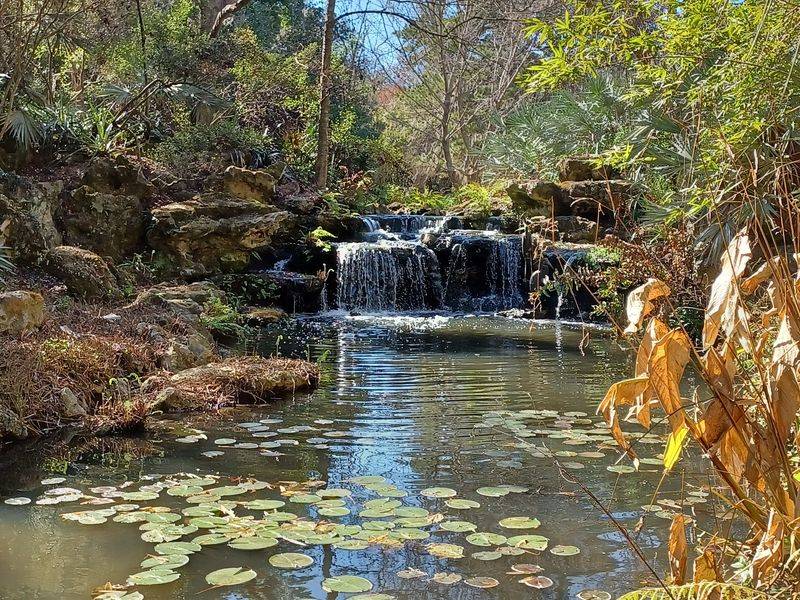
Water sounds carry across much of the property. Small falls tumble into pools where orange and white koi drift close to the edge, and turtles show up expecting the same handouts.
The herb garden holds varieties that rarely appear outside specialist collections, with labels that make it useful for anyone who cooks. Plenty of plants throughout the grounds carry signage, though a few markers have weathered enough to be hard to read.
Butterfly Hill draws swallowtails and skippers through the warm months, and a hummingbird garden sits nearby. Bumblebees work the flower beds in numbers that feel almost old-fashioned.
A rose garden anchors one section, though Florida heat scorches it by late summer. The desert collection nearby handles that same sun without complaint, all silver spines and geometric rosettes.
Wildlife occasionally exceeds expectations. Snakes turn up along the trails, and alligators, including small ones, have been spotted on the property, which is unremarkable for a Florida garden built around ponds but worth keeping in mind with children in tow.
Birds are constant company, woodpeckers included.
Who Fits Right In Here
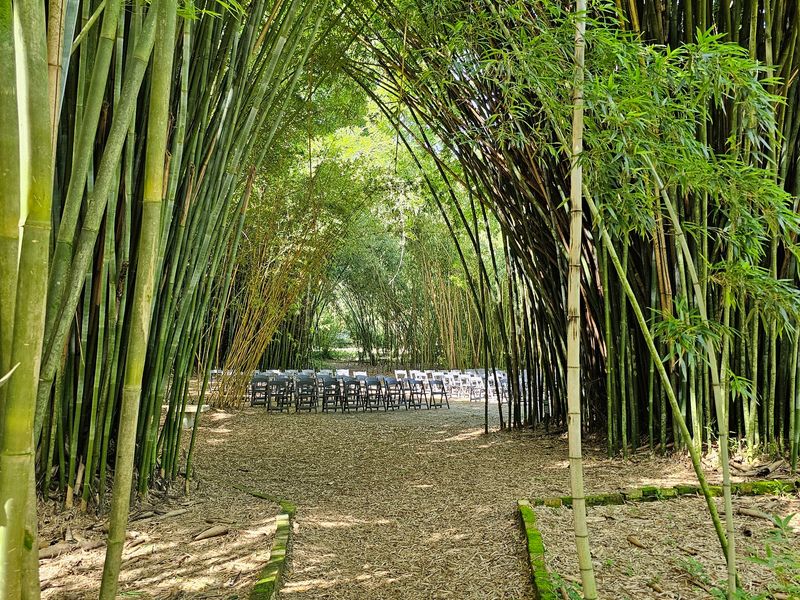
Peaceful is the word that surfaces again and again about this place, and the layout earns it. Benches appear at intervals, the loops are generous, and nothing pushes you to hurry.
Couples do well here, as do solo walkers who want two hours of birdsong and no crowd pressure. Weddings are held on the grounds, and staff coordinate setup for them.
Kids get a playground and a children’s area, plus the obvious appeal of leaves shaped like dinner platters. Leashed dogs are welcome, with shade and open ground for them to sniff through.
Accessibility is decent rather than perfect. The main concrete and brick paths suit wheelchairs and mobility scooters, and staff have gone out of their way to help with them, but a handful of narrow dirt spurs are not passable.
Two main routes exist, roughly a one-mile loop and a longer one and a half mile circuit, so you can scale the walk to your energy. Photographers, birders, and anyone who likes reading plant labels will find more than one visit’s worth of material.
Hours, Admission, and Finding the Place
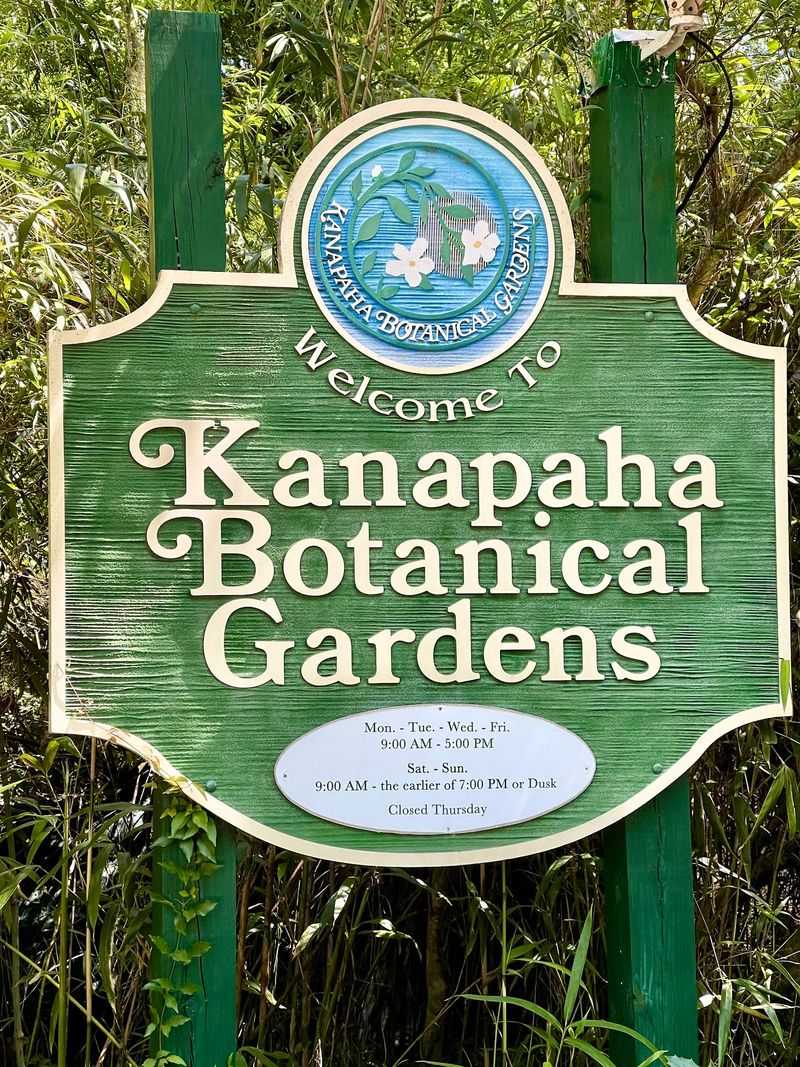
Gates open at 9 AM and close at 5 PM Friday through Wednesday, with Thursday closed. Arriving after four leaves too little time, since the full loop deserves at least an hour and the lily pond sits well into the walk.
Admission runs $12 per adult, and it covers the entire day. You can leave for lunch and come back on the same ticket, which is unusual and handy.
The address is 4700 SW 58th Dr, Gainesville, FL 32608, southwest of the city and easy to reach from I-75. Parking sits at the entrance, and the phone number is 352-372-4981 if you want to confirm what is flowering.
Because it operates as a private nonprofit, the fee goes straight back into maintaining 24 collections across 68 acres. That context helps explain the pricing.
Plan for summer weather. Water, a hat, and sunscreen matter between June and September, which happens to be exactly when the giant lilies look their best.
Check kanapaha.org before driving out, since special events and plant sales fill certain weekends.
Why the Summer Trip Pays Off
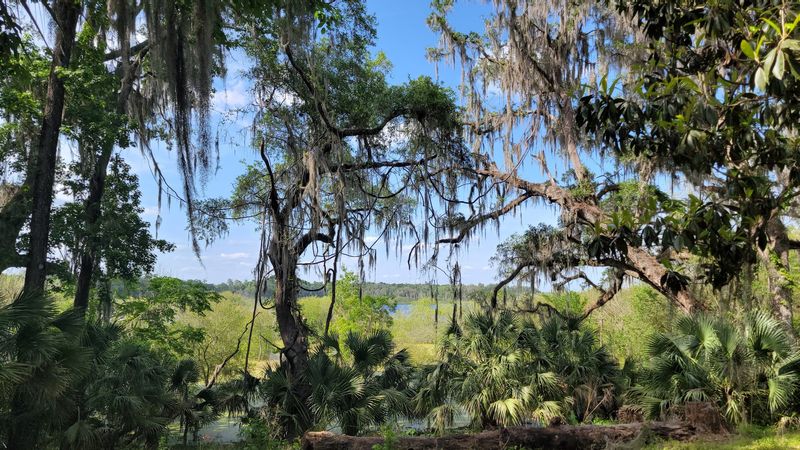
Season decides almost everything about how this garden lands. Show up in February and you get quiet paths, decent labels, and a pond without its headline act, since the giant lilies simply are not there.
Come back in July and the same water is crowded with six-foot green discs, rims turned up like shallow bowls, growing measurably wider each day. That contrast is the whole argument for planning around the calendar.
Rose beds will look tired by August and a few corners show the wear that comes with maintaining 68 acres in a subtropical climate. Neither takes much away from bamboo the height of a building or a leaf that could hold a first grader.
Twelve dollars for a full day, in and out, is modest for what the grounds cover. Two hours here does something to your pace that a mall parking lot cannot undo quickly.
If the Victoria lilies are the reason you drive to Gainesville, aim for a morning between June and September and walk the loop slowly. The pond will be doing exactly what you came to see.