This 3-Hour Kentucky Train Ride Drops 600 Feet Into A River Gorge To Reach A Ghost Coal Town
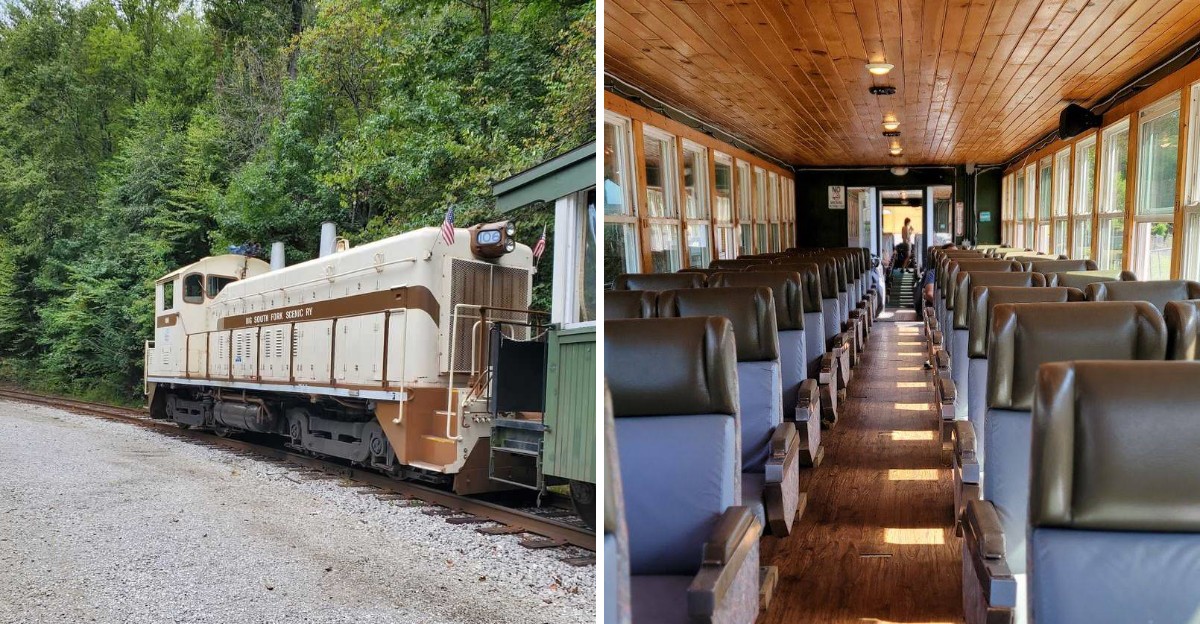
Kentucky has a train that does something slightly ridiculous. This is not a lazy loop around a field.
It leaves a small coal town and heads downhill. Then it keeps going down for six hundred feet.
You pass through a tunnel and over a bridge. The trip takes about three hours, which sounds long until you look out the window.
At the bottom there is a mining camp that people left behind in the sixties. The park service rebuilt it as open steel frames where the houses used to stand.
You can stand inside rooms that have outlines but no walls. It is strange and quiet and unexpectedly moving.
Somebody’s whole childhood happened there. Then the train climbs back out and returns you to the present.
Bring a jacket, because the gorge does not care what your forecast said. Bring questions too, because you will have plenty by the end.
The Depot That Starts It All
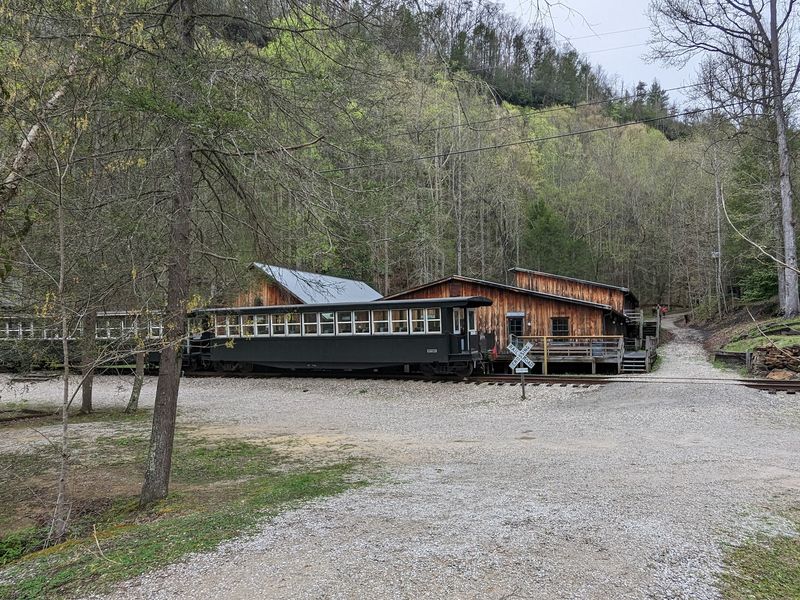
Big South Fork Scenic Railway begins at a restored depot that looks straight out of a coal company photograph. The building sits quietly until boarding time, then fills with the shuffle of families claiming seats.
Inside, a gift shop stocks Kentucky-made crafts and small souvenirs. Staff are known for being patient with first-time riders and endless questions about the route.
Seats are not assigned, so arriving early actually matters. Regulars suggest showing up at least thirty minutes ahead if you want a specific spot.
There is a free museum nearby covering the area’s mining and lumber history. Visitors often say the staff there know the stories better than any plaque could tell them.
Pets are welcome throughout the experience, a detail road-trippers appreciate deeply. Nobody has to sit in a hot car while everyone else rides.
Pick up any pre-ordered lunch at the station before boarding, not after. Waiting until the train pulls out means going hungry for a while.
You will find the depot at 66 Henderson St, Stearns, Kentucky, with a large gravel lot behind it. That lot handles RVs without drama, which is rare for a small-town attraction.
Fourteen Miles Of Slow, Deliberate Beauty
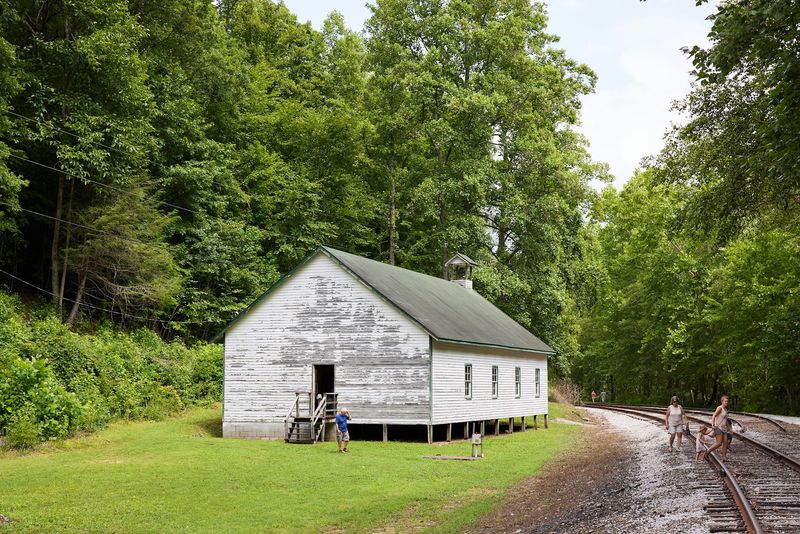
Fourteen miles does not sound like much until the train takes three hours to cover it round trip. Slow is the entire point here, and nobody apologizes for it.
The route follows the original Kentucky and Tennessee Railway line into the Big South Fork National River and Recreation Area. Sandstone bluffs, mountain streams, and thick hardwood cover fill the windows.
Mountain laurel blooms along the tracks in late spring, showing up in flashes between the trees. Riders in autumn talk about the color as the best reason to come.
Deer sometimes appear at the river’s edge, drinking while the train rumbles past. Wildlife sightings are luck, not schedule, so keep your eyes up.
Honest expectation setting helps: much of the ride is rocks and trees. If you want constant drama, this is not that kind of trip.
What you get instead is quiet forest, moving water, and a rhythm that slows your pulse. Hikers often use it as a rest day between trails.
Bring a camera with a fast shutter for shots through open windows. Branches move quickly when the train picks up any speed at all.
Dropping 600 Feet Without Leaving Your Seat
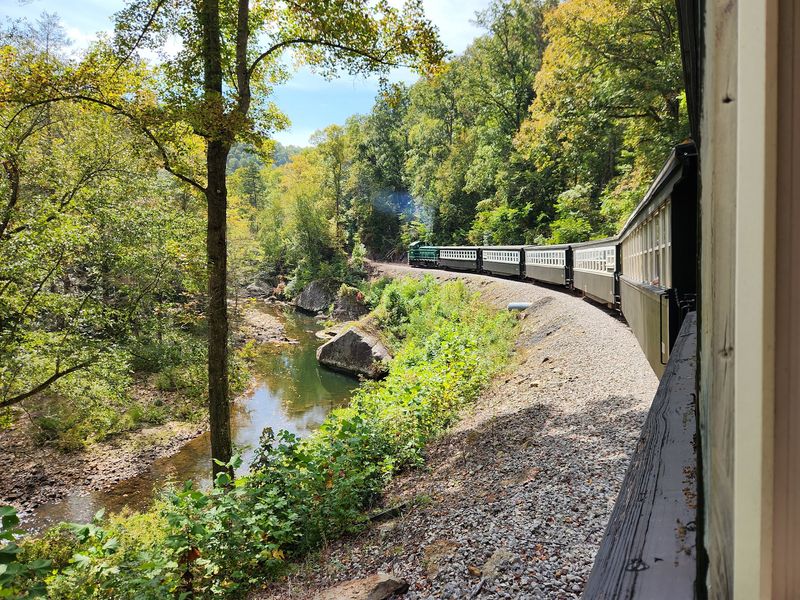
Six hundred feet of elevation change happens gradually, which somehow makes it more impressive. Your ears may notice before your eyes do.
The descent carries you from the plateau top down into the Big South Fork River gorge. Rock walls rise higher as the train drops lower into the valley.
Engineers built this grade to haul coal out, not to entertain tourists. That practical origin is exactly why the curves feel so hard-earned.
Each bend opens a slightly different view of the gorge below. The forest closes in, then parts, then closes again.
Seat choice makes a real difference on this stretch. Riders consistently recommend the left side facing the engine for the best window views.
Car number one puts you closest to the front, though you ride backward on the return. Anyone prone to motion sickness should plan around that.
Standing at an open window while the gorge unfolds beats any postcard.
The short tunnel along the way is a crowd favorite. Kids cheer, phones come out, and the whole car goes briefly dark.
Riding Tracks Built For Coal, Not Tourists
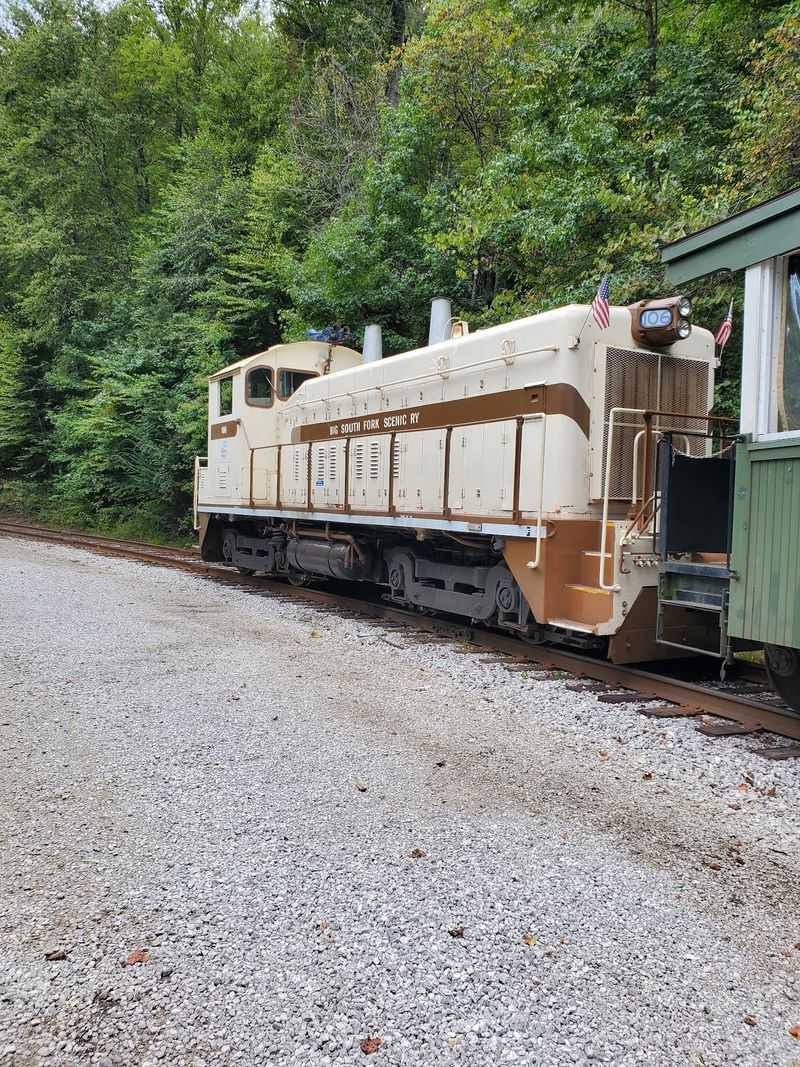
Every rail under you was laid with one job in mind: moving coal out of the mountains. The Stearns Coal and Lumber Company put this line in place long before anyone bought a ticket.
Loaded cars once rolled up from the mines toward processing and market. Miners rode these same tracks to work, sometimes in far rougher conditions.
Knowing that changes how the ride feels. You are not on a novelty attraction, you are on a working artifact.
Some trips include onboard narration about the company towns and the mining operation. Other departures run quieter, so ask at the depot if history commentary matters to you.
The train is loud, and that is part of the deal. Metal on metal, echoing through a gorge, is not a subtle sound.
Sensitive ears may want protection, especially for young children. Many riders say the noise adds to the experience rather than ruining it.
Summer cars rely on open windows for airflow instead of air conditioning. Shade covers most of the route, though a small handheld fan is a smart pack.
Bring water regardless of season. Comfort here comes from preparation, not amenities.
Arriving At Blue Heron, Also Known As Mine 18
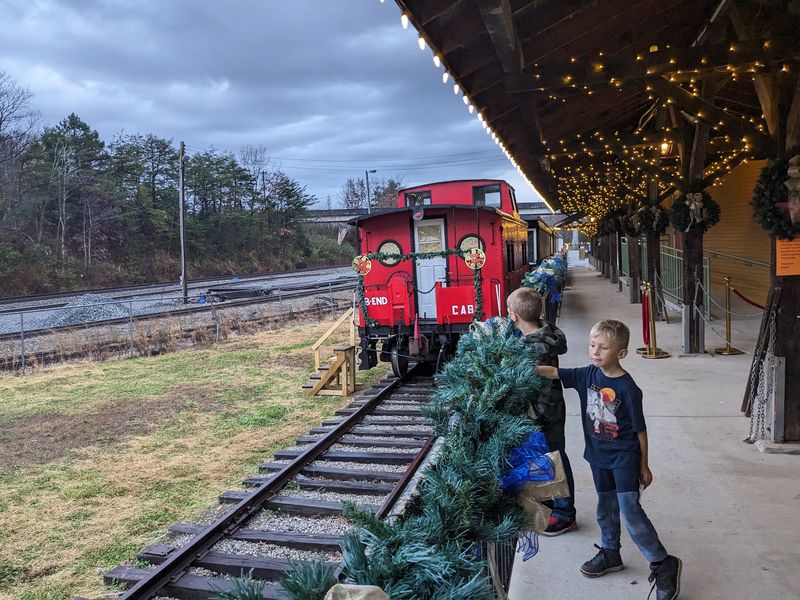
The train stops at Blue Heron, a coal camp the company called Mine 18. It sits along the Big South Fork of the Cumberland River, reachable by rail or a long drive.
Blue Heron operated from 1937 until the mines closed in the 1960s. When the coal ran out, the families left and the buildings eventually disappeared.
Today the National Park Service runs the site as an outdoor interpretive museum. They have done careful work helping visitors picture a town that no longer physically exists.
Your layover runs roughly an hour and fifteen minutes to ninety minutes. That is enough to explore without feeling rushed off your feet.
Covered picnic tables give you a shaded place to eat.
Short trails branch out from the main area, including an uphill walk toward the mine entrance. Wear shoes you can actually climb in.
A park ranger often shares stories about mining methods and daily life. Sitting down to listen is worth trading a few minutes of wandering.
Steel Skeletons Where Houses Once Stood
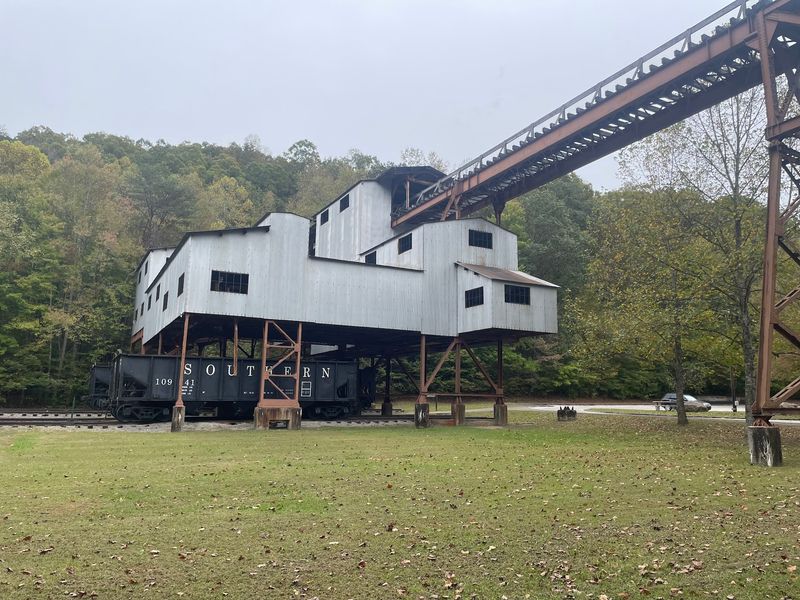
Instead of rebuilding the vanished town, designers outlined it in steel. Open metal frames stand exactly where the depot, school, church, and company store once sat.
You walk through empty doorways into rooms with no walls. Sky replaces ceilings, and trees fill in the gaps.
The effect splits opinion. Some visitors wish for full reconstructions, while others find the emptiness more powerful than any replica.
Interpretive panels inside each frame explain who used the space and how. A miner’s house frame tells a very different story than the company store.
Reading them in order gives you a rough map of daily life. School, work, worship, groceries, repeat.
Photographers love these structures for their clean geometry against the forest. Morning and late afternoon light does interesting things through the beams.
Kids tend to treat the frames as something to explore rather than study. That works fine, and the layout is easy to supervise.
Bring a bottle of water for the walk between structures. Shade is uneven, and the ground is mostly gravel and packed dirt.
Give yourself time to just stand still somewhere. The quiet is the point.
Recordings That Let Former Residents Speak
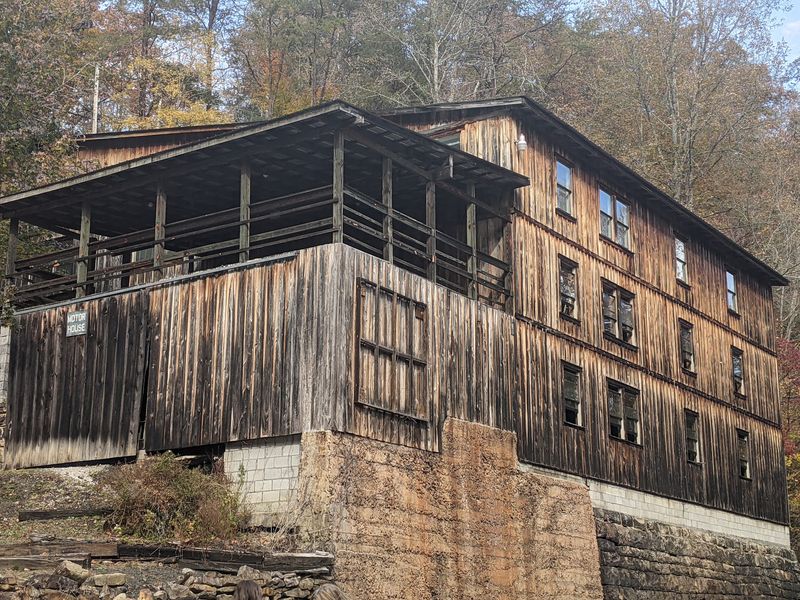
Push a button inside one of the ghost structures and a voice starts talking. These are real recordings from people who actually lived at Blue Heron.
They describe school days, chores, and what payday meant in a company town. Some remember the noise of the tipple, others the smell of coal dust.
Hearing it in the exact spot where it happened lands differently than reading a sign. History stops being abstract.
The recordings are short, so you can move through several without losing patience. Families with restless kids appreciate that pacing.
A few stories touch on hard times and isolation, told plainly by the people who lived them. There is warmth in the telling, not complaint.
The audio is one reason this stop rewards a slow pace. Rushing past means missing the actual heart of the place.
Sound quality varies by structure and weather conditions. Standing close and lowering your own voice helps considerably.
Combine the recordings with the ranger talk for the fullest picture. Together they turn a set of steel outlines into a real neighborhood.
You leave knowing names, not just dates.
Smart Packing And Timing Tips Before You Go
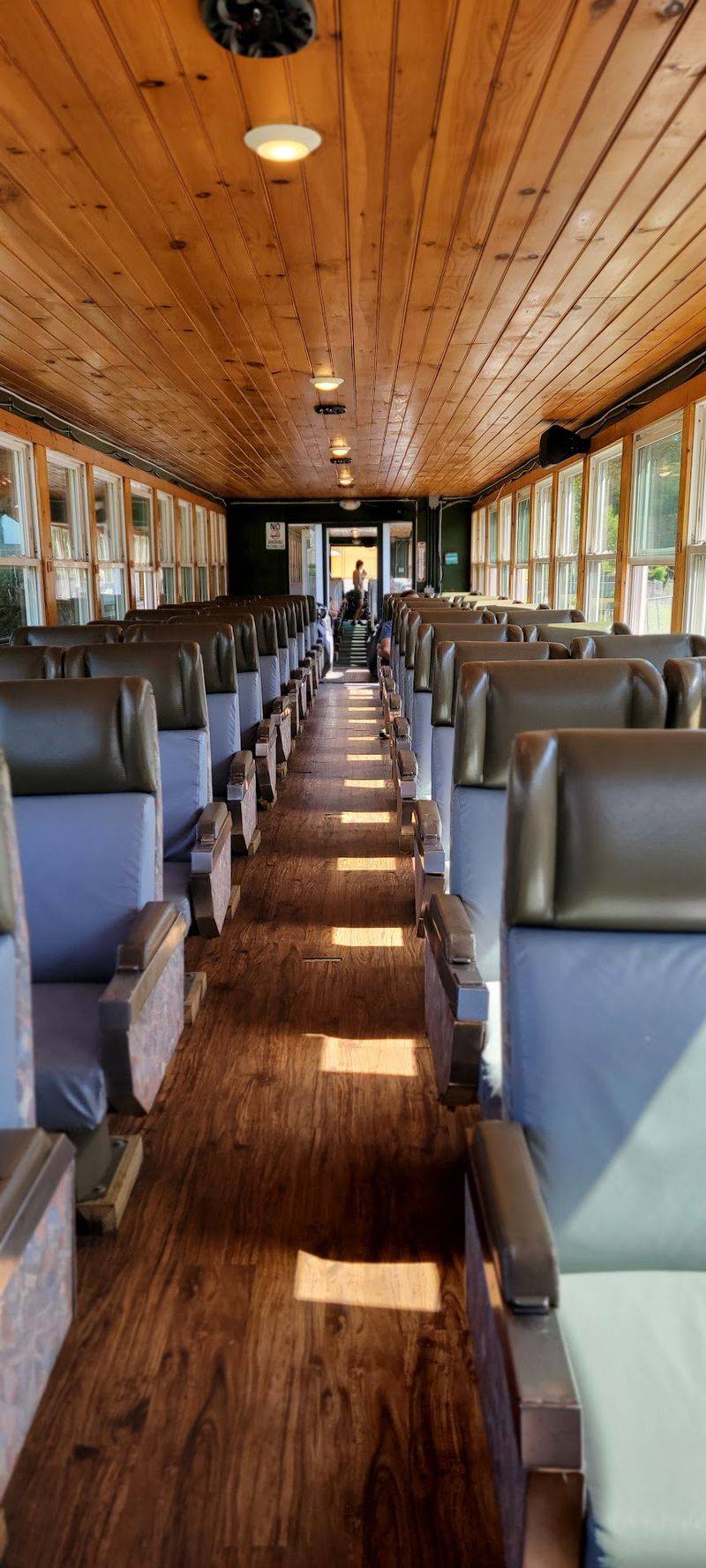
A little planning turns a decent day into a great one here. Start with food, because the packed lunch option draws mixed feelings from riders.
Many suggest bringing your own picnic instead. Covered tables at Blue Heron make a homemade sandwich taste like a small victory.
Pack more water than you think you need, plus snacks for the return leg. There is no service cart rolling down the aisle.
A small battery fan is the most recommended item on warm days. Windows help, but airflow stalls when the train slows.
Dress for the weather and for gravel walking. Layers work best since the gorge runs cooler than the plateau.
Spring and fall get the strongest praise for scenery. Mountain laurel in May and hardwood color in October both draw repeat riders.
Table cars sound appealing but fill fast, and coach seats are often more comfortable. Straight-backed chairs get old over three hours.
Military discounts are available and reportedly generous. Ask when purchasing rather than assuming.
Arrive early, grab a left-side window, and let the whistle handle the rest.