9 Magical Kentucky Towns Packed With Rich Heritage And Old-World Vibes
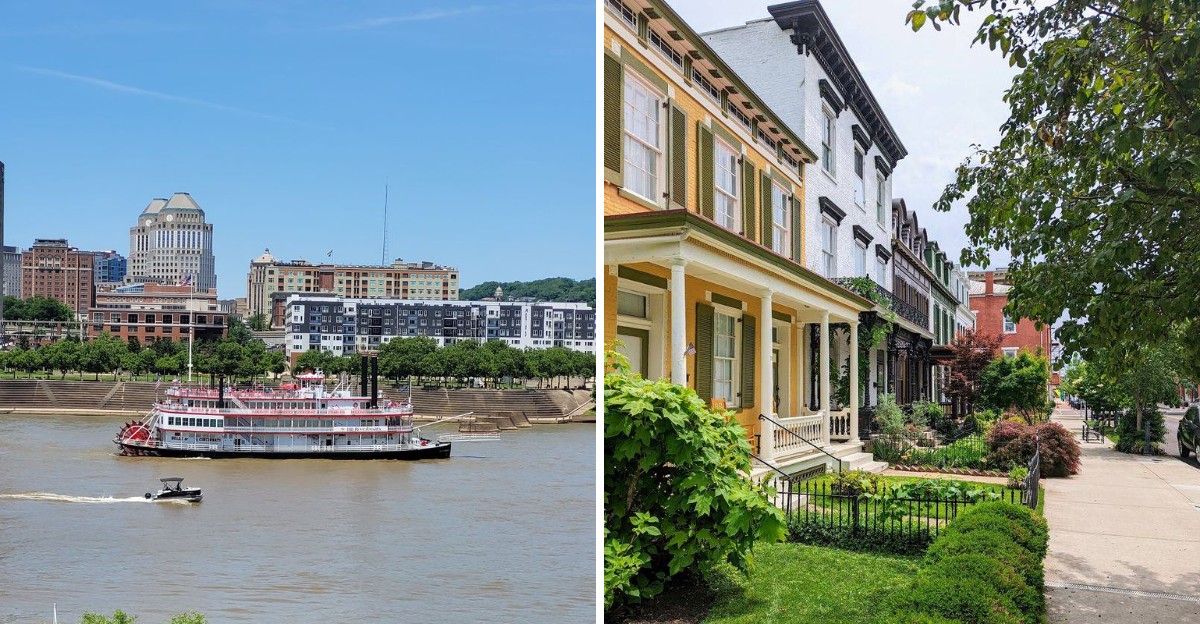
Kentucky does not get filed under old world. Europe has castles, and we have a lot of pasture.
That is the story people tell, and it is only partly true. Somebody built a German neighborhood along the Ohio River and it is still standing.
Somebody else put up a cathedral modeled on one in Paris. There are river towns with cast iron storefronts and a ferry that still runs.
There are main streets laid out before Kentucky was a state. You will find Victorian districts, a settlement older than most of the country, and craft traditions that never went anywhere.
None of this was built for tourists, which is exactly why it works. These nine places kept their bones instead of replacing them.
You can cover several in one weekend if you plan it properly. Bring comfortable shoes and a healthy skepticism about what Kentucky supposedly looks like.
1. Covington
A fairy tale bell tower and a bridge that helped inspire the Brooklyn Bridge sit in the same city. Covington faces Cincinnati across the Ohio River, and the view alone earns the trip.
MainStrasse Village anchors the fun, a restored 19th-century German neighborhood with cobblestone streets. Shops and restaurants line the way, so hunger is never a problem here.
Look up at the Julian Carroll Carillon, a 100-foot German Gothic bell tower. It plays melodies and illustrates the Pied Piper of Hamelin story on the hour.
Nearby, the bronze Goose Girl Fountain nods to a Grimm fairy tale. Kids notice it instantly, and adults usually pull out their phones for a photo.
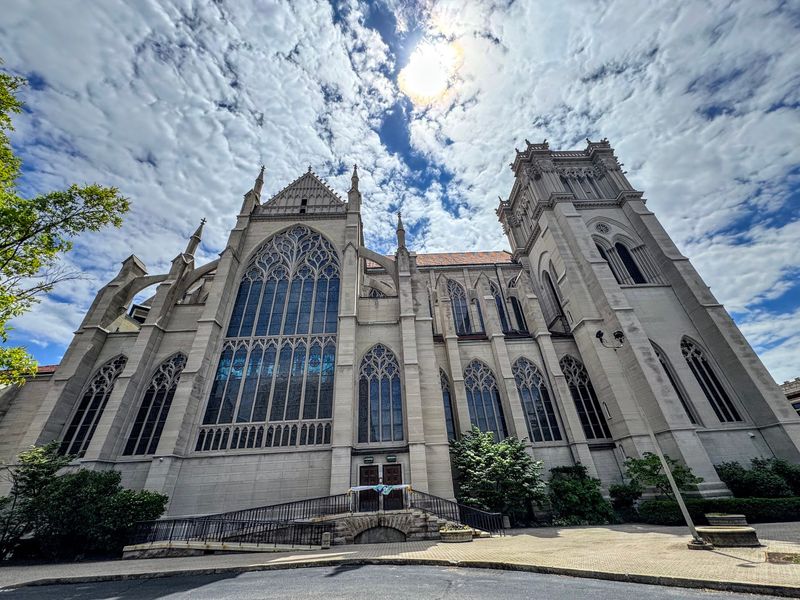
Architecture buffs get spoiled with Italianate townhomes and Gothic Revival churches. St. Mary’s Cathedral Basilica of the Assumption holds more than 80 stained-glass windows.
The Roebling Suspension Bridge stretches across the river as a prototype for its famous New York cousin. Walking it at sunset gives you the skyline for free.
Save time for the Licking Riverside Historic District, Covington’s oldest neighborhood. River mansions there date from 1815 to 1920.
Riverside Drive rewards slow walkers with Victorian porches and iron fences. Bring comfortable shoes, because the cobblestones are charming but not gentle.
2. Bardstown
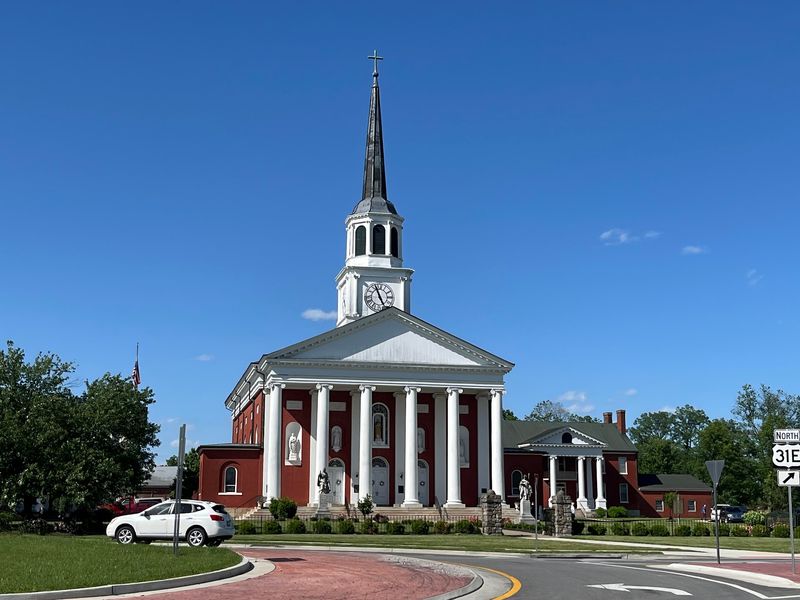
Over 300 buildings here sit on the National Register of Historic Places, all within a walkable downtown. Bardstown is Kentucky’s second-oldest city, settled back in 1780.
Federal and Georgian styles from the late 1700s through the mid-1800s fill the streets. Brick after brick, the town reads like an architecture textbook you actually enjoy.
Federal Hill Mansion, better known as My Old Kentucky Home, was built between 1812 and 1818. That Georgian house inspired Stephen Foster’s song, later adopted as the state song.
The Old Talbott Tavern opened in 1779 and ranks among America’s oldest stagecoach stops. Thick stone walls and creaky floors have hosted names like Abraham Lincoln and Jesse James.
Wickland earned the nickname Home of Three Governors, and its Georgian symmetry is picture-ready. Guides there explain how one family produced that much political power.
Built between 1816 and 1819, the Basilica of St. Joseph Proto-Cathedral was the first Catholic cathedral west of the Allegheny Mountains. Step inside for the quiet and the artwork.
Bardstown also carries the title Bourbon Capital of the World, which brings plenty of visitors. History travelers stay for the buildings, not just the barrels.
Park once and explore on foot. Everything worth seeing sits close together.
3. Harrodsburg
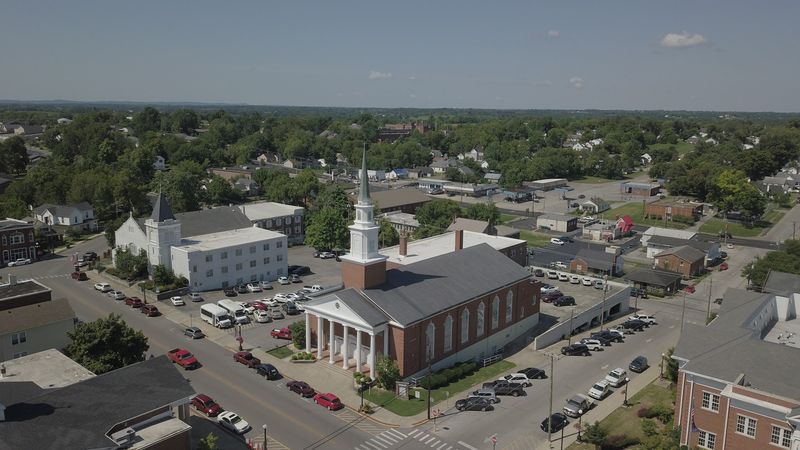
Kentucky’s oldest town beat statehood by 18 years. Harrodsburg was established in 1774, which makes it older than the country’s Constitution.
The downtown district appears on the National Historic Registry. Colorful storefronts line the blocks and make almost every corner worth a photo.
Old Fort Harrod State Park holds a full-scale replica of the 1774 fort. Log cabins inside show how early settlers cooked, slept, and worked.
Interpreters in period clothing demonstrate crafts like tinsmithing and weaving. Watching a blacksmith’s hammer beats reading about frontier life in any textbook.
The park also includes the Mansion Museum, dating to 1813, plus the Lincoln Marriage Temple. Both add layers to the pioneer story.
A short drive out of town leads to Shaker Village of Pleasant Hill. It stands as America’s largest restored Shaker community.
There you can explore 34 original 19th-century buildings spread across 3,000 acres. Shaker craftsmanship shows up in stair rails, chairs, and perfectly plain windows.
Trails wind through the surrounding farmland, so pack water and a hat. The grounds are far bigger than most visitors expect.
Give Harrodsburg a full day if you can. Rushing a 250-year-old town feels a little rude.
4. Berea
Brooms here are art, not chores. Berea carries the title Folk Arts and Crafts Capital of Kentucky, and the makers back it up.
The town rests in the Appalachian foothills, which keeps the pace slow and the views green. Creativity runs through the place like a steady current.
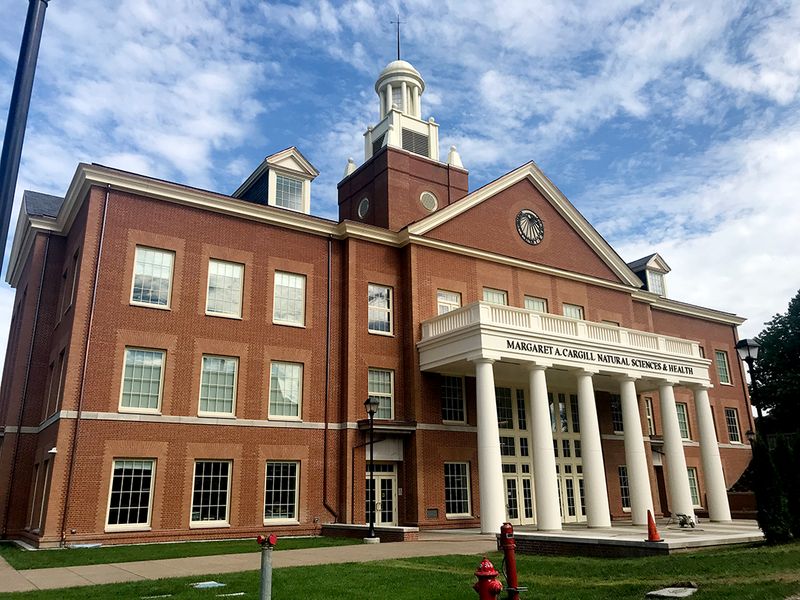
Berea College opened in 1855 as the first interracial and coeducational school in the South. That history still shapes the town’s character.
The college’s Student Craft program helps keep Appalachian skills working. Weaving, woodworking, ceramics, and broom making all continue there.
Artisan Village functions as a working-studio district. You can watch potters shape clay, then buy the finished bowl from the person who made it.
The Kentucky Artisan Center at Berea gathers work from hundreds of makers statewide. Consider it a one-stop shop for gifts nobody else will have.
Old Town Berea keeps its 19th-century buildings in good shape. The historic L&N railroad depot now serves as the Welcome Center.
A Public Art Tour points you toward sculptures, murals, and stained-glass installations. Follow it and you will cover the town without noticing the mileage.
Bring cash and a little trunk space. Handmade things tend to follow you home.
5. Maysville
A concrete floodwall turned into one of Kentucky’s best outdoor galleries. Maysville sits on the Ohio River and wears its 200-year story in paint.
Artist Robert Dafford created the Maysville Floodwall Murals. Scenes range from Native American bison hunts to the Underground Railroad.
Founded in 1787, the town served as a busy port and a gateway between North and South. Goods, ideas, and people all moved through here.
Many call Maysville the birthplace of bourbon, since the first advertisement for Bourbon Whiskey appeared here in 1821. Locals mention it often, and proudly.
Freedom seekers crossed the river toward Ohio with help from this community. The National Underground Railroad Museum occupies the Bierbower House, a documented safe house.
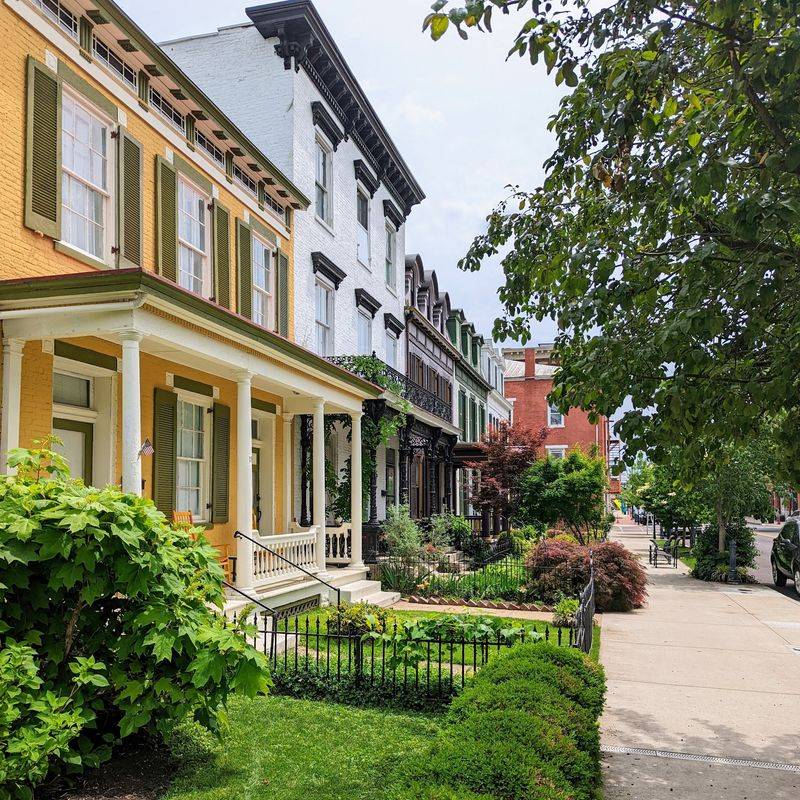
Historic Downtown counts more than 200 buildings on the National Register of Historic Places. The 19th-century storefronts stay remarkably well preserved.
Row houses give the streets personality, including the days of the week houses and Mechanics Row from 1816. Look for the narrow doorways and old brickwork.
Just outside town, Old Washington operates as a living-history neighborhood founded in 1786. Costumed guides explain frontier trades and daily routines.
Start at the murals, then walk uphill into downtown. The whole visit works beautifully on foot.
6. Midway
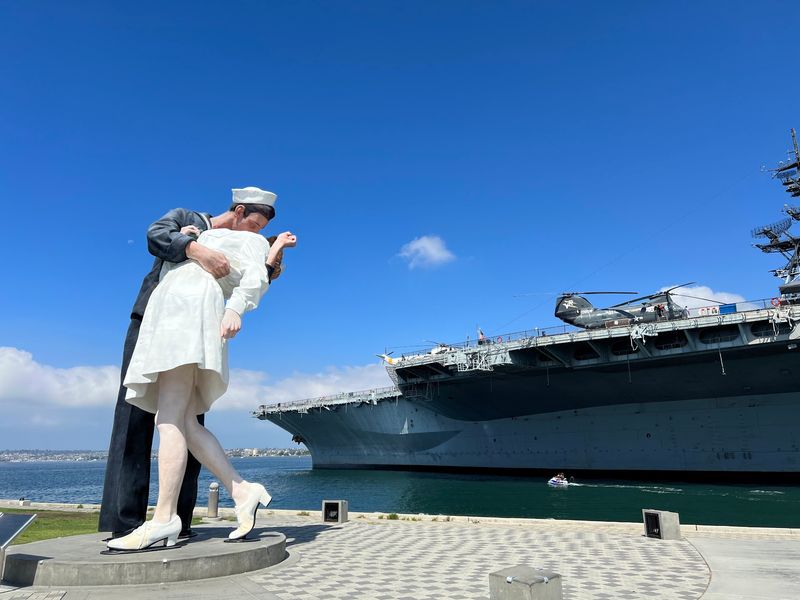
Trains still rumble straight through the middle of Main Street. Midway was the first Kentucky town founded by a railroad, back in 1835.
Its name comes from geography, sitting midway between Lexington and Frankfort. Simple, honest, and easy to remember.
The historic downtown district holds 176 buildings on the National Register of Historic Places. Railroad Street carries most of the action.
Colorful storefronts house antique shops, galleries, and places to eat. Browsing here is slow in the best way.
Active tracks split the street, so a passing train becomes part of the experience. Conversations pause, then pick right back up.
Thoroughbred farms surround the town with rolling hills and white fences. Ancient stone walls built by Irish stonemasons edge the roads.
The Midway Museum covers local history, agriculture, and railway life. Displays explain how one railroad decision created an entire community.
Architecture fans should find Wincoma, an elaborate Carpenter Gothic home built in 1871. German immigrant architect David Lehman designed it.
Drive the country roads at golden hour for horse-farm views. Pull over safely, since the fences and barns photograph beautifully.
Midway proves small can still be memorable. Two blocks here beat many big downtowns.
7. Danville
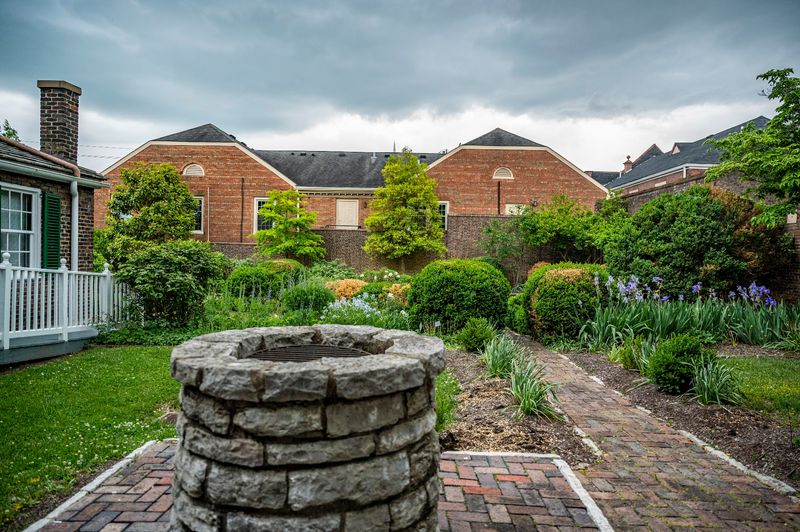
Kentucky was practically invented on one town square. Danville goes by The City of Firsts and the Birthplace of Kentucky, and the resume checks out.
It held the first courthouse in 1785 and the first U.S. Post Office west of the Allegheny Mountains.
Danville also served as Kentucky’s first capital.
Constitution Square Historic Site marks where ten constitutional conventions took place. Those meetings led to statehood in 1792.
The park includes replicas of the original courthouse, jail, and meetinghouse. An authentic 18th-century post office stands among them.
Centre College opened in 1819 and remains a handsome campus to stroll. Old Centre is the oldest college administration building west of the Alleghenies.
The Dr. Ephraim McDowell House is a National Historic Landmark for good reason. In 1809, the world’s first successful ovarian surgery happened there.
Downtown mixes Greek Revival cottages with Victorian storefronts. Shops, coffee, and murals fill in the gaps between landmarks.
Perryville Battlefield State Historic Site sits a short drive west. Historians rank it among the best-preserved Civil War battlefields anywhere.
Plan the square first, then wander outward. Danville rewards curiosity block by block.
8. Augusta
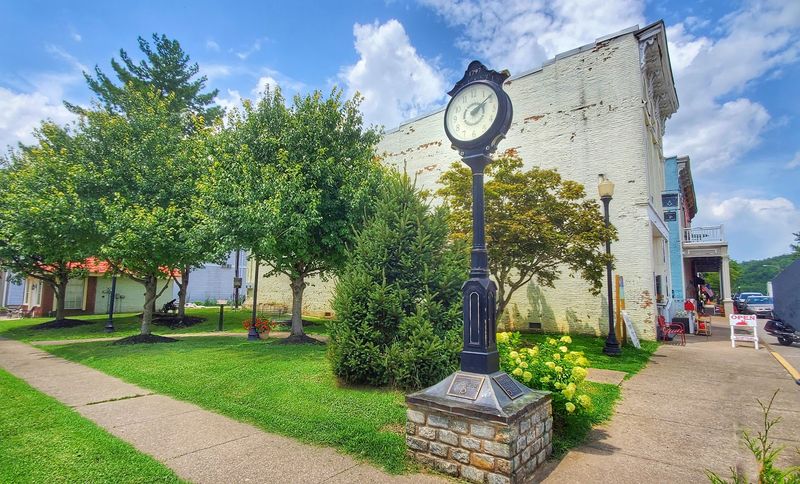
A ferry has been crossing the river here since 1798. Augusta sits on a gentle bend of the Ohio, and life moves at the water’s speed.
Founded in the 1790s, the town blends historic streets with wide-open river views. Sunsets get a real audience along the waterfront.
The Augusta Ferry remains one of the oldest still working on the Ohio. Riding it takes minutes and feels like a small adventure.
Augusta played an important role in the Underground Railroad. Homes such as the Payne House sheltered people seeking freedom in Ohio.
The 1811 Augusta Jail is the oldest jail in Kentucky standing on its original foundation. Its stone walls tell a heavy chapter honestly.
The historic district shows off early and mid-1800s Federal, Greek Revival, and Victorian houses. Riverside Drive is the obvious walking route.
Fans of classic music should visit the Rosemary Clooney House Museum. The building started as a hotel between 1835 and 1840.
Augusta once supported a busy 19th-century grape industry. Baker-Bird Winery holds the country’s oldest and largest stone cellar of its kind.
Weekends bring the most open doors and friendliest crowds. Come hungry, and stay for the river light.
9. Newport
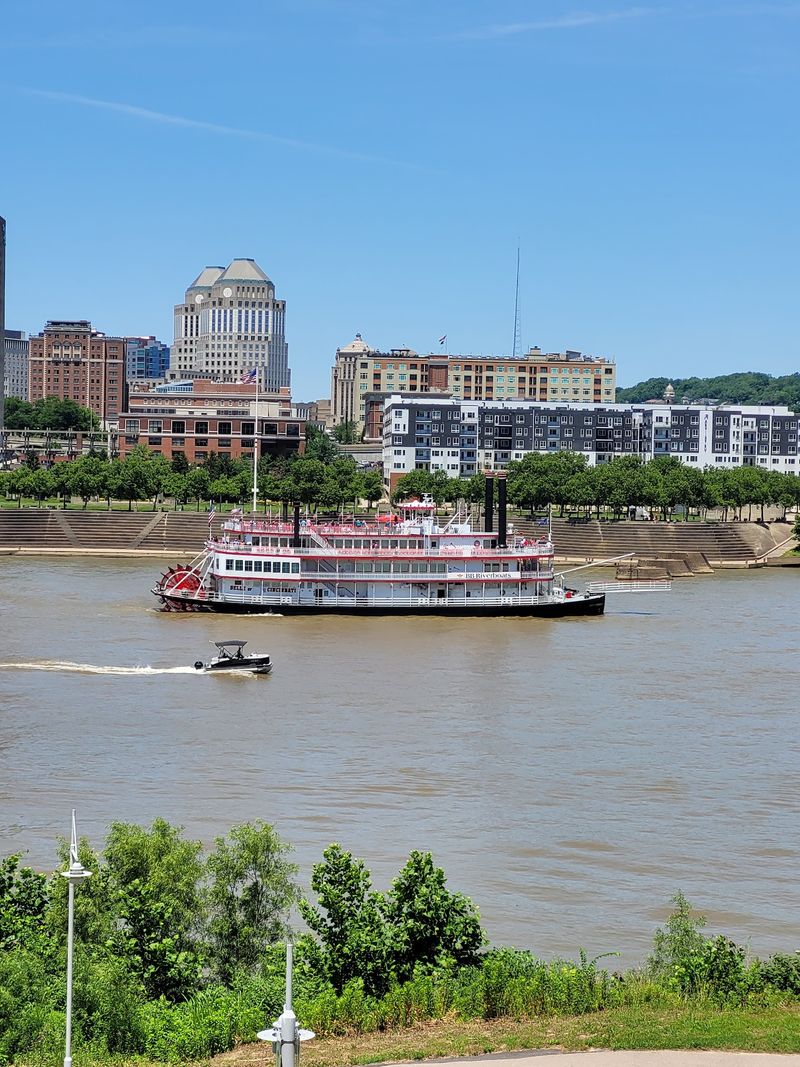
Tiny fairy doors hide in one Newport neighborhood, and finding them is weirdly addictive. Look closely around Mansion Hill and you might spot a few.
Established in 1795, the city stretches along the Ohio River. Old brick charm and new energy share the same sidewalks.
Newport earned the nickname Sin City before Las Vegas from the 1920s through the 1950s. Gambling halls and back rooms ran the show then.
Today the city leans family-friendly, with attractions, shops, and river views. The reinvention worked better than anyone predicted.
The East Row Historic District ranks among Kentucky’s largest and finest. Restored Victorian homes and tidy gardens fill block after block.
The Purple People Bridge began as a railroad crossing in 1872. Now it carries walkers between Newport and Cincinnati with skyline views the whole way.
Southgate Street School once served African American children during segregation. The building now operates as a local history museum.
Exhibits inside detail school life and the city’s complicated past. Take your time, since the stories deserve it.
Historic downtown fills out the day with eclectic businesses. Grab a bench facing the water and let the skyline do the rest.