Explore 11 Historic Underground Railroad Sites Across North Carolina
North Carolina has plenty of places that look ordinary until you learn what happened there.
A quiet stretch of woods can suddenly feel heavier.
A river that seems peaceful today can take on an entirely different meaning once you know who crossed it and why.
That is what makes these Underground Railroad sites so powerful.
The history is not always announced with a giant sign or dramatic landmark.
Sometimes it survives in the landscape itself, waiting for someone to slow down long enough to notice.
You may arrive expecting a history stop and leave thinking about courage, distance, and just how much risk could be hidden inside one journey.
These places ask for more than a quick photo.
They ask you to look closer, stay curious, and understand North Carolina in a way that feels much more personal.
11. Guilford College Woods
Sunlight filters through leaves in thin golden ribbons here, and the hush feels almost deliberate, as if the trees agreed long ago to keep a secret.
Guilford College Woods spreads across roughly 240 acres in Greensboro, sheltering an old-growth forest that once hid freedom seekers moving north. Quakers, called Friends by neighbors, slipped food and comfort to people crouched in the thick underbrush, acting on beliefs they refused to bend.
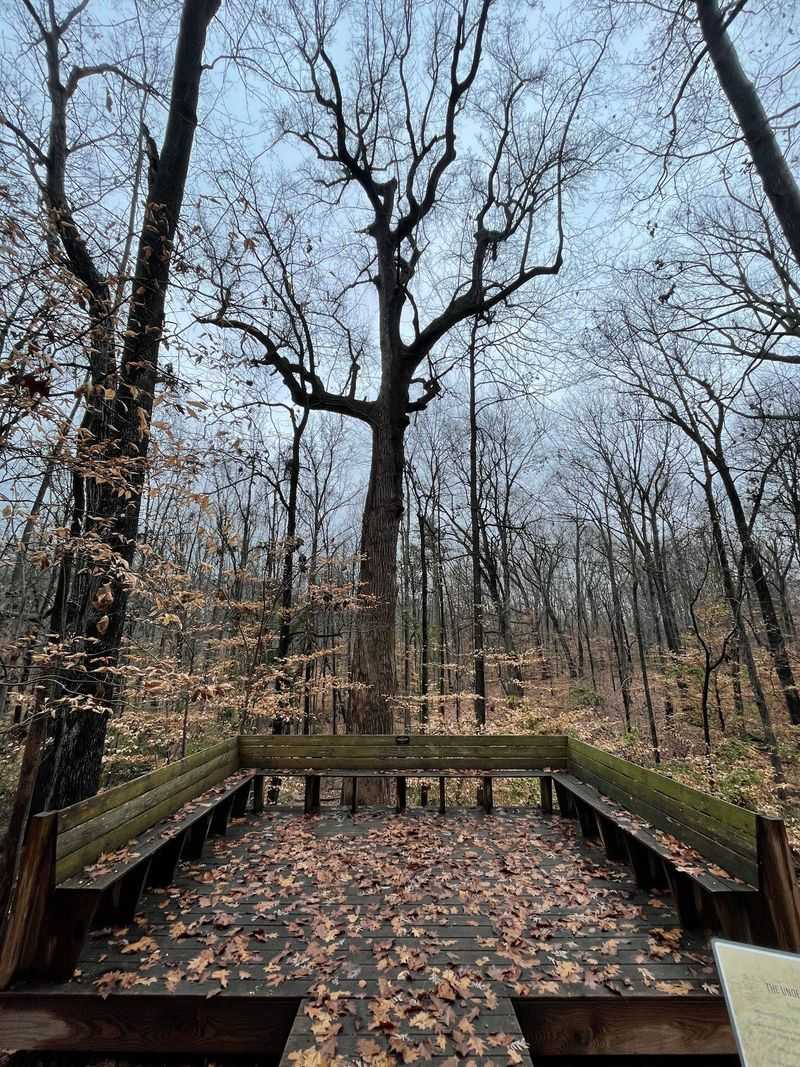
A tulip poplar known as the Witness Tree has stood for more than 300 years and was already growing during the period of documented Underground Railroad activity in the New Garden community.
Its trunk is wide enough to make you pause mid-step, and its age makes it a surviving part of the landscape through which freedom seekers and their Quaker allies once moved.
Walking the soft, root-crossed trails takes little effort, making the woods a good choice for families or anyone wanting a slow morning outdoors. Listen for woodpeckers knocking overhead and notice how quickly traffic noise disappears.
Wear closed shoes, since paths turn muddy after rain, and give yourself an hour at minimum. Interpretive signage along parts of the route helps connect what you see with what happened, turning a simple forest stroll into something genuinely moving.
10. New Garden Friends Meeting And Cemetery
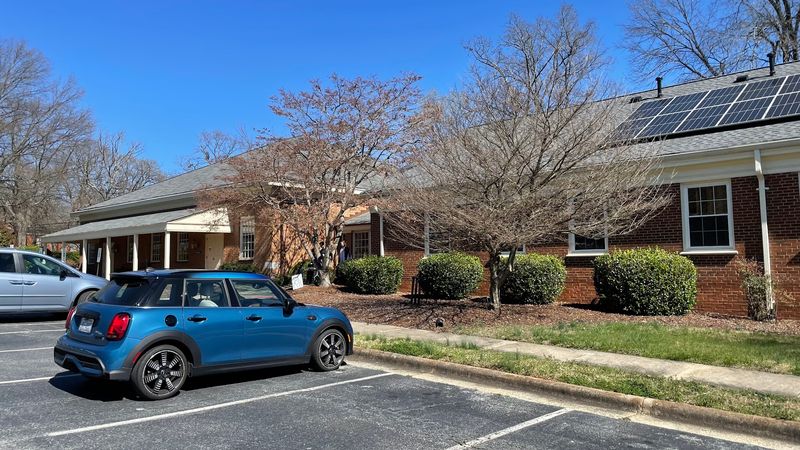
Plain benches, whitewashed walls, and no ornament anywhere: Quaker meeting houses were built for listening, and that simplicity still shapes the mood at New Garden.
Just minutes from the college woods in Greensboro, the meeting and its cemetery preserve one of the earliest chapters of organized resistance in the region.
Members here helped John Dimery in 1819, considered the earliest documented Underground Railroad case connected to this community.
Inside the meeting house, imagine long silences broken by hard conversations about conscience and law. The congregation eventually forbade ownership of enslaved people outright and turned words into action by sheltering and guiding those on the run.
Step outside and the cemetery rewards slow walking. The cemetery includes the graves of Vestal Coffin and his wife, Alethea, both connected to the New Garden community’s history.
Visit on a weekday morning for the calmest experience, and read the interpretive markers before wandering. Combining this stop with the nearby woods makes for a natural half-day pairing, since the two sites tell one continuous story.
9. Historic Halifax Underground Railroad Trail
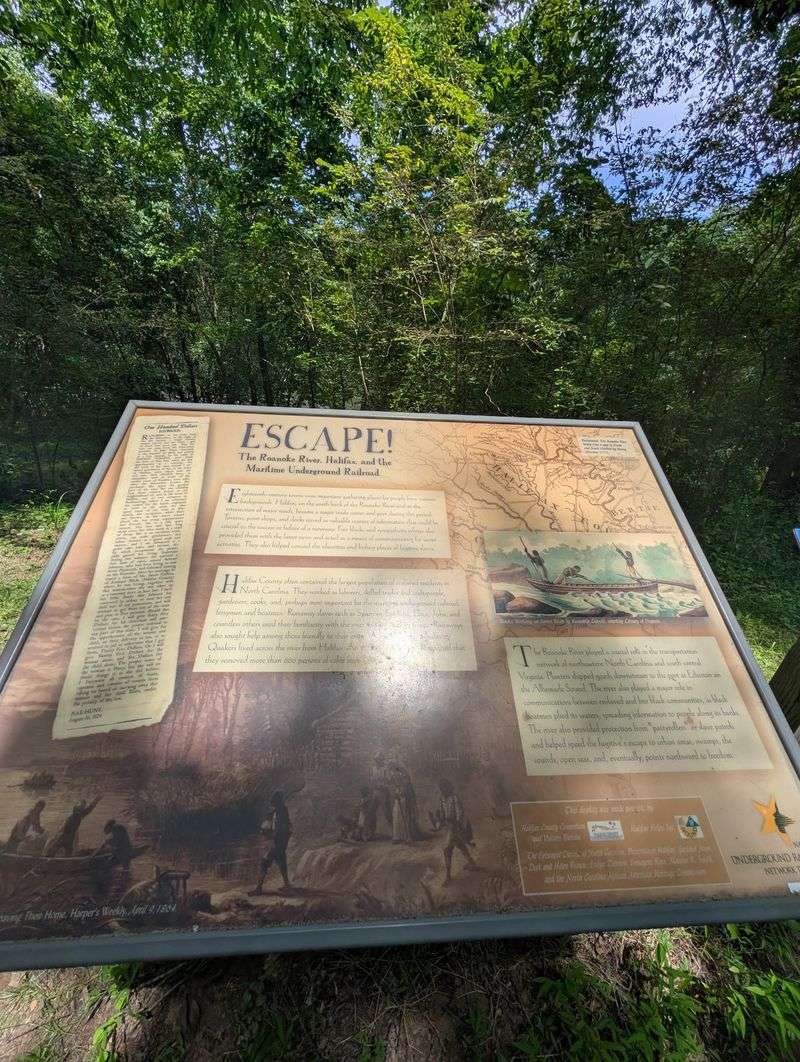
Three separate National Park Service Network to Freedom designations sit within Halifax County, which is remarkable for a town this small and this walkable.
Historic Halifax State Historic Site serves as the main entry point, and its trail markers lead visitors down toward the Roanoke River. Along the way you will find reproductions of wanted advertisements printed in newspapers of the day, each one naming a real person who chose risk over bondage.
Those notices land hard. Reading a description of someone’s height, clothing, and scars makes the history immediate in a way that no summary can.
The river itself was the escape route, wide and unpredictable, its currents strong enough to swamp a small boat. Standing on the bank, you understand why crossing took nerve.
Restored buildings add broader historical context, including the 1790 Eagle Tavern and the 1838 Jail. Grounds admission is free, so budget travelers can explore without hesitation.
Allow two hours, start at the visitor center for orientation, and bring water during humid summer months since much of the walking happens in open sunlight.
8. Somerset Place State Historic Site
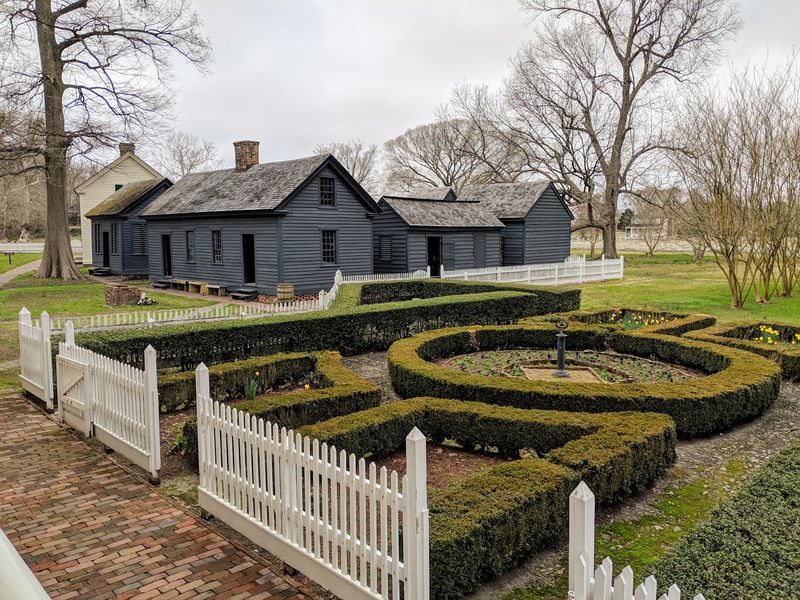
More than 850 enslaved people lived and labored on this ground, and Somerset Place does not soften that truth for visitors.
The site sits inside Pettigrew State Park near Creswell, with Lake Phelps stretching wide and glassy beyond the tree line. The address is 2572 Lake Shore Road, Creswell, NC 27928, and doors open Tuesday through Saturday from 9 a.m. to 5 p.m.
Reconstructed dwellings from the enslaved community stand near the original Collins family home, close enough that the contrast between them speaks for itself. The reconstructed hospital became the first interpreted plantation hospital associated with an enslaved community in the United States.
Guided tours run about 90 minutes and cover daily work, family life, medicine, and the routes some residents took toward freedom. Guides answer questions directly and without spin.
Cypress trees along the lakeshore give the grounds a still, mirrored beauty that sits uneasily beside the history, and that tension is part of what makes a visit memorable.
Arrive early enough to catch a scheduled tour, then linger on the lakefront path afterward. Bring insect repellent in warmer months and comfortable shoes for grassy ground.
7. Historic Edenton / Colonial Park
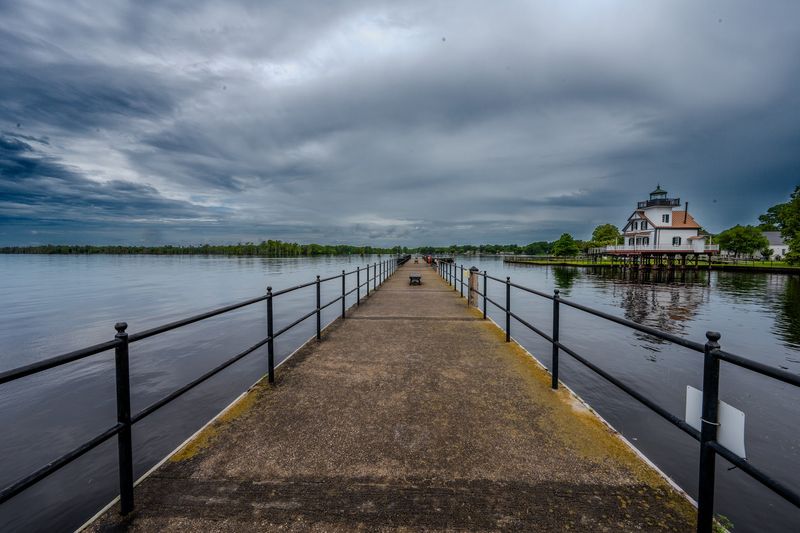
Harriet Jacobs spent nearly seven years hidden in a cramped crawlspace in this town before escaping by boat in 1842, and her story anchors everything you see along the water.
Edenton once ranked as the second-largest port in the state, which made its docks both a place of hard labor and a doorway to liberty. Colonial Waterfront Park, a recognized Network to Freedom site, looks out over Edenton Bay where those quiet nighttime departures happened.
Sailboats now bob where cargo vessels once loaded, and benches along the seawall catch a steady breeze off the sound. It is a fine spot for a picnic before or after touring.
The surrounding historic district is a walker’s reward: Victorian mansions with deep porches, brick sidewalks, and the imposing 1767 Chowan County Courthouse.
Guided tours leave from the Historic Edenton State Historic Site at 108 N. Broad St., Edenton, N.C. 27932, on most days.
Give yourself a full afternoon. Pair the walking tour with the waterfront, and the maritime escape routes suddenly make geographic sense.
6. Pasquotank River At Waterfront Park
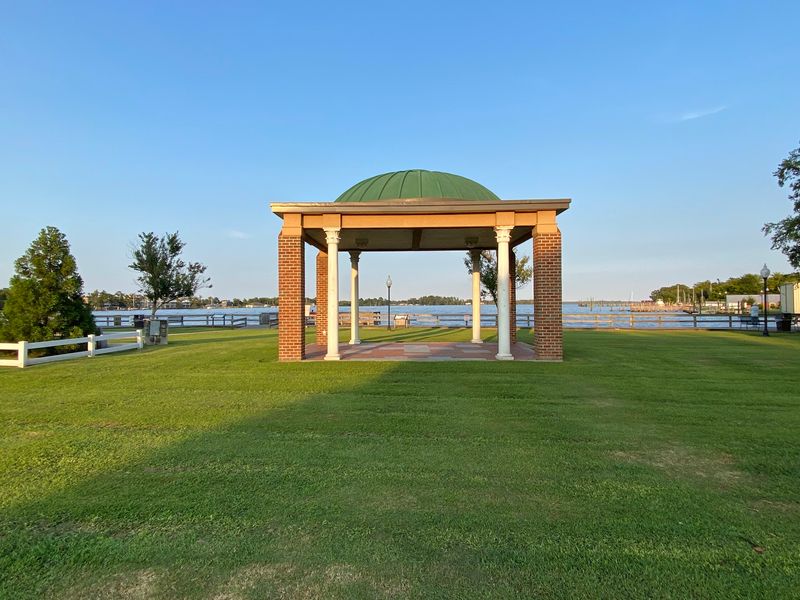
First in the nation: the Pasquotank holds the distinction of being the earliest river in the United States given an Underground Railroad Network to Freedom designation.
Waterfront Park sits along that river in downtown Elizabeth City, an easy stroll from shops and cafes. You can find it at 508 S Water Street, Elizabeth City, NC 27909, where a Network to Freedom marker explains the waterway’s role.
Between 1791 and 1840, enslaved people found passage aboard vessels heading north or toward the West Indies, frequently with help from free African American watermen who knew every channel and tide.
Those men were skilled navigators, and their quiet assistance turned an ordinary shipping route into an artery of escape.
Today the park offers a wooden riverwalk, a pavilion, and a gazebo where the water turns copper at sunset. Boaters tie up nearby, gulls wheel overhead, and the breeze carries a faint brackish smell.
Come at golden hour with a camera, then walk into downtown for dinner. The contrast between the peaceful modern scene and the courage it once demanded is worth sitting with.
5. Great Dismal Swamp State Park
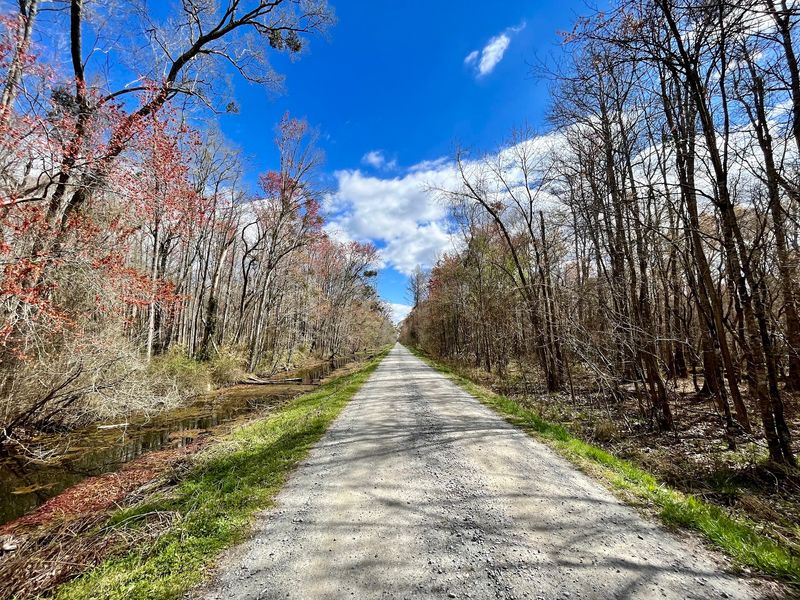
Some places hid people not because anyone built a hiding spot, but because the land itself refused visitors. The Great Dismal Swamp is exactly that kind of place.
Straddling the border between North Carolina and Virginia, this immense forested wetland gave shelter to freedom seekers who formed hidden communities deep inside, some living there for years beyond the reach of pursuers.
Dismal Swamp State Park currently offers about 21.5 miles of hiking and biking routes, including a half-mile accessible Swamp Boardwalk loop. Black bears move through the interior, river otters slip along the ditches, and warblers fill the canopy with sound each spring.
Paddling the historic canal offers another way to experience the wetland landscape while learning about its documented role in freedom seeking.
The park entrance is at 2294 U.S. 17 N., South Mills, NC 27976, with a visitor center to orient you first.
Bring insect repellent seriously, not casually, plus water and a hat. Spring and fall bring the most comfortable temperatures and the best wildlife watching.
4. Hotel D’Afrique Monument
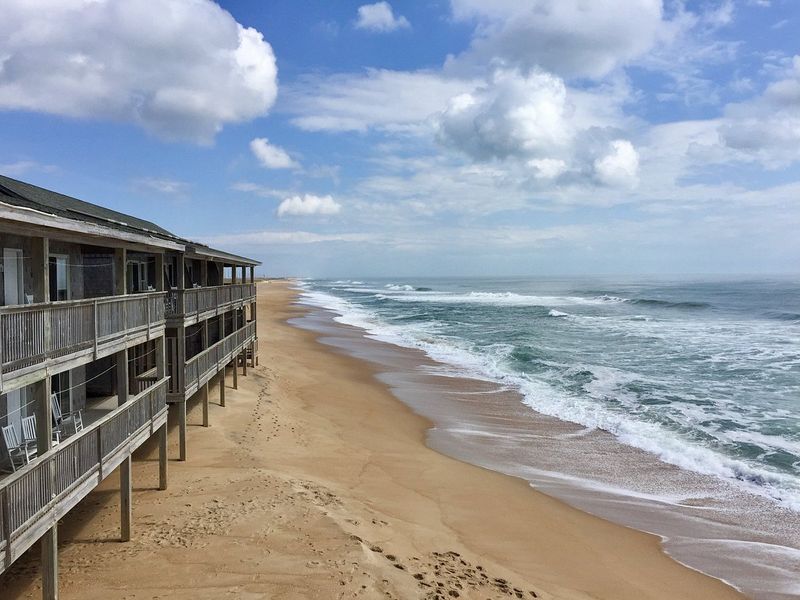
A single slab of black stone on a windswept island carries more weight than its size suggests.
The Hotel D’Afrique Monument honors a settlement founded in 1861 on Hatteras Island after a Union victory at Hatteras Inlet. It became one of the earliest organized safe havens in the state for self-emancipated people, then called contrabands, who arrived seeking shelter and work.
Dedicated in 2013, the marker stands near the entrance to the Graveyard of the Atlantic Museum, making it simple to combine with a maritime history visit.
Nothing remains of the original barracks. Salt air, storms, and shifting sand erased the buildings long ago, which is precisely why the monument matters so much.
Reading the inscription with wind pushing sea oats sideways and surf sounding just beyond the dunes gives the moment an intensity no indoor exhibit can match.
Stop here on the way to or from the ferry, since it takes only a short while. Then walk the museum galleries afterward for shipwreck stories and coastal history that round out the picture of life on this narrow strip of sand.
3. Roanoke Island Freedmen’s Colony At Fort Raleigh
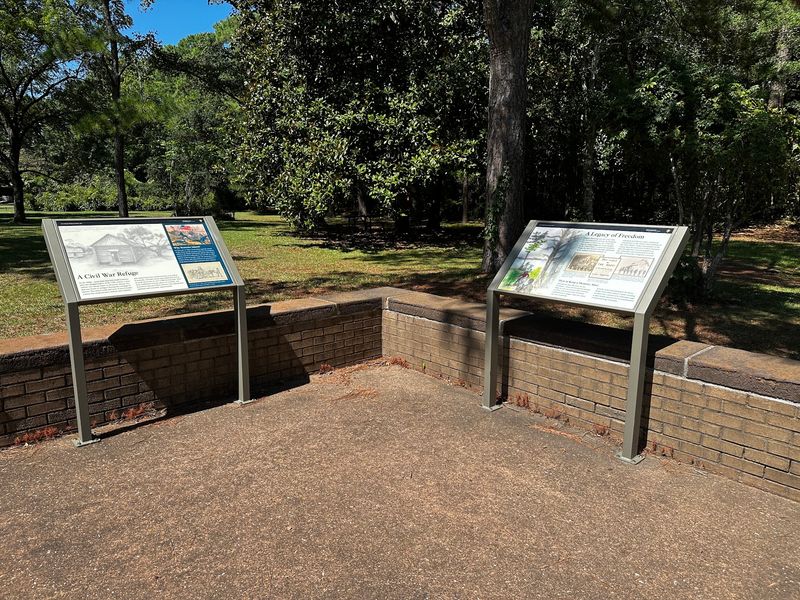
They called it the First Light of Freedom, and the name fits a settlement that gave thousands of people their first real taste of self-determination.
Established in 1863 at Fort Raleigh National Historic Site near Manteo, the Roanoke Island Freedmen’s Colony grew after Union forces occupied the island in 1862. Formerly enslaved families arrived from across the region, drawn by the promise of land, schooling, and community.
Residents built churches and schools, worked plots of ground, and organized their own daily life. Teachers came to instruct both children and adults who had been denied literacy.
The First Light of Freedom Monument stands just outside the visitor center, an easy first stop. The Freedom Trail runs 1.25 miles one way through forest to Freedmen’s Point near Croatan Sound; returning along the same route makes the walk about 2.5 miles.
Interpretive panels along the way describe housing, rations, illness, and the colony’s eventual closing, so the walk builds understanding step by step.
Pine needles cushion the path, and the water at the end glitters through the trunks. Combine the trail with the site’s other exhibits and plan on ninety minutes total.
2. Water Street Landing / Washington Waterfront
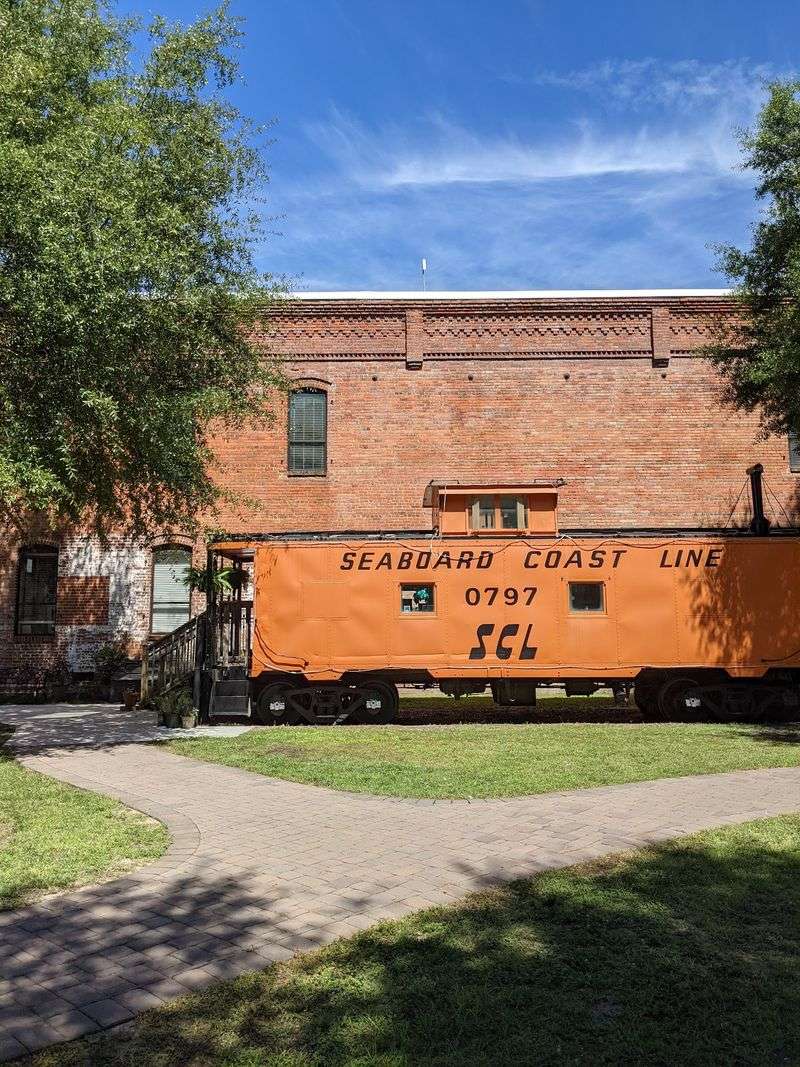
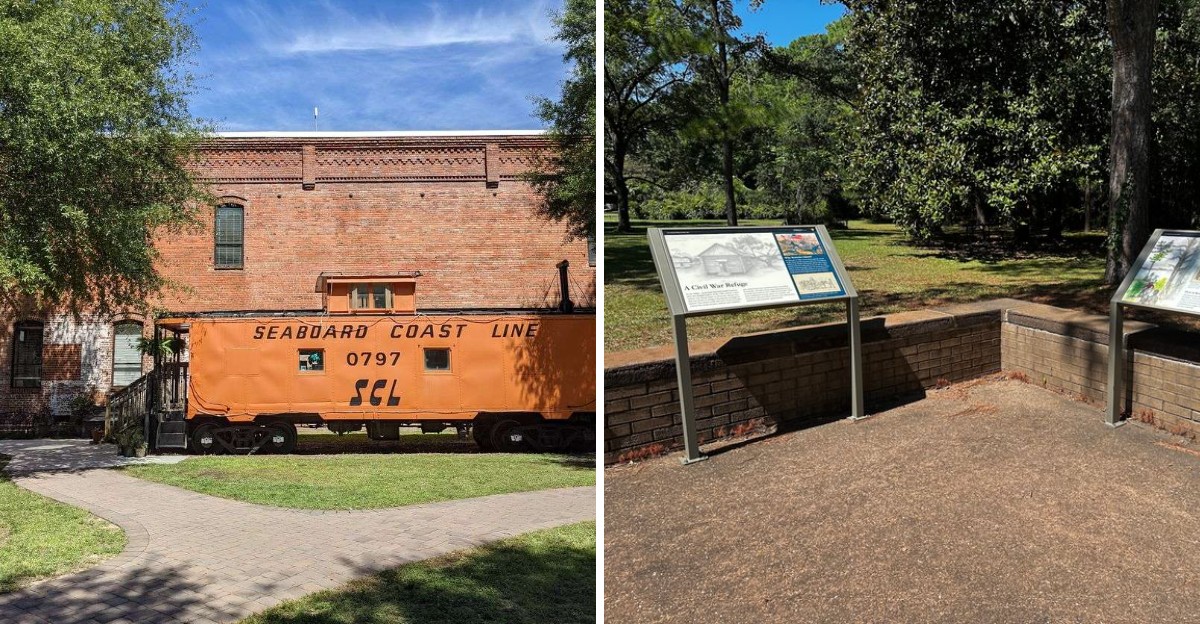
Look for the orange caboose. The restored railroad caboose on Washington’s waterfront houses a museum devoted to documented freedom-seeking history from Washington and the surrounding region.
Inside, exhibits draw on historical documents, narratives of formerly enslaved people, and research relating to freedom seeking in Washington and Beaufort County. Displays crowd every wall, and the small space somehow makes the information feel more personal.
Outside, the Pamlico River rolls past a boardwalk lined with docked boats. Washington’s waterfront has a documented connection to maritime freedom seeking, in which rivers and vessels offered possible routes beyond slaveholding territory.
The Washington waterfront and museum are distinct from Water Street Landing in Plymouth, another North Carolina Network to Freedom site.
Strolling the boardwalk at dusk, with pelicans overhead and halyards clinking softly, you can picture a small boat pushing off without a lantern.
Check museum hours before visiting since the caboose keeps a limited schedule. Downtown restaurants sit within a two-minute walk, making this an easy afternoon stop with a meal attached.
1. Orange Street Landing
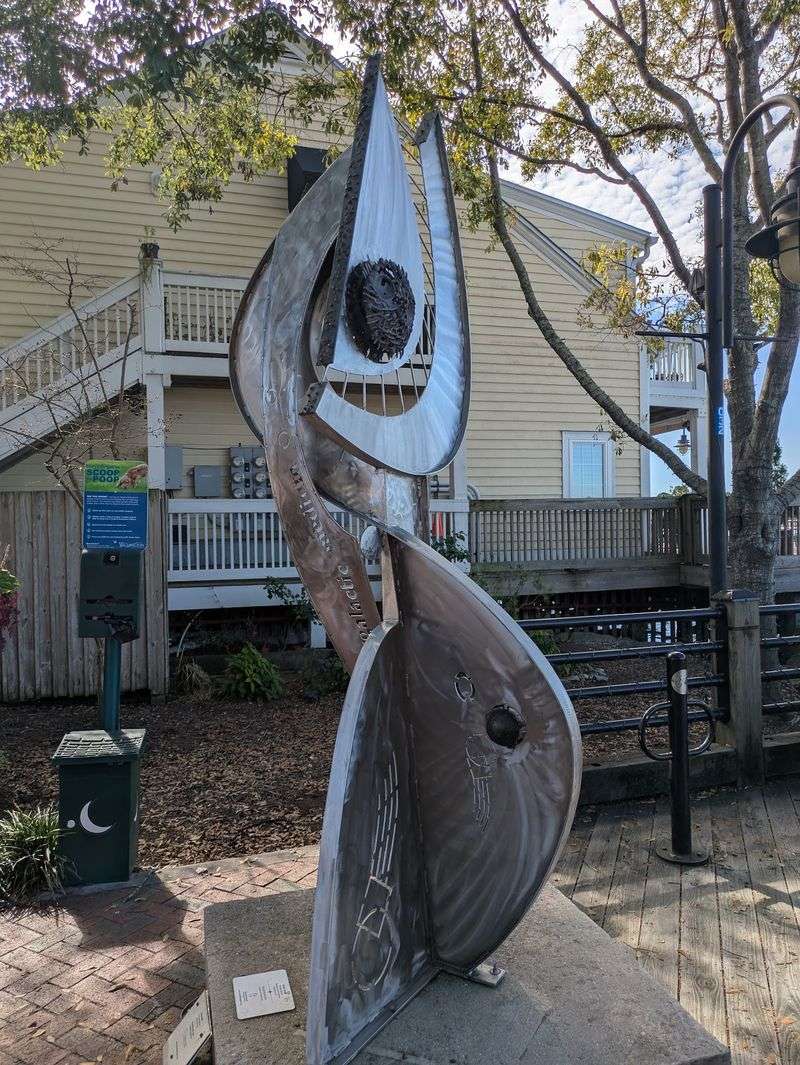
On September 21, 1862, twenty-two enslaved people took three boats from the foot of Orange Street and rowed 28 miles down the Cape Fear River to reach Union ships. That single night says everything about what this landing meant.
By 1840 Wilmington ranked as the largest port city in the state, and its crowded wharves gave enslaved dockworkers something rare: information, access to vessels, and contact with sympathetic captains and crews willing to take enormous risks.
Orange Street Landing now carries federal recognition as a National Underground Railroad Network to Freedom site. The historical marker stands at or near 200 S Water St, Wilmington NC 28401, where panels tell individual stories.
One belongs to William Benjamin Gould, whose surviving diary offers a rare firsthand account of escape and service at sea.
The small riverfront park frames wide views of brown tidal water, passing tugs, and the bridge downriver. Benches invite you to sit rather than rush.
Visit in the morning before the boardwalk fills, then continue along the riverwalk toward downtown shops and restaurants for a full day of exploring.