More Than 70 Shows Have Premiered At This Connecticut Theater Including One That Won Broadway’s Biggest Prize
Most theaters are places where shows arrive after the big decisions have already been made.
This one has spent decades being part of the beginning.
New productions have taken shape here before moving on to much larger stages, which gives the building a sense of creative possibility every time the lights go down.
In Connecticut, this theater has premiered more than seventy shows and helped launch work that later earned Broadway’s highest recognition.
Would you watch a new production differently if you knew it might be the one everyone talks about a year from now?
That possibility adds a little electricity to the room.
You are not simply sitting down for an evening performance.
You are entering a place where audiences have watched future hits before the rest of the country knew their names.
The history matters, but the exciting part is that the next big story could still begin here.
1. Decades Of Big Theater Started With Humble Roots
Shakespeare in a grocery warehouse. That was the opening act.
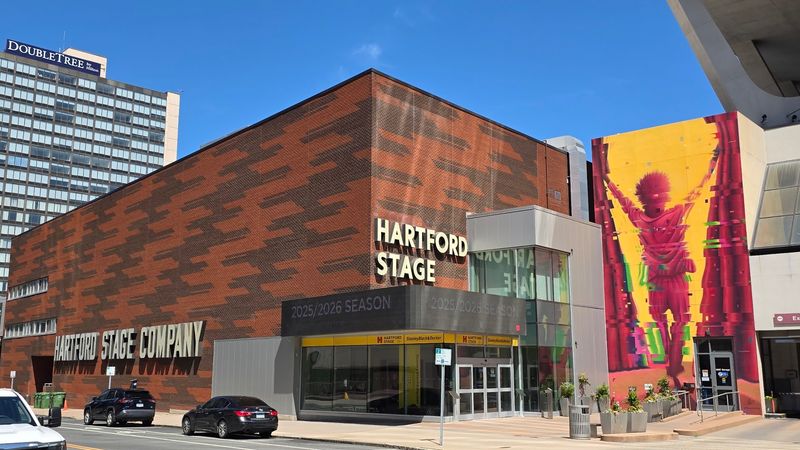
Back in 1964, audiences gathered on Kinsley Street for Othello, the production that officially launched Hartford Stage and hinted that this new company was not interested in playing it safe.
The setting was modest, but the ambition kept growing. Over the decades, the theater expanded its reach with seasons that balanced classic works with newer voices, eventually building a reputation far beyond the city.
More than 70 world premieres would follow, giving playwrights a place to develop work before some productions moved on to larger stages.
One of the biggest milestones arrived in 1989, when the company received the Regional Theatre Tony Award. The honor recognizes outstanding work by professional regional theaters across the United States, placing Hartford Stage among a select group of nationally respected companies.
That history still shapes what audiences see today. Seasons tend to feel adventurous rather than predictable, with productions that can introduce unfamiliar stories alongside established favorites.
Knowing how the theater started makes the experience even more memorable. What began in an unlikely warehouse has grown into a company whose work has reached Broadway, including A Gentleman’s Guide to Love and Murder, which later won the Tony Award for Best Musical.
2. Church Street Puts The Stage Right Downtown
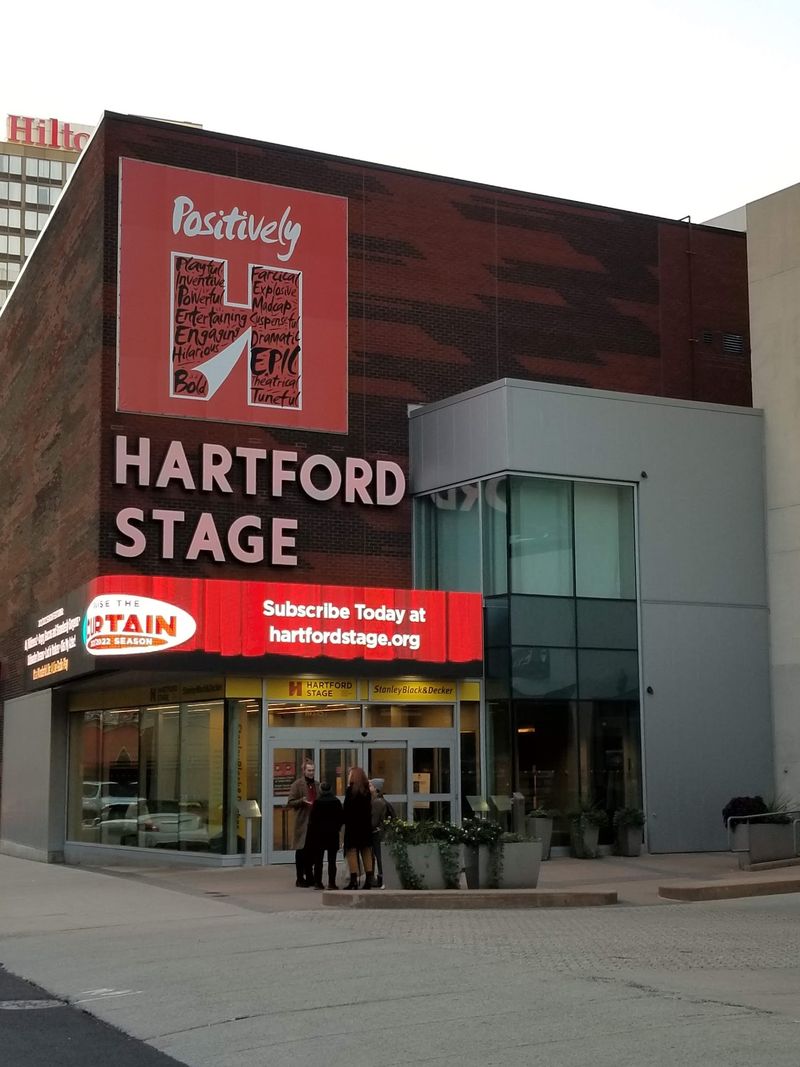
Dinner, curtain, done. Hartford Stage makes a full night out surprisingly easy because the theater sits right in downtown Hartford rather than beyond the city center.
Parking is simpler than many first-time visitors might expect. The MAT Garage is next to the theater and offers a special performance rate for Hartford Stage patrons, while several other parking options are within a short walk.
That central setting also makes dinner before the show an easy addition. Restaurants and hotels are close enough that visitors can arrive early, eat nearby, and walk over without getting back in the car.
The theater even maintains a list of nearby dining and lodging partners.
Getting downtown is fairly straightforward from major routes serving Hartford, making an evening performance realistic for visitors coming from other parts of the state. Public transportation is another option, with Union Station within walking distance.
The theater itself keeps the experience comfortable once guests arrive, with accessible entrances and seating accommodations available. Hartford Stage welcomes audiences at 50 Church Street, Hartford, CT 06103.
That downtown address helps turn a performance into more than a quick stop. With dinner nearby and convenient parking, the evening can feel planned without requiring much planning.
3. An Old Grocery Warehouse Started The Story
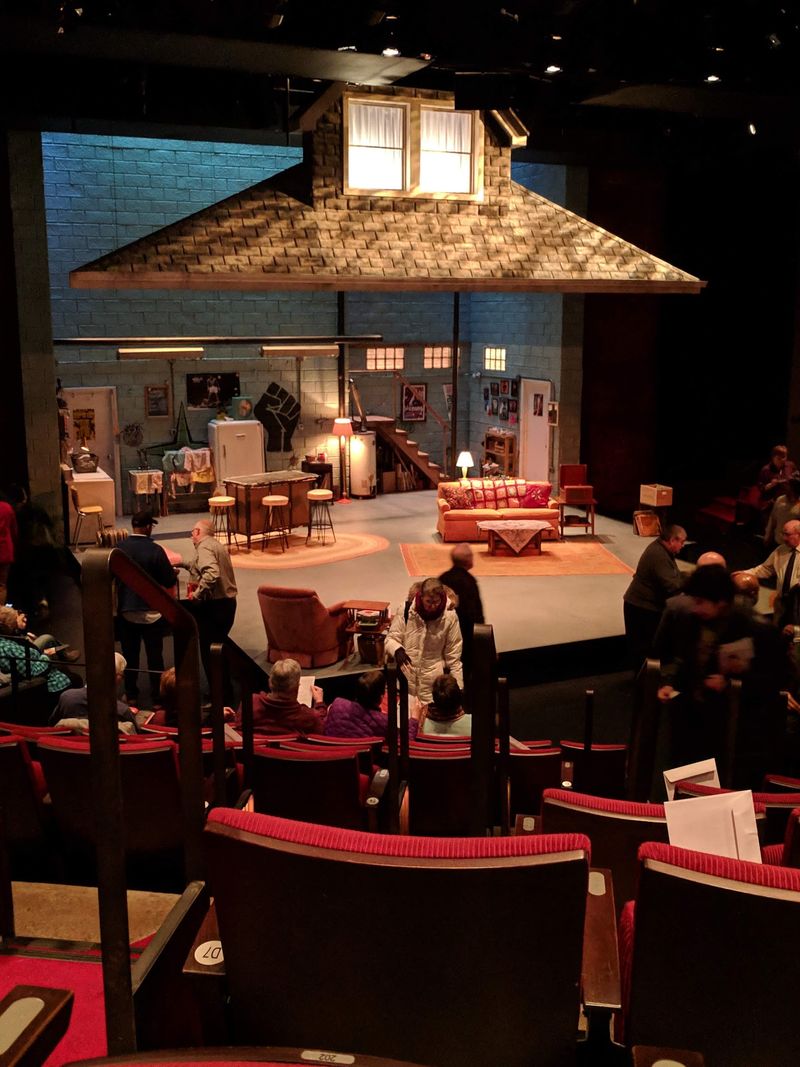
Grocery boxes came before Broadway dreams. That unlikely beginning is part of what makes this theater’s history so much fun.
Back in 1963, the company started working out of a former grocery store warehouse on Kinsley Street, turning an ordinary commercial space into a home for live performance.
Audiences soon had good reason to pay attention. The first season opened in April 1964, and the young company quickly developed an appetite for ambitious productions.
Its surroundings may have been modest, but the goals clearly were not.
Change arrived in 1968 when Paul Weidner took over leadership and oversaw the move into the theater’s present home. The 489-seat John W.
Huntington Theatre was designed by renowned American architect Robert Venturi, giving the growing company a permanent space that matched its larger ambitions.
That move marked an important turning point. Seasons continued to mix classic works with contemporary productions, helping Hartford Stage build a reputation that eventually stretched far beyond the city.
The contrast still makes its story memorable. What began inside a converted grocery warehouse became a nationally recognized regional theater with productions that later traveled much farther.
Big theatrical careers can start in surprisingly ordinary rooms.
4. More Than Seventy World Premieres Began Here
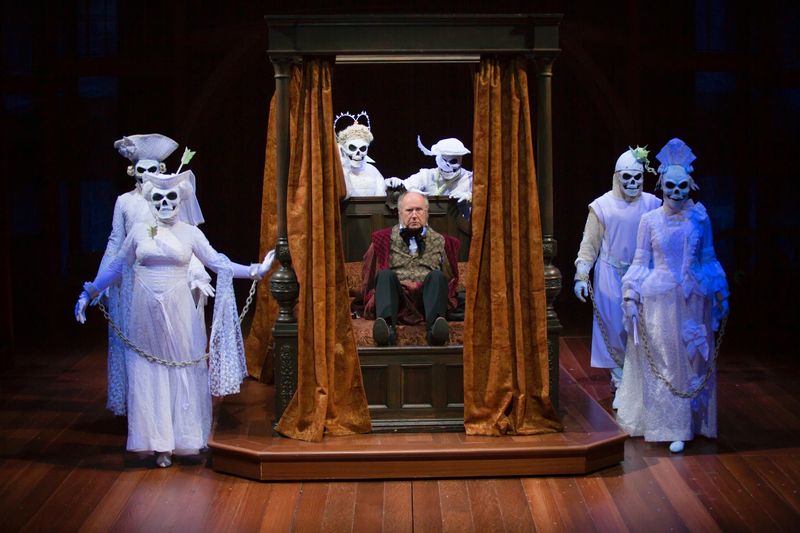
Seventy is a big number when you are talking about brand new plays. In its first fifty years, Hartford Stage produced more than seventy world premieres, meaning audiences here saw those works before anyone else anywhere.
Developing new material is slow, uncertain work. Scripts get rewritten, scenes get cut, songs get replaced, and sometimes an entire ending changes between workshop and opening night.
Hartford Stage has built that process into its identity. Plays commissioned and developed at the theater have gone on to further productions regionally and in New York, including runs both on and off Broadway.
For theatergoers, that commitment creates a genuinely appealing possibility. Buy a ticket to a new title and you might be watching the earliest version of something that becomes widely known a few years later.
Here is a practical tip if you enjoy that sort of gamble. New work often rewards audiences who arrive without expectations, since there is no film version or cast recording shaping how you think the story should go.
Longtime attendees frequently describe the programming as adventurous, and the theater’s track record explains why. Premieres are not occasional experiments here, they are a core part of how the company understands its purpose in American theater.
5. One Original Musical Went On To Win Best Musical
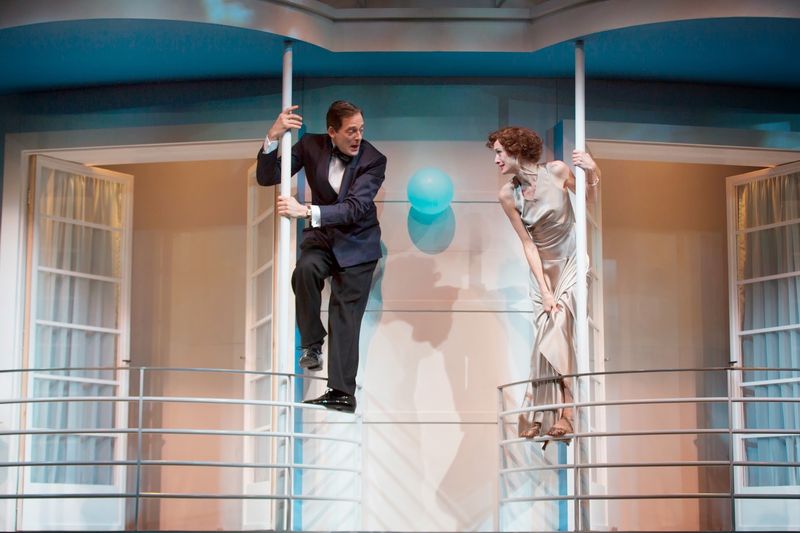
Every theater that develops new work hopes for a breakthrough. Hartford Stage got an extraordinary one when an original musical that premiered there eventually reached Broadway.
The production moved on to New York and won four Tony Awards in 2014. Its honors included Best Musical, along with Best Direction of a Musical.
The success did not happen overnight. About six months before its Hartford premiere, the production went through a workshop at the theater, giving the creative team valuable time to shape the material before opening night.
That development period shows one of the important roles regional theaters can play. A production can experiment, make adjustments, and grow before facing the pressure of a Broadway audience.
The achievement also put a Connecticut theater into the national spotlight. Broadway’s top musical honor could be traced back to a 489-seat theater on Church Street in Hartford.
That history gives today’s audiences another reason to pay attention when an unfamiliar production appears on the season calendar. Something being developed on that stage could eventually travel far beyond the state.
6. Classic Stories Share The Calendar With New Work
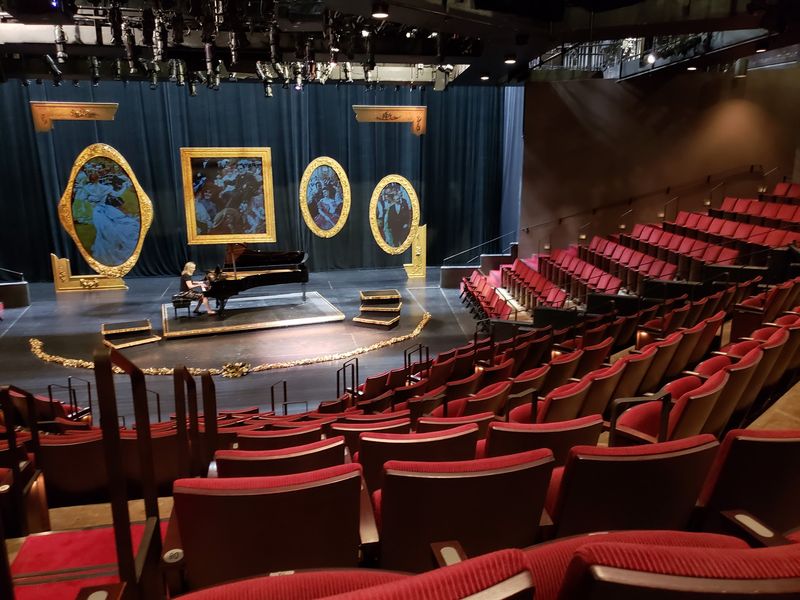
A season here rarely feels predictable, and that is by design. Alongside all those premieres, Hartford Stage has built a strong reputation for inventive revivals of classic plays.
The list of playwrights whose work has appeared on this stage reads like a survey of theater history. Shakespeare, Moliere, Ibsen, Schnitzler, Tennessee Williams, and Edward Albee have all been represented, often in productions that rethink familiar material rather than simply reproducing it.
Then the calendar shifts. Provocative new plays and musicals appear beside those established titles, giving a single season a genuinely wide range.
That balance serves different kinds of audiences well. Someone attending their first play might feel more comfortable starting with a story they already know, while regular subscribers often gravitate toward whatever they have never encountered before.
Recent seasons have included well-known musical theater titles as well, and audiences frequently comment on the strength of the design work, particularly sets and lighting that use the space cleverly.
If you are planning a year of theatergoing, checking the full season before choosing tickets is worth the few minutes. Mixing one classic with one unfamiliar new piece tends to be the most enjoyable approach, and it captures what this company actually does best.
7. Holiday Performances Have Become A Local Tradition
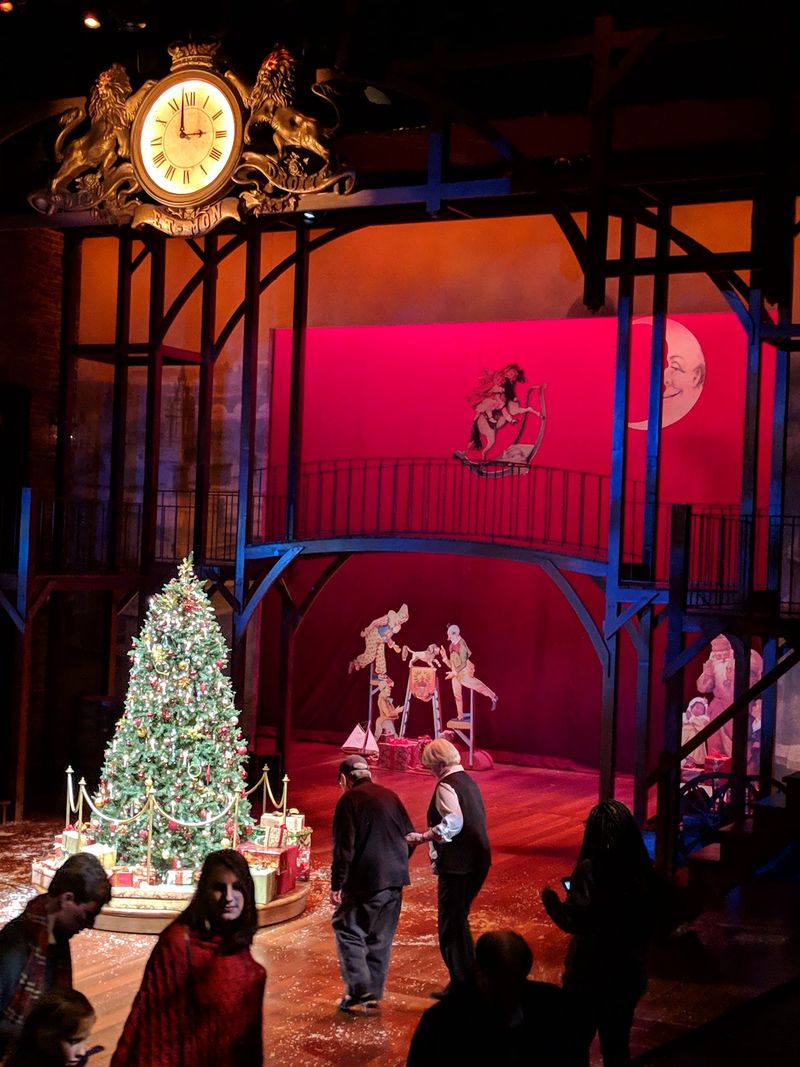
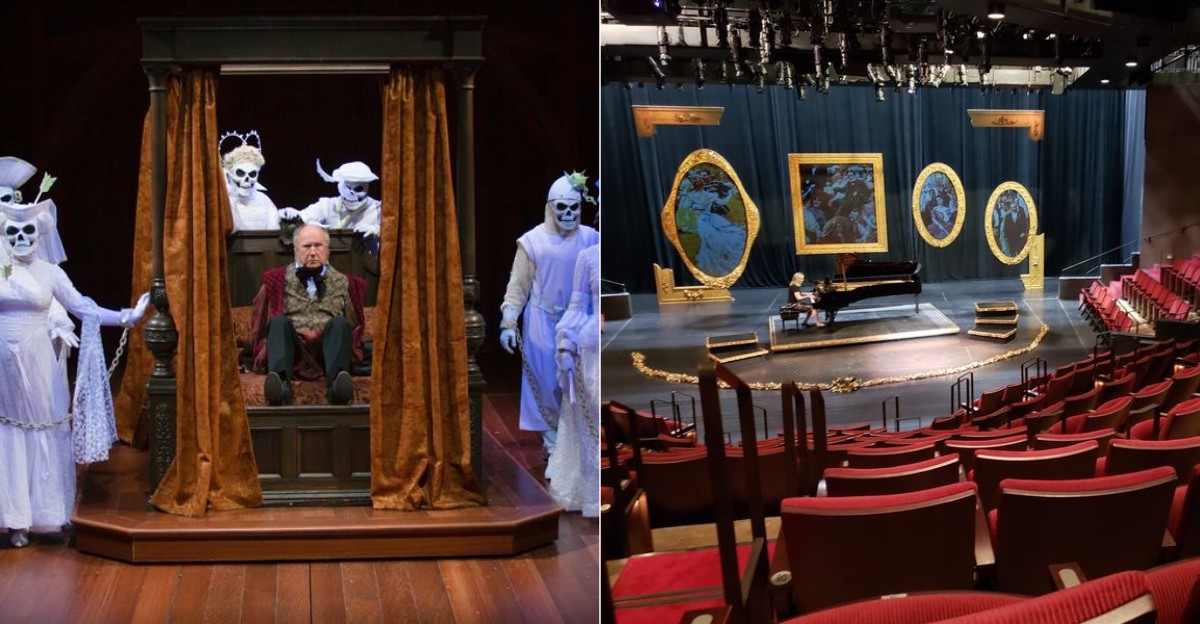
December has a star attraction here. A Christmas Carol: A Ghost Story of Christmas has become one of Hartford Stage’s longest-running traditions, returning each holiday season with elaborate staging and plenty of theatrical spectacle.
The production was introduced in 1998 and was adapted by former artistic director Michael Wilson. Since then, generations of students and families have seen the show, with more than 100,000 students attending performances over the years.
Dickens supplied the familiar story, but this version gives the supernatural side plenty of attention. Lighting, scenery, costumes, and special effects help turn Scrooge’s journey into something much bigger than a simple retelling.
The 2026 run is scheduled from November 21 through December 27, giving audiences plenty of opportunities to make it part of their holiday plans.
Accessibility is also built into the season. A sensory-friendly performance is scheduled for December 5, 2026, with softened technical effects, relaxed house rules, and a quiet room available for guests who need a break.
Hartford Stage also provides an assistive listening system for every performance. That combination of tradition and thoughtful planning helps explain why this production keeps returning year after year.
8. Planning A Visit That Feels Effortless
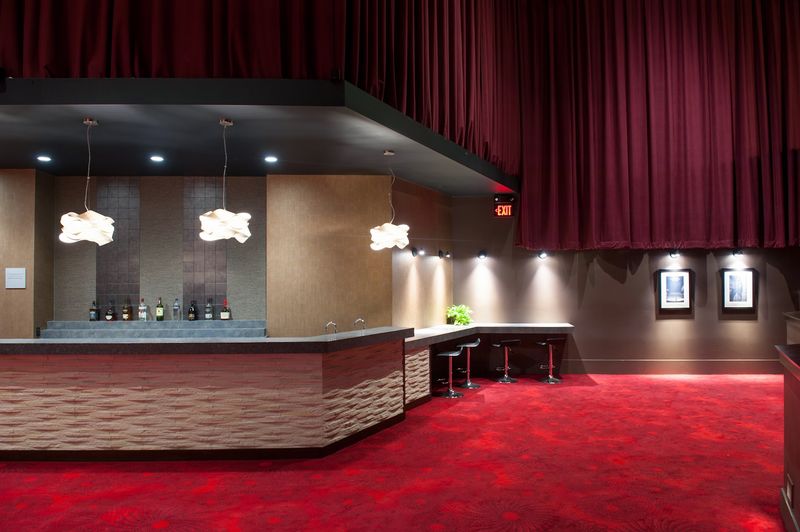
Show night should be fun, not a logistical puzzle. Hartford Stage makes the practical side surprisingly simple, which means more energy can go toward the performance instead of figuring out where to park.
The MAT Garage sits directly beside the theater, keeping the walk pleasantly short when the weather turns cold. Other parking options are available nearby, so downtown visits do not have to begin with a long search for a space.
Arriving a little early still pays off. Light refreshments are available around performance times, and getting settled before curtain leaves room to enjoy the atmosphere without racing toward your seat.
Families have another reason to know this theater beyond its regular productions. Hartford Stage offers education programs for young performers, including classes and student-focused opportunities that introduce kids to theater in a more hands-on way.
Accessibility is treated seriously as well. Guests can request accessible seating, assistive listening devices, large-print programs, and other accommodations designed to make performances easier to enjoy.
The surrounding downtown blocks add flexibility to the evening. Restaurants are within walking distance, making dinner before curtain an easy addition.
Instead of treating the performance as the entire plan, visitors can turn a ticket into a relaxed night out in Hartford.