12 Charming Little Towns In Maryland Where You’re Never A Stranger
Maryland is small enough that you can cross it in an afternoon, which feels like cheating. The trouble is that speed makes you miss the good parts.
Somewhere between the highway exits are towns with one main street and roughly four stoplights. The coffee shop owner will ask where you are from before your order is ready.
Somebody at the next table will recommend a bakery, then draw you a map on a napkin. You will pass the same three people twice and start nodding like a local.
The antique store has a cat with opinions about who gets petted. The waterfront ones smell like salt and steamed crabs, and nobody rushes your lunch.
These places run on conversation rather than traffic. You arrive planning a quick stop and lose two hours without noticing.
Bring comfortable shoes and a genuine willingness to chat with people. That is honestly the whole itinerary.
1. Berlin
Being crowned the Coolest Small Town in America is a lot to live up to. Berlin pulls it off without breaking a sweat.
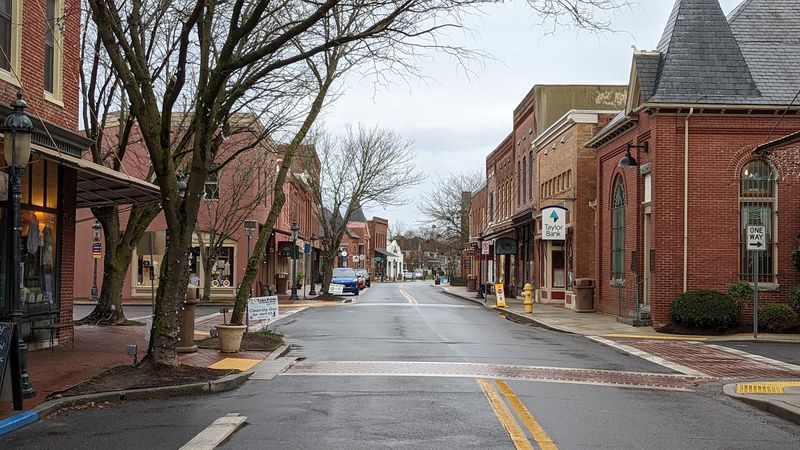
Victorian storefronts line the historic district, and brick sidewalks connect galleries, cafes, and antique shops. Murals show up in alleys where you least expect them.
Film buffs may recognize the streets from Runaway Bride and Tuck Everlasting. Hollywood came, filmed, and left the charm behind.
The Calvin B. Taylor House Museum sits at 208 Main Street, Berlin, Maryland.
Inside, you get a look at how a small Eastern Shore banking family once lived.
Two other museums make the town even quirkier. There is a Mermaid Museum and a Ghost Museum, both playing up local legend with a wink.
Festivals fill the calendar all year long. Open-air concerts and outdoor movie nights bring neighbors out with folding chairs and blankets.
Artisan workshops give you a chance to watch makers actually work. Potters, jewelers, and painters keep their doors open to curious visitors.
Shopping here is refreshingly free of chain stores. Independent owners tend to remember faces, and they often ask where you drove in from.
Ocean City sits a short drive east, so Berlin makes a calm home base. Beach traffic fades, and the pace slows down considerably.
2. St. Michaels
Legend says townspeople once hung lanterns in the trees to fool passing ships. Whether or not that is true, the story still gets told here.
What you can verify is the harbor, packed with sailboats and skipjacks. Talbot Street runs through the middle with boutiques and restaurants elbow to elbow.
The Chesapeake Bay Maritime Museum anchors the waterfront at 213 N Talbot Street, St. Michaels, MD 21663. Its screwpile lighthouse is one of the most photographed sights on the Eastern Shore.
Boat builders work on site restoring wooden vessels. You can watch shavings curl off a plank and understand why the craft takes decades to learn.
Inns and bed and breakfasts outnumber big hotels by a wide margin. Innkeepers here tend to know the best crab spots and share freely.
Shopping leans toward local art, nautical antiques, and kitchen goods. Nothing feels mass-produced, which is part of the appeal.
Crab houses serve steamed blue crabs on paper-covered tables. Bring patience and a mallet, because picking crabs is a slow art.
Ecology tours and paddling trips head out into the shallow coves. Herons, ospreys, and terrapins make regular appearances.
Come off-season and the town belongs to locals again. Conversations get longer and parking gets easier.
3. Chestertown
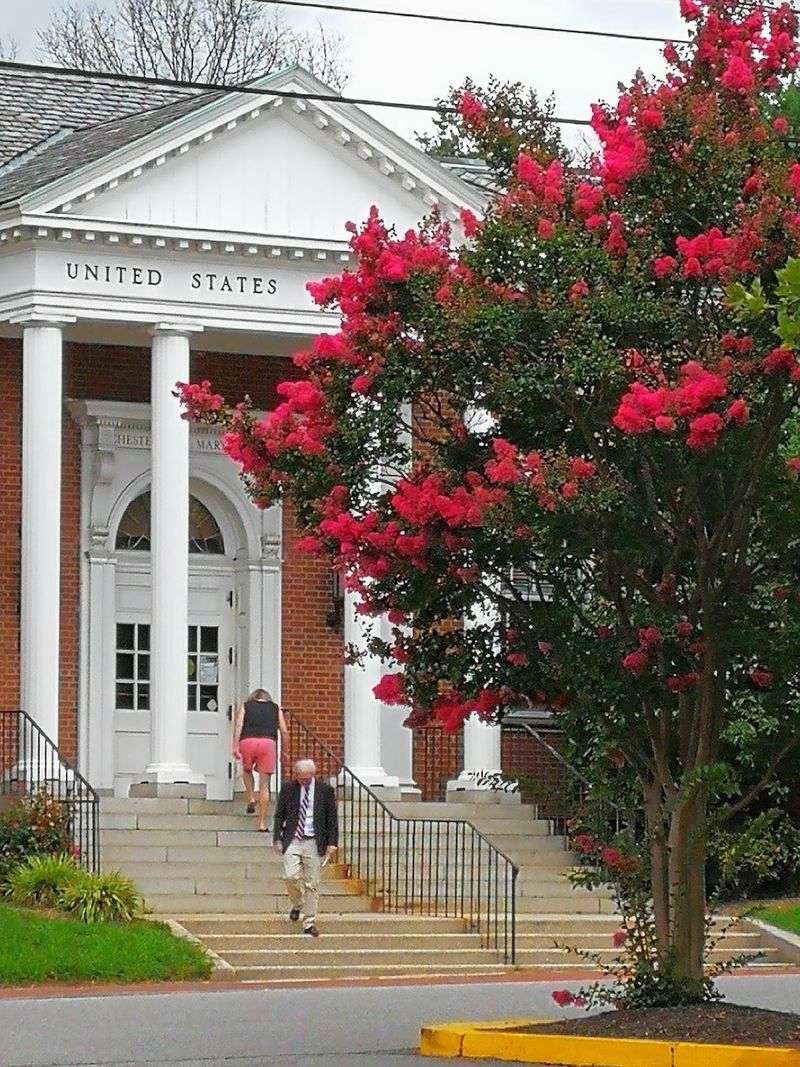
Few towns wear their eighteenth century so comfortably. Chestertown has one of Maryland’s largest historic districts, and the restored colonial homes are still lived in.
High Street runs down to the Chester River with brick sidewalks the whole way. Antique shops, inns, and restaurants share space with galleries and working studios.
The White Swan Tavern stands at 231 High Street, Chestertown. It has served travelers since colonial times and remains a landmark.
Washington College sits at the edge of downtown. Founded in 1782, it is the tenth-oldest liberal arts college in the country.
Students keep coffee shops busy during the school year. Their energy mixes easily with the town’s slower rhythms.
Wilmer Park gives you open lawn right on the river. Locals bring dogs, kites, and folding chairs for sunset.
Saturday mornings belong to the farmers market. Growers, bakers, and flower sellers set up and neighbors catch up between stalls.
Some galleries occupy buildings that predate the Revolution. Low ceilings, wide floorboards, and modern canvases make an odd but lovely pairing.
Sailing traffic drifts past the town dock all summer. You can sit and watch masts move against old rooftops for an hour without noticing time.
4. Oxford
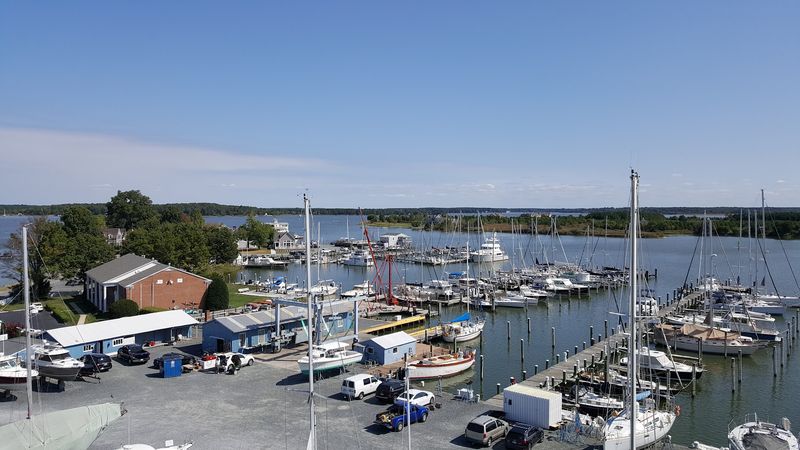
Quiet is not a shortcoming here. Quiet is the entire point of Oxford.
The town sits on the Tred Avon River, wrapped in water on three sides. Sailboats outnumber traffic lights by an embarrassing margin.
Its most famous feature has been running since 1683. The Oxford-Bellevue Ferry is considered America’s oldest privately owned ferry.
You can board at Oxford Landing, 101 Strand, Oxford. Cars, motorcycles, bikes, and walk-on passengers all make the short crossing.
The ride takes only minutes but feels like a small ceremony. Water opens on both sides and the far shore approaches slowly.
The Oxford Museum collects local history in a modest space. Shipbuilding, oystering, and old family stories fill the displays.
The Oxford Community Center hosts concerts, classes, and gatherings. It is where the town’s social life actually happens.
Walking the Strand along the water takes maybe twenty minutes. Benches face west, which makes evenings especially rewarding.
Cyclists often loop in from St. Michaels using the ferry as a shortcut. The flat roads and marsh views make the ride easy.
Expect to be greeted by strangers on porches. In a town this size, ignoring people would take real effort.
5. Rock Hall
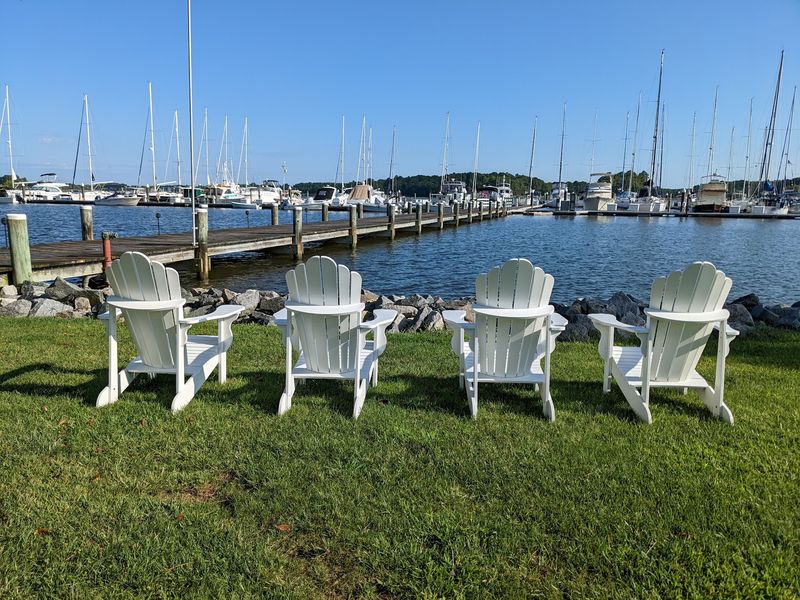
They call it the Pearl of the Chesapeake, and the nickname fits. Rock Hall is still a working waterman’s town, not a stage set.
The harbor is the center of everything. Crab boats come and go, and gear stacks up on the docks in cheerful disorder.
The Waterman’s Museum explains the life behind the boats at 20880 Rock Hall Ave., Rock Hall. Tools, photos, and boat models tell the story plainly.
Wild marshes fringe the shoreline in every direction. Tall grass, still water, and huge skies make the landscape feel bigger than the map suggests.
Eastern Neck National Wildlife Refuge sits just south of town. Birders show up with binoculars and stay until the light goes.
Rock Hall Beach at Ferry Park is small and calm. Swimming here is gentle, and sunsets over the bay draw a nightly crowd.
Boating, fishing, and crabbing fill most summer days. Charter captains take beginners out and explain everything twice.
Bikes work better than cars for getting around. Flat roads run past farm fields and marina docks.
Conversations start easily at the marinas. Ask about the tide and you may get a twenty-minute answer with helpful advice.
6. Snow Hill
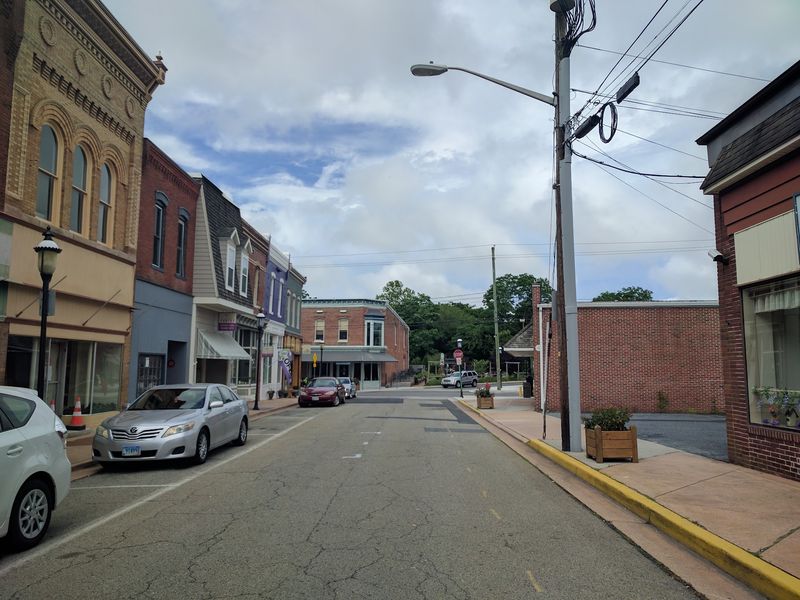
A cypress-lined river running past Victorian porches sounds made up. Snow Hill has exactly that.
The Pocomoke River curls along the edge of town, dark and slow. Kayakers and canoeists paddle beneath overhanging trees that filter the light.
Downtown is compact and full of surprises. Murals brighten brick alleys, and small galleries share the block with cafes and shops.
The historic district holds beautifully kept homes from the Victorian era. Wide porches and detailed trim make a simple walk worthwhile.
Furnace Town Living Heritage Museum sits at 3816 Old Furnace Road, Snow Hill. Costumed interpreters recreate nineteenth-century village work around an old iron furnace.
Blacksmiths, weavers, and printers demonstrate their trades there. Kids tend to forget they are learning anything.
Pocomoke River State Park offers trails through loblolly pine and bald cypress. Wildlife sightings are common and quiet is guaranteed.
Fishing along the river draws steady regulars. Bass and perch keep them coming back season after season.
Rentals in town make paddling easy without owning gear. Outfitters point you toward the calmest stretches.
Shopkeepers here remember returning visitors. Come twice and you will get asked about your last trip.
7. Chesapeake City
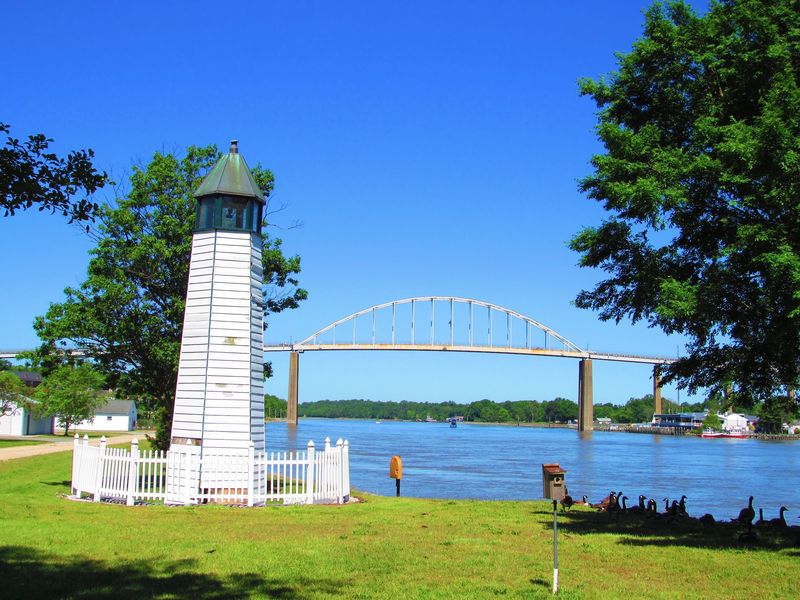
Watching an ocean-going cargo ship glide past a nineteenth-century porch never stops being strange. That is daily life along the C&D Canal.
Chesapeake City grew up around that waterway, and the canal still shapes the town. Big vessels pass close enough to read their names.
Restored nineteenth-century buildings fill the compact historic district. Many are listed on the National Register of Historic Places.
The C&D Canal Museum occupies the original 1829 pump house at 815 Bethel Rd, Chesapeake City. It houses the largest water wheel ever built in the United States.
Pell Gardens gives you a green waterfront spot to sit. Concerts and small events pop up there through the warm months.
Shops and waterfront restaurants share the same few blocks. You can park once and walk everywhere without complaint.
Chesapeake Water Tours runs sightseeing cruises along the canal. Seeing the town from the water changes your sense of scale.
The Ben Cardin Recreational Trail follows the canal for miles. Walkers, runners, and cyclists share the flat, easy path.
The tall arched bridge overhead frames the whole scene. Photographers line up for it, especially near sunset.
8. Port Deposit
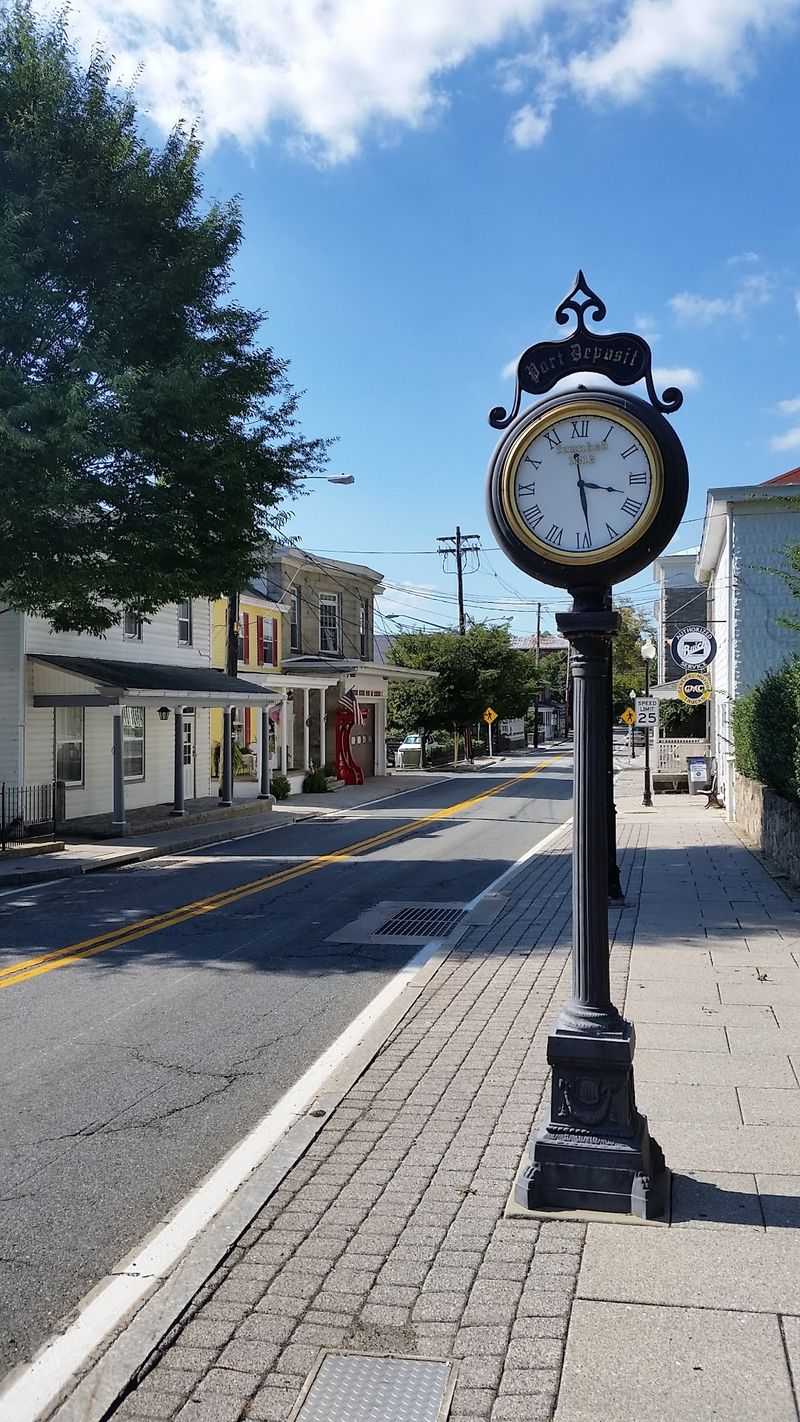
A town one street wide, pressed between granite cliffs and a wide river, should not work. Port Deposit does, and it has for centuries.
The Susquehanna River runs along the east bank here. Ships from the Chesapeake once came this far north and no farther.
That made the town a serious port in its day. Lumber, grain, and granite moved through on their way to bigger markets.
Local granite built some of the buildings you still see. The stone gives the whole street a solid, weathered look.
The Tome Visitor Center occupies the restored historic Tome Gas House at 1200 Rowland Drive, Port Deposit. Exhibits cover the town’s heritage and river connection.
Marina Park opens the view wide. From there the Susquehanna looks less like a river and more like a lake.
Anglers work the shoreline through much of the year. Bass fishing draws people from well outside the county.
Bald eagles nest in the area and hunt over the water. Look up often and you will be rewarded.
Traffic is minimal, which makes strolling pleasant. Neighbors chat from doorsteps and the pace stays unhurried.
9. Leonardtown
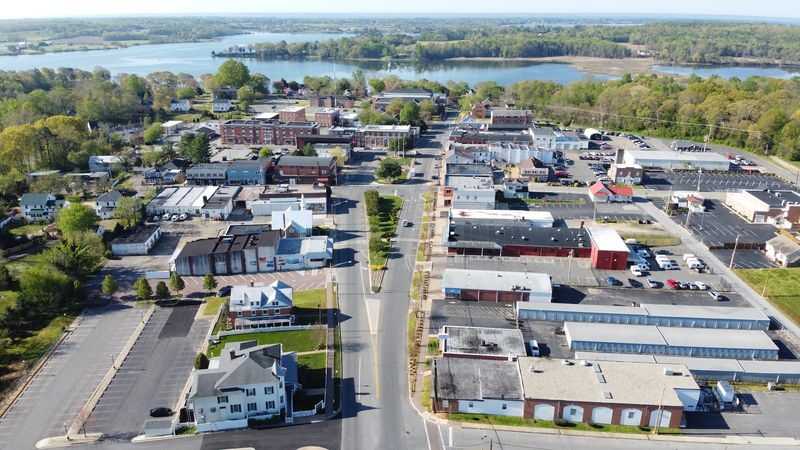
Southern Maryland does not get enough credit, and Leonardtown is the proof. History, art, and open water all share the same small footprint.
The town square hosts community events and festivals through the year. Shops and restaurants wrap around it in tidy rows.
The Leonardtown Visitor Center and Old Jail Museum stand at 41655 Fenwick Street, Leonardtown. The old jail cells are still there, which makes for a memorable stop.
Leonardtown Wharf Park drops you right on the water. Kayak launches, a boardwalk, and open lawn make it a local favorite.
An official Arts and Entertainment District supports galleries and performances. Working artists keep studios in and around downtown.
The Port of Leonardtown Winery draws visitors from across the region. Tastings and events fill the calendar year-round.
A Butterfly Trail guides you to pollinator gardens around town. It is a low-key scavenger hunt that kids actually enjoy.
Independent bookstores and cafes give the square its personality. Regulars claim the same tables and nobody minds.
Summer concerts pull crowds down to the wharf. Blankets go out early and the water reflects the stage lights.
10. Solomons
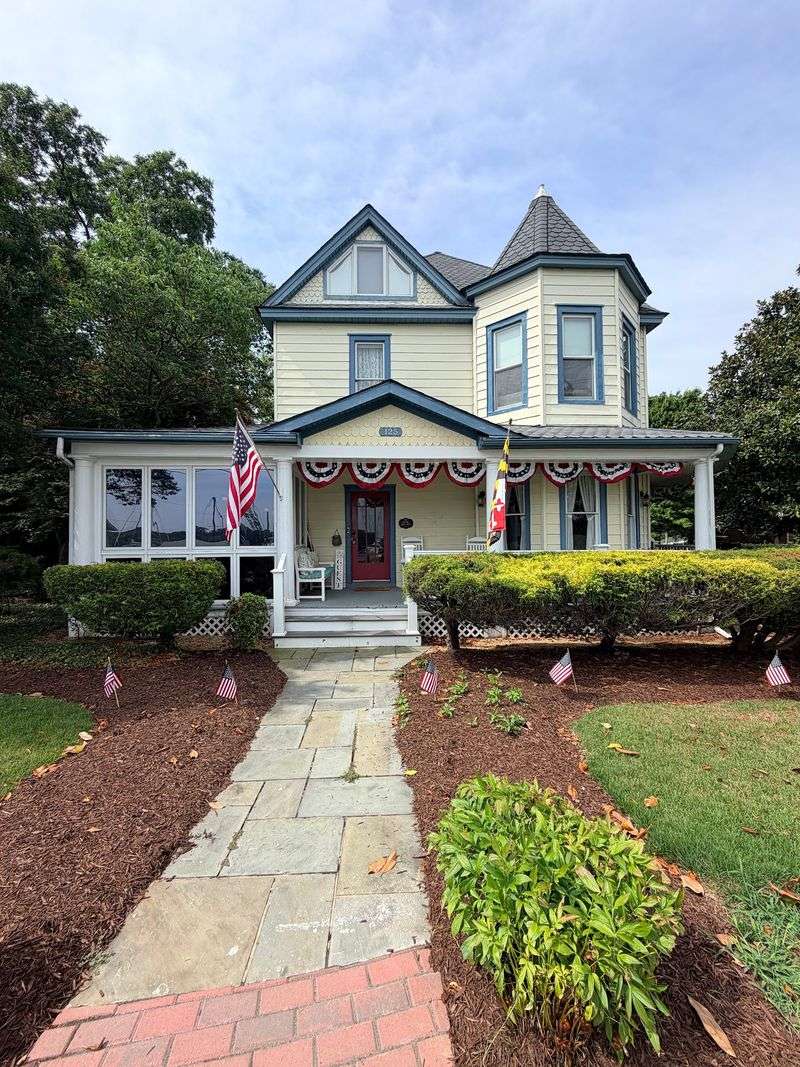
Sitting where the Patuxent River meets the Chesapeake, Solomons had no choice but to become a boating town. It leaned all the way in.
The Solomons Island Boardwalk runs along the water with wide river views. Shops and restaurants line the strip without crowding it.
Calvert Marine Museum sits at 14200 Solomons Island Rd S, Solomons. Its exhibits cover paleontology, estuary life, and maritime history in one visit.
The historic Drum Point Lighthouse stands on the museum grounds. Climbing inside gives you a real sense of how keepers lived.
Fossil hunting is a serious local pastime. Calvert Cliffs nearby have produced sharks’ teeth by the thousands.
Sailing dominates the summer calendar. Masts crowd the marinas and races light up the river on weekends.
Otters at the museum draw the biggest crowds. Their feeding sessions turn adults into children instantly.
Waterfront dining leans hard on local seafood. Crab cakes here are treated with genuine seriousness.
The island is small enough to walk end to end. Cars become optional once you park.
Sunsets over the Patuxent close out the day well. People gather at the point without anyone organizing it.
11. New Market
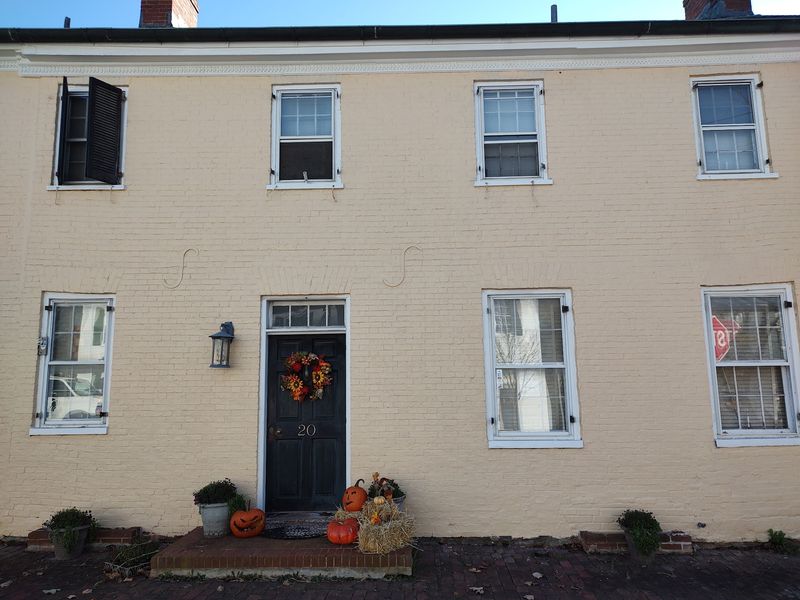
Calling yourself the Antiques Capital of Maryland is a bold move. New Market backs it up with more than thirty shops.
Historic Main Street was once part of the Old National Road. Wagons rolled west through here long before highways existed.
Restored brick storefronts line both sides of the street. Federal, Greek Revival, and Victorian styles stand shoulder to shoulder.
Robert Esterly Antiques operates at 12 East Main Street, New Market. It is one of many stops for collectors working the strip.
Furniture, glassware, maps, and oddities fill the shops. Serious hunters plan a full day and still run out of time.
Dealers here know their inventory well. Ask a question and you often get a history lesson attached.
Specialty boutiques break up the antique browsing. Candles, textiles, and handmade goods offer lighter souvenirs.
Local restaurants keep the street lively at midday. Sitting down for lunch feels less like a break and more like part of the plan.
Community Park on East Main Street gives families room to run. Playground equipment and open grass balance the shopping.
Frederick sits a short drive away. New Market makes an easy detour with a completely different mood.
12. Oakland
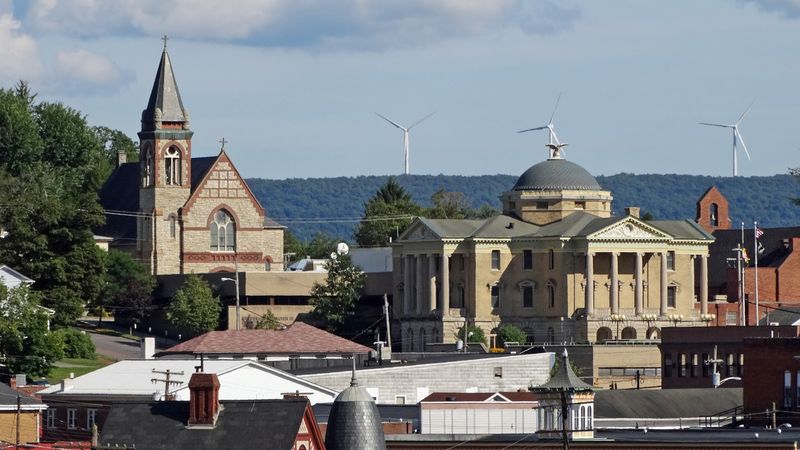
Mountains are not what most people picture when they think of Maryland. Oakland sits high in Garrett County and quietly changes that.
Elevation makes the air cooler and the winters snowier. Locals treat both as features rather than problems.
The Garrett County Historical Museum stands at 107 South Second Street, Oakland. It preserves more than two hundred years of local history.
Displays cover logging, railroads, farming, and mountain family life. Presentations bring context that the objects alone cannot.
The historical society runs the museum and keeps the archives active. Researchers and curious visitors both get help finding what they need.
Downtown is small, brick, and easy to cover on foot. Shops and eateries sit close together without pretense.
Deep Creek Lake is a short drive north. Boating in summer and skiing in winter make Oakland a year-round base.
Swallow Falls State Park nearby holds Maryland’s tallest free-falling waterfall. Old hemlocks shade the trail to it.
Fall color here rivals anything in New England. Ridge roads turn gold and red for weeks.
People greet you on the sidewalk without much prompting. Mountain towns tend to work that way.