This Magical Maryland Town Looks Like It Belongs In A Fairy Tale
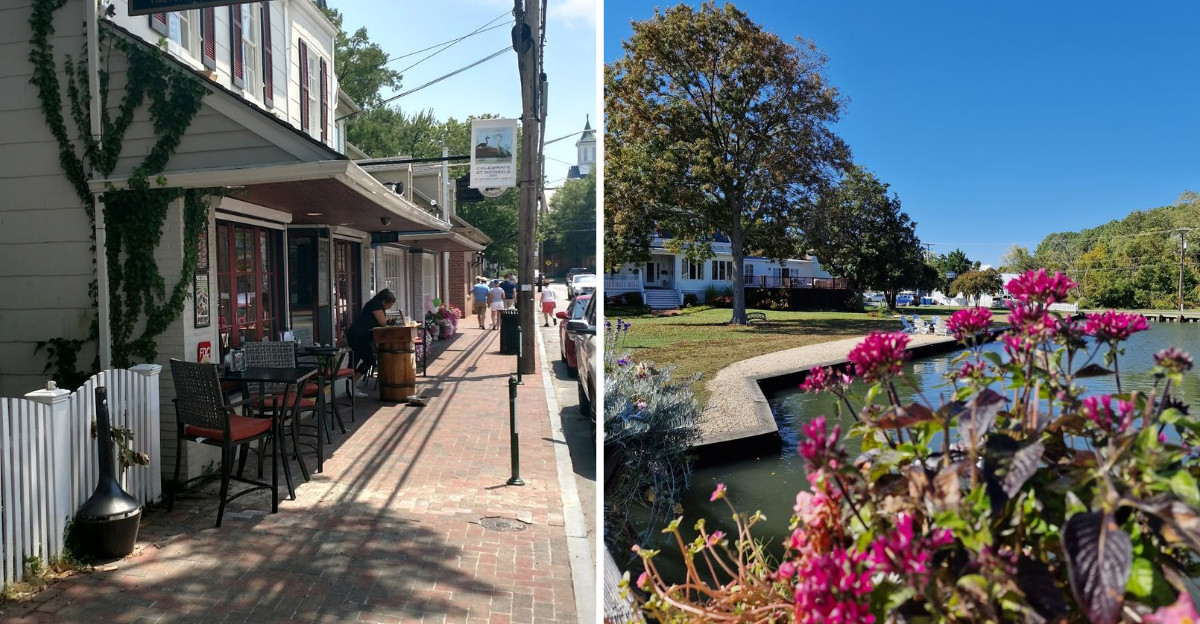
A harbor town becomes hard to rush when sailboats, brick sidewalks, and old stories all share the same few streets.
On Maryland’s Eastern Shore, this waterfront community mixes maritime history with shops, seafood, museums, and an easy village rhythm.
The harbor keeps pulling attention back toward the water. A lighthouse, working boatyards, local markets, and waterfront views give the day plenty of texture without overloading the schedule.
Then sunset arrives. Browse for a while, learn something unexpected, and circle back toward the docks when the light starts changing.
The town works best at an unhurried pace. Give it a full afternoon. Leaving before the harbor turns gold would feel like poor timing.
The Town That Fooled The British
Long before postcards existed, this harbor was a trading post for tobacco farmers and trappers.
The mid-1600s brought settlers, and by 1672 a parish honoring Michael the Archangel gave the town its name.
In the late 1770s, developer James Braddock laid out St. Michaels around a central square that became today’s St. Mary’s Square. The historic square remains one of the anchors of the old town.
Then came the British bombardment of August 10, 1813, followed by the story that eventually gave St. Michaels its famous nickname. According to local legend, lanterns were placed in trees outside town while other lights were extinguished.
According to the legend, the lights caused British gunners to overshoot much of the town. The story eventually inspired the nickname The Town That Fooled the British.
Several houses were reportedly struck during the bombardment, including the private residence now known as the Cannonball House.
Walking these streets, history feels close rather than filed away. Signs, old homes, and church spires keep the timeline visible. You will find the town in Talbot County, on Maryland’s Eastern Shore.
Where The Miles River Glows
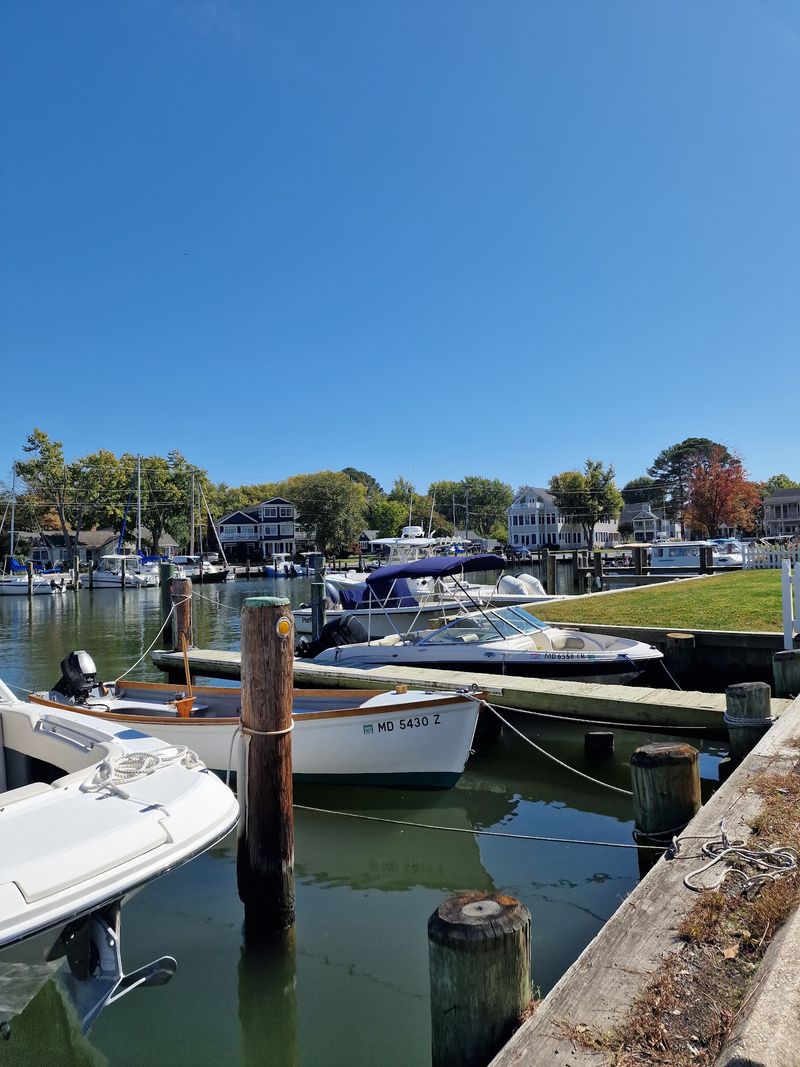
Water shapes everything here, starting with the Miles River. The tidal river flows into Eastern Bay, which in turn opens into the Chesapeake Bay.
Sailboats and traditional workboats bob together at their moorings. The scene looks arranged, though nobody arranged it.
Late afternoon is when the magic really arrives. The Chesapeake light softens, then spills gold across the open water without a single obstruction in the way.
Waterfront viewpoints around town give visitors plenty of opportunities to watch changing light across the Miles River.
Waterfront areas, parks, docks, and harbor viewpoints provide several places to pause near the water.
Waves lap against pilings in a slow rhythm that resets your mood. Herons stalk the shallows nearby, entirely unbothered by visitors.
That waterfront setting carries into the compact historic district, where shops, galleries, restaurants, and museums sit within a relatively small area.
Bring a light jacket, because breezes off the water sharpen after dusk. A thermos of coffee makes the wait for sunset even better.
Climbing The Hooper Strait Lighthouse
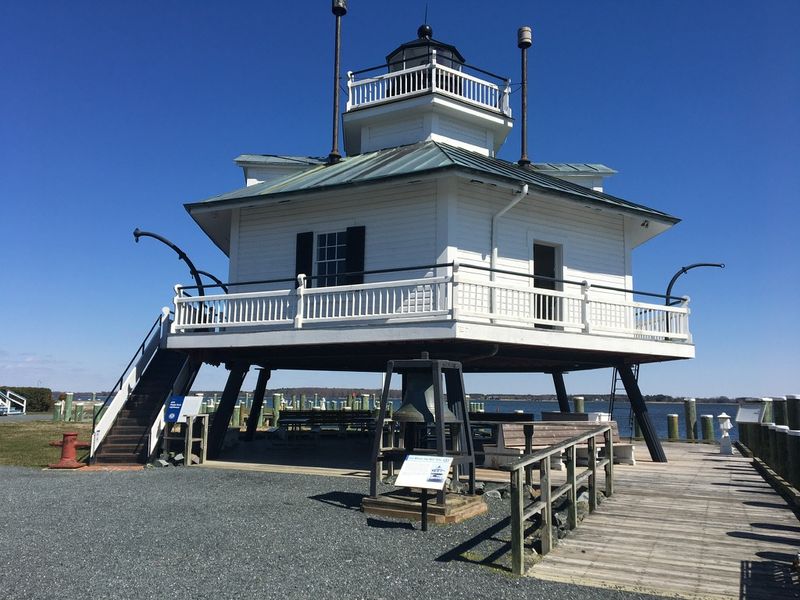
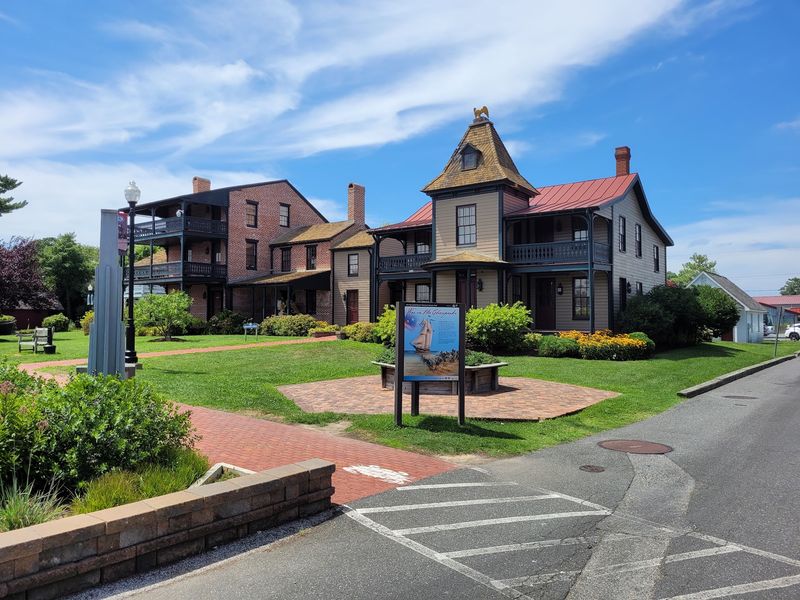
Eighteen waterfront acres sit on Navy Point, and they hold the region’s best history lesson. The Chesapeake Bay Maritime Museum opened in 1965 with one mission: protect the story of the Bay.
Its collection of Chesapeake Bay boats is the largest anywhere. Hulls, sails, and engines trace how people lived and worked on these waters.
My favorite stop is the 1879 Hooper Strait Lighthouse. Climb inside, and the Miles River spreads out in every direction.
The working boatyard is equally addictive to watch. Craftsmen restore wooden vessels using traditional methods, and the scent of fresh-cut wood drifts across the yard.
Exhibitions explore the history, environment, culture, and working traditions of communities throughout the Chesapeake Bay region.
Waterman’s Wharf turns learning into something hands-on. Visitors try oyster tonging and haul crab pots, which is harder than it looks.
Give yourself at least half a day here. Rushing through would be a small tragedy. No corner of Maryland explains the Bay better than this campus does.
Talbot Street Shopping And Strolling
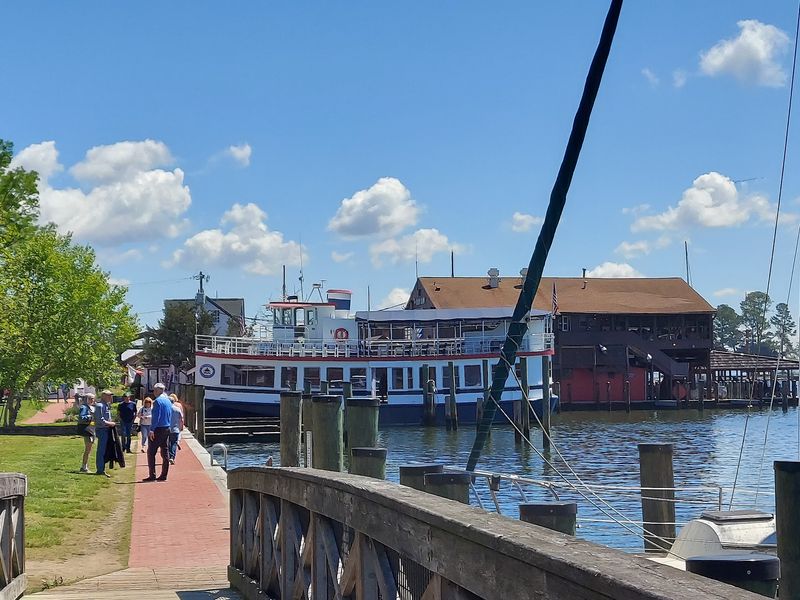
Shopping here rewards wandering more than planning. Talbot Street runs through the heart of town, lined with boutiques, galleries, and antique stores.
Window displays change often, so the same block feels new on a second pass. Handcrafted jewelry, nautical decor, clothing, and books fill the shelves.
Artisans from the surrounding area supply many of the shops. Owners happily explain where a piece came from, which turns browsing into conversation.
Much of the downtown shopping district is concentrated along and near Talbot Street, making it easy to combine shops, galleries, and nearby attractions on foot.
Saturday mornings add another layer from April 11 through November 21, 2026. The St. Michaels Farmers Market runs from 8:30 to 11:30 a.m. with locally grown and locally produced goods.
The market offers free parking in the adjacent lot and on nearby streets, with availability naturally varying throughout the morning.
Art galleries deserve unhurried attention, especially those showing coastal landscapes. Many artists paint the very water you walked past minutes earlier.
Shopping streets in Maryland rarely feel this personal, and that difference is exactly why the street sticks in your memory.
Paddling Creeks And Sailing Charters
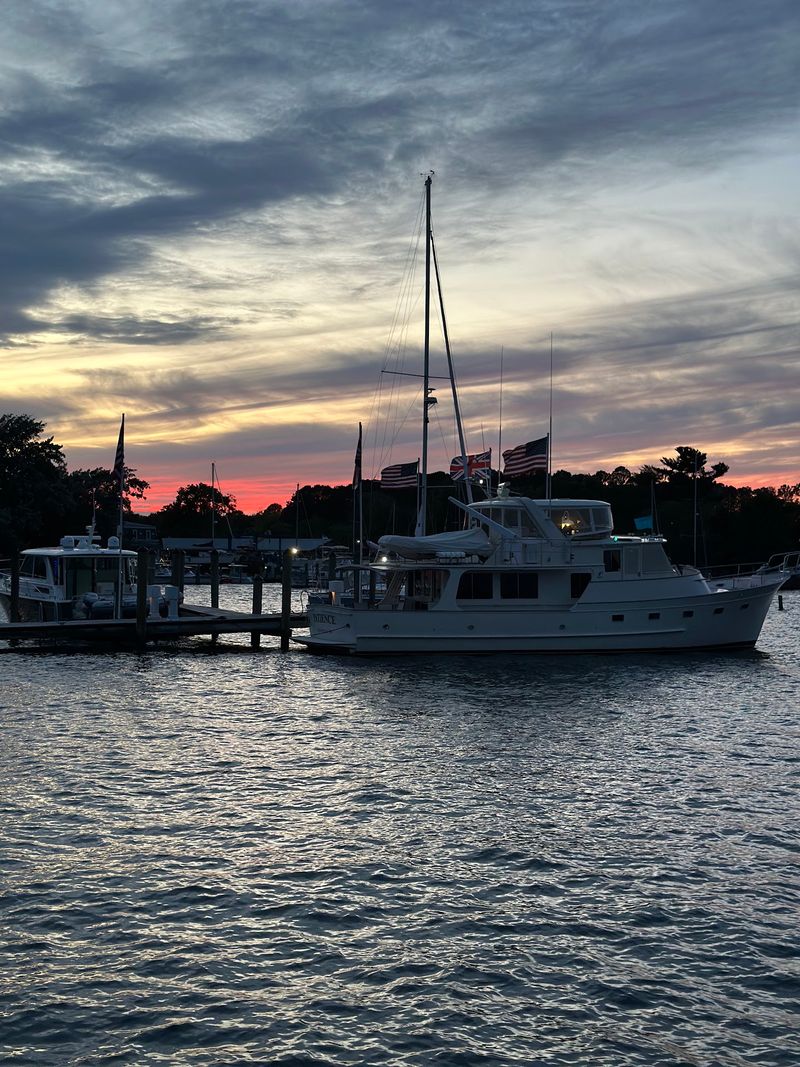
Give me a paddle and a quiet creek, and I am content for hours. Waterways here include San Domingo Creek, Oak Creek, Leadenham Creek, and the Miles River.
Current local rentals include kayaks and stand-up paddleboards, with launch options at St. Michaels Harbor and Back Creek Park on San Domingo Creek.
Prefer someone else at the helm? Narrated boat tours cruise the Miles River while sharing local history and shoreline details.
Sailing charters offer a smoother, breezier way to see the Bay. Watching canvas fill above you never gets old.
Anglers in the Miles River and surrounding tidal waters may encounter species such as striped bass and white perch, with the exact catch changing by season and location.
Marsh grasses, ospreys, and hidden coves make even short paddles interesting.
San Domingo Creek is one of the more approachable local paddling routes, but official guidance rates it beginner to intermediate and warns about wind, waves, tides, and some open-water exposure.
Check the wind forecast before heading out, since open stretches can get choppy. A dry bag protects phones and snacks.
Local kayak rentals include the necessary paddling equipment and life jackets, with several established launch options around St. Michaels and nearby waterways.
Crab Cakes And Oyster Feasts
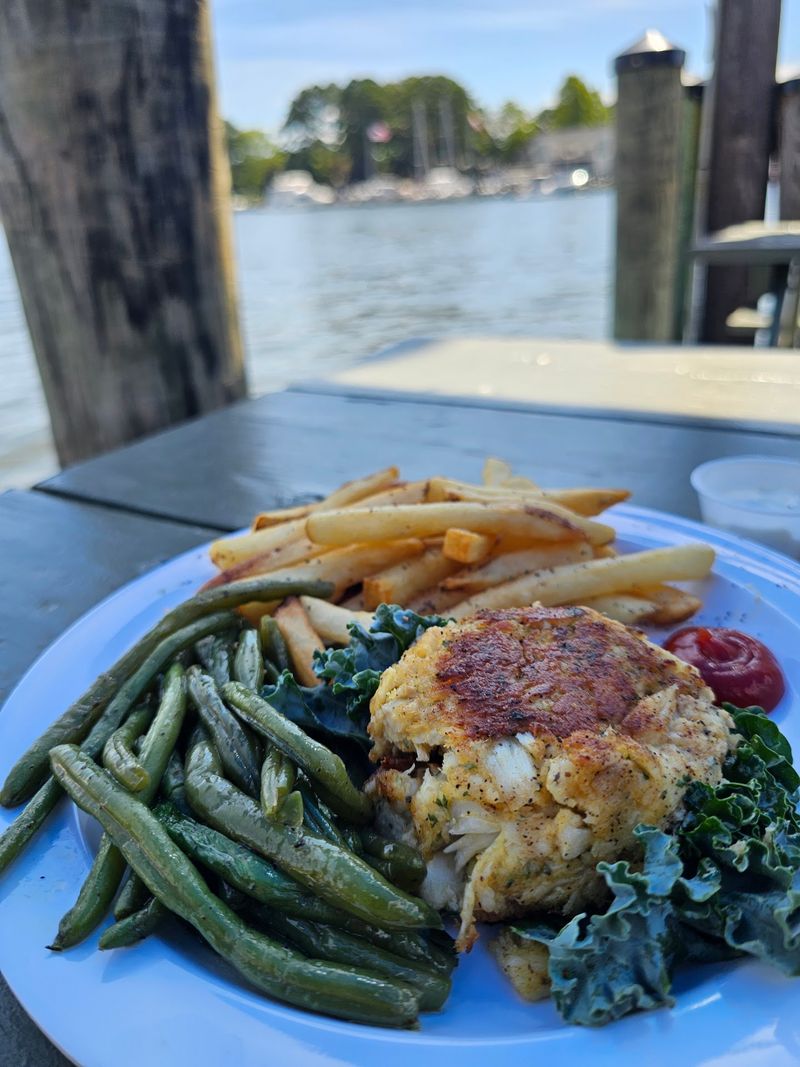
Ask anyone what to eat, and the answer arrives before you finish the question. Blue crabs rule the menus, steamed, folded into crab cakes, or stirred into a rich bisque.
Chesapeake seafood plays an important role on local menus, though restaurants also source seafood from outside the Bay depending on the dish and season.
Dining ranges widely across town. Upscale waterfront rooms serve refined plates, while classic crab shacks keep things delightfully messy.
The Crab Claw has operated on Navy Point since 1965 and is currently open for its final season in 2026, still serving steamed blue crabs, oysters, clams, crab cakes, and other seafood.
Not craving seafood? Italian and Southern-inspired kitchens fill the gaps nicely.
Seafood-focused restaurants and markets around the area offer a mix of Chesapeake favorites and other fresh seafood, with availability varying by season.
Local farms and producers also contribute to the area’s food scene, including the producer-only St. Michaels Farmers Market.
Reservations help during summer weekends, particularly at waterfront tables. Late lunches often beat the rush.
Local Artisans, Antiques And Specialty Shops
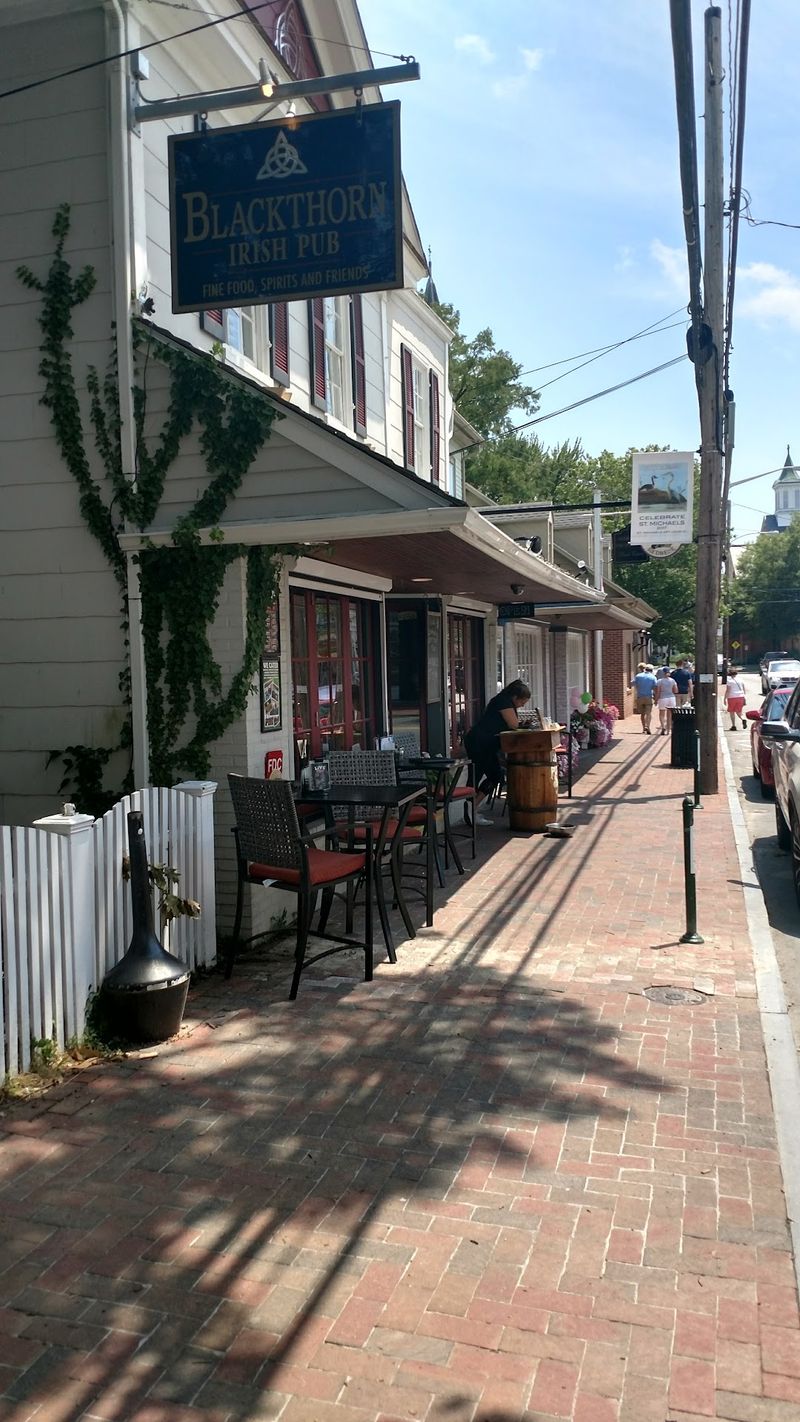
Independent makers and specialty retailers give the village another reason to wander beyond the waterfront.
Talbot Street and nearby blocks hold galleries, antique shops, booksellers, jewelry stores, and locally focused gift shops.
The Artisans’ Gallery and other local shops showcase work from artists and makers, while Antiques on Talbot and Guilford and Company add antique finds and estate jewelry to the mix.
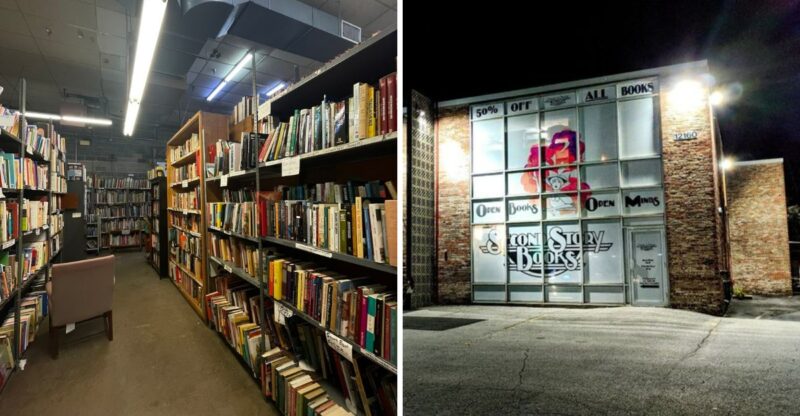
Book Hounds adds an independent bookstore stop, while several Talbot Street boutiques carry Chesapeake-themed gifts, apparel, home goods, and locally made pieces.
The compact layout makes it easy to browse several independent shops without moving the car between every stop.
What stands out is the variety packed into a relatively small downtown, with independent businesses covering everything from books and art to antiques and coastal gifts.
Many Talbot Street shops sit within comfortable walking distance of one another, making the retail district easy to explore on foot.
An afternoon browse pairs easily with the museum, waterfront, or farmers market without requiring a separate trip outside town.
Festivals Through Every Season
Calendars fill fast in this harbor town. Each season brings its own reason to visit, and the events schedule rarely goes quiet.
Spring and fall can bring comfortable walking weather, though major festival weekends can make the town considerably busier.
Summer buzzes with boating and outdoor activity under warm skies. Winter turns cozy, with holiday happenings brightening short days.
March starts things sweetly with ChocolateFest, scheduled for March 7 in 2026. April brings the Eastern Shore Sea Glass & Coastal Arts Festival to the maritime museum on April 18–19.
June puts maritime heritage front and center with the Antique & Classic Boat Festival and Coastal Arts Fair, scheduled for June 19–21, 2026.
August belongs to Watermen’s Appreciation Day, featuring a crab feast and boat docking contests. The docking competition draws serious cheering.
October 2–4 brings the Mid-Atlantic Small Craft Festival, while OysterFest follows on November 7, 2026. Both take place on the Chesapeake Bay Maritime Museum waterfront.
Midnight Madness adds sparkle during the holiday stretch. Shops stay open late and streets glow.