10 California Places Where It Feels Like Summer All Year Long
What if you could chase summer whenever you felt like it?
In California, that daydream is easy to turn into a weekend plan, especially when sunshine, warm evenings, and a constant relaxed mood are waiting around the corner.
Even when the calendar insists that winter has arrived, certain corners of the Golden State seem perfectly happy to keep summer on the schedule.
Imagine stepping outside in January and reaching for sunglasses instead of a heavy coat. Sounds tempting, right?
California has plenty of places where warm-weather living feels like a year-round habit, yet each destination brings its own personality to the experience.
Some lean coastal and breezy, while others turn up the heat with desert landscapes. Ready to find your next escape?
1. Santa Barbara
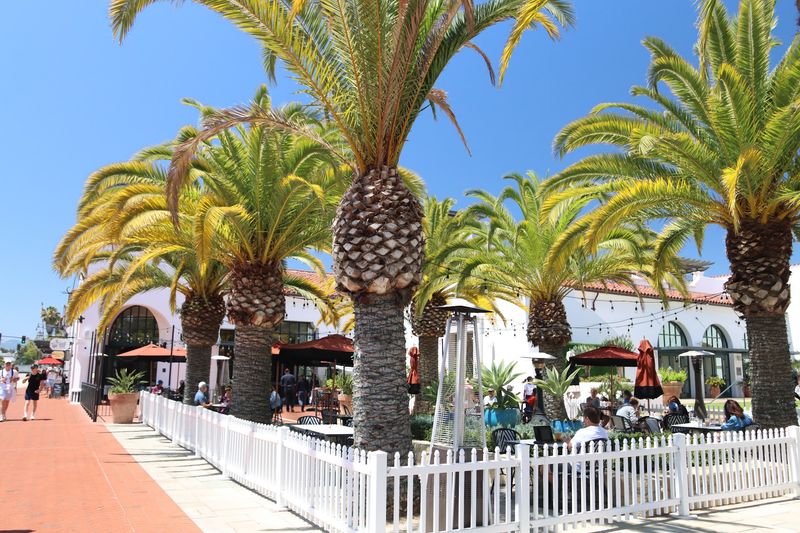
They call it the American Riviera, and the nickname earns itself the moment you see red tile roofs glowing against green mountains and blue water.
Santa Barbara runs on a warm-summer Mediterranean climate, which is a fancy way of saying the thermometer rarely does anything dramatic.
Average highs range from about 64 degrees in December to roughly 77 degrees in August.
Winter days mostly land between 63 and 69 degrees, so outdoor cafes stay busy in January.
Summer almost never crosses 90 degrees because the ocean keeps things in check, cooling hot afternoons and warming chilly nights.
The city soaks up close to 3,100 hours of sunshine a year. That is more than many people get in a lifetime of cloudy hometowns.
If you visit, the waterfront path between Stearns Wharf and East Beach is a great way to test the weather for yourself.
Bring a light jacket for evenings, since ocean breezes pick up after dark even during warm stretches.
Wine tasting in the nearby Santa Ynez Valley works year-round, though inland temperatures there run considerably warmer than downtown.
Kayaking, whale watching, and hiking in the foothills stay on the menu across all four seasons.
Sunshine plus architecture makes the place feel like a permanent vacation postcard.
2. San Diego
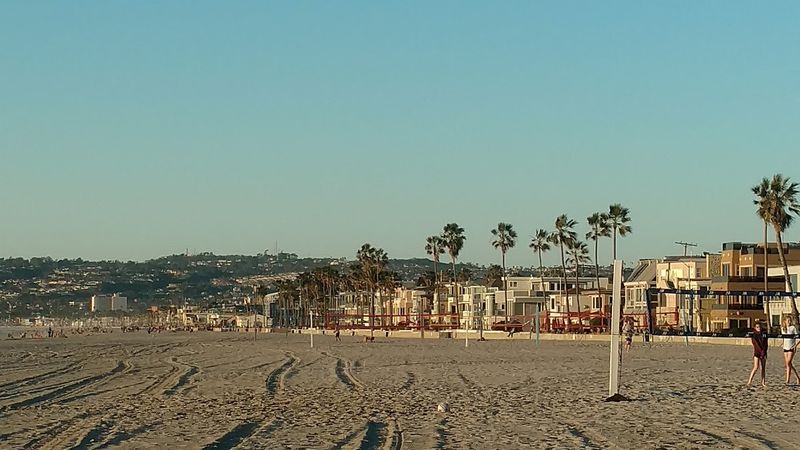
Ask almost anyone in the country to name the city with the best weather, and San Diego comes up first. There is real math behind that reputation, too.
Average temperatures here climb from around 57 degrees in January to about 72 degrees in August, which is a swing so small it barely registers.
The city also collects more than 2,900 hours of sunshine each year and sees only about 41 days with measurable rain.
What surprises visitors most is how rarely it gets truly hot. San Diego averages roughly 25 days a year above 80 degrees, so beach days feel comfortable rather than sweaty.
Winter highs usually sit in the 60s, and summer highs hover in the low 70s. Locals joke that the biggest seasonal change is whether you need a hoodie after sunset.
Practical tip: pack layers. Mornings near the coast often start gray thanks to a marine layer nicknamed May Gray and June Gloom, then burn off by lunchtime.
Inland neighborhoods like El Cajon run noticeably warmer than La Jolla or Coronado, so pick your spot based on whether you want breezy or toasty. Balboa Park, the harbor walkways, and the North County beaches stay usable in every month.
3. Oxnard
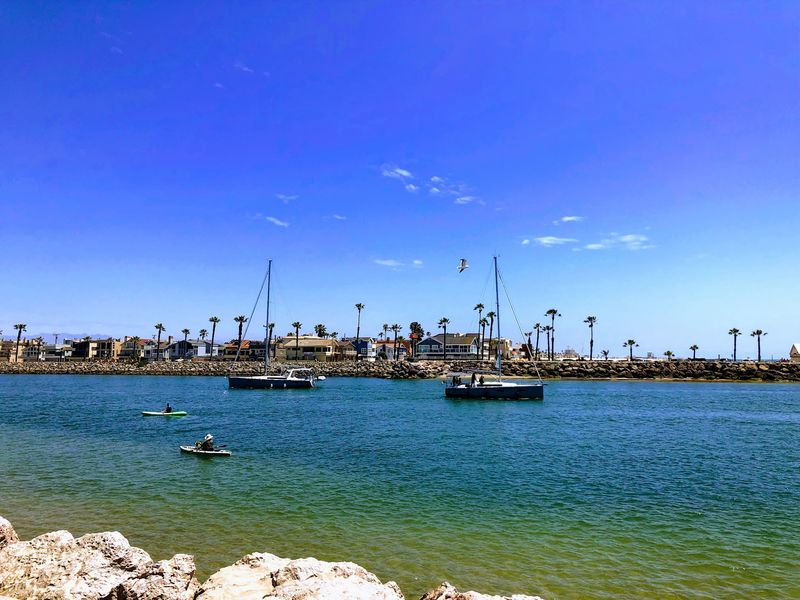
Steady is the word that fits Oxnard best.
While other cities bounce between extremes, this Ventura County beach town holds a comfortable line month after month, which is exactly why it tops rankings for year-round weather.
Ocean air does the heavy lifting here. Winters stay mild, summers stay relatively cool, and the gap between the two is small enough that your wardrobe barely changes.
Oxnard State Beach Park shows off that climate perfectly. Visitors describe a palm-lined jogging path, bbq grills, picnic spots, and wide open sand that almost never feels crowded on weekdays.
Many people rave about the sunsets and mention dolphin sightings offshore. Others point out there are no lifeguards on duty, so swimming calls for extra caution.
The sand is coarse rather than powdery, and natural beach tar sometimes washes ashore, so wearing sandals is smart. Restrooms are limited, though a nearby restaurant helps in a pinch.
Beachcombers hunting for shells may come up empty, but driftwood and sea glass show up regularly.
Dog owners love the room to roam, and kite flying is popular thanks to the reliable breeze.
Grab a blanket, arrive an hour before sunset, and you will understand the hype.
4. Ventura
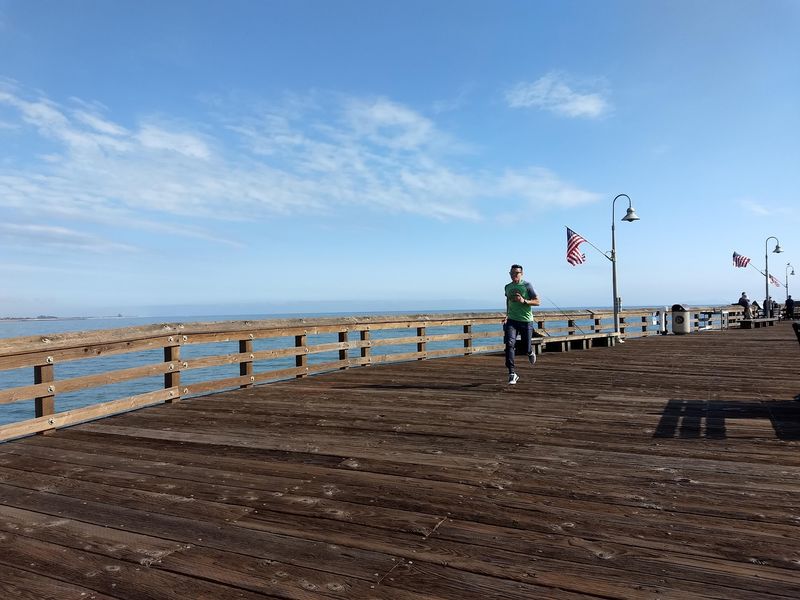
Quieter than its flashier neighbors, Ventura is the kind of coastal town where surfers, thrift shoppers, and taco lovers all coexist happily under the same reliable sunshine.
The Pacific keeps things even here. Ocean-moderated air means winters stay mild and summers rarely turn oppressive, giving residents comfortable temperatures.
Because of that consistency, outdoor plans almost never get canceled.
The Ventura Pier, one of California’s longest wooden piers, stays walkable in January just as easily as in July.
Surfing is a year-round hobby rather than a seasonal one, though a wetsuit helps during cooler months when water temperatures dip.
Surfers Point near the fairgrounds draws a steady crowd of longboarders every morning.
Downtown Main Street is packed with vintage shops, antique stores, and restaurants with open patios that get used constantly.
You can easily spend an afternoon browsing, then walk ten minutes to the sand without breaking a sweat.
Travelers often use Ventura as a launch point for Channel Islands National Park, since boats leave from the harbor.
Those islands are sometimes called the Galapagos of North America because of the unusual animals and plants living there.
Compared to Santa Barbara, Ventura tends to be more affordable and less polished, which many visitors consider part of the charm.
Bring a windbreaker for breezy afternoons, and you are set.
5. Long Beach
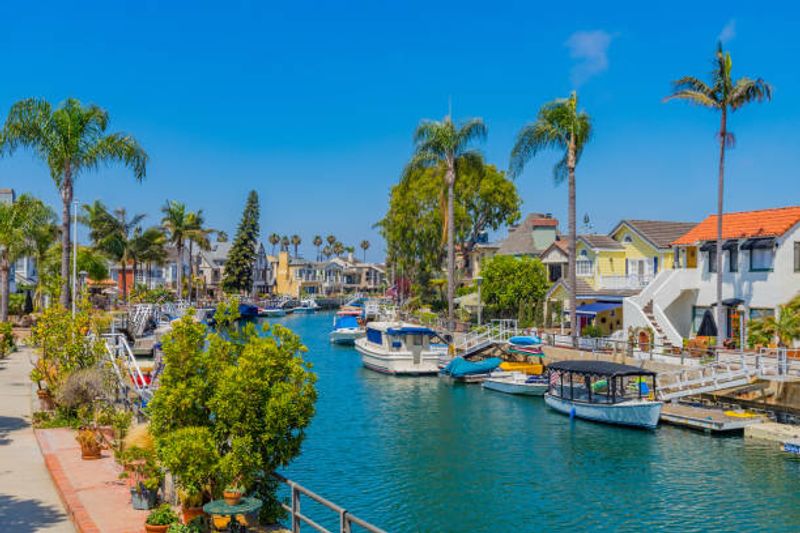
Picture a city where the harbor sparkles, palm trees line the boulevards, and a legendary ocean liner sits permanently docked as a hotel. That is Long Beach, and the weather matches the postcard.
Southern California sunshine rules the calendar here. Winters land in the mild-to-warm range, summers turn pleasantly warm, and the combination makes outdoor living the default setting.
Because of that, the waterfront stays lively all year. Bike paths along the shore, the aquarium, and the harbor area rarely empty out just because the calendar flips to December.
Long Beach sits slightly inland from the open ocean compared to places like Santa Monica, which means afternoons can run a bit warmer.
That small difference makes it a nice pick for people who like beach access without constant chill.
Belmont Shore and Naples Island are worth exploring on foot. Naples has canals you can paddle through, and gondola rides are a real thing there, complete with singing gondoliers.
Sports fans and event goers get plenty to do too, from the annual Grand Prix street race in spring to concerts along the water.
6. Palm Springs
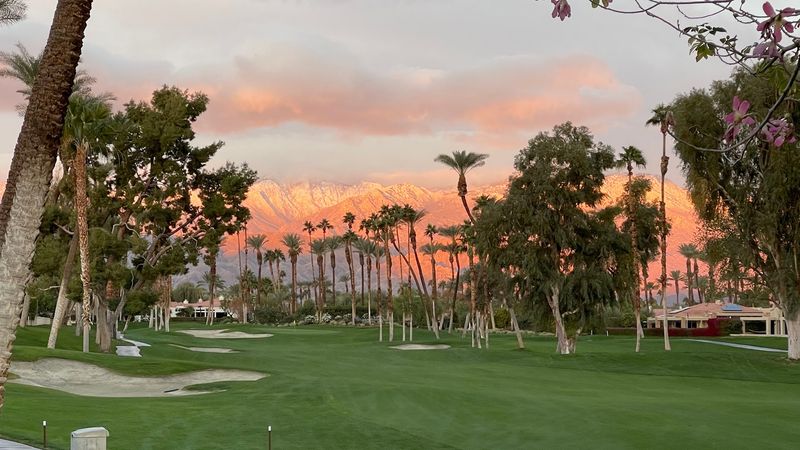
Now for the wild card. If your version of endless summer involves heat you can truly feel, the desert delivers in a way no beach town can match.
Palm Springs racks up more than 300 sunny days a year under a hot desert climate.
From June through September, average highs often push past 99 degrees, which is genuinely scorching territory.
Winter is when this place really shines for visitors. December and January highs typically sit in the high 60s to mid 70s, then climb into the upper 70s and 80s by February and March.
Rainfall barely registers on the charts, so planning an outdoor event here comes with almost guaranteed sunshine. Even autumn hovers between the 70s and around 90 degrees.
Smart visitors flip the usual schedule during hot months. Hike early, nap or swim midday, and save shopping and dining for the evening when the desert cools off.
Pools are everywhere for a reason, and hotels lean hard into mid-century modern design that photographs beautifully.
The Palm Springs Aerial Tramway is the ultimate escape hatch, carrying riders up Mount San Jacinto where temperatures drop dramatically in minutes.
Hollywood stars once flocked here because studio contracts required them to stay within a two-hour drive of Los Angeles. That old rule helped build the glamorous town people still love today.
7. Los Angeles
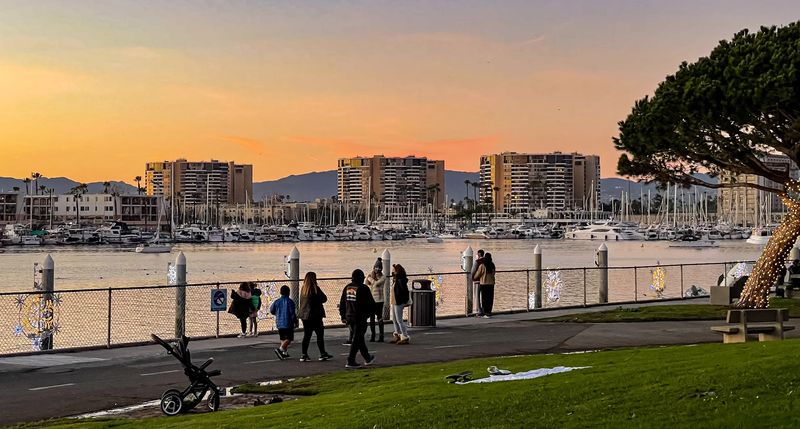
Sunshine is practically part of the city’s brand.
Los Angeles averages roughly 263 sunny days a year, which explains why movie studios set up shop here in the first place.
The climate is Mediterranean: warm dry summers paired with mild, occasionally wet winters.
From May through October, highs usually sit in the low 80s while nights drop into the low 60s.
Winter months from November through April stay surprisingly pleasant, with highs from the upper 60s to the low 70s. Rain arrives in bursts rather than long gloomy stretches.
Here is something visitors often miss: Los Angeles is really a collection of microclimates. Coastal spots like Venice or Malibu can run 10 to 15 degrees cooler than downtown on the same afternoon.
Head over the hills into the San Fernando Valley and you might gain another 10 degrees. Packing one light jacket solves most of these surprises.
Daily temperature swings are common too, so a warm afternoon can turn into a chilly evening quickly. Locals dress in layers without even thinking about it.
All that steady weather means hiking Griffith Park, watching sunsets at the beach, or eating outside works basically whenever you want.
Early mornings near the coast may start under low clouds, but patience usually pays off by noon when the sun takes over again.
8. Oceanside
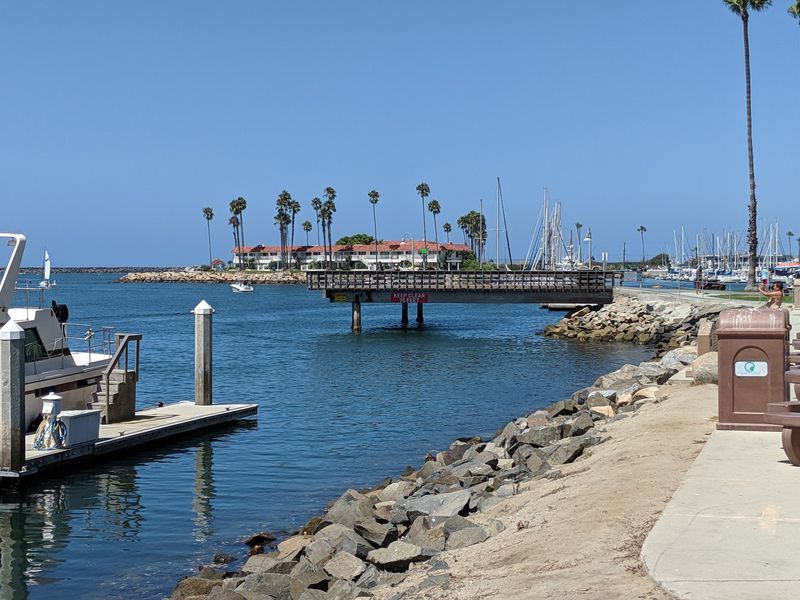
Numbers tell the story better than adjectives here.
Oceanside’s average annual high sits around 66 degrees, and the difference between the coldest and warmest months is remarkably small.
December, the chilliest month, averages roughly 53 degrees, while August tops out near 70 degrees.
That means the entire year fits inside a narrow, comfortable band.
August highs typically reach about 71 degrees, and December nights bottom out around 47 degrees.
Compare that to cities that swing 60 degrees between seasons and you see why beach town locals rarely own heavy coats.
Rain is scarce too. July and August often record zero inches, with February bringing the most at roughly three inches.
The wooden pier, one of the longest on the West Coast, makes an easy first stop. Anglers fish from the end while surfers ride the breaks below, and the walk out over the water is free.
Harbor Beach offers calmer water for families, and the harbor itself has seafood spots and boat rentals.
Because temperatures stay so even, biking the coastal route toward Carlsbad works nicely in any month.
Just remember that mild does not mean warm water, so a wetsuit is standard gear for swimming or surfing most of the year.
8. Santa Monica
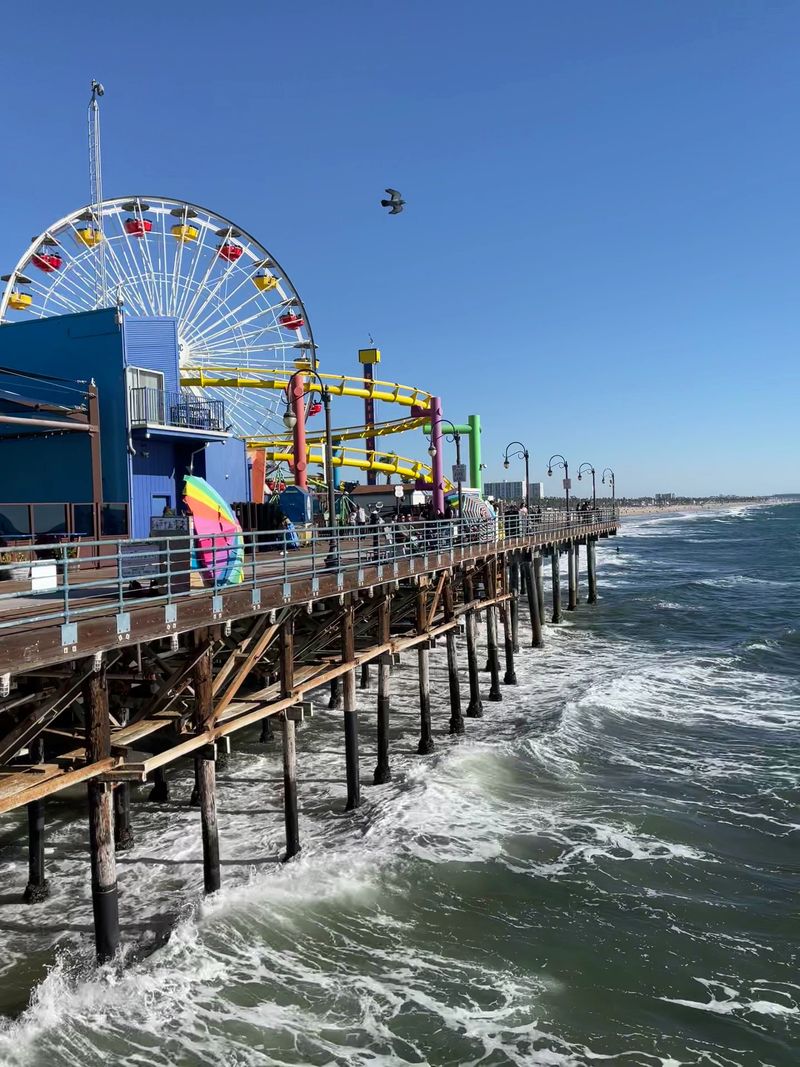
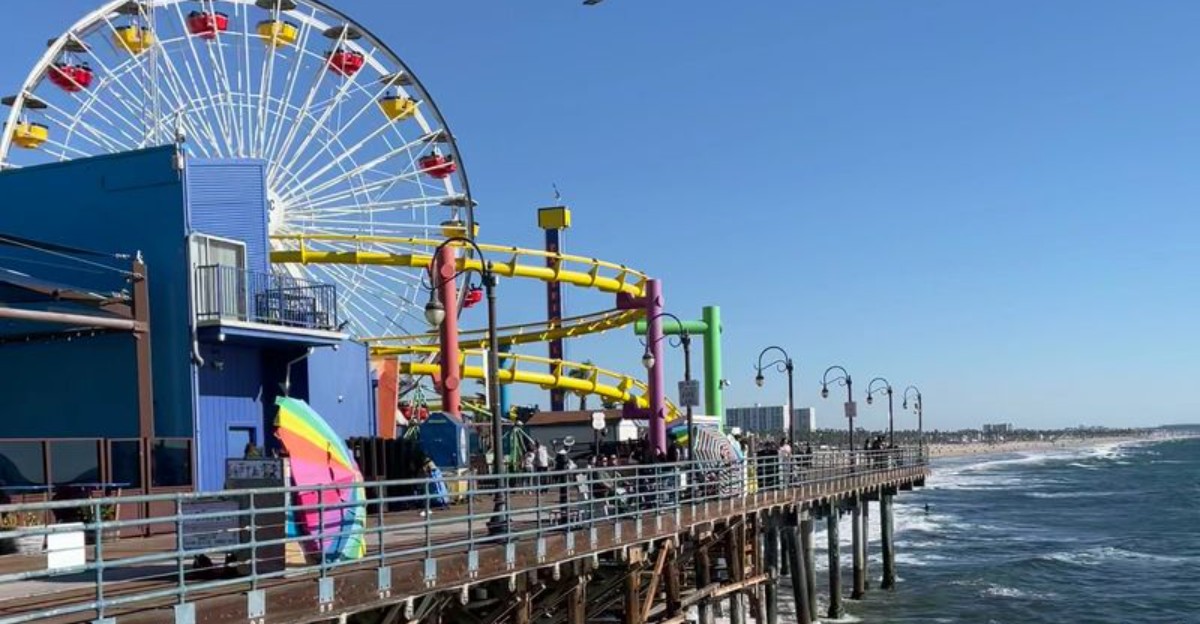
That Ferris wheel spinning above the Pacific has become a symbol of California itself, and the weather underneath it cooperates year-round.
Ocean air keeps Santa Monica moderate in every season.
Temperatures hold steady enough that beach towels and bike rentals stay in demand whether it is April or October.
If your idea of endless summer means perpetual beach weather rather than blistering heat, this is your spot. Days here lean comfortable instead of hot, thanks to constant sea breezes.
The pier draws the crowds, but the three-mile stretch of sand beside it gives everyone room to spread out.
Palisades Park sits on the bluff above with walking paths, shade trees, and ocean views that make free entertainment feel luxurious.
Renting a bike or scooter for the Marvin Braude Bike Trail is one of the best ways to spend a morning. The path runs for miles, connecting Santa Monica with Venice and beyond.
Evenings cool off noticeably once the sun drops, so keep a sweatshirt handy even on warm afternoons.
Marine layer clouds also visit in late spring and early summer, usually clearing by midday.
9. Carlsbad
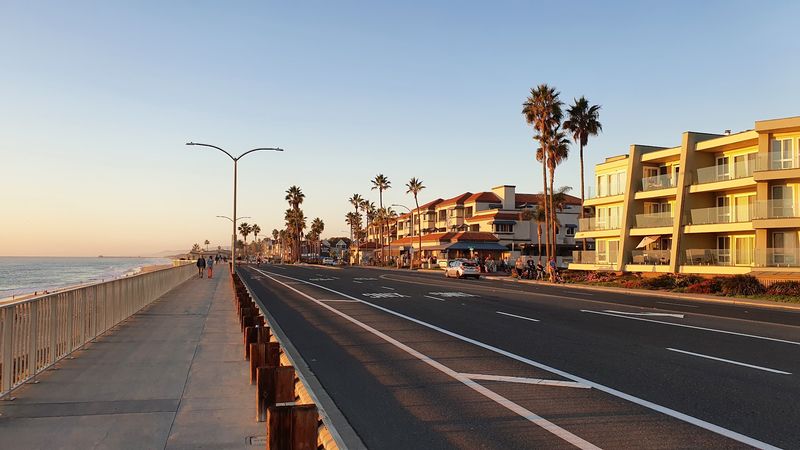
Flower fields blooming in spring, lagoons full of birds, and a coastline that invites walking any day of the year.
Carlsbad packs a lot of pleasant into one small city.
Its mild, outdoor-friendly climate regularly lands it among California’s top-ranked cities for comfortable weather.
Sitting right on the coast, it avoids both bitter cold and punishing heat.
Pleasant conditions show up so consistently that residents plan outdoor activities without checking forecasts much.
Morning jogs along Carlsbad Boulevard and evening beach bonfires happen in every month.
The city stretches along several miles of shoreline, with the seawall walk near the village offering easy ocean views.
Tamarack and South Carlsbad state beaches are favorites for surfing and camping.
Families often head to Legoland California, which benefits enormously from the reliable weather since nearly everything there is outdoors.
The nearby Flower Fields at Carlsbad Ranch explode with color each spring, covering roughly 50 acres with ranunculus blooms.
Three coastal lagoons provide trails for hikers and birdwatchers who want something quieter than the beach. Batiquitos Lagoon is especially peaceful in the early morning.