These Are 10 Oregon Wildlife Conservation Programs Where You Can Volunteer And Learn
Hands-on volunteering is much easier to care about when you can see what your time is actually helping.
Across Oregon, these conservation programs can involve habitat work, wildlife care, education, monitoring, restoration, and other practical tasks.
Some options may suit beginners, while others ask for more training or commitment. That variety is what makes the list convincing to me.
You do not need to be a biologist to start learning how conservation actually works.
Even a few hours can give the subject more meaning than another article or documentary. Helping while learning feels like a pretty good trade.
1. Wildlife Center Of The North Coast, Astoria
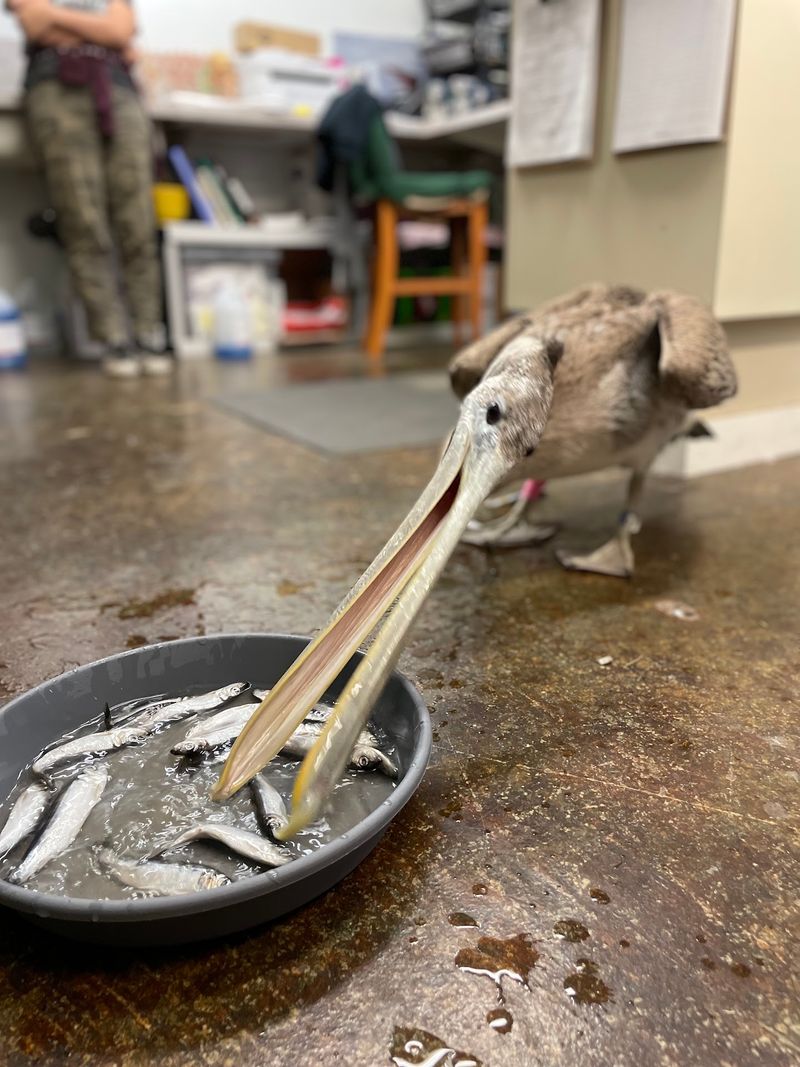
A single four-hour shift could change an injured seabird’s future. The rehabilitation center tucked into the forest near Astoria treats over a thousand patients each year.
Native birds and mammals arrive hurt, orphaned, or exhausted. Volunteer shifts are available throughout the week, with scheduling flexibility depending on the role.
Your tasks might start with chopping fish and mixing special diets. Cleaning enclosures comes next, and it matters more than it sounds.
Clean spaces mean fewer infections for fragile patients. Some roles include supervising swim time for waterbirds that need to rebuild strength.
Others focus on community events and school talks. Education volunteers help deliver wildlife and conservation presentations to schools and community groups.
The commitment here is one four-hour shift per week for six months. That structure helps animals stay on consistent care routines.
Applicants must be at least 16 years old. Teens between 16 and 18 need an adult chaperone alongside them.
Scheduling stays flexible since the doors open every day of the week. Rainy coastal mornings are part of the package, so pack layers.
Animal care volunteers build practical experience with diets, enclosure care, rehabilitation routines, and other patient-support tasks under staff supervision. The center sits at 89686 Hwy 202, Astoria.
The goal of rehabilitation is to return recovered patients to appropriate wild habitat whenever possible.
2. Think Wild, Bend

The high desert wildlife hospital in Bend blends rescue, rehabilitation, and hands-on education.
Its mission centers on helping Central Oregon residents protect the animals next door. Injured hawks, squirrels, and rabbits all pass through.
Youth volunteers ages 8 through 17 can help prepare wildlife diets, build enrichment, care for the pollinator garden, support habitat projects, and assist with community events.
Teens between 14 and 17 step into bigger roles. Wildlife education programs, habitat restoration, and community fundraisers all need their energy.
Families can even take projects home. Building native bird boxes or bat boxes counts as real conservation work.
Adult opportunities include wildlife rehabilitation, rescue and transport, education, habitat restoration, gardening, construction, maintenance, fundraising, and other support work.
Volunteer work in Central Oregon can include wildlife rehabilitation, habitat restoration, humane wildlife-conflict projects, and native planting.
Expect lessons about coexisting with wildlife in growing neighborhoods. Simple habits, like covering window wells, prevent plenty of injuries.
Find the center at 62410 Erickson Rd, Bend. Mornings tend to be cool, so a jacket helps year-round.
Signing up here plants you firmly in the conservation story, one small patient at a time.
3. Bird Alliance Of Oregon, Portland
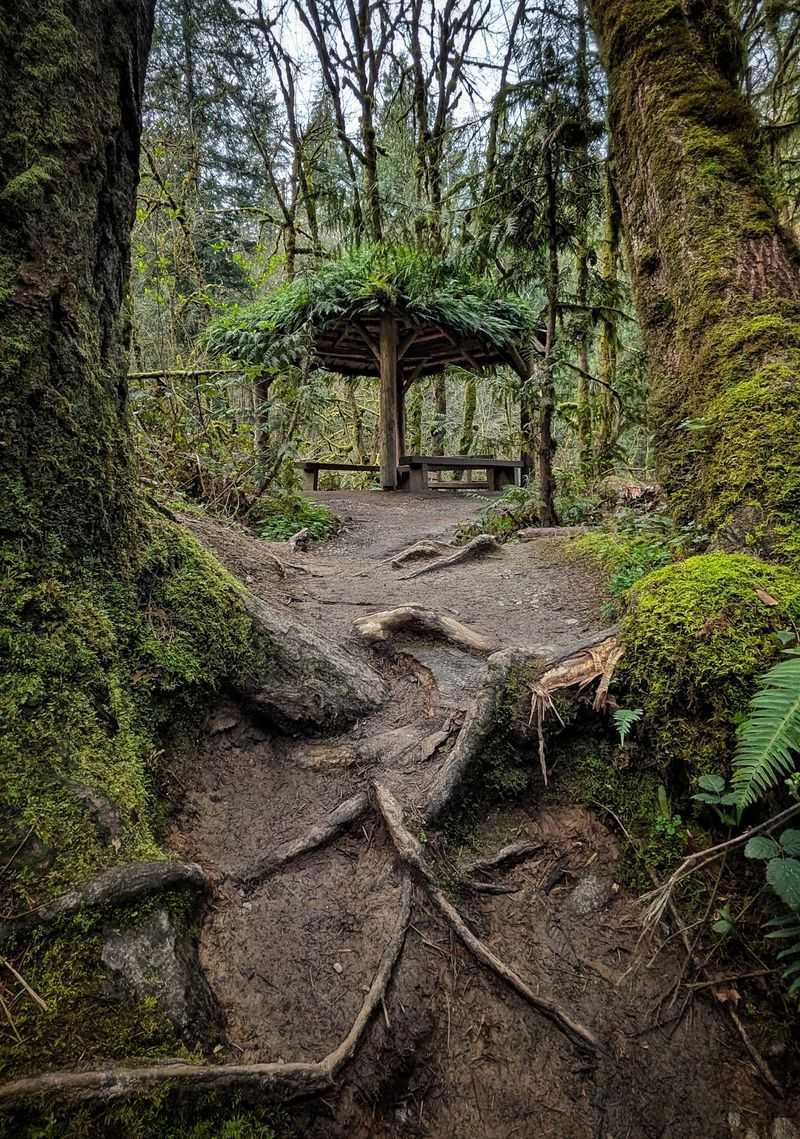
The Wildlife Care Center now treats more than 5,000 wild animals in some years with support from staff and more than 170 volunteers. That number alone explains why help is always welcome.
The Bird Alliance has defended wildlife and wild land for more than a century. Its Portland Wildlife Sanctuary covers 172 acres and includes more than four miles of forested trails.
Wildlife Care Center Assistants handle the unglamorous essentials. Laundry, dishes, enclosure cleaning, and food prep fill most shifts.
Those chores directly support recovery for hundreds of patients. Sanctuary crews maintain trails and grounds instead, working outdoors among ferns and firs.
The Backyard Habitat Certification Program takes a different angle entirely. Volunteers staff native plant sales and outreach tables across the city.
Trained helpers even conduct certification visits at urban homes. You learn which native shrubs feed local birds best.
Community science projects round out the options. Participants gather data for wildlife research and monitoring, no lab coat required.
Age requirements depend on the role. Wildlife Care Center and Nature Store volunteers must be at least 18, while some sanctuary and other opportunities are open to younger volunteers.
Trails stay open for quiet exploring before or after shifts. Look for chickadees, flickers, and the occasional barred owl.
The sanctuary is at 5151 NW Cornell Rd, with trails open from dawn to dusk. Between the trails and the animal care rooms, curiosity gets rewarded fast.
4. Wildlife Images Rehabilitation & Education Center, Grants Pass
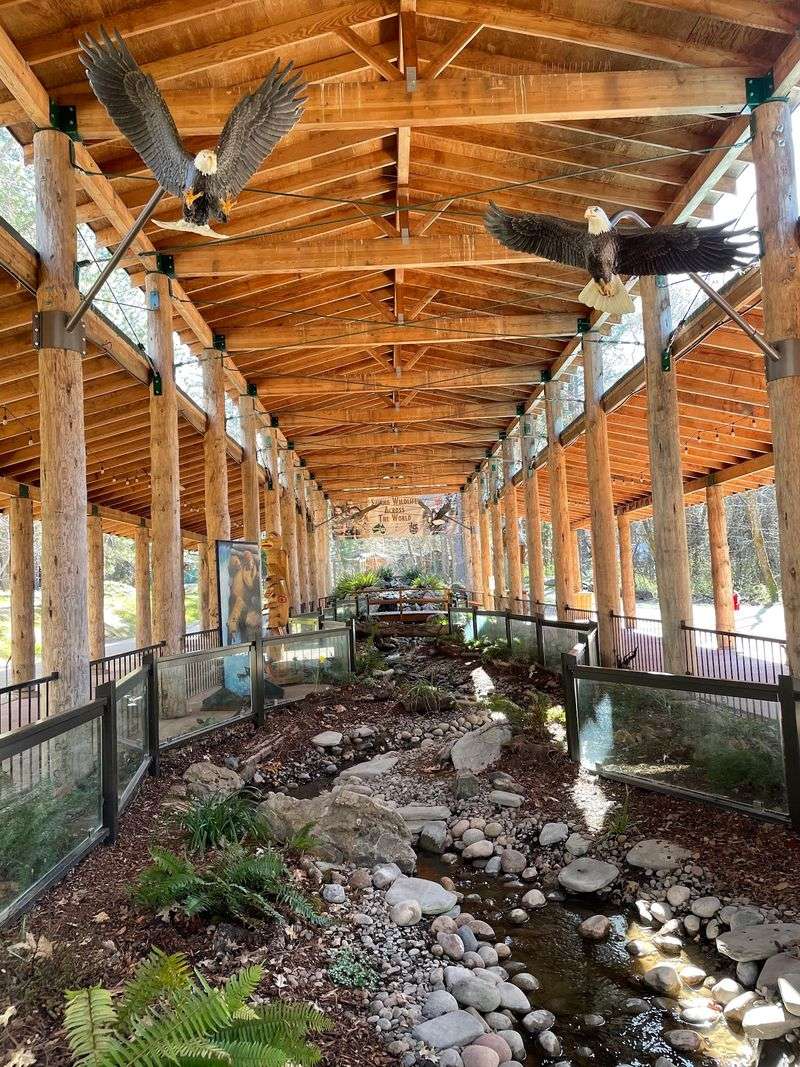
Bears, wolves, raptors, and many other non-releasable animals serve as wildlife ambassadors at the center. That unusual arrangement makes the southern part of the state’s rehabilitation campus unforgettable.
Wildlife Images was founded in 1981 and currently reports caring for more than 1,200 rescued animals each year.
Sick, injured, and orphaned Pacific Northwest natives arrive year-round. The wildlife hospital treats injured, ill, and orphaned animals with release back to the wild as its rehabilitation goal.
A few cannot survive in the wild again. Those animals become ambassadors, meeting guests and starring in education programs.
Birds of prey, wolves, and bears all hold that role. Wildlife ambassadors include raptors, wolves, bears, and many other species that support conservation education.
Volunteers plug into animal care and rehabilitation tasks. Others focus on conservation education and community outreach.
Internships in animal care suit students wanting serious experience. Expect early mornings, heavy buckets, and excellent stories.
Summer brings Camp EEK, a youth day camp with weekly sessions. Camp EEK offers week-long summer sessions that explore rehabilitation, habitats, animal biology, and conservation through hands-on activities.
It is a smart introduction for kids who love animals but have never met a wild one up close.
The center sits at 11845 Lower River Rd, Grants Pass. Rogue Valley summers run hot, so bring water and a hat.
Walk away from a shift here and the Pacific Northwest suddenly looks far more crowded with life.
5. Jackson Bottom Wetlands Preserve, Hillsboro
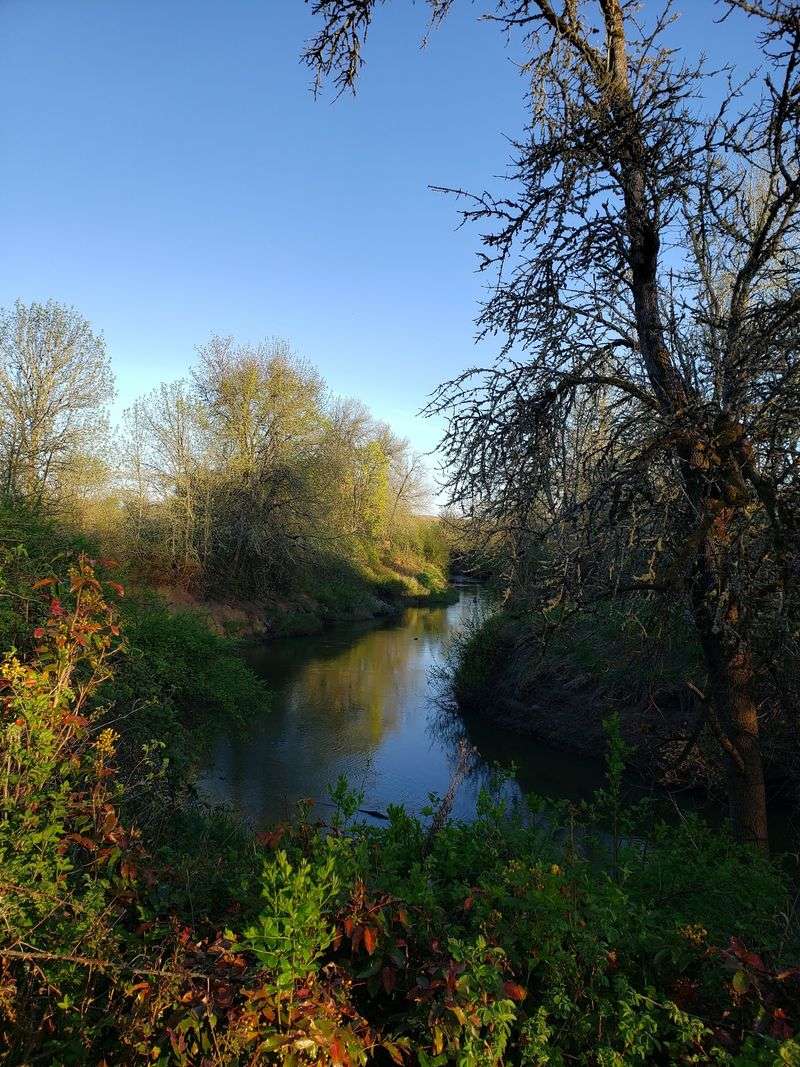
Wetlands quietly do more work than almost any habitat. They filter water, slow floods, and feed thousands of birds.
Jackson Bottom Wetlands Preserve in Hillsboro spreads across 635 acres. The gates stay open year-round.
The 635-acre preserve includes four miles of trails through wetland and upland habitats. Each section attracts different residents.
Nesting waterfowl dominate the open water. Bald eagles, osprey, and songbirds show up regularly for anyone with binoculars.
Volunteer opportunities include conservation projects, guided nature walks, community outreach, educational programs, and events.
Educational programs and community outreach also need steady support. The Nature Center welcomes helpers who enjoy explaining things to curious kids.
Learning resources inside suit every age group. Displays cover birds, amphibians, and the water cycle in plain language.
Training and orientation are required for some ongoing volunteer roles, while the city also offers one-time and project-based opportunities. Think of it as a friendly crash course in how the preserve operates.
Bird activity changes throughout the year, with different species using the wetlands during different seasons.
The preserve is located at 2600 SW Hillsboro Hwy. Rubber boots earn their keep during the rainy months.
Give a few hours here and the muddy edges of the Tualatin Valley start looking like treasure.
6. Oregon Coast Aquarium, Newport
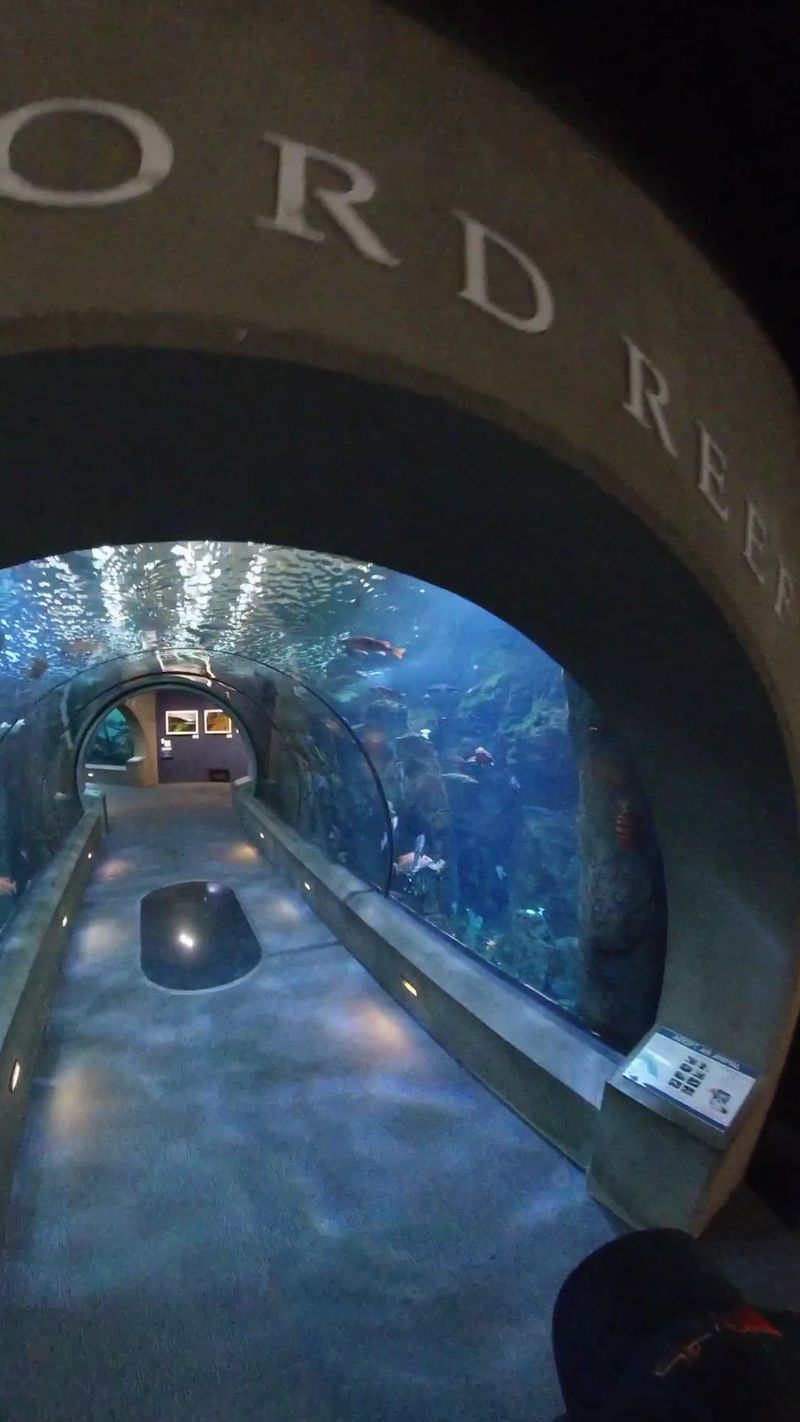
Fifteen thousand animals representing 300 species live under one roof. Keeping that many creatures thriving takes an army.
The Coast Aquarium in Newport opened in 1992 and became an anchor for ocean advocacy. Marine wildlife and coastal health drive its work.
Adult volunteers often interpret exhibits for guests. Explaining how a sea otter stays warm never gets old.
Certified volunteer divers clean acrylic and rockwork, remove debris, observe animals, and assist with other husbandry-related dive duties.
Horticulture is another adult volunteer option, supporting the aquarium’s planted outdoor areas.
High school students have their own youth program. Those teens educate guests and inspire interest in ocean conservation.
High school volunteers educate guests and build experience communicating about marine life and conservation.
Animal care and rehabilitation remain central to the mission. Coastal conservation education and outreach extend that reach beyond the building.
Yaquina Bay sits right outside, so plan extra time for tide pools and harbor seals. Fog rolls in without warning, so layers help. The aquarium is at 2820 SE Ferry Slip Rd in Newport.
Spend a season here and the Pacific stops looking like scenery and starts looking like a neighborhood.
7. Tualatin River National Wildlife Refuge, Sherwood
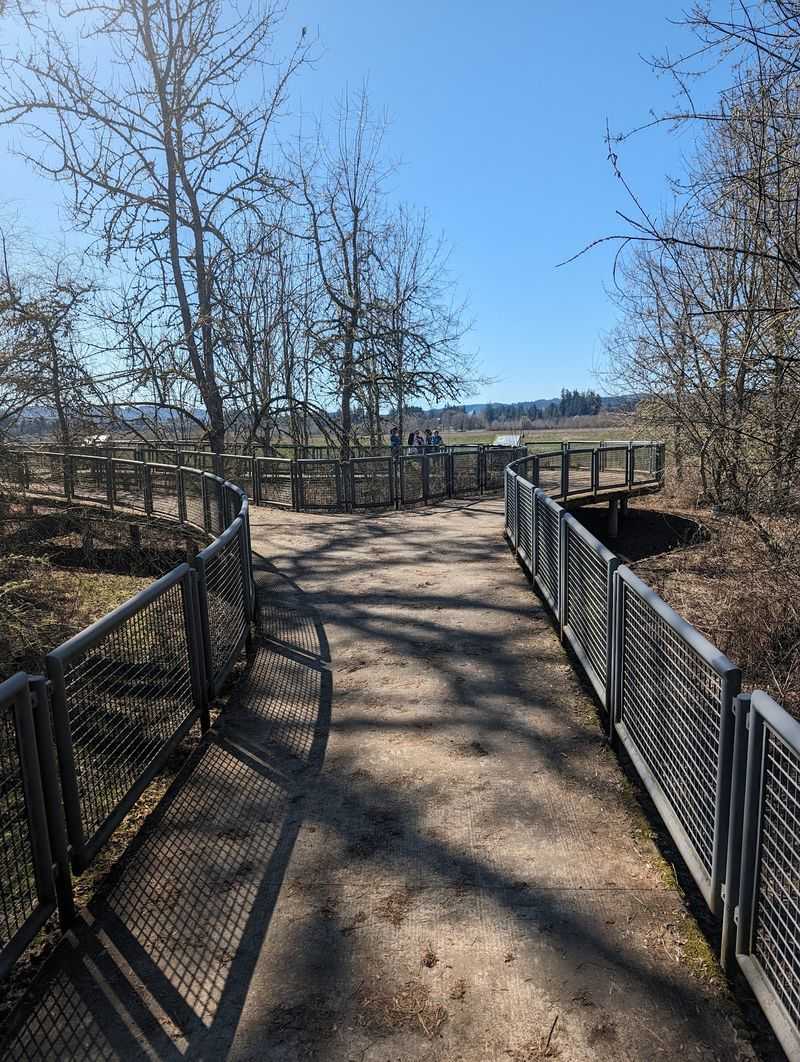
Have you given any thought to a national refuge sitting minutes from a major city? That is the unusual charm of this one.
The Tualatin River National Wildlife Refuge near Sherwood was established in 1992. Its habitats follow the Tualatin River floodplain.
Seasonal wetlands, forest, and grassland all crowd into a compact area. Wildlife responds by showing up in impressive numbers.
The year-round trail is open from dawn to dusk, while an additional seasonal trail opens from May 1 through September 30.
Volunteers staff the Visitor Center entirely. They greet guests and answer questions about the refuge and its seasons.
Trail Rovers walk the paths and report conditions back to staff. It suits people who prefer moving over standing still.
Habitat management crews remove invasive species and plant natives. That work reshapes the land year after year.
Refuge Naturalists assist school field trips, off-site programs, special events, and other conservation-education activities.
Winter flooding changes the landscape dramatically, which makes repeat visits interesting. Migratory birds arrive in waves.
The refuge address is 19255 SW Pacific Hwy, Sherwood. TriMet service reaches the refuge area, with a connecting path from Highway 99 to the Visitor Center and trails.
Few conservation opportunities sit this close to home while feeling this far from traffic and noise.
8. Malheur National Wildlife Refuge, Princeton
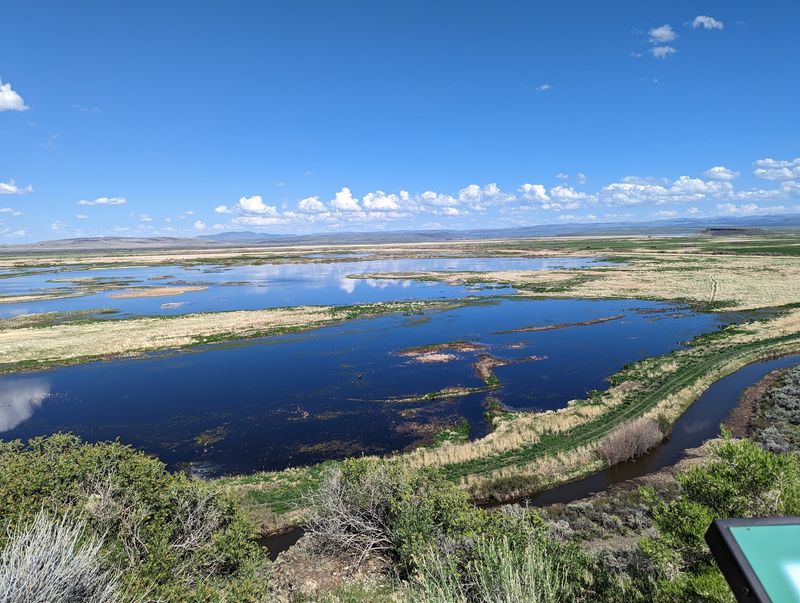
The idea of a marsh oasis in the middle of the high desert came completely out of left field. Yet here it is, sprawling across 187,000 acres.
Malheur National Wildlife Refuge near Princeton anchors a key stretch of the Pacific Flyway. Migratory birds depend on it for rest and nesting.
More than 340 bird species use the refuge. Around 67 mammal species share the ground with them.
Spring migration turns the wetlands into a spectacle. Sandhill cranes, avocets, and white-faced ibis crowd the water.
Volunteers staff the Visitor Center and Nature Store. Others handle lawn care, repairs, and facility cleaning.
Education volunteers lead youth programs and give naturalist talks. Education volunteers support school programs, naturalist talks, interpretation, and other refuge learning activities.
Residential positions welcome people traveling with RVs. A one-month commitment comes with full hookups and amenities.
The historic Sod House Ranch is open from August 15 through October 1, with volunteer interpretation among the seasonal opportunities.
Distances out here are real, so fuel up before heading in. Cell service is spotty and stars are spectacular.
The refuge headquarters sits at 36391 Sodhouse Ln, Princeton. Bring binoculars and a field guide.
The refuge supports more than 340 bird species and 67 mammal species across more than 187,000 acres of high-desert habitat.
9. Hart Mountain National Antelope Refuge, Plush
Just imagine a horizon so wide that pronghorn look like moving punctuation marks.
Hart Mountain National Antelope Refuge was established in 1936 to protect pronghorn herds. Today it shelters over 300 species.
TThe refuge covers about 278,000 acres, or roughly 434 square miles, of high-desert habitat.he protected land covers more than 422 square miles of high desert. Rugged cliffs drop into rolling sagebrush grasslands.
Shallow playa lakes appear and vanish with the seasons. That variety supports an unexpected range of creatures.
California bighorn sheep scale the rocky slopes. Mule deer, sage grouse, and redband trout round out the cast.
Volunteers help with conservation projects, invasive plant work, campground maintenance, general maintenance, and visitor assistance.
Conservation volunteers may assist with invasive plant removal and other refuge projects, while scientific monitoring is managed separately under refuge requirements.
Seasonal resident camp-host positions are among the longer-term volunteer options at the refuge.
Wildlife observation, hiking, and photography fill any free hours. Golden light on the rimrock is worth the early alarm.
Roads can be rough, so a high-clearance vehicle helps. Supplies should be packed in advance since services are distant.
The refuge is reached at 38782 Hart Mountain Rd, Plush. Weather swings hard between day and night. Time spent out here rewires how you picture Oregon entirely.
10. Chintimini Wildlife Center, Corvallis
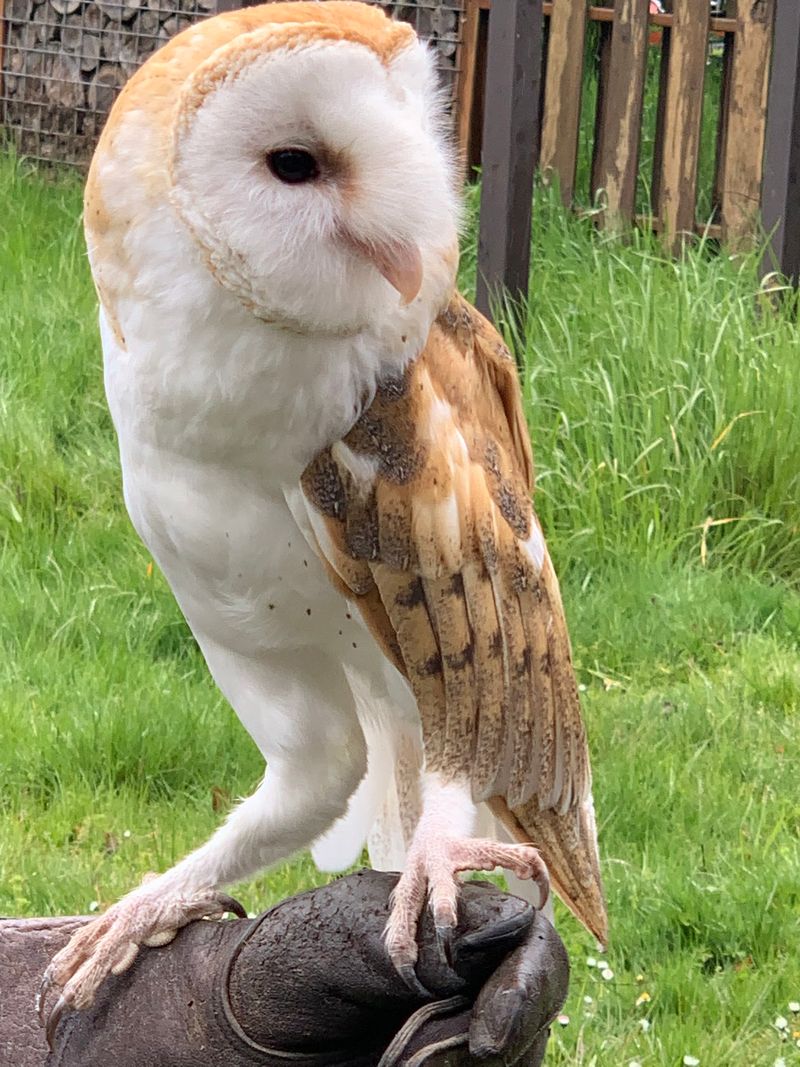
The wildlife hospital admits injured and orphaned native animals every day of the year.
Chintimini Wildlife Center just outside Corvallis spreads across 9.4 acres. More than 2,000 injured and orphaned native animals arrive annually.
The wildlife hospital admits distressed creatures every single day. Recovery and release remain the ultimate goal.
Education builds the second half of the mission. Connecting people to local wildlife prevents future injuries.
Over 100 volunteers assist weekly. Animal care, education, and facility upkeep dominate the schedule. Landscaping, fundraising, and administrative tasks matter just as much. Not every hero wears gloves.
Most ongoing roles require volunteers to be 18 or older. A six-month weekly commitment is typically expected.
Short-term projects are also available for youth, families, companies, and others who cannot commit to an ongoing weekly role.
Outreach programs reach thousands of students and community members. The center reaches thousands of people each year through on-site and traveling wildlife education programs.
Public and private tours run by appointment. Tours of the Nature Center are available by appointment and can include opportunities to learn about the resident animal ambassadors.
Spring and early summer bring the busiest stretch, thanks to baby season. Extra hands are especially valuable then.
The center is located at 311 NW Lewisburg Ave, Corvallis. Ongoing volunteers should be prepared for hands-on work that can involve animal care, cleaning, maintenance, landscaping, education, or administrative support.
Warm, scrappy, and endlessly busy, it turns compassion into practical skill.