This Minnesota Wildlife Park Will Make Your Whole Family Feel Like They’re On A Real Safari
There is a train in central Minnesota that drives you past ostriches. Read that again.
Minnesota.
Nobody expects the lions to be real. Everybody assumes the zebras will be hiding somewhere behind a rock.
That is the standard arrangement with animal parks, and you have made peace with it.
This place did not get the memo.
The animals are out. They are unbothered.
They will look directly at your vehicle with the confidence of something that has never once worried about you. Your kids will lose their minds.
You will also lose your mind, quietly, in the adult way where you pretend you are taking photos for them.
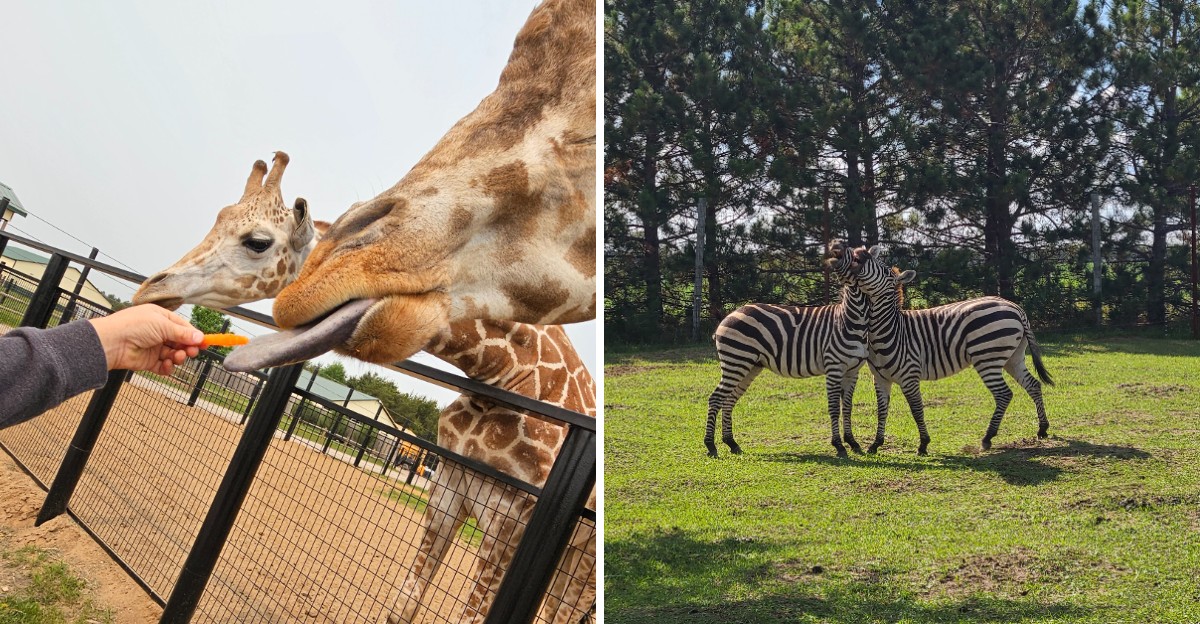
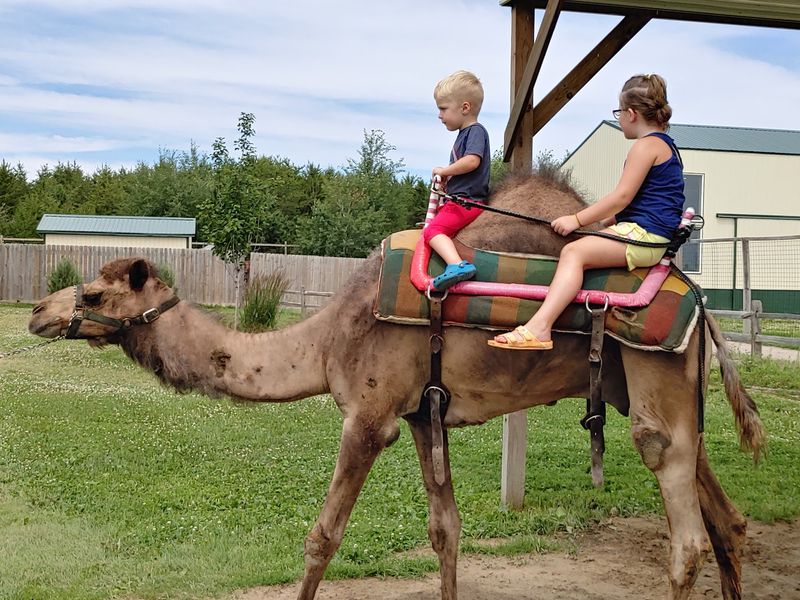
Somewhere in here there is a camel available for riding and a giraffe willing to eat out of your hand. Yes, in Minnesota.
Yes, you can.
Check the calendar before you go, because this adventure keeps seasonal hours.
The Wild Heart Of Minnesota Lakes Country
Safari North Wildlife Park sits along a busy highway, and plenty of drivers breeze right past it. The small roadside sign hides a property that stretches across 43 wooded acres.
Kevin and Kelly Vogel founded the park in 2014. Between them they carry over 50 years of exotic animal experience.
Before this, the Vogels ran traveling petting zoos across the region. Animals moved constantly from town to town.
Now those same animals have a permanent address and room to spread out. That shift from suitcase life to settled home shapes everything you see here.
Shade matters more than you might think on a summer afternoon. Tall trees cover much of the walking path, which keeps strollers and tired kids comfortable.
Visitors routinely mention being shocked by the size once they get past the parking lot. From the road it looks like a roadside stop, not a full day out.
Wear shoes you can actually walk in, because the loop covers real ground. Bring cash too, since animal feed cups are sold throughout the park.
You will find it at 8493 MN-371, Brainerd, Minnesota.
Animals From Five Continents Under One Roofless Sky
Over 120 unique animal species live at this park. They come from five continents, which is a lot of passports for central Minnesota.
North America, Asia, Africa, South America, and Australia are all represented. You cross the world without crossing a state line.
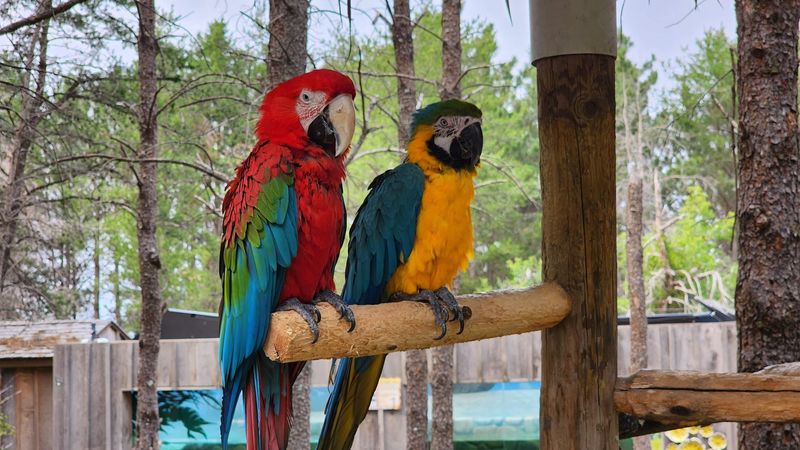
The mix keeps the walk unpredictable. A bend in the path might bring lemurs, then macaws, then something with hooves you cannot name yet.
Every enclosure carries an information sign. Kids who ask a hundred questions will find answers without you inventing any.
New exhibits get added each year, so return visits rarely feel repetitive. Regulars notice fresh faces and new habitats season after season.
Spring visitors often catch babies. Baboon and lemur youngsters show up in the warmer months and steal the whole afternoon.
Enclosures here are planted with natural greenery rather than bare concrete. That makes the animals easier to watch and far more active.
Plan on several hours rather than a quick lap. Families with kids from toddlers to teenagers report the same thing, that nobody got bored.
Start early if you want to see it all without rushing the back half.
Climb Aboard The Expedition Safari Train
Halfway through the walking loop, a trolley train waits. Climbing on changes the whole tone of the visit.
The Expedition Safari ride is narrated and covers 10 acres of open paddock. It is the closest thing Minnesota offers to a real game drive.
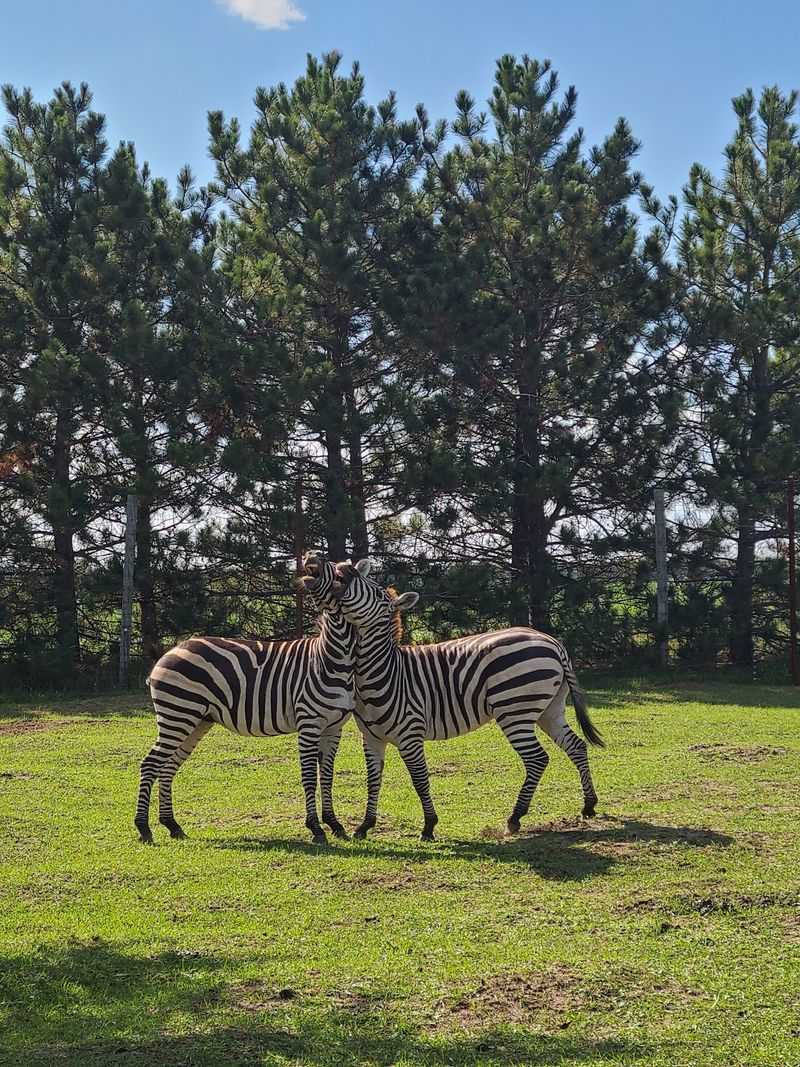
African lions appear along the route. So do monkeys, antelope species, zebras, and cranes moving across open grass.
Wildebeest wander through as well. Ostriches and emus stride around with their usual dramatic confidence.
Here is the practical part. Zebras are genuinely hard to see well from the walking path, so the train is your best look.
You also glimpse enclosures the main trail never reaches. That bonus alone wins over people who almost skipped the ride.
Lines can build up on busy days, and the train runs on its own schedule. Getting in line earlier rather than later saves disappointment.
The narration adds real information, not just scenery. Children pick up facts about each species without realizing a lesson happened.
Seats are open-air, so bring a hat on bright days. The breeze makes it one of the most comfortable stretches of the whole visit.
Giraffe Tongues, Camel Rides, And A Room Full Of Parakeets
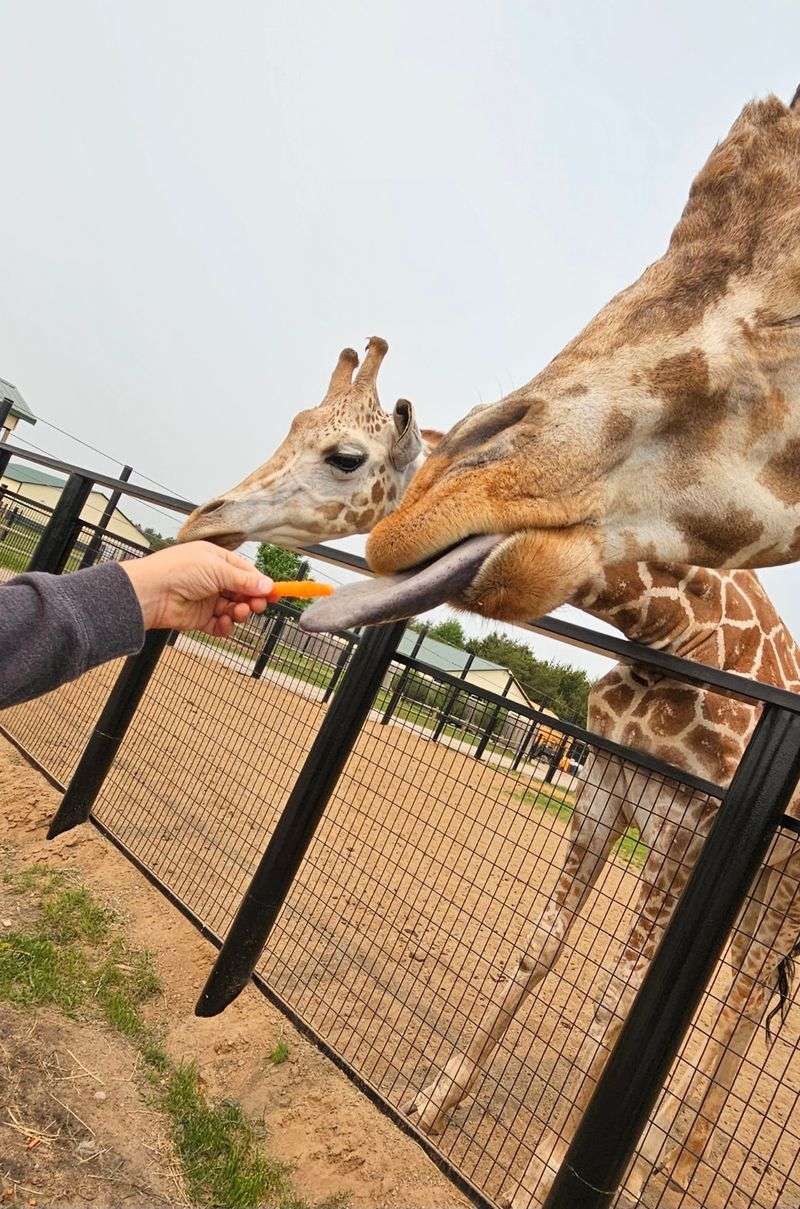
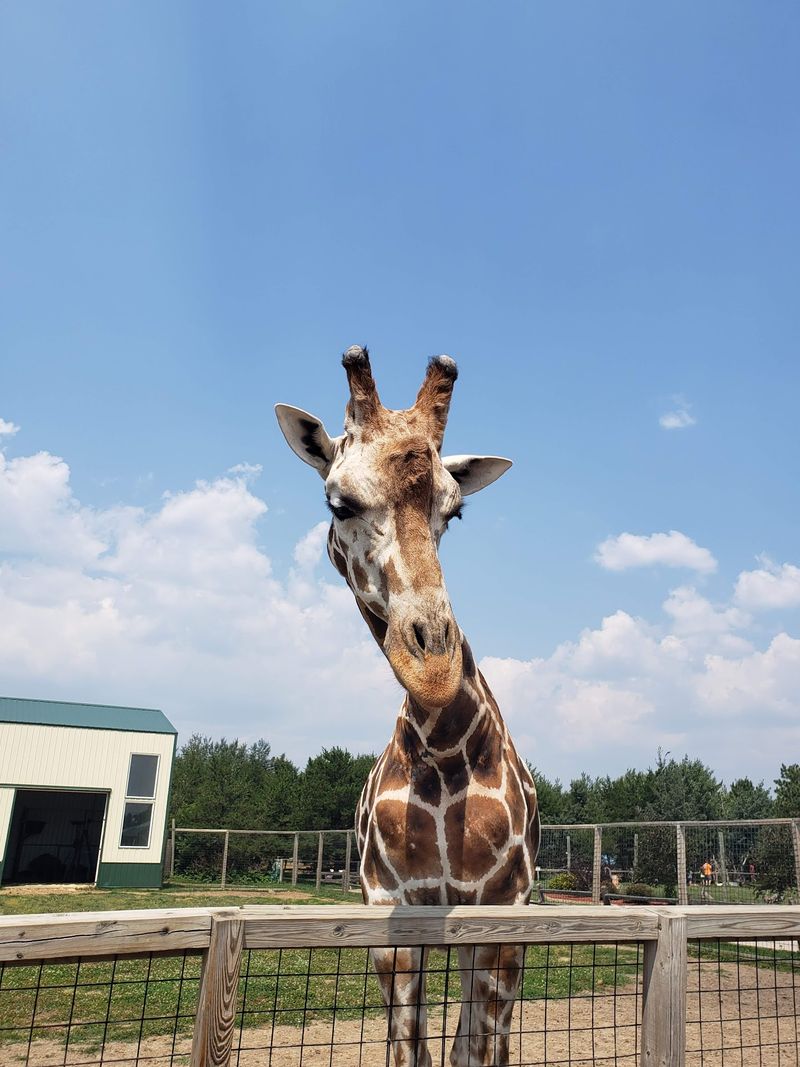
Jigsaw and Jabo are giraffes, and they have opinions about carrots. Feeding them is the single most talked-about moment in the park.
Their tongues are long, purple, and surprisingly enthusiastic. Toddlers sometimes hesitate, while older kids laugh until they cannot hold the carrot steady.
Camel rides run in another part of the grounds. It costs a few dollars and delivers a story your kids will retell for months.
The Parakeet Encounter is a walk-in aviary with hundreds of birds. Feed sticks draw them straight onto your arms and shoulders.
Fair warning for sensitive little ones. The flock sometimes lifts off all at once, which can startle a nervous two-year-old.
Give it two minutes. Most families go from flinching to giggling once the birds settle.
A white-tail deer enclosure lets you walk right among the herd. Albino deer sometimes step close enough to sniff your hand.
Bring cash for feed cups, since these extras are purchased inside the park. They are reasonably priced and worth every coin.
Do the giraffes early, before the carrots and the kids both run out of steam.
Barnyard Friends And Thirty Alligators
Goats have zero manners and every kid loves them for it. The barnyard and petting area proves that within about ten seconds.
Cows and llamas join the lineup. Feed cups make you instantly popular with the entire pen.
Kangaroos live in this friendly section too. Seeing one lounging near a goat pen is a genuinely odd Minnesota moment.
A milking barn lets you try milking a cow. City kids tend to find this either fascinating or hilarious, occasionally both.
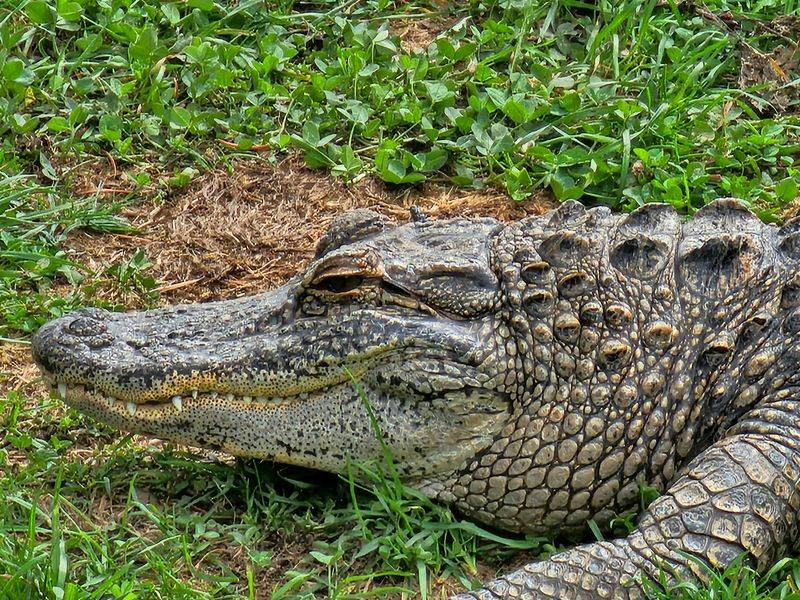
Then the mood shifts. Over 30 alligators occupy their own area, sunning themselves with prehistoric patience.
You can buy food to feed them, though gators are famously unmotivated eaters. Some days they ignore the offering entirely, which is part of the fun.
Smaller residents hide in plain sight nearby. Raccoons, porcupines, and skunks all have enclosures worth slowing down for.
Porcupines are far bigger than most people expect. Kids who breeze past the lions will stop cold at the quills.
This section works well as a midpoint break. The pace is slower, the animals are approachable, and everyone gets to touch something.
Gemstone Mining And A Small Carnival Hidden Beside The Animals
Not every kid can look at animals for four straight hours. Safari North planned for that.
A mining sluice sits on the grounds where you sift for gemstones. Little prospectors take this job extremely seriously.
The Safari Wild area adds amusement rides. A carousel and a tilt-a-whirl handle the classic carnival cravings.
Younger visitors get their own scaled-down rides. Parents get a bench and a few minutes of stillness.
A large playground with professional equipment anchors the area. Slides, ladders, and spring animals keep energy burning off.
Best part, the playground and the big slide cost nothing extra. Free entertainment inside a paid attraction feels like a small win.
The ride area sits right next to the petting zoo. That layout lets you park yourself in one spot while kids rotate between goats and go-rounds.
Rides typically wind down before the park closes. Aiming for earlier in the day keeps everything open and available.
Families with a wide age range benefit most here. Teenagers hit the animals, little ones hit the slide, and nobody argues about leaving.
Budget a good half hour for this section alone.
Rhinos, Tigers, And A Giant Anteater With A Yogurt Habit
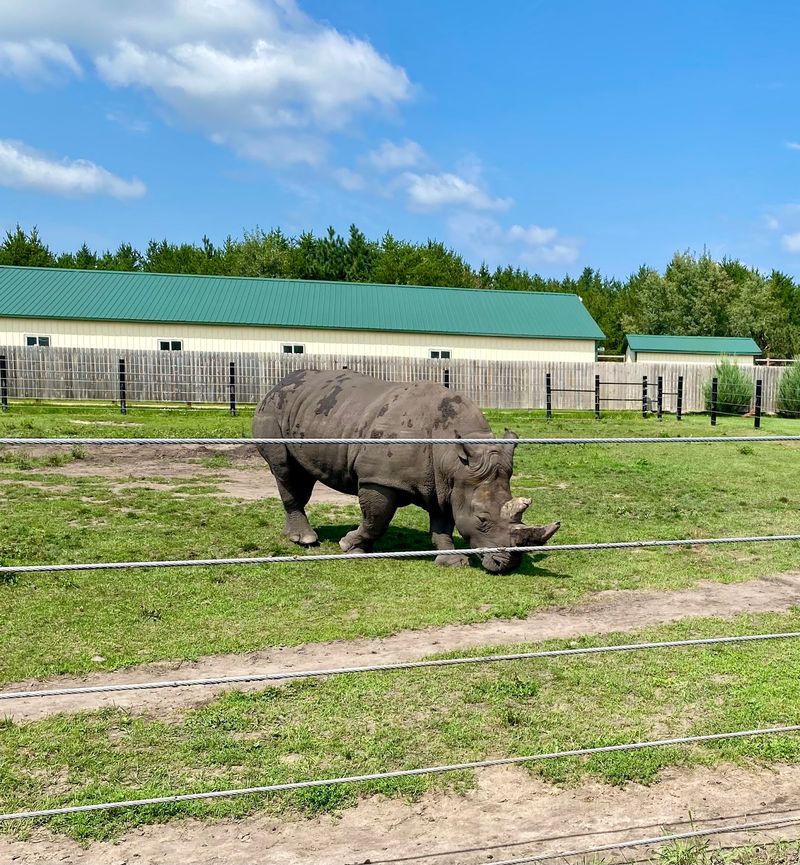
Gunnar is a Southern White Rhino, and he lives in Brainerd. That sentence still surprises lifelong Minnesotans.
Black bears and grizzly bears occupy substantial habitats. Their size lands differently when you are standing a short distance away.
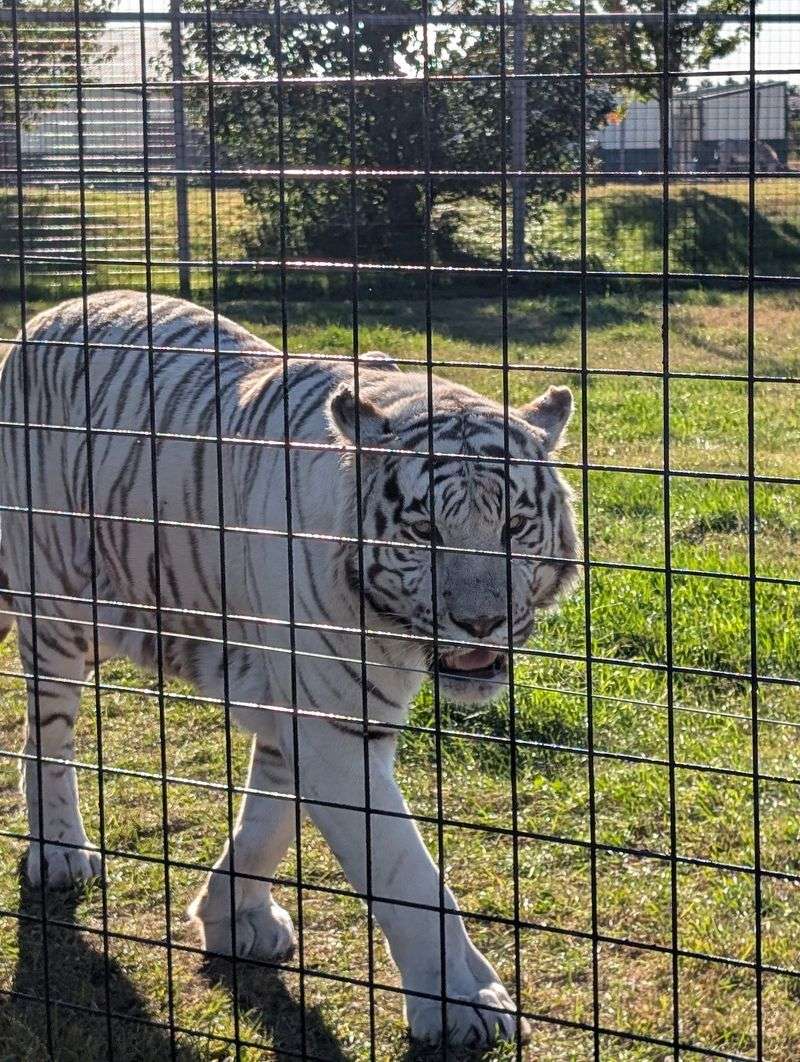
Tigers prowl here as well, including Siberian varieties. Cougars, sometimes called mountain lions, share the big cat neighborhood.
Sloth bears from India are a rarer sight. Shaggy and long-clawed, they draw steady crowds from people who have never seen one.
A giant anteater joined the collection more recently. Keepers report a strong fondness for yogurt, which is an excellent detail.
Plenty of these species simply are not found in most Midwest zoos. That rarity is the park’s quiet bragging right.
Enclosures are sized so you get a clear view without straining. Natural plantings fill the spaces rather than bare walls.
Signs at each habitat explain range, diet, and behavior. Reading a few turns a walk into an actual lesson.
Animals tend to be most active earlier in the day. Morning visits usually reward you with more movement and better photos.
Give the rhino a few extra minutes, because Gunnar is worth it.
Snacks, Souvenirs, And Planning Your Day Right
Fresh-squeezed lemonade tastes better after two miles of walking. That is just science.
Mini donuts and funnel cakes are sold on the grounds. The donut vendor earns consistent praise from families passing through.
A large shaded seating area sits near the food. It makes a solid regrouping point when everyone needs a breather.
Packing a picnic is a smart backup plan. Menus can run short on busy days, so flexibility helps.
The gift shop doubles as the main entrance building. Souvenirs, plush animals, and restrooms with a diaper changing table are all there.
Parking is plentiful, which removes one common family headache. Strollers roll fine on the maintained paths.
The open-air layout is what makes viewing feel so personal. Compact habitats put you closer without crowding the animals.
Educational commentary continues along the safari train route. Conservation sits at the center of the park’s stated mission.
Bring cash, wear comfortable shoes, and start with the train line. Follow those three rules and the day runs smoothly.
Families consistently describe leaving impressed and already planning a return trip. That reaction says more than any brochure could.