This Unusual Wildlife Park In Florida Is An Unforgettable Encounter With Capybaras
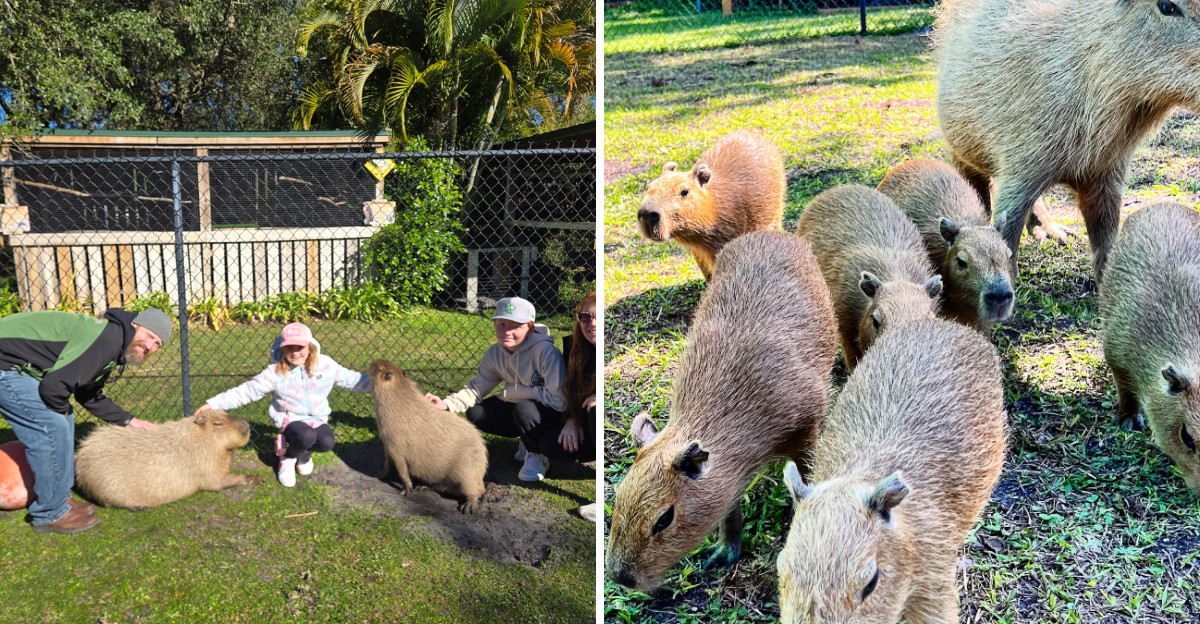
Picture a guinea pig. Now scale it up until it weighs more than your dog.
That right there is a capybara, and it is the calmest animal on earth. Nothing rattles these creatures.
Birds sit on them. Turtles nap against them.
They wade into water like they are paying by the hour. Florida happens to have a place where you can meet one in person.
You get to hand over a piece of produce and watch it disappear in slow motion. The fur feels like a doormat, which nobody warns you about.
They make a noise somewhere between a purr and a squeak. Nobody leaves in a bad mood.
Bring a real camera, because your friends will not believe the photos otherwise. Wear shoes you do not mind getting muddy.
This is the strangest hour you will spend in Florida.
A Backyard Preserve That Grew Into Something Bigger
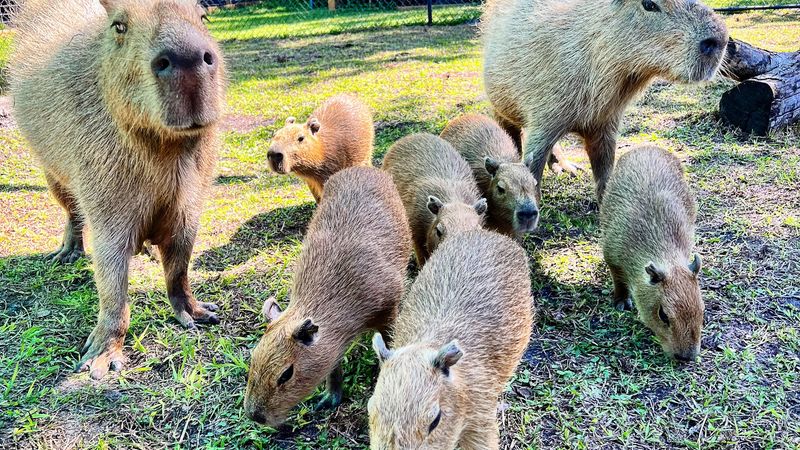
Great stories often start small, and this one started with reptiles. Amazing Animals Inc. opened in 2009 as a reptile rescue run by people who simply could not say no to an animal in need.
Today it covers about 2.5 acres and houses more than 100 exotic animals. The non-profit is accredited by the Zoological Association of America, which means real standards behind the friendly atmosphere.
What makes the place unusual is its honesty. Many residents arrived because someone bought an exotic pet and could not keep up with the care.
Instead of hiding that, the guides explain it. You leave understanding why a kinkajou or a boa constrictor rarely works out in a living room.
The mission is built around hands-on education rather than passive viewing. You are not shuffled past glass panels with a recorded voice overhead.
You walk a grassy path, meet animals at their level, and ask as many questions as you like. Conservation feels less like a lecture and more like a conversation.
Find it at 4235 Rambler Ave, St Cloud, Florida, about a half hour drive from Orlando. The setting is modest, the experience is not.
Capybaras That Ask For Belly Rubs
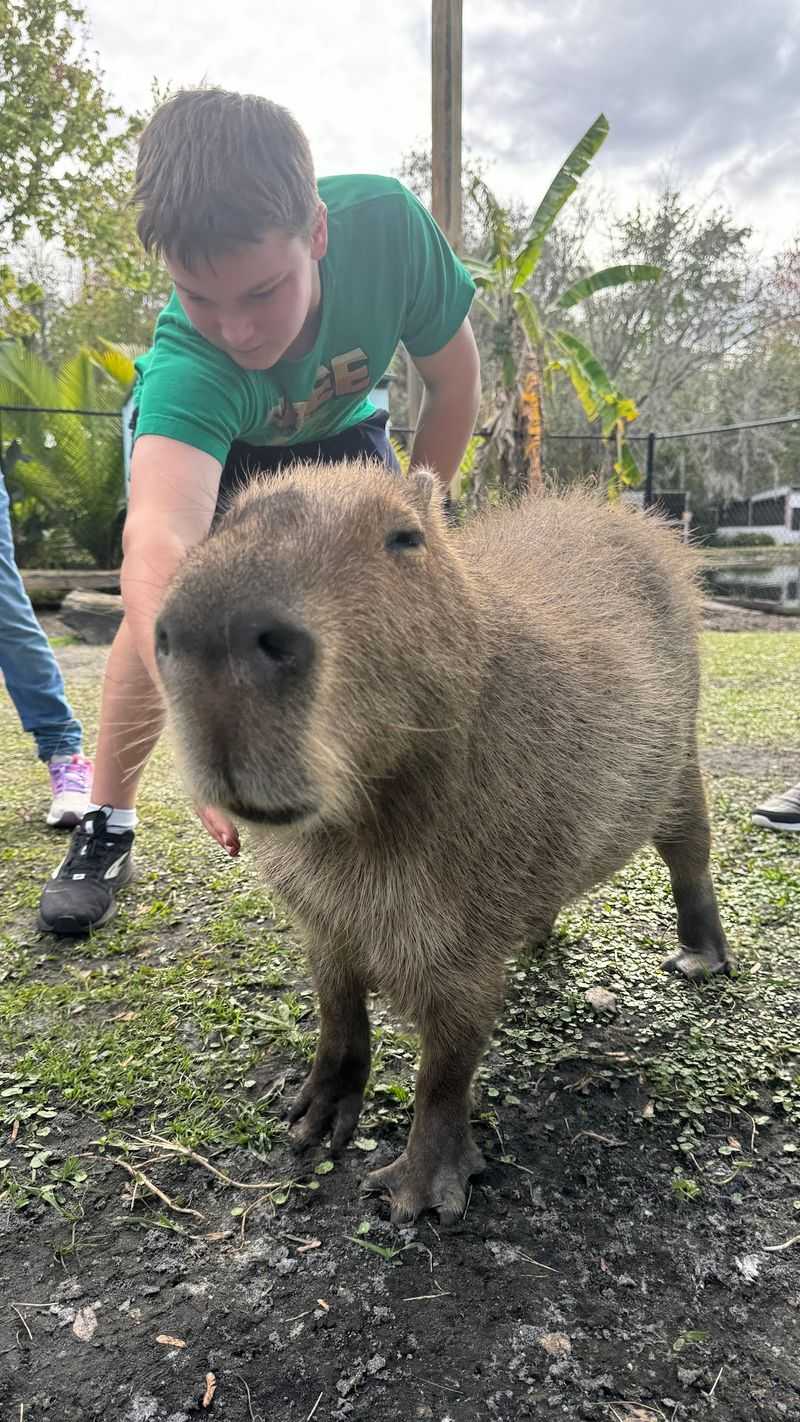
Picture the world’s largest rodent flopping onto its side like a contented dog. That is the capybara greeting most visitors remember longest.
These South American giants are the headline act here, mentioned in reviews more than any other animal. You can meet them, pet them, and hand feed them during your tour.
Their personalities surprise people. Regulars will tell you the capybaras enjoy tummy rubs and sometimes break into full sprints known affectionately as zoomies.
Staff say they have been known to drag a water hose around the yard for fun. Calm one minute, comedic the next.
Capybaras are semi-aquatic and built for swimming, with slightly webbed feet and eyes set high on the head. In the wild they lounge in rivers and marshes, chewing grasses all day.
Their teeth never stop growing, so constant munching is not gluttony. It is maintenance.
Bring a camera and low expectations about staying clean. Sitting in the grass with a capybara leaning against your leg tends to win over even the least animal-obsessed member of your group.
Families often report that kids refuse to leave the capybara yard. Consider yourself warned.
Sloths, Corn On The Cob, And Very Slow Snacking
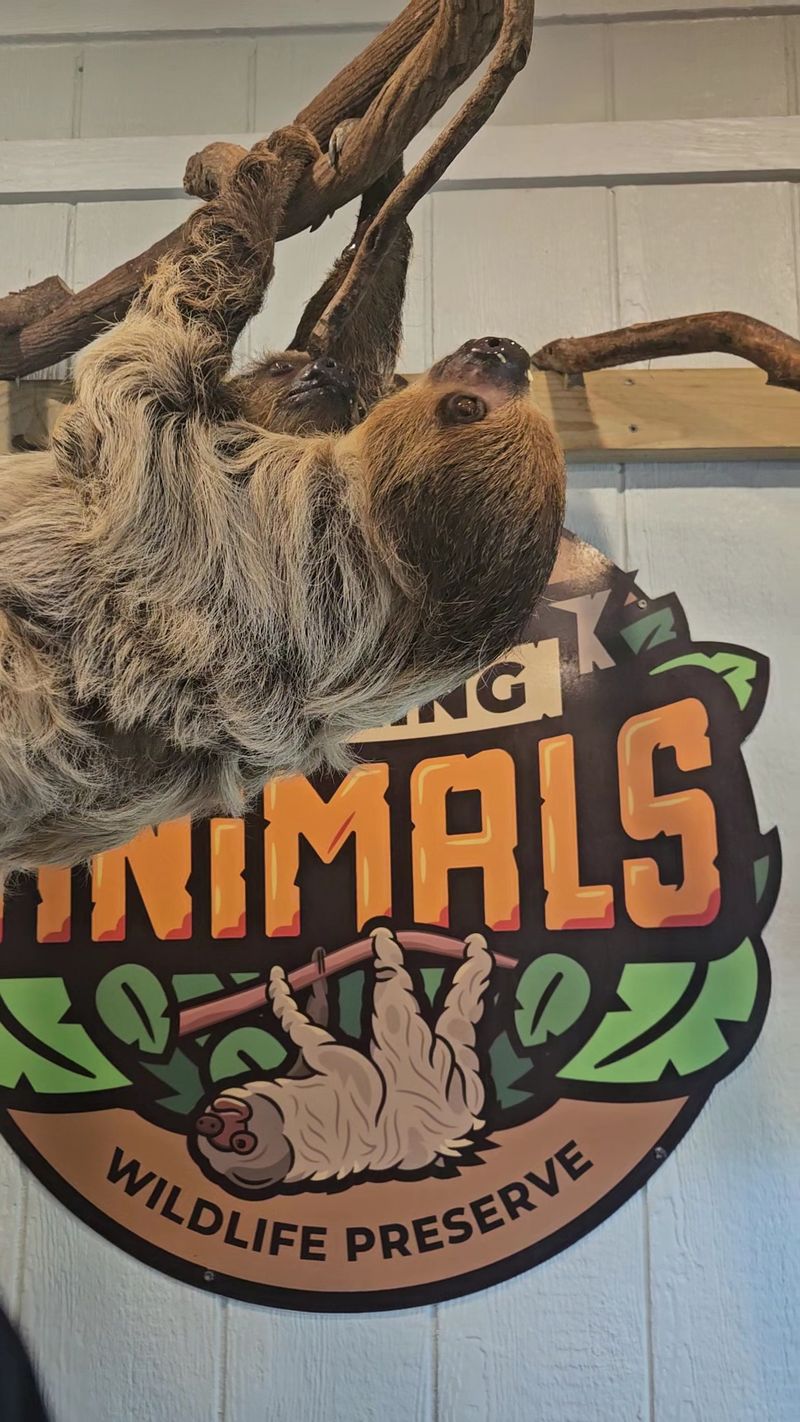
The final stop on the tour is usually the one people talk about in the car ride home. Sloths wait on a perch, positioned so you meet them face to face.
Petting and feeding are both part of the encounter. Corn on the cob seems to be the crowd favorite, and visitors mention sleepy sloths waking up specifically for it.
Movement here happens in slow motion, and that is the charm. A sloth reaching for a snack turns into a small event everyone stops to watch.
You get time for photos, and nobody rushes you along. Because tours are private, the pace belongs to your group.
Sloths spend most of the day resting, and their metabolism runs remarkably slow. A single meal can take days to digest fully.
Their long claws are built for hanging, not walking, which is why perches matter so much in their habitat.
Encounters are designed around the animal choosing to take part. If a sloth is not interested, it is not pushed.
That approach makes the interaction feel earned rather than staged. Reviewers consistently call the sloth meeting unforgettable, and the enthusiasm seems well founded.
Private Tours Mean No Crowds Elbowing You Aside
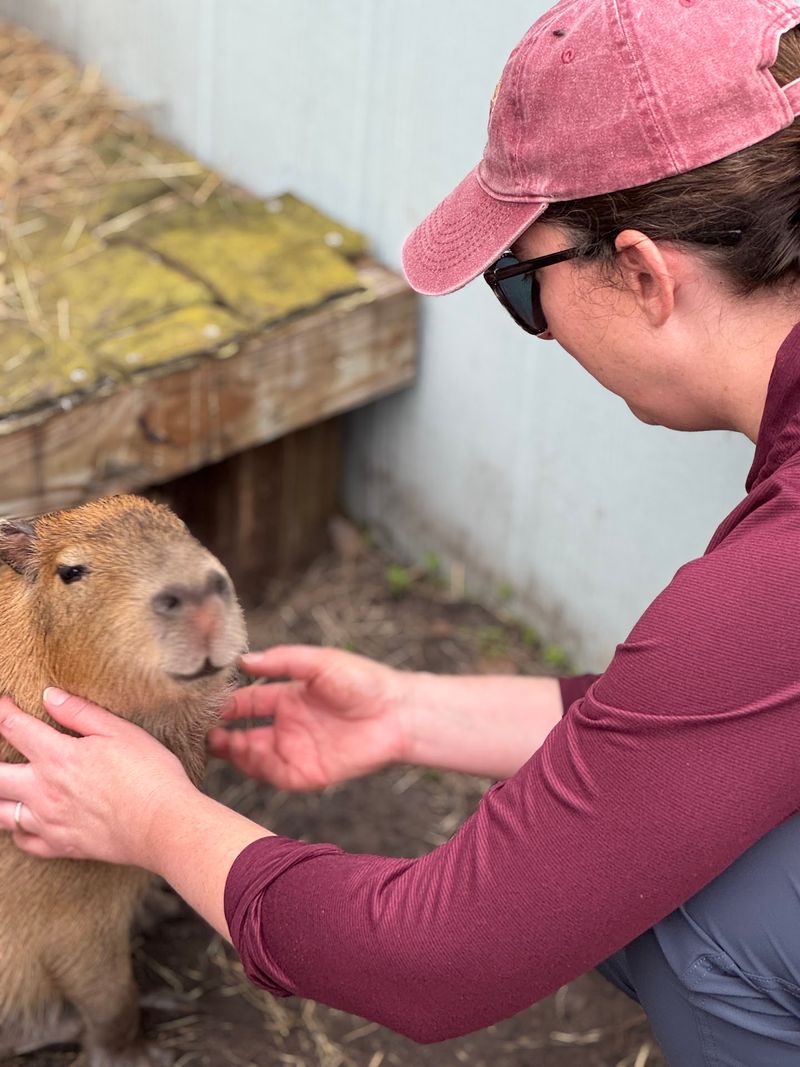
Forget shoulder-to-shoulder lines and strangers photobombing your pictures. Every tour here is private and by appointment only, which changes the entire feeling of the visit.
Your group walks the property with one guide and nobody else. Tours run roughly 1.5 hours, long enough to linger without feeling stretched.
Guides come across as genuinely invested rather than scripted. Visitors frequently mention how much background staff share about individual animals and their histories.
Questions get real answers. Kids asking the same thing three times get patience instead of a sigh.
Booking ahead is not optional. The preserve is not open for walk-ins, and reservations reportedly fill quickly, so plan earlier than you think you need to.
Purchasing online is the simplest route. Arriving more than a few minutes early means waiting, since tours start promptly.
The private format also makes this a smart choice for mixed-age groups. A four-year-old and a teenager can both stay engaged when the pace adapts to them.
Compared with the noise of the big theme parks nearby, the quiet feels almost luxurious. Many families call it the most relaxing part of their Orlando trip.
A Barnyard Crew With Strong Opinions About Snacks
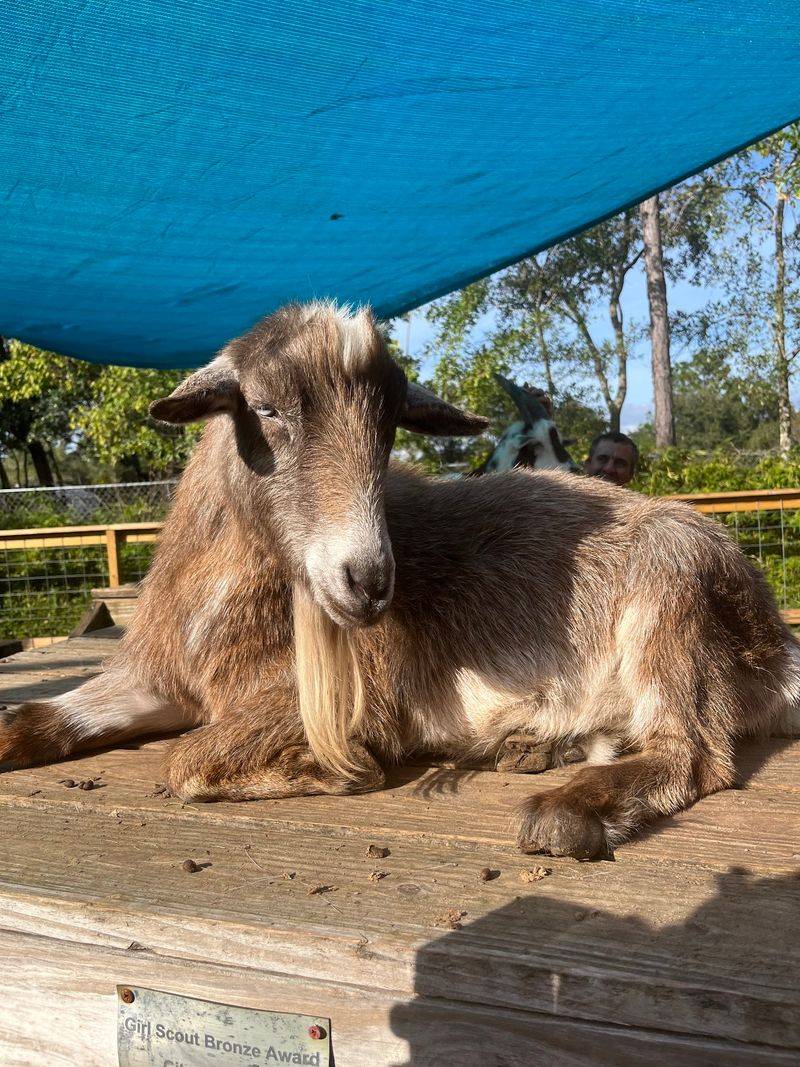
Between the exotic headliners sits a barnyard area that steals more attention than expected. Goats, a donkey, a pig, and an alpaca all live here and all enjoy visitors.
Petting is encouraged, and the animals tend to come to you. Guests often say this stop surprised them most.
Goats are famously curious and will investigate pockets, sleeves, and shoelaces. Their horizontal pupils give them an extremely wide field of vision, close to 320 degrees.
Alpacas hum when they are content or curious. Listen closely and you may catch it.
Pigs rank among the smartest domestic animals, capable of learning names and simple tasks. Donkeys, meanwhile, have excellent memories and form strong bonds with companions.
None of that trivia is necessary to enjoy a scratch behind the ears, but it makes the visit richer.
For younger children, the barnyard is often the confidence builder. Petting a friendly goat first makes meeting a capybara feel less intimidating later.
Families who came strictly for the capybaras routinely admit the barnyard won them over. Plan a few extra minutes here, because leaving takes longer than you expect.
Foxes, Kinkajous, And Other Unexpected Neighbors
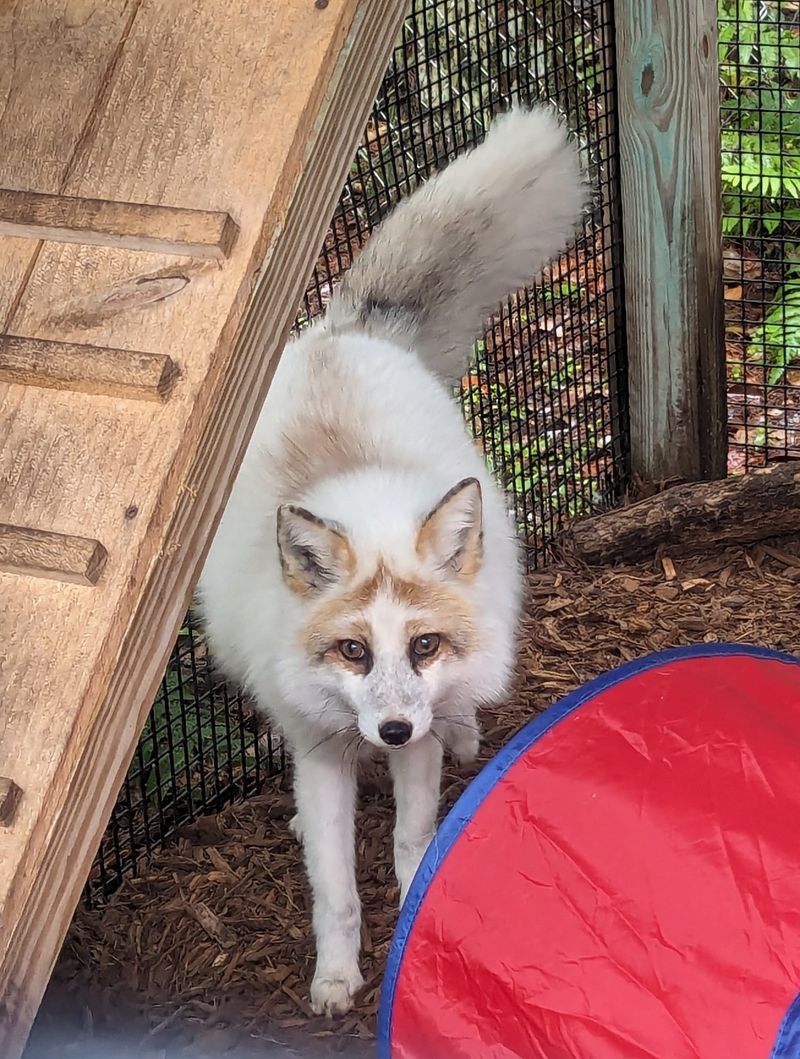
Just when you think the tour peaked, another door opens. The collection includes foxes, monkeys, kinkajous, bobcats, parrots, kangaroos, and reptiles like boa constrictors and alligators.
More than 100 animals live on the property. Each one arrives with a story the guides are happy to share.
Kinkajous are among the most fascinating residents. Native to Central and South American rainforests, they have prehensile tails and a tongue built for reaching nectar.
They are nocturnal and spend their nights high in the canopy. Seeing one up close is rare outside a facility like this.
The reptile side honors the preserve’s origins. Boa constrictors and alligators offer a chance to face a fear with an expert standing right beside you.
Guides explain behavior, diet, and why these species end up needing homes. The information sticks because you are inches away.
Guests have also spotted unusual residents like an orange-colored skunk tucked into its den. Not every animal performs on cue, which honestly makes sightings feel better.
Variety is the real draw here. You arrive for one species and leave with a mental list of favorites you had never considered.
What To Wear, Bring, And Expect On The Path
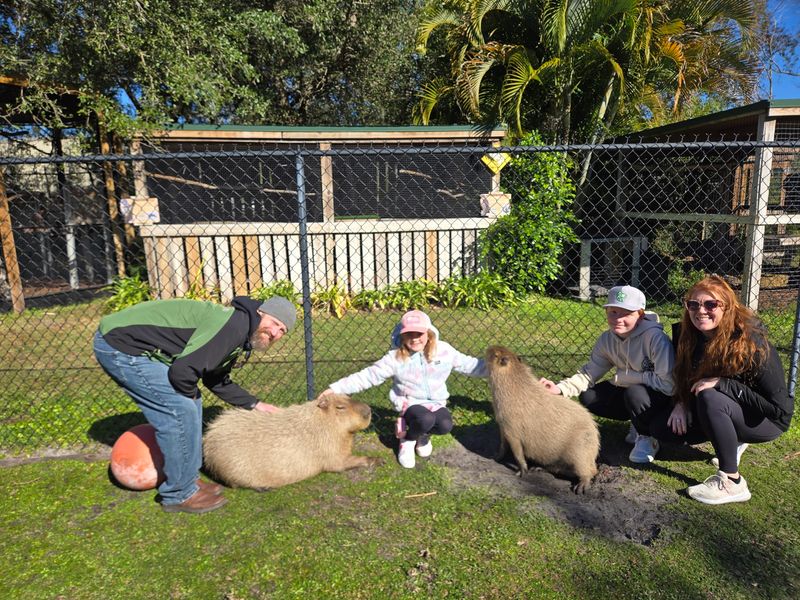
Flip flops are a rookie mistake here. The tour follows an outdoor grassy path about a quarter mile long, and closed-toe shoes are strongly recommended.
Some stretches can turn muddy after Florida rain. Dress for heat, sun, and the occasional puddle.
Tours run rain or shine, pausing only for genuinely dangerous weather such as hurricanes. A light poncho beats an umbrella when your hands are busy feeding animals.
Sunscreen, a hat, and water are smart additions to your bag.
Photography and video are permitted throughout, so charge your phone before you arrive. Nobody will rush your photos with the sloths or capybaras.
Public restrooms are available on site, which matters with small children in tow.
The path is well-maintained and manicured rather than rugged. Still, the terrain is grass and dirt, not pavement, so plan accordingly for anyone with mobility concerns.
A gift shop sits near the end of the route with souvenirs and small trinkets. Buying something there supports the animals, which makes the impulse purchase easier to justify.
Show up ready to get slightly dusty. The best moments happen when you are sitting down in the grass.
Why This Visit Sticks With You Longer Than A Theme Park
Roller coasters fade from memory faster than a capybara leaning into your hand. That is the quiet advantage this preserve holds over Central Florida’s louder attractions.
The experience is built to go deeper than a quick pet. Education about why these species matter runs through every stop.
Animals here participate by choice, and that detail shapes everything. Interactions feel calm because nothing is forced for the sake of a photo.
Guests consistently note how content and well cared for the residents appear.
Hearing that many animals arrived as former pets reframes the whole visit. You start thinking differently about exotic animal ownership without anyone preaching at you.
Guides connect those stories to practical steps you can take at home.
With a 4.9-star rating across hundreds of reviews, the enthusiasm is not just marketing. Families book return visits before they even reach the parking area.
If you want something memorable that costs less than a day of theme park tickets, put this on the list. Reserve early, wear the right shoes, and give yourself permission to sit in the grass.
The capybaras will handle the rest.