This Connecticut Creamery Turns Local Milk Into Small-Batch Artisan Cheese
Good cheese has a way of making a simple snack feel much more exciting than it probably should. Connecticut has a small-batch creamery turning local milk into artisan cheese with plenty of character.
The whole idea feels refreshingly close to home. Milk does not need to travel halfway across the country before becoming something worth putting on the table.
Small-batch production adds another layer to the story. Instead of cheese feeling like just another supermarket staple, you get a glimpse of the care involved in making it.
Ever wondered how much work happens between fresh milk and that first delicious slice?
That process is part of what makes a local creamery so interesting. Familiar ingredients can become something surprisingly distinctive when the focus stays on careful production rather than enormous quantities.
It is a lovely reminder that one of the tastiest things in the fridge can start much closer to home than you might expect.
1. Small-Batch Cheesemaking Starts With Local Milk
Milk here does not travel far. It moves from the milking parlor, through a filter, and straight into the cheese vat, which is about as short a trip as milk can take.
The herd is made up of Jersey cows, a breed known for milk that is naturally rich and a little sweet. Jersey milk carries more protein, calcium, and butterfat than milk from many other breeds, and that extra body shows up in the finished cheese.
Sweet Grass Creamery has described its herd’s milk as A2:A2 Jersey milk, which differs in its beta-casein protein profile from conventional milk. That detail matters to shoppers who read labels carefully, and plenty of regulars do exactly that.
Because everything is made in small quantities on the farm, batches stay manageable and consistent. Nothing gets shipped to a distant processing plant and trucked back, so freshness is built into the system rather than added later.
For visitors, the practical takeaway is simple. Buying cheese made from a single farm’s milk means you can trace the flavor back to actual pastures, actual cows, and a specific season.
That kind of connection is rare at a supermarket counter, and it gives each purchase a real sense of place.
2. Family Farming Traditions Shape Every Batch
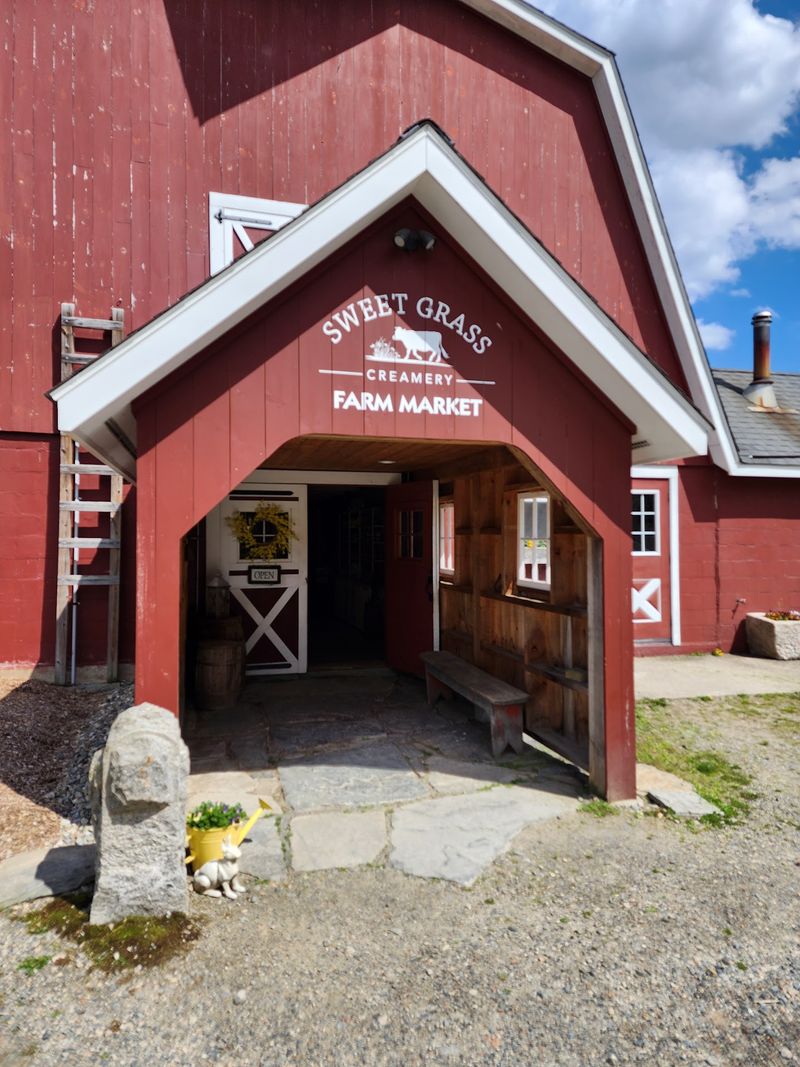
Four generations have worked this land since 1898, and that number is not decoration. It explains why the creamery exists at all.
Mattern Farm has been continuously farmed by the same family for well over a century, passed along like a well-cared-for tool.
Adding a creamery in 2018 was a practical decision as much as a sentimental one, since making and selling dairy products directly helps keep a small family farm financially steady.
The other goal was connection. The people running the operation wanted neighbors to know exactly where their food comes from, right down to which pasture the cows were standing in that morning.
Farming practices on the property are aimed at regenerating the soil rather than simply using it up. Healthy ground grows better grass, better grass feeds better cows, and the cycle keeps going without shortcuts.
Visitors often mention how genuinely welcoming the place feels, and that warmth comes from people who are working their own family land. There is no corporate script here, just folks who happen to live where they work.
Every wheel of cheese and every jar of yogurt carries a bit of that long history forward into the present day.
3. Mattern Road Leads Into The Quiet Countryside
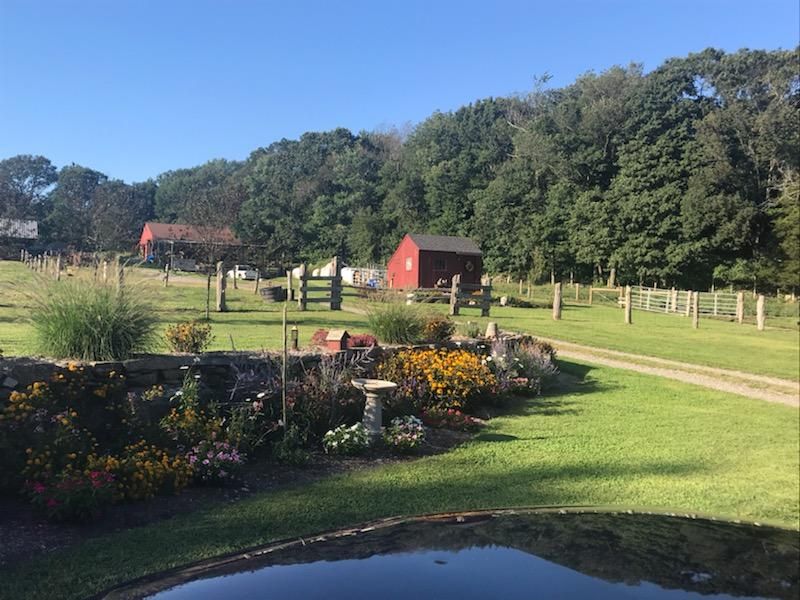
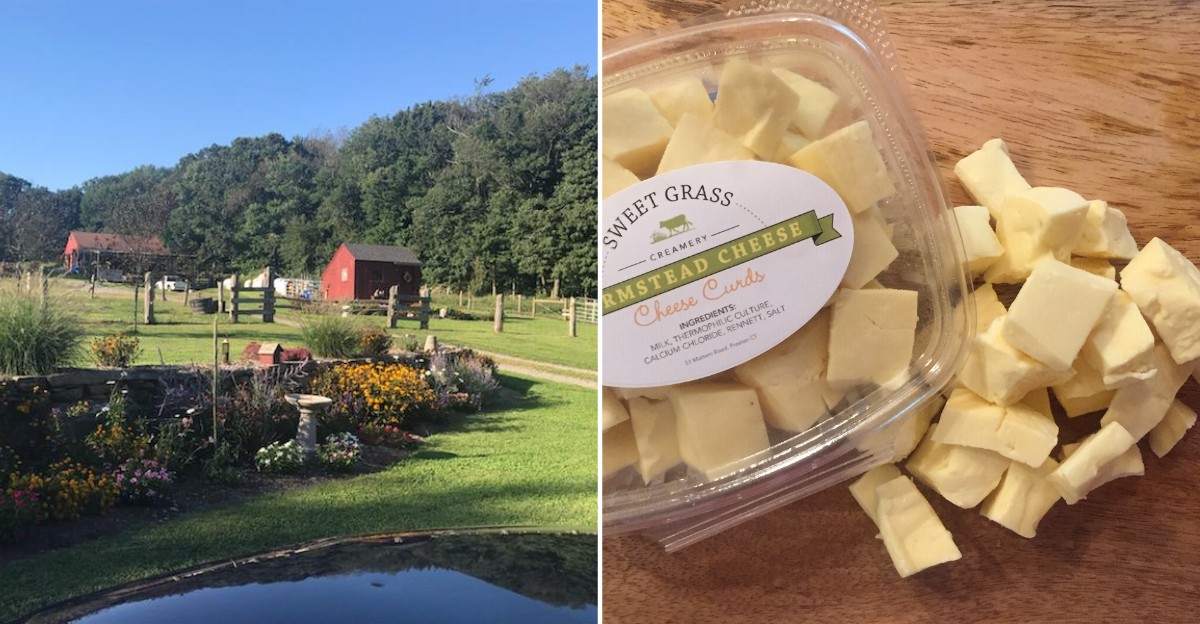
The drive already feels like part of the outing. Open fields and old stone walls begin appearing along the way, giving the trip through Connecticut a wonderfully rural feel before you even reach Sweet Grass Creamery.
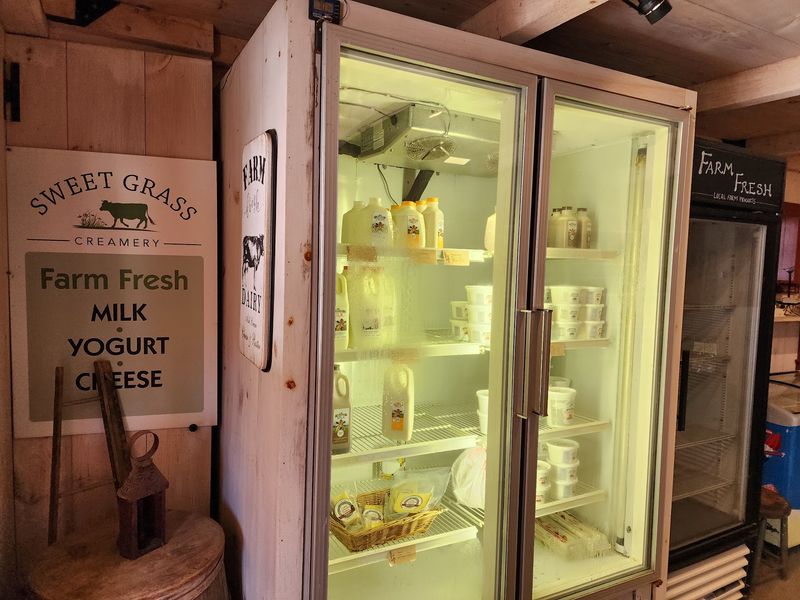
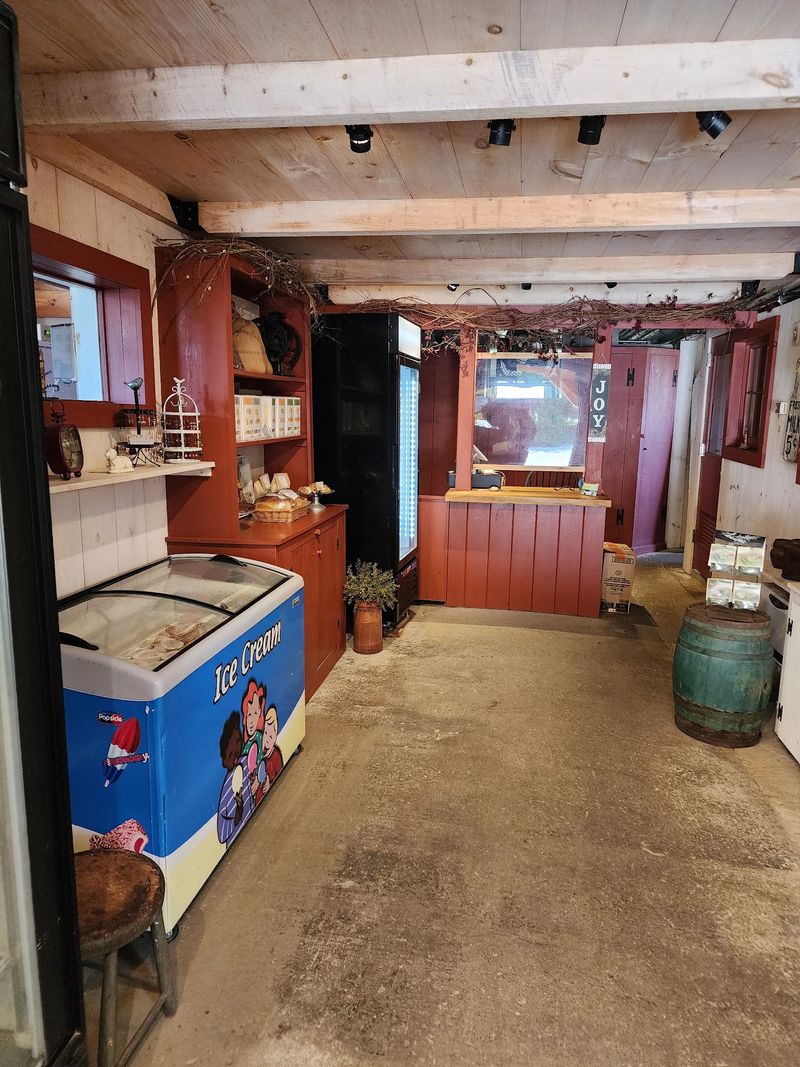
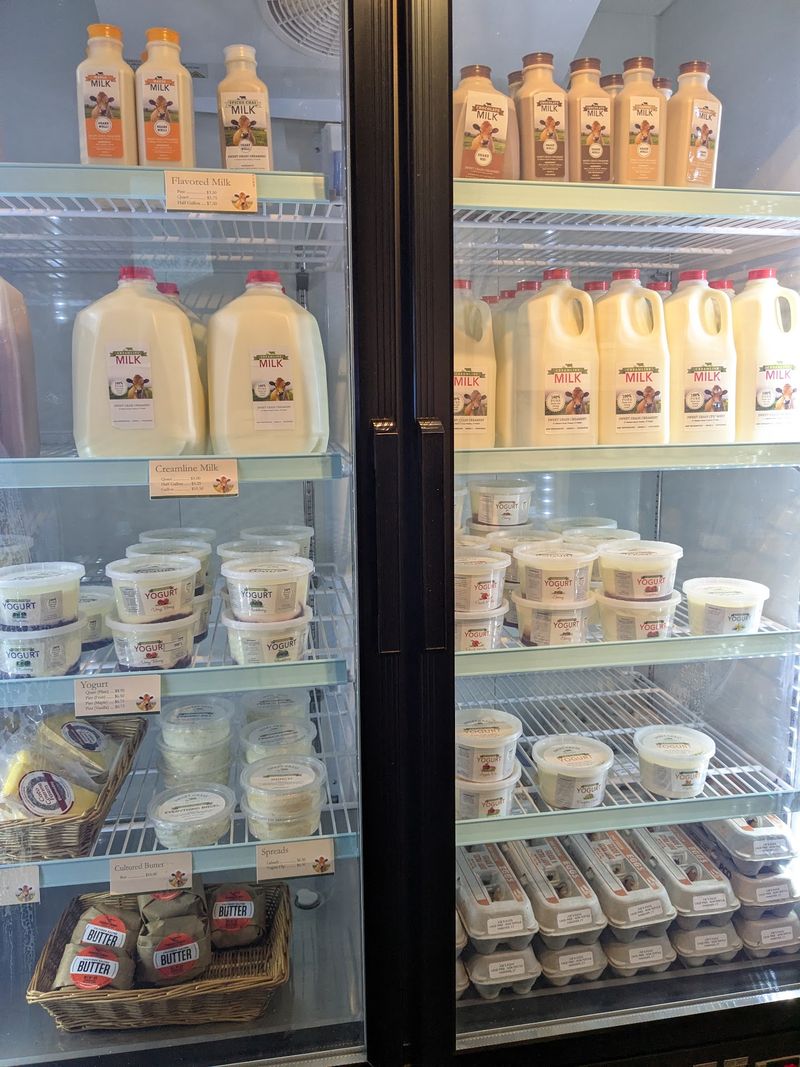
Once there, the farm market becomes the main attraction. Refrigerated cases hold creamline milk, yogurt, and cheese produced right on Mattern Farm using milk from its Jersey cows.
The creamery says these dairy products are made on the farm within hours of milking, keeping the journey from cow to cooler remarkably short.
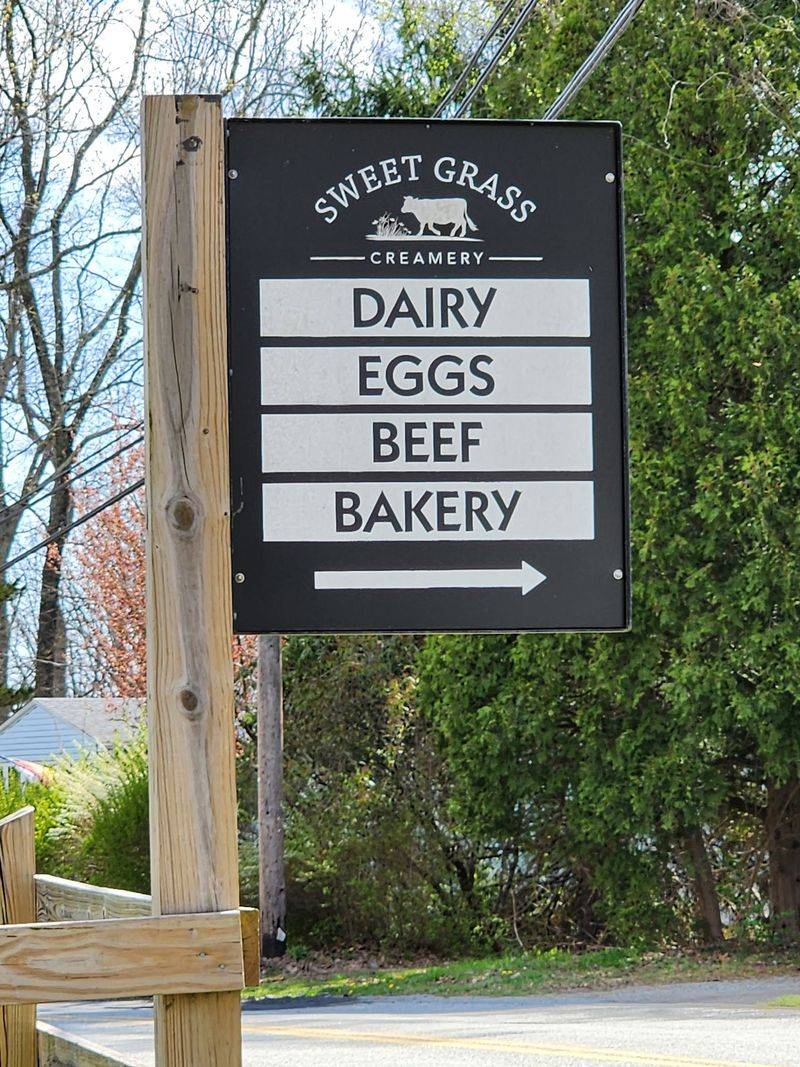
The shelves go well beyond dairy. Sweet Grass works with other area farms and producers to stock items such as eggs, baked goods, honey, maple syrup, and locally sourced meats, turning a quick milk run into a much bigger shopping trip.
Four generations have called Mattern Farm home since 1898, and supporting the business also helps preserve roughly 200 acres as undeveloped open space.
The farm market welcomes shoppers year-round and is currently open daily from 9 a.m. to 6 p.m.
Sweet Grass Creamery operates at 51 Mattern Road in Preston.
Bring a cooler for the ride home.
Chances are, you will leave with more than you planned.
4. Artisan Wheels Develop Their Own Distinct Character
Rennet, cultures, salt, sometimes a few natural herbs or spices, and time. That short list is essentially the entire ingredient panel behind the cheeses made here.
Traditional farmstead methods guide the process, which means fewer additives and more attention paid to timing and temperature. The results taste noticeably different from mass-produced versions of the same styles.
The whole milk ricotta is a good starting point for anyone new to the case. Creamy and rich, it works in lasagna just as happily as it does spooned over fruit or folded into a dessert.
The creamery’s artisan cheese selection has included mascarpone, labneh, whole milk ricotta, and fresh cheese curds. Spread it on toast, thin it into a dip, or use it as a base for something savory.
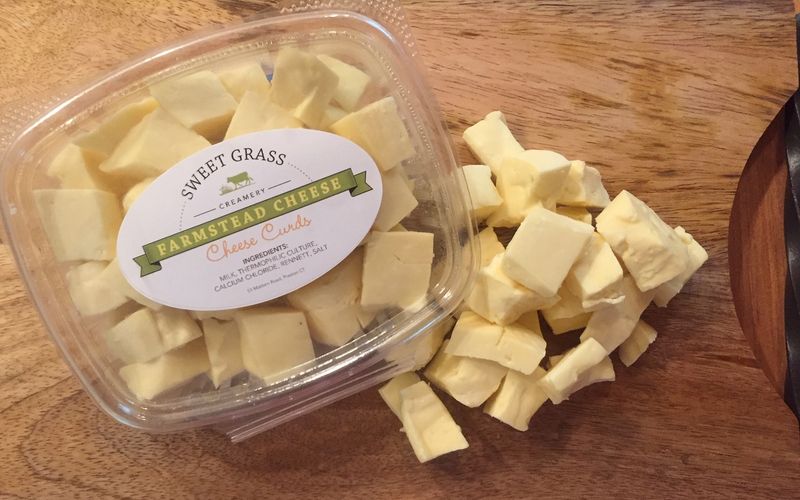
Fresh cheese curds are the fun one. They squeak against your teeth when they are brand new, taste pleasantly salty and buttery, and turn a plate of fries into poutine without much effort.
Yogurt dips in several flavors round out the selection, proving that rich Jersey milk can go in a lot of different directions.
5. Seasonal Varieties Keep The Selection Interesting
Regulars have learned that the cooler case rewards repeat visits. What is there in October will not be identical to what is there in June.
Flavored milks rotate through a lineup that includes strawberry, chocolate, coffee, vanilla creme, chai, and maple. Around the holidays, eggnog joins the shelf, and it tends to move quickly.
The yogurts follow a similar pattern. Made with Jersey milk and live cultures, they come in fruit-on-the-bottom and dessert-style flavors that shift depending on what is available.
Past options have included Apple Pie, Blackberry, Blueberry, Peach Melba, Strawberry, Very Berry, Vanilla Bean, Coffee, Chocolate, Cranberry Orange, Strawberry Cheesecake, Lemon, Blueberry Lemon, Mint Cookie Crumble, and Peaches and Cream.
That is a lot of ground for a small farm to cover.
Yogurt is easily the most talked-about item among visitors, with people describing it as creamy and not overly sweet. Some drive a considerable distance just to restock.
A smart approach is to grab one familiar favorite and one you have never tried. Rotating selections mean the flavor you fall for today might be waiting in a different form next season.
6. Careful Aging Brings Out Deeper Flavors
Patience is an ingredient. At this creamery, time sits right alongside rennet, cultures, and salt as something the cheese genuinely needs.
To handle that properly, the farm built an underground cheese cave measuring 20 feet by 40 feet. The controlled temperature and humidity inside give aging wheels the steady conditions they require to mature the right way.
Aging changes texture as much as taste. Cheese curds are a clear example, since they squeak when fresh but soften into something milder and closer to mozzarella as the days pass.
That transformation is worth experimenting with at home. Buy curds fresh for snacking, then let a portion sit in the refrigerator for a few days and notice how differently they melt.
Longer-aged wheels develop deeper, more layered flavors that short-aged cheese simply cannot reach. It is chemistry working slowly, with no way to rush the result.
Building a dedicated cave is a serious investment for a farm this size, and it says a lot about the ambitions behind the operation.
Ask what has been aging when you visit. Availability shifts, and the answer often points you toward something genuinely special.
7. Farm-Fresh Products Fill More Than The Cheese Case
Cheese may be the headline, but the bottled milk might be the thing people talk about most.
Creamline milk is gently pasteurized and never homogenized, so the cream floats to the top of the bottle the way it did generations ago. Shake it before pouring, or skim the cream off for coffee if you prefer.
The creamery produces creamline milk from its Jersey herd, with the cream naturally rising to the top because the milk is not homogenized. Flavored versions include strawberry, chocolate, coffee, vanilla creme, chai, and a maple milk with a loyal following.
Yogurts are made in small batches with pure Jersey milk and live active cultures, without artificial fillers, added sweeteners, or stabilizers. Plain, maple, vanilla, and a rotating cast of fruit and dessert flavors all appear.
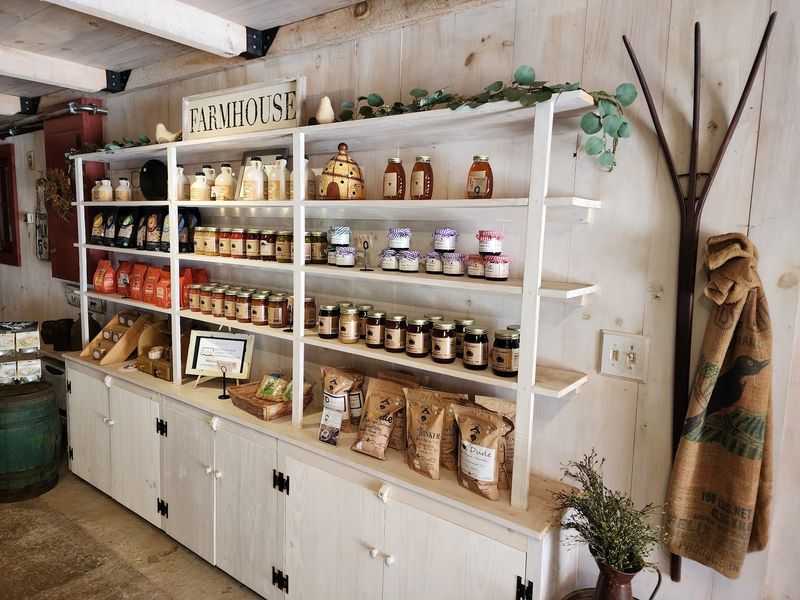
The farm market widens things further by working with other area producers. Local meats, fresh eggs, seasonal produce, baked goods, jams, honey, maple syrup, freshly roasted coffee beans, and ice cream from Tulmeadow Farms all share shelf space.
With dairy products and goods from other local producers filling the market, leaving with more than you planned can be surprisingly easy.
8. Local Ingredients Keep Everything Close To Home
Start with the grass. The cows graze in open pastures using rotational grazing, moving between sections so the fields get time to recover.
That practice does more than keep the pasture healthy. Manure gets spread naturally as the herd moves, which cuts down on the need for chemical fertilizer and keeps the soil building itself up season after season.
When winter arrives and pasture disappears, the diet shifts to corn silage grown and harvested right on the property, without genetically modified seed. The feed does not arrive on a truck from somewhere far away.
Specialty items follow the same thinking. The maple yogurt, for instance, gets its sweetness from locally sourced maple syrup rather than a generic industrial sweetener.
The farm market extends that philosophy outward by stocking goods from neighboring farms and small producers, including meats, eggs, produce, baked items, jams, and honey. Every shelf becomes a small map of the surrounding region.
Shoppers who care about where their food originates tend to appreciate how short the supply chain is here.
Buying a bottle of milk in this shop supports pastures, producers, and open land within a very small radius. That is a lot of impact for one errand.