Most Travelers Head To Highlands And Miss This Quiet North Carolina Mountain Town Entirely
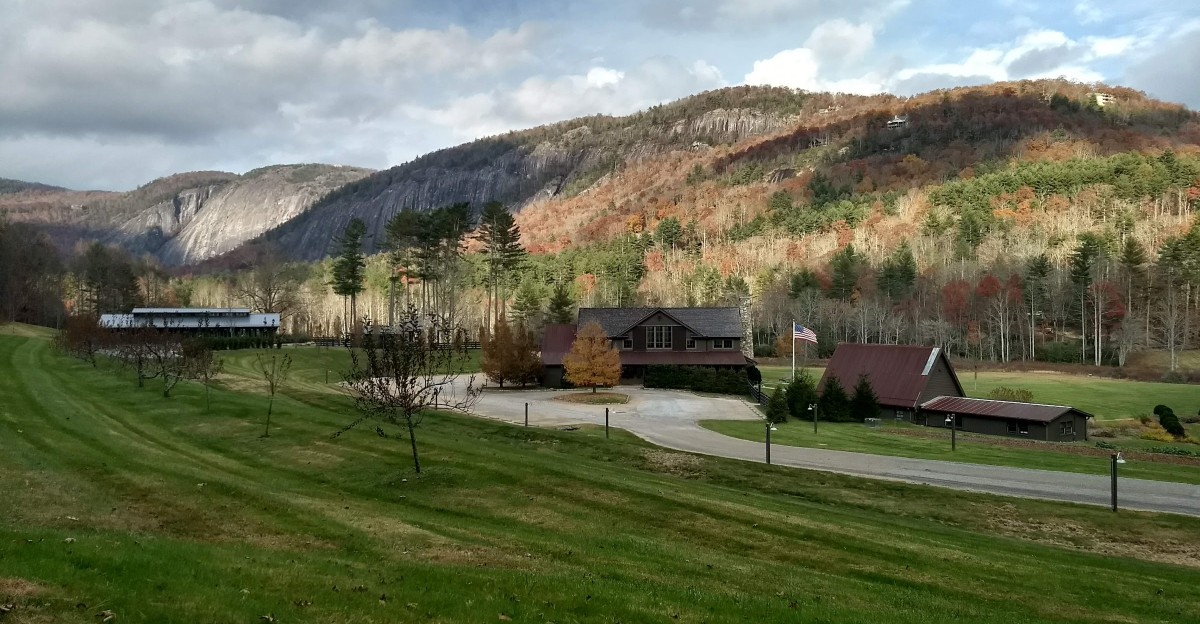
You can drive this stretch of U.S. 64 and never realize one of the stops is sitting right between two better-known mountain towns.
That is how this place likes it.
The lake does most of the talking here, especially when morning fog hangs around and the highway feels quiet.
A roadside waterfall can pull you over without warning, and suddenly the drive through western North Carolina is not so quick anymore.
There is no big reveal or flashy downtown waiting around the bend. That is the joke. You almost pass straight through, then spend the next hour wondering why you were in such a hurry.
Some hidden gems hide better than others, and this one has had plenty of practice.
The Quiet Mountain Community Hiding Between Brevard And Highlands
Transylvania County keeps a quiet secret in its western corner, where traffic thins out and the ridgelines take over the view.
Early visitors called this pocket of the Blue Ridge the Switzerland of America, a nickname earned by steep slopes that rise straight out of the morning mist. Brevard’s music crowds and the shops of Highlands pull most of the attention, leaving this stretch pleasantly unhurried.
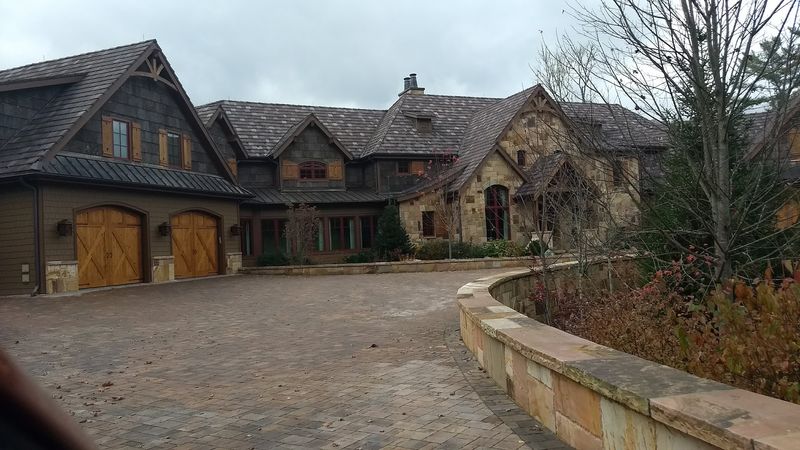
Narrow roads curl past rhododendron thickets, stone chimneys, and timber homes that sit so low in the trees you almost miss them.
Life around Lake Toxaway follows a calmer clock, measured by porch conversations, small country markets, and the slow drift of clouds over the peaks.
The community is spread out rather than built around a dense commercial downtown.
What arrives instead is birdsong before sunrise, cool air that smells like pine and damp stone, and the satisfying sense of having found something other travelers drove past.
Practical tip: pack a sweater even in July, because elevation keeps summer evenings crisp.
Bring groceries too, since shops here are few and charmingly small.
Cell service can vanish on the curves, so download maps before you leave the highway.
North Carolina’s Largest Private Lake Is The Center Of Everything Here
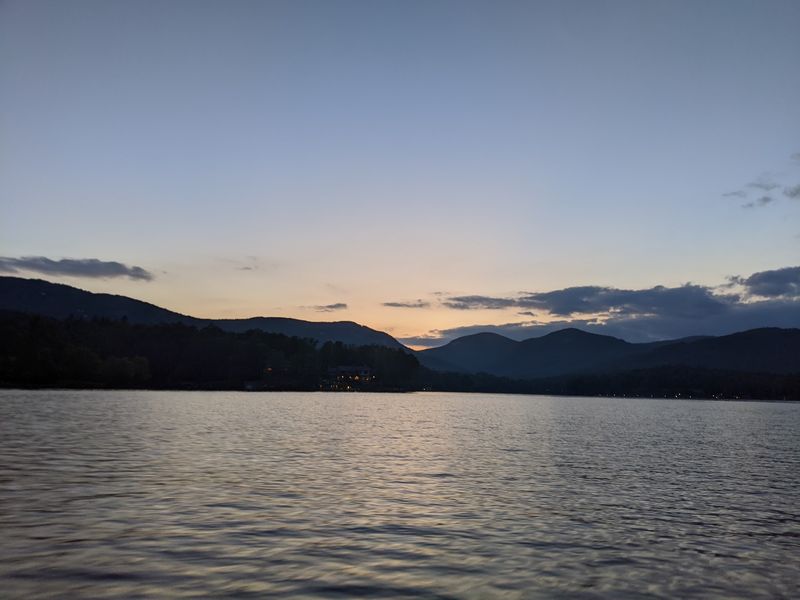
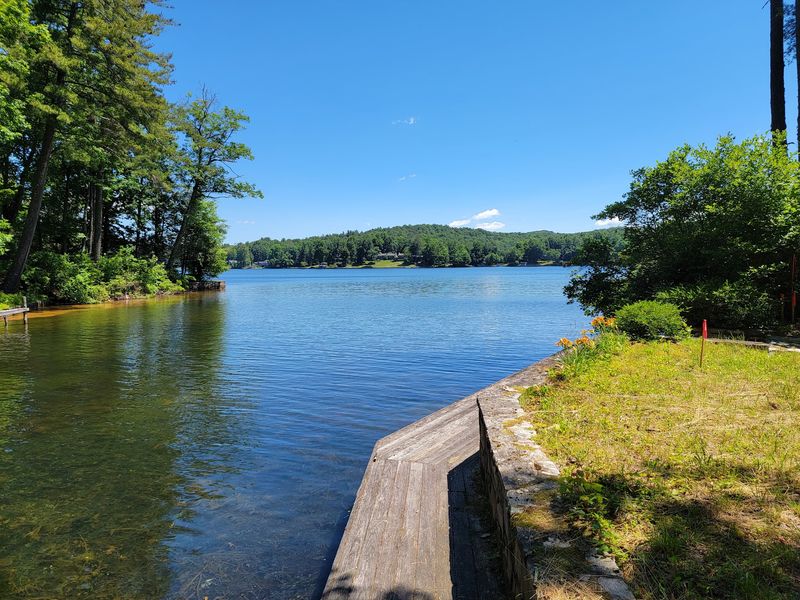
Numbers tell part of the story: 640 acres of water, fourteen miles of shoreline, and a lake created in 1903 after the Toxaway River was dammed.
The result is the largest private lake in the state, fed by cold mountain streams rather than silty rivers. The restored lake sits at an elevation of about 3,010 feet and is managed as a private recreational lake.
Boats glide out for sailing, water skiing, and wakeboarding, while quieter mornings belong to swimmers and anglers casting for rainbow trout, bass, bluegill, and walleye at Lake Toxaway.
Visitors planning an overnight stay can find Lake Toxaway Company and vacation-rental information at 100 Waterfall Circle. Access is the part travelers should understand ahead of time.
The lake has no public access and is reserved for Lake Toxaway property owners and their guests, approved renters, and guests of The Greystone Inn.
Even from the road, the lake reads like a mirror set among mountains, catching sunset color and holding it until dark.
Plan a stay with lake privileges if paddling matters to you, or simply enjoy the water from overlooks and dining rooms that face it.
Follow Highway 64 And Waterfalls Start Appearing Around Nearly Every Bend
U.S. Highway 64 does something unusual for a mountain road: it hands you scenery without asking for a hike. Designated the Waterfall Byway, this twisting route threads between gorges and forest walls, and moving water appears at nearly every turn.
Fog often sits in the valleys until mid-morning, softening every view into layers of gray and green.
Some cascades slip beneath the pavement through stone culverts, while others crash down roadside rock faces after a rainy week.
Drive slowly toward Lake Toxaway and you will start noticing small pull-offs where creeks tumble into clear pools just steps from the guardrail.
Current trail maps and hiking information are available at the Gorges State Park visitor center on Grassy Ridge Road.
Trailheads for bigger prizes branch off the same corridor.
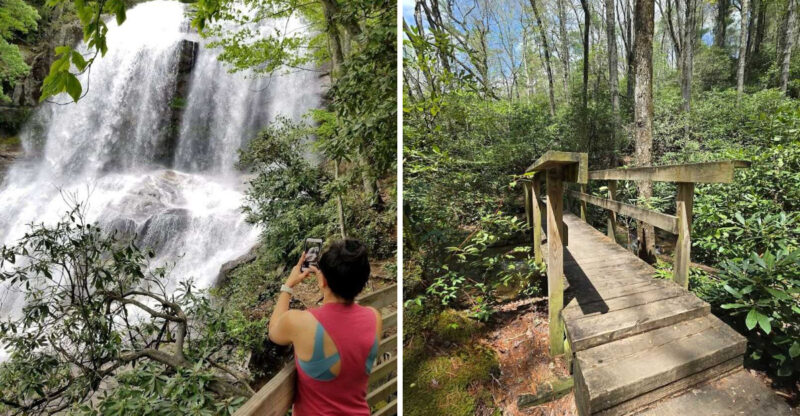
Rainbow Falls is reached by a strenuous three-mile round-trip hike from Gorges State Park, with Turtleback Falls farther upstream.
Wear shoes with real tread, since wet rock stays slick long after the sky clears.
Go early if you want photos without glare, and watch for cyclists on the curves, because riders love this climb.
Toxaway Falls Gives Road Trippers A Reason To Pull Over Before Town
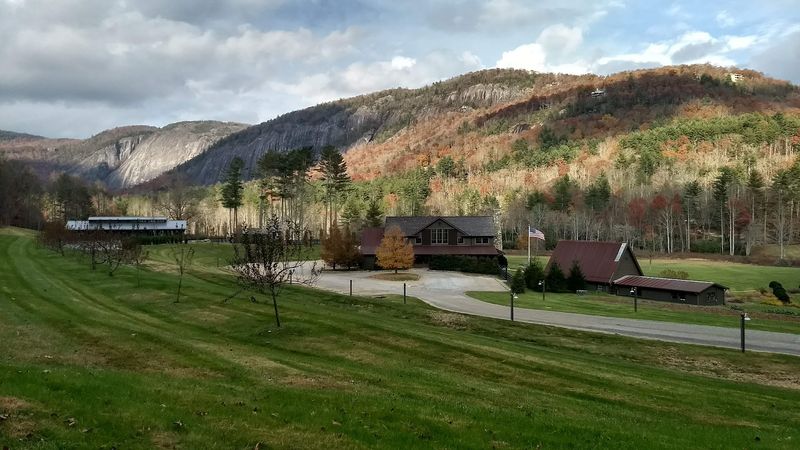
Cross the bridge on U.S. Highway 64 and you may hear the falls before you see them.
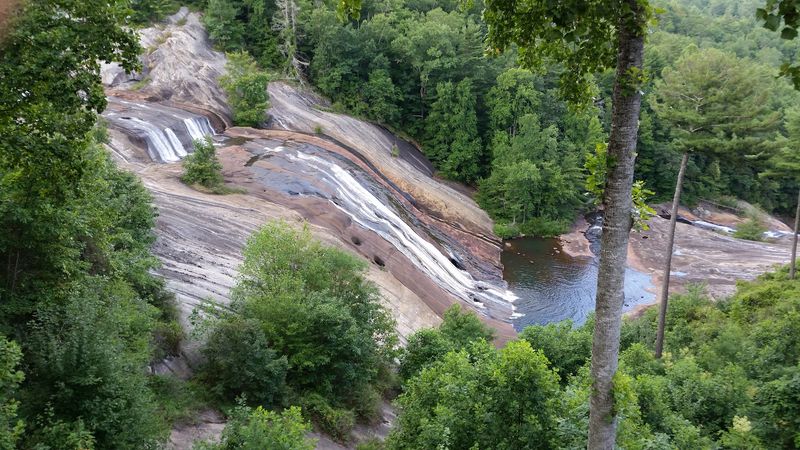
Toxaway Falls drops roughly 150 feet over broad, exposed bedrock streaked in rust, amber, and gray, a long slide of whitewater visible right beside the road.
Pull-offs on the westbound side make stopping safe and easy, and a walkway along the bridge gives a clear view down the rock face.
Because U.S. 64 crosses directly over the top of Toxaway Falls, the cascade can be easy to overlook from a moving car.
History adds weight to the scene.
The original earthen dam that formed the lake gave way here in 1916 after relentless rain, emptying the lake bed and scouring the gorge below.
Farms and forests downstream felt the effects for miles.
The lake was not rebuilt until 1960, meaning these smooth stone shelves spent decades telling that story.
Park only in marked areas, keep children close to the rail, and skip climbing on wet rock, which is slicker than it looks.
Fall Turns The Surrounding Mountains Into The Main Attraction
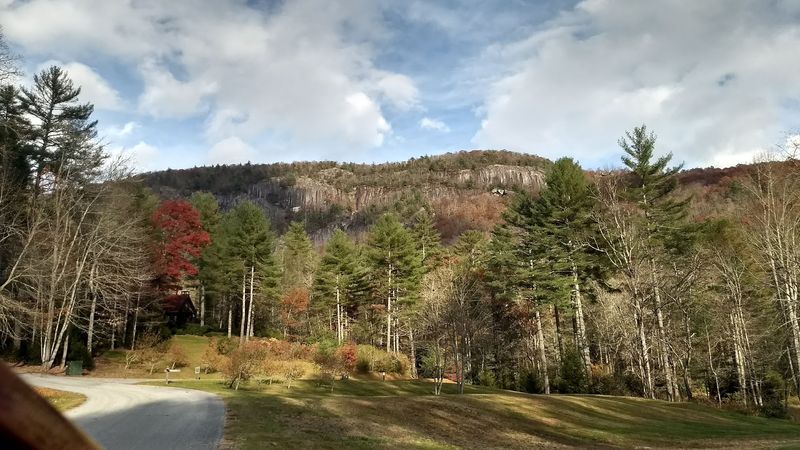
Around the first week of October, the hillsides begin to turn and the whole valley changes character.
Maples flare scarlet, hickories glow gold, and oaks hold a deep bronze that lingers after brighter leaves drop. Elevation matters here, so color arrives on the high ridges first and works its way down over two or three weeks.
Hawk Mountain and Mount Toxaway frame the horizon with layered color, and the still water below doubles every shade.
Mornings near Lake Toxaway often begin with mist rising off the surface while the ridges above catch first light.
Check current regional tourism and park updates before setting out for hikes or scenic drives.
Cool nights and bright afternoons do the rest of the work.
A short drive becomes an event, a walk to the mailbox becomes a photo stop, and sweaters finally leave the trunk. Pack a thermos, because the air bites at dawn.
Spring makes its own case, with flame azalea, trillium, and mountain laurel brightening trail edges.
Autumn, though, is when these mountains stop being background and become the reason to come, so book lodging early and travel midweek.
Gorges State Park Puts Serious Hiking Adventure Right Next Door
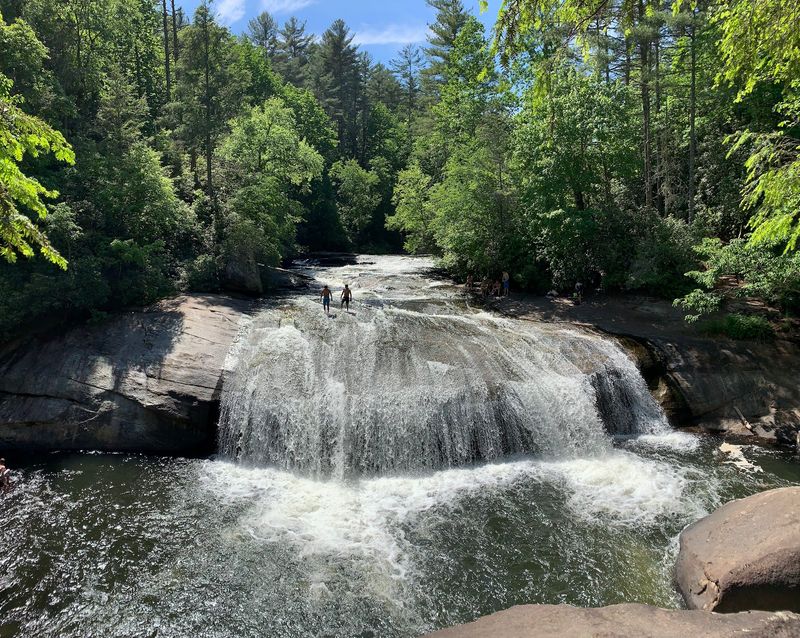
Serious trails begin just a short drive west, inside Gorges State Park, where the land falls away in steep green pitches. As North Carolina’s westernmost state park, it protects deep gorges, sheer rock walls, and creeks that run hard nearly year-round.
Rare plants shelter in the shaded ravines, a result of the sudden elevation drop.
More than 90 inches of rain falls here each year, enough to earn the temperate rainforest label and keep moss thick on every fallen log.
Hikers staying near Lake Toxaway reach trailheads quickly and can choose anything from easy loops to lung-testing descents.
Trail planning often starts near 81 Slick Fisher Rd, Lake Toxaway.
The route to Rainbow Falls ranks as the headline hike, following the Horsepasture River to a 150-foot curtain of water that throws spray and color into the air.
Just upstream, Turtleback Falls slides over a rounded shelf of stone.
Both draw steady foot traffic on fall weekends.
A modern visitor center offers exhibits, restrooms, and free trail maps worth grabbing first.
Carry water, watch your footing on wet roots, and stay behind barriers near the cascades.
Ford, Edison And Rockefeller Once Discovered This Mountain Escape Too
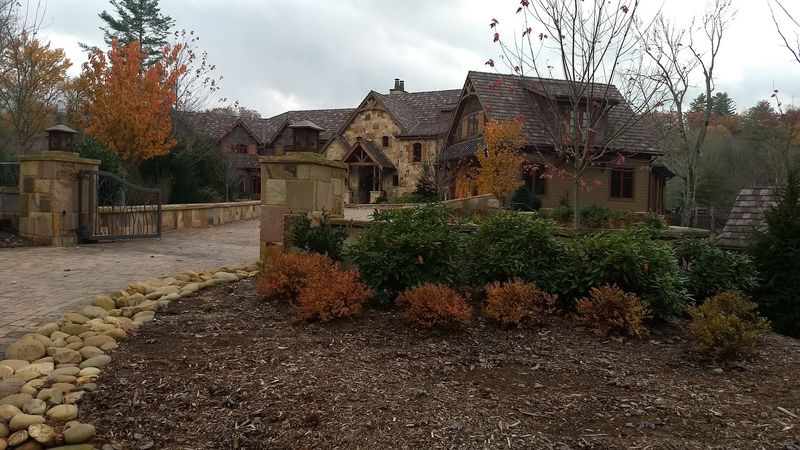
Long before vacation rentals existed, this valley hosted a guest list worthy of a history book.
The original Lake Toxaway Inn opened in the early 1900s and quickly became a mountain retreat for industrialists and their families.
Rail lines and carriage roads once delivered visitors in fine clothes to a lakeside lobby lit by early electric lights.
Henry Ford, Thomas Edison, Harvey Firestone, and members of the Vanderbilt and Rockefeller families all spent time at Lake Toxaway, drawn by clear water, cool air, and the privacy of remote ridges.
The golden era ended abruptly when the dam failed in 1916 and the lake drained away, taking the resort trade with it.
Farms and forests reclaimed the flats. Decades of silence followed, until the lake was rebuilt in the 1960s and the community found new life.
The Greystone Inn carries that thread forward.
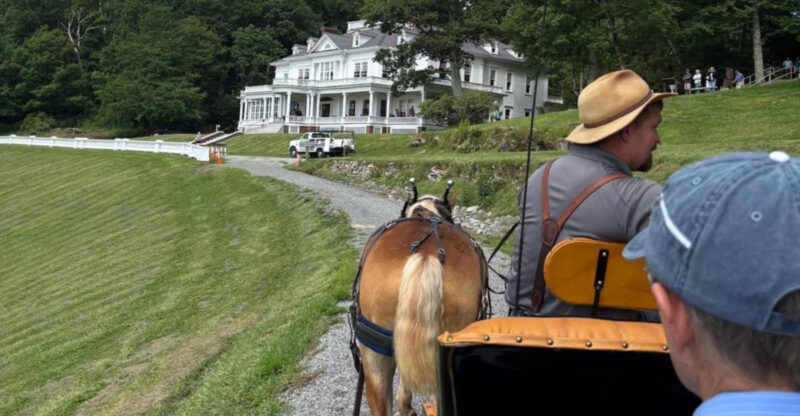
Built in 1915 as a private mansion, its Swiss-style woodwork, wide porches, and lake-facing rooms still welcome guests today.
Why Travelers Racing Toward Highlands Should Slow Down Here Instead
Highlands earns its reputation with fine shops and polished restaurants, and there is nothing wrong with spending a day there.
Twenty-some miles east, though, the pace changes completely, and that shift is the whole point.
The highway drops through gorges, curves past guardrails, and delivers you into a valley where the loudest sound is water.
Mornings on a dock, an unhurried loop around the water, golf and tennis in the afternoon, evenings watching the ridges fade to blue: that is the rhythm visitors find at Lake Toxaway.
Lodging leans toward cabins, inns, and quiet rentals rather than crowded hotels. Local orientation begins at 81 Slick Fisher Rd, Lake Toxaway. Food deserves attention here too.
The Greystone Inn serves the public with a farm-to-fork approach and sweeping lake views, so trout, mountain greens, and locally milled grains reach the table as the sun slips behind the peaks.
Reservations are wise on weekends.
Waterfalls, park trails, and scenic drives fill the daylight without crowds or ticket lines.
If silence, star-filled skies, and room to breathe sound good, this corner of North Carolina rewards the detour.