This Nebraska Prairie Home Has The Rooms A Famous Author Wrote Into Her Books
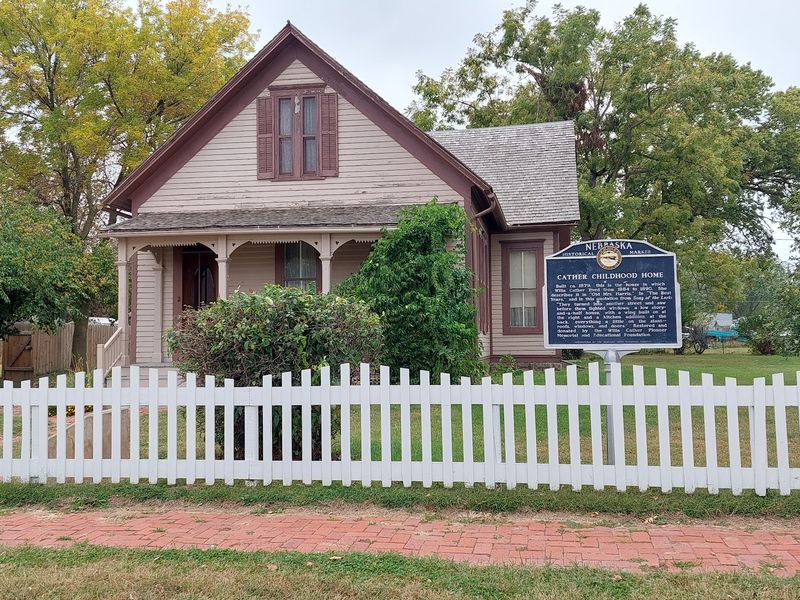
Driving through southern Nebraska, you pass a lot of small white houses with front porches and square wooden posts, and most of them keep their stories to themselves. One of them does not.
Inside a modest clapboard house near the Kansas line, there is an attic room with rose-patterned wallpaper that a teenage girl hung herself, and that room later showed up, nearly detail for detail, in an American novel people still read in classrooms today. It is one of the rare places where you can stand inside a book instead of just reading one.
A Clapboard House on North Cedar Street
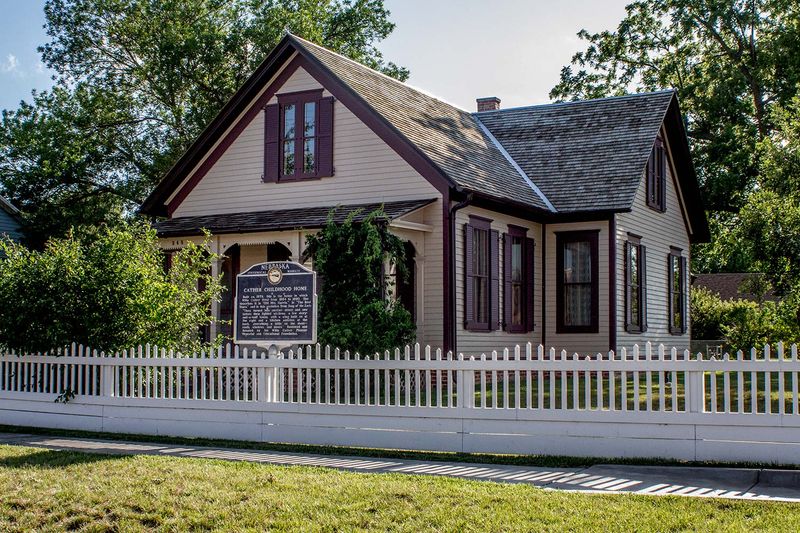
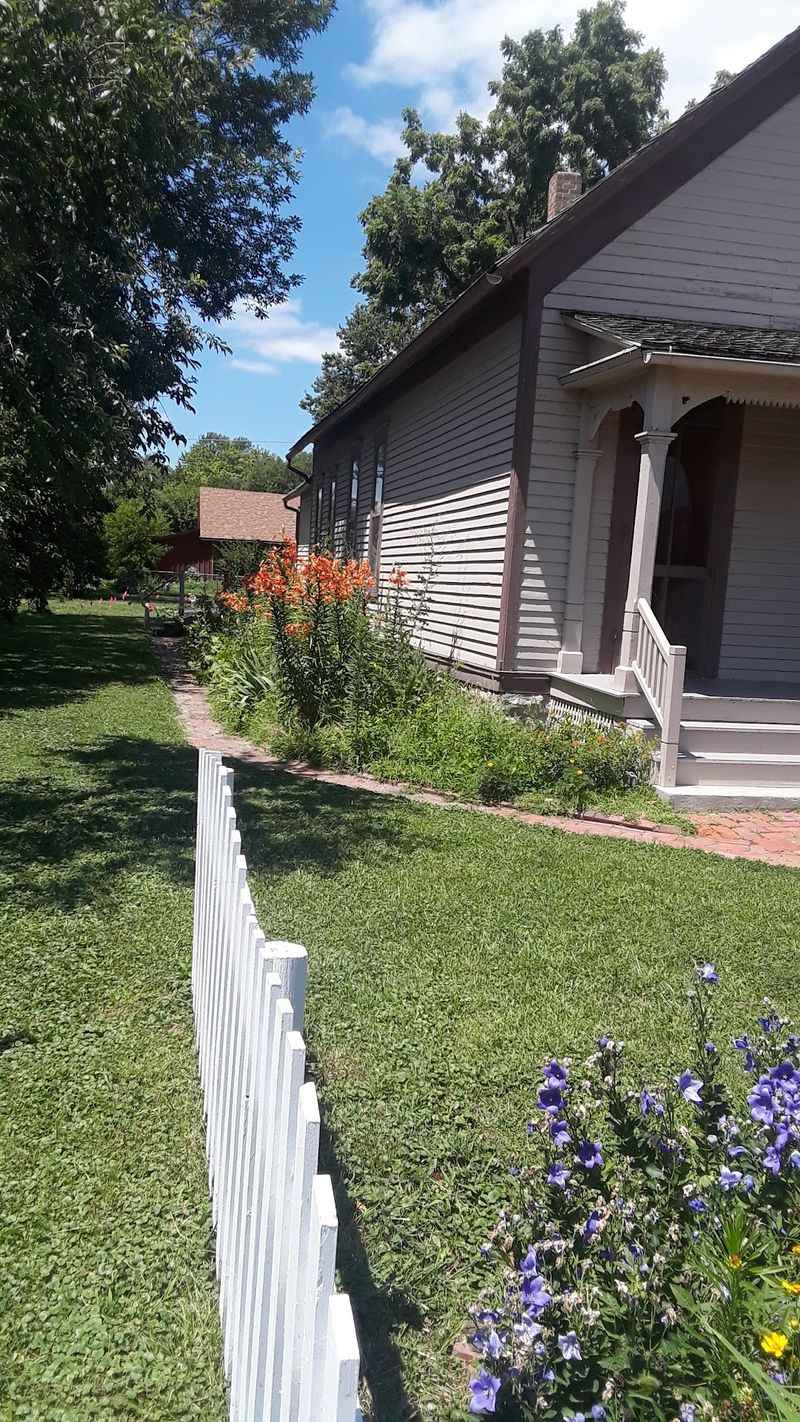
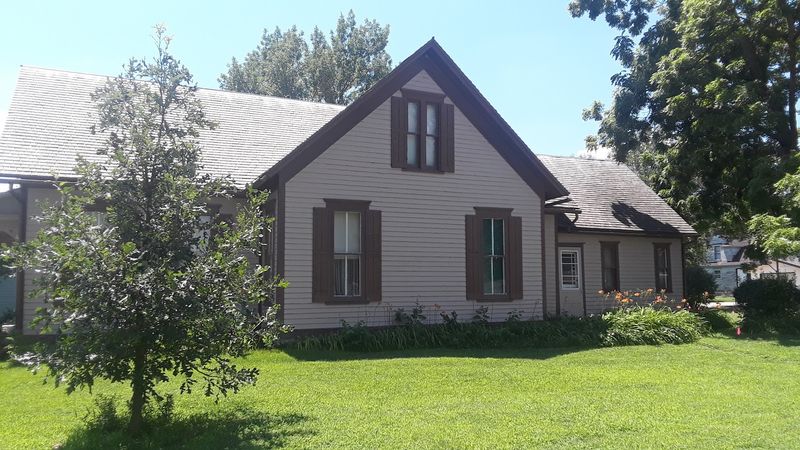
Square wooden posts hold up a low shed-roofed porch that runs the full width of the front, and above it the clapboard rises into a modest gabled half-story. Nothing about the building announces itself.
It looks like a hundred other houses in a hundred other Nebraska county seats.
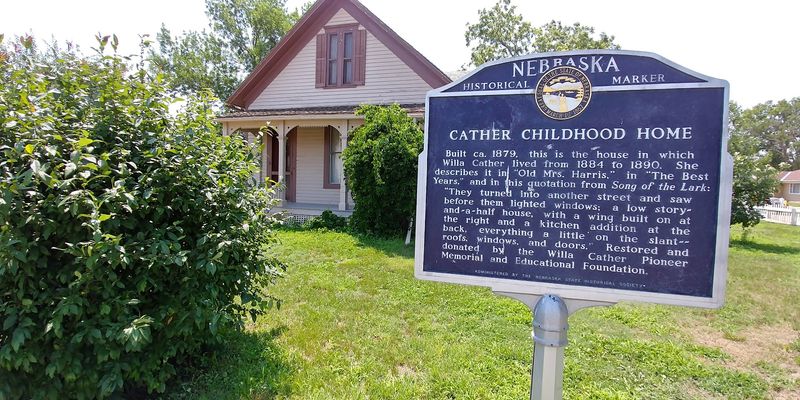
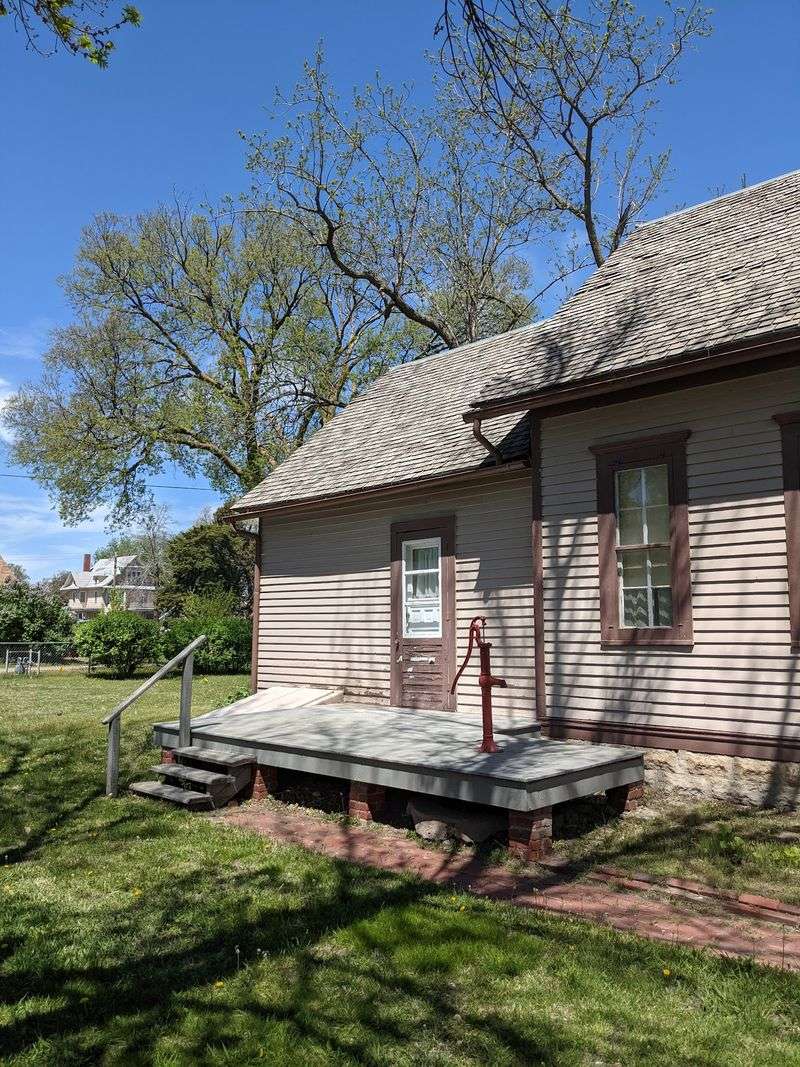
Built in 1878, the frame house sits in Red Cloud, the Webster County seat, roughly ten miles north of the Kansas border. It became the Cather family home in the spring of 1885, and it is now a National Historic Landmark, one of eight structures making up the Willa Cather State Historic Site.
What makes it unusual among author homes is how little guesswork is involved. Cather described these exact rooms in print, so the parlor, the back bedroom, and the loft upstairs are not approximations of a writer’s world.
They are the originals.
The Willa Cather Foundation owns and operates the property, and the house reopened after a major restoration and rededication in 2024.
How an Eleven-Year-Old Landed in Red Cloud
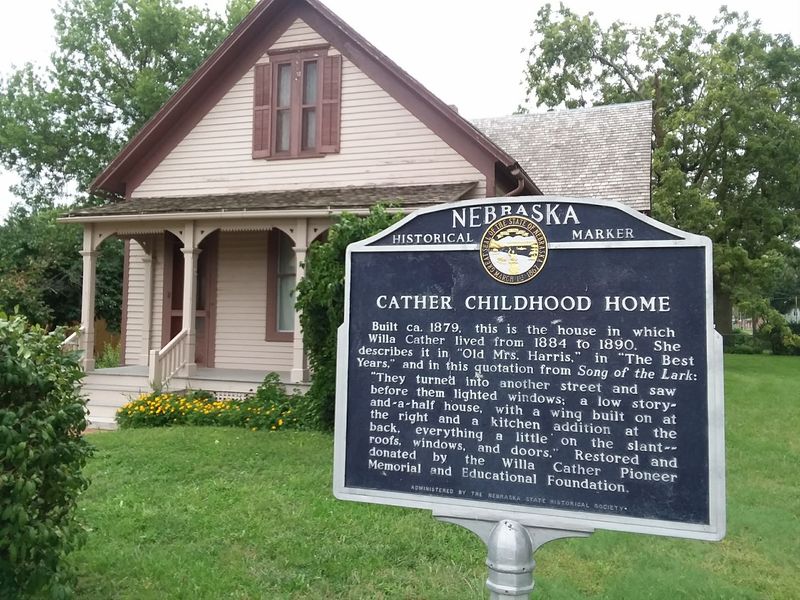
Imagine trading a sprawling prairie homestead for a town with sidewalks, neighbors on both sides, and a drug store down the street. That was Willa Cather’s spring of 1885.
She was eleven when her family moved from the Divide country into this house in Red Cloud.
She stayed until she was seventeen, leaving in 1890 for college. Six years does not sound like much, but those were the years she spent watching people, listening at kitchen doors, and collecting the material she would spend decades spending.
Her family had come to Nebraska from Virginia, and the shift from wooded hills to open grassland stayed with her. She later described the country around her as not a country at all, but the material out of which countries are made.
Most of her major writing happened far from here, in other cities and other decades. The house is where the raw material got gathered.
Standing in it, the distance between a Nebraska childhood and a shelf of American classics shrinks considerably.
The Attic Room With the Rose Wallpaper
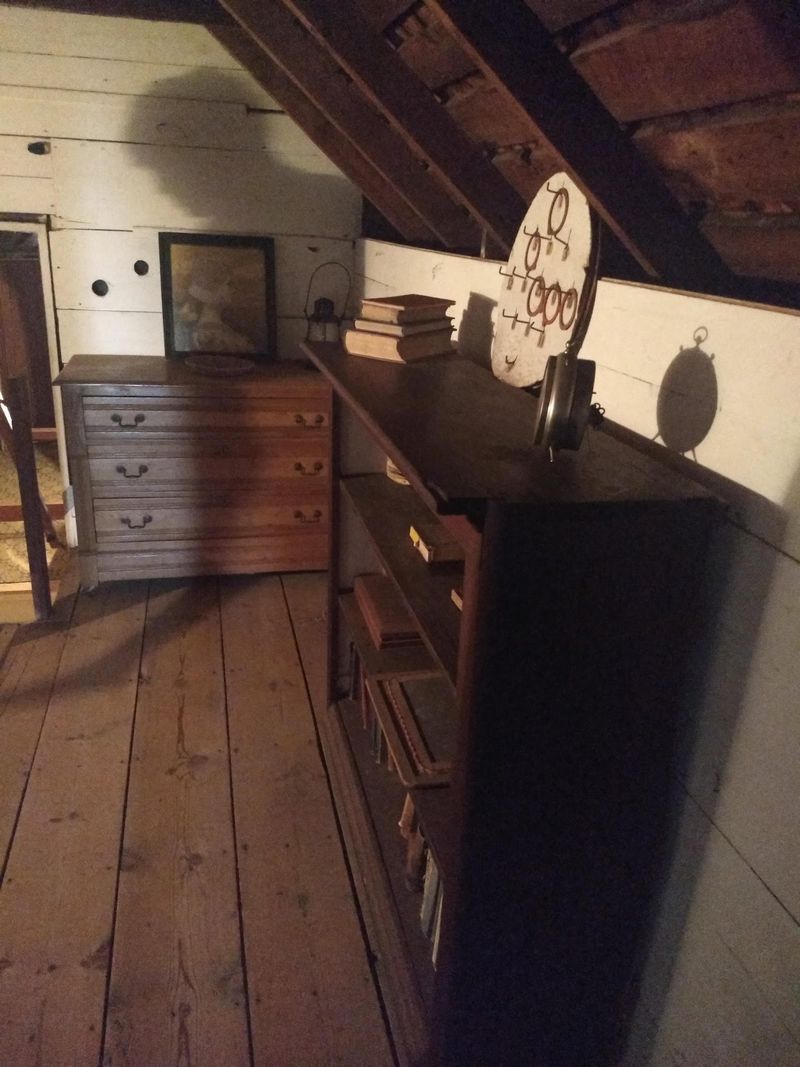
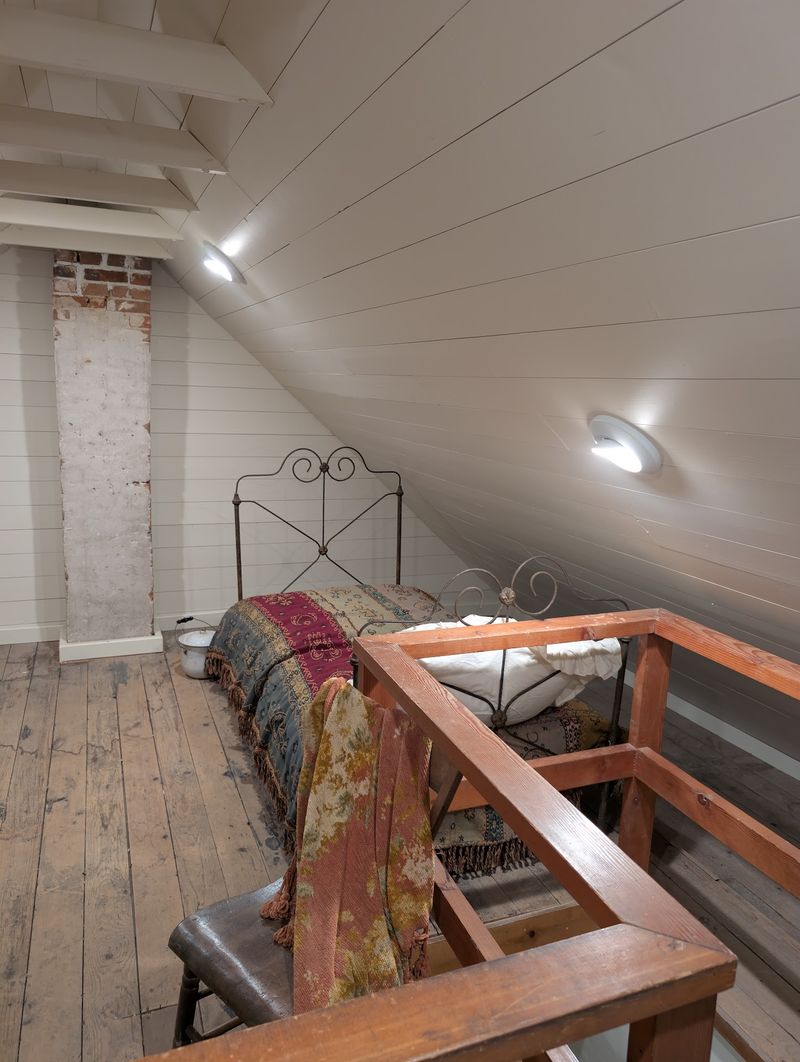
Up a narrow staircase off the kitchen, under a sloping ceiling, there is a small room papered in roses. Cather hung that wallpaper herself, taking it as payment for work she did at a local drug store.
The same paper is still on those walls.
It is the single most striking thing in the house, and also the most literary. The attic room closely resembles Thea Kronborg’s room in The Song of the Lark, the space where a young musician first gets a door she can close.
Getting that wallpaper to survive took real effort. A 2019 Save America’s Treasures grant funded structural stabilization and conservation work on the historic paper, and the restoration finished ahead of the 2024 rededication.
The loft where Cather and her siblings slept was reached through this same upper level, and the staircase itself is a reconstructed feature.
Guides connect the room directly to passages in the novel, which is the closest thing to time travel Nebraska offers on a weekday afternoon.
Grandmother’s Room and Old Mrs. Harris
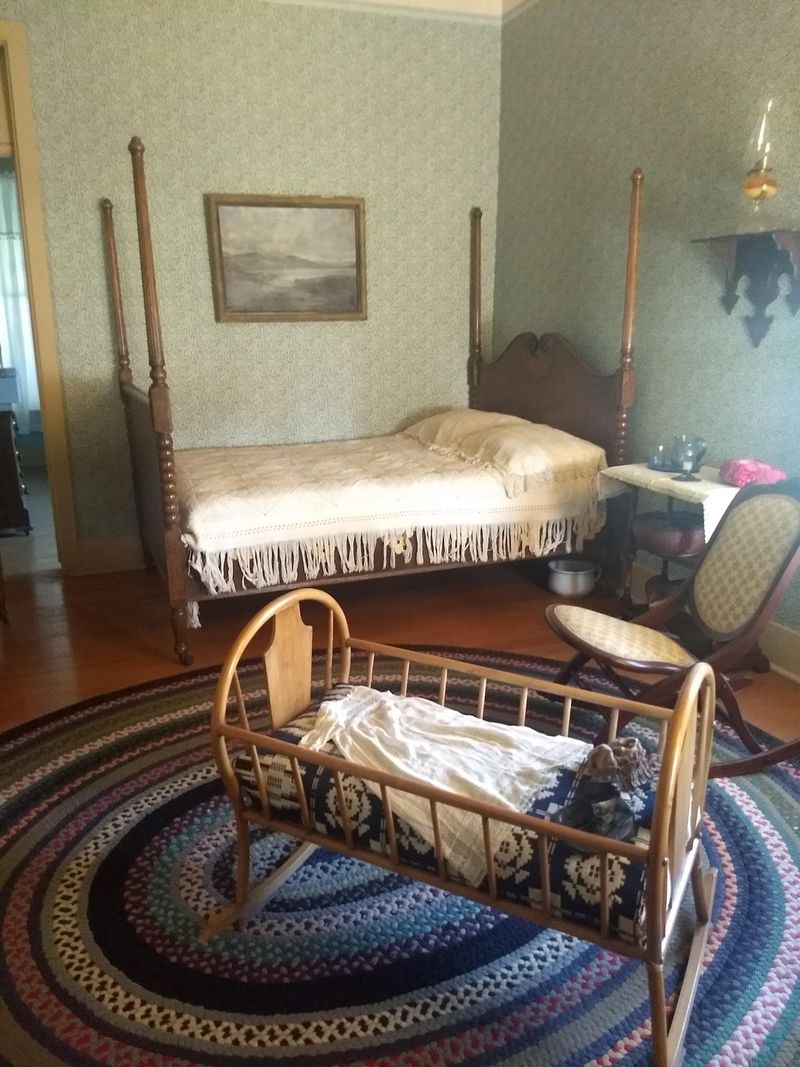
The back bedroom is tight, plain, and offers almost no privacy. Anyone walking through the house would pass near it.
That arrangement is not an accident of old floor plans, it is a plot point.
Cather turned that room into grandmother’s room in her short story Old Mrs. Harris, widely considered among her finest pieces of short fiction. The interior of the whole house mirrors the one described in that story, which makes the tour feel like an annotated edition.
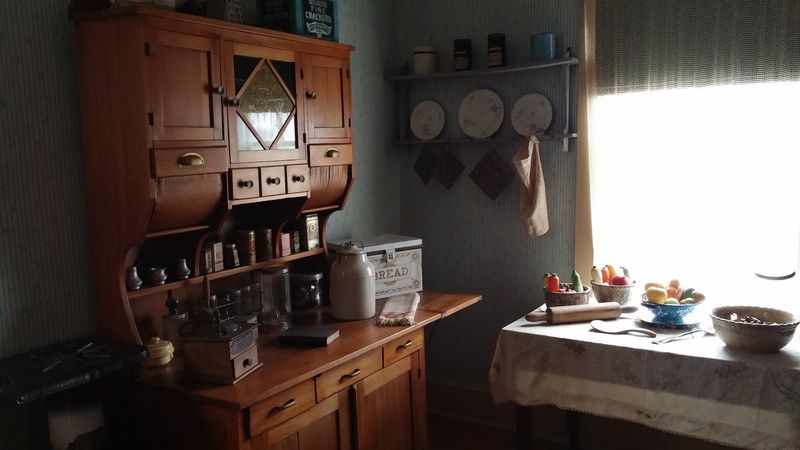
Furnishings include Cather family artifacts and period pieces, and the small things carry the most weight: the family china, an original ceramic kitty, unopened jars of fruit preserves, and books Cather’s grandmother read aloud to her.
Reading the story before a visit changes everything. The cramped floor plan stops being a curiosity and becomes the reason a character behaves the way she does.
Other works drawing on this house include The Song of the Lark and The Best Years, so the rooms do double and triple duty.
The Original Floor Plan, Room by Room
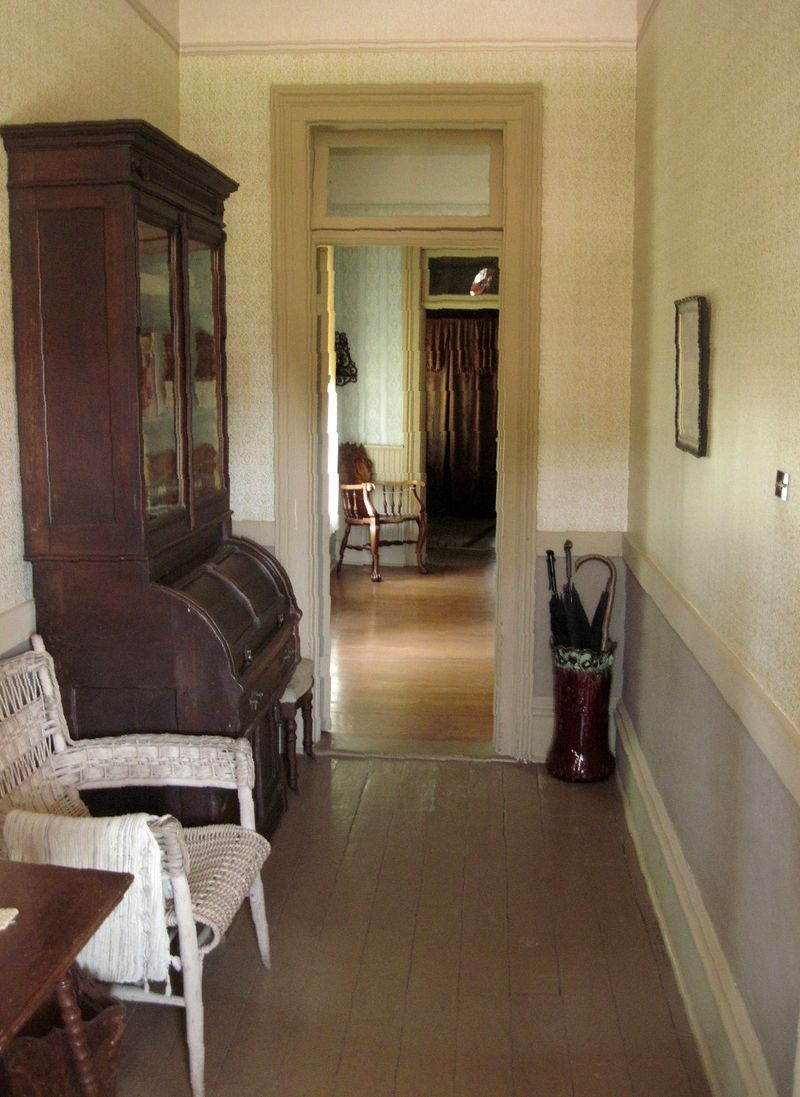
Front to back, the layout is simple and telling. A parlor faces the street.
Behind it sit the dining room and the master bedroom. A kitchen and a second bedroom fill the rear of the house.
Nine people in a house that size means every room worked overtime. The kitchen staircase is the only way up, which explains why the attic room felt like a hard-won kingdom to a teenager.
Period furnishings fill each space, and the interpretation leans on objects rather than placards. A jar of preserves nobody ever opened says more about a household than a paragraph of text.
Restoration in 2024 brought the whole structure back in line with the years the family lived here, from the paint to the paper to the boards underfoot.
Walking the ground floor takes only a few minutes. The value is in what the guide pins to each room, because most of these spaces have a corresponding paragraph in Cather’s published work waiting to be matched up.
Sixty Years of Saving a Nebraska Landmark
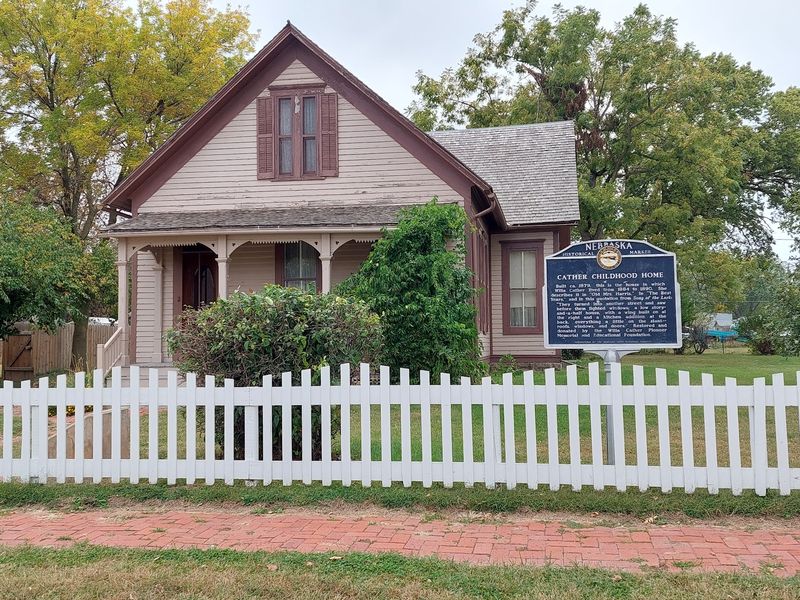
Houses like this usually get torn down or remodeled past recognition. Somebody decided otherwise in 1960, when the Willa Cather Memorial and Educational Foundation bought the property.
Restoration followed, aimed at the period when the Cathers lived there, and the doors opened for tours in 1967. National Historic Landmark status arrived in 1971.
The Willa Cather Foundation took ownership of the childhood home and the depot more recently, then launched a full preservation overhaul beginning in 2020. That work included structural stabilization and wallpaper conservation supported by a 2019 Save America’s Treasures grant.
In 2024 the house was rededicated after major restoration and rehabilitation, which is why a visit now looks different from one made a decade ago.
Preservation on this scale in a town this size is a community project as much as a professional one. The result is the largest collection of sites commemorating any American author, and it sits in a Nebraska county most road maps treat as a blank stretch between larger towns.
Tours Begin Downtown, Not at the Door
Here is the detail that trips people up: the front gate of the house stays locked, and the tour does not start there. Everything departs from the National Willa Cather Center on North Webster Street downtown.
A sign on the gate points the way, and the walk is short, but plenty of people have pulled up, found the door shut, and driven off without seeing the inside.
The Cather Center itself functions as a museum, archive, and starting point, with guides who handle the historic sites. It also anchors a larger tour program covering multiple properties around Red Cloud, including locations that appear by name in Cather’s fiction.
Guided access is the only way into the childhood home, so timing matters more than it does at a drive-up marker.
Calling ahead or checking the Foundation’s own information before the drive saves a wasted afternoon, particularly around federal holidays and winter weather days when staff safety comes first and the center may close unexpectedly.
What a Guided Walkthrough Actually Covers
Small groups, small rooms, and a guide doing the connective work between furniture and fiction. That is the shape of the experience.
Objects anchor the narration. The family china, the books read aloud by Cather’s grandmother, the ceramic kitty, the sealed preserves, and then the climb to the attic where the wallpaper story lands hardest.
Guides link specific rooms to specific passages, which turns the visit into something closer to a seminar than a walkthrough. Going with people who know the books deepens it further, since half the conversation happens between visitors comparing chapters.
The Cather Center runs upwards of ten thousand tours a year across its properties, so the staff has the material well rehearsed.
One honest note: the house is not built for restless kids. There are no hands-on activities, and the appeal rests on story, objects, and a guide’s explanation.
Readers, history buffs, and anyone who studied My Antonia in school will get far more out of it than a third grader will.
Red Cloud Itself, Unpolished and Quiet
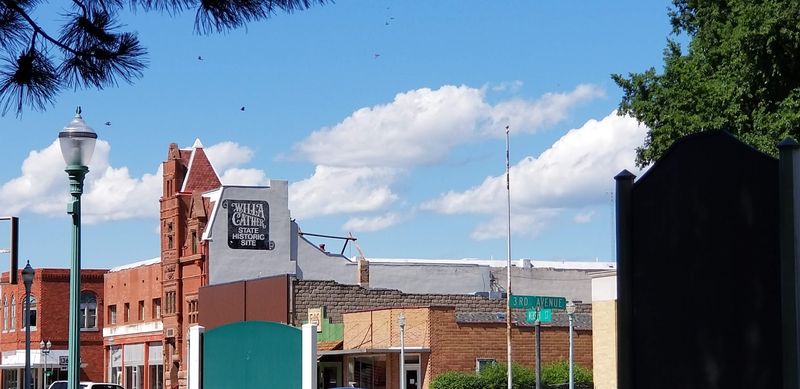
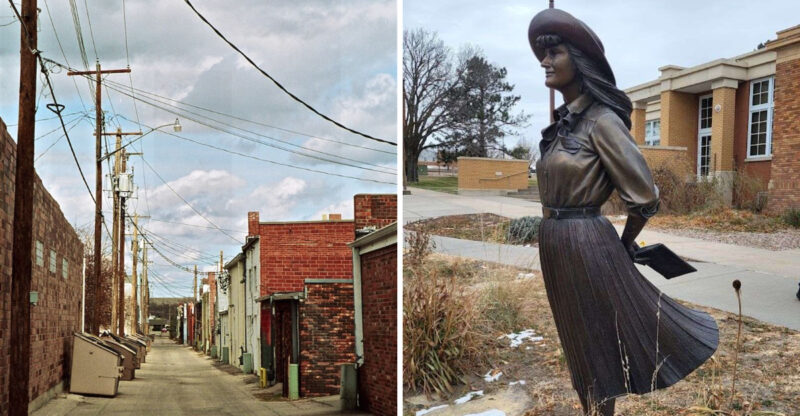
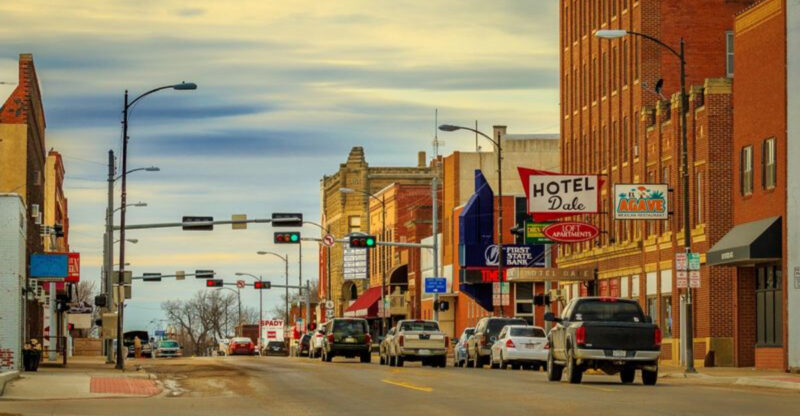
Turn-of-the-century brick storefronts line the downtown, none of them restored to a gloss, and the streets stay quiet enough that you notice birds. Red Cloud wears its age plainly.
The architecture is the draw beyond the Cather sites. Facades, cornices, and old commercial blocks give the place a coherent late-1800s feel without a theme-park finish.
Dining and shopping are limited, so plan meals accordingly. Hastings sits within easy driving distance for anyone who needs more options, and the Foundation has pointed toward growth downtown, including the Hotel Garber project and new shops and eateries.
The restored Opera House downtown books touring performers and events, which gives an evening something to do if the calendar lines up.
June brings the annual Willa Cather Spring Conference, drawing people who read her closely and want the full landscape. For a town of this size in south-central Nebraska, that kind of literary pull is genuinely rare, and it shapes the whole visit.
The 610 Acres of Grass That Shaped the Prose
Ten miles south of town, right against the Kansas line, the grass takes over. Big bluestem, wildflowers, and a horizon with nothing on it.
The Nature Conservancy purchased 610 acres of native grassland in Webster County in 1974, creating the Willa Cather Memorial Prairie. It is unplowed ground of the kind she grew up looking at.
Sunsets there are the reason to time a visit for late afternoon. The light runs long across the grass, and the whole sky does the work.
Reading her descriptions of the land and then standing in it closes a loop the house alone cannot. Rooms explain her characters, and the prairie explains her sentences about space, weather, and scale.
Access is free and open, no tour required, which makes it the easy add-on for anyone arriving on a Sunday or Monday when the historic sites are not running guided visits.
Fall turns the grass copper and gold, and that stretch of Nebraska highway becomes a legitimate reason for the drive by itself.
Getting There From Anywhere in Nebraska
Red Cloud sits in the far south of the state, in Webster County, close enough to Kansas that a wrong turn crosses the line. The address is 245 N Cedar St, Red Cloud, NE 68970.
From Lincoln or Omaha it is a solid half-day drive each way, which makes a full-day trip realistic and an overnight more comfortable. Hastings and Grand Island are the nearest larger towns for lodging and meals.
The route runs through farm country and river valleys, so the driving itself is part of the payoff, particularly in autumn.
Tour fees for the historic sites are modest, in the range of a few dollars to under twenty depending on what you combine, and the Foundation’s current pricing is the thing to confirm before leaving.
Winter shortens the Saturday window and weather can close the center outright. Spring, early summer, and fall give the most reliable access, plus a prairie that looks like something.
Virtual tours and a mobile app exist for anyone who arrives outside tour hours.
Who Gets the Most Out of This Stop
Bring a reader and this place sings. Bring someone who has never heard of Cather and it is a well-kept old house with interesting wallpaper.
The sweet spot is anyone who read My Antonia or O Pioneers! and wants to see where the eye behind them was trained. Retirees on a Nebraska Passport route, book club groups, and teachers all find plenty here.
Families with young children should set expectations. There is no play area and nothing to touch, so pair the tour with the prairie or a nearby park where kids can move.
Photographers do well with the exterior, the porch line, and the attic window light, and the grounds stay well kept even when the house is closed.
Anyone chasing a full day of activity will want to build a loop: the childhood home, the Cather Center downtown, a couple of the other historic properties, and the memorial prairie at sunset. Individually they are short stops.
Stacked together, they fill a day easily.
A Small House That Earns the Drive
Few American authors get a house this specific. Most literary landmarks trade in atmosphere and guesswork, offering a desk the writer might have used and a view they probably looked at.
Here the evidence is on the walls. Cather wrote these rooms into print, named their quirks, and left a wallpaper trail that conservators have now protected for the long haul.
The visit is short, the town is quiet, and the entertainment value depends heavily on what you bring to it. That is a fair trade for standing in a room that appears in a novel.
What holds up best is the care behind it. Sixty-plus years of preservation, a federal grant, a 2024 rededication, and a foundation still adding properties add up to something a small Nebraska county chose to keep rather than let go.
Read a chapter before you go, arrange the guided tour, then drive south for the sunset over 610 acres of grass. Done in that order, a modest clapboard house on Cedar Street becomes one of the more memorable afternoons in the state.