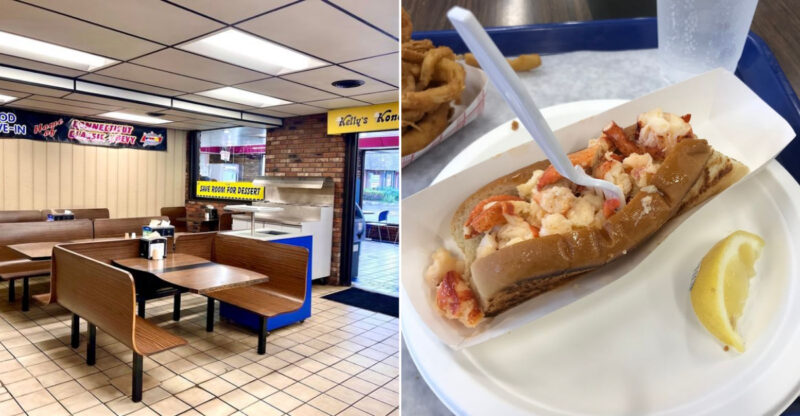
This Middle-Of-Nowhere Connecticut Dairy Farm Hand-Crafts Organic Cheese From Scratch
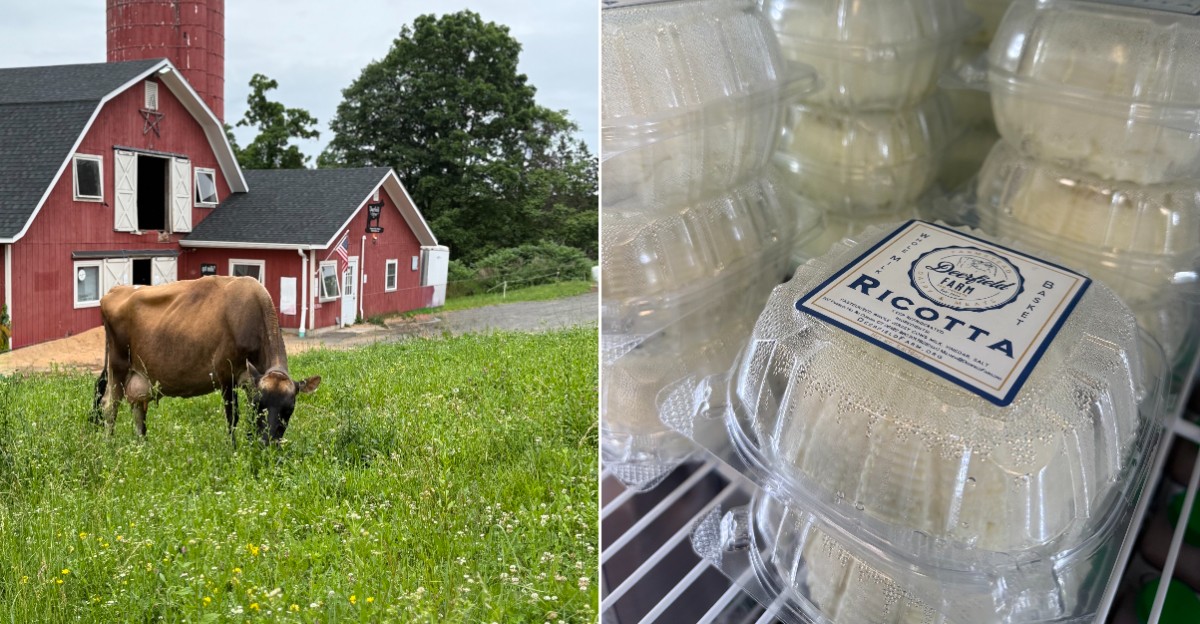
The road gets quieter, the scenery gets greener, and eventually you start wondering if your directions have sent you somewhere wonderfully remote. That is exactly the mood here.
Far from busy shopping districts, this dairy farm keeps its attention on something wonderfully traditional. Fresh milk becomes handcrafted cheese through a process that feels refreshingly connected to the land around it.
One rural corner of Connecticut is producing organic cheese that makes a trip into the countryside feel surprisingly rewarding.
There is no giant factory hiding behind the pastoral scenery. The appeal comes from knowing the cheese begins right here and receives the sort of attention small-scale production allows.
Does cheese somehow taste better when you have seen the countryside where its story begins?
Maybe the peaceful setting has something to do with it. Either way, discovering artisan cheese at the end of a quiet country road feels like a pretty delicious surprise.
1. Farmstead Cheesemaking Starts Right With The Herd
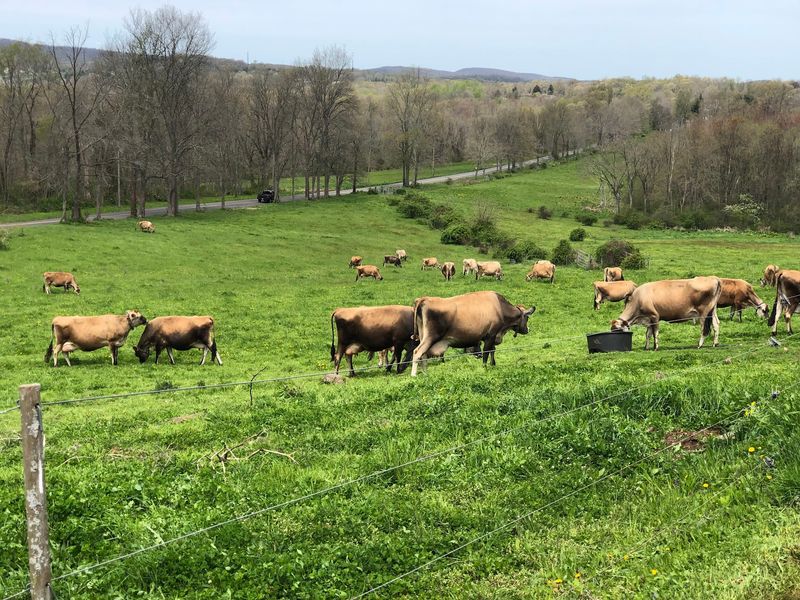
This cheese has a very short commute. The milk starts right on the farm. So does the cheesemaking.
That close connection is what gives this Connecticut dairy in Durham much of its character. Registered Jersey cows provide the milk used for the farm’s dairy products, and processing happens on the property rather than at some distant facility.
Rich Jersey milk becomes several tempting creations. Whole-milk basket ricotta is one option, while Brianna is a soft, creamy fresh cheese offered in flavors including plain, garlic and chive, crushed red pepper, and dill.
The farm also produces raw milk, yogurt, and flavored milk.
Deerfield Farm began as a family 4-H project before developing into a full-time dairy operation. Its cows graze pasture during warmer months, and hay is harvested for them as part of the farm operation.
That makes the experience refreshingly direct. Visitors can see where the dairy products begin and then pick up the finished versions from the farm store.
Small-scale production keeps the connection between herd, milk, and finished cheese remarkably close.
For shoppers accustomed to supermarket dairy aisles, seeing that entire process tied to one working farm makes the cheese considerably more interesting.
2. Organic Farming Shapes Everything Produced Here
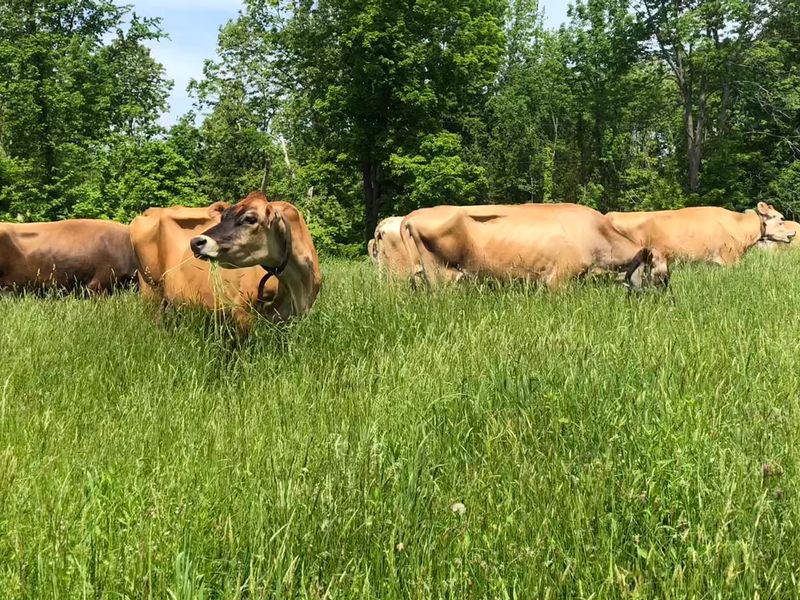
Good cheese starts long before anyone turns on the vat, and here it starts in the grass. Through the warmer months, the Jersey cows graze the farm’s rolling fields, moving across pasture rather than standing in one worn patch all season.
Their diet is built around what the land actually produces. Hay harvested from the farm’s own fields makes up a large share of what they eat, supplemented with some grain and an organic kelp mineral mix that helps round out the nutrients they need.
The logic behind that approach is easy to follow. Healthy animals eating consistent, wholesome feed produce consistent, wholesome milk, and consistent milk is what makes small-batch cheesemaking possible without industrial shortcuts.
You can see the connection when you look out at the fields. The pasture is not decoration for visitors; it is the first ingredient in everything sold at the farm store.
Worth knowing before you go: because production follows the seasons and the herd rather than a factory schedule, availability shifts throughout the year. That is a feature of real farming, not a flaw, and regular customers plan around it.
It also explains why the flavor of the dairy can subtly change as the grazing season progresses.
3. Parmelee Hill Road Leads Deep Into The Countryside
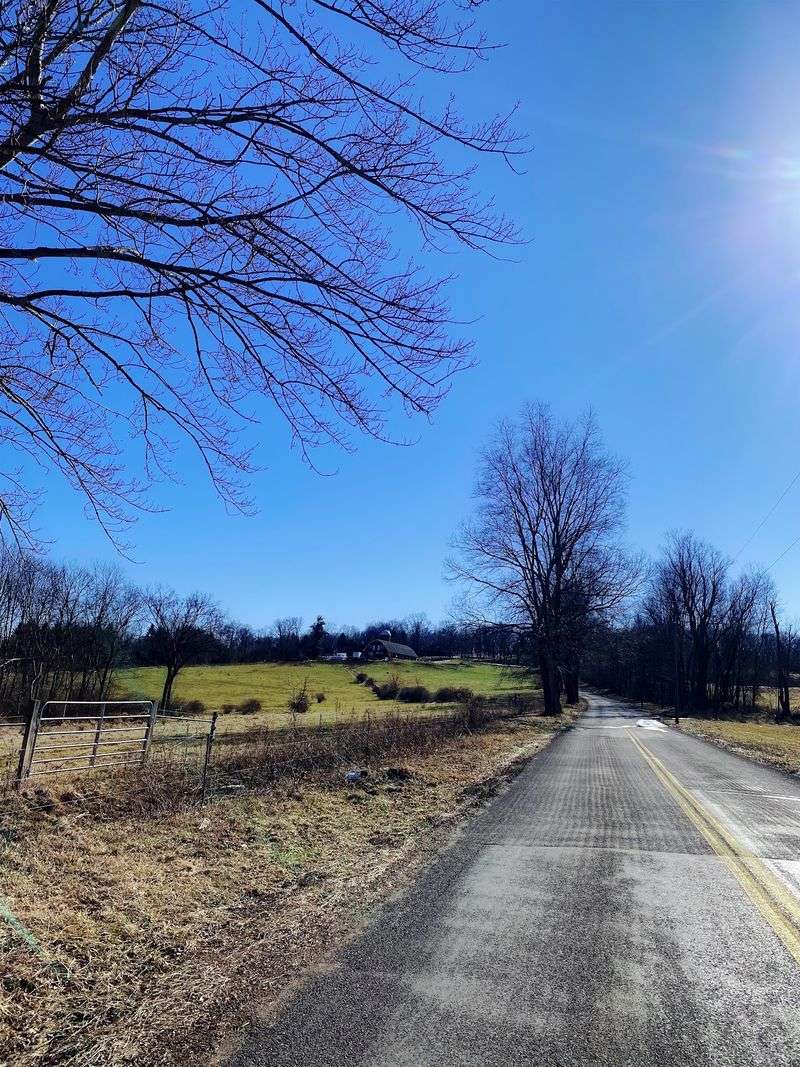
The drive sets the mood first. Traffic lights fade away.
Soon, rolling fields and quiet country roads make the trip feel much farther removed from everyday errands than it really is.
Much of the scenery around Durham remains distinctly rural, with hayfields, wooded stretches, and open farmland appearing along the route. That slower approach suits a destination built around agriculture rather than polished roadside attractions.
The surroundings have an interesting story of their own. Deerfield Farm operates on town-owned land, with the property leased from Durham.
The arrangement has helped keep this corner of town connected to its agricultural roots while supporting an active dairy operation.
Getting here is straightforward, although checking directions before leaving the busier roads can make the trip easier. Rural stretches naturally have fewer obvious landmarks, and the final approach feels noticeably quieter than the commercial areas most shoppers are accustomed to.
Daylight is especially nice for a visit. Open fields and surrounding hills become part of the scenery, particularly later in the afternoon when the landscape catches softer light.
The farm sits near the intersection of Parmelee Hill and Pent roads. Its address is 337 Parmelee Hill Road in Durham.
Once you arrive, the peaceful surroundings make perfect sense for a farm producing dairy from its own Jersey herd.
Even the trip for cheese feels like a small country escape.
4. Milk Travels Only Steps Before Becoming Cheese
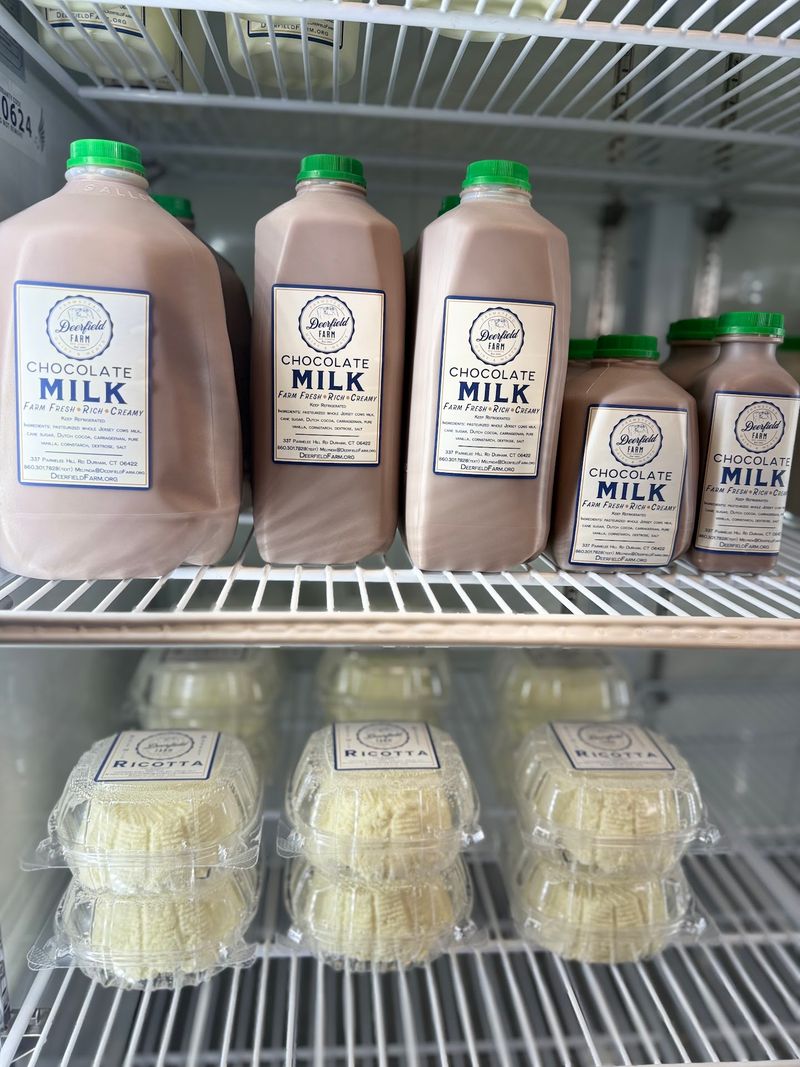
Most milk in America logs serious mileage before it reaches a customer. Here, it travels roughly the length of a barnyard.
All the milk from the farm’s Jersey cows is handled on site in a state-certified processing room. Some of it gets bottled as it is.
The rest becomes yogurt, flavored milks, or soft cheeses, all without leaving the property.
Short distance means short time, and short time means freshness you can actually taste. It also gives whoever is making the cheese full control over temperature, timing, and handling, the three things that quietly determine whether a fresh cheese turns out silky or grainy.
There is a practical upside for shoppers too. Products reach the farm store within a very small window of being made, which is a big part of why regulars come back weekly rather than stocking up once a month.
A fun wrinkle in the story: the whole operation began as a family 4-H project before turning into a full-time business in 2004. What was once a handful of animals and a learning exercise now supports an on-farm creamery.
That kind of growth, slow and rooted in one piece of land, is increasingly rare in dairy.
5. Small Batches Turn Into Distinct Farmstead Varieties
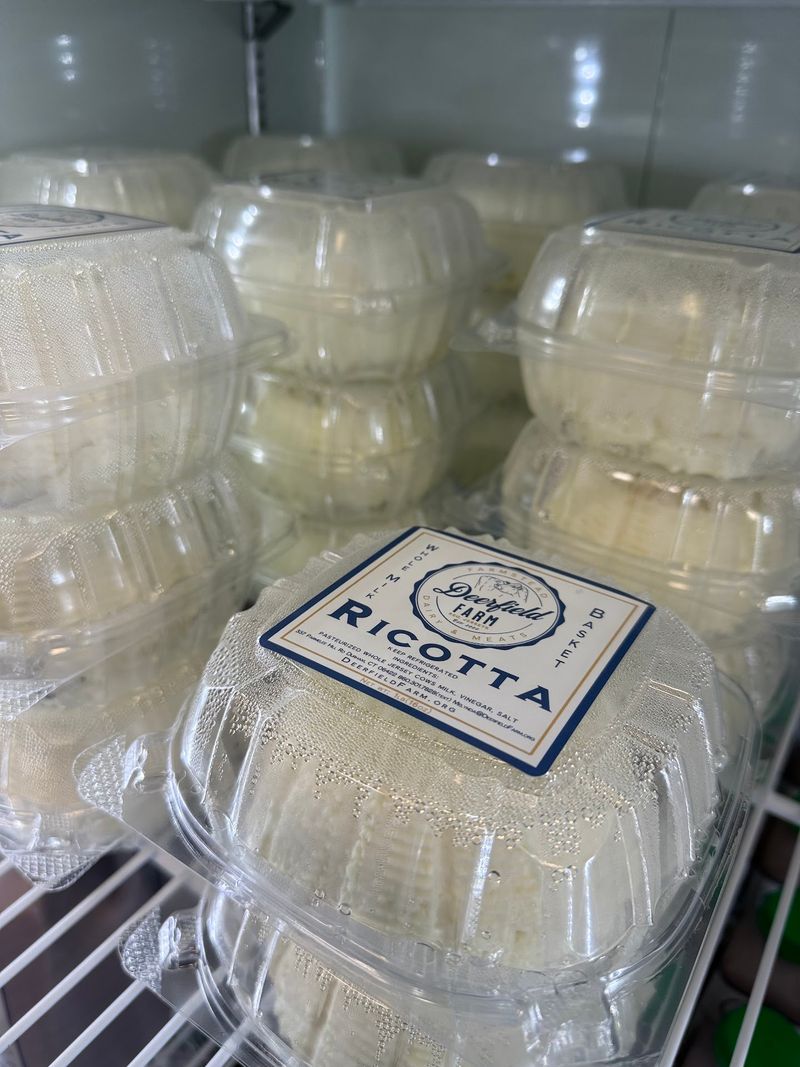
Two cheeses anchor the lineup, and both are made from whole Jersey milk.
The first is whole milk basket ricotta, and it is noticeably firmer than the loose, watery ricotta most shoppers know from grocery tubs. That firmness means you can actually slice it, though it also holds up beautifully folded into lasagna or worked into homemade gnocchi.
The second is Brianna, a creamy soft fresh cheese that comes in plain, garlic and chive, crushed red pepper, and dill. Spread it on crackers, stir it into pasta, or use it in place of mayonnaise in sandwiches and salads.
It is the kind of cheese that quietly solves several dinner problems at once.
Beyond cheese, the creamery turns out raw Jersey milk plus pasteurized chocolate, mocha coffee, and strawberry milks. European-style yogurt made with live active cultures and gelato round out the dairy case.
Visitors often single out the ricotta and the flavored milks as standouts, and the chocolate milk has a particularly loyal following.
One tip from experience: the most popular items move fast. If a specific cheese or the raw milk is the whole reason for your trip, calling ahead to check availability is a smart move.
6. The Farm Store Keeps The Experience Close To Home
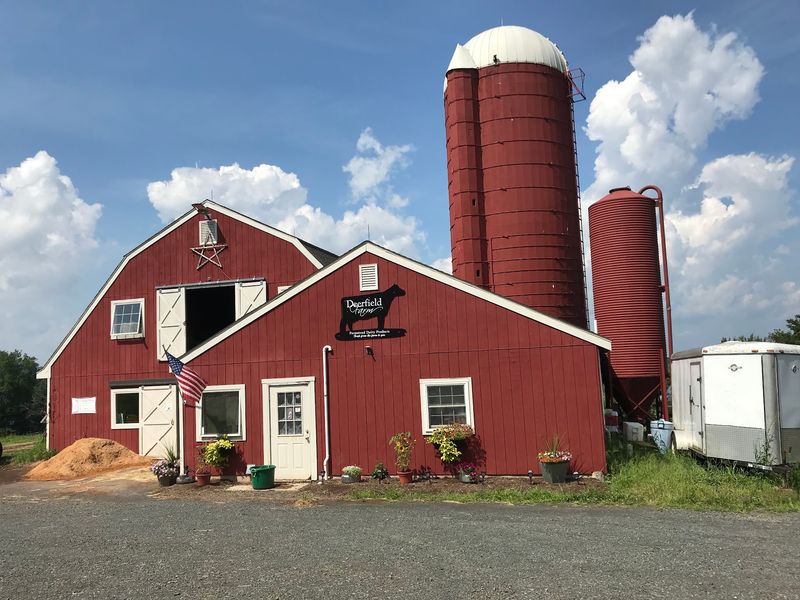
The farm store is small, tidy, and runs on trust. There is no cashier waiting at a register.
You choose what you want, check the posted prices, and leave cash or a check in the box before heading out.
Hours are daily from 10:00 AM to 5:30 PM, which makes it easy to fit into a weekend drive. Bringing exact change or a checkbook is essential, since the honor system does not accommodate cards.
Inside, the selection goes well beyond dairy. Alongside the cheese, milk, and yogurt, you will find farm-raised meats including beef, veal, pork, and poultry, plus local staples like honey, maple syrup, and butter that turn a quick errand into a full provisions run.
The atmosphere is part of the appeal. Visitors frequently describe the shop as clean, simple, and refreshingly straightforward, and many appreciate the welcoming feel of the whole property.
A practical note that regulars repeat often: come early if raw milk is on your list. It tends to sell out, and arriving closer to opening improves your odds considerably.
For anything time-sensitive, a phone call ahead can help, and bringing a cooler is wise on warm days.
7. Cows Remain At The Heart Of The Operation
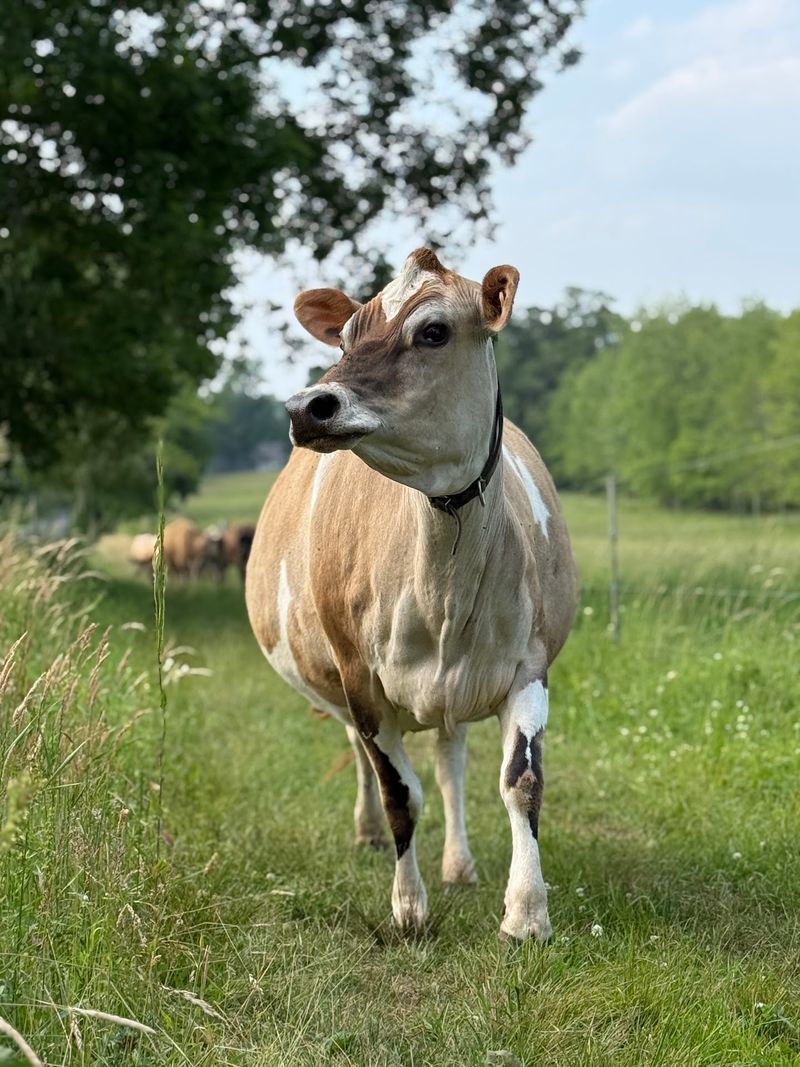
These cows have fans. It is easy to see why. The Jersey herd brings plenty of personality to this working Durham dairy.
Around 40 registered Jerseys call the property home, with roughly 15 to 20 typically producing milk at a given time. That relatively small herd keeps the operation closely connected to the animals behind every bottle and batch of dairy.
Jerseys are especially valued for milk with high levels of butterfat and protein. That naturally rich composition helps create the creamy texture that works particularly well for cheese and other dairy products.
Non-homogenized milk can also develop a noticeable cream layer at the top.
Daily life at Deerfield Farm revolves around caring for the herd. During the warmer growing season, cows graze on pasture, while hay harvested from the farm helps feed them at other times of year.
Visitors may get a glimpse of the herd during a stop, adding an extra bit of farm life to a trip primarily made for dairy products. Families with children can especially enjoy seeing where the milk actually begins.
This remains an active agricultural operation rather than a petting zoo, however, so visitors should observe the animals from appropriate areas and follow farm guidance.
Even the resident barn cats occasionally make an appearance.
Between the Jerseys, open fields, and farm setting, picking up cheese here feels refreshingly connected to its source.
8. Quiet Farmland Completes The Back-Road Experience
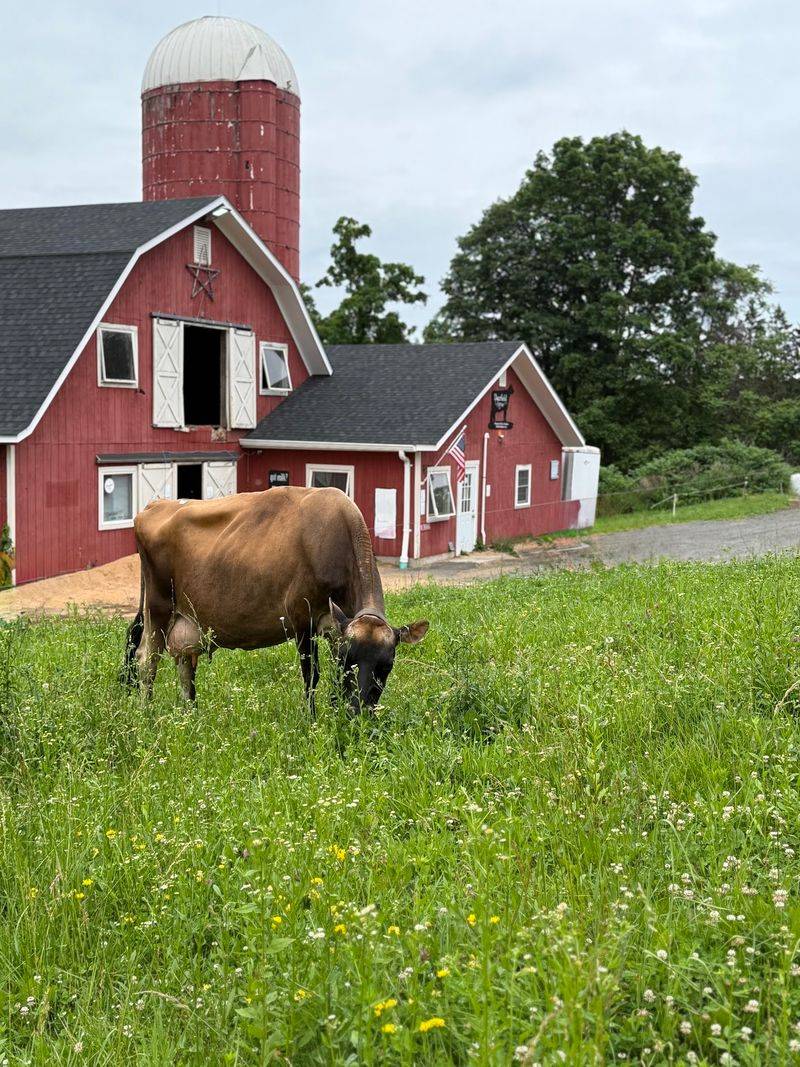
Some places are worth visiting as much for the quiet as for the shopping, and this is one of them. Stand in the parking area for a minute and the loudest things around are usually birds, wind across the hayfields, and the occasional sound from the barn.
Durham’s rolling hills stretch out in every direction, broken up by fields, stone walls, and tree lines. Because the farm leases land and barn from the town as open space, the view is unlikely to fill up with development anytime soon.
A visit works well as a small, unhurried outing rather than a destination that demands a full day. Many people pair it with a scenic drive through the surrounding countryside, grabbing dairy on the way home.
Bring a cooler, allow extra time for the winding approach, and do not rush the stop. Part of the pleasure is standing at the fence line for a few minutes before you leave.
What sticks with most visitors is the sense of connection. You can see the pasture, see the cows, and carry home cheese made a few steps away, all in the same short visit. Simple, but surprisingly memorable.