This Small Connecticut Shelter Is Powered By Volunteers Who Help Hundreds Of Cats Each Year
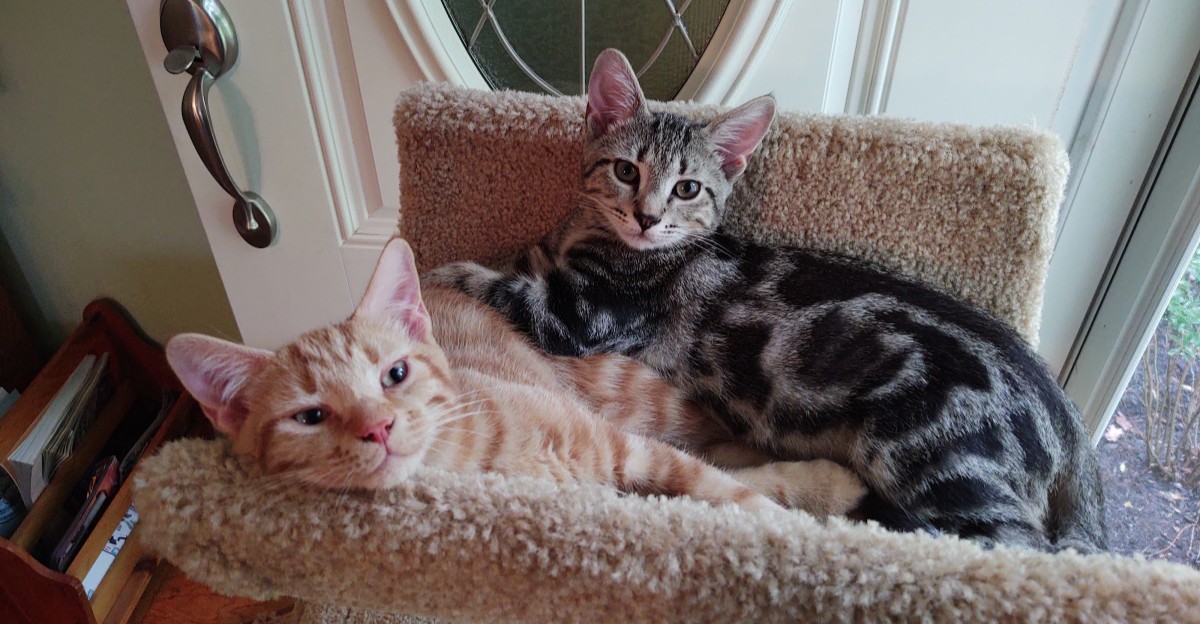
Behind every rescued cat is usually a lot more work than the happy adoption photo suggests. Someone cleaned a space, answered a call and spent time helping a nervous animal feel safe again.
At this small shelter, much of that work happens because volunteers keep showing up. Their effort gives cats another chance while keeping a community operation moving day after day.
The scale of that dedication is easy to underestimate from the outside.
Volunteers at one Connecticut cat shelter help give vulnerable animals the care they need while preparing them for brighter next chapters.
It is practical work with a very sweet payoff. A frightened newcomer can slowly become comfortable enough to show its personality, and eventually the right home may come along.
No giant facility is required to make a meaningful difference. Sometimes a small group of people giving their time can change an impressive number of tiny lives.
1. Volunteer Power Keeps This Cat Rescue Moving
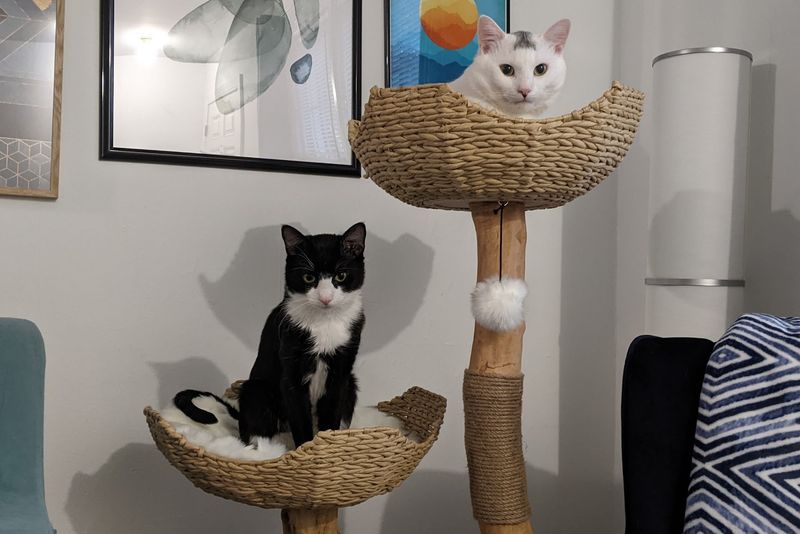
No time clock. No paycheck. Just volunteers showing up to make sure cats receive the daily care they need.
Connecticut Cat Connection in Windsor operates as a nonprofit rescue with volunteers playing a central role in caring for cats and helping them move toward adoption. Their work goes well beyond filling food and water bowls.
Volunteers clean spaces, organize supplies, assist visitors, and help keep everyday shelter routines moving.
That regular contact also means team members can become familiar with individual cats. Personalities differ dramatically, from outgoing cats ready to investigate every visitor to quieter ones that need more patience before showing their character.
Knowing those differences can be valuable when prospective adopters begin searching for the right companion.
Visitors also benefit from having people available to explain the adoption process and answer questions. Instead of choosing solely by appearance, potential adopters can learn more about a cat’s behavior and needs before deciding who might fit comfortably into their household.
Behind those conversations is plenty of less visible work. Records need attention, supplies need organizing, and cats require consistent care regardless of how busy the day becomes.
The shelter’s volunteer-driven approach shows how individual shifts can add up to something much larger.
For the cats waiting for homes, those ordinary hours of donated time can make an extraordinary difference.
2. Poquonock Avenue Is Home To The Adoption Center
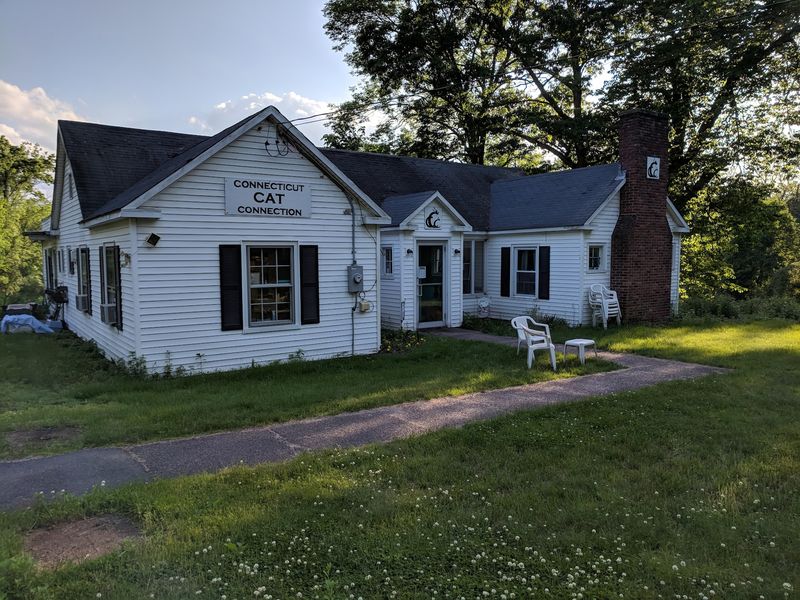
Some rescue stories take decades to build. This one did. What began years ago has grown into a permanent adoption center serving cats and the people hoping to bring them home.
Connecticut Cat Connection traces its roots to the 1980s, long before it had the Windsor facility visitors know today. A major step came in October 2010, when the organization opened its first permanent adoption center in town.
Continued growth eventually led to a move into a larger facility in 2015.
Visiting requires a little planning because public hours are limited. Weekend afternoons can bring more activity as potential adopters meet available cats and volunteers move between daily shelter responsibilities.
A weekday evening visit may offer a different pace.
Available cats can change quickly, too. Someone who catches your attention online may already have an adoption in progress, so checking the rescue’s latest information before making a special trip can help avoid disappointment.
The current adoption center operates at 40 Stevens Mill Road in Windsor, giving the organization more space for its rescue and adoption work.
Public visiting hours include weekend afternoons and select weekday evening sessions, so checking the current schedule before visiting is a good idea.
Years of growth have changed the surroundings, but the purpose remains straightforward: giving cats a safe place while they wait for the right person to come through the door.
3. Rescued Cats Receive Care While Waiting For Homes
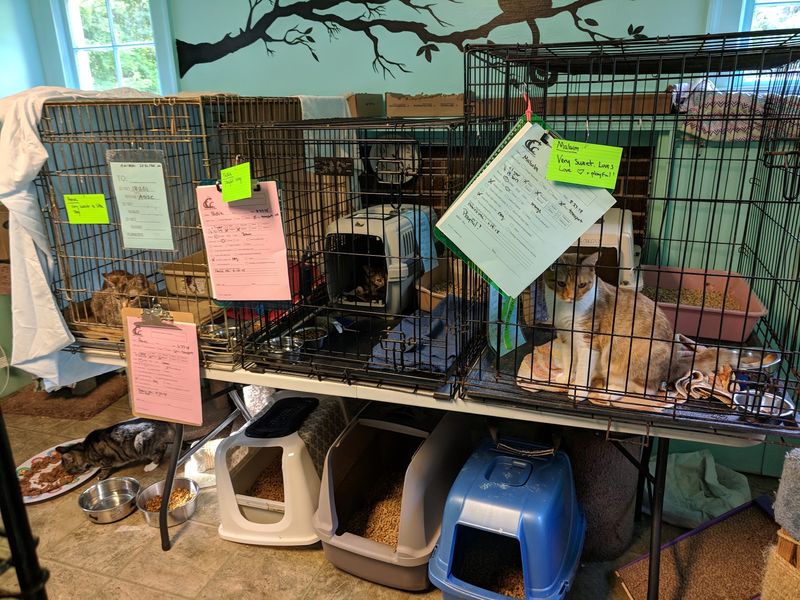
Medical care comes first for every cat that arrives, long before anyone starts thinking about adoption photos. Each animal receives vaccinations and testing for FeLV and FIV as part of the intake routine.
Spaying or neutering is standard practice too, with cats prepared medically before placement so adopters are not left to arrange that procedure themselves.
Some basic exams happen on-site, but most specialized treatment is handled through partnerships with area veterinary offices. That outside care is the single largest expense the organization carries, which explains why fundraising stays a constant priority.
Adopters regularly mention receiving cats who were already vaccinated, microchipped, and in solid health, along with clear notes about any ongoing needs. Some have also described the team offering follow-up support when unexpected medical issues surfaced after adoption.
Beyond medicine, the shelter works hard to keep the space clean, safe, and as fear-free as possible. Cats relax faster in an environment where noise is managed and handling is gentle.
A calmer cat shows more of its real personality, which makes matching far more accurate for everyone involved.
4. Foster Families Extend Help Beyond The Shelter
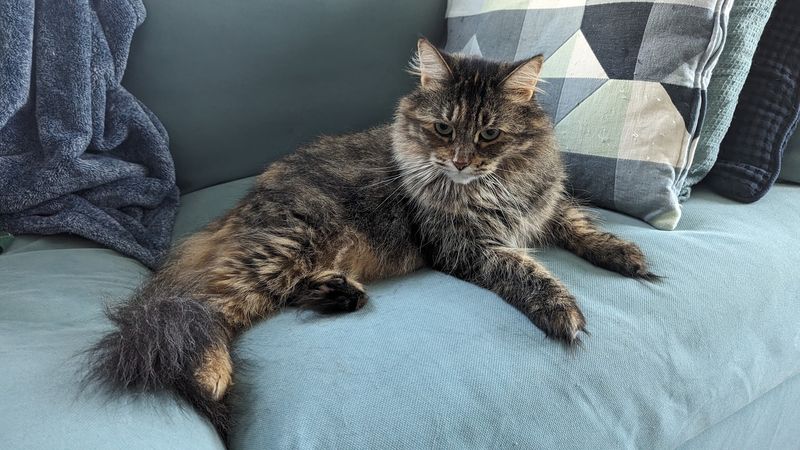
Some cats need a quieter start. Foster homes provide exactly that. Instead of waiting at the adoption center, they get time to grow and settle into everyday home life.
This place relies on volunteer foster families to care for kittens, mother cats, and other felines that benefit from extra attention away from the shelter environment. Foster volunteers handle the familiar routines of pet care, including feeding, cleaning, grooming, and plenty of playtime.
For young kittens, those ordinary household experiences can be surprisingly useful. They become familiar with people, daily noises, and regular routines while developing the social skills that can make the transition into an adoptive home easier.
Foster families may also transport cats to veterinary appointments. The rescue provides approved veterinary care, while volunteers are encouraged to contribute food and litter when possible.
Supplies such as carriers and litter boxes may be available when needed.
The organization generally requires kittens and young cats to be adopted in pairs unless the household already has a young feline companion. That gives energetic youngsters someone appropriate to play and socialize with after adoption.
Fostering may be temporary, but its effect can last much longer. Every meal, play session, and quiet afternoon helps prepare another cat for the biggest change of all: settling comfortably into a permanent home.
5. Adoption Days Turn Second Chances Into New Beginnings
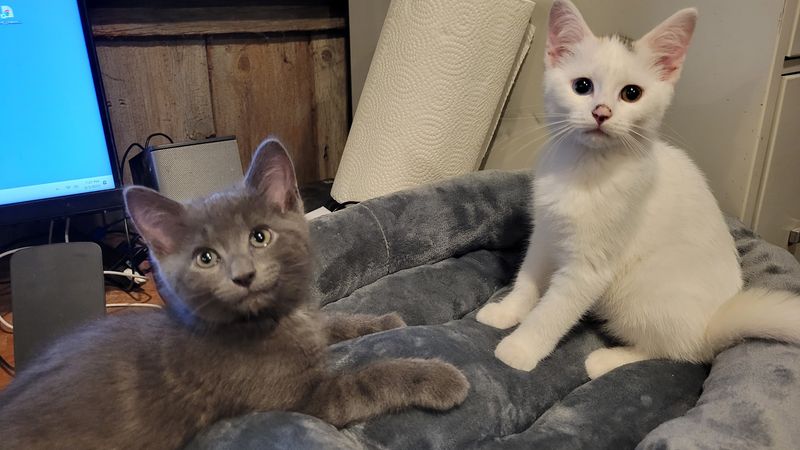
One carrier. One new family. One very big day for a cat that has been waiting for exactly this moment.
Adoption begins with an application, giving the volunteer team information about the prospective household before helping with a match. Visitors can also meet available cats during public hours, although completing the application beforehand can make the process smoother.
Personality plays an important role. Volunteers learn about household routines, existing pets, and the type of companion an adopter hopes to bring home.
That knowledge can help steer someone toward an outgoing cat ready for activity or a quieter feline that may prefer a calmer environment.
Once an applicant is approved and the right match comes together, the remaining paperwork and adoption steps may be completed during the visit. The process gives families time to meet cats rather than making a decision based solely on an online photo or description.
Adoption fees support the rescue’s continuing work, including veterinary care and other expenses involved in preparing cats for permanent homes.
Special adoption events are occasionally added to the regular schedule, creating additional opportunities for potential families to visit.
The paperwork matters, of course. But the memorable part comes afterward, when a carrier heads through the door with a cat beginning an entirely new chapter.
6. Volunteers Handle Everything From Cleaning To Socializing
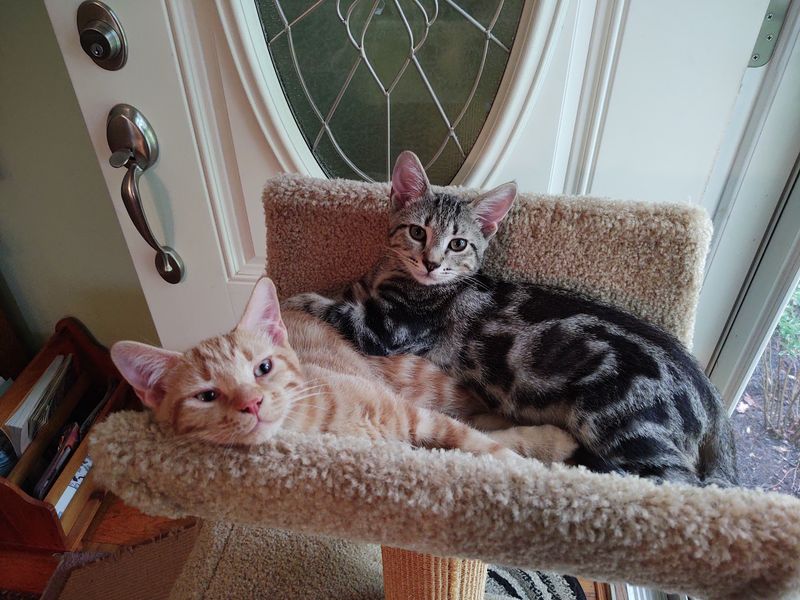
Scrubbing litter boxes rarely makes the highlight reel, but it happens dozens of times a day here. Volunteers manage the full range of shelter chores, from sanitizing surfaces to laundering bedding to keeping supply shelves stocked.
Play time counts as real work too. Cats need mental stimulation and regular human contact to stay confident, so wand toys and lap sessions are part of the daily schedule rather than an extra.
Roles are organized to match experience levels. Cat Caretakers handle routine feeding and cleaning, while Cat Care Supervisors take on additional duties like monitoring inventory, entering cat records into the system, and mentoring newer volunteers.
Transportation is another piece of the puzzle. Local cat transport volunteers shuttle felines between the center, foster homes, and veterinary appointments, which keeps medical care on schedule.
Because so many hands share the load, volunteers can divide the shelter’s many daily responsibilities. Shifts can be a few hours a week, and training is provided for those new to shelter routines.
All those small, unglamorous tasks stack into something impressive: a shelter that runs smoothly without a single paid employee.
7. Community Support Helps Cover Everyday Care
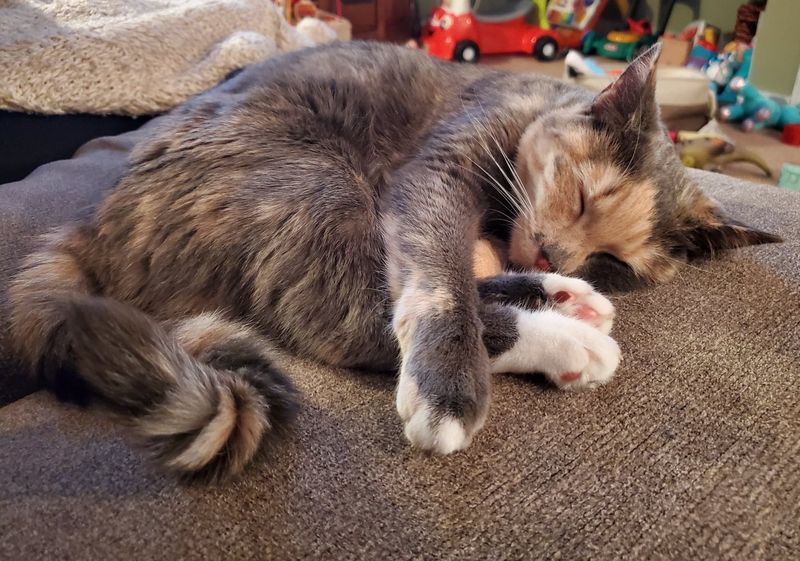
Money is the quiet part of animal rescue that nobody puts on a poster. For this organization, medical expenses eat up the largest share of the budget, and adoption fees typically cover only about half of what it costs to operate.
Donations fill that gap. Most incoming funds go directly toward veterinary treatment, with the remainder supporting food, litter, cleaning supplies, and building maintenance.
Fundraising events happen throughout the year and give supporters a way to pitch in beyond writing a check.
The rescue has also received grant funding, including an award from the Town of Windsor’s Community and Neighborhood Enhancement Program that helped make a successful Open House possible.
Supporters contribute in plenty of nonfinancial ways as well. Donated blankets, food, and toys all reduce the amount that has to be purchased.
Because there is no payroll, contributions stretch unusually far. A donation that might fund a small administrative cost elsewhere can instead pay for a dental procedure or a round of medication here.
Many people who adopt end up becoming regular donors afterward, which says a lot about how the experience lands with families.
8. Hundreds Of Cats Benefit From The Work Each Year
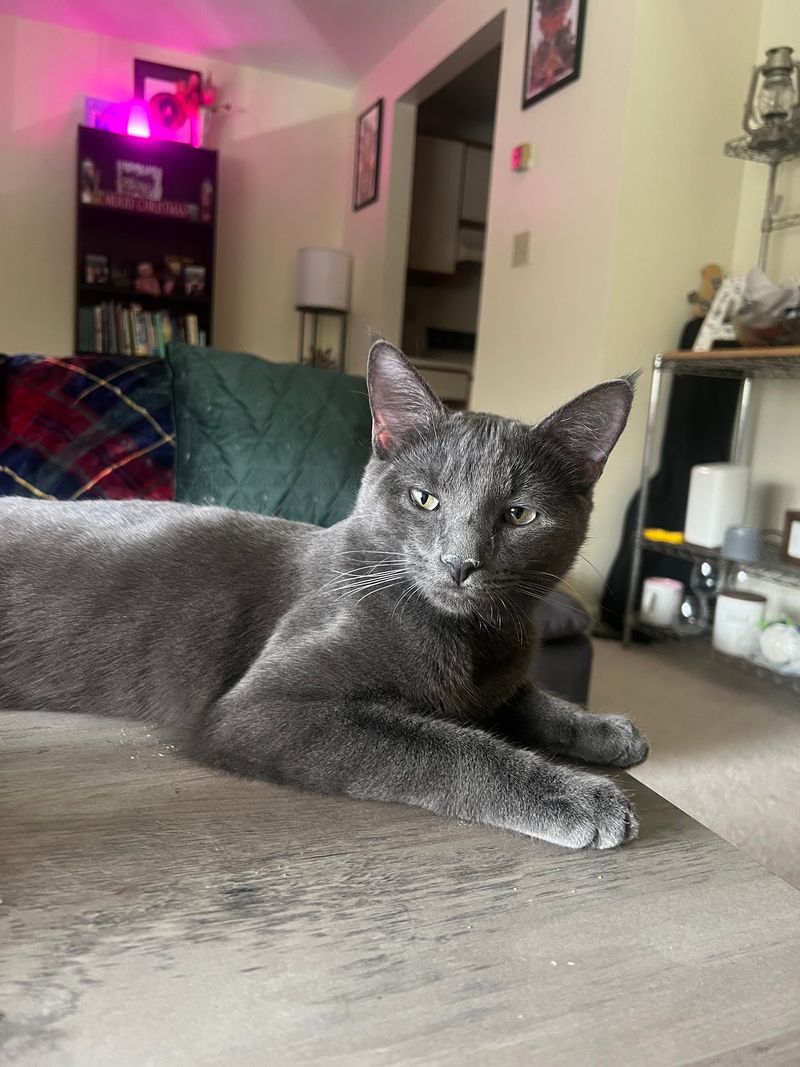
Numbers tell a story that photos cannot. In 2020, this volunteer-run rescue rehomed more than 700 cats, and reports indicate a typical year falls somewhere between 600 and 800 adoptions.
Growth has been dramatic over the decades. What began with only a small number of cats eventually grew into an organization helping hundreds of cats each year.
Behind every one of those figures is a real animal with a backstory: a stray found under a porch, a senior surrendered when circumstances changed, a litter born in a barn. Cats of all ages and health needs are accepted, not only the easy-to-place kittens.
The shelter also stands behind its placements long term, welcoming cats back at any point if an adoption does not work out. That safety net is part of what no-kill really means in practice.
Adopters commonly describe their cats settling in quickly and arriving with the care already handled. Some come back a second or third time.
For a small building in Windsor staffed entirely by volunteers, that annual impact is genuinely remarkable and worth supporting.