Washington Just Ranked No. 19 Among America’s Happiest States And Its Outdoor Habits Stand Out
A happiness ranking gives you a number. It does not tell you what an ordinary day feels like.
That is the interesting part of Washington’s latest placement among the nation’s happiest states.
The data points toward familiar quality-of-life factors, but numbers only explain so much.
Daily habits fill in the rest. One particularly Washington-friendly metric does stand out: the state ranks fifth nationally for sports participation.
The ranking becomes more interesting once the headline fades.
Then a better question appears: what parts of everyday life help put Washington inside the national top 20?
Mountains That Frame Everything
Mount Rainier can dominate clear-day views across parts of the Puget Sound region, rising to 14,410 feet above sea level.
Peaks are not scenery here, they are neighbors.
The Cascade Range creates a major climatic divide, with wetter western Washington and a considerably drier rain-shadow climate to the east.
Mountain recreation is accessible from many population centers, although travel times vary widely across the state.
Mount Rainier is the most topographically prominent mountain in the contiguous United States.
Standing beneath it rearranges your sense of scale in the best way. Roadside viewpoints and recreation areas provide numerous opportunities to experience the mountain without attempting a summit or major hike.
Those landscapes fit the article’s outdoor-life theme, but the WalletHub study does not measure mountain views as a separate happiness factor.
The state’s stronger connection to the ranking is measurable recreation: it placed fifth nationally for sports participation.
Clear weather offers the best chance of seeing distant Cascade peaks, but visibility can change quickly throughout the day. Bring layers, because mountain air ignores the calendar.
You can explore this entire region across this state and start planning with the official state portal at access.wa.gov.
Rainforests Wrapped In Moss
Olympic National Park protects extensive old-growth forest, including some of the finest surviving temperate rainforest in the contiguous United States.
The Hoh Rain Forest inside Olympic National Park is the headliner. Moss hangs from branches in long green curtains, and ferns spread across every log.
The state’s statewide recreation map currently represents nearly 12,000 miles of local, state, and federal trails.
Access costs vary widely: some parks and trails are free, while others require a Discover Pass, federal recreation pass, parking fee, or national park admission.
Banana slugs are among the animals visitors may encounter in Olympic’s wet forests.
Outdoor recreation fits Washington’s strong sports-participation showing, but the happiness ranking does not measure residents’ forest use directly. You see it in the relaxed pace of hikers who nod as they pass.
Seasons change the mood completely. Spring brings bright new ferns, while autumn turns bigleaf maples a warm gold.
Waterproof footwear and rain protection are useful in Olympic’s rainforests, where annual precipitation can reach roughly 140 to 167 inches. Waterproof shoes matter more than fancy jackets, since trails stay damp year round.
Weekends Built Around Trailheads
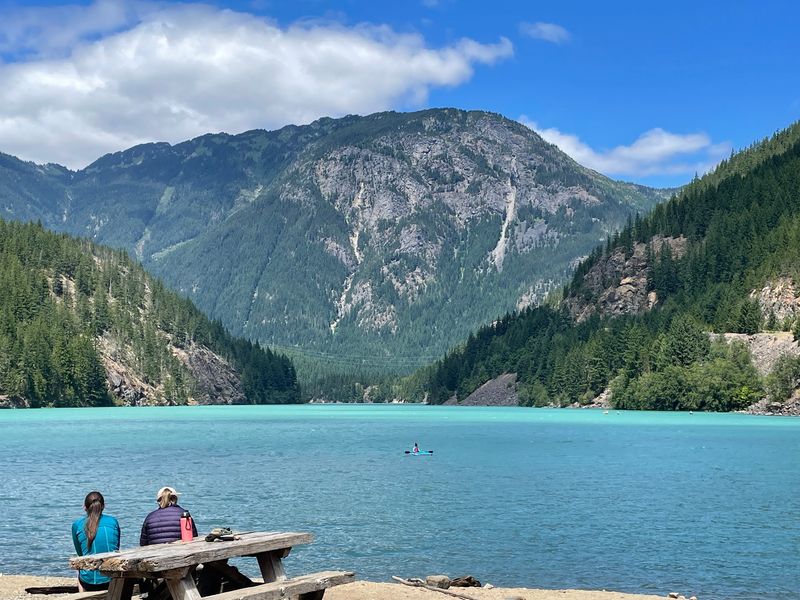
Outdoor recreation has unusually strong participation in Washington, with the state ranking fifth nationally on WalletHub’s sports-participation metric.
Outdoor life is not a hobby in this state, it is the default setting. In WalletHub’s 2026 city study, Seattle ranked No. 2 nationally for sports participation.
What surprised me most was the convenience. Urban trails, lakes, shorelines, and regional parks give many communities nearby recreation options, although rental prices and access rules vary.
Movement builds well-being, and this state removes nearly every excuse. You do not need technical gear to stroll a beach at low tide. A pair of old sneakers handles most of it.
Cycling clubs, community rides, and extensive trail networks provide ways to build recreation into ordinary weeks.
The state’s high sports-participation ranking suggests physical activity is relatively common among residents, although the study does not establish how or when that activity occurs.
Start small if you visit. Pick one short trail, one paddle, one sunset walk, and let the rhythm pull you along.
Saltwater, Ferries, And Islands
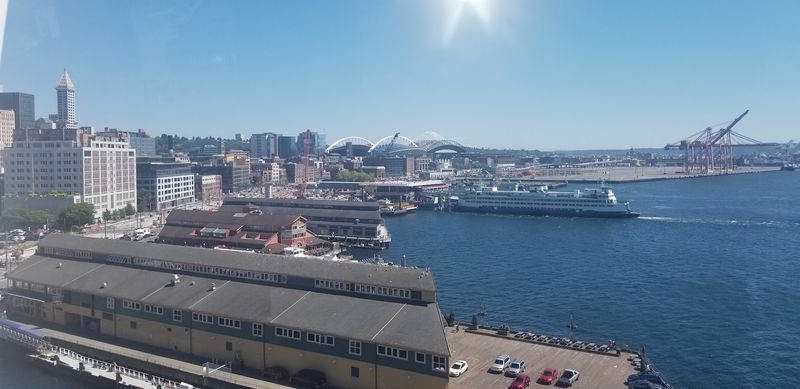
State Ferries carries travelers and commuters across Puget Sound and the greater Salish Sea on 21 vessels.
Puget Sound shapes daily life across the western half of the state. Whale watching trips depart regularly, kayakers hug quiet coves, and sailboats lean into afternoon breezes. Farther north, the Salish Sea stretches toward the Canadian border.
State Ferries serves as part of the state highway network and a marine highway for businesses, tourists, island communities, and daily commuters.
Ferry crossings can add broad Sound and island views to otherwise practical transportation trips.
For visitors, the San Juan Islands make an easy multi-day plan. Bring a bike if you can, since island roads suit two wheels beautifully.
Vehicle reservations are strongly recommended on the Anacortes–San Juan Islands route, while walk-on passengers and bicycles do not need reservations.
All that saltwater access gives this statesomething rare: a daily reminder that the horizon is close, open, and yours to explore whenever the mood strikes.
Neighborhoods With Real Belonging
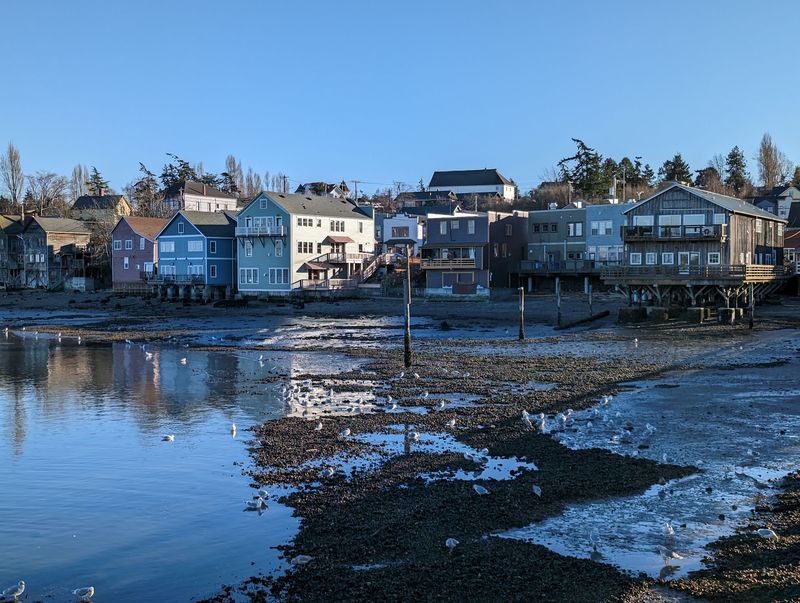
Seattle’s current Columbia City-area profile says 30.8% of residents speak a language other than English at home and identifies numerous commonly spoken languages.
Columbia City’s linguistic diversity reflects one part of the state’s broader demographic mix, but it should not stand in for the entire state.
Urban energy and small-town quiet coexist comfortably across the state. You can choose a dense city block or a rural road where neighbors wave from porches.
Connection shows up in ordinary ways. Community potlucks, library story hours, and weekend festivals fill local calendars throughout the year.
Social well-being is one of WalletHub’s happiness metrics, measuring supportive relationships and connection with others.
Farmers markets, arts events, libraries, festivals, and neighborhood programs provide regular community gathering points across the state.
An independent, pioneer-flavored streak still runs through local culture. It surfaces in quirky festivals, hand-painted signs, and small towns proud of their oddities.
My suggestion for travelers: skip one famous attraction and attend a community event instead. Check local library boards or town websites for listings.
Community connection matters in happiness research, although this state ranked 33rd in WalletHub’s broader Community & Environment category.
Four Seasons Worth Chasing
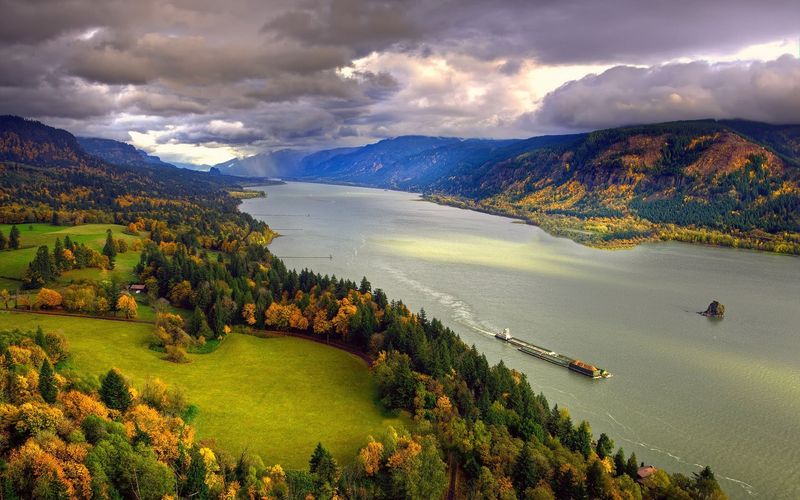
Let me clear up the biggest myth right away. Seattle receives roughly 39 inches of precipitation in a normal year, while cities including Miami and Houston receive substantially more.
Western areas do collect marine air that keeps skies gray for stretches. Cross the Cascades and the eastern part becomes considerably drier and generally sunnier than the western side of the state.
Clear weather can reveal exceptionally sharp mountain and water views across the western part. Colors sharpen, air turns crisp, and every peak seems to step closer.
Spring fills forests with fresh ferns and wildflowers. Summer stretches daylight late into the evening, perfect for beaches, alpine trails, and river floats. Autumn sets bigleaf maples glowing gold and orange along quiet paths.
Winter earns its keep too. Ski areas open, mountain towns get cozy, and snow-capped ridges look almost unreal against blue sky.
Timing advice: July through September brings the most reliable weather for high-country hiking. Snow lingers on alpine trails well into summer.
Shoulder seasons can bring fewer visitors in some destinations, but lodging prices and crowd levels vary widely by region and event calendar.
Ideas, Arts, And Invention
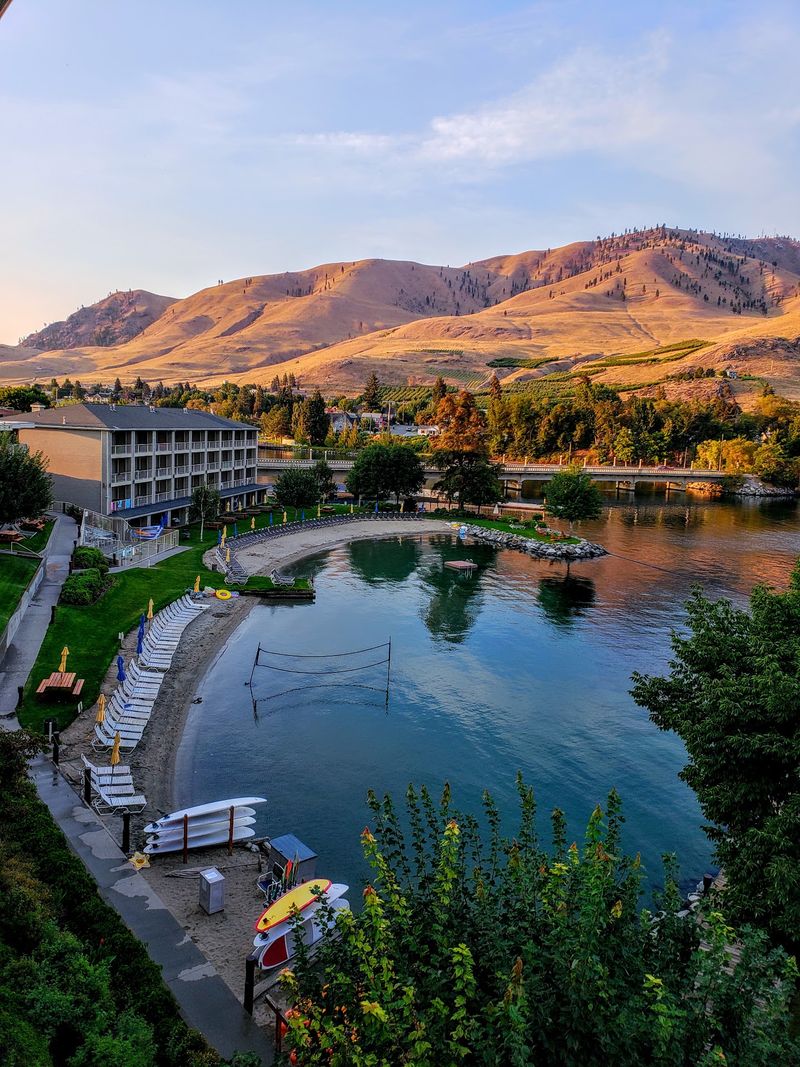
Mountains get the attention, but brainpower quietly fuels a lot of life here too. The state has built an international reputation for ideas that reshape industries.
About 39.6% of residents age 25 and older hold a bachelor’s degree or higher. Startups and globally known companies both plant roots across the region.
Culture keeps pace with commerce. Symphonies, ballet companies, museums, theaters, and small galleries give residents steady access to creative work.
Museums, theaters, galleries, music organizations, and other cultural institutions add indoor options alongside the state’s outdoor recreation.
Economic opportunity, health, social well-being, work conditions, leisure, and sports participation all appear in WalletHub’s broader happiness methodology.
Several Seattle-area museums offer recurring free admission days, including the Seattle Art Museum and Seattle Asian Art Museum on the first Thursday of each month.
Look for smaller venues too. Neighborhood galleries and community theaters often reveal more personality than famous institutions.
Creativity here feels grounded rather than flashy, which suits a place where inspiration arrives with the morning fog.
Mapping Your Own Visit
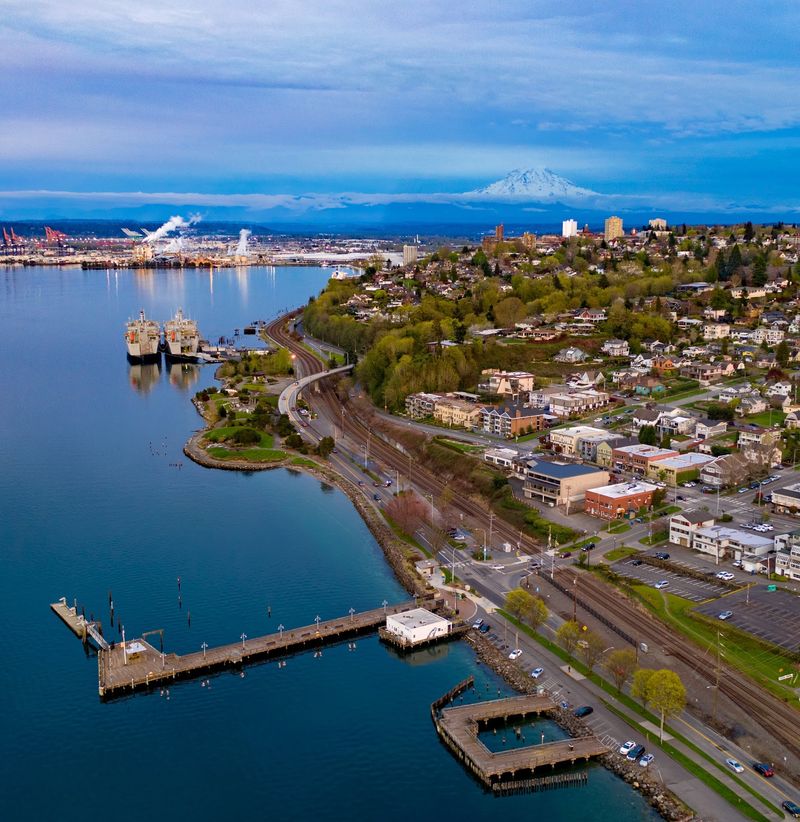
Planning a trip here means accepting one hard truth: you cannot see it all. I tried, and my itinerary laughed at me. Numbers help explain the challenge.
State Parks currently manages 125 parks, while the state recreation map represents nearly 12,000 miles of trails and federal data counts about 70,439 miles of rivers.
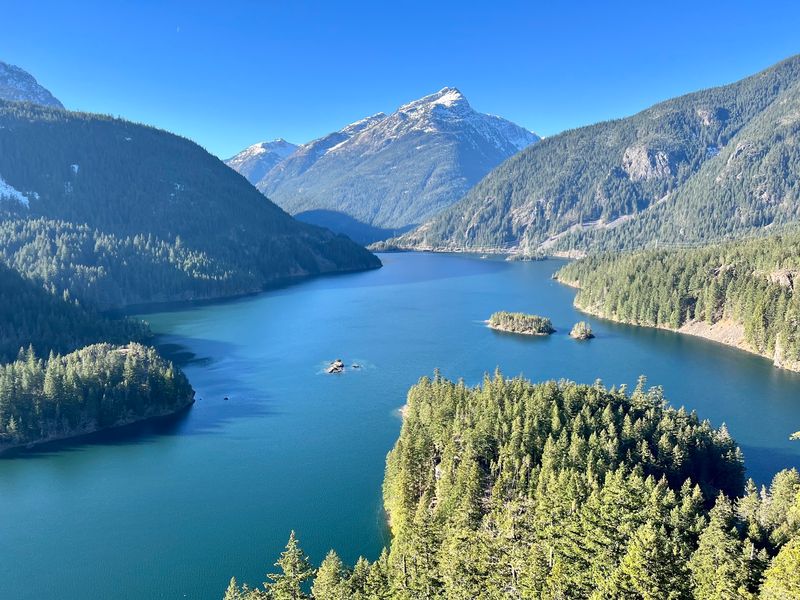
Pick a region and commit. The Olympic Peninsula pairs rainforests with rugged coastline. North Cascades National Park delivers jagged summits and rushing waterfalls.
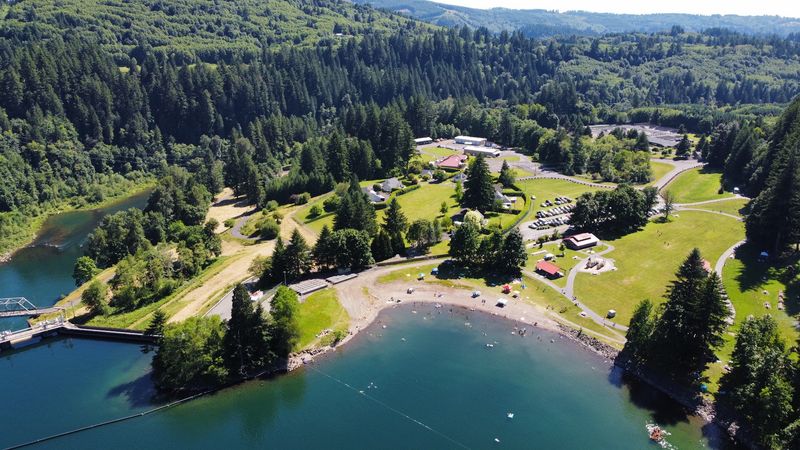
The Columbia River Gorge offers cliffs, wind, and wide water views.
Southeast part sits in the heart of wine country, with the Tri-Cities promoting more than 200 wineries within roughly a 50-mile radius.
Distances stretch longer than maps suggest, so build in driving time. Mountain passes can close in winter, and checking road conditions saves headaches.
Reserve popular summer campsites as early as practical, while also checking State Parks’ flexible-date and same-day reservation options.
Allow enough time for each region to account for long driving distances, mountain passes, ferry schedules, and changing weather. Go once, and you will already be sketching the next route home.