9 Free Washington Campgrounds Where You Can Escape Without Paying For The Campsite
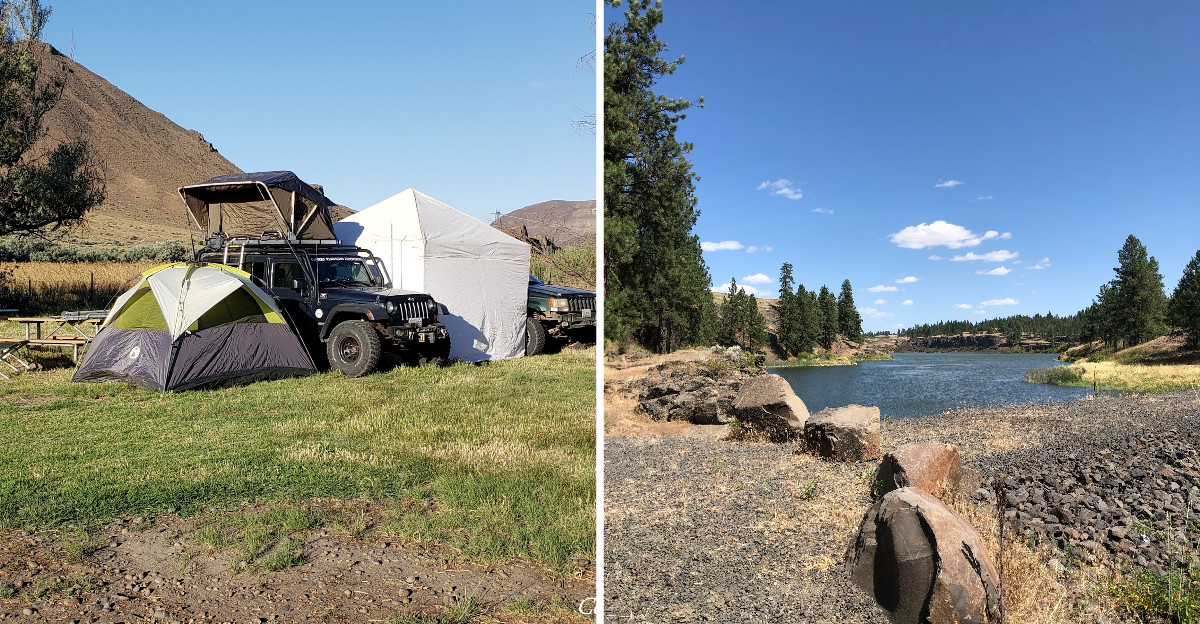
A free weekend in Washington can come with a lake outside your tent and stars overhead at night.
That sounds like a pretty great trade for leaving the hotel behind!
These campgrounds give you room to fish, hike, explore, or simply disappear into nature for a while.
Some are easy to reach, while a few make the adventure part of the fun. Best of all, the campsite itself costs nothing.
Most spots work on a first-come basis, so arriving early can pay off.
With the tent packed and a free place to sleep waiting, your next weekend escape suddenly feels much easier to plan.
1. Ahtanum Camp, Yakima
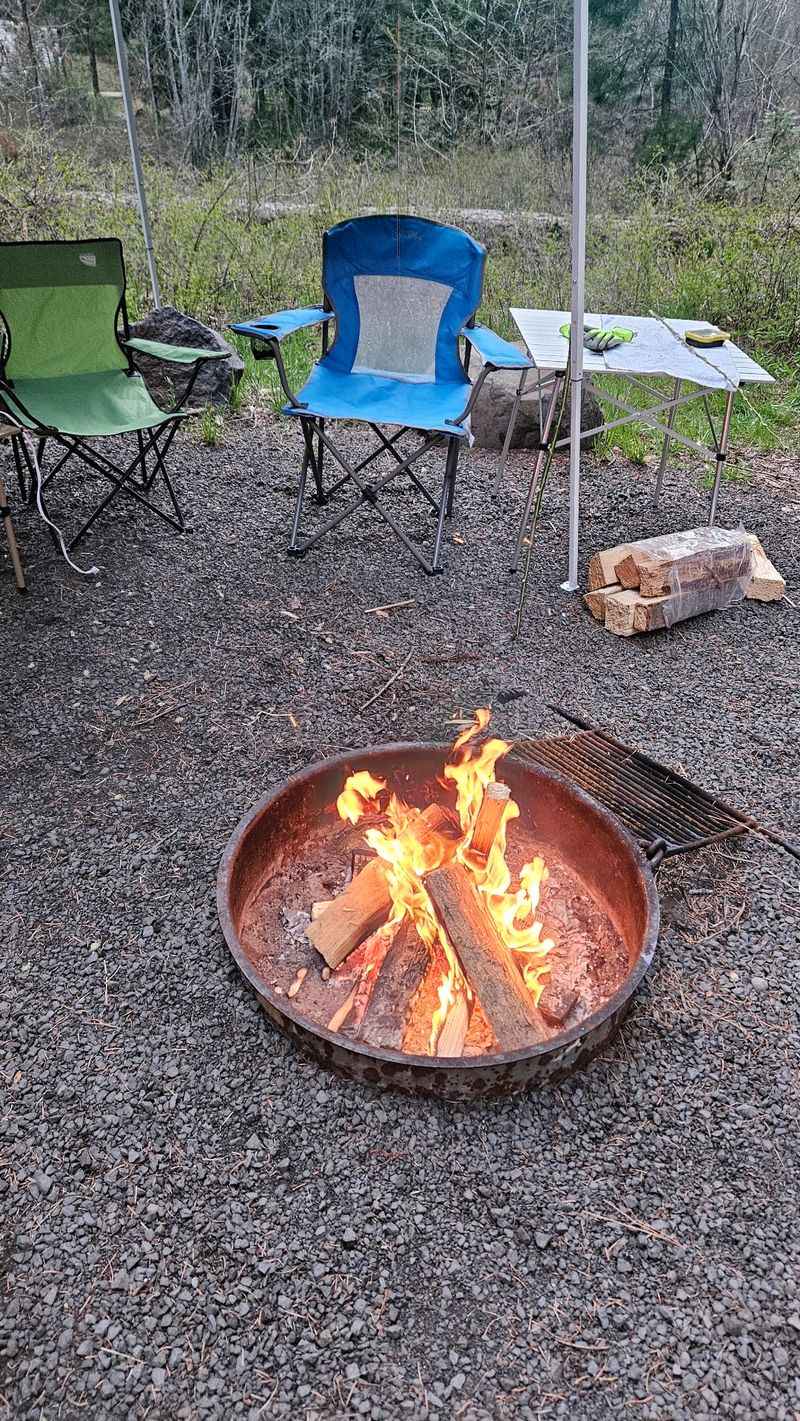
Would you believe me if I told you free camping can come with a paved road nearby? Easy access and zero campsite fees make a pretty sweet pair.
Ahtanum Camp sits beside the North Fork of Ahtanum Creek in Ahtanum State Forest, about 30 miles west of Yakima.
The campground is one of the forest’s easier developed sites to reach, with the access road staying close to pavement much longer than routes deeper into the hills.
Twelve campsites come with picnic tables and fire rings, while four toilets serve the campground.
Trailers up to 32 feet can fit in some spaces, although individual sites vary. Camping is first come, first served. Drivers need a Discover Pass, but there is no separate nightly campsite charge.
Water planning matters here. The potable-water system remains unavailable because of a broken line, so every camper should arrive with enough drinking and cooking water for the stay.
Current restrictions should also be checked before using any campsite fire feature.
The surrounding forest opens quickly into hiking, horseback riding, mountain biking, and Green Dot roads used for motorized recreation. Seasonal conditions can change access when land-management work is underway.
Ahtanum Camp remains useful in colder months because of its lower elevation. North Fork Ahtanum Road provides the approach, and the creek adds a steady natural backdrop once camp is set.
2. Ahtanum Meadows, Tampico
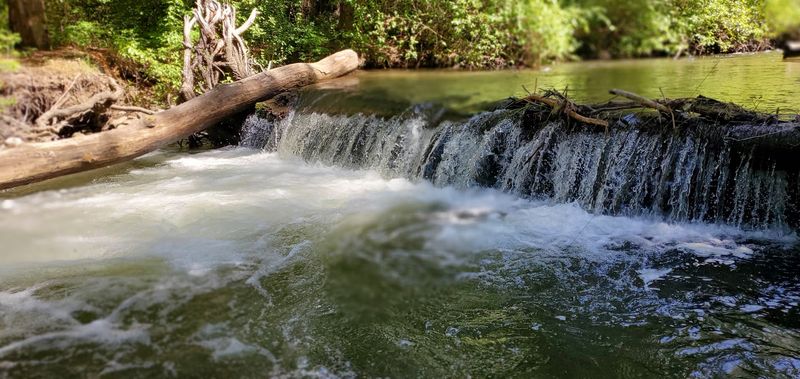
I’m still trying to wrap my head around how much fun fits into one small campground. Summer or winter, the action here never really clocks out.
Ahtanum Meadows sits near the lower end of Ahtanum State Forest and serves as a gateway to the Ahtanum Winter Recreation Area. Six overnight campsites include picnic tables and fire rings, while three toilets cover the basic campground facilities.
One detail needs planning: four additional walk-in spaces are day-use only, not overnight campsites.
Drive-in sites can handle trailers up to 32 feet, though space differs from site to site. Anyone arriving by vehicle needs a Discover Pass, while camping carries no separate nightly charge.
Warm-season recreation spreads into nearby hiking routes and Green Dot roads used by motorcycles, ATVs, and other permitted vehicles. The setting works well for campers who want a simple base rather than a resort-style campground.
Cold weather changes the focus. The winter recreation system connects to about 67 miles of groomed snowmobile routes, with grooming normally scheduled from mid-December through the beginning of April when conditions cooperate.
Campers should arrive prepared for changing mountain weather and check DNR alerts before leaving home. Seasonal access rules, road conditions, and temporary land-management work can affect the surrounding forest.
North Fork Ahtanum Road leads to the campground near Tampico. The open meadow gives mornings a spacious feel before the day’s trail traffic begins.
3. Cascade Camp, Wenas Area
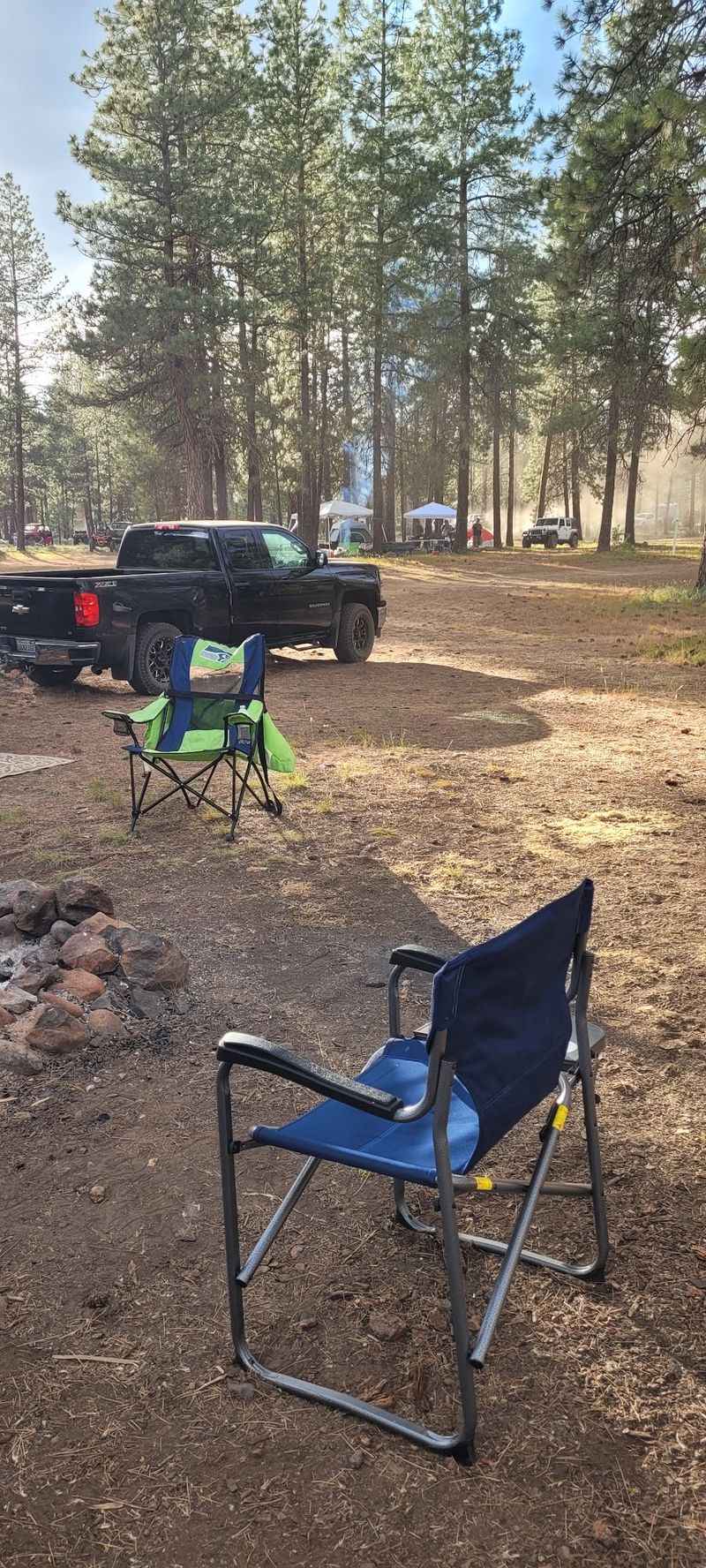
Cascade Camp near Selah keeps things wonderfully basic. It sits within the Wenas landscape, surrounded by rolling hills and open ridges.
This is a dispersed camping area rather than a campground built around numbered pads and hookups.
DNR has rerouted part of the access road through the site to protect nearby streamside habitat, and toilets provide the main developed amenity.
The setting works best for campers comfortable bringing their own water, food, lighting, and other essentials.
Garbage service should not be expected, so everything brought in needs to leave with you. Vehicle access requires a Discover Pass, while camping carries no additional site charge.
Wenas country opens into a large Green Dot road network, making the area useful for hiking, mountain biking, horseback riding, and permitted motorized exploration.
The mix of broad open slopes and scattered trees gives the landscape a different character from wetter forests farther west.
Seasonal access matters. Cascade Camp reopened for the 2026 season on May 1, and road conditions can change with weather or land-management activity.
Checking the DNR status page before departure is more useful than relying on an old printed map.
The primitive setup is part of the appeal. A camp chair, reliable shade, and enough water can make the open country comfortable for a quiet overnight.
Wenas Road provides the general approach, with local signs guiding the final stretch to camp.
4. Chopaka Lake Campground, Loomis
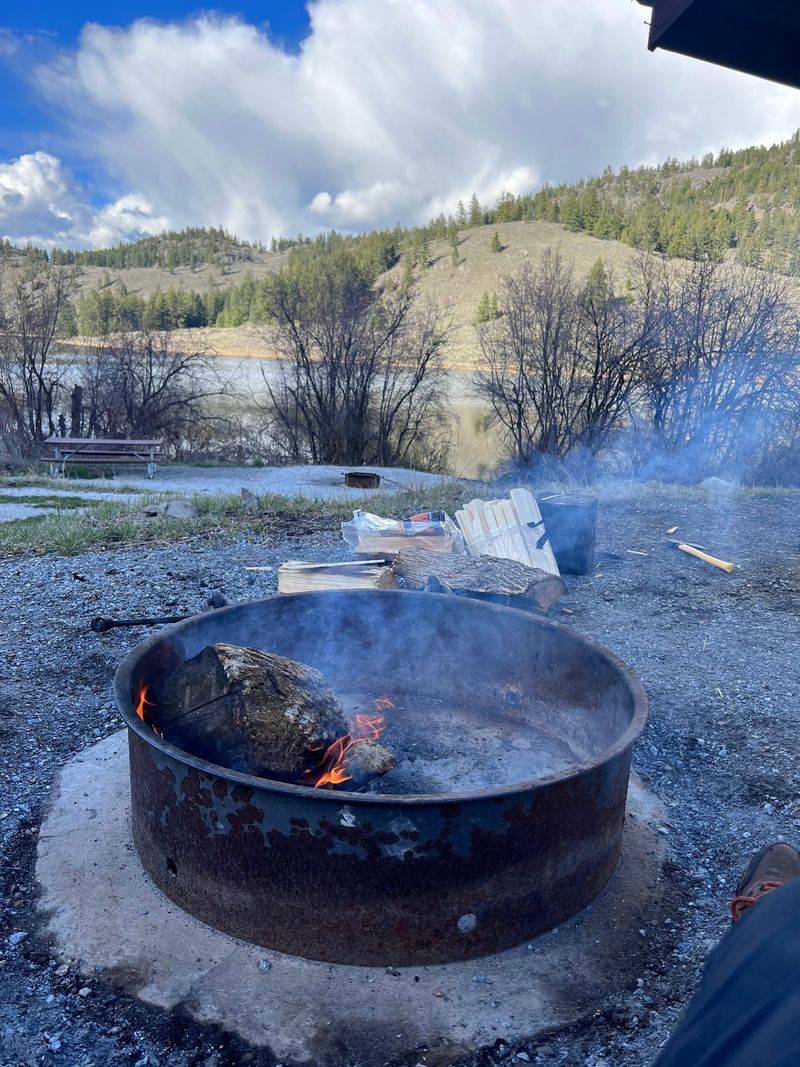
A mountain lake with no motorboats sounds like pure bliss. Only paddles, birds, and the soft swish of a fly line break the silence.
Chopaka Lake Campground near Loomis offers free primitive camping in a high basin. The Canadian border sits just a short distance north.
Fly-fishing is the star of the show here. Rules allow only flies and barbless hooks. Motorized boats are not allowed, which keeps the water peaceful.
Eight established campsites come with picnic tables and metal fire rings. Vault toilets round out the simple setup.
Canoes glide nicely across the glassy surface. Late summer warms the water enough for a refreshing swim.
Hikers can explore the surrounding 5,518-acre Wilderness Study Area. Keep your eyes open for mountain goats and bighorn sheep. Eagles soar overhead, and moose sometimes make an appearance.
Getting here takes some grit, though. The steep, unpaved Chopaka Grade challenges low-clearance cars and big trailers. Take it slow and check conditions before heading up.
A Discover Pass is required for parking and camping. Bring all your supplies, since stores are far away.
Look for the campground on Chopaka Lake Rd. Once the evening hatch begins, you may never want to reel in and leave.
5. Beaver Plant Lake Campground, Gold Bar
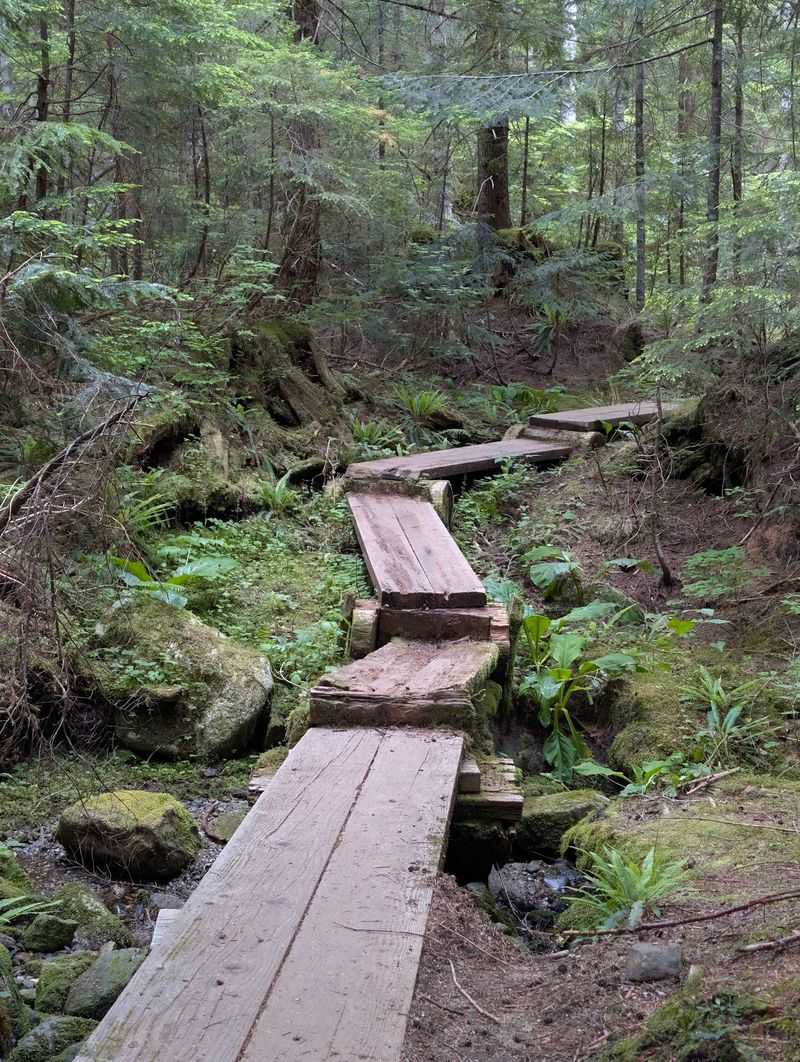
It’s a bit of a stretch, don’t you think, that free lakeside backcountry camping still exists? Yet here it is, waiting at the end of a forest trail.
Beaver Plant Lake lies inside the Morning Star Natural Resources Conservation Area, reached from the Ashland Lakes Trailhead.
The hike to the lake is about 1.5 miles, making it one of the shorter backpacking approaches in this protected landscape.
Five backcountry campsites sit near the lake. They are primitive, without vehicle access or utilities, so everything for the night must travel in a backpack.
Trailhead parking uses the Discover Pass system, while the backcountry campsite itself has no separate charge.
One temporary 2026 condition matters: toilet facilities are unavailable from May through November while DNR installs new backcountry systems. Campers need to plan sanitation carefully and follow posted guidance.
Food and scented items must be stored in bear-safe containers away from campsites. All waste should be packed out, helping protect the wetlands, forest communities, and wildlife habitat within the conservation area.
Dogs are allowed on leash in Morning Star, but the backcountry setting still calls for close control around wildlife and other campers. The route is intended for low-impact recreation rather than motorized use.
Summer and early fall generally offer the simplest access. Sultan Basin Road leads toward the trailhead, where the overnight trip begins on foot.
6. Big Greider Lake Campground, Sultan
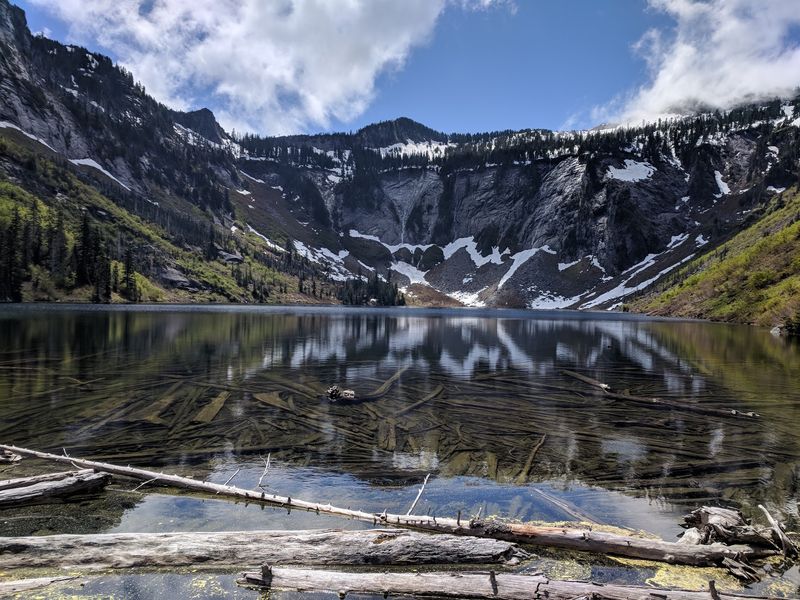
Far be it from me to judge, but your legs might file a complaint after this one. The views, however, will instantly settle the argument.
Big Greider Lake is a hike-in backcountry destination inside the Morning Star Natural Resources Conservation Area near Sultan.
The DNR recreation guide places the lake about 4.5 miles from the Greider Lakes Trailhead, so reaching camp requires a full backpack rather than a short walk from the car.
Three backcountry campsites sit near the upper lake. Space is limited, and the setting remains intentionally primitive.
Campers must carry water-treatment equipment, food, weather protection, and everything needed for an overnight stay.
Drivers should display a Discover Pass at the trailhead. Camping itself has no additional site charge, but seasonal rules matter: overnight camping at Greider Lakes is closed from November 1 through June 15.
The 2026 season has another temporary change. DNR is installing new backcountry toilets, leaving Big Greider without toilet facilities from May through November. Food and other attractants also need bear-safe storage away from sleeping areas.
Morning Star protects mid-elevation and subalpine forest, wetlands, and sensitive wildlife habitat, so low-impact travel is important. Dogs are allowed on leash there.
The trailhead is reached from Sultan Basin Road and the South Shore access near Spada Lake. Check road conditions before leaving, because backcountry access can change faster than the forecast.
7. Fishtrap Recreation Area, Sprague
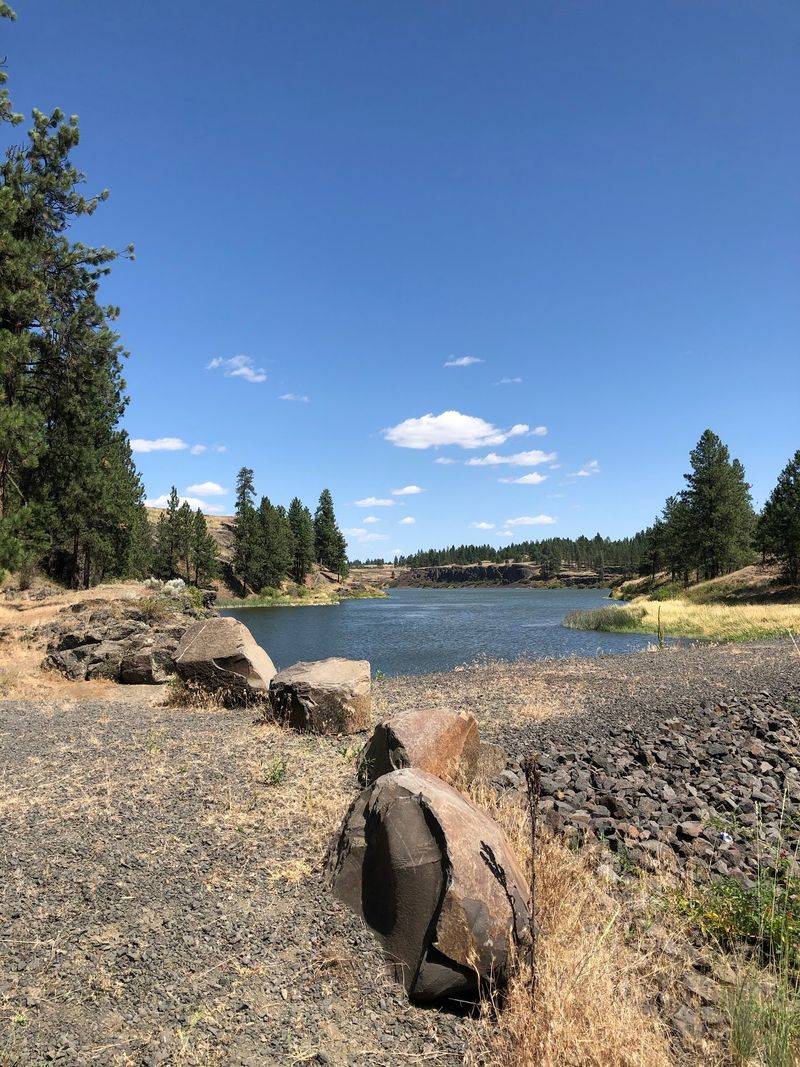
Have you given any thought to how ancient floods shaped the ground under your boots? Ice Age history is written all over this landscape.
Fishtrap Recreation Area spreads across about 9,000 acres of eastern Washington, mixing shrub-steppe, grassland, wetlands, forest, and Channeled Scablands terrain.
The BLM allows dispersed tent camping here without a campsite fee, but there is no developed campground.
That matters when choosing a spot. Camping and overnight parking are not allowed at developed trailheads, picnic areas, historic sites, or parking lots.
Campers need to use dispersed locations away from those day-use facilities and follow Leave No Trace practices.
The area is open year-round with a 14-day stay limit. Fishtrap Lake is known for stocked rainbow trout, while Hog Canyon Lake follows its own seasonal fishing rules.
Current regulations should be checked before bringing gear to either water.
For time on foot, the Fishtrap Loop Trail System offers eight-plus miles of non-motorized routes split between north and south loops. Basalt formations, wetlands, and geological features left by Ice Age floods give the hike variety.
Wildflowers add color in spring, while open terrain creates broad views during cooler seasons. Conditions can feel exposed, so water and sun protection matter.
Fishtrap Road provides the main approach southwest of Spokane. A vault toilet is available at certain developed day-use areas, but campers should not treat those parking areas as overnight sites.
8. Beverly Dunes Campground, Beverly
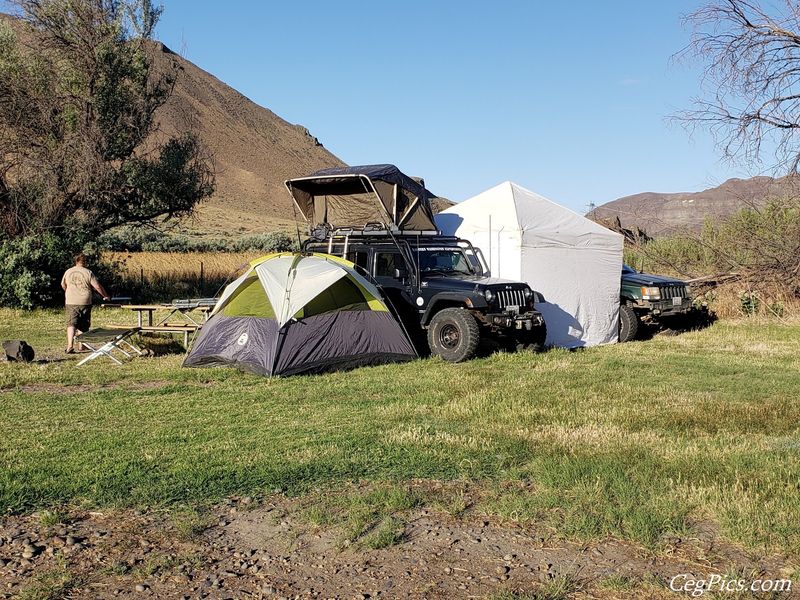
A free campground built around sandy trail riding really exists. Pack your goggles, because sand gets everywhere in the best way.
Beverly Dunes near Lower Crab Creek centers on open sand riding rather than a traditional wooded camping experience.
The DNR recreation area covers about 330 acres and welcomes four-wheel-drive vehicles, ATVs, UTVs, and motorcycles on the dunes.
Sixteen campsites come with picnic tables, and a toilet provides the main campground facility.
There are no hookups, so drinking water, shade, and other essentials should arrive with the camper. Vehicle entry requires a Discover Pass, while the campsite itself has no separate nightly charge.
The area reopened on July 28, 2026, after a temporary closure. Visitors should follow posted recovery restrictions and stay out of any sections marked off on site.
Safety rules are especially important in the riding area. Most off-road vehicles need a tall visibility flag, while motorcycles are exempt from that specific requirement.
Campfires are currently prohibited, so meal planning should not depend on an open flame.
Hot, exposed conditions can define summer afternoons. Extra water, sun protection, and portable shade help considerably, while spring and fall often bring milder riding temperatures.
The dunes sit south of the Vantage area, reached from Highway 243 and Lower Crab Creek Road. Wide sand, open sky, and immediate trail access give the campground a character unlike most forest sites.
9. Douglas Creek, Waterville
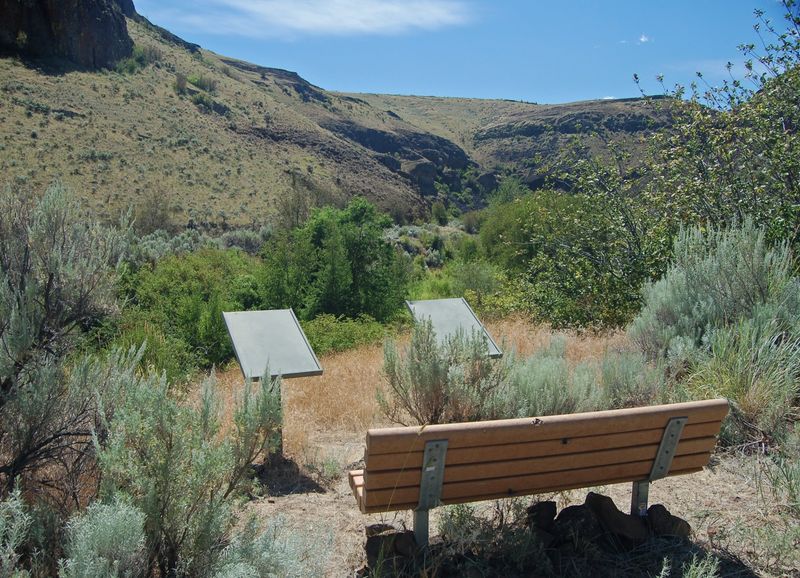
Just imagine for a second a bright green creek winding through dry desert hills. It seems impossible until you see it with your own eyes.
Douglas Creek cuts through Washington’s sage-steppe uplands east of Waterville, creating a green corridor inside a basalt canyon.
The Bureau of Land Management permits dispersed camping here without a campsite fee, and stays are limited to 14 days.
This is primitive camping rather than a developed campground. There are no hookups, numbered pads, or facilities, so visitors should arrive with drinking water, food, navigation tools, and a plan for packing out their supplies.
The stream supports cottonwoods and other riparian vegetation along the canyon floor.
Beaver ponds and cascading pools appear beside the road, while the south end includes deeper pools and small waterfalls used for warm-weather swimming.
Hiking can begin directly from the canyon, with open slopes, basalt walls, and the creek providing changing scenery. Wildlife viewing is also part of the appeal, especially where the greener corridor meets the drier uplands.
Road conditions deserve attention. From Highway 2 east of Waterville, H Road drops for several gravel miles into the canyon, and weather can make the route more demanding.
There is no need to overplan this Washington campsite itself, but self-sufficiency matters. Download maps before losing service, choose a durable established area, and leave the creek corridor as clean as it was on arrival.