The 10 Idaho Counties Seeing A Massive Spike In Black Bear Sightings This Fall
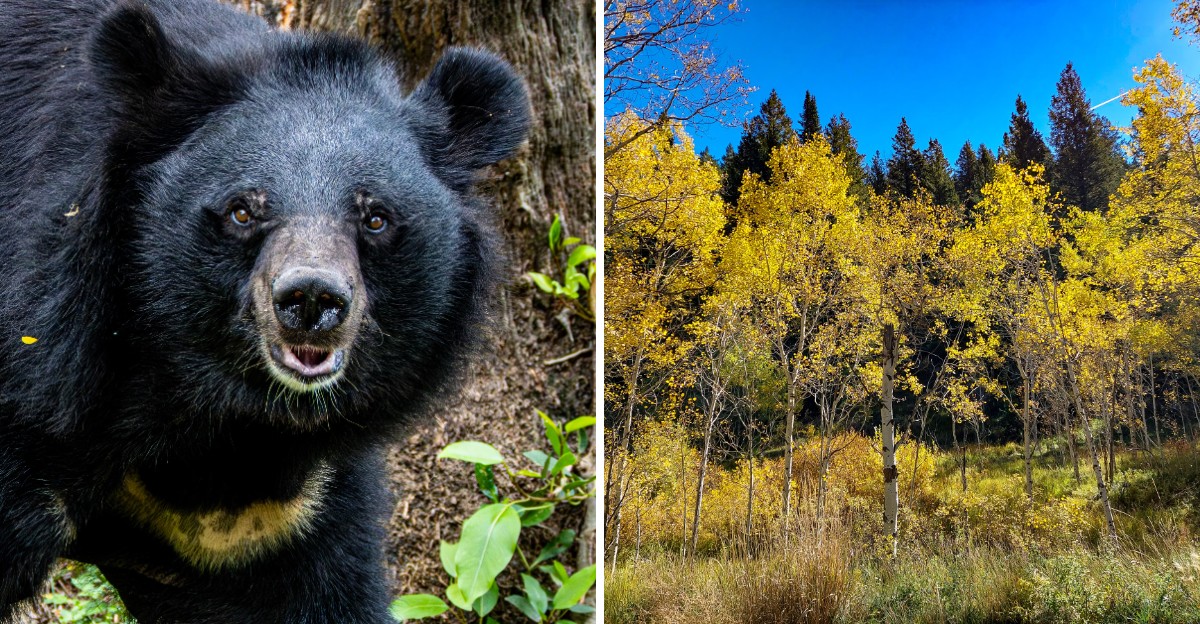
Something has been showing up where nobody expected it.
This fall, parts of Idaho have been getting a little more bear traffic than usual, and some of those visitors are skipping the wilderness entirely.
Apparently, garbage day has become a wildlife event.
Hungry bears are wandering farther in search of an easy meal, which means quiet neighborhoods can suddenly feel a lot less ordinary after dark.
That changes the mood of an evening walk very quickly. The sightings are not happening in just one corner of the map, either.
Some counties are seeing enough activity to make residents look twice before leaving anything tasty outside.
Here is where the encounters are piling up and why this autumn has become unusually busy for bears.
10. Teton County
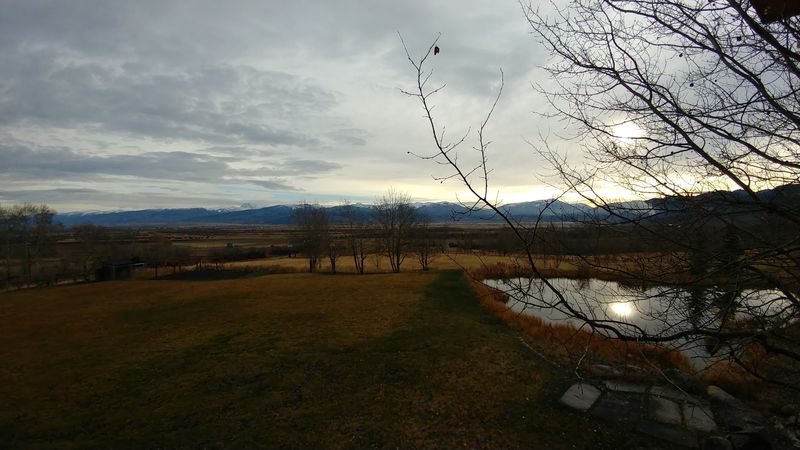
Porch lights flicking on at dusk have become a nightly signal in the valley below the Tetons, where residents now scan their decks before stepping outside.
Reports from September 2026 described bears approaching homes, climbing onto porches, and even nosing at doors and windows.
Daily sightings were logged by officials across Teton County, and while most encounters happened in the evening, bears were spotted moving in broad daylight too.
The valley sits along the Idaho side of the Teton Range, a stretch of farmland, aspen groves, and creek bottoms that funnels wildlife straight toward rural driveways.
In November 2025, a sow and three cubs were euthanized after repeatedly finding unsecured food around a Teton County neighborhood and becoming highly habituated to people.
That outcome is exactly what wildlife staff hope to prevent. Practical steps matter here more than anything.
Store garbage in a shed or hard-sided container, bring bird feeders indoors until winter, pick ripe apples and plums promptly, and never leave pet dishes on the steps overnight.
Visitors renting cabins should ask hosts where trash is kept and keep car windows rolled up, since a single food reward can change a bear’s behavior for good.
9. Blaine County
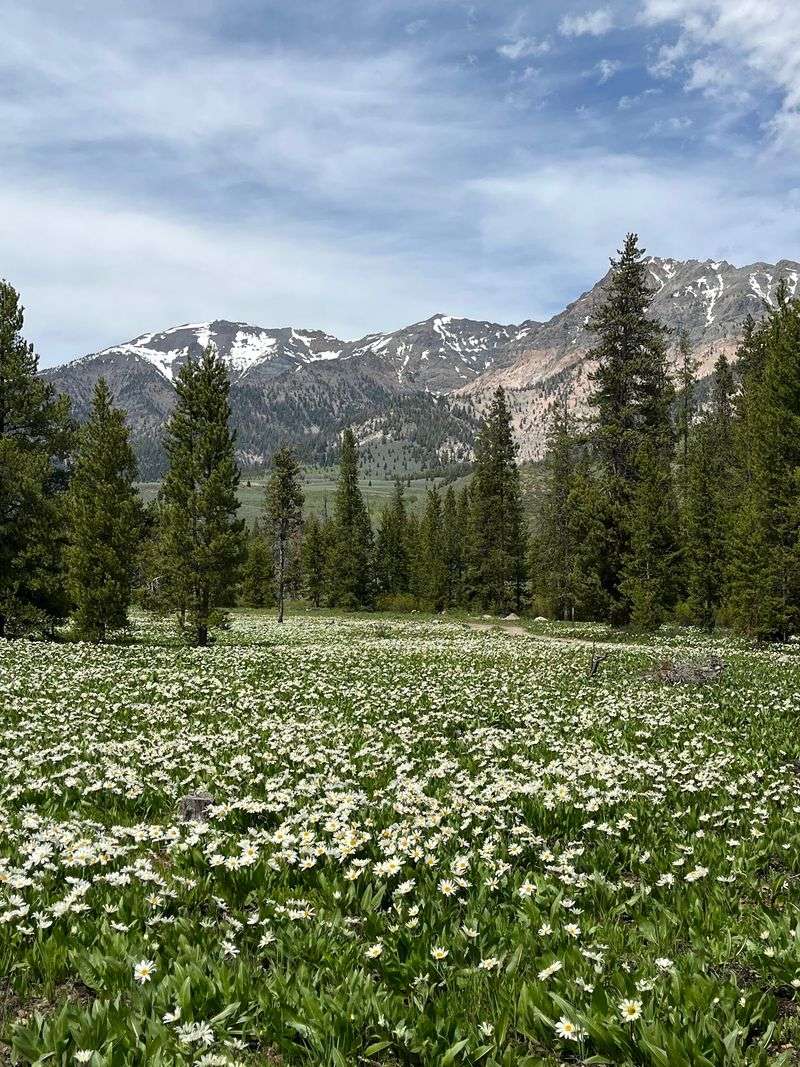
Roughly a dozen bear reports landed with Fish and Game staff in the Wood River Valley across July and August 2026, a noticeable jump for a corridor known more for cyclists and trout streams than wildlife drama.
West Ketchum drew the most attention, with multiple reports of bears working at garbage containers and sniffing around barbecue grills left on patios.
The valley stretches north from Bellevue through Hailey and Ketchum, hemmed in by sagebrush slopes and cottonwood bottoms that give bears a shaded highway right into town. Timing explains much of the activity.
Bears enter hyperphagia in late summer, an intense feeding stretch when they pack in thousands of calories a day to build fat for hibernation.
With wild berries and forage thinned by dry weather, trash bags, bird seed, and backyard fruit become the easiest meals around.
If you are staying in the area, clean grease and food residue from the grill and keep propane cylinders outdoors in a well-ventilated location away from ignition sources.
Rinse recycling containers, keep trash inside until pickup morning, and walk dogs on leash near creekside paths where visibility drops fast.
8. Ada County
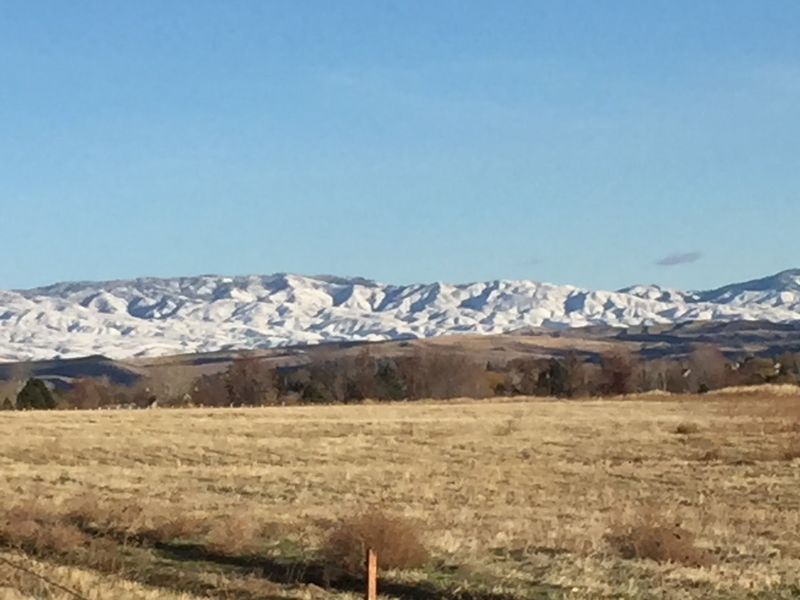
Three separate bear incidents inside Boise landed on Fish and Game’s southwest region desk during a single week in September 2026, an unusual cluster for the state’s largest city.
Two of those calls came from near Park Center Boulevard and Warm Springs Avenue, leafy stretches where the Boise River corridor and the foothills nearly touch neighborhood backyards.
One bear was captured alive and moved to a rehabilitation center. Another was euthanized. Biologists point to drought and thin natural forage as the reason bears drifted down from the foothills.
Once a bear finds ripe fruit or an open trash bin, it tends to circle back night after night.
Boise residents have a practical advantage here.
Most attractants are simple to remove: pick apples and pears before they drop, seal compost, pull hummingbird and seed feeders, and keep garage doors closed after dark.
Travelers hiking the foothills trails above town should make noise on blind corners, keep snacks sealed in a pack rather than a pocket, and give any bear a wide, unhurried exit route.
Fun detail: the Boise River greenbelt doubles as a wildlife corridor, which is part of why deer, foxes, and occasionally bears turn up downtown.
7. Canyon County
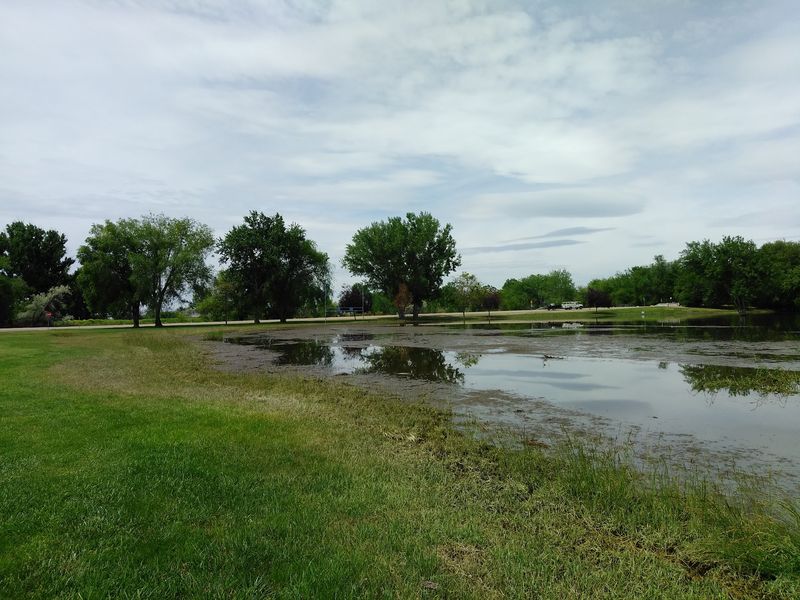
Imagine heading out for the morning paper and spotting a yearling bear napping in the shade tree above your driveway. That is roughly what happened in Nampa in June 2026, when a young male bear was found in a tree in a residential area near Franklin Road and Birch Lane.
Police, firefighters, and Idaho Fish and Game worked together to sedate the bear safely and move it to suitable wilderness habitat far from town.
Canyon County sits in the wide farming country west of Boise, a patchwork of orchards, irrigation canals, and quiet subdivisions where bears are genuinely rare guests.
Nampa lies in Canyon County west of Boise, in the heavily developed Treasure Valley.
Wildlife biologists in the southwest part of the state noted something telling that year: in-town bear reports were arriving both more often and earlier in the season than normal, a pattern they connected to persistent drought.
For families in the valley, the advice is refreshingly ordinary.
Harvest backyard fruit as it ripens, secure chicken feed in metal bins, and keep trash carts in a garage until collection day.
If a bear does turn up, stay indoors, keep children and pets inside, and call wildlife officials rather than crowding in for photos.
6. Bannock County
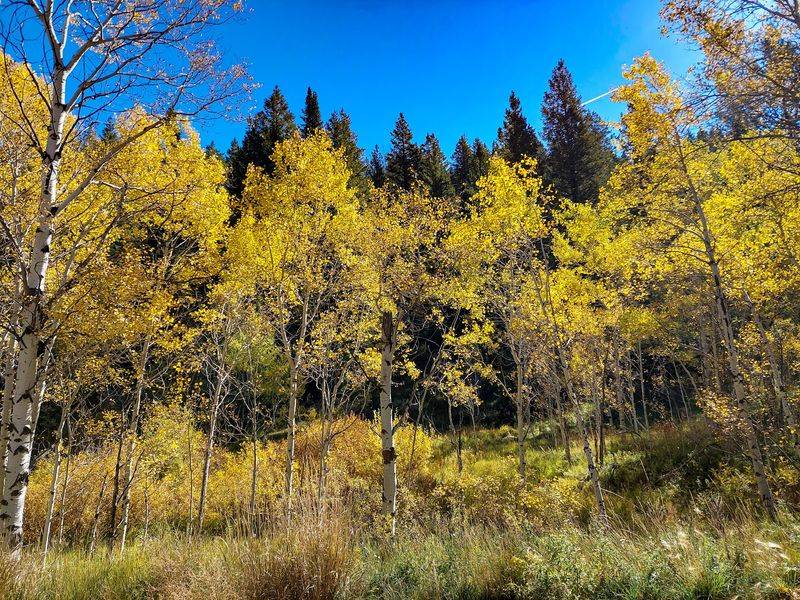
Bears inside Pocatello city limits are so uncommon that the last reported one made news back in 2018, when an animal wandered into Zoo Idaho. That record held until August 31, 2026.
On that day, a young black bear was captured and relocated from a residential neighborhood in the south valley portion of Pocatello after being seen climbing a fence and foraging for berries in backyards.
Bannock County spreads across the southeastern corner of the state, where sagebrush foothills, the Portneuf River, and the Bannock Range meet a city of tree-lined streets.
Pocatello sits in Bannock County along the Portneuf River at the western edge of the Bannock Range.
Officials tied the visit to drought and a shortage of natural foods.
Berries, grasses, insects, and nuts make up most of a black bear’s diet, and when those run short, ripe backyard fruit becomes irresistible.
Neighborhood habits can keep that from repeating.
Pick chokecherries and plums as they ripen, rinse trash cans that hold food waste, and avoid leaving coolers or grocery bags in an open garage.
Hikers on City Creek and Mink Creek trails should travel in groups, keep dogs leashed, and pause to look ahead where the brush closes in along the creek bottoms.
5. Fremont County
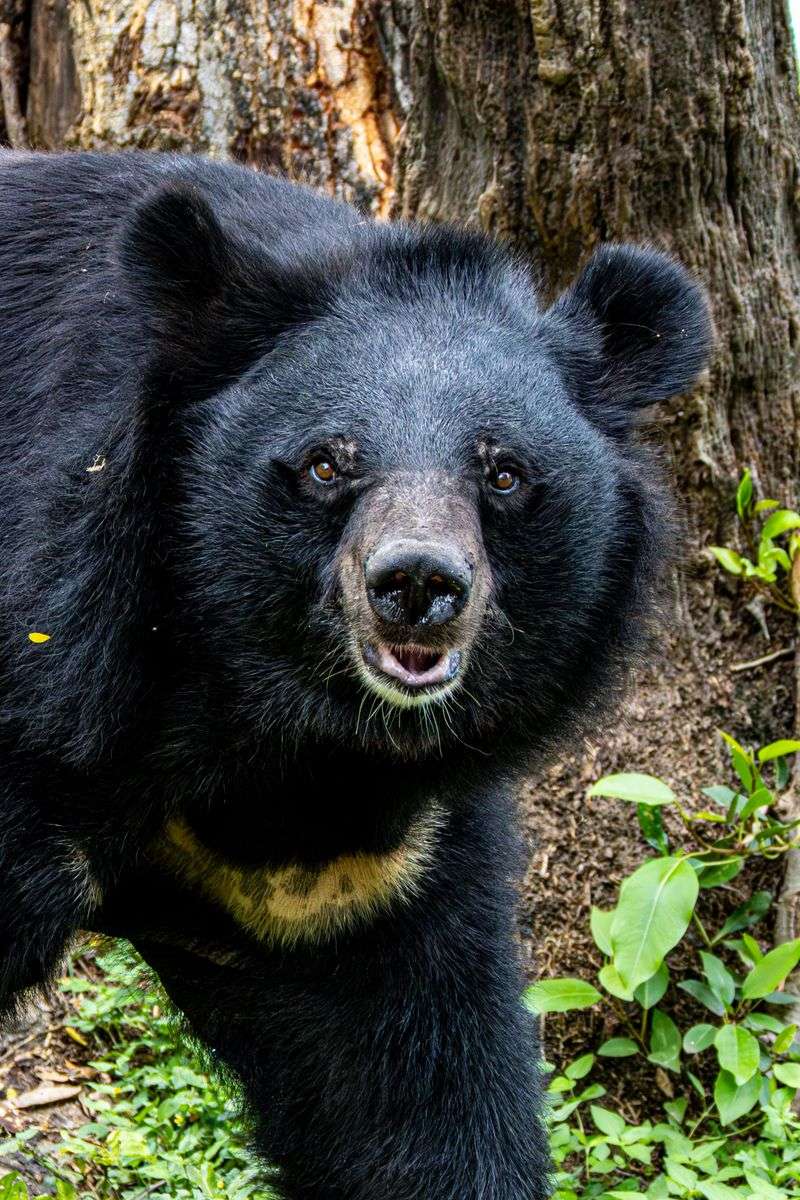
Two bears in Fremont County did not survive 2026, and both stories started the same way: an easy meal that no one meant to leave out.
One bear was euthanized in late July or early August after repeatedly breaking into occupied homes, garages, and cabins in the Robinson Creek, Potpourri, and Shadow Ridge neighborhoods, finding food rewards each time.
Officials later cited another Fremont County bear that was also euthanized earlier in 2026 after becoming accustomed to human food around developed properties.
The county includes Island Park and Ashton in eastern Idaho, where extensive forest habitat meets cabins, campgrounds, and seasonal homes. Cabin culture is part of the challenge here.
Seasonal homes sit among lodgepole pines, and a garage left cracked open or a cooler on the deck can teach a bear that buildings mean food. Wildlife staff use a blunt phrase for the result: a fed bear is a dead bear.
Once an animal loses its wariness and starts opening doors, relocation rarely works.
Renters and homeowners can help by latching garage doors, storing dog food indoors, cleaning fish and game away from the cabin, and using bear-resistant trash containers.
Small habits, repeated all season, are what keep bears wild and neighborhoods calm.
4. Bonneville County
Few bear stories are stranger than the one from Swan Valley on the night of July 12, 2026.
A food-conditioned black bear pushed through a window screen while the family slept inside, went through the kitchen, and ate an entire pumpkin pie before leaving.
The homeowners found the mess the next morning, and the bear came back the following night for unsecured garbage at the same property.
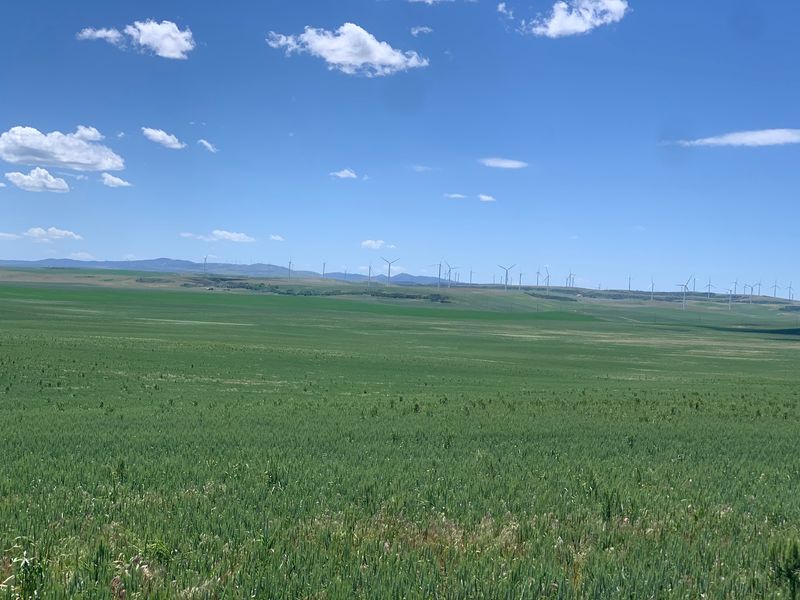
Bonneville County covers a broad swath of eastern country where the South Fork of the Snake River winds between canyon walls and ranch land, drawing anglers, paddlers, and fall color seekers.
Because the bear had entered an occupied home and returned for more, Fish and Game captured and euthanized it under their policy for animals that pose a threat to human safety. The lesson for anyone in river country is worth repeating.
Close and latch ground-floor windows overnight, especially screens facing the kitchen, and never let trash sit outside unsecured.
Clean grills, wipe down picnic tables, and store cooler contents inside.
Campers along the South Fork should use food lockers or vehicle storage rather than tents.
3. Bonner County
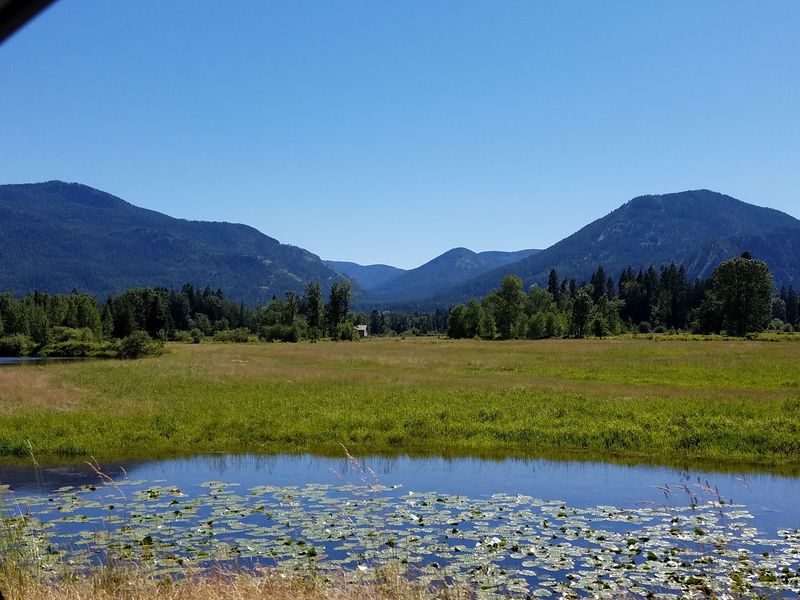
Up north, where cedar forests roll down to the shoreline of Lake Pend Oreille, bears are simply part of the landscape year-round.
Bonner County counts as prime black bear habitat, and it shares the distinction with neighboring Boundary County of also hosting grizzly bears.
Wildlife officials there have been pressing hard on fall preparedness as bears aggressively pack on calories before denning. Sandpoint and Lake Pend Oreille anchor Bonner County in Idaho’s northern Panhandle.
Autumn attractants in this part of the state look a little different from city ones.
Heavy apple crops, chicken coops, beehives, and livestock feed all draw attention, and a hungry bear will test a flimsy coop door without hesitation.
Electric fencing around coops, hives, and fruit trees is the tool officials recommend most, paired with picking fruit early and composting carefully. Fall visitors should know that huckleberry season is over by then, which pushes bears lower into valleys and along roadsides.
Drive slowly on forest roads at dawn and dusk, keep a clean campsite at Priest Lake and Pend Oreille shorelines, and carry bear spray on trails where grizzly range overlaps.
A little preparation makes the north woods feel welcoming rather than worrying.
2. Boundary County
Education, not alarm, is the strategy along the Canadian border.
Fish and Game has made this corner of the Panhandle a focus for fall conflict prevention, and they back it up with hands-on outreach.
The North Idaho Bear Fair was set for September 26, 2026, at the Boundary County Fairgrounds, offering demonstrations on living safely in bear country and securing food attractants.
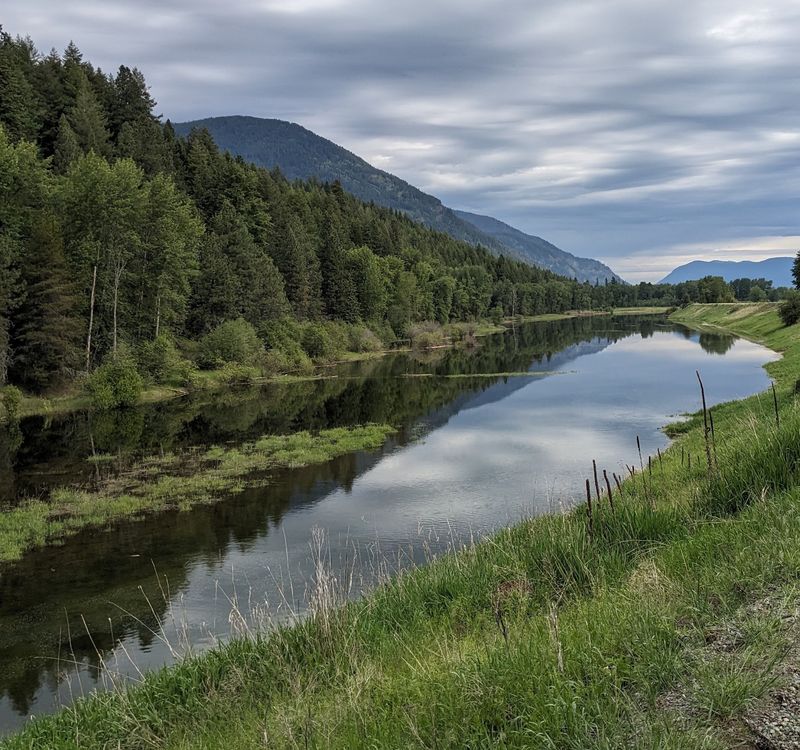
Boundary County sits at the northern tip of the state, where the Kootenai River flows through farmland between the Selkirk and Purcell mountains. Bonners Ferry sits along the Kootenai River between the Selkirk and Purcell mountains in Idaho’s far north.
Both black bears and grizzlies move through this region as they prepare for winter, which raises the value of good habits for residents and visitors alike.
At the fair, families can learn how bear-resistant containers work, practice deploying inert bear spray canisters, and see how electric fencing protects gardens and coops.
For travelers, the Kootenai National Wildlife Refuge near Bonners Ferry offers gentle trails, birding platforms, and wide river views in autumn.
Keep snacks sealed, stay on marked paths, and treat any bear you spot as a photo from a distance rather than a close encounter.
Respect and space keep this stunning border country enjoyable for everyone.
1. Valley County
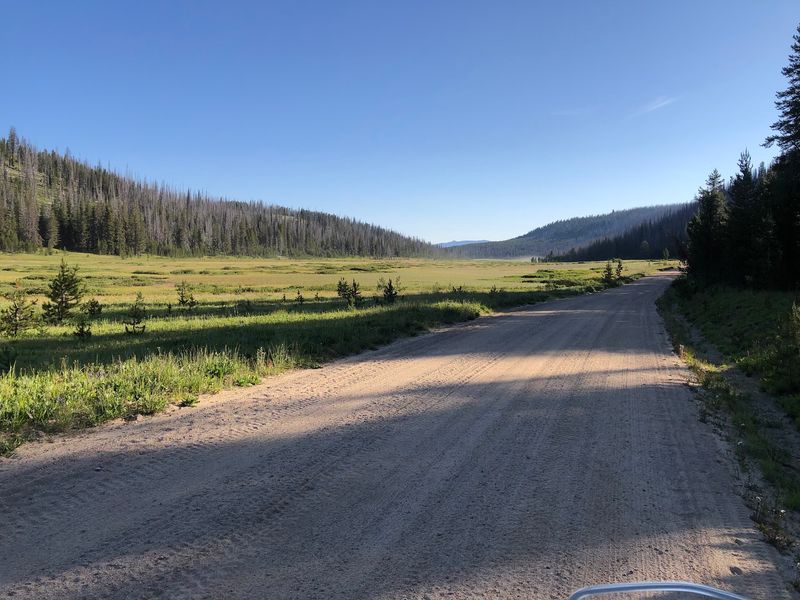
Payette Lake, ponderosa forest, and miles of national forest make this county a longtime home for black bears, which is part of the mountain charm around McCall.
A black bear with cubs was observed in Cascade in August 2026, and bears are generally known to wander through McCall neighborhoods during berry season.
Still, countywide data confirming a dramatic fall 2026 spike here has not been published, so the county earns its place on this list for established habitat rather than a documented surge. McCall, Donnelly, and Cascade are connected by Idaho 55 through the heart of Valley County.
What makes the area worth watching is geography.
The forests around McCall, Cascade, and Donnelly connect directly to backyards, campgrounds, and lakeside cabins, giving bears short, easy routes into developed areas.
Autumn visitors get the best of the region: quiet trails, golden tamarack needles glowing along ridgelines, and cool mornings over the water. Simple routines keep it pleasant.
Store food in vehicles at campgrounds, hang wet swimsuits and towels instead of snacks, clean fire rings of food scraps, and keep cabin doors shut when you step down to the dock.
Spotting a bear from a safe distance can be the highlight of a trip.
Keeping that distance is what makes it a good memory.