9 Idaho Museums So Specific You Will Swear Someone Made Them Up
These museums are so specific they sound invented. One collects everything spotless and clean. Another honors the forgotten world.
Idaho keeps a whole run of these delightful oddities. No textbook ever bothered to tell their stories.
Real people cared enough to preserve the strange and small. They tie back to actual towns and quiet local histories.
You slow down, look closer, and grin without meaning to. I visited a few of them and left oddly moved.
These are not polished tourist machines at all. They feel personal, human, and a little bit obsessive. You leave carrying something you never expected to find.
1. Bonner County Historical Society & Museum, Sandpoint
Forget the highlight reel, the small rooms here hold the surprises.
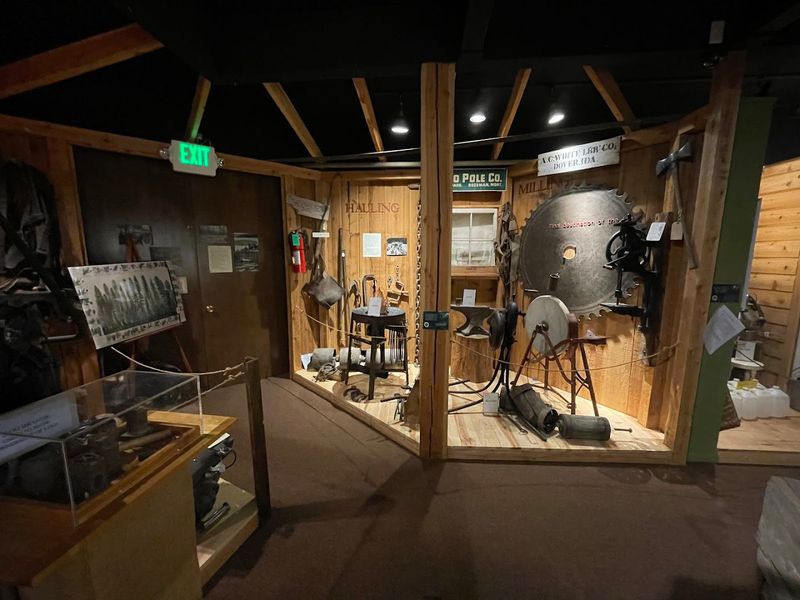
In the northern edge of Idaho, the Bonner County Historical Society and Museum is the kind of stop that rewards patient explorers. The collection spans logging, steamboat travel, and early settler life in ways that feel grounded and honest.
Rotating exhibits keep things fresh between visits. Each display is assembled with care, pulling from thousands of donated photographs and personal items.
You get the sense that local families trusted this place with their most meaningful objects.
The building sits quietly at 611 S Ella Ave in Sandpoint, easy to miss if you rush past. Inside, the atmosphere is calm and unhurried, the way good historical spaces should feel.
Handwritten labels and archival maps add texture that digital archives simply cannot replicate.
What makes this museum stand out is its specificity. It does not try to cover all of Idaho history. It focuses on one county, one community, and does that job thoroughly.
Visitors who grew up nearby often recognize names on the walls. Those discovering the region for the first time leave with a clearer picture of how northern Idaho actually developed over generations.
2. Nez Perce County Historical Society Museum, Lewiston
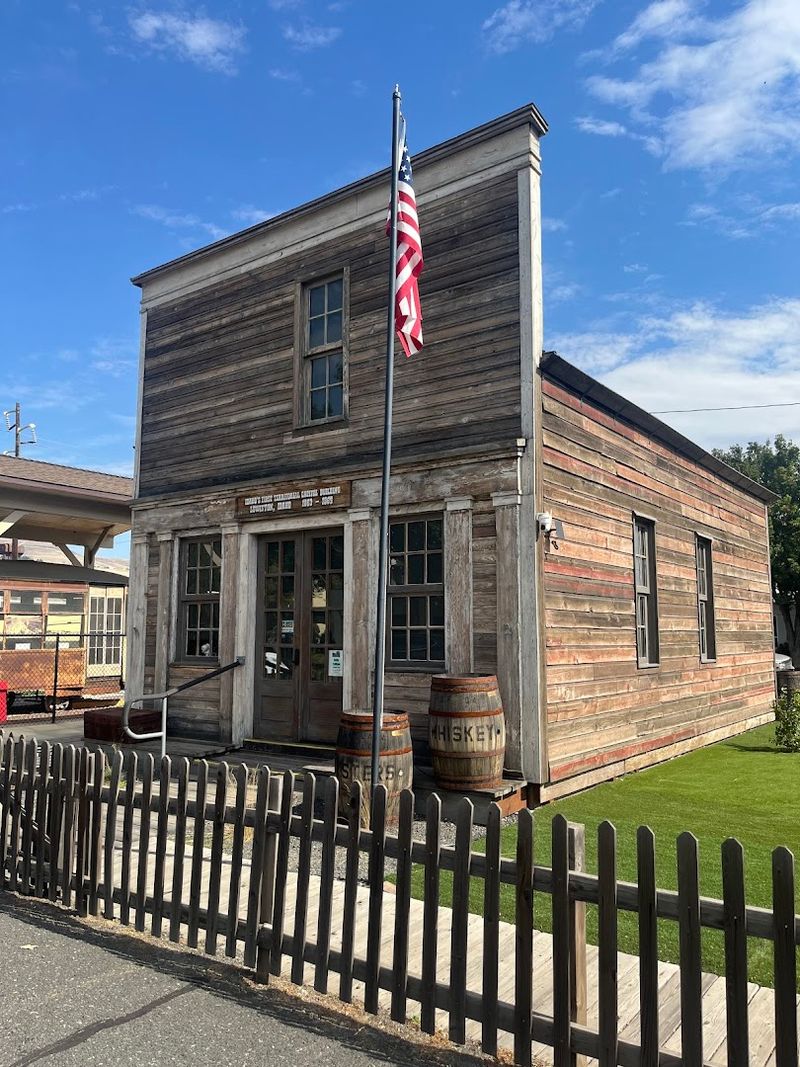
You do not need a degree, just a curious pair of eyes, and this museum will do the rest.
The Nez Perce County Historical Society Museum holds one of the more layered collections in western Idaho. It covers Indigenous history, fur trade routes, and the early settlement of the Lewis and Clark corridor.
The Nez Perce artifacts here are treated with respect and context. Beadwork, tools, and ceremonial objects are displayed alongside explanations that center the community itself.
That approach makes a real difference in how the collection lands.
Pioneer settlement materials fill the adjacent rooms. Agricultural equipment, domestic objects, and personal letters round out the picture of what life looked like in the late 1800s.
Nothing feels rushed or overcrowded.
The museum sits at 45 3rd St in Lewiston, near the confluence of the Snake and Clearwater rivers. That geography matters. The rivers shaped everything about this region, from trade to migration to agriculture.
Exhibits reference that landscape repeatedly, grounding the collection in something physical and real. First-time visitors often spend more time here than planned.
The depth of the collection surprises people who expected something smaller.
Each room opens into another layer of regional identity, and that kind of slow discovery is exactly what makes historical museums worth the detour.
3. Snake River Heritage Center, Weiser
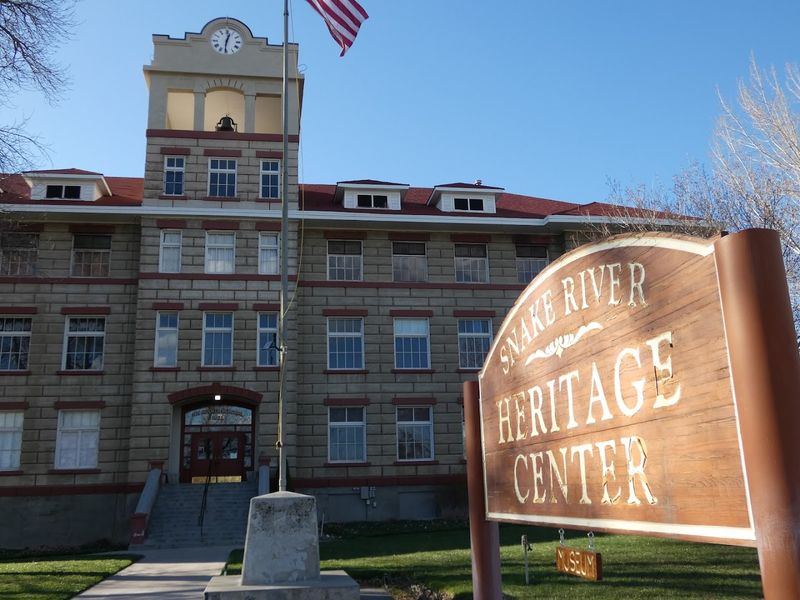
What if a single hallway could carry an entire agricultural era? The Snake River Heritage Center in Weiser makes a strong case for exactly that.
The museum traces the development of southwestern Idaho through the lens of the Snake River, which shaped farming, industry, and community life across generations.
Irrigation history gets serious attention here. The exhibits explain how early settlers transformed desert land into productive farmland using canal systems that still function today.
Seeing the original engineering drawings and tools puts modern agriculture in sharp perspective.
The collection also covers the Oregon Trail connection to this region. Wagon artifacts, surveying equipment, and period photographs document the overland routes that brought thousands of settlers through this corridor in the nineteenth century.
Personal observation: the volunteer docents at this museum know the material deeply. They share details that wall labels cannot contain, and that added layer makes the whole experience richer.
The center is located at 2295 Paddock Ave in Weiser, near the river that gives it its name. The surrounding landscape reinforces the story being told inside.
Agriculture, water management, and community resilience are not abstract topics here.
They are local realities that the museum traces with care and specificity. It is the kind of collection that makes regional history feel genuinely consequential.
4. Basque Museum And Cultural Center, Boise
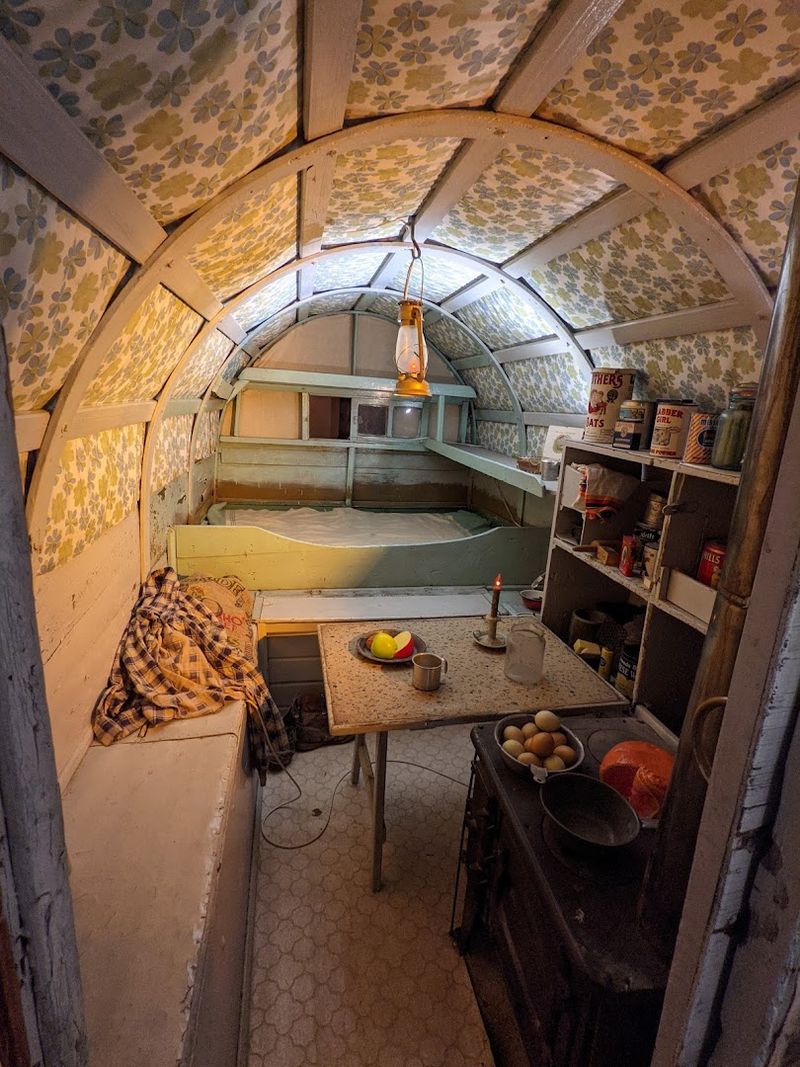
It turns out that slow looking teaches more than quick reading, and this museum proves it.
The Basque Museum and Cultural Center in Boise is one of the most culturally specific institutions in the American West.
It documents the history of Basque immigrants who came to Idaho as sheepherders and built one of the most cohesive ethnic communities in the region.
The collection covers immigration patterns, language preservation, and traditional crafts. Sheepherding tools and wagons are displayed alongside folk costumes, music recordings, and archival photographs.
The range of materials makes the cultural picture unusually complete.
The Cyrus Jacobs-Uberuaga House next door, built in 1864, is Boise’s oldest surviving brick building, later run as a Basque boardinghouse; this is the only Basque museum in the United States.
The cultural programming here is as strong as the permanent collection. Dance demonstrations and cooking events happen regularly, connecting the historical record to living tradition.
The museum is located at 611 W Grove St, in the heart of Boise’s Basque Block. That neighborhood context matters enormously.
The surrounding restaurants and cultural organizations extend the story beyond the museum walls.
Leaving the building does not mean leaving the experience. The Basque community in Idaho is alive, and this museum is its anchor.
5. Idaho Farm & Ranch Museum, Jerome
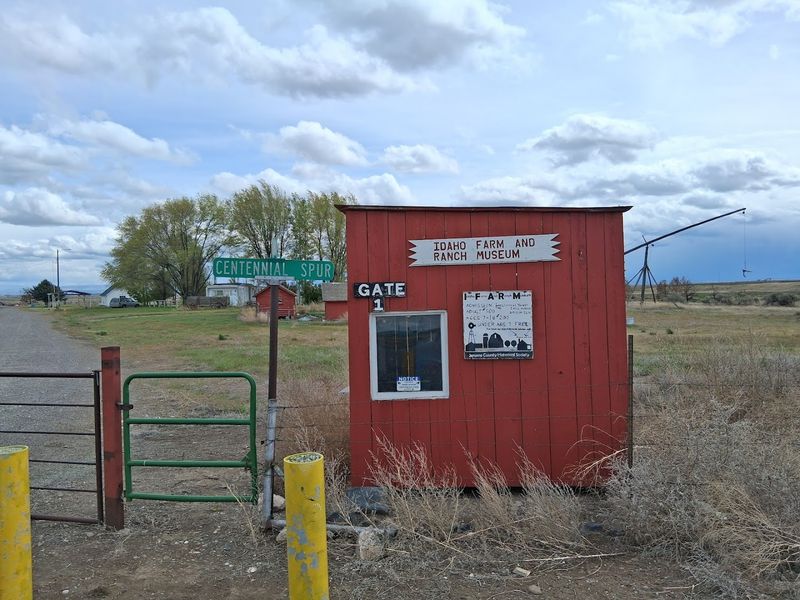
One unhurried lap through these grounds resets your attention in the best possible way.
The Idaho Farm and Ranch Museum in Jerome is dedicated entirely to the agricultural machinery and practices that built southern Idaho’s economy. It is a collection that takes farming seriously as history, not just nostalgia.
Vintage tractors, plows, and harvesting equipment fill the exhibit spaces in impressive numbers. Each machine is labeled with its era, its manufacturer, and its specific role in the farming process.
The detail level reflects genuine expertise and long-term curatorial commitment.
Irrigation equipment gets its own section, which is appropriate for a region shaped so dramatically by water management.
Canal construction tools, early pump systems, and engineering records document how desert land became some of the most productive agricultural terrain in the West.
The museum is located at the coordinates known locally as JHW6+C6 in Jerome, a rural address that fits the institution’s character perfectly.
The surrounding farmland is visible from the property, which reinforces the collection in a way that urban museums simply cannot replicate.
Families with children who have never seen a working farm up close often find this collection unexpectedly engaging. The scale of the old machinery alone tends to hold attention.
There is something clarifying about seeing the tools behind the food supply.
6. Central Idaho Historical Museum, McCall
Trust the quiet corners, because the overlooked pieces here linger longest.
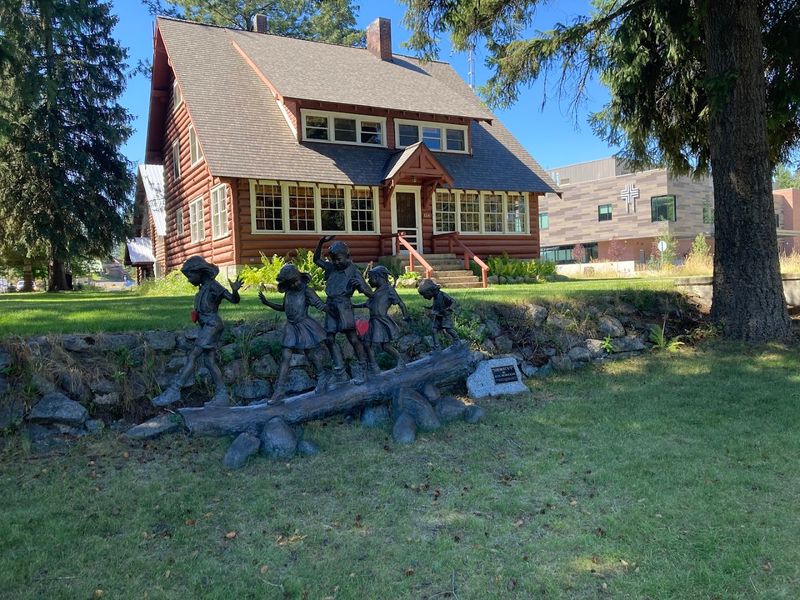
The Central Idaho Historical Museum in McCall focuses on the high-country communities that shaped the central region of the state. Mining, logging, and mountain homesteading are all represented with careful documentation.
The logging exhibits stand out in particular. Early photographs show crews working in conditions that are hard to comprehend today.
Equipment displays give scale to the physical demands of that era, and the contrast between old and current methods is quietly startling.
Mining history fills another section of the museum. Ore samples, claim maps, and prospecting tools tell the story of the rushes that drew people into Idaho’s remote interior.
Personal diaries and letters add a human layer that statistics alone cannot carry.
The museum occupies a building at 1001 State St in McCall, which itself has historical character worth noting. Seasonal mountain light filters through older windows, giving the interior a quality that feels appropriate for the subject matter.
Surrounding forests and the nearby lake are visible from the parking area, and that natural backdrop adds context to everything inside. This is a museum that rewards those who read every label.
The depth of the local knowledge on display is impressive for a collection of this size.
7. Herrett Center For Arts And Science, Twin Falls
Is the building itself part of the exhibit, or just the frame? At the Herrett Center for Arts and Science in Twin Falls, that question becomes genuinely interesting.
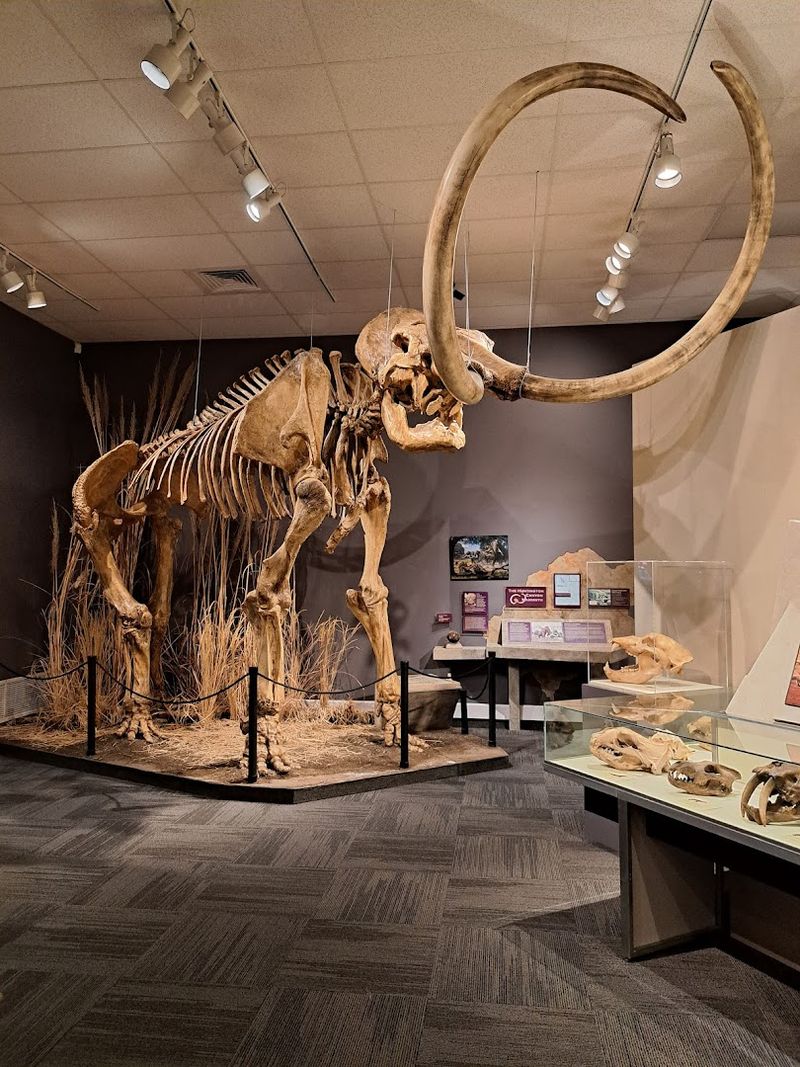
The facility combines a natural history museum, a planetarium, and one of the most significant pre-Columbian artifact collections in the Pacific Northwest.
The anthropology collection is the real anchor here. Thousands of objects from ancient Mesoamerican and South American cultures are displayed with scholarly precision.
Ceramic vessels, textile fragments, and ritual objects represent civilizations that most Idaho residents rarely encounter in depth.
The planetarium programming adds a dimension that pure artifact collections cannot. Evening shows draw community members of all ages, and the combination of archaeology and astronomy under one roof creates unexpected intellectual connections.
The center sits at 315 Falls Ave in Twin Falls, on the campus of the College of Southern Idaho. That academic setting shapes the tone of the exhibits.
Labels are detailed without being inaccessible, and the layout encourages deliberate movement through the space.
The pre-Columbian ceramics room is the one that stays with you. The objects are arranged so you can study them from multiple angles, and that accessibility makes a significant difference.
This collection deserves far more national attention than it currently receives.
8. Sacajawea Interpretive, Cultural & Educational Center, Salmon
Some places display objects, and this one frames whole stories with patience and depth.
The Sacajawea Interpretive, Cultural and Educational Center in Salmon honors one of the most significant figures in American exploration history.
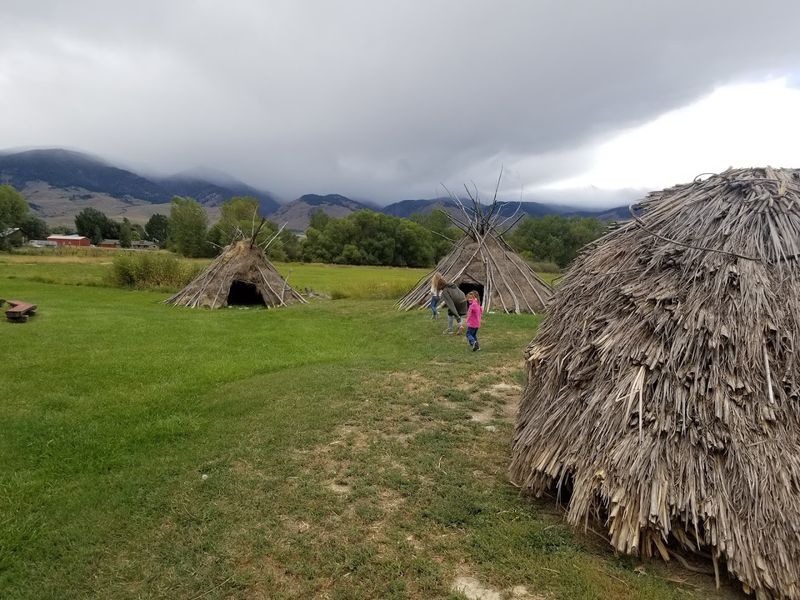
The center sits near the region where Sacajawea was born, which gives the location a geographic weight that no replica site could claim.
Exhibits trace the Lewis and Clark Expedition with particular attention to Sacajawea’s role as interpreter, cultural guide, and essential presence on the journey.
The framing is careful to center her perspective rather than reduce her to a supporting character in someone else’s story.
Shoshone cultural history forms a strong second thread through the collection. Traditional crafts, language materials, and community history are presented with input from tribal members, which shapes the tone in important ways.
The result is a collection that feels collaborative rather than extractive.
The center is set along the Salmon River at 2700 Main St in Salmon, and the surrounding landscape is part of the interpretive experience. Walking the outdoor paths along the river adds a physical dimension to the historical narrative.
Personal observation: the outdoor interpretive trail is as valuable as the indoor exhibits. The combination of natural setting and historical content creates a context that feels earned.
Few museums are this well matched to their geography.
9. Museum Of Clean, Pocatello
Have you ever circled back to one room you could not shake?
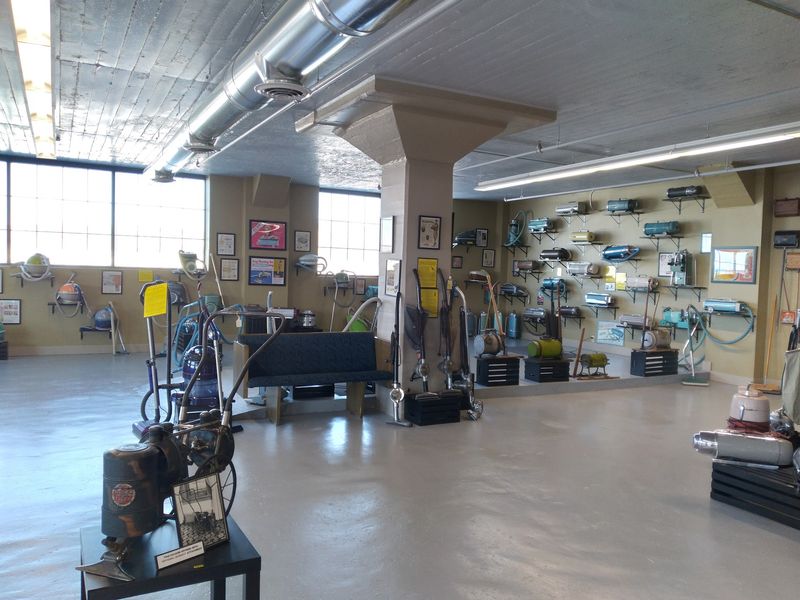
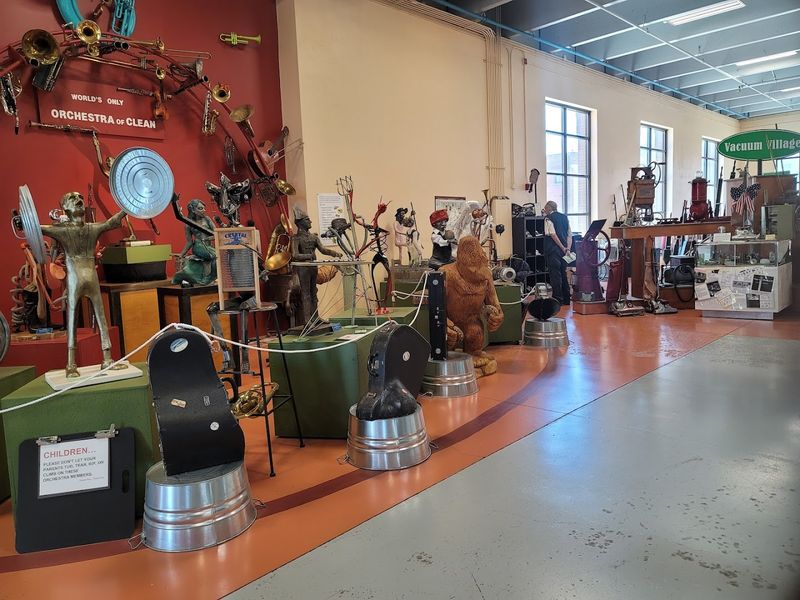
The Museum of Clean in Pocatello is exactly that kind of experience. It is entirely dedicated to the history of cleanliness, sanitation, and hygiene, and it is far more compelling than that description suggests.
The vacuum cleaner collection alone spans over a century of industrial design. Hundreds of models are displayed in chronological order, and the evolution of form and function across those decades turns out to be genuinely fascinating.
Design history and domestic history overlap in unexpected ways throughout the building. Soap, laundry equipment, and early public health campaigns each have dedicated sections.
Vintage advertisements and packaging from the nineteenth and twentieth centuries add a pop culture layer that makes the collection more accessible to younger audiences. The humor built into old cleaning product marketing is a highlight on its own.
Personal observation: the children’s area here is one of the more creative educational spaces in Idaho. Interactive stations let kids engage with the material in ways that stick.
The museum is housed at 711 S 2nd Ave in Pocatello, and the building is as well-maintained as you would expect from a museum entirely devoted to cleanliness.
It is a genuinely one-of-a-kind institution, the kind that makes you wonder why no one built it sooner.