9 Indiana Towns In Amish Country Made For A Slow Weekend Road Trip
Slow down first. The rest of the weekend makes more sense after that.
Indiana’s Amish country rewards travelers who stop treating every road trip like a race between attractions.
The best moments often happen between the planned stops anyway.
A quiet road takes longer than expected. A handmade sign changes lunch plans. A shop you nearly passed becomes the favorite stop of the day.
That is the rhythm worth following here.
Leave extra space in the schedule and resist the urge to optimize everything. This kind of trip works best when curiosity gets more control than the clock.
1. Shipshewana, LaGrange County
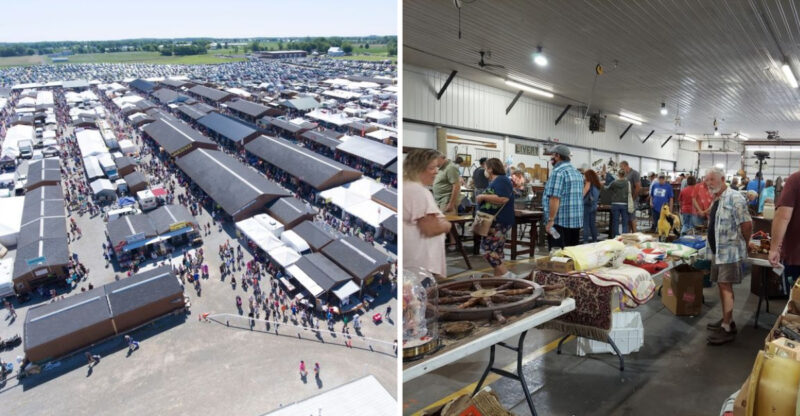
One northern town draws treasure hunters by the thousands. The parking lots fill early, and the buggies arrive even earlier.
Shipshewana serves as the commercial hub of the Elkhart-LaGrange settlement, the third-largest Amish settlement in the United States. Its seasonal Flea Market stretches across hundreds of vendor booths.
Antiques, tools, garden decor, and local crafts all share the same gravel aisles. Weekday auctions add another layer of fun to the schedule.
Livestock, antiques, and horses all cross the auction block during the year. The rhythm of the auctioneer is worth hearing at least once.
For background on the culture, the Menno-Hof Amish-Mennonite Interpretive Museum explains history and beliefs clearly. Displays walk you through migrations, faith, and daily practice.
A buggy ride gives the countryside a slower, closer feeling. Fields, fence lines, and farm dogs pass at a comfortable clip.
The Blue Gate Theatre mixes musicals, concerts, tribute shows, and other family-friendly entertainment throughout the year. Shops nearby sell handcrafted furniture, pottery, and leather goods made to last.
A traditional thresher’s dinner is available through advance-reservation Amish home dining in the surrounding countryside. Local peanut butter spread deserves space in your cooler too.
Quilt Gardens along the Heritage Trail bloom in bold geometric patterns each summer. Bring a camera and comfortable shoes for long browsing days.
Start your weekend loop here, then let the back roads take over.
2. Middlebury, Elkhart County
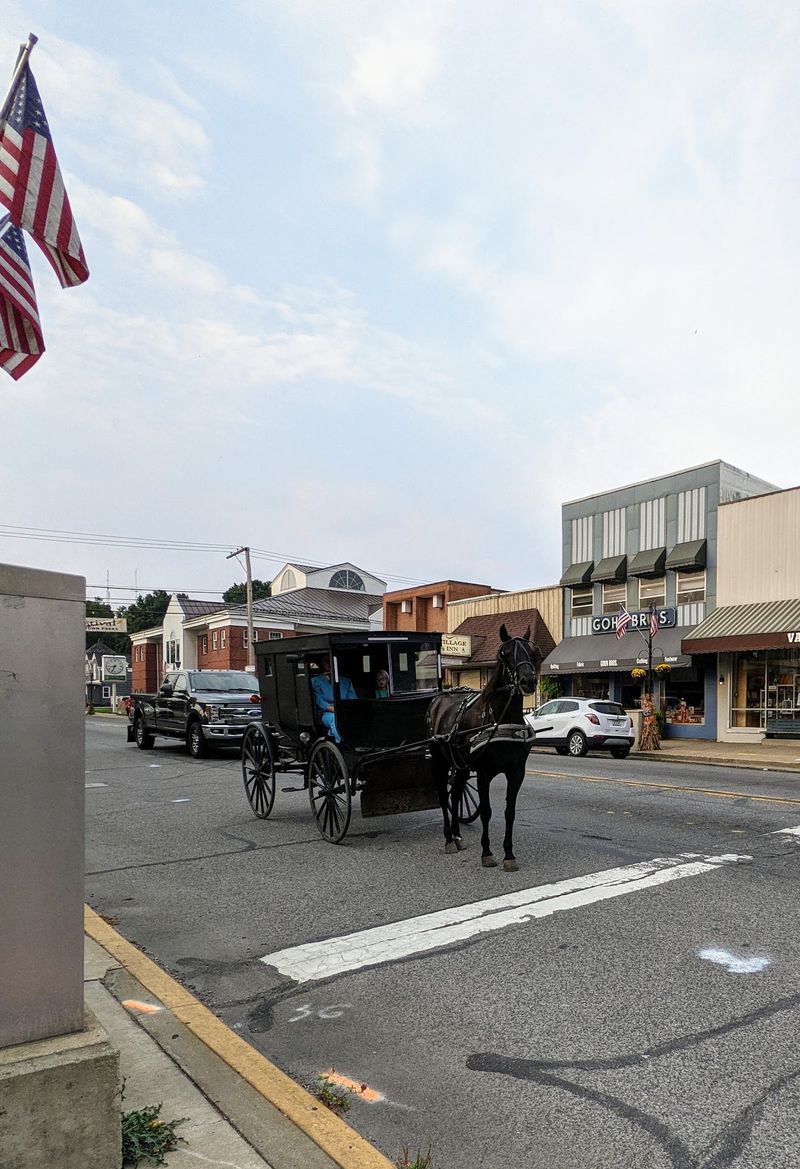
On this quiet stretch of Elkhart County road buggy wheels, bike riders, and a bakery line all in one morning.
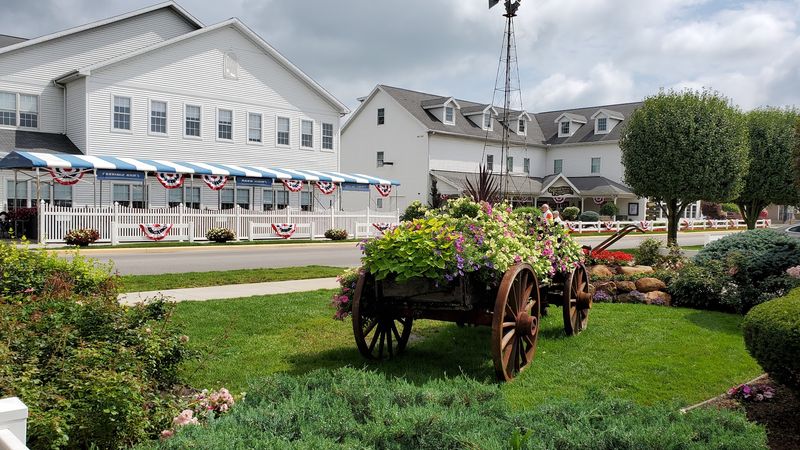
Middlebury sits as a friendly doorway into northern Indiana’s Amish Country. Tradition and modern comfort share the same few blocks here.
Das Dutchman Essenhaus anchors the town as the state’s largest restaurant. The grounds include an inn, a bakery, and a cluster of small shops.
Noodles, roast chicken, and pie arrive in generous family-style servings. A carriage ride around the property is an easy add-on afterward.
Krider World’s Fair Garden preserves features recreated from a nursery display shown at Chicago’s 1933–34 Century of Progress exposition. Stone paths, a windmill, and a giant toadstool make it wonderfully odd.
The Pumpkinvine Nature Trail follows a former rail corridor through Middlebury and connects into a 17-mile regional route. Walkers and runners share the same shady, level route.
Small home-based Amish businesses dot the surrounding lanes. Handmade quilts, woven baskets, and warm baked goods sell straight from the farmhouse.
Amish workers are part of the region’s manufacturing workforce, although permitted technology varies by workplace and church district. That mix surprises many first-time travelers.
Quilt Gardens bloom here too, adding sharp color beside the roadways. The Quilt Gardens season runs from late May through mid-September.
Leave room in your schedule, because this town rewards aimless driving.
3. Nappanee, Elkhart County
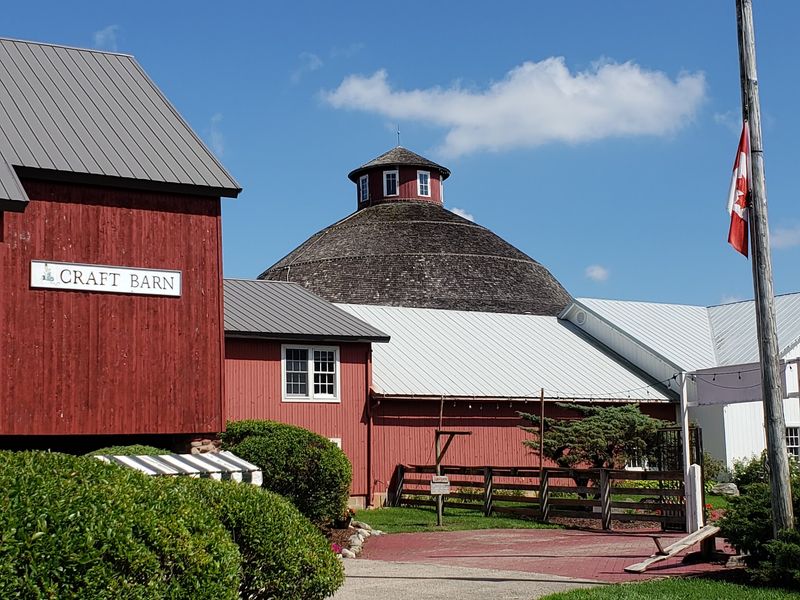
Nappanee, in Elkhart County, holds one of the nation’s largest concentrations of Old Order Amish families. Farms fill nearly every road heading out of town.
The former Amish Acres property remains a historic Nappanee landmark, but its public visitor operation has changed substantially since 2025. Historic farm tours are not currently part of a dependable daily visitor schedule.
The property is currently focused mainly on private events while its broader public reopening remains in transition.
The Round Barn Theatre’s public-performance status remains uncertain because its state entertainment permit is still listed as expired.
Downtown, Coppes Commons fills a former factory with specialty shops and working artisans. Exhibits there cover the famous Hoosier Cabinet built on site.
Woodworkers, candy makers, and bakers keep the old building busy. It is an easy afternoon stop with plenty of samples.
Autumn brings the Nappanee Apple Festival, famous for a seven-foot-wide apple pie. Contests, parades, and food booths crowd the streets.
Surrounding farmland belongs to several conservative Anabaptist groups, each with its own traditions. Roadside signs point toward eggs, produce, and furniture.
Local industry leans heavily on woodworking and RV manufacturing. That entrepreneurial streak runs deep among residents.
Quilt gardens add planted patterns near public buildings in warm months. Consider this town your pie-fueled midpoint.
4. Topeka, LaGrange County
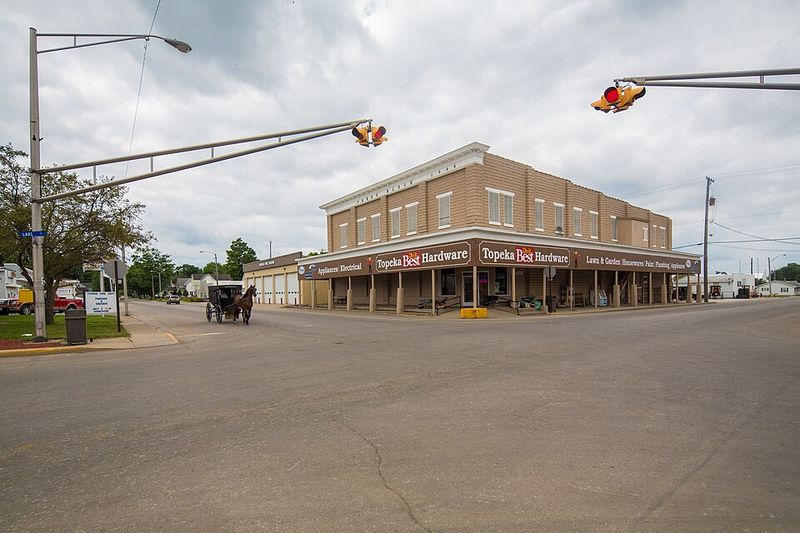
Imagine for a second the sound of hooves on sawdust and a rapid-fire auctioneer. That soundtrack plays regularly in one small LaGrange County town.
Topeka sits in the heart of northeast Amish Country. Its horse auctions have been a fixture for generations.
Draft horses, ponies, and harness gear all move through the ring. Spectators are welcome, and the energy is contagious.
Away from the auction barn, Amish Cottage Shops line the back roads. These tiny family businesses operate right beside the farmhouses.
Homemade jams, jellies, and canned pickles fill wooden shelves. Woven rugs come in colors chosen by whoever did the weaving.
Craftsmen also turn out wooden toys, birdhouses, and simple furniture. Souvenirs here tend to outlast the trip by decades.
Settlement began in 1832 in an area known as Hawpatch, while Slabtown later became a local nickname tied to its sawmills. Those early names still show up in local stories.
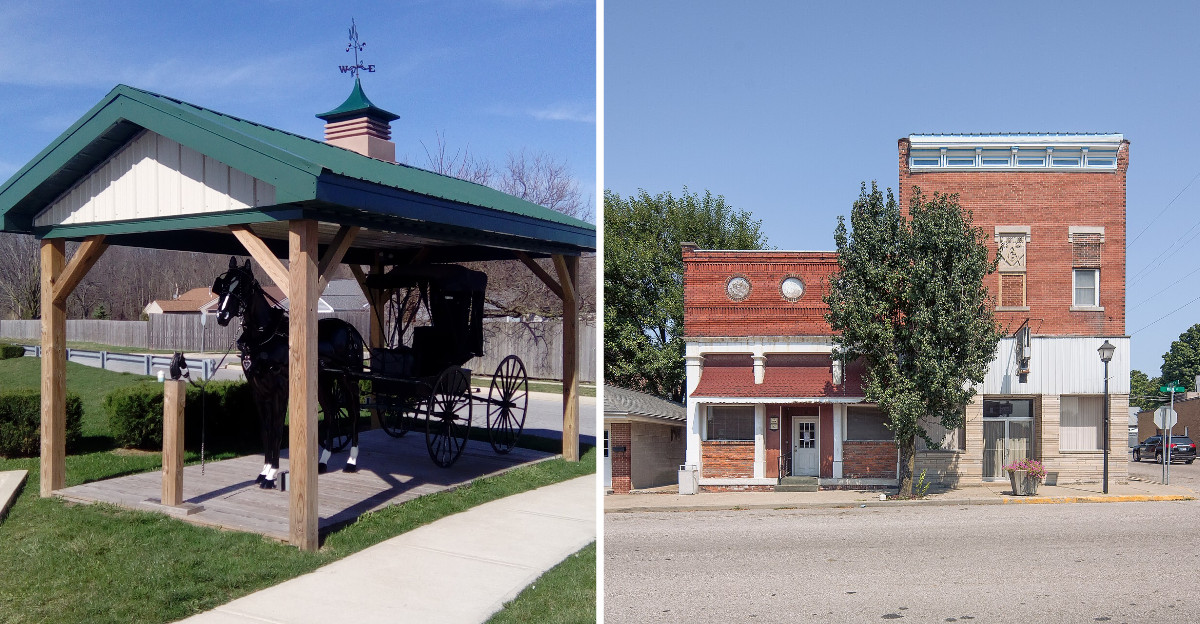
Roads stay narrow and quiet, so drive slowly and watch for buggies. Many shops close on Sundays, which is worth planning around.
Some rural businesses have limited payment options, so carrying cash is sensible. A cooler is smart too, especially for cheese and pie.
Conversations come easily in a town this size, and questions are usually welcomed. Roll down the window and let the farm air in.
5. Goshen, Elkhart County
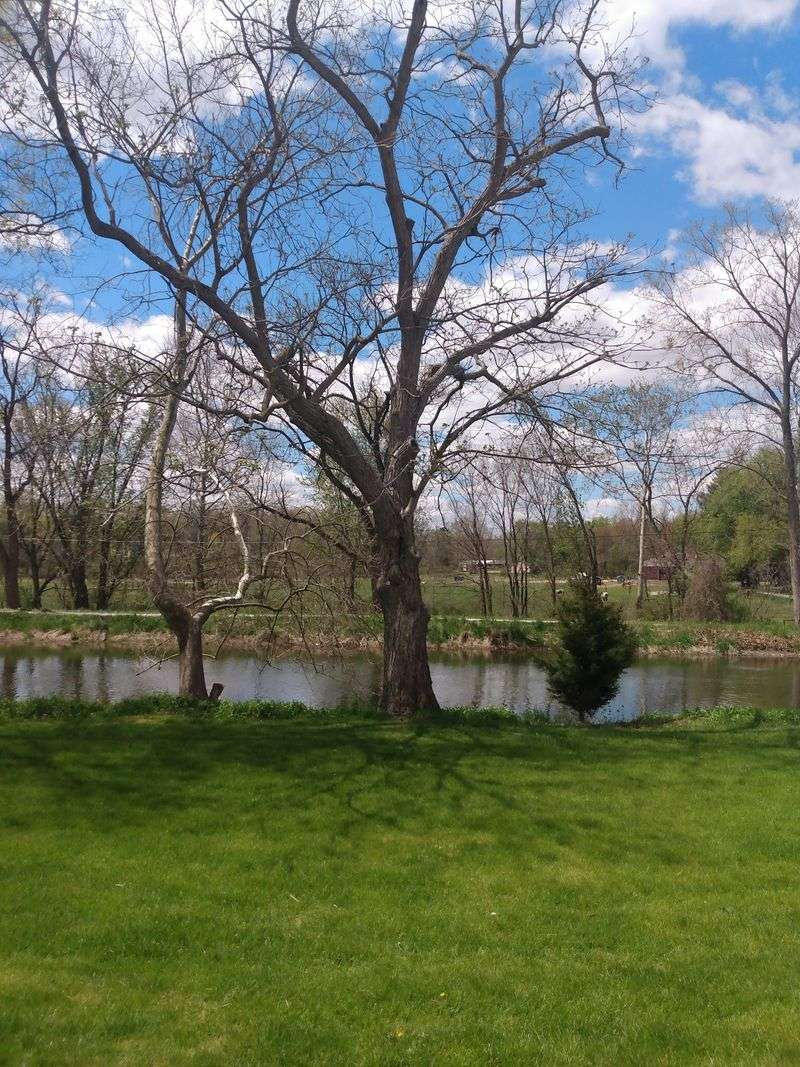
Let me level with you for a second: not every Amish-area town is all farmland. One county seat mixes buggies with art galleries and chocolate counters.
Goshen serves as an urban gateway to Elkhart County’s Amish country while also carrying a strong Mennonite heritage of its own.
Brick storefronts hold boutiques, bookshops, and galleries. Olympia Candy Kitchen still serves hand-dipped chocolates and soda fountain treats.
The Old Bag Factory fills a renovated industrial building with artisan workshops. Potters, woodworkers, and jewelers work in open studios.
Goshen College, a Mennonite four-year school, adds concerts and lectures to the calendar. Its campus paths are pleasant for a short stroll.
Summer brings the Elkhart County 4-H Fair, which this state’s sources describe as the second-largest county fair in the United States. Livestock barns, midway rides, and grandstand shows pack the grounds.
First Friday events give downtown a themed party each month. Food carts, live music, and sidewalk vendors take over the blocks.
Quilt Gardens plant flowers in traditional quilt patterns around town. Painted murals often sit nearby for photos.
Parking is easy, and most attractions cluster within a few blocks. That makes it a smart base for exploring the region. Wrap your evening here, then head back out to the farm roads tomorrow.
6. Grabill, Allen County
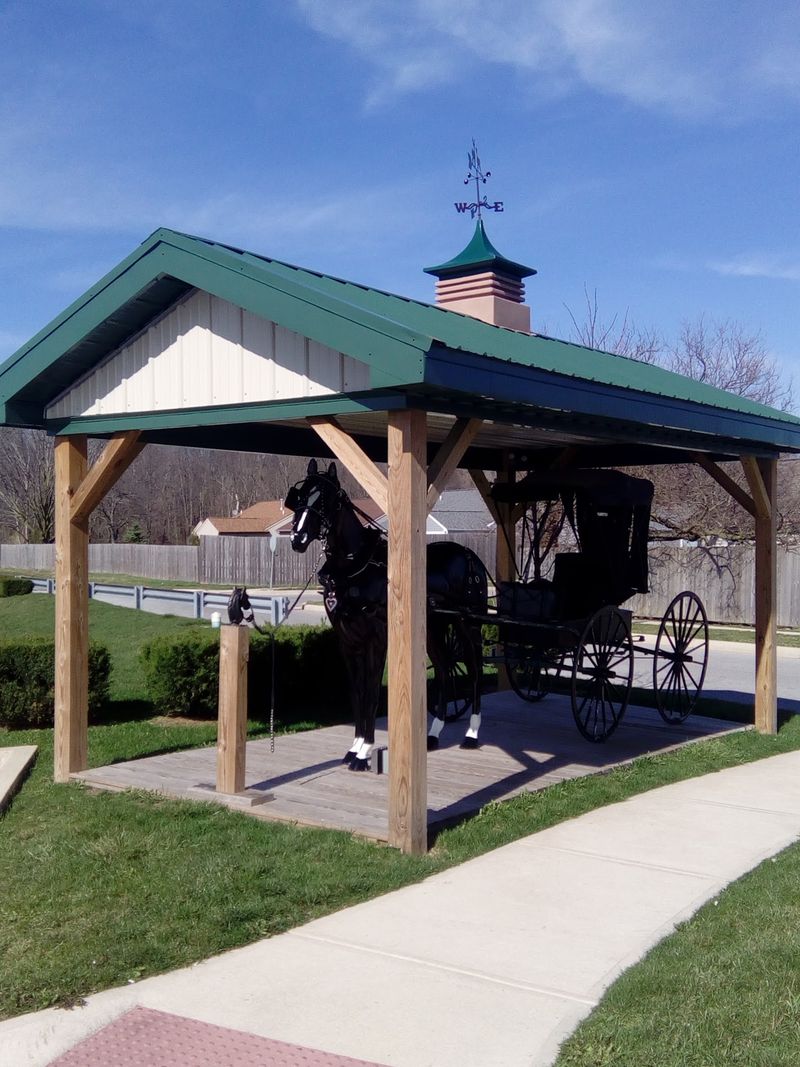
Here is a thought: drive twenty minutes past a city and land in the 1800s. Buggies and pickup trucks share the same narrow lanes.
Grabill sits in northeastern Allen County, close enough to Fort Wayne for an easy detour. Tree-lined streets invite slow strolling.
Antique shops and artisan markets line the main stretch. Buggy traffic passes regularly throughout the day.
The Country Shoppes of Grabill fill two floors with more than 170 antique, vintage, and artisan vendors.
Hours can vanish in there, especially among the glassware and old farm tools. Bring patience and a shopping bag.
H. Souder General Store stocks old-fashioned candy, goods, and rustic home decor. Wooden floors creak in all the right ways.
Each fall the Grabill Country Fair fills the town with live music and craft booths. Food vendors serve everything from kettle corn to sausage sandwiches.
Local Amish families trace their roots to 19th-century immigrants from Alsace-Lorraine, France. That heritage sets this settlement apart from northern groups.
Furniture, baked goods, and handmade quilts are widely available. Shops often close Sundays, so weekend timing matters.
Sidewalks make it simple to park once and explore on foot. Consider this the surprise stop nobody expects on an Indiana itinerary.
7. Berne, Adams County
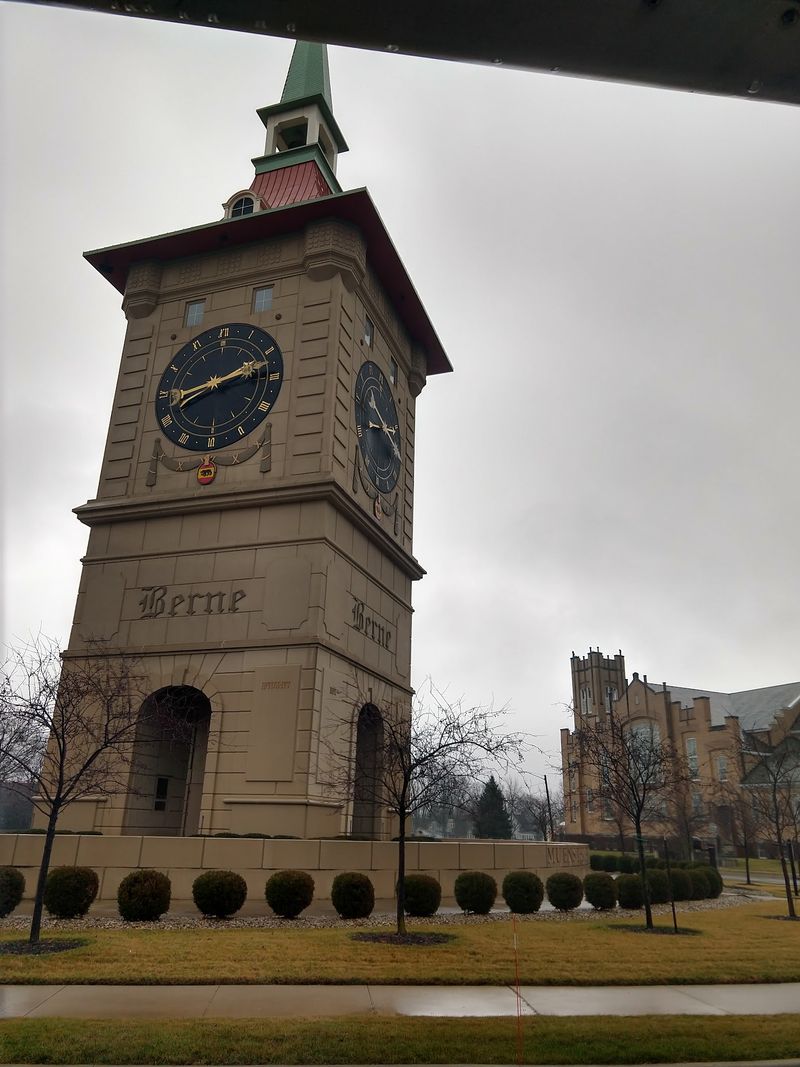
Correct me if I am wrong, but a Swiss clock tower in farmland sounds unlikely. It exists, and it chimes.
Berne, in Adams County, grew from Swiss Mennonite settlers who arrived in the 1800s. That heritage shaped the town’s look and language.
Timber-framed details and Alpine touches appear throughout downtown. Muensterberg Plaza and Clock Tower stands as the centerpiece.
The surrounding Swiss Amish community still uses Amish Shwitzer, a dialect with roots in Bernese German. The dialect belongs mainly to the surrounding Amish settlement rather than everyday public conversation throughout downtown.
Swiss Days each summer fills the streets with traditional music, dancing, and food. Craft booths and community meals round out the celebration.
Furniture workshops here build pieces using time-honored joinery methods. Hardwood tables, chairs, and cabinets are made to be handed down.
Bakeries turn out cookies, breads, and pastries from long-used recipes. Arrive early, because popular items sell out fast.
The Swiss Heritage Village and Museum preserves original buildings from the settlement era. A log house, print shop, and barn show how work got done.
Surrounding Amish farms keep the countryside quiet and tidy. Roadside stands sell eggs, produce, and honey in season.
Berne works nicely as the southern pivot on a longer Indiana loop. Plan a full afternoon, then follow the farm roads onward.
8. Odon, Daviess County
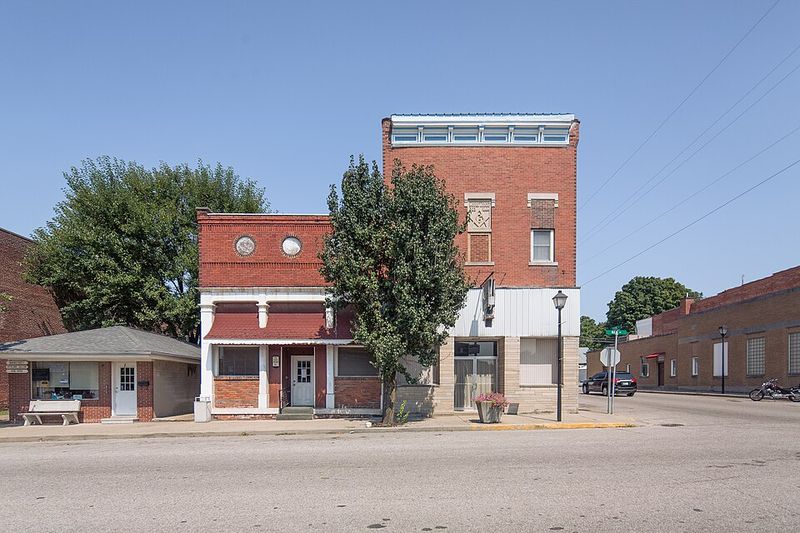
Odon, in Daviess County, keeps a small-town square and a big local following. Farm wagons and buggies still roll through regularly.
The Old Settlers Festival counts as one of Indiana’s oldest continuous celebrations. Expect a parade, a car show, games, and rows of food booths.
Generations of families return for it each year. Lawn chairs claim curb space well before the parade starts. That familiar ritual gives the celebration the kind of lived-in feeling that is hard to manufacture.
The Dutch Pantry stocks Amish fare, gifts, and home decor. Bulk baking supplies and candy fill much of the store.
Meat lovers should track down the Odon Locker. Sausages, smoked meats, and house-made specialties are the draw there.
A limestone statue of Abraham Lincoln gives the town an unexpected landmark. It makes for a quick photo stop.
The surrounding Daviess County settlement includes numerous small Amish-owned shops, farm businesses, and food markets.
Roads out of town run flat and straight past woodlots and cornfields. Watch carefully for slow-moving vehicle triangles.
Most visitor stops around Odon are smaller local businesses rather than large destination attractions. Southern Indiana quietly earns its spot on this weekend route.
9. Montgomery, Daviess County
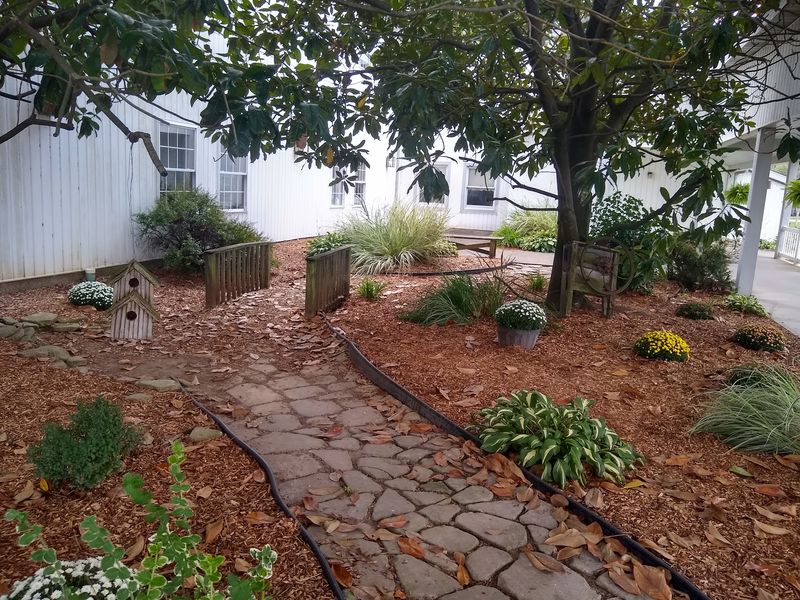
Crowds ruin a slow weekend. One southwestern Indiana community solves that problem beautifully.
Montgomery sits within Daviess County’s Amish settlement, Indiana’s fourth-largest and the nation’s seventh-largest. Daviess County farmland surrounds it on every side.
A distinctive Southern-influenced accent has been documented among Daviess County Amish speakers.
Gasthof Amish Village anchors the area with a large Amish-style restaurant. Lodging, a bakery, and shops selling handmade furniture and quilts sit on the same grounds.
Fried chicken, noodles, and fresh bread fill the buffet tables. Save room for the pie case near the exit.
Dinky’s Auction Center runs weekly sales that draw sizable crowds. Furniture, tools, livestock, and household goods all cross the block.
The Country Cupboard remains a local stop for bulk foods and baked goods. Spices, flour, and candy fill the bins.
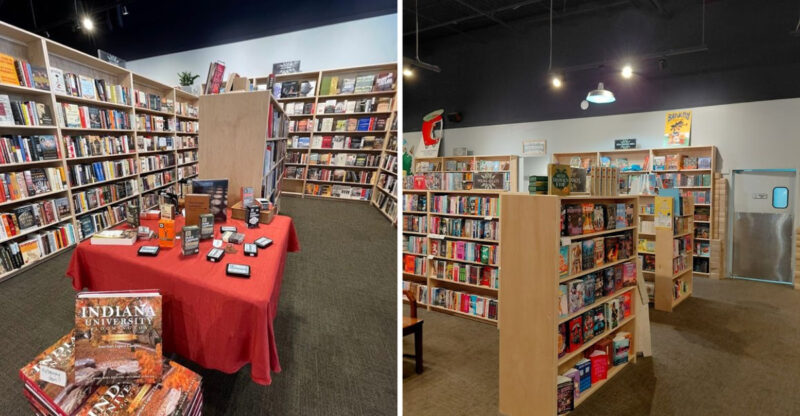
Readers should stop at Maple Lane Bookstore for a browse. It is small, quiet, and worth the detour.
Seasonal markets and community events appear around the area, but schedules change from year to year.
Buggy traffic is steady, so ease off the gas on county roads. End your Indiana loop here, full, unhurried, and already planning the next one.