Thousands Of Visitors Once Flocked To This Tiny Kentucky Town For Its Healing Mineral Waters
There is a man in Kentucky history who almost buried the best thing that ever happened to his town. He dug a well in 1881, tasted what came out, and decided it was a mistake.
The water was rusty, sulfurous, and genuinely unpleasant.
Then a few laborers drank it anyway and told him it was medicine. He probably thought they were joking.
They were not, and neither was the country that believed them.
What happened next is hard to picture now. Trains arrived by the dozen.
A hotel went up with an orchestra playing in the ballroom. A major league baseball team chose this place for spring training, which tells you something about how good the marketing was.
Fifty thousand people came every summer for water that tasted like a penny.
And here is the twist nobody puts on the welcome sign. The springs were never springs at all.
A Town Built On Watery Wonders
Water made this town famous, which sounds strange until you learn the details. Dawson Springs, Kentucky, turned a hole in the ground into a nationwide reputation.
The story starts in 1881 with a man named W.I. Hamby.
He unearthed the first mineral well here, and word spread fast.
People believed the water carried healing power. Soon visitors arrived by the thousands, hoping a few glasses would fix whatever ailed them.
What had been a sleepy farming community became a working health resort. Wells were drilled, pavilions were built, and the whole economy shifted toward wellness.
You can picture the scene without much effort. Crowds lining up with tin cups, chatting while they waited for their turn at the spout.
The mineral content was the selling point, not the taste. Regulars back then described it as strong, sharp, and definitely memorable.
Hopkins County had plenty of farmland and coal, yet this little spot became known for something entirely different. Water was the product, and the town leaned into it completely.
Consider how unusual that is. Most towns grow around a railroad, a mill, or a mine.
Dawson Springs grew around a drink. That single discovery shaped its name, its buildings, and its future for the next fifty years.
From Chalklevel To A Name Worth Bottling
Before the fame, the place went by Chalklevel. Not exactly a name that sells train tickets.
Then the railroad arrived and the spot became Tradewater Station. Practical, but still nothing to write home about.
In 1874 the name shifted again, this time to Dawson. Shorter, cleaner, and easier to print on a timetable.
The mineral water discovery changed the branding conversation entirely. By 1898 the town officially became Dawson Springs.
That added word did serious work. Springs meant health, rest, and a reason to travel hundreds of miles.
You have to admire the marketing instinct. Long before modern advertising, town leaders understood that a name can carry a promise.
Four names in roughly thirty years tells you how quickly the identity kept evolving. Each change matched what the town was becoming.
Chalklevel described the land. Tradewater Station described the trains.
Dawson Springs described the dream. Visitors reading a railroad brochure knew exactly what they were signing up for.
The name stuck, and it still stands today. Every time you say it, you are repeating a nineteenth century sales pitch that actually worked.
Small detail, big lesson. Sometimes a single word rewrites a town’s entire future.
Miraculous Claims And Chemists Who Agreed
Claims flew freely in the spa era, and this town had a long list. The waters were said to ease indigestion and liver troubles.
Relief for rheumatism made the list too. So did nervous debility, a catch-all phrase for feeling worn down.
Here is where it gets interesting. Chemists actually tested the water and published their findings.
Those analyses gave the town official backing. Printed reports meant the pitch was not purely word of mouth.
You can imagine how much that mattered to a traveler in 1905. A chemical report felt like proof.
The mineral content was genuinely unusual, which explains the strong flavor visitors mentioned. Sulfur and iron tend to announce themselves.
Guests came for weeks at a time, following a daily routine of drinking and bathing. Consistency was considered part of the treatment.
Whether the water cured anything is a question for modern science. What it definitely did was fill hotels.
Rest, fresh air, and slower days probably deserve some credit. People left feeling better, and they told their neighbors.
Word traveled through letters and railroad brochures. The reputation grew until Dawson Springs was a household name across several states.
The Golden Age When Forty Hotels Filled Up
Forty hotels. In a tiny Kentucky town.
That number alone should make you pause.
The turn of the twentieth century was the peak. Dawson Springs ranked among the leading health resorts in the South.
Population jumped almost tenfold during the boom. Everyone suddenly had a reason to move here.
Boarding houses opened on nearly every street. Mineral bath houses appeared alongside them, offering soaks and treatments.
Picture the logistics. Feeding, housing, and entertaining that many guests took an entire town working together.
Families ran small inns from their own homes. Cooks, porters, musicians, and bath attendants all found steady work.
The scale is hard to imagine now when you look at the quiet streets. Yet for a few decades this was a genuine destination.
Guests stayed long enough to become familiar faces. Weeks, sometimes a full season, spent on the same porches.
Competition between hotels kept standards high. Each one advertised its own well, its own baths, its own dining room.
That kind of growth rarely happens twice. For Dawson Springs, the water era remains the high-water mark of its history.
Knowing the numbers changes how the town feels when you visit.
The New Century Hotel And Its Ballroom Nights
Every boomtown has a crown jewel, and here it was the New Century Hotel. One hundred fifty rooms, all of them considered luxurious.
Guests arrived from across the country. The register read like a national guest list.
The ballroom was the main event. Italian orchestras played while couples danced into the evening.
Steam heat counted as a modern marvel at the time. Comfort in cool weather meant the season stretched longer.
Think about what that meant for a small Kentucky town. Live orchestras, formal dances, and travelers in their best clothes.
The hotel represented the absolute peak of resort life here. Nothing else in the region quite matched it.
Wide porches gave guests a place to sit and watch the day pass. Conversation was the entertainment between baths and meals.
Dining rooms served long, leisurely meals to tables of strangers who became friends. That social rhythm was half the appeal.
The New Century became shorthand for the town’s ambition. Its name suggested a fresh era, and it delivered on the promise.
Photographs of the building still turn heads today. The scale feels almost impossible for a place this size.
Grand hotels leave long shadows, even after the music stops.
Twelve Trains A Day And River Afternoons
Twelve passenger trains a day rolled into this town. Let that sink in for a second.
The Illinois Central Railroad promoted Dawson Springs hard. Brochures, posters, and special fares all pointed here.
You could board in Chicago and step off in a Kentucky resort town. Louisville travelers had an even shorter ride.
Getting here was part of the experience. The journey built anticipation before anyone tasted a drop of water.
Once guests arrived, the social calendar took over. Activities centered around the springs and the pavilions nearby.
The Tradewater River added another layer. Excursions on the water gave visitors a break from the bath house routine.
Afternoons meant strolling, boating, and finding shade. Evenings meant music and conversation.
Railroads and resorts worked as partners in that era. More trains meant more guests, and more guests justified more trains.
When you consider modern travel, the comparison is striking. Twelve daily trains would count as impressive service today.
That connection explains how a small town reached a national audience. Rails did the advertising work that highways never replaced.
The tracks shaped everything, from the hotels to the crowds who filled them.
Spring Training, Spearheads, And Other Surprises
Baseball fans, this one is for you. The Pittsburgh Pirates held spring training in Dawson Springs.
They practiced here from 1915 to 1917. Other teams picked the town as well.
Professional athletes chose it for the same reason everyone else did. Mineral baths, clean air, and a place to recover.
Imagine big league players jogging past those hotel porches. The locals had front row seats.
Dig further back and the history gets older still. Native American tribes traded along the Tradewater River long before any hotel existed.
The river served as neutral ground for that trade. Groups met, exchanged goods, and moved on.
Flint chips and spearheads found in the area confirm it. Those artifacts put the town’s story on a much longer timeline.
So the water drew people here for centuries, in different ways. First as a meeting point, later as a cure.
Layered history like this rarely shows up in a town this small. Ballplayers and ancient traders sharing one address is a rare combination.
Next time the name comes up, remember both. Spring training and spearheads, in the same few square miles.
What Remains And Where To Wander Now
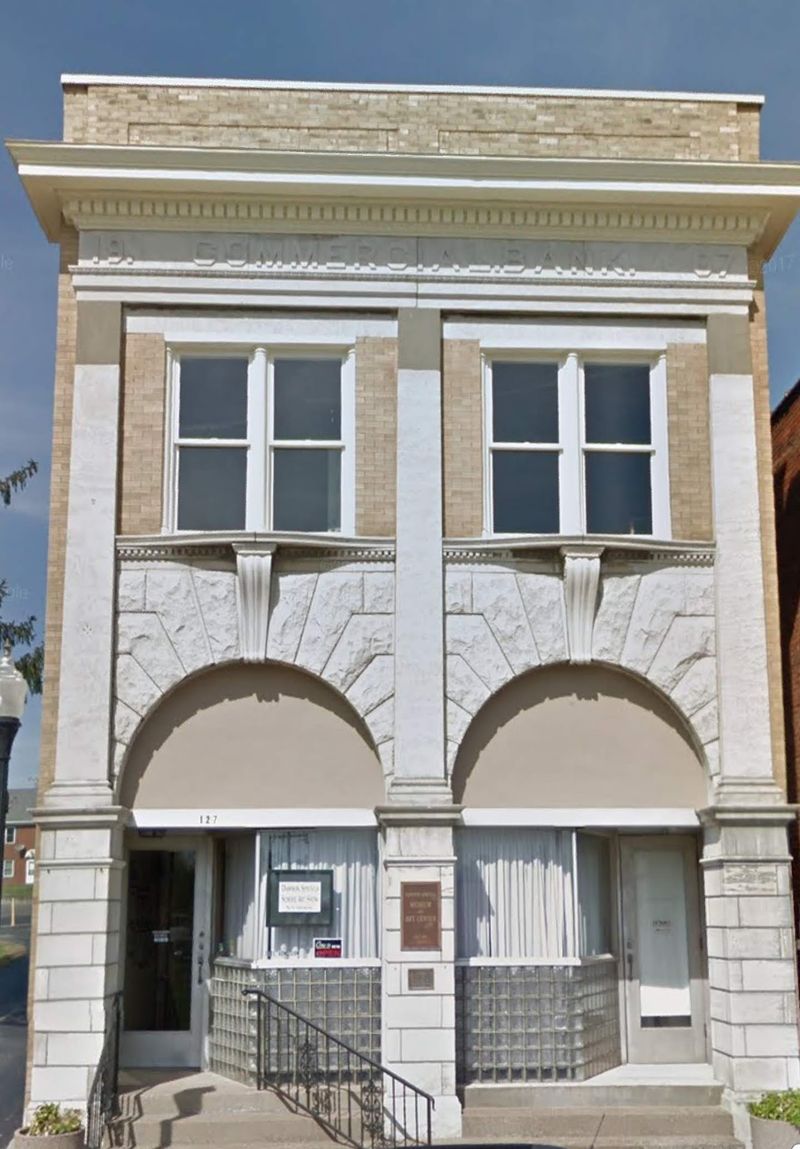
Every boom ends, and this one faded by the 1930s. The Great Depression tightened travel budgets everywhere.
New leisure options also pulled tourists in different directions. Automobiles opened up choices that trains never offered.
Many of the grand buildings were lost over the years. The forty hotels exist mostly in photographs now.
Still, the town has not forgotten. Dawson Springs embraces its history rather than hiding it.
Start at the Dawson Springs Museum and Art Center. Exhibits there cover the resort years, the railroad, and local life.
Old photographs do a lot of heavy lifting. Seeing the New Century Hotel in print makes the scale real.
Outdoor plans work well here too. Pennyrile Forest State Resort Park sits nearby with trails, water, and plenty of shade.
Walking those woods gives you a sense of what visitors once found restful. The quiet is the point.
Pair the museum with the park for a full day. History in the morning, fresh air in the afternoon.
What you get is a town that peaked, changed, and kept going. That kind of resilience deserves a visit.
Bring curiosity and comfortable shoes.