These 12 Kentucky Churches Were Converted Into Restaurants, Venues And Gathering Places
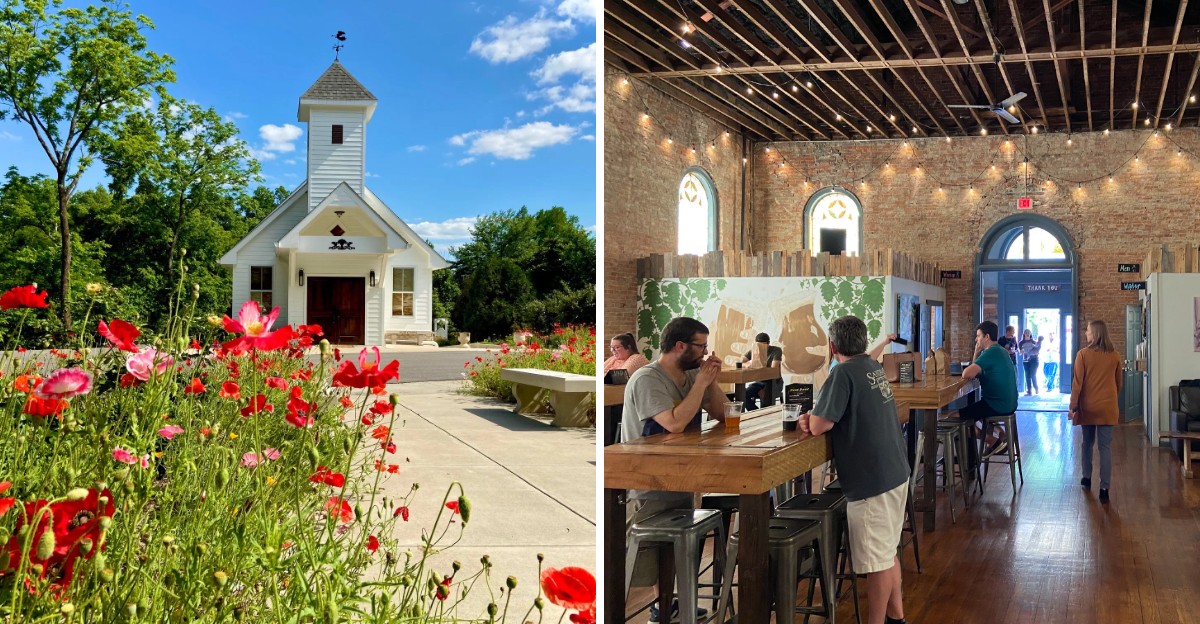
There is something funny about ordering a drink under a stained glass window. The light comes down in colors that were designed for hymns, and now they land on your appetizer.
Kentucky has a lot of old churches. Congregations shrank, merged, or moved to newer buildings on the edge of town.
The old ones sat empty for years while people argued about what to do with them.
Then somebody had an idea. These buildings have thirty foot ceilings, gorgeous woodwork, and acoustics that most concert halls would envy.
They were built to hold crowds. That part never stopped being true.
Now some of them pour drink. Others host weddings, concerts, and community meetings.
One serves Greek food where the pulpit used to be.
The bones are all still there. You just have to look up to notice.
Here are twelve worth seeing for yourself.
1. Holy Grale
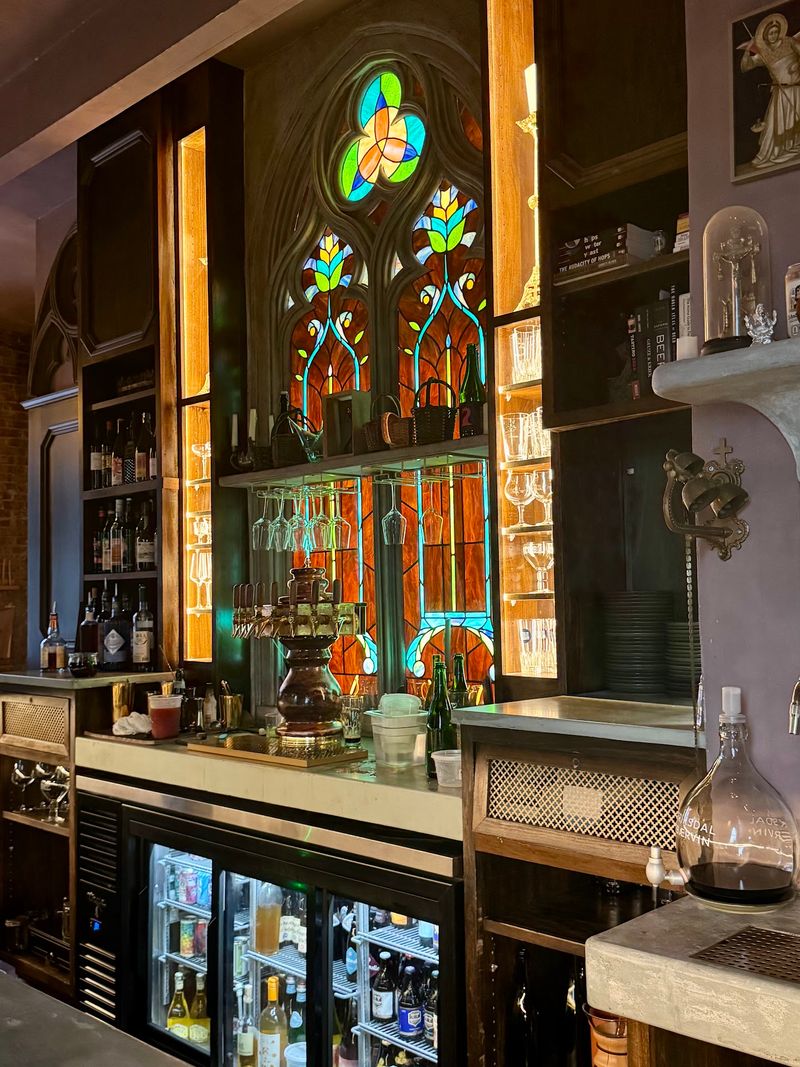
Stained glass and a rotating tap list make an unusually good pair. The building started as a Unitarian church back in 1905, and the bones are still obvious.
You sit in dark wood pews at tables that feel borrowed from another century. The ceilings climb high above your head, and the light through the glass shifts as the afternoon moves along.
Upstairs sits a space once called the Choir Loft, now open to guests who want a quieter perch. The mood stays warm and low-key rather than showy, which is exactly why regulars keep coming back.
Belgian and American craft beers rotate often, so the board rarely looks the same twice. The kitchen leans on local ingredients, and the menu changes with what is available.
Out back, the Gralegarten gives you open-air seating when the weather cooperates. Shade, fresh air, and a glass in hand make a solid way to spend an hour.
Find it at 1034 Bardstown Rd, Louisville, Kentucky, right in the thick of one of the city’s busiest strips. Parking takes patience on weekends, so plan a short walk.
Go early if you want a pew seat near the windows. Ask what just landed on tap, since staff track the list closely and enjoy talking through it.
2. The Last Refuge
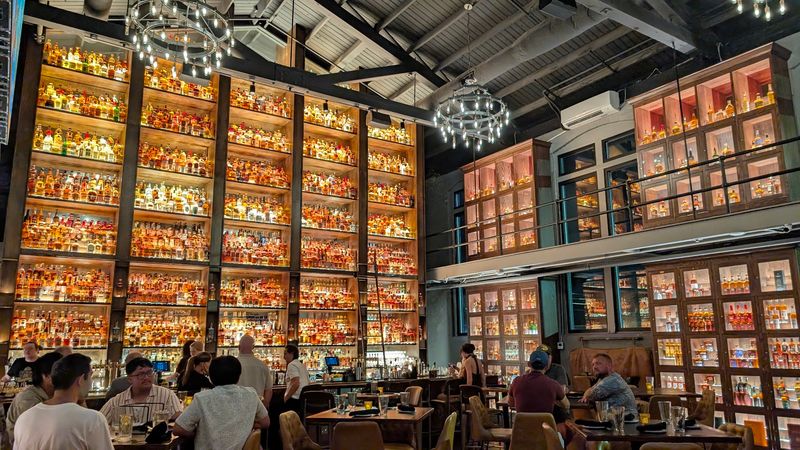
A backlit bourbon wall glowing behind a bar used to be a hard thing to picture inside an 1880 church. Here it is the main event.
The building once served as the Refuge of Kentucky Church. Today it holds a restaurant, several bars, and event space that shifts depending on the night.
It also acts as the home base for Heaven’s Door, the bourbon brand connected to Bob Dylan. That connection gives the whole place a music-adjacent personality.
The Amber Room has the strangest history of the bunch. It was the church gym, and now the walls are lined with bottles from floor to ceiling.
Up front, a section can be arranged as a speakeasy for smaller, quieter gatherings. The layout rewards wandering rather than settling into one seat.
Pizza is the anchor of the menu, and the popcorn gets plenty of attention too. Neither one pretends to be fussy, which suits the room.
You will find it at 600 E Market St, Louisville, in the middle of the NuLu bourbon district. That means plenty of shops and galleries within a block or two.
Come on an event night if you like noise and movement. Come midweek if you would rather study the architecture without shouting.
3. Anna’s Greek Restaurant & Venue
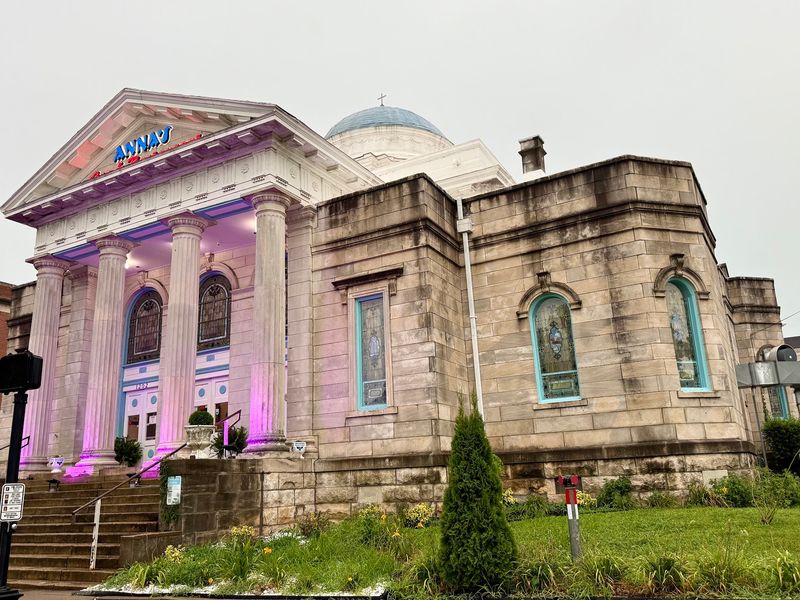
Domed ceilings do wonderful things for the sound of a dinner conversation. That is the first thing you notice under the chandeliers here.
The building opened as Westminster Presbyterian Church in 1912 and later housed Victory Baptist Church. Its century-old exterior has been kept fully intact.
Step inside and the Roman-influenced design takes over. Intricate stained glass rises above the dining room, and the dome pulls your eyes straight up.
The restaurant side focuses on fine dining with authentic Mediterranean cooking. Greek dishes lead the way, joined by Italian, French, German, and Turkish plates.
The event portion carries its own name, Century Palace, and handles larger celebrations. Semi-private dining is available when your group is smaller but still wants privacy.
The address is 1202 State St, Bowling Green, an easy stop if you are exploring downtown. The facade alone is worth a photo before you go in.
Dress a little nicer than usual and you will feel right at home. The room has a formality that the menu happily matches.
Bring someone who orders adventurously and share everything. With five cuisines on one menu, sampling widely beats loyalty to a single dish.
4. The Southgate House Revival
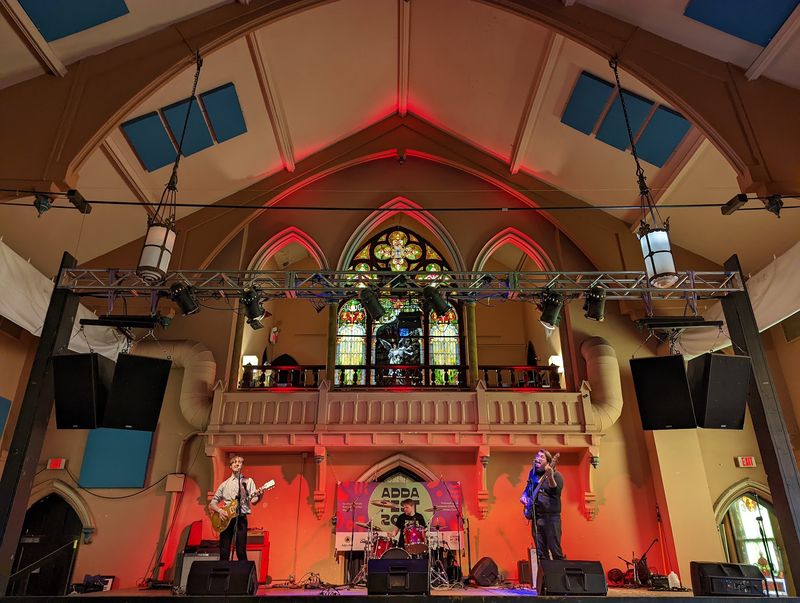
An 1866 pipe organ standing behind a bar is a sight that sticks with you. It was built by Koehnken and Grimm in Cincinnati and never left.
The venue occupies the former Grace Methodist Episcopal Church, finished in 1866. It now runs independently with three separate stages under one roof.
The Sanctuary is the biggest room and was once the main worship hall. Original stained glass and a vaulted ceiling still frame the stage.
The Revival Room has an old mural wrapping its stage. That curved ceiling shape does real work, giving the room acoustics musicians talk about.
The Lounge handles the smaller stuff, including open mic nights and up-and-coming acts. Three rooms mean live music happens here every single night.
You can find it at 111 E 6th St, Newport, Kentucky, a short hop from the Ohio River. Downtown Newport puts plenty of food within walking distance before a show.
Check which room your act is playing before you arrive. The experience shifts noticeably between the big sanctuary and the intimate lounge.
Arrive early and take a lap through all three spaces. The architecture is half the reason people keep buying tickets.
5. Mansion Hill Sanctuary
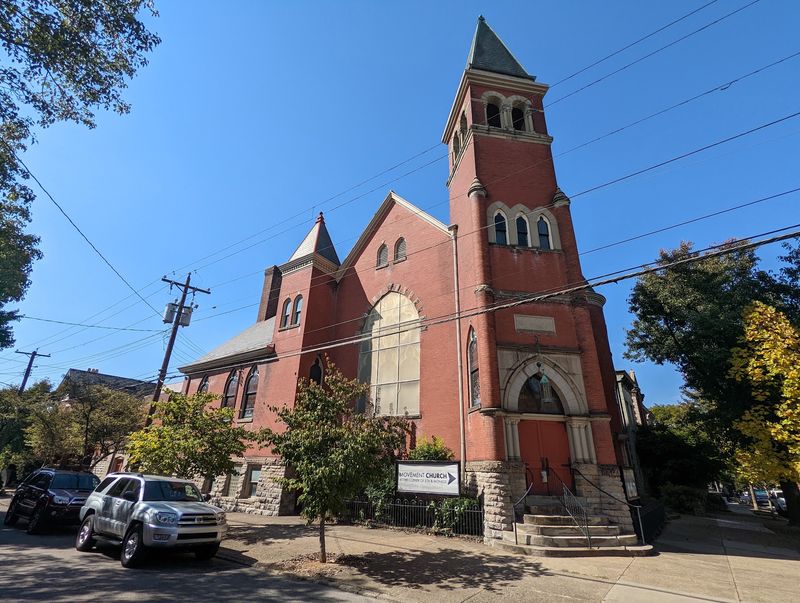
Few buildings have worn as many hats as this one. It opened as a Masonic Temple, then passed through several religious denominations before becoming a wedding venue.
The main room, called The Sanctuary, keeps its original stained glass and vaulted ceiling. Grand antique chandeliers hang above hardwood floors that have seen a lot of history.
The location sits inside Newport’s historic Mansion Hill district. That means handsome old streets and brick facades all around you before you ever walk inside.
An Annex handles the practical side of hosting. It includes a full-service bar plus two kitchens, which caterers genuinely appreciate.
A roomy bridal suite gives people space to get ready without elbowing each other. Small detail, big difference on a busy morning.
Head to 417 E 6th St, Newport, and you are also within a few blocks of other converted sanctuaries. Newport quietly leads the state in this category.
Photographers tend to love the chandelier and stained glass combination. Natural light through those windows changes dramatically through the day, so timing matters.
If you are touring venues, walk the whole district afterward. Seeing the neighborhood helps you picture how guests will actually move around on the day.
6. Leapin Lizard Gallery
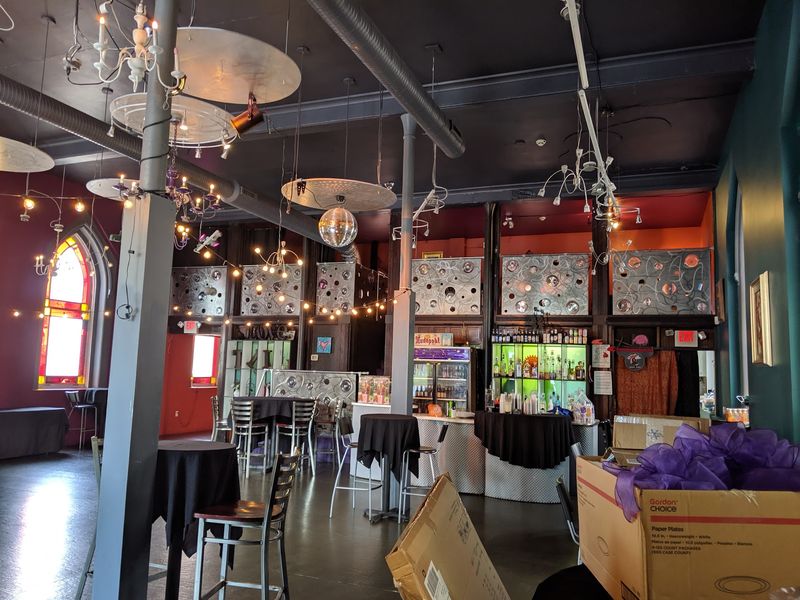
Thirty-plus stained glass windows in one building is a lot of colored light. Add ceilings that reach 16 and 30 feet and the scale starts to sink in.
Construction finished in 1886 for a United Methodist congregation. The building later became an eclectic art gallery and now serves as an event space.
The pipe organ still works, which is not something every converted sanctuary can claim. Modern art hangs comfortably beside all that Victorian detail.
Two floors split the duties nicely. One suits cocktail hours and dancing, while the other leans more formal for seated dinners.
The first floor has a reputation for being the fun one. That is where the energy tends to gather once music starts.
Look for it at 726 Main St, Covington, close to the riverfront and plenty of independent shops. The neighborhood makes a good afternoon on its own.
If you are booking, think about how guests will flow between levels. Two floors can either feel spacious or split a crowd, depending on planning.
Photographers should keep an eye on midday light. Those windows throw color across the floors in a way that flash simply cannot copy.
7. Church Barn Farm
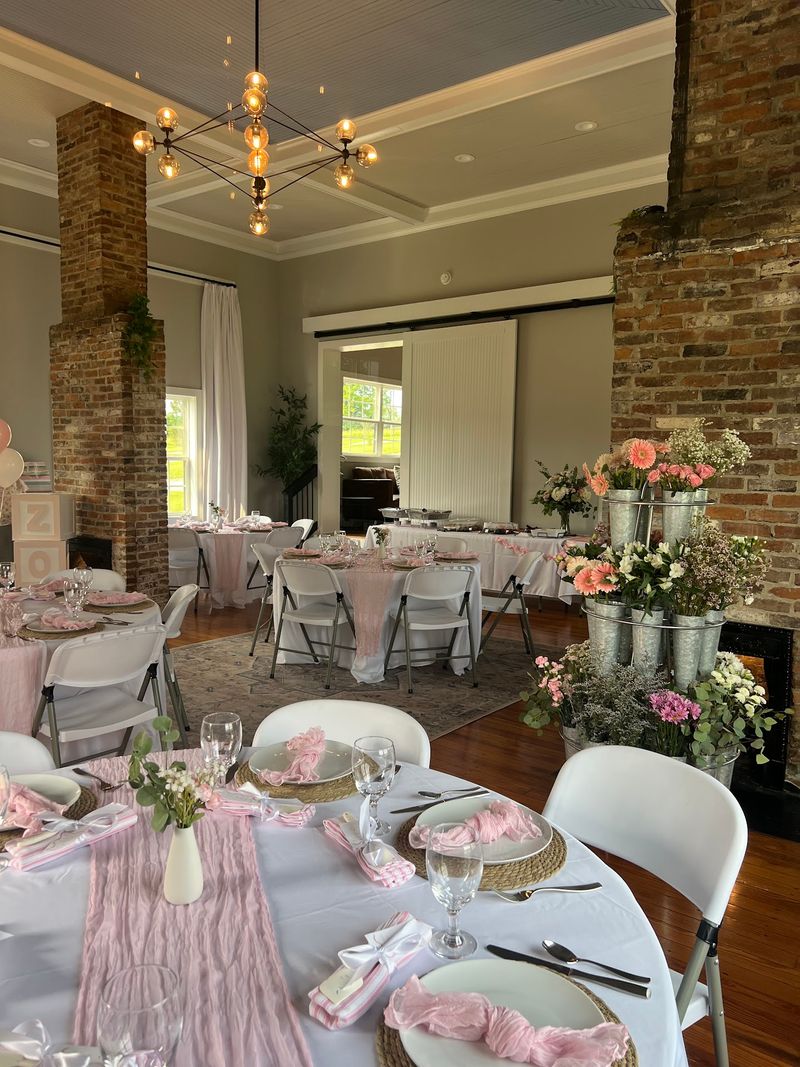
Here is a building that went from sanctuary to tobacco barn to wedding venue. Not many structures can list all three on a resume.
The Church Barn went up in 1894 as the Nonesuch Christian Church. Its original Gothic arch windows are still visible from the outside.
From the road it still reads as a church. Step inside and the barn chapter shows up in concrete floors and rustic wood accents.
The interior offers more than 1,800 square feet of usable space. That fits gatherings of up to 80 guests comfortably.
The property is family-owned and spread across 20 acres of farmland. Rolling Woodford County fields do most of the decorating for you.
Directions point you to 4440 Fords Mill Rd, Versailles, Kentucky, deep in horse country. The drive out is genuinely pretty, especially in late spring.
Smaller guest lists work best in this space, and that is part of the charm. Everyone can actually hear the toasts.
Bring comfortable shoes if you visit. Farm ground and dress shoes have never been a good match, and the grounds are worth walking.
8. Third Turn Brewing
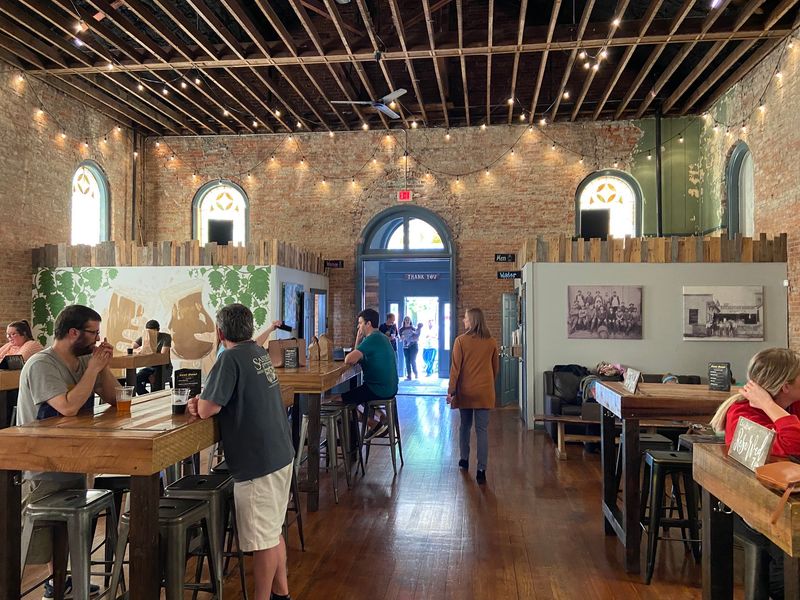
Stained glass windows that were once boarded over now glow again. Restoring them brought the 1878 building back to something close to its original look.
The structure served as a church first, then became a Moose Lodge starting in 1940. Now it works as a brewery and a genuinely comfortable neighborhood bar.
House ales fill most of the taps, joined by guest pours, wines, and bourbons. The lineup gives everyone in your group something to pick.
The atmosphere runs relaxed rather than polished. Board games sit within reach, and nobody rushes you out of your seat.
Patio seating opens up when the weather turns agreeable. It is a good spot for long conversations that outlast a single round.
The building also hosts events and sets up an indoor market during local festivals. That mix keeps the calendar interesting through the year.
You will find it at 10408 Watterson Trail, Louisville, out in Jeffersontown. Parking is far easier here than downtown, which is a quiet perk.
Bring a group and claim a table near the windows. Late afternoon light through restored glass beats almost any bar decor.
9. The Woodbine Chamber At The Former Chapel Of St. Philip Neri
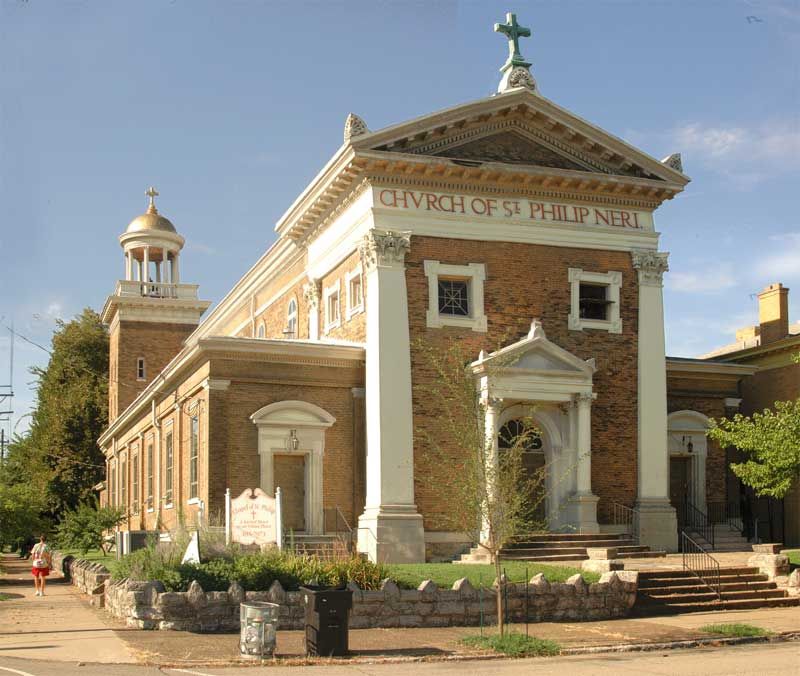
An architect who designed for sound rather than sight gave this room its reputation. J.J.
Gaffney planned the space around natural amplification back in the 1890s.
The cornerstone for the 8,000-square-foot building was laid in 1898. It now ranks among the most acoustically remarkable rooms in the country.
The former cathedral was deconsecrated and later purchased from the Catholic diocese. Today it functions as a cultural venue and nonprofit center.
An 1899 August Prante and Sons pipe organ remains in place. Historic stained glass and the original wooden pews keep the atmosphere reverent.
Programming is refreshingly unpredictable. Chamber ensembles, folk acts, punk shows, community meetings, and weddings all share the same calendar.
The mission centers on strengthening city life through music, connection, and celebration. That shows in who walks through the doors on any given night.
Look for it at 236 Woodbine St, Louisville, on the edge of Old Louisville. The surrounding blocks hold some of the city’s best Victorian architecture.
Sit toward the middle if you care about sound. In a room built for acoustics, seat choice actually changes what you hear.
10. Muir Chapel Venue
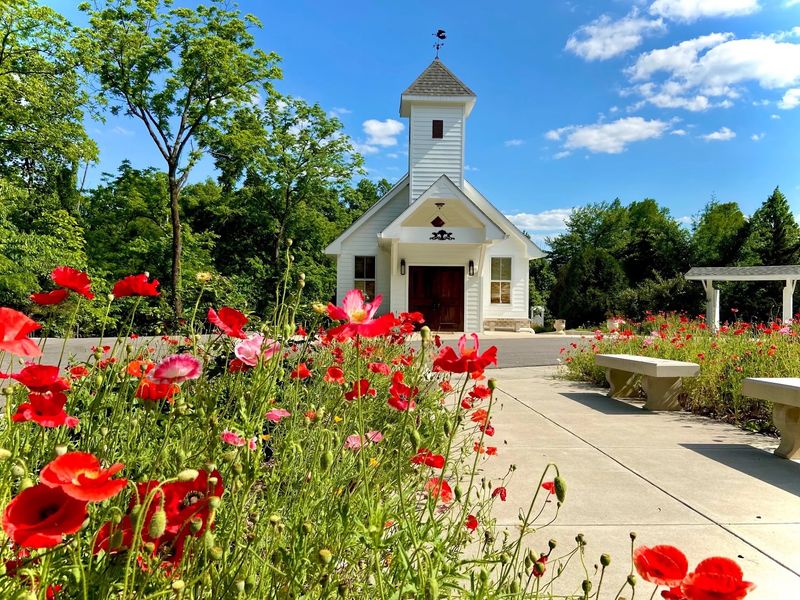
A chapel resting in the woods of east Jefferson County sounds like a storybook setting. The trees are real, and so is the chapel.
The venue opened in 2018 as a home for weddings and other events. The historic building came first by a long stretch.
Inside, original stained glass, wainscoting, and plaster have been kept in good shape. The rustic church look is authentic rather than staged.
Seating handles more than 200 guests, which is generous for a chapel this charming. Big families can relax about the head count.
Gardens surround the grounds, and an outdoor cross sits on a nearby hill. Both get used regularly during ceremonies.
A newer Garden Pavilion adds covered outdoor space. Kentucky weather being what it is, that shelter earns its keep.
The address is 813 Gilliland Rd, Louisville, on the eastern edge of the county. The drive feels rural even though the city is close.
Plan a spring or fall visit if greenery matters to your photos. The wooded setting looks completely different across seasons.
Walk the grounds before committing to a ceremony spot. Chapel, garden, and hilltop each give a different feeling.
11. The Prestant
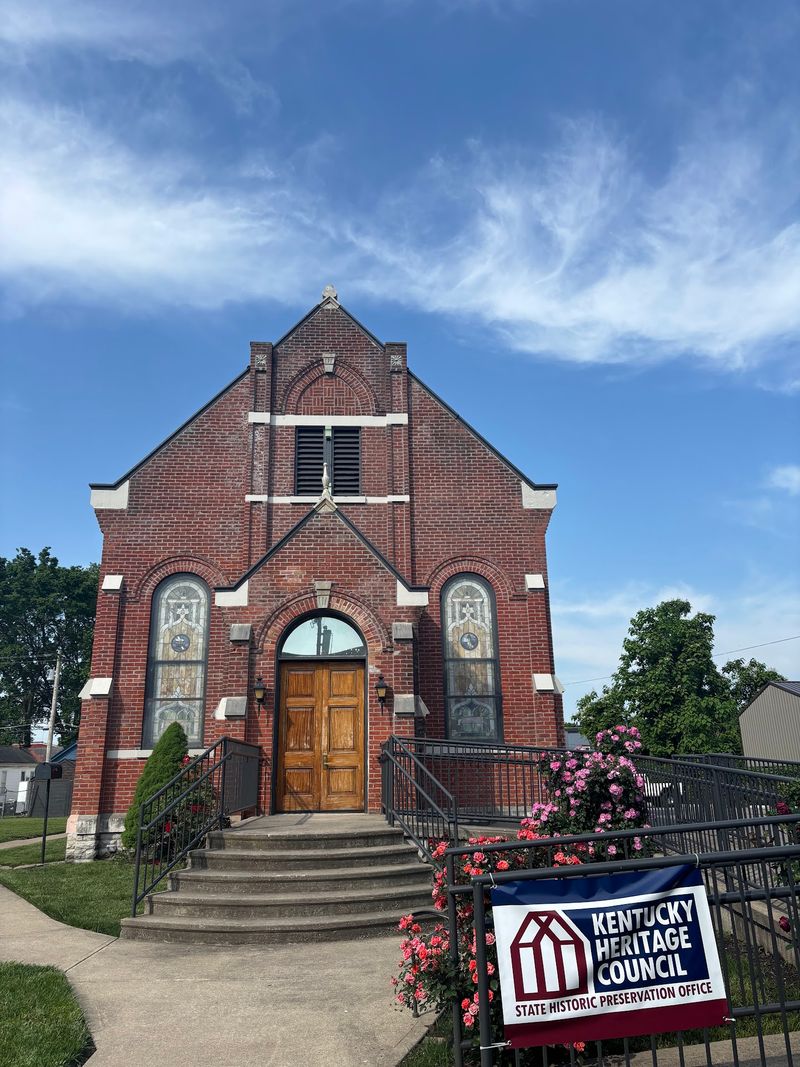
The name comes straight from organ terminology. Prestant refers to the open diapason of an organ, which tells you where the priorities sit.
Inside The Sanctuary stands an original 1924 Tellers-Kent pipe organ. It anchors a room full of intricate stained glass and careful craftsmanship.
The century-old building now operates as a nondenominational church venue. Historic details were kept rather than covered up during renovation.
Four spaces carry the workload: The Sanctuary, The Parlor, The Lounge, and The Hall. That variety lets one event move through several moods.
The Hall suits dancing or corporate gatherings. A full-service bar and chef’s kitchen support whatever the schedule calls for.
For weddings, the setup covers the whole day. A traditional church handles the ceremony, and a renovated space takes over for the reception.
Visit at 720 York St, Newport, and you are minutes from the river and Cincinnati’s skyline. Guests from out of town appreciate how central it feels.
Ask about the organ if you tour the building. Instruments this old rarely survive a conversion, and this one did.
Consider how your timeline uses each room. Four spaces reward a little planning ahead.
12. The Starlit Sanctuary
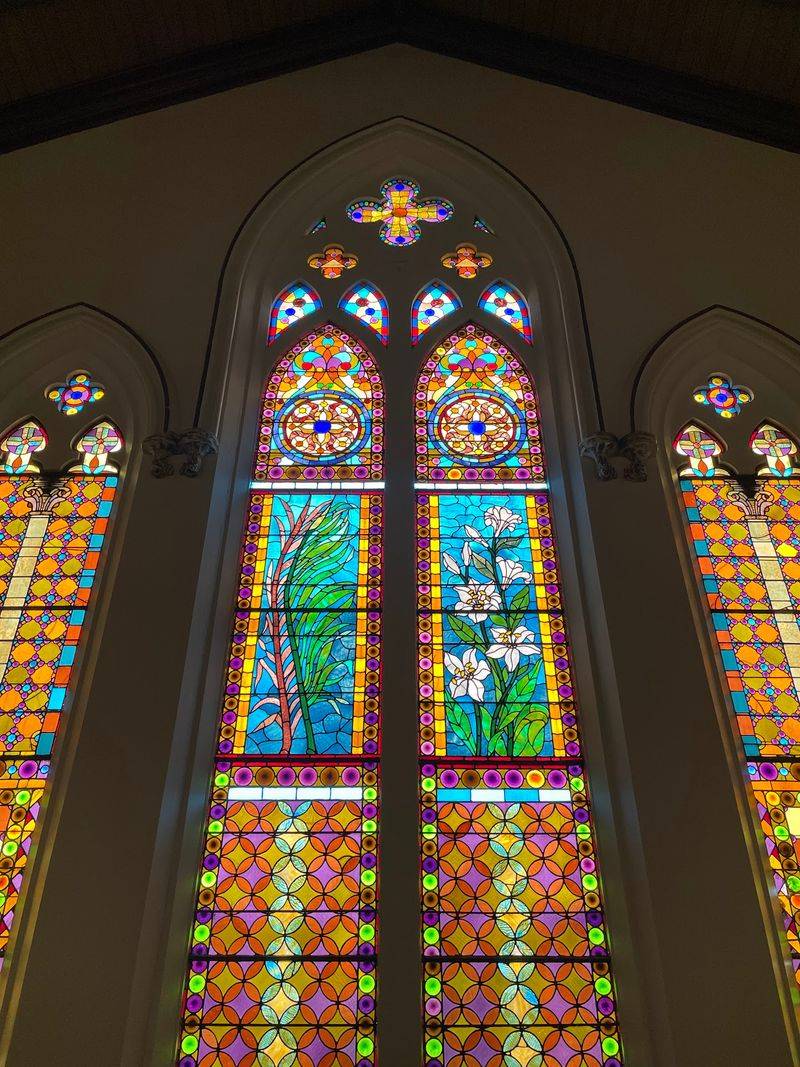
Guests here get to leave a permanent mark, and it involves stars. A feature called the Stairway to Heaven and a space named Constellation Hall let visitors add stars and names to the walls.
The building was constructed in 1866 as the First United Methodist Church. Every one of its stained glass windows is original to the structure.
Wooden pews still fill the sanctuary beneath tall historic ceilings. The room has kept its character while shedding its formality.
Today it serves as a non-denominational wedding and event venue. Couples who marry here can sign their names on a foyer wall.
The Community Montessori School manages the property. Rental proceeds go toward the school’s scholarship fund, so bookings support local students.
The location is 501 Greenup St, Covington, inside the Licking Riverside neighborhood. Those streets are lined with some of the prettiest old homes in northern Kentucky.
Take a walk through the neighborhood before or after a tour. The riverside blocks make the whole visit feel worthwhile.
Look for the signatures and stars while you are inside. Reading other people’s names turns the walls into a kind of guest book.