This Nebraska Coffee Shop Pours Espresso Inside An Old Bank With A Pool Table
Somewhere in northwest Nebraska, on a downtown corner where the storefronts still have their original glass, there’s a building that used to hold a town’s savings behind a heavy door. Now it holds espresso machines, a pizza oven, and the soft clack of pool balls.
I walked in expecting a quick cup before getting back on the highway and ended up staring at a mosaic tile floor for a full minute. Some buildings get torn down when the money leaves.
This one just started serving breakfast.
A Corner Bank on Chadron’s Second Street
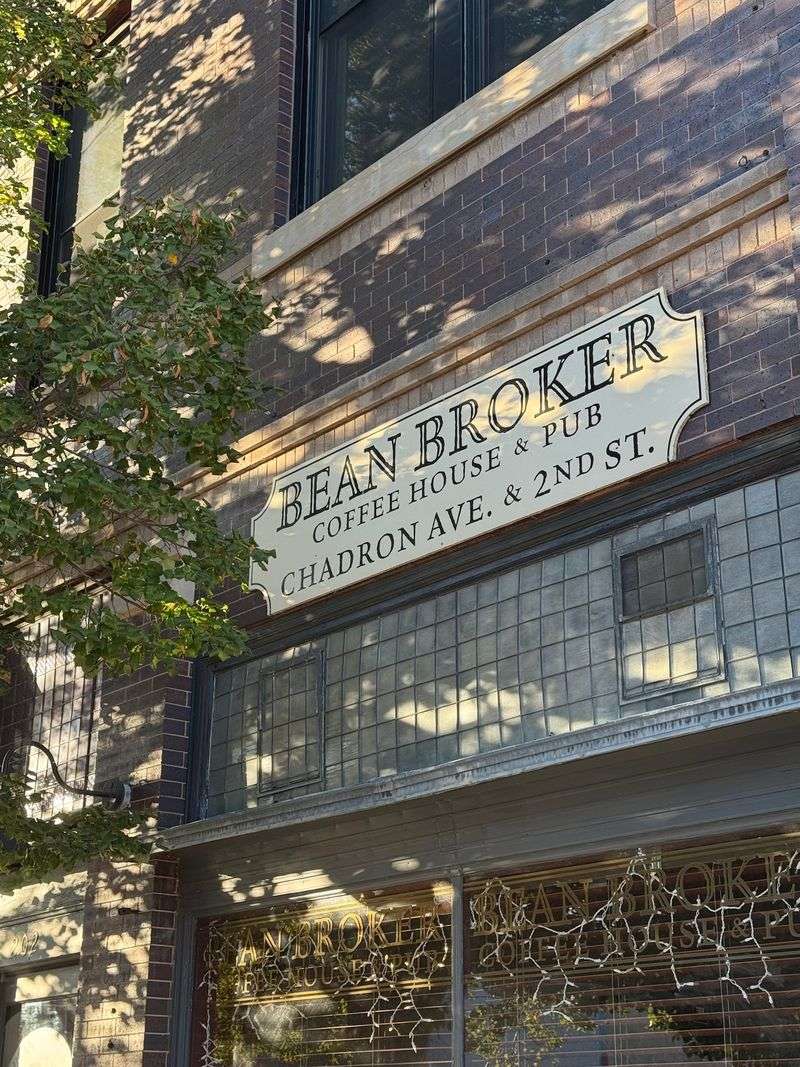
Brick, corner entrance, tall windows set in stone trim. The building at the heart of downtown Chadron reads like what it was, a bank put up in 1912 for Citizens State Bank, and nobody has tried to hide that.
Chadron sits in Dawes County up in the Nebraska Panhandle, closer to the Black Hills than to Lincoln, and its downtown has held onto an unusual amount of its original streetscape. Bean Broker Coffee House and Pub occupies the ground floor of what’s called the Mildred Block, a Prairie School structure that still carries its early detailing.
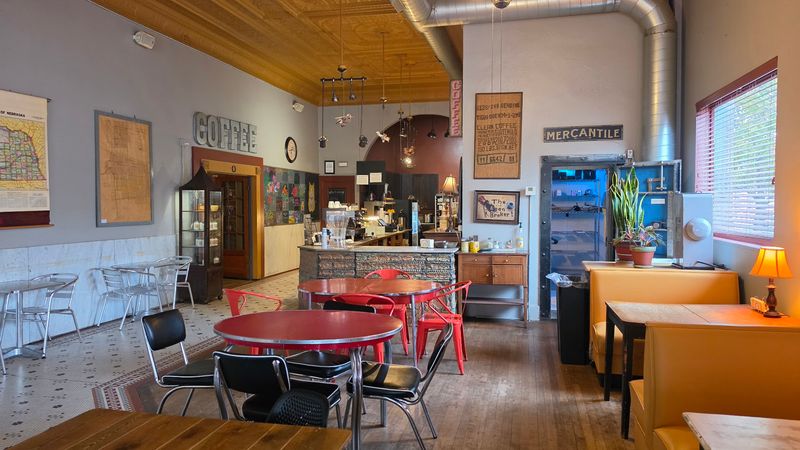
Walk through the door and the first surprise isn’t the coffee. It’s the floor, an original mosaic tile pattern that has survived more than a century of boots.
Overhead, a pressed tin ceiling runs the length of the room, and prismatic glass transoms throw daylight deeper inside than you’d expect.
The espresso machine hisses against all of that. A pool table sits toward the back.
It’s a coffee shop, a kitchen, and a gathering room stacked inside a building that once counted cattle money.
From Citizens State Bank to Coffee Counter
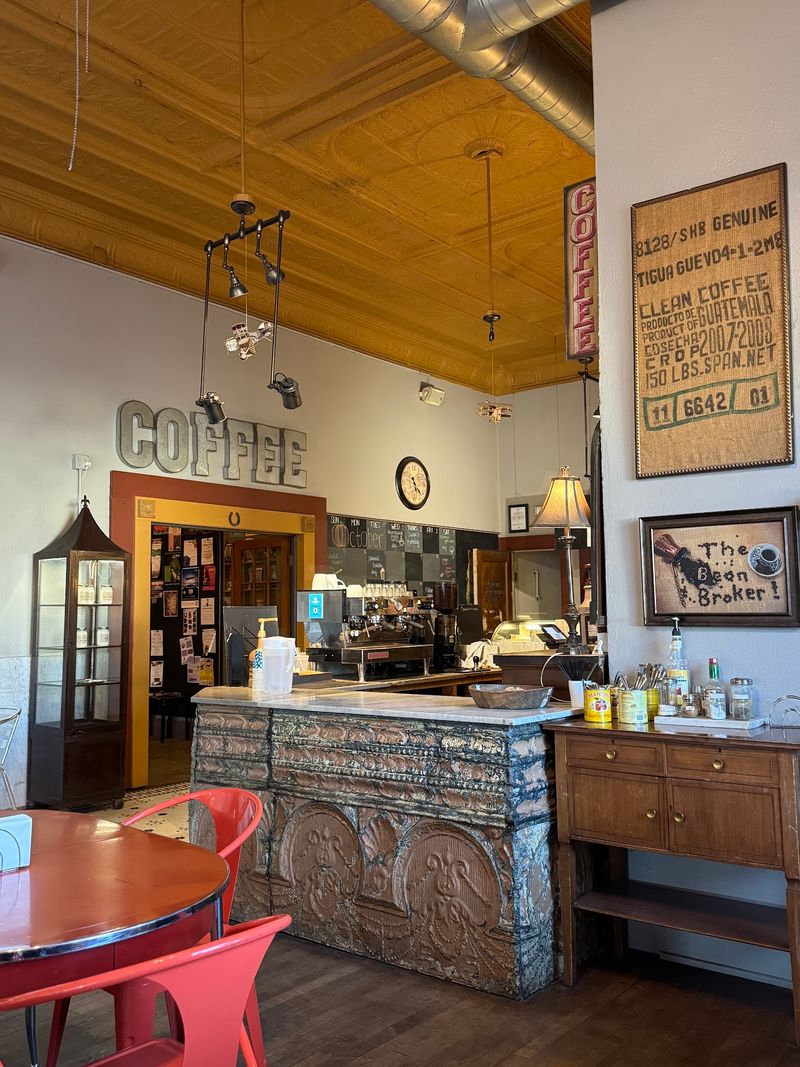
Banks don’t usually get second lives this good. Plenty of small-town Nebraska bank buildings ended up as insurance offices, storage, or empty shells with paper over the windows.
This one opened in 1912 as Citizens State Bank, part of the Mildred Block, built during a stretch when Chadron was a serious railroad and trade hub for the northwest corner of the state. Prairie School architecture was fashionable then, and the design shows it in the geometry of the trim and the way light gets handled.
What makes the conversion land is restraint. Instead of stripping the interior down to drywall, the restoration brought back original work wherever it could be brought back, tile, tin, transom glass, woodwork.
That history is the reason people linger. Regulars and road-trippers alike comment on the building more than almost anything else, and staff have been known to walk newcomers around and point out details they’d otherwise miss.
A vault-era building pouring lattes is the kind of reuse that keeps a main street breathing instead of hollowing out.
The Mosaic Floor, Tin Ceiling, and Prismatic Glass
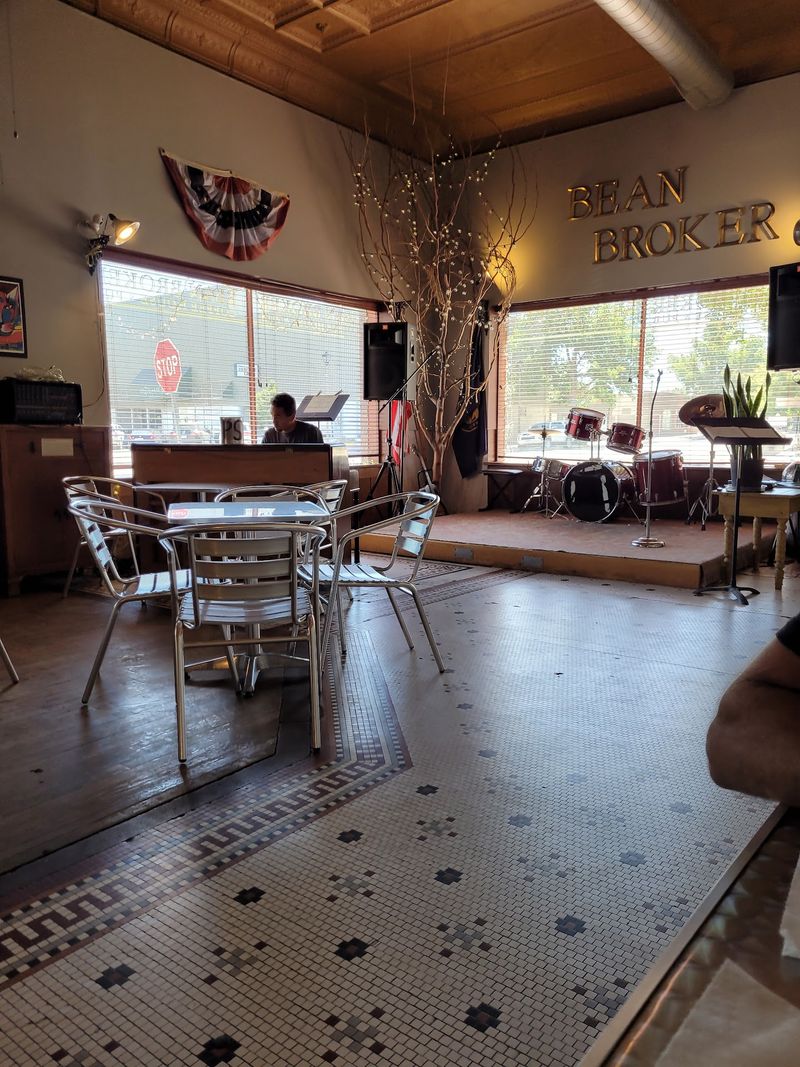
Look down first. The mosaic tile floor is laid in small pieces, worn smooth in the traffic lanes, and it’s the single most convincing piece of evidence that this room predates everyone standing in it.
Then look up. Pressed tin panels cover the ceiling in a repeating stamped pattern, the sort of thing that took a specialty catalog order in 1912 and would cost a fortune to replicate now.
Above the storefront windows sit prismatic glass transoms, ribbed panes engineered to bend daylight back toward the interior before electric lighting was dependable. They still work, which is a small architectural pleasure.
Shelves and walls carry an accumulation of objects, framed pieces, odds and ends, the kind of layered clutter that rewards a slow scan while your drink cools. You can come in just to read the walls.
Prairie School buildings this intact are not common in the Panhandle. Having one you can sit inside, with a mug in hand and no admission fee, is a better deal than most museums offer.
Espresso, Chai, and the London Fog Habit
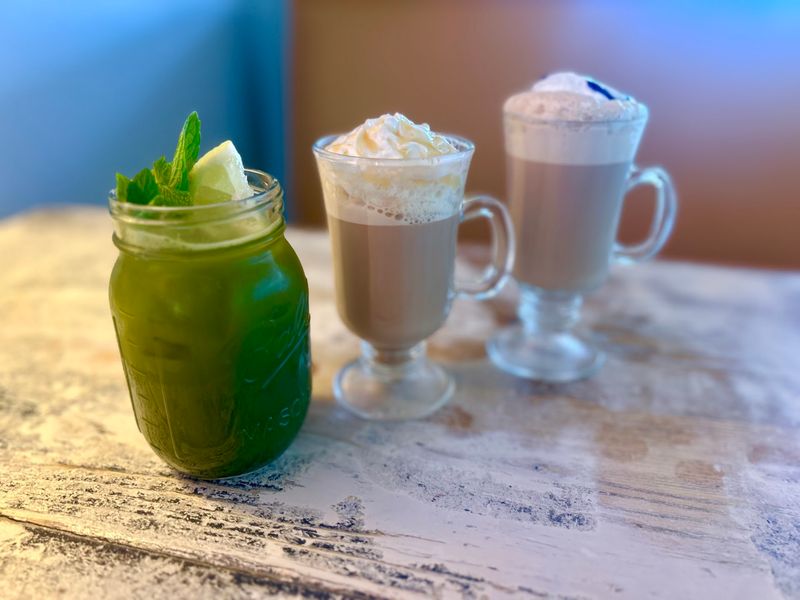
Coffee is the anchor, and the drink list runs wider than a small-town cup of drip. Espresso drinks, lattes, chai, tea, and a London Fog that works nicely on a cold Panhandle morning all come across the counter.
The coffee selection gets steady mention, and the espresso work is the reason plenty of people pull off Highway 20 in the first place. Matcha shows up too, alongside a rotating cast of blended and specialty drinks with names that lean playful.
Ordering happens at the counter. You give your name, they call it out, and you find a table or a spot near the windows.
Not every cup lands perfectly, and the staff are direct about fixing it when something’s off, which counts for more than pretending it never happens.
For travelers crossing that empty stretch between Valentine and the Wyoming line, a properly pulled shot in a 1912 bank lobby is a meaningful upgrade over a gas station carafe. Prices sit in comfortable territory for a casual stop.
Racking Up a Game in the Back Room
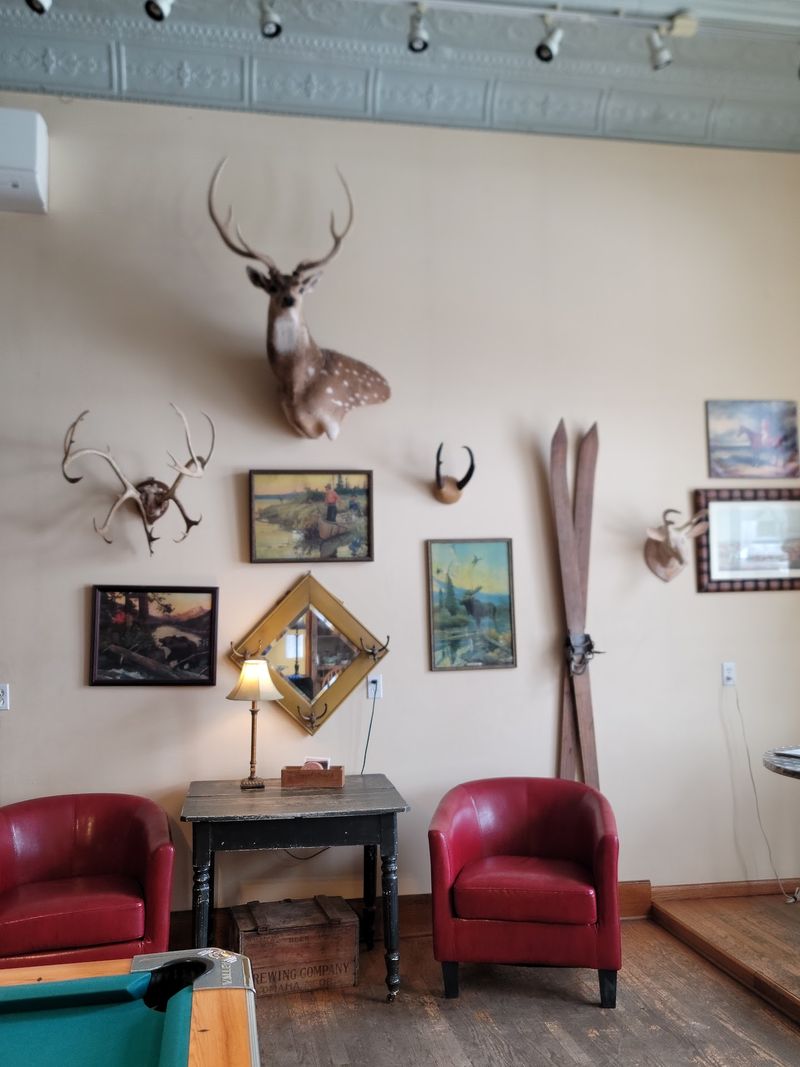
A pool table inside a coffee shop shouldn’t work as well as it does. Toward the back of the building, past the counter and the tables, there it sits under hanging light, cues on the wall, ready for whoever wants a game.
It changes the math on how long you stay. A coffee stop is fifteen minutes.
A coffee stop with a table to shoot on becomes an hour, then two, and suddenly you’ve talked to three people you didn’t know.
The back area has its own feel, a little darker and more lived-in than the bright front room with the storefront windows. Board-game-and-billiards energy, minus any pretension.
People show up specifically to shoot pool and drink something good in a building that once handled deposits. That combination doesn’t exist in many Nebraska towns, let alone one of roughly five thousand people.
Bring quarters or ask at the counter about how the table works. And expect to lose at least one game to someone who has clearly been practicing here for years.
Biscuits and Gravy Before Sunup
Doors open early, before most of Chadron is moving. That makes this one of the first places in Dawes County where you can get a real breakfast and a real coffee at the same table.
Biscuits and gravy come up constantly in conversation about the kitchen, and the frittata has its own following. There’s a breakfast sandwich called the 2nd Street Eggs, named for the street outside, and it delivers more than a drive-thru muffin ever will.
Pastry case items rotate. Fresh fruit Danish, boysenberry croissants, and whatever else the morning brings tend to go before noon.
Morning light through the prismatic transoms hitting a tin ceiling while you work through gravy and biscuits is a specific kind of Nebraska pleasure, and it costs about what a chain breakfast costs.
If you’re heading north toward Fort Robinson or Pine Ridge, or west toward the Wyoming border, this is the logical fueling stop. Get there early, because the pastry selection thins out fast on busy mornings.
Pesto Pizza and a Menu That Grew Up
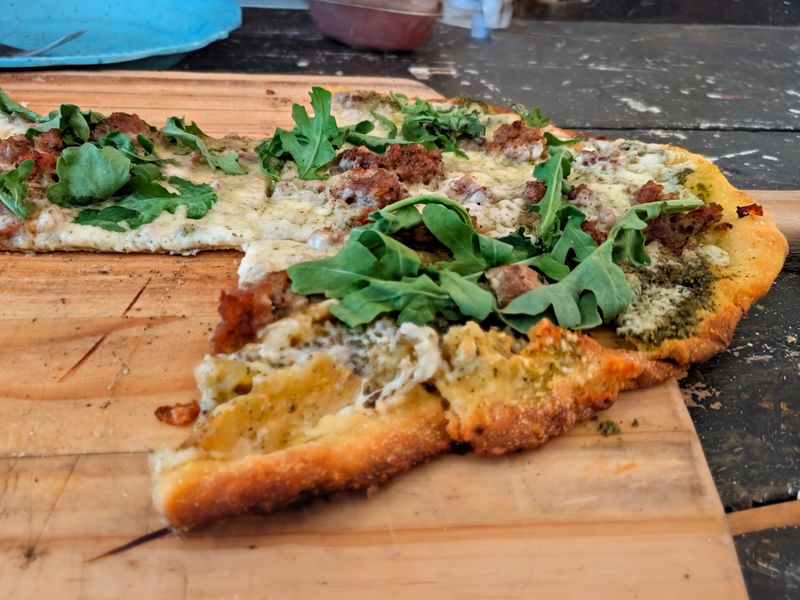
Ten years ago this was mostly a coffee shop with simple food. The menu has expanded considerably since, and pizza turned out to be the surprise headliner.
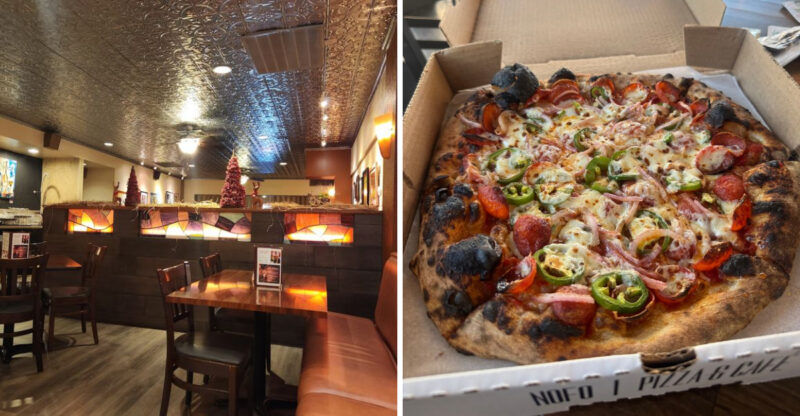
The pesto pizza gets talked about more than anything else on the list. Crust slightly charred at the edges, chewy inside, toppings pushed all the way out to the rim rather than stopping short.
Nachos hold their own too.
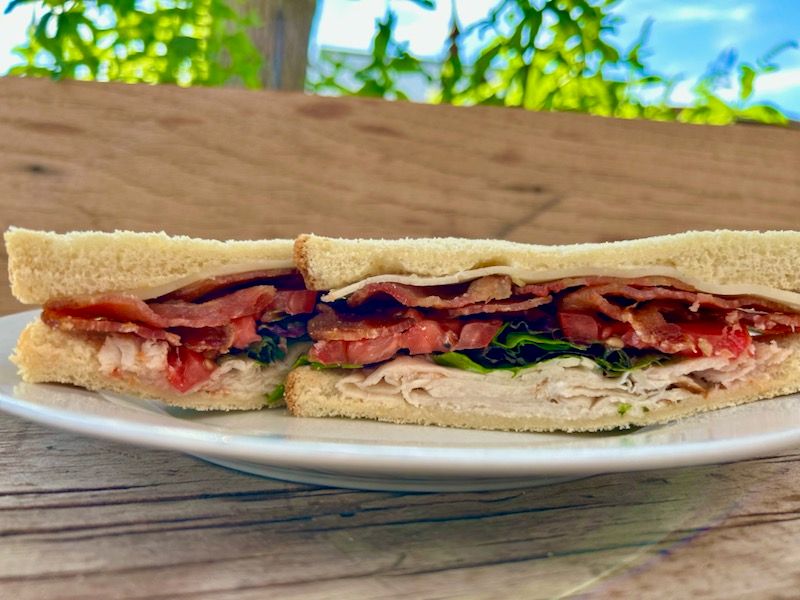
Beyond pizza there are paninis, wraps, salads, and sandwiches, including a Reuben for the Nebraska crowd that considers that sandwich a matter of state pride. Chicken Caesar wraps come out fresh.
Vegetarians get genuine options here, not one sad afterthought at the bottom of the page, which is rarer than it should be in a ranching region.
Kitchen timing can stretch when the room fills up, so a leisurely lunch is the right mindset rather than a rushed one.
Eating a well-built pizza under a 1912 tin ceiling for the price of a casual meal is a solid trade in anyone’s book.
Open Mic Nights and Live Music Under the Tin
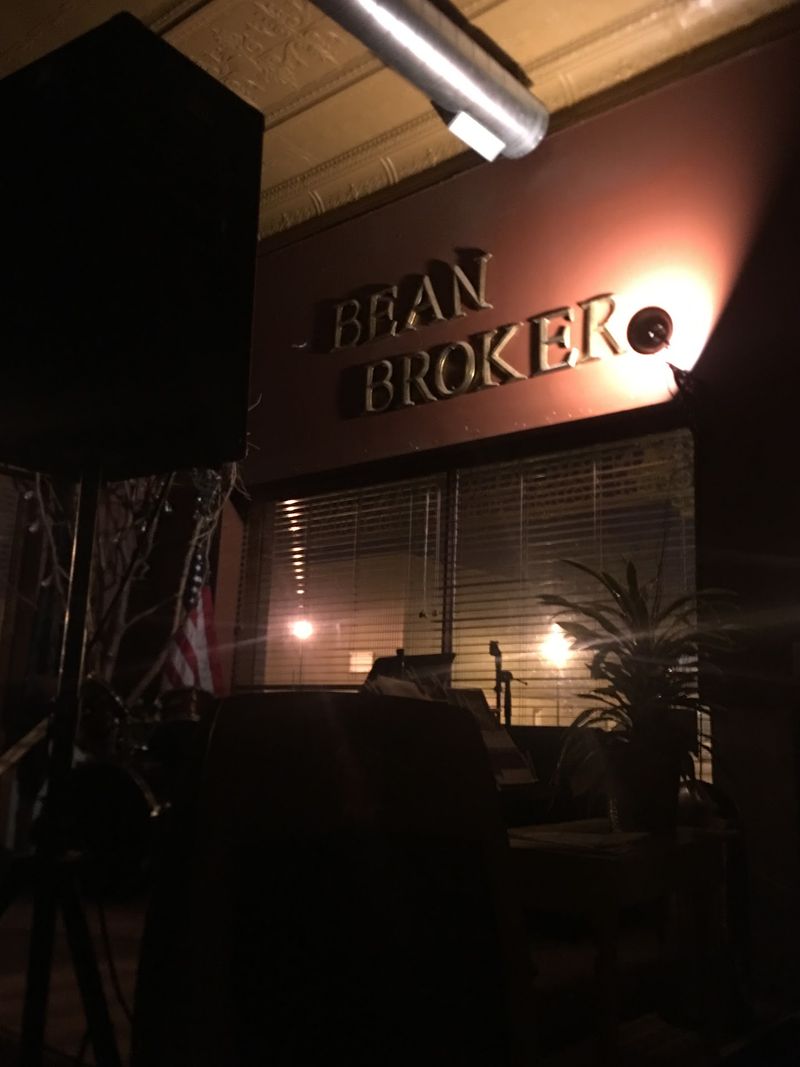
Evenings shift the character of the room. The espresso machine keeps running, but a microphone appears and the tables rearrange themselves around whoever is playing.
Live music is a regular fixture, and open mic nights bring out Chadron State College students, area musicians, and people who just decided tonight is the night they finally play in front of strangers. The acoustics inside a hard-surfaced 1912 bank lobby give everything a bit of natural lift.
Programming like this does something for a Panhandle town that’s a long way from any city. It creates somewhere to go after dark that isn’t a parking lot or a television.
Closing time runs later than a typical coffee shop, which is what makes the music schedule possible in the first place. Hours stretch further on weekend nights.
Check ahead before you drive in for a specific act, because the lineup moves around with the seasons and the school calendar. Winter in northwest Nebraska has a way of rearranging plans regardless of what was scheduled.
Tottie the Sidewalk Cat
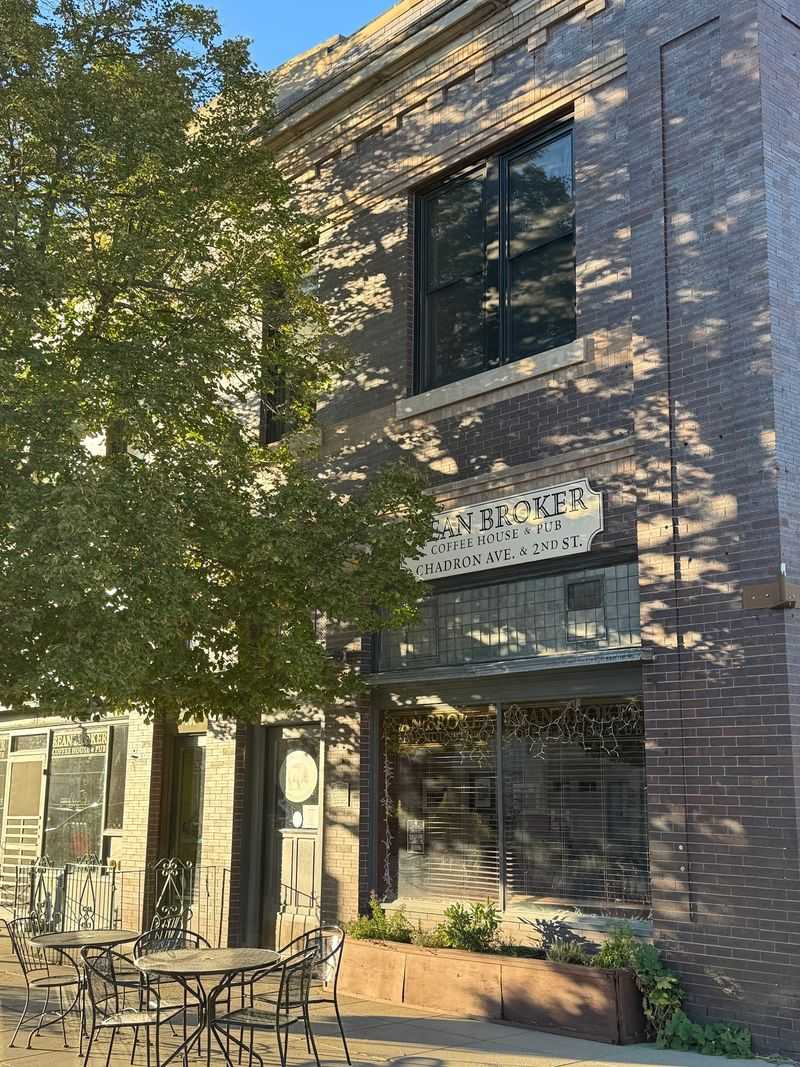
Every good building deserves a resident animal, and this one has a cat. Tottie works the sidewalk out front, greeting arrivals with the exact blend of affection and indifference cats have perfected.
Kids stop to pet her. Adults stop to photograph her.
She permits both, on her terms, then returns to whatever patch of warm concrete she’d claimed.
Dogs are welcome at the outdoor seating as well, which makes this a reasonable stop if you’re road-tripping with a travel companion who can’t come inside. The cat seems unbothered by the arrangement.
Little details like a shop cat are what separate a place people remember from a place people pass. You can get espresso anywhere.
You cannot get espresso in a 1912 bank building while a cat supervises the sidewalk in most of the country.
She isn’t always on duty, so no guarantees. But if you pull up on a mild afternoon and find a cat holding down the entrance, you’ll know you’re at the right door.
The People Behind the Counter
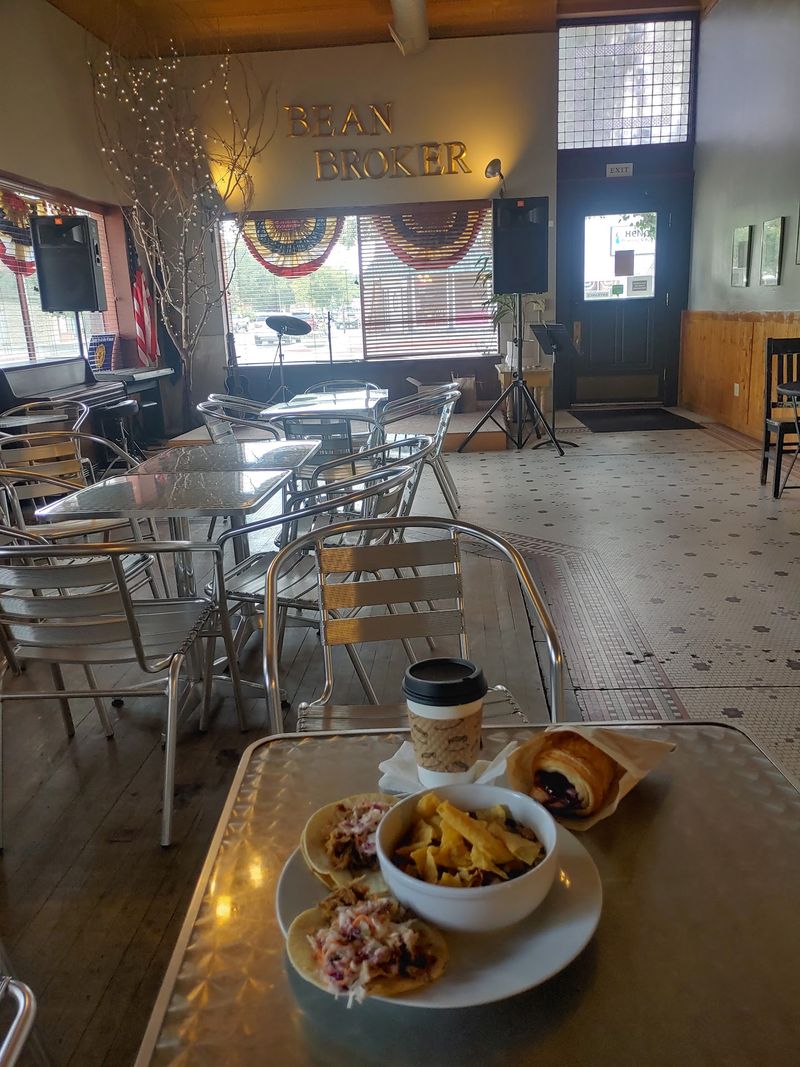
Friendliness comes up in conversation about this place more than the building, the pizza, or the pool table combined, which is saying something given the tile floor.
The owner is often on the floor, talking with whoever walks in and handing out recommendations for the rest of the area, from Fort Robinson State Park to the Pine Ridge buttes north of town. Baristas have been known to give impromptu tours of the historic space to travelers who ask about it.
Staff remember faces. In a town this size, that isn’t a service strategy, it’s just how things work.
Orders happen at the counter, names get called, and the whole rhythm feels more like a community room than a transaction. Former mayors, college students, ranchers, and tourists end up at adjacent tables.
When something goes sideways with an order, management addresses it head-on rather than shrugging. That responsiveness is part of why the place has held its reputation across decades and menu changes.
Warmth like that is hard to manufacture.
Who Fits Right In Here
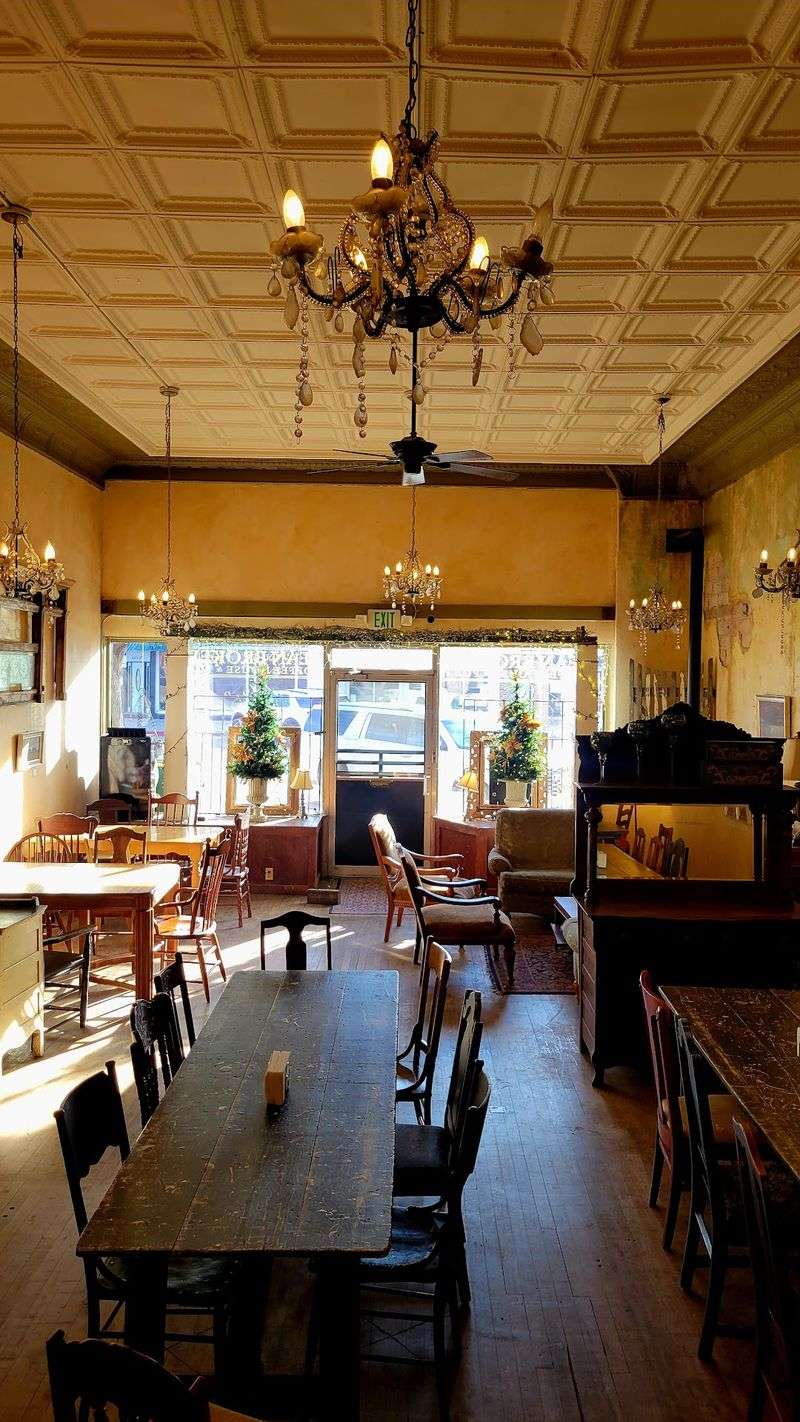
Picture the room mid-afternoon: a student with a laptop near the windows, a retired couple splitting a Danish, two people taking turns at the pool table, someone reading with a chai going cold at their elbow.
That mix is the answer to who this suits. College crowd from Chadron State, families passing through on the way to the Black Hills, retirees who remember the building before it was a coffee shop, and cyclists or hikers coming off the Pine Ridge trails.
Vegetarians eat well. Dog owners can sit outside.
Kids get a cat.
History-minded travelers get the most out of it, because the payoff isn’t only in the cup. Prairie School architecture, original tile, and pressed tin are real attractions on their own.
If you want fast and anonymous, this isn’t the shape of it. The room invites you to slow down, and the kitchen sometimes takes its time.
For anyone who thinks a drive across the Sandhills should end somewhere with character, this fits the assignment neatly.
Getting There and Planning the Nebraska Drive
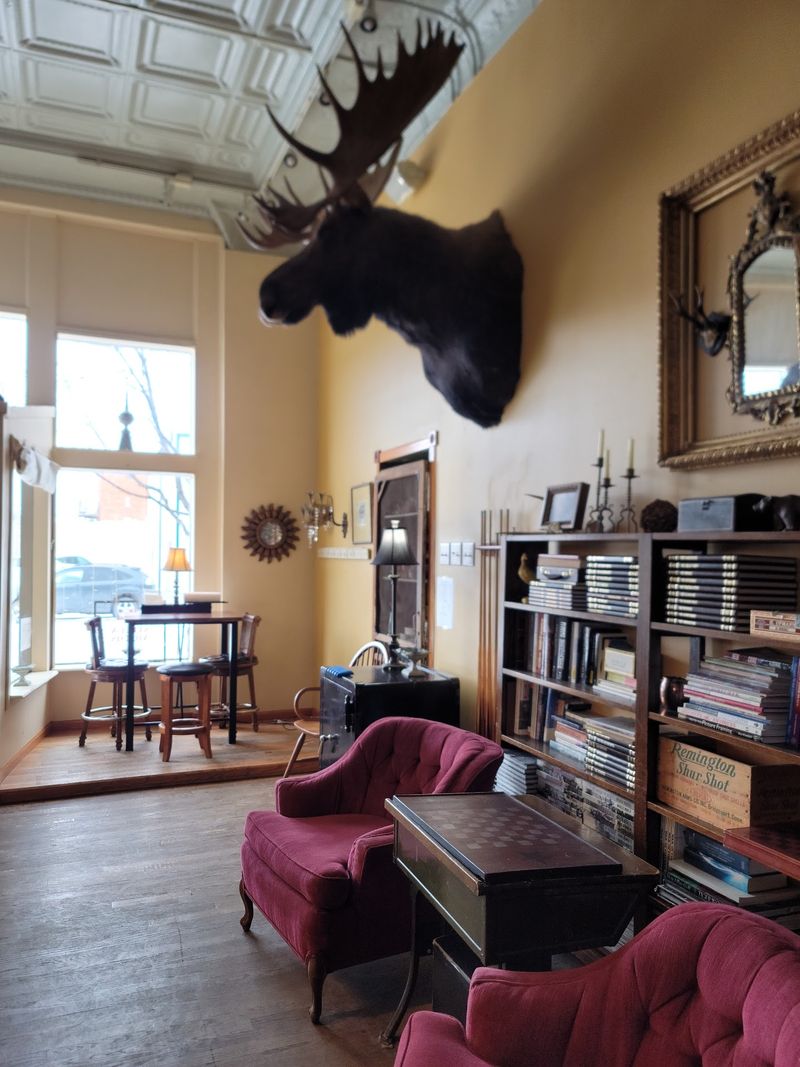
Chadron sits at 202 W 2nd St for the address you’ll punch in, right in the middle of downtown in Dawes County, a few blocks off Highway 20 in Nebraska’s northwest corner.
It’s a genuine drive from anywhere populous. Roughly seven hours from Omaha, about six from Lincoln, and a shorter run from Rapid City or Scottsbluff.
The reward is the route itself, whether you come up through the Sandhills on Highway 2 or angle over from the North Platte valley.
Doors open early and stay open into the evening, later on weekends, with Sundays off. Check before you drive out, because small-town schedules shift with seasons and events.
Fall is the strongest window. The Pine Ridge escarpment north of town turns, Chadron State Park’s canyons look their best, and Fort Robinson is still in full swing before winter closes things down.
Street parking is generally easy. Budget an hour minimum, more if the pool table or a music night pulls you in.
Why the Old Vault Building Still Earns the Detour
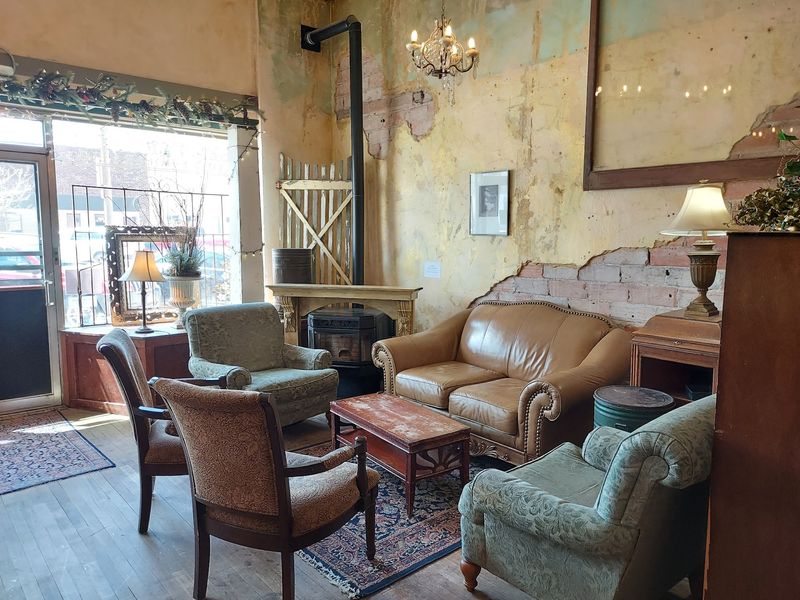
Most towns lose their bank building eventually. It goes vacant, then it goes quiet, then it goes down, and the block never quite recovers its shape.
Chadron kept its. More than a century after Citizens State Bank opened those doors, the mosaic floor is still underfoot, the tin ceiling is still overhead, and the prismatic transoms are still doing the job they were engineered for.
What fills the space now is espresso, biscuits and gravy, pesto pizza, a pool table, and music on a weeknight. Not a museum piece, a working room.
The kitchen occasionally runs behind and not every drink is flawless, which is true of any place that makes things by hand. What doesn’t waver is the setting and the welcome at the counter.
For a Nebraska day-out with a real payoff at the end, few things beat crossing the Panhandle and pulling up to a 1912 bank that decided to become the most useful room in town.
Go for the coffee. Stay because you racked up a game.