The Gorgeous State Park In Nebraska That Will Make Everyday Stress Feel Far Away
Stress starts sounding a lot less convincing around wide trails and quiet water.
Emails lose urgency there. So do traffic, group chats, and whatever was pretending to be important back home.
A Nebraska state park with enough scenery can reset the mood faster than most weekend plans ever manage.
Nobody expects trees, river views, or a peaceful trail to reorganize their brain a little, but somehow it happens anyway.
The pace changes first. Then the breathing does. Soon the only real decision left is whether to keep walking or sit still.
Missouri River Views Make The Escape Feel Immediate
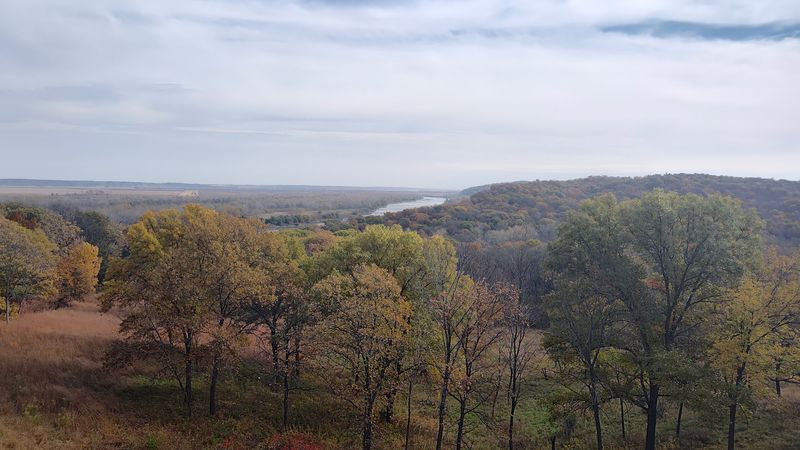
Standing at one of the bluff-top overlooks at Indian Cave State Park, the Missouri River stretches wide and unhurried below, and that single view does more for the mood than almost anything else the park offers.
The park sits along the river’s edge in southeastern Nebraska, covering nearly 3,400 acres of forested bluffs and hardwood terrain.
That setting is not accidental; the landscape was chosen for protection precisely because it holds something rare and worth preserving.
Long sightlines across the water give the place a feeling of openness that is hard to find closer to town.
The river does not rush or disappear behind buildings; it simply keeps moving at its own pace, which makes the whole visit feel slower in a good way.
Visitors who stop at the overlooks often linger longer than planned, which says something honest about how the scenery affects the pace of a day.
The bluffs add shape and depth to the landscape, so the view never feels flat or predictable.
Morning light catches the water differently than afternoon light does, and both are worth seeing.
Rugged Acreage Creates Room To Breathe
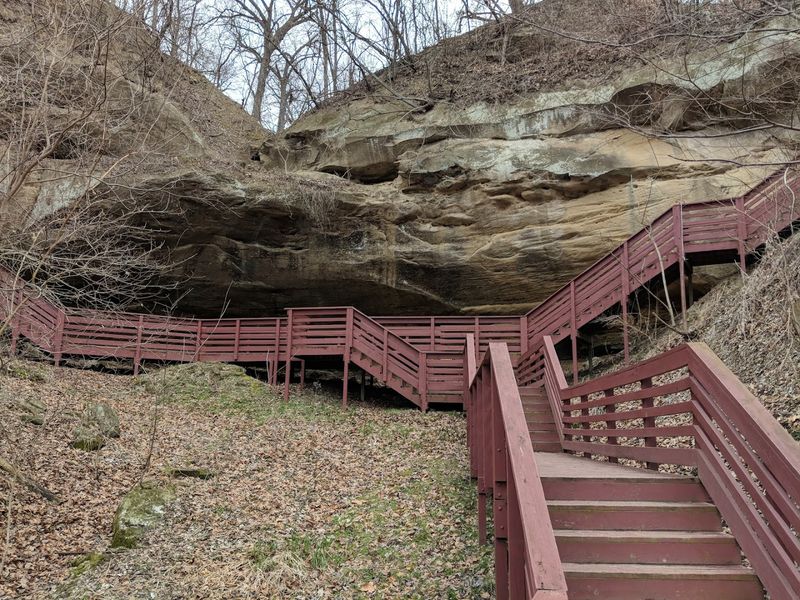
Nearly 3,400 acres of forested bluffs, river access, and winding roads give the park a scale that feels genuinely generous rather than just technically large.
The terrain here is not flat or easy; the Loess Hills that define the landscape are steep, layered, and covered in hardwood forest that locals sometimes compare to the Ozarks.
That ruggedness is part of what makes the place feel so removed from the routine of everyday life.
Visitors who expect flat Nebraska farmland tend to be pleasantly surprised by how dramatic the topography actually is.
The hills roll and rise sharply, the tree canopy closes overhead on many trails, and the park roads wind in ways that make the drive itself feel like part of the experience.
There is enough variety in the terrain to keep a full weekend interesting without ever repeating the same view twice.
The size of the park also means that even on busier days, it is possible to find a quieter stretch of trail or a picnic spot that feels completely private.
Space is genuinely available here, and that alone changes the quality of a visit.
Hardwood Forest Adds A Calming Canopy
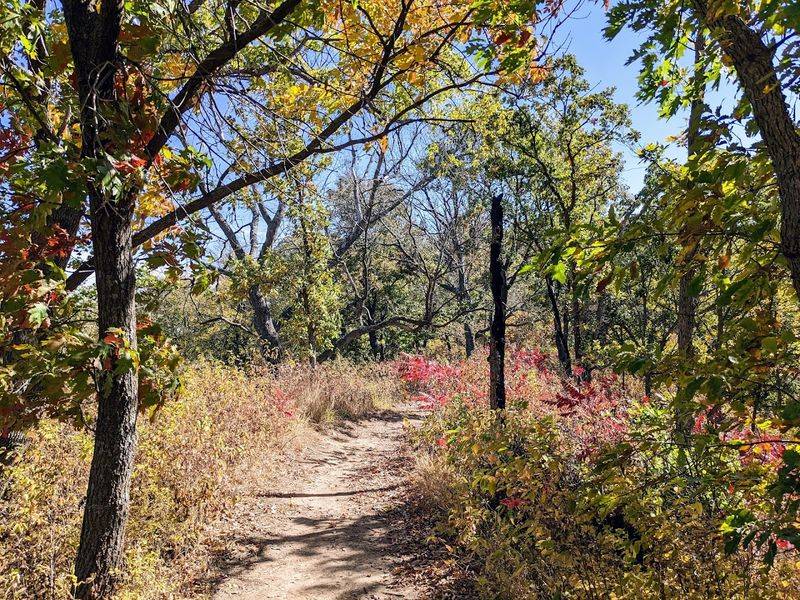
Mature trees are everywhere at Indian Cave State Park, and walking beneath them feels noticeably different from being out in the open.
The hardwood forest here includes species that have been growing undisturbed for decades, and their canopy creates a soft, filtered light that changes the whole atmosphere of a trail.
In autumn, the color shift across those trees turns the park into something genuinely spectacular.
Shade is a practical benefit in warmer months, but the forest offers more than just relief from the sun.
The sound environment under the canopy is quieter, the air tends to feel cooler, and the visual texture of bark, leaves, and dappled ground light gives the eye something restful to follow.
That combination of sensory details is part of why a walk through the forest here feels slower and more restorative than a walk in an open field.
Fall visits are especially popular because the hardwood species turn vivid shades of orange, red, and yellow across the bluffs.
The color is visible from the river overlooks and from deep within the trails, which means the experience stays layered no matter where a visitor chooses to spend time.
The forest here does not feel like a backdrop; it feels like the whole point.
Scenic Trails Stretch For Miles
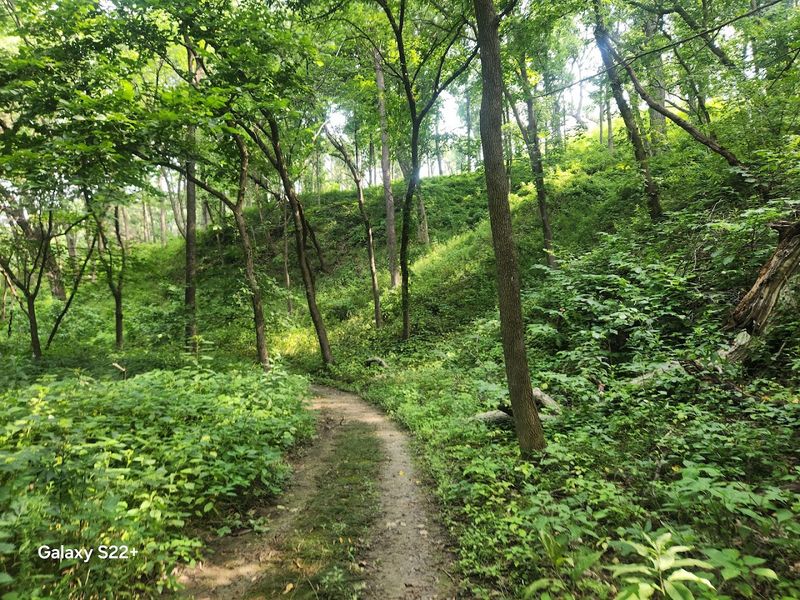
Twenty-two miles of hiking and biking trails wind through the park, covering everything from gentle forested paths to steep bluff climbs with river views at the top.
The range of difficulty means that a casual afternoon walker and a serious hiker can both find something satisfying here without feeling like the park was designed for only one type of visitor.
Trail difficulty ranges from easy to challenging, and the hillier routes provide a real workout.
Most trails are dirt or grass surface, which keeps the experience feeling natural rather than manicured. After rain, some sections can get slippery on the slopes, so solid footwear makes a meaningful difference.
Trail 8A runs close to the river and offers some of the most scenic stretches in the entire park, while trails in the bluff areas reward the climb with long views across the Missouri.
The trail network also connects to backcountry campsites, which means a hike can turn into an overnight stay without needing to return to the main campground.
That kind of flexibility makes the trail system feel less like a fixed attraction and more like a way to shape the visit around personal pace and preference.
Hikers who spend a full day on the trails often say they still have not covered everything the park offers.
The Cave And Its Petroglyphs Add A Quiet Sense Of Wonder
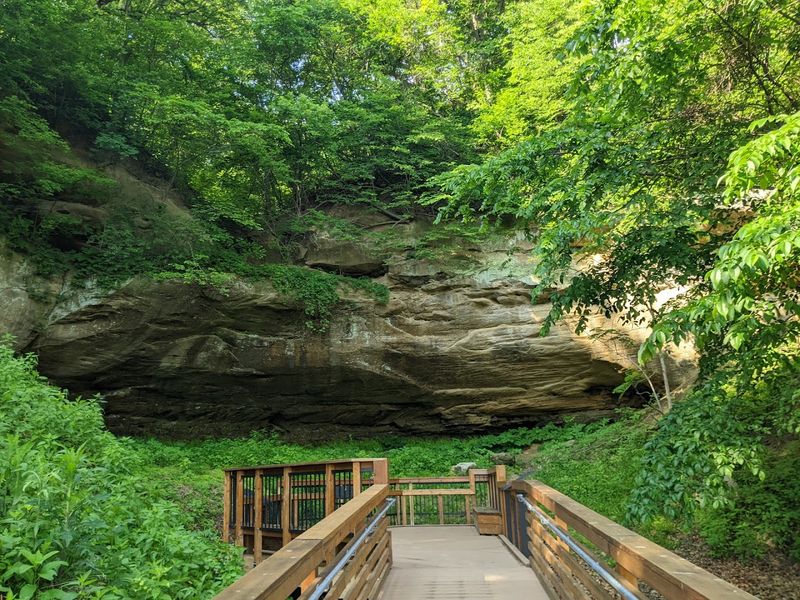
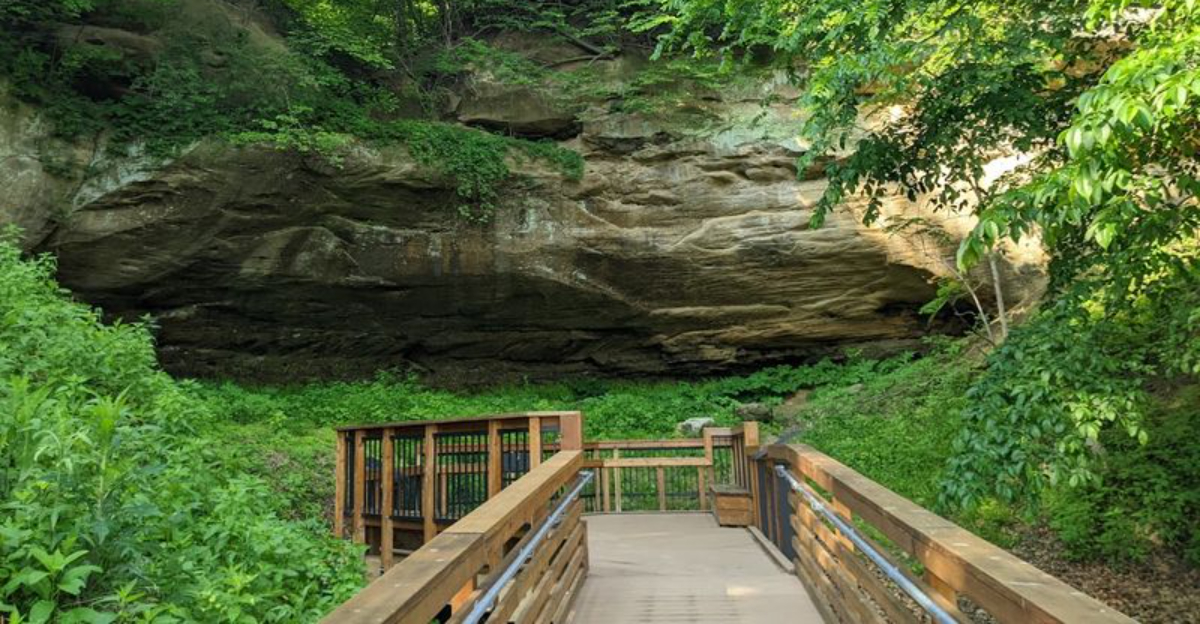
The park’s namesake feature is a large sandstone overhang rather than a deep cavern, and that distinction matters for setting the right expectations before arriving.
What it lacks in depth, it more than makes up for in historical weight.
The surface of the overhang holds prehistoric petroglyphs, ancient carvings of animals and human figures believed to be thousands of years old, though their exact origins and age remain genuinely unknown.
Visitors reach the cave via an ADA-accessible boardwalk that includes benches, informational signs, and a viewing deck positioned below the cave opening.
The setup encourages a slower, more thoughtful kind of visit rather than a quick glance and a photo.
Reading the signs, studying the carvings, and sitting with the age of the place for a few minutes tends to shift the whole rhythm of the day.
The boardwalk also offers views of the Missouri River along the route, so the walk to and from the cave adds its own scenic value.
Some of the petroglyphs have unfortunately been affected by vandalism over the years, which makes the informational signs especially helpful for understanding what the original carvings depicted.
Quiet Recreation Keeps The Day Easygoing
A visit here does not have to revolve around one big plan, which is part of why the park works so well as a stress-free escape.
Indian Cave State Park also offers quieter recreation options, including picnicking, birdwatching, disc golf, an outdoor archery range, and a reservable covered picnic shelter, giving visitors easy ways to enjoy the setting.
Wildlife watching adds another peaceful layer to the experience.
Nebraska Game and Parks notes that the park offers chances to spot deer, turkey, beaver, raccoon, woodchuck, and many bird species, including barred owls, Kentucky warblers, and scarlet tanagers.
The best part is how naturally these activities fit the park’s mood.
A picnic can stretch longer than expected, a bird call can pull someone deeper into the moment, and a casual round of disc golf can become an excuse to stay outside a little longer.
Not every getaway needs a packed schedule. Sometimes the most restorative parks are the ones that leave enough open space for the day to unfold gently.
St. Deroin Brings History To Life On Weekends
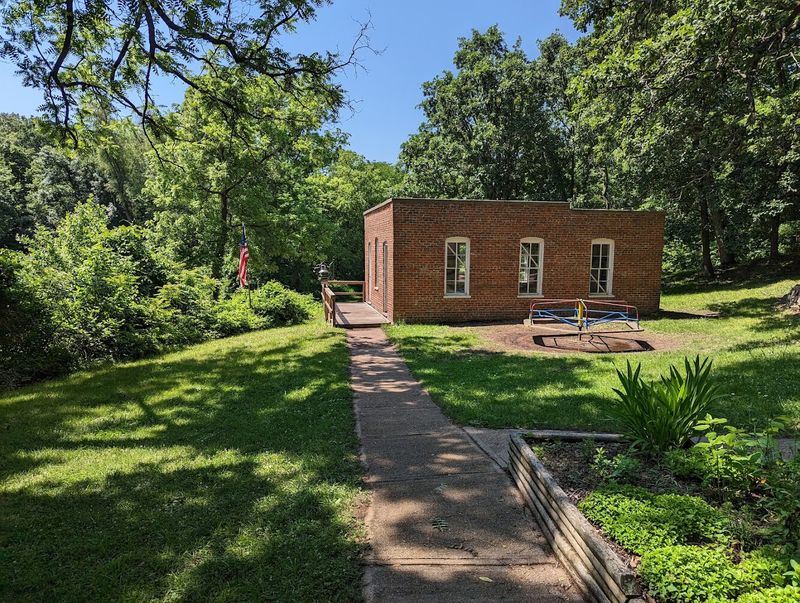
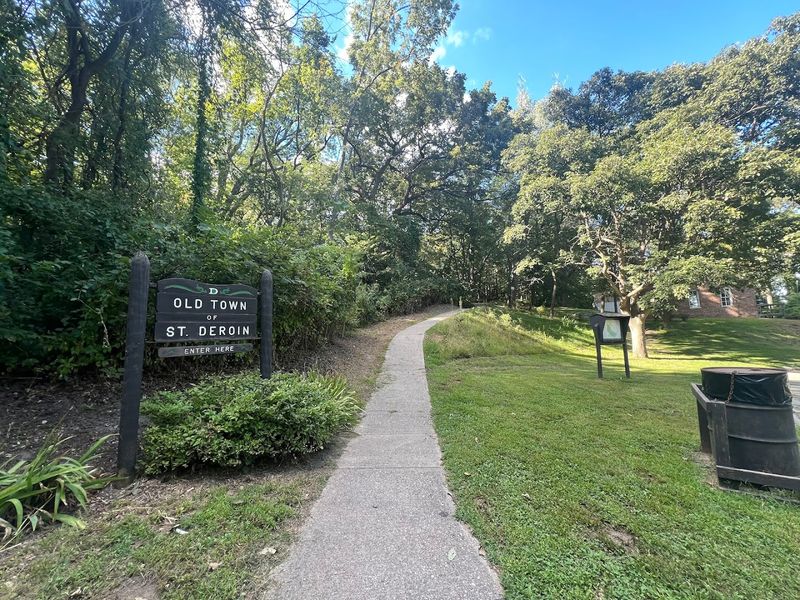
Hidden within the park is the partially reconstructed village of St. Deroin, established between 1853 and 1854 as part of the former Nemaha Half-Breed Reservation.
The village includes a restored schoolhouse and a general store, and on weekends from May through October, living history demonstrations bring the site to life with crafts like broom-making, soap-making, and blacksmithing.
That kind of hands-on history feels more memorable than a sign on a fence.
The demonstrations are offered seasonally, so timing a visit for a weekend during the warmer months adds a layer to the experience that a weekday visit would not include.
Watching traditional crafts performed in a setting that has been carefully preserved gives the place a texture that photographs alone cannot fully capture.
The village also sits near two early cemeteries, one of which requires a roughly one-mile hike to reach.
Lewis and Clark camped near this area in July 1804, which adds another layer of historical significance to a park that already holds prehistoric petroglyphs and a 19th-century village.
The combination of those timelines in one place makes St. Deroin feel genuinely worth the extra time it takes to explore.
Camping Lets The Quiet Last Longer
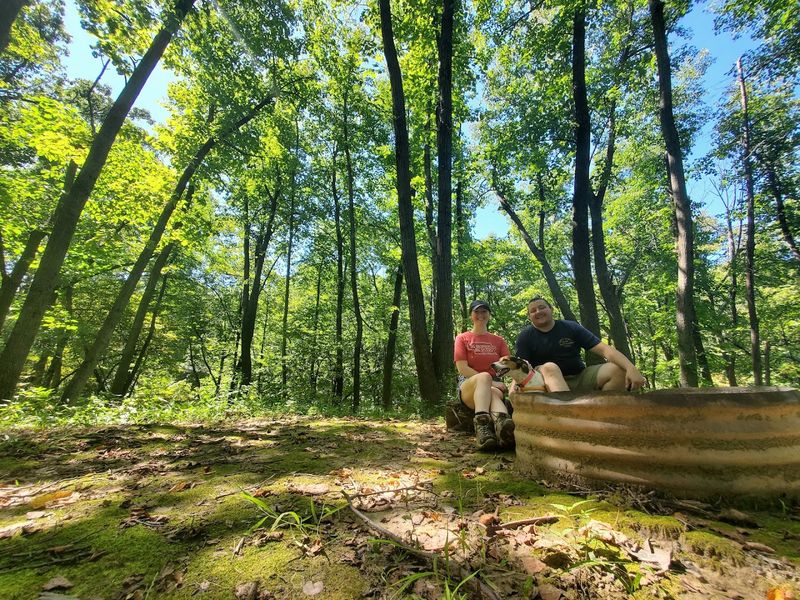
Staying overnight at Indian Cave State Park changes the whole nature of the visit from a quick trip into something that actually lets the quiet settle in.
Two main campgrounds, Ash Grove and Hackberry Hollow, offer Electric Plus and Electric sites with modern amenities including showers, restrooms, laundry facilities, picnic tables, fire pits, and dump stations.
Primitive and equestrian camping options are also available, with primitive sites open year-round for those who prefer a simpler setup.
The campgrounds sit within the forested park landscape, so the tree canopy stays present even at the campsite.
Evenings here tend to be genuinely dark and quiet, which makes stargazing a real possibility on clear nights.
The absence of city light and noise is something that becomes obvious quickly after sunset, and that shift alone tends to make the overnight stay feel worth the planning.
October brings a particularly festive energy to the campground, with the annual Haunted Hollow event drawing visitors who enjoy a seasonal atmosphere alongside the natural scenery.
The park also hosts living history weekends and a Christmas in July event throughout the year.