This Free Idaho Museum Is Packed With Fossils, Gemstones And Touch Zones Kids Never Forget
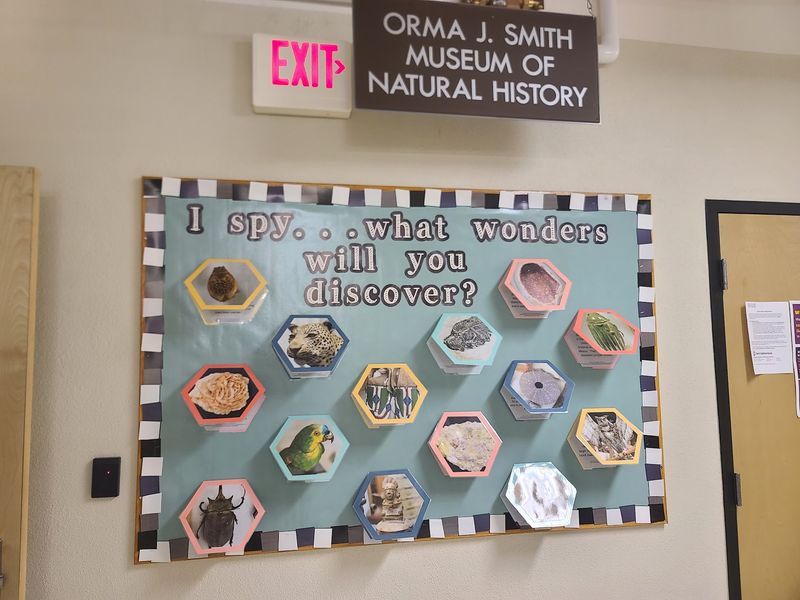
Some of the best places in Idaho hide where you least expect them, and this one waits in the basement of a college science hall. Behind a locked-looking door sits a collection of fossils, gemstones, insects, and hands-on touch zones that keep kids talking long after they leave.
It costs nothing to walk in, which makes the payoff feel almost sneaky. If you love finding a spot most people drive right past, this Caldwell gem belongs on your list.
A Hidden Collection Beneath Boone Hall
Tucked into the lower level of Boone Hall on the College of Idaho campus, this museum rewards anyone willing to look past its plain front door. You reach it through the basement, and first-timers often can’t believe how much fits into the space once they step inside.
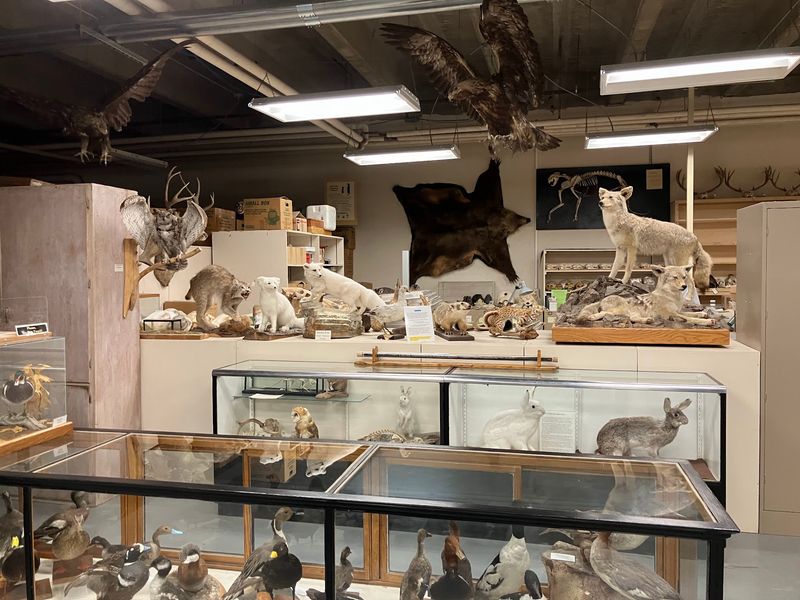
Taxidermied animals line one wall as you enter, and a small counter of rocks and shirts sits nearby. From there a hallway opens onto room after room of specimens, each one labeled and explained.
Visitors keep calling it a hidden gem, and that phrase fits better than usual here. Small on the outside, it packs an astonishing range of natural history into a compact footprint.
The fact that it lives on a working college campus adds to the charm. Students study these same collections, so what you’re browsing is a genuine teaching resource, not just a display.
Regulars mention the friendly volunteers who staff it, and many leave surprised that something this rich carries no admission price at all.
Gemstones, Cabochons And Petrified Wood That Stop You Cold
Polished stone spheres line the west side of the hallway, catching light in a way that makes you slow down. Idaho earned its Gem State nickname honestly, and the lapidary displays here show why.
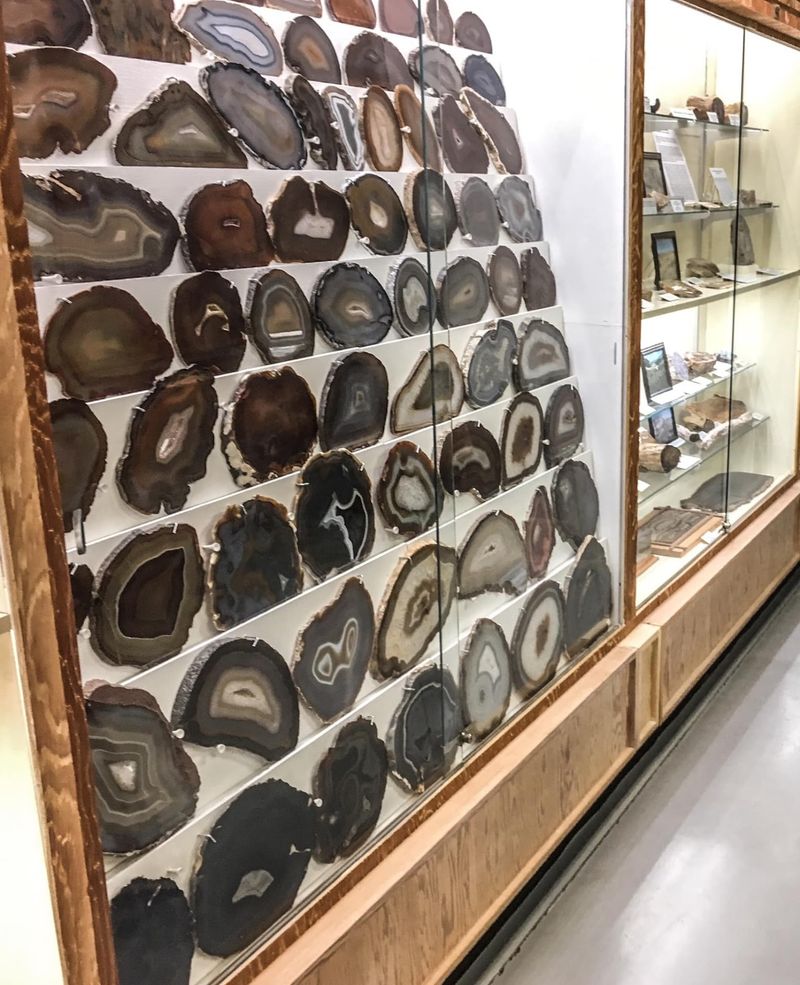
The cabochon collection draws steady praise, especially in the room where petrified wood bookends sit in beautiful arrangement. Cross sections of ancient wood reveal patterns that look painted rather than grown, each one a snapshot of a tree that turned to stone over unimaginable stretches of time.
Rock and mineral specimens fill nearby cases too, giving young visitors and grown rock hounds plenty to study side by side. One review singled out the geodes as a personal favorite, and it’s easy to see the appeal.
What makes this section shine is the pairing of raw beauty with clear labels. You aren’t just staring at pretty stones; you learn where they came from and how they formed.
For families with a budding collector, this corner alone can justify the trip to Caldwell.
Fossils And Paleontology From Ancient Idaho
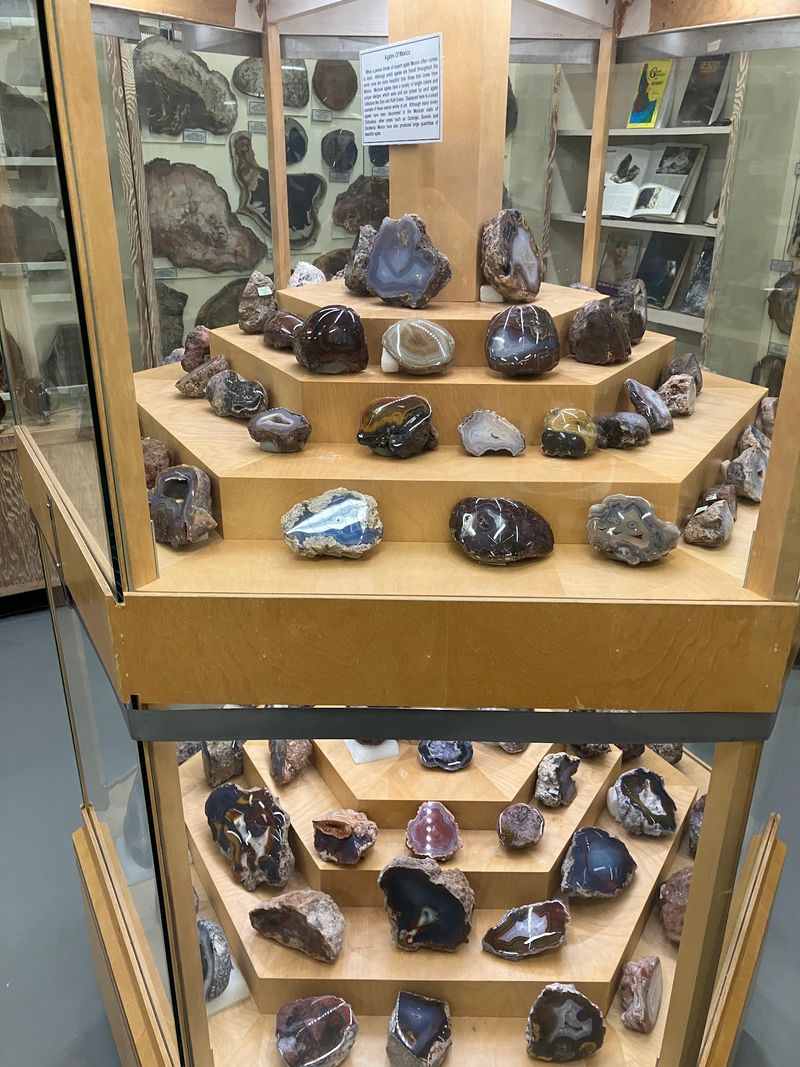
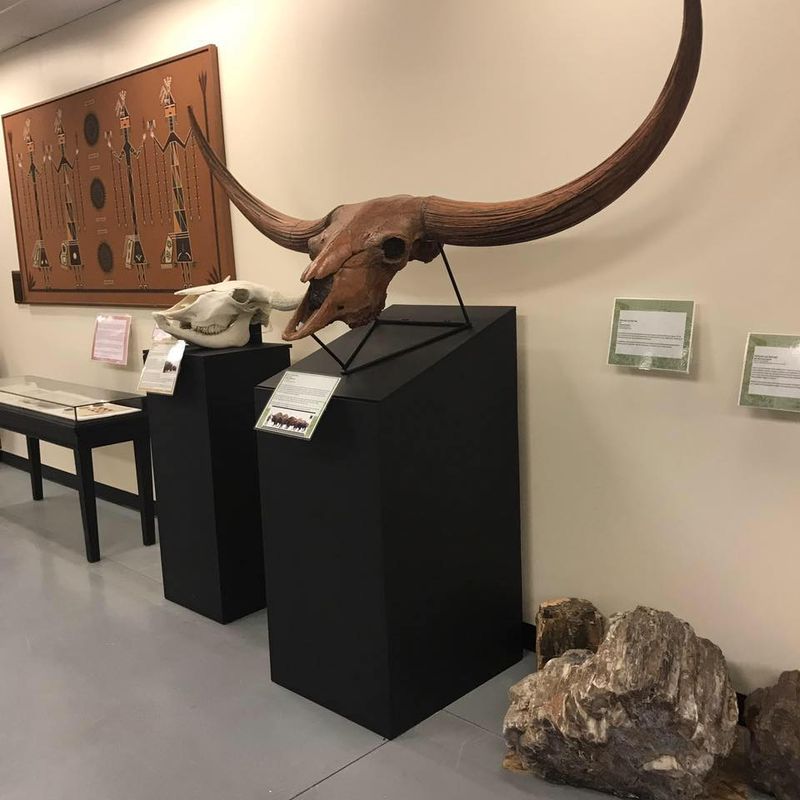
Fossils are the topic visitors bring up most, and the prehistoric area at the north end of the hall explains why. Cases hold specimens that stretch back long before the region looked anything like it does today.
The paleontology collection covers real research territory, not just showpieces. Southern Idaho once sat beneath vast lakes, and the fossil record here helps tell that watery chapter of the state’s deep past.
Kids gravitate toward this section fast, partly because prehistoric life sparks imagination like nothing else. Fossils give a face to numbers so large they barely make sense, and the museum lays them out in a way that feels approachable instead of overwhelming.
A room branching off the main hall holds fossils alongside rock specimens and those petrified wood cross sections, so the story of ancient life flows naturally from stone to bone. Interpretive info accompanies the displays, meaning curious visitors can dig deeper without needing a guide.
It’s the kind of stop that turns a rainy afternoon into an unexpected lesson nobody minds sitting through.
An Entomology Trove From Idaho To Baja California
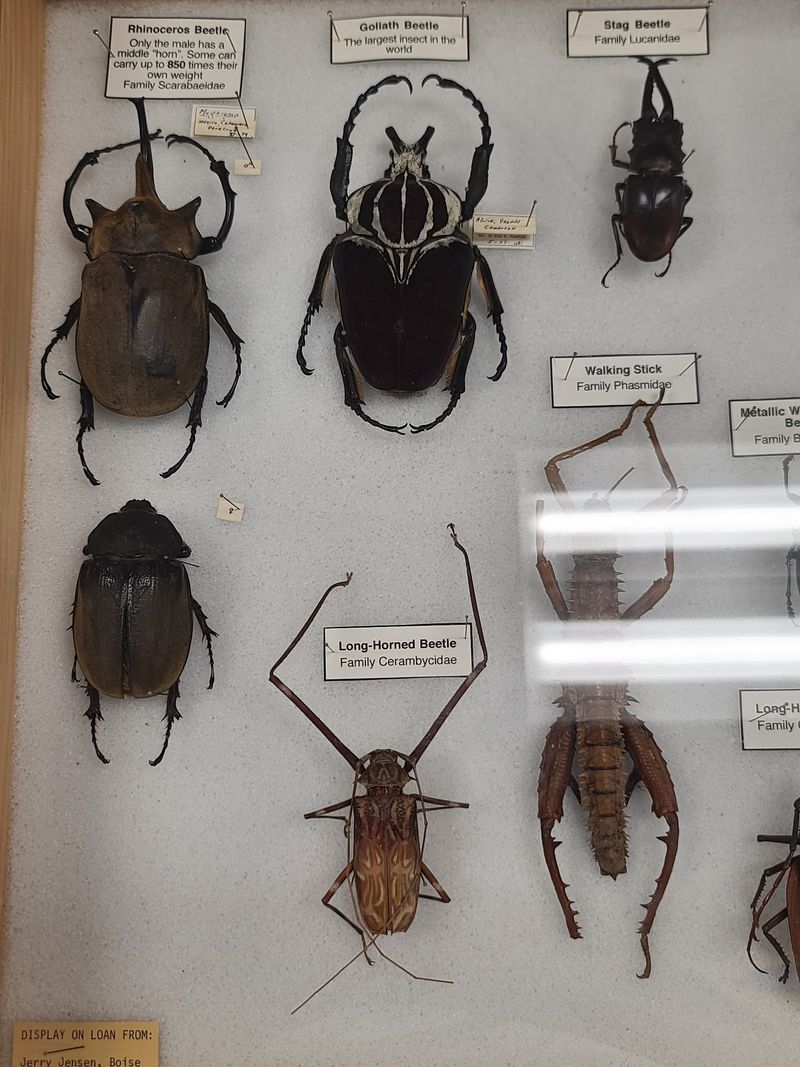
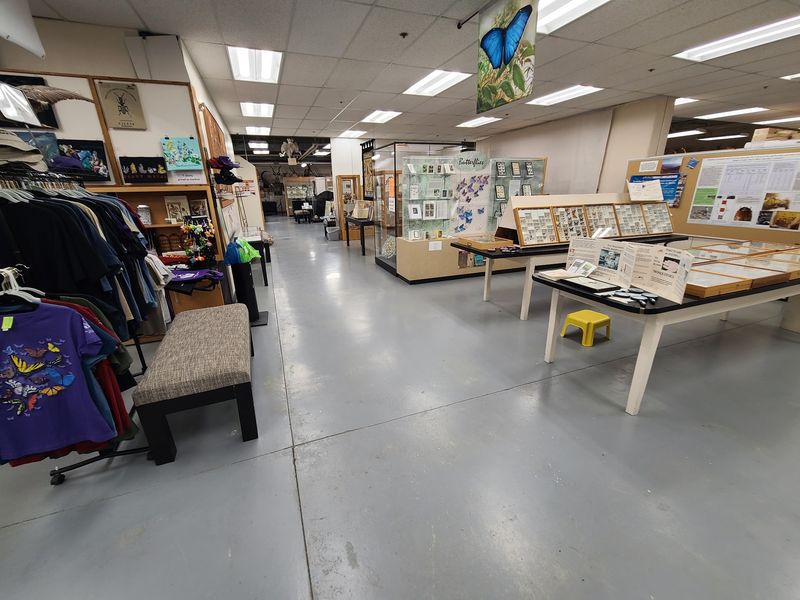
Rows of pinned insects fill the display area just down the hall, and the sheer variety catches most people off guard. Butterflies, beetles, and more sit arranged with a precision that turns bugs into art.
The College of Idaho has run extensive research trips to Mexico’s Baja California, and that fieldwork shows up here in an impressive array of insect specimens from the region. Few small museums can claim a collection with that kind of reach.
Entomology comes up again and again among visitors, and the lighting helps every specimen pop against its backing. Lepidoptera fans in particular find plenty to admire, from delicate wings to iridescent shells.
What ties it together is the labeling. Each insect carries information about where it was collected and what it is, so a wall of bugs becomes a map of biodiversity across two countries.
Children who normally squirm at insects tend to lean in close here, protected by glass and pulled in by color. It’s a quietly spectacular corner that anchors the museum’s scientific side.
Touch Zones Built For Curious Hands
Most museums live behind a strict do-not-touch rule, so the special touch zones here feel like a small rebellion. The staff kept the fragile pieces safely behind glass while setting aside items kids can actually handle.
That single design choice changes the whole visit for families. Little ones who tire quickly in look-only galleries stay engaged when they get to pick something up and feel its weight and texture.
Parents note how kid-friendly the layout turned out, and the space works for strollers too, which matters more than people admit until they’re pushing one through a tight gallery. Good lighting throughout keeps the whole experience easy on young eyes.
The genius of the touch zones lies in memory. A rock a child holds sticks in the mind far longer than one glimpsed through a case, and that lasting impression is exactly what draws repeat family visits.
For a museum built around delicate specimens, striking this balance takes real thought. Kids leave feeling like they participated rather than just passed through, and that difference is what earns the place its loyal following.
Birds, Mammals And Taxidermy Along The Walls
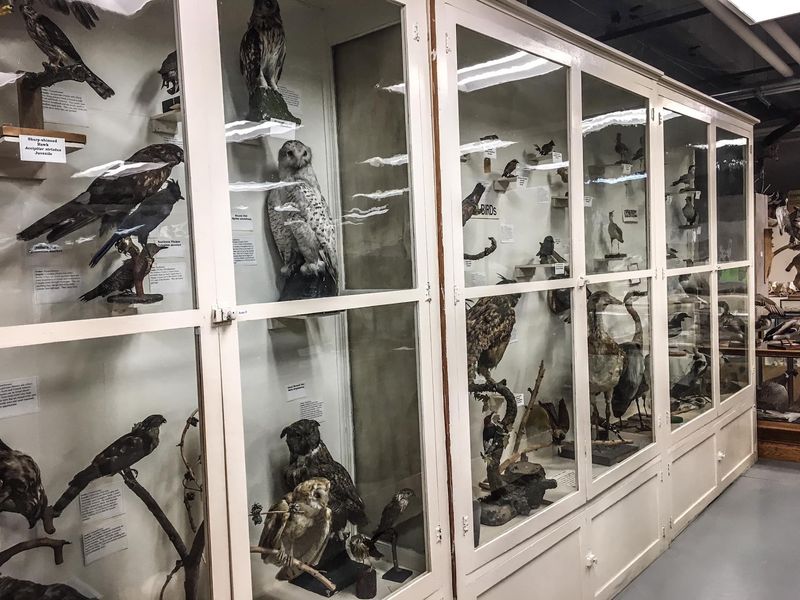
Right as you walk in, a lineup of taxidermied animals stretches along the south wall, greeting visitors before they’ve even reached the hallway. It’s a strong first impression that sets the tone for everything that follows.
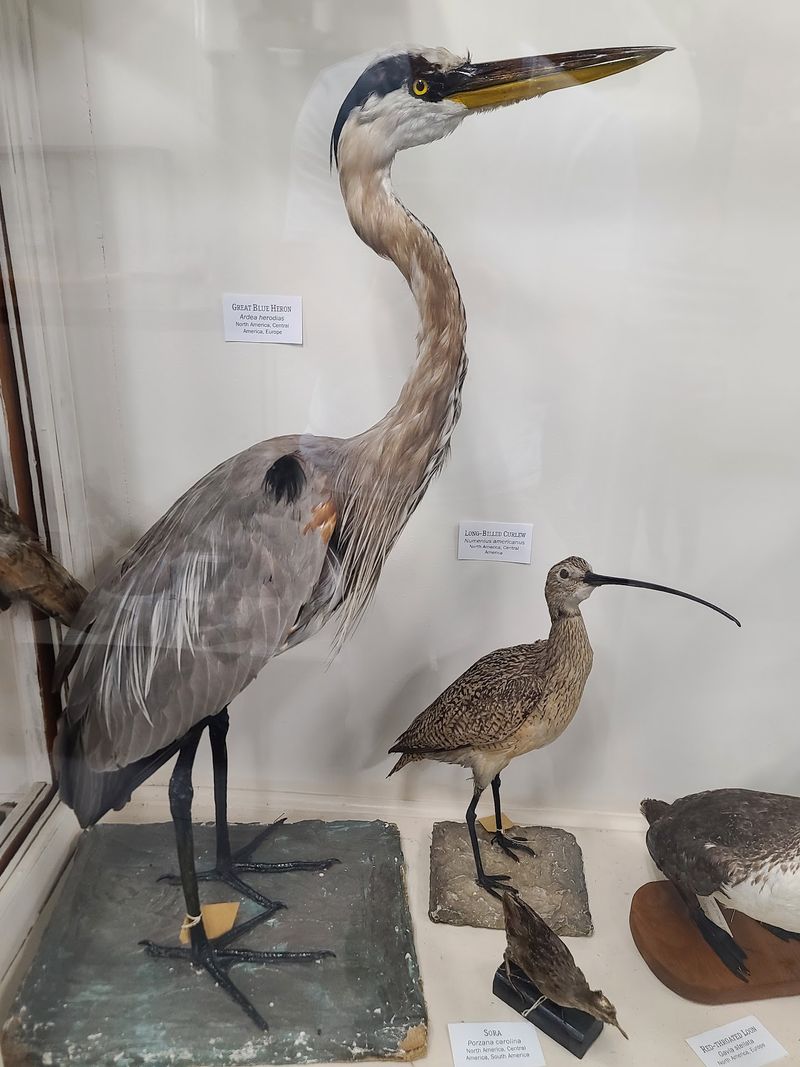
A dedicated bird display area sits further along, giving ornithology its own moment in the spotlight. Feathered specimens let visitors study up close the details that flash by too fast in the wild.
The collection also covers mammals and other regional wildlife, offering a compact tour of the animals that share this corner of Idaho and beyond. Each specimen carries labeling that turns a glance into a small lesson.
Seeing these creatures at rest, at arm’s length, gives kids a sense of scale that photos never manage. A hawk’s talons or an owl’s face reads completely differently when it’s steps away instead of high in a tree.
Together with the fish and invertebrate collections, these displays round out the museum’s natural history sweep. It’s a reminder that this basement holds far more than rocks, spanning nearly every branch of the living world.
Native American Ethnography And The Luther Douglas Sand Paintings
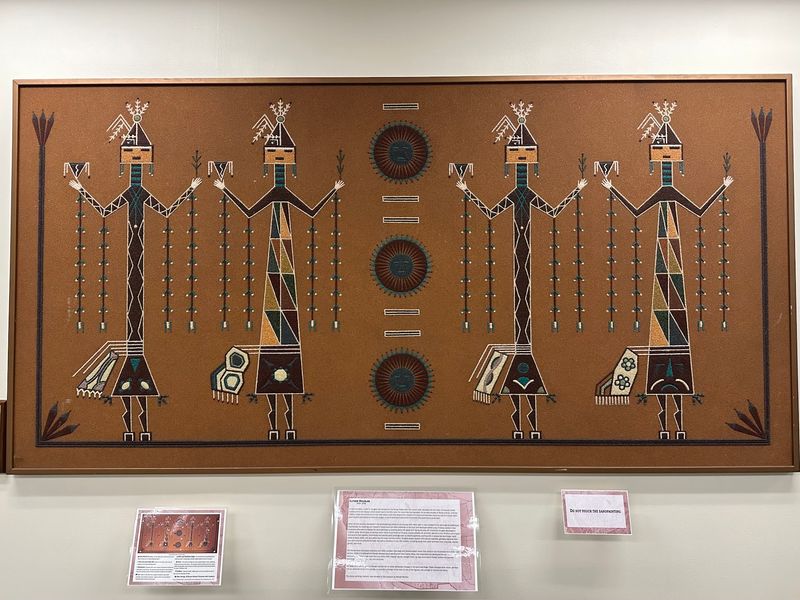
A Native American display area sits along the museum’s central hall, holding artifacts that connect visitors to the region’s first peoples. The ethnography collection stands out as one of the museum’s most meaningful sections.
Among its treasures is the largest collection of Luther Douglas sand paintings and related objects, a distinction that surprises many first-time visitors. Sand painting is an intricate art form, and seeing so many examples gathered in one place is genuinely rare.
These works carry cultural weight beyond their visual appeal. Displayed thoughtfully with context, they invite quiet reflection rather than a quick glance and a shrug.
The museum treats this material with the seriousness it deserves, pairing objects with interpretive information so visitors understand what they’re seeing. That care shows in how the section is arranged.
For anyone interested in the human history layered across Idaho and the broader region, this corner offers depth you rarely find in a small museum. It broadens the visit from pure natural science into something richer, reminding you that the land here has always been shared by people, plants, and animals alike.
Ancient Egypt, Rome And A Touch Of Archaeology
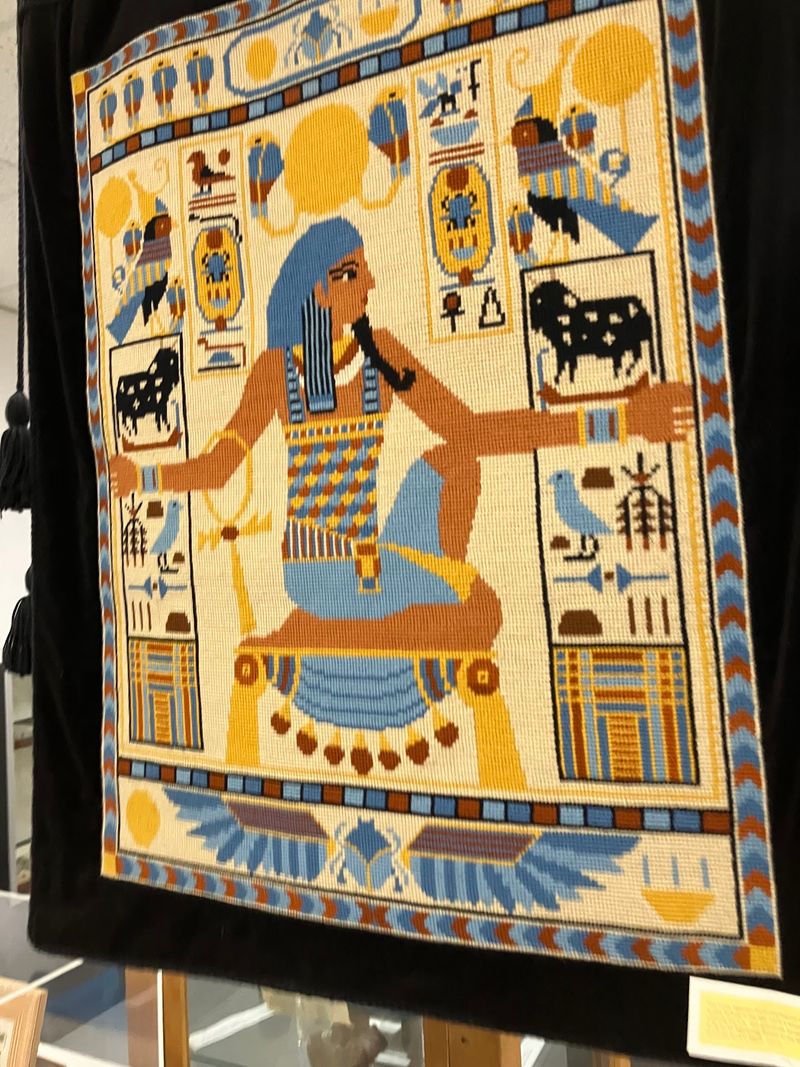
Archaeology specimens turn up among the topics visitors mention, and the reason becomes clear once you spot the ancient Egypt and Rome artifacts. Finding relics from the classical world tucked into a Caldwell basement feels wonderfully out of place.
The collection reaches far beyond Idaho’s borders, gathering objects that let local families glimpse civilizations they might otherwise only read about. Egyptology sits alongside natural history here without any awkwardness.
Each piece comes labeled with interpretive detail, so a Roman artifact isn’t just an old object in a case; it’s a window into daily life thousands of years ago. That context makes the difference for younger visitors especially.
Seeing genuine antiquities up close carries a thrill that reproductions can’t match. Kids studying ancient history in school suddenly have a real reference point a short drive from home.
The archaeology material rounds out what is really a mini world tour packed into one level of a science building. From Idaho fossils to Egyptian relics, the museum keeps proving that its small size hides a genuinely global reach.
Volunteer Naturalists Who Bring It All To Life
Knowledgeable staff earn steady praise from anyone who stops by, and the volunteer naturalists are the reason. Catch one on a good day and a simple browse turns into a conversation full of stories behind the specimens.
These volunteers run the museum, which explains both its warm feel and its occasional quirks with hours. Their passion for the collections comes through the moment they start explaining a fossil or a mineral.
Families with questions find the staff genuinely welcoming, happy to help kids understand what they’re looking at rather than rushing them along. That patience matters when you’re visiting with restless little ones.
Because the people here care so deeply, the labels and displays reflect real expertise rather than filler text. You’re getting insight from folks who know this material inside and out.
Visitors repeatedly describe the museum as great for all ages, and much of that credit belongs to the friendly humans staffing it. A place is only as good as the people who run it, and this crew turns a small basement collection into an experience worth remembering.
A Small Gift Shop Worth A Look
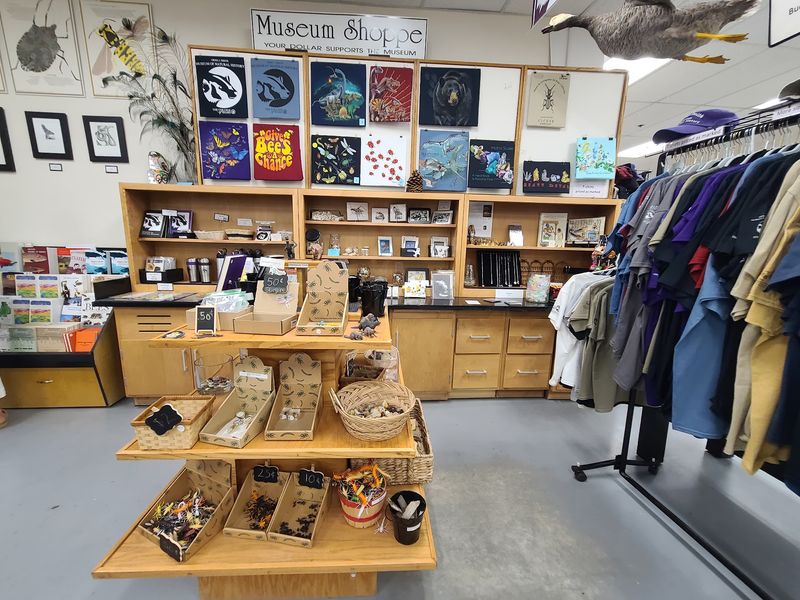
Just inside the entrance, a counter of items for sale sits ready to catch your eye on the way in or out. Rocks and t-shirts make up part of the mix, and the prices stay refreshingly gentle.
Visitors describe the gift shop as inexpensive, which fits the whole spirit of a free museum. There’s no pressure to spend, but a small souvenir rock makes a fitting keepsake for a kid who just spent an hour marveling at gemstones.
Picking up a stone here lets the visit continue at home. A child can hold onto a piece of the Gem State and remember the spheres and geodes long after leaving Caldwell.
The modest selection suits the museum’s scale. You won’t find a sprawling store, just a thoughtful little corner that adds a bit of fun without turning the trip into a shopping errand.
For families watching a budget, the combination of free entry and an affordable shop is hard to beat. It’s easy to walk out having spent almost nothing yet feeling like the day delivered plenty.
Finding The Door And Planning Your Visit
Getting inside takes a little know-how, and knowing it ahead of time saves frustration. The museum sits in the basement at the southeast corner of Boone Hall, reached by an elevator and ramp at that same corner.
You’ll find it on the College of Idaho campus at 2112 Cleveland Boulevard in Caldwell, in the heart of the Treasure Valley. The building doors can be locked at times, especially in summer, so calling the posted number to be let in is smart if you arrive to a locked entrance.
Hours run midweek through early afternoon, and the doors close by 3 p.m., so plan a morning or midday visit rather than an after-work stop. Checking before you drive out is wise, since one visitor arrived to find it unexpectedly closed.
Best of all, admission is free, and there’s typically no wait to enter. The setup is stroller friendly, making it an easy outing with young kids.
A quick heads-up call can turn a potentially locked door into a smooth, welcoming visit.
Why This Basement Museum Sticks With You
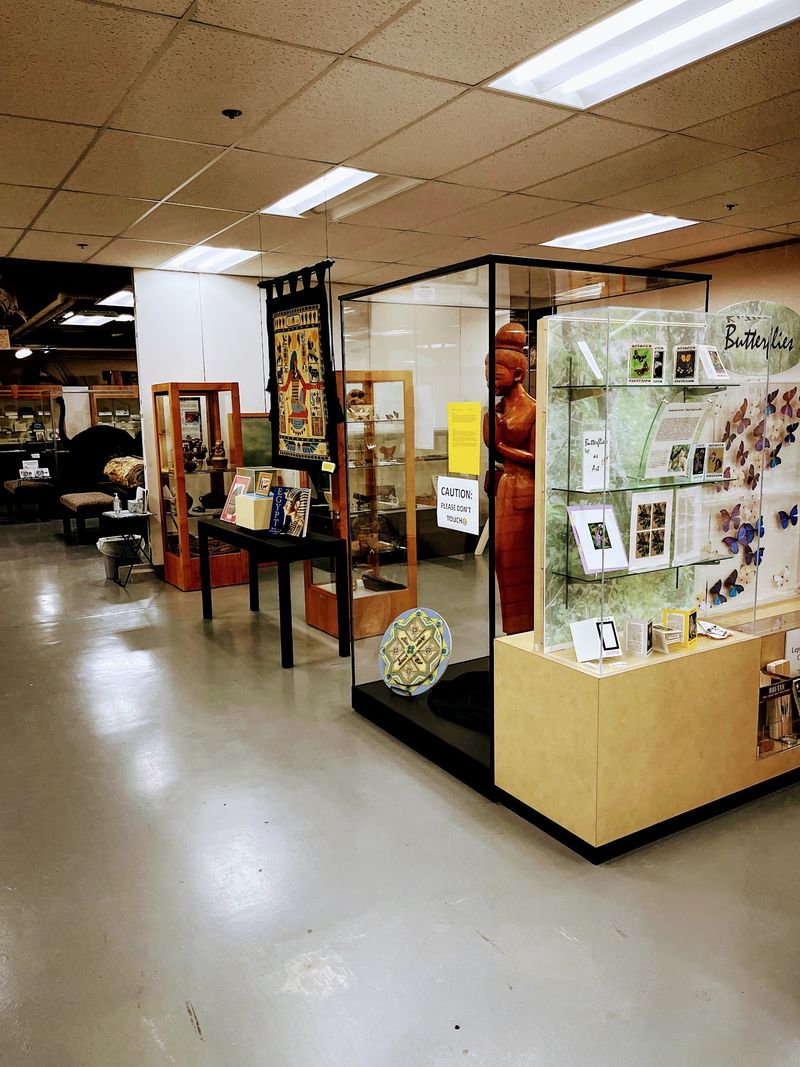
Something about discovering a place this good hidden in a college basement makes it hard to forget. You walk in expecting a modest stop and walk out having toured fossils, gems, insects, ancient artifacts, and cultural treasures under one low ceiling.
The scale is exactly what makes it work. Nothing feels endless or exhausting, so kids stay engaged and grown-ups leave curious instead of worn out.
Free admission removes any reason to hesitate, and the touch zones give young visitors a reason to remember it years later. Add friendly volunteers who clearly love the collections, and the whole experience punches far above its size.
For Treasure Valley families hunting a low-cost outing, or day-trippers passing through Caldwell with an hour to spare, this museum delivers a payoff most people never see coming. Its warmer-months, midweek schedule makes it an easy add to a spring, summer, or fall plan.
Go once and you’ll understand why so many call it a hidden gem. Some of Idaho’s best surprises really do wait behind unassuming doors, and this one earns the trip.