This Idaho Nonprofit Cares For Eagles And Falcons And Lets You Meet Them Up Close
Imagine standing close enough to an eagle that you can watch its eyes track every movement in the room. Just outside Boise, tucked into the sagebrush hills, there’s a nonprofit doing exactly that, letting ordinary people share the same air as some of the fastest and most powerful birds on the planet.
It’s part rescue mission, part living classroom, and part front-row seat to conservation history. If you’ve never made the short drive up to see it, you’re missing one of the most memorable afternoons Idaho has to offer.
A Raptor Haven Above Boise
Perched on a rise of sagebrush steppe southwest of Boise, this place greets you with sweeping views before you even step inside. The land rolls out toward the distant Owyhee Mountains, and on a good day you might spot wild raptors circling overhead in their natural home.
The World Center for Birds of Prey isn’t a zoo, and it isn’t a roadside attraction. Run by The Peregrine Fund, it’s a working conservation headquarters that happens to open its doors to the public.
Live eagles, falcons, hawks, owls, and vultures live here as ambassadors, helping visitors understand why these birds matter.
What surprises many first-timers is how personal the whole experience feels. You’re not peering at animals behind thick glass from a distance.
Instead, you move through an indoor and outdoor complex designed to bring you nose-to-beak with birds most people only glimpse as specks in the sky. It’s an afternoon that tends to convert even folks who thought they didn’t care much about birds.
The Story Of Saving The Peregrine Falcon
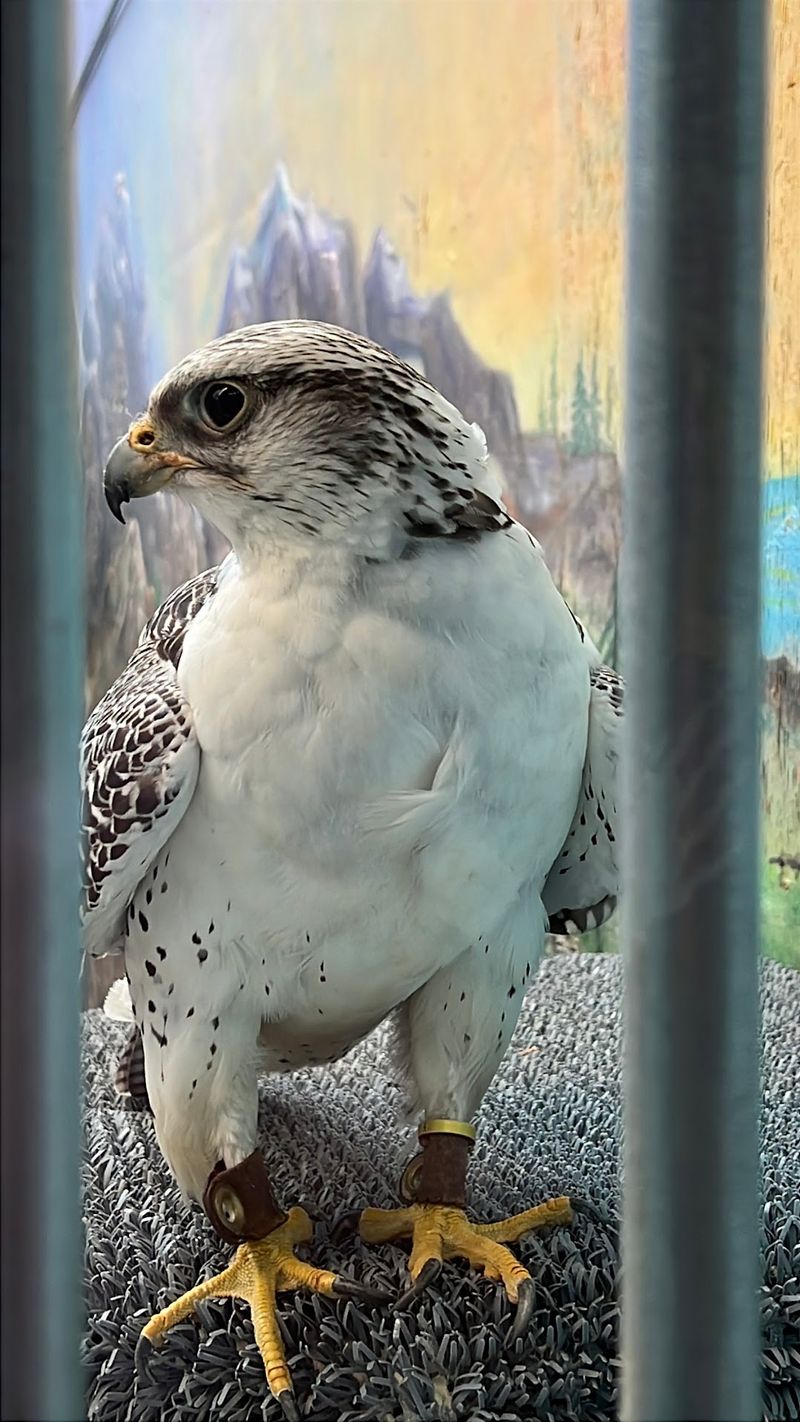
Back in 1970, a small group of scientists set out to solve a problem that seemed almost hopeless. The peregrine falcon, once common across North America, had nearly vanished thanks to pesticides that poisoned its ability to raise healthy young.
The Peregrine Fund was born to change that story.
Through careful breeding and release programs, the organization helped bring the peregrine back from the brink. By 1999, the bird had recovered enough to be removed from the U.S.
Endangered Species List, one of the great comeback tales in American conservation.
That single success became the foundation for everything the center does today. From those early efforts, the mission grew to protecting raptors all over the world, from tiny falcons to towering condors.
Standing in the visitor center, you can feel the weight of that history. Every ticket, every gift shop purchase, and every donation funnels back into this ongoing work.
Visitors often mention leaving with a sense that they’ve touched something bigger than a simple day trip.
Sagebrush Views And A Sense Of Wide Open Space
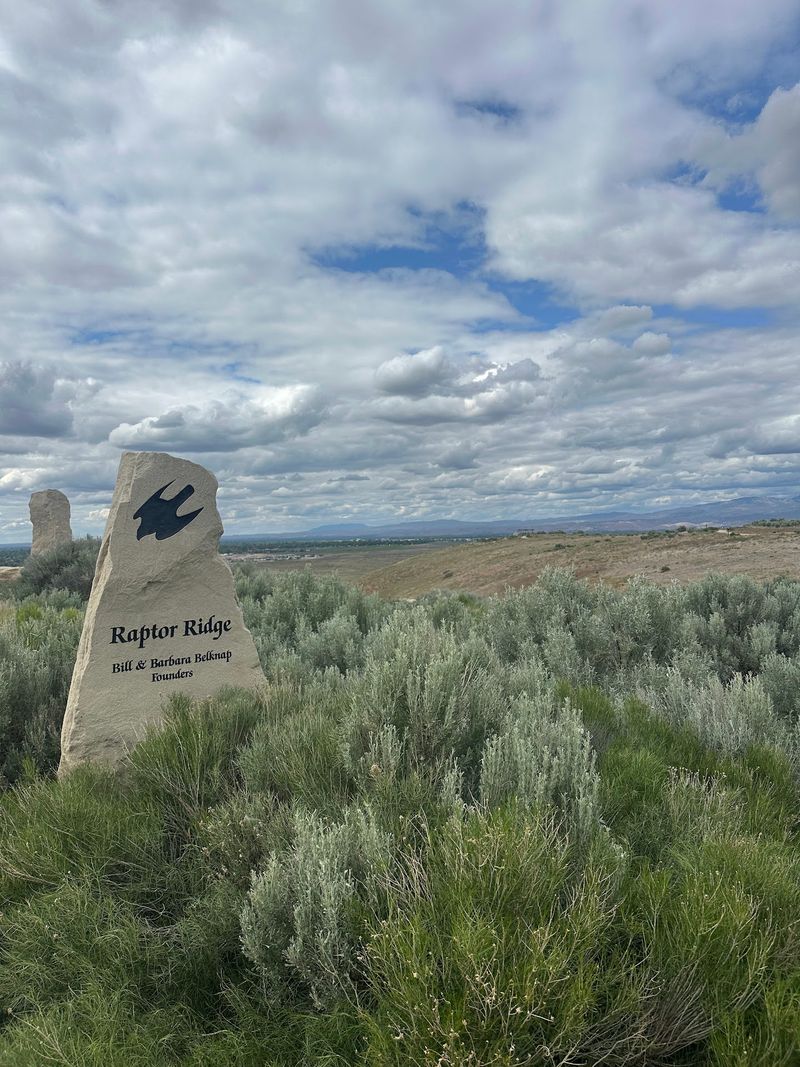
Before you ever meet a bird, the drive itself sets the mood. The center sits just a short trip from Boise, yet it feels tucked away from the bustle of the Treasure Valley, surrounded by open country and the low silver-green of sagebrush.
From the grounds, the view stretches across the valley and toward the Owyhee Mountains on the horizon. Regulars mention that the landscape alone is worth the drive, especially when the light softens in the late afternoon and the whole valley seems to glow.
That setting isn’t just pretty. It’s the same kind of habitat many of these raptors call home, so it grounds everything you learn in a real, living place.
Wild birds of prey sometimes ride the thermals right above the property, giving visitors a two-for-one experience of ambassadors up close and wild hunters overhead.
The high, open perch also keeps the air fresh and the sightlines long. It’s the sort of spot where you find yourself pausing just to take in how much sky Idaho really has.
Nose-To-Beak Encounters With Living Ambassadors
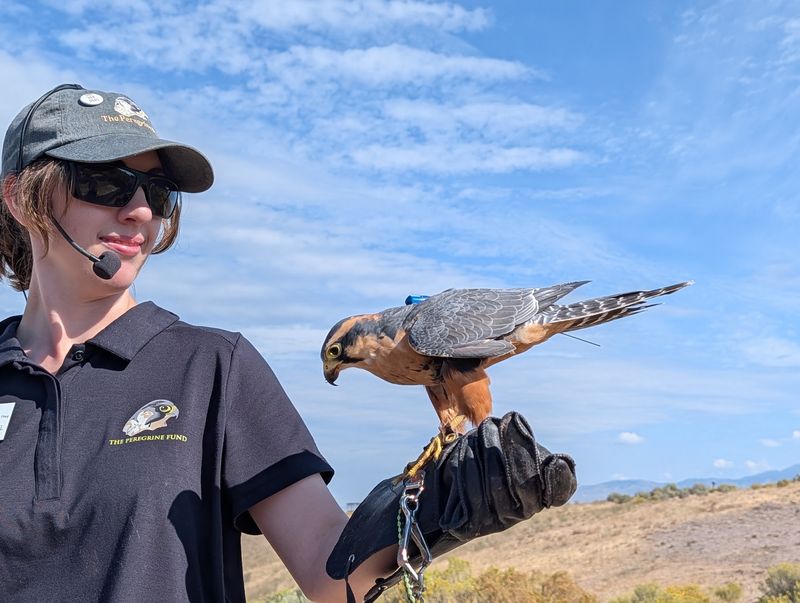
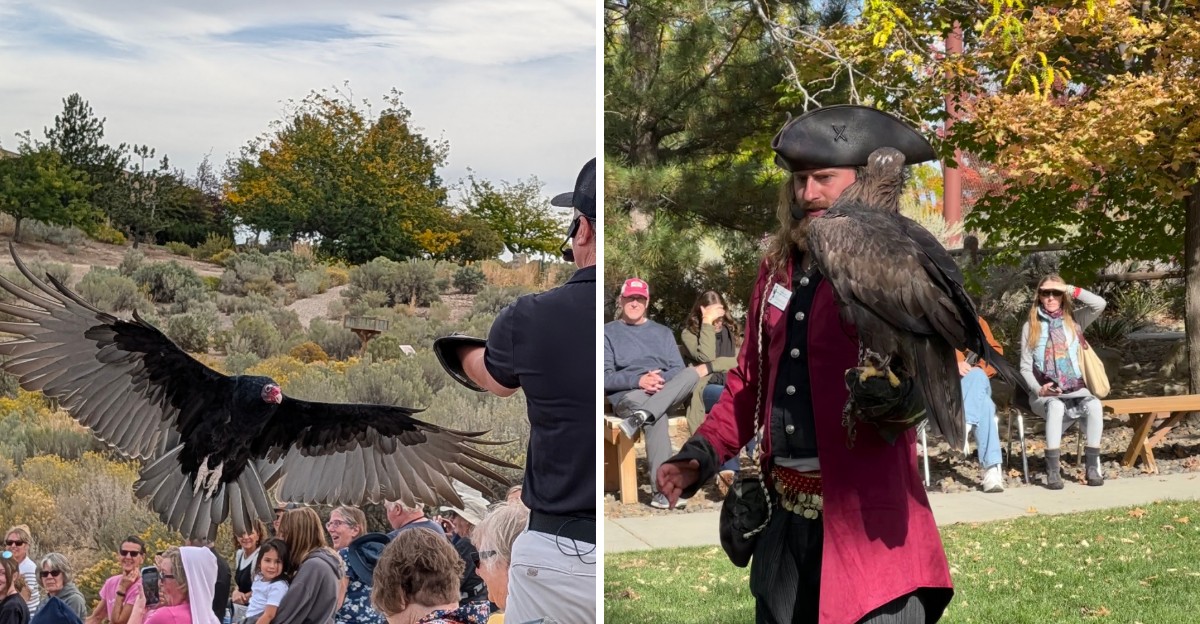
The heart of a visit here is getting genuinely close to the birds. Throughout the day, handlers bring out avian ambassadors for what the center calls nose-to-beak encounters, letting you study feathers, talons, and those famously sharp eyes from just a few feet away.
These aren’t rushed peeks. A handler will often stand and talk about a single bird for a while, explaining where it came from, how it hunts, and why it can’t survive on its own in the wild.
Then they open the floor for questions, and no question seems too odd.
Guests with kids frequently point out how patient the staff are, even when a curious child asks something wildly complicated. The birds themselves seem alert and engaged, sometimes calling out when their handler appears.
What makes these moments stick is the intimacy. You’re close enough to notice how an owl swivels its head or how a falcon locks onto movement.
For a lot of visitors, that’s the exact instant a casual outing turns into a lasting memory.
The Flight Shows That Send Birds Over Your Head
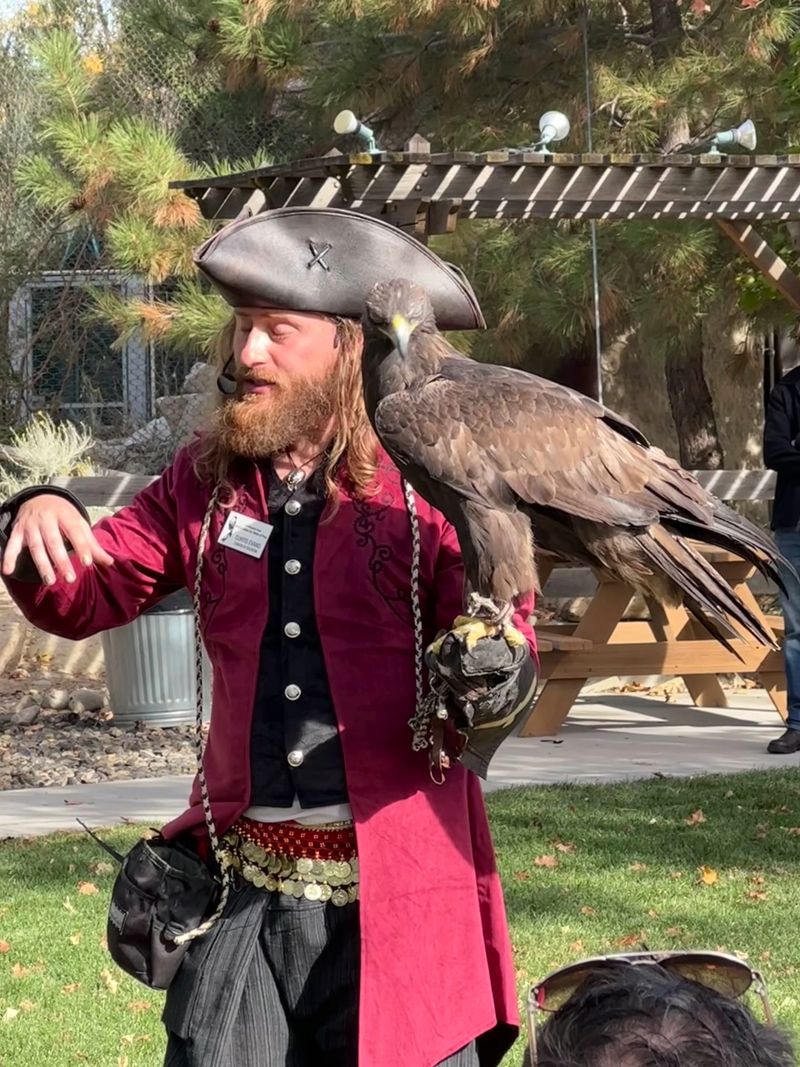
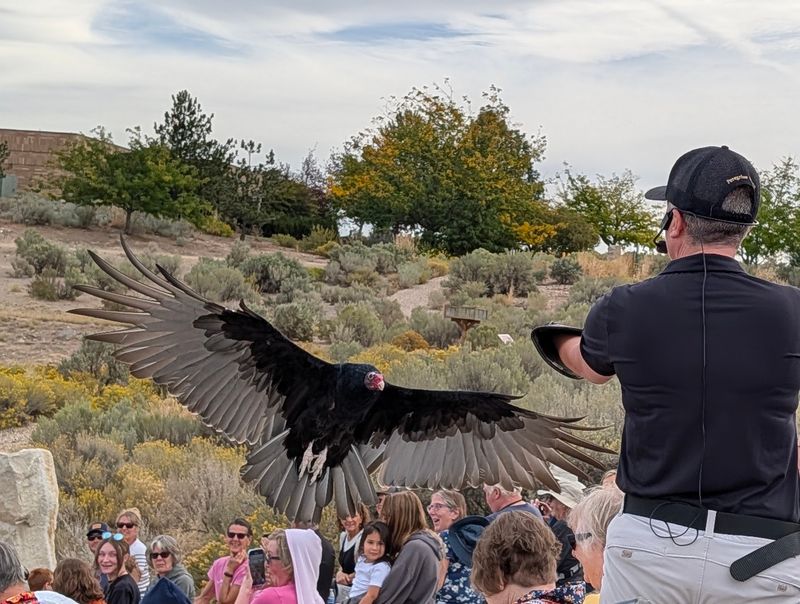
If there’s one thing visitors talk about most, it’s the flight demonstrations. Out in the courtyard amphitheater, handlers release birds that swoop and glide, sometimes passing so low over the crowd that people instinctively duck.
An African eagle owl named Oliver has become something of a star, gliding silently just above visitors’ heads during the afternoon shows. Teens and grandparents alike come away buzzing about how close he flew, and how quiet those big wings really are.
Each presentation blends entertainment with real teaching. As the birds fly, handlers explain how they hunt, how they navigate, and what challenges they face in the wild.
No two shows play out exactly the same way, since the birds have minds of their own.
Timing your visit around one of these demonstrations is well worth the effort. Guests recommend checking the daily schedule when you arrive so you don’t miss it.
Watching a raptor cut through the air above you, wild and precise, is the kind of moment photos never quite capture.
Standing Beneath The Giant California Condors
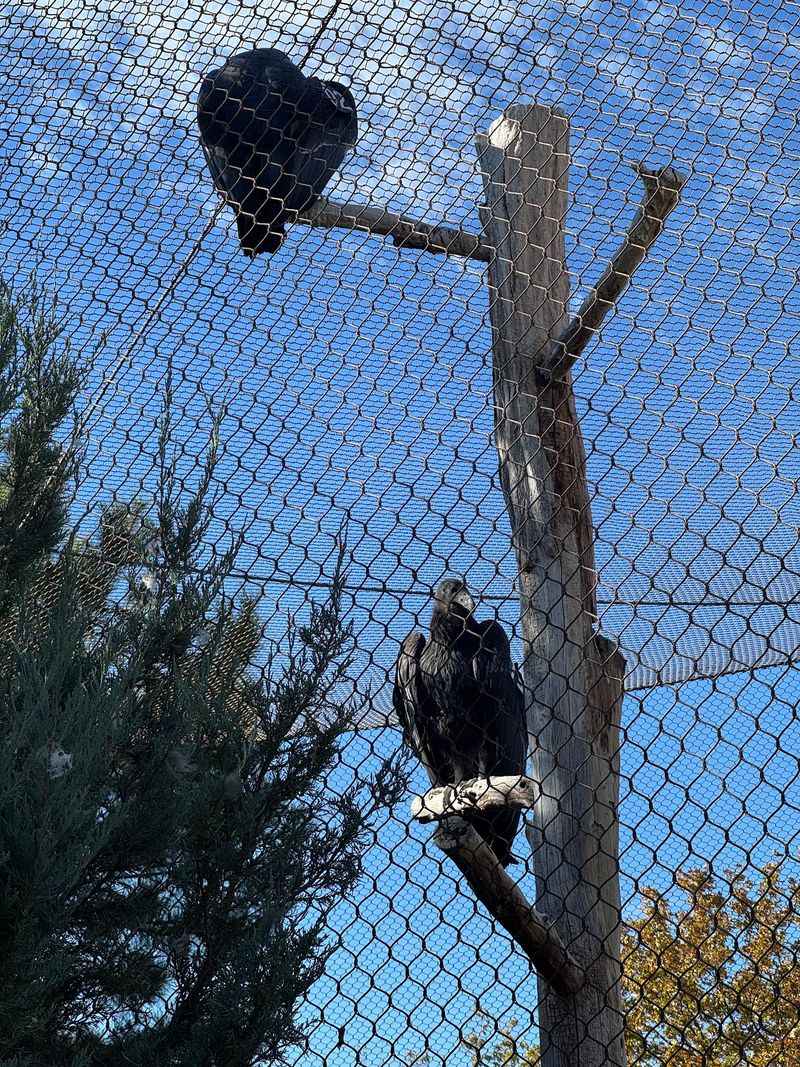
Nothing quite prepares you for the scale of a California condor. With wingspans that stretch far wider than any other North American land bird, these giants make even large eagles look modest by comparison.
The center is home to one of the largest breeding flocks of these critically endangered birds, and visitors can stand beneath them and take in their sheer presence. People often describe the condors as breathtaking, using words like awesome and grand without a hint of exaggeration.
These birds are more than a spectacle, though. The breeding program here plays a direct role in pulling the species back from the edge, raising young that may one day soar over wild canyons again.
Watching them shift and stretch those enormous wings, you start to understand why they’ve become a symbol of hope for conservationists. It’s a humbling thing to be so close to a creature that nearly disappeared entirely.
Many guests linger longest at the condor enclosure, quietly awed by birds they never expected to see in person.
Meeting The Owls, From Athena To Oliver
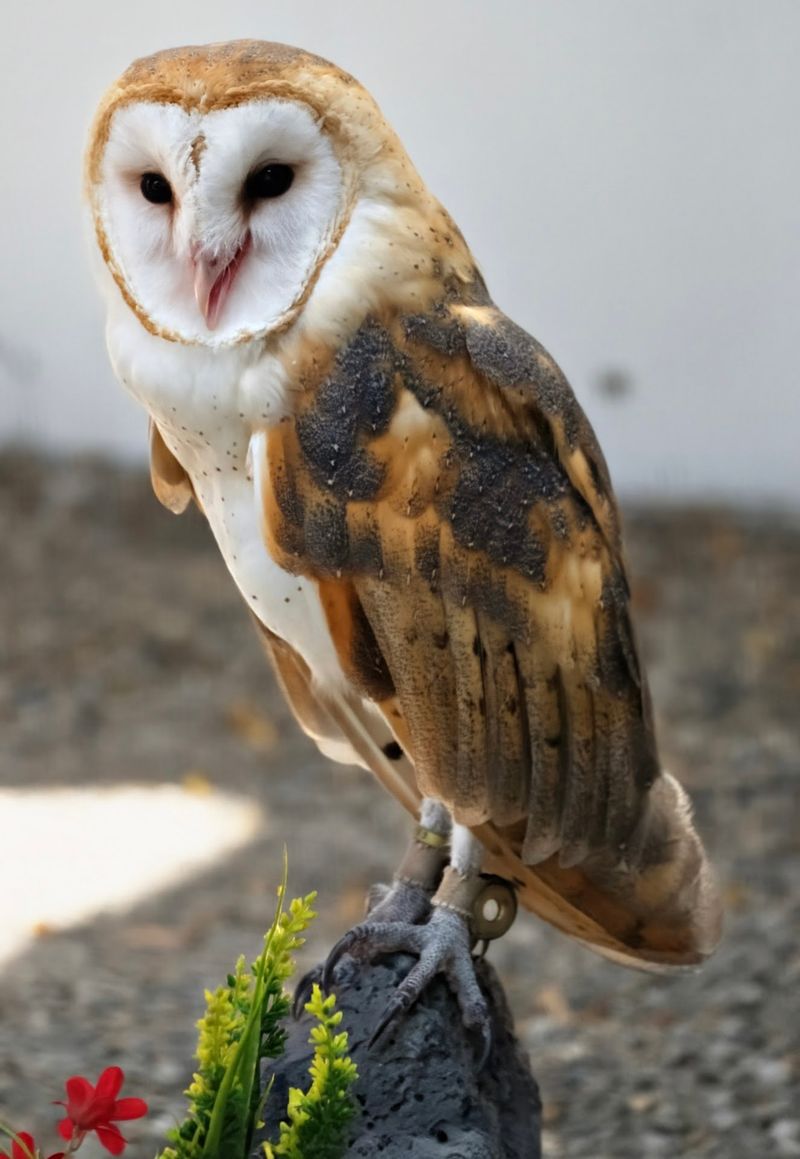
Owls have a way of stealing hearts, and this place has quite a lineup of them. There’s Athena, a pint-sized burrowing owl with an outsized personality, and Oliver, a grand Verreaux’s eagle owl whose flights leave crowds grinning.
The contrast between the two is part of the fun. One tucks neatly into a burrow-style habitat and blinks up at you, while the other spreads broad wings and cruises just over your scalp during shows.
Handlers love sharing owl trivia, from how their feathers muffle sound to how their eyes are fixed in place, forcing them to swivel their whole heads. Kids especially eat this up, and the presenters clearly enjoy fielding the endless stream of questions.
An owl named Oliver comes up again and again in visitor stories, usually attached to the words cool and unforgettable. Seeing these birds up close, you notice details that never register from a distance, like the way an owl studies you right back.
It’s a gentle reminder that these creatures are as curious about us as we are about them.
The Archives Of Falconry And Its Ancient Traditions
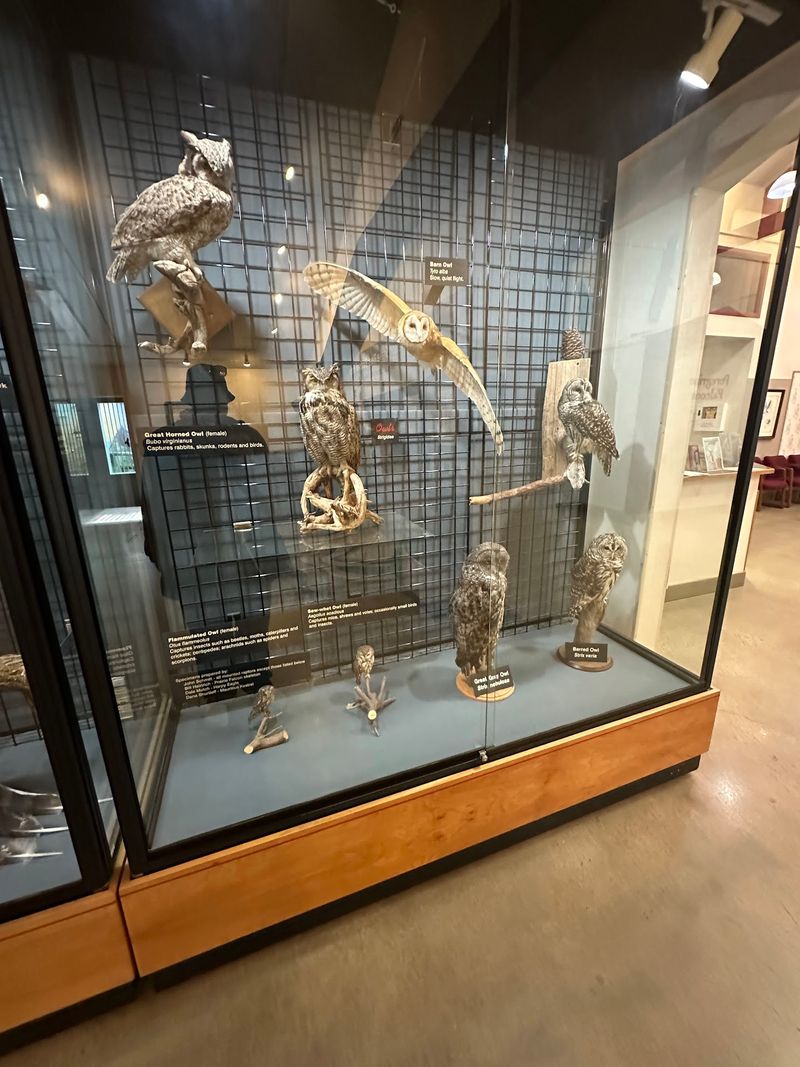
Tucked within the complex sits a museum that catches many visitors off guard: The Archives of Falconry. Devoted to the ancient art of hunting with trained raptors, it’s the only museum of its kind and a genuine treasure trove.
Inside, glass cases hold hoods, gloves, bells, and other gear that spans centuries and continents. The collection traces how people across the world have partnered with birds of prey for thousands of years, blending sport, art, and deep respect for the animals.
Guests who came mainly for the live birds often mention being surprised at how much they enjoyed this quieter corner. The artifacts and stories give a cultural depth that rounds out the whole experience.
Falconry connects to conservation, too. That long human relationship with raptors helped inspire the very techniques used to breed and release endangered species today.
If you love history or simply enjoy a well-curated exhibit, budget some time here. It’s the kind of place where you drift from case to case, quietly absorbing a tradition most people never knew existed.
An Interpretive Center Built For Curious Minds
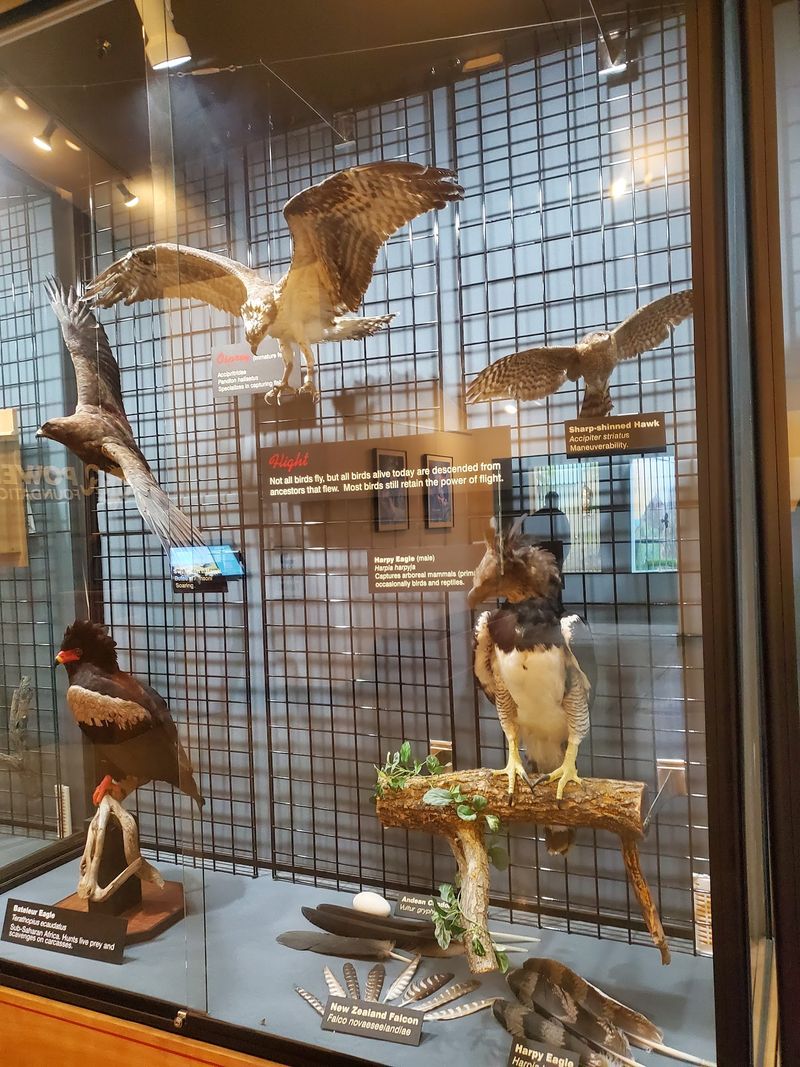
Step through the main doors and you land in an interpretive center packed with things to see and touch. Exhibits walk you through raptor biology, conservation challenges, and the global work happening behind the scenes, all arranged so you can wander at your own pace.
The space manages to be informative without feeling like a lecture. Panels, artifacts, and live bird displays mix together, so you’re constantly moving between reading and looking at the real thing.
Families appreciate that the center strikes a balance for different ages. There’s a kids’ room with hands-on activities that keeps younger visitors busy, giving parents a chance to dig into the deeper exhibits nearby.
One thing regulars point out: give yourself several hours. Many people arrive expecting a quick stop and end up staying far longer than planned, drawn in by one display after another.
Every corner ties back to the central mission of protecting these birds. By the time you loop through, you understand not just what raptors are, but why saving them matters so much.
The Volunteers And Staff Who Bring It To Life
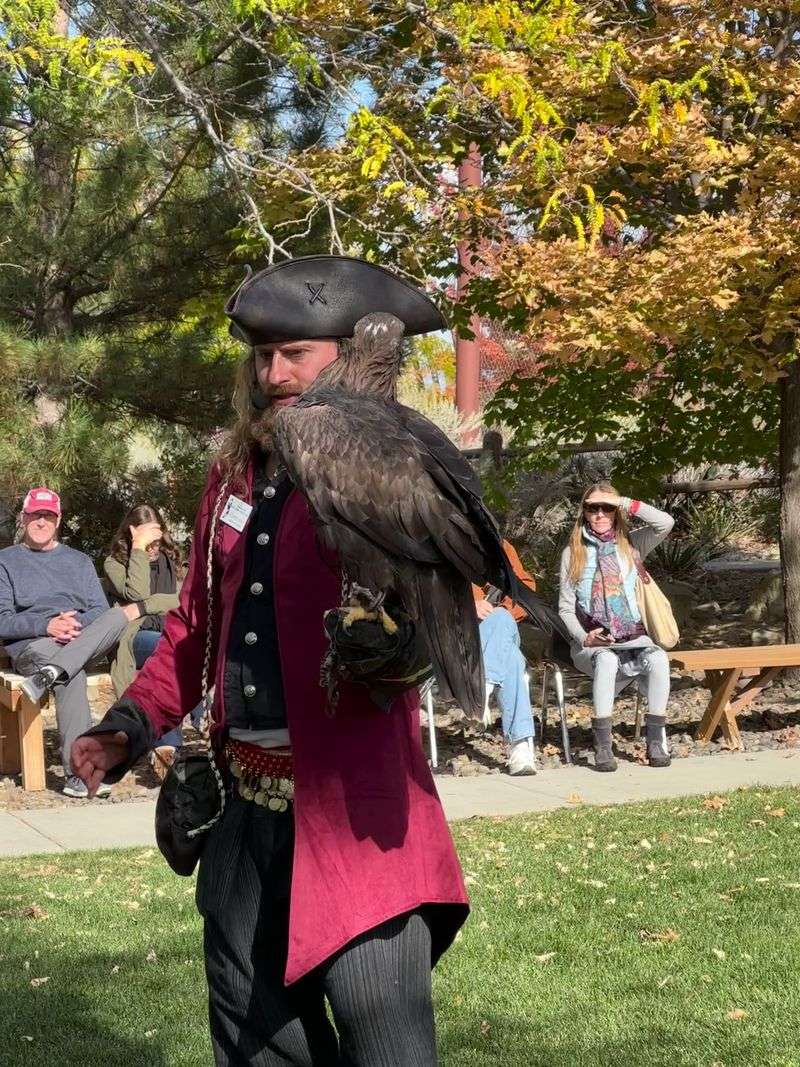
Ask anyone what made their visit special, and the people usually top the list. The volunteers and staff here bring an enthusiasm that’s genuinely contagious, lighting up whenever someone asks about a bird.
These folks aren’t reading off scripts. They toss out detailed answers to complicated questions, share little quirks about each individual bird, and clearly love what they do.
Even tricky questions from sharp-eyed kids and curious adults tend to get thoughtful replies.
Guests describe them as kind, patient, and endlessly knowledgeable. When a bird has an unexpected accident on the floor during a talk, the presenters simply clean up and carry on without missing a beat, a small thing that speaks to how relaxed and professional the whole crew is.
That warmth changes the experience entirely. Instead of drifting past exhibits alone, you find yourself in real conversations that make the science stick.
More than one visitor has admitted they showed up unsure about birds and left completely won over, largely because of the passionate people guiding them through it.
Trails, Grounds, And Wild Birds Overhead
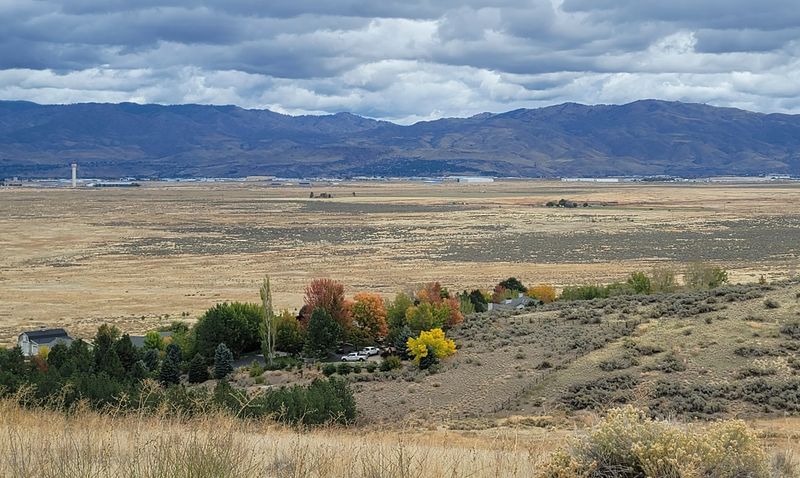
Beyond the buildings, the property invites you to stretch your legs. Trails wind through the surrounding sagebrush, offering a chance to slow down and take in the open landscape that makes this spot feel so far from the city.
Walking the grounds pays off in unexpected ways. Because the center sits in prime raptor habitat, you might glance up and spot a wild hawk or falcon riding the wind, a fitting bonus after learning about them indoors.
The paths also frame those long valley views, giving you plenty of reasons to pause. On a clear day, the distant mountains sharpen the whole scene into something worth lingering over.
Bringing snacks is a smart move, since many guests find themselves wanting to stay through a flight show and then explore outside. There’s a rhythm to it, indoor exhibits, a courtyard demonstration, then a wander under open sky.
That mix of learning and fresh air is a big part of the appeal. You leave feeling like you spent the day outdoors, not cooped up in a museum.
A Gift Shop Where Every Purchase Gives Back
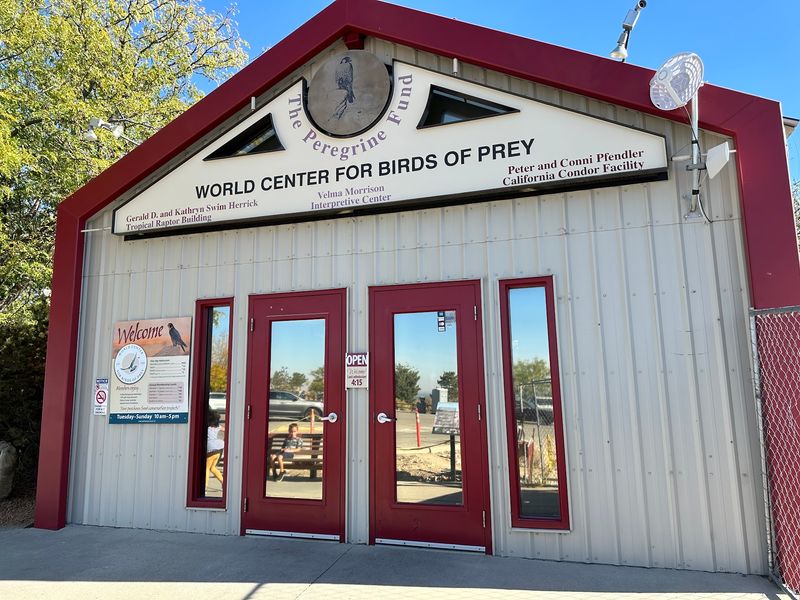
On your way out, the gift shop tempts you with plush owls, books, and raptor-themed keepsakes. But this isn’t your average souvenir stop, because the money you spend here rolls straight back into conservation.
That detail changes how it feels to browse. Picking up a stuffed falcon or a field guide comes with the quiet satisfaction of supporting the birds you just met face to face.
Visitors often mention lingering longer than they meant to, happy to spend a little knowing it helps the center’s mission. Whether it’s admission, a shop purchase, or a donation, everything funnels into protecting raptors around the globe.
The selection tends to please both kids hunting for a memento and adults after something more substantial, like a book on falcons or condors. It’s a low-pressure way to carry a piece of the day home.
Few gift shops let you feel genuinely good about opening your wallet. Here, though, buying a souvenir doubles as a small act of conservation, which makes that plush owl a little more meaningful.
Planning Your Visit And Getting There
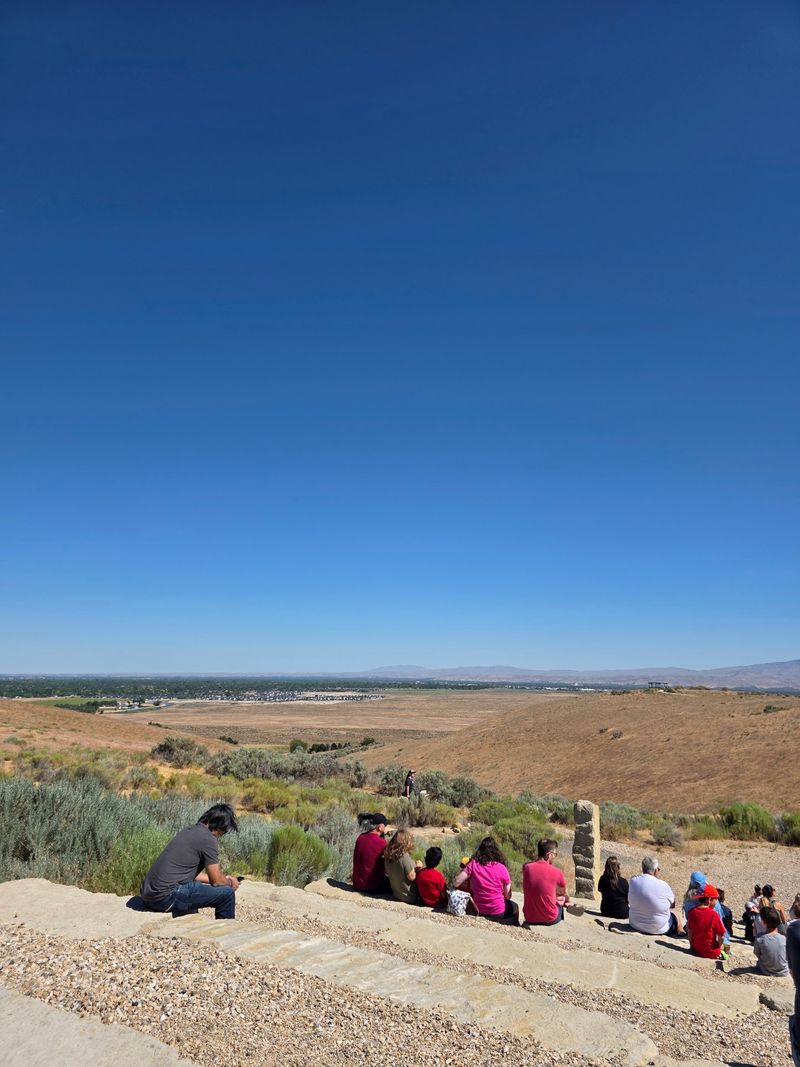
Getting here is refreshingly easy. The center sits at 5668 West Flying Hawk Lane in Boise, just a short drive from town yet far enough out to feel like a proper little escape into the hills.
Doors open mid-morning and the center welcomes visitors through the afternoon, so aim to arrive with plenty of time to spare. Since flight shows and encounters follow a daily schedule, it’s smart to check the official website before you head out to plan around them.
Admission is modest, with separate rates for adults, seniors, and youth, while members and the youngest children get in free. The center also takes part in the Museums for All program, offering free entry to SNAP benefit recipients, a nice touch that keeps it open to everyone.
Pack a few snacks and give yourself several hours, because rushing this place is a mistake. Between the exhibits, the birds, the museum, and the trails, there’s more here than a quick stop can hold.
A little planning turns a good outing into a great one.
Why This Idaho Gem Deserves A Spot On Your List
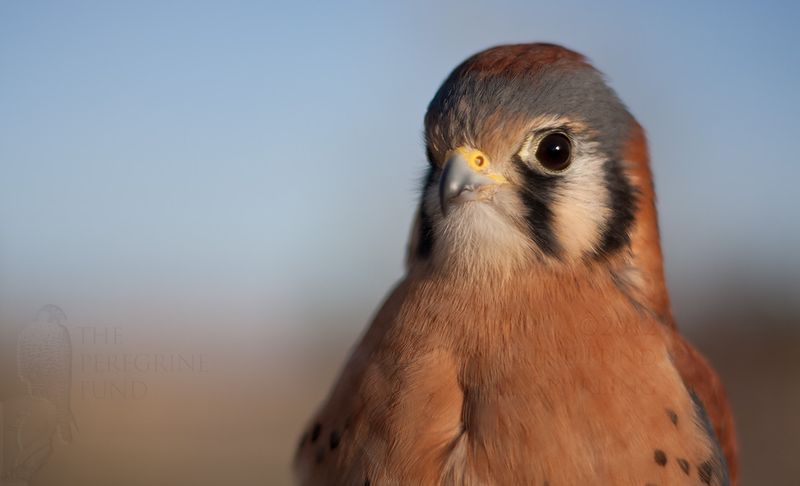
Some places surprise you by being far more than they first appear, and this is one of them. What sounds like a simple bird center turns into a full afternoon of wonder, learning, and unexpected closeness to creatures most people never truly see.
Longtime Boise residents sometimes confess they lived nearby for years before finally visiting, then kicked themselves for waiting so long. It has that effect, converting skeptics and casual passersby into genuine fans of raptors.
The blend is hard to beat. You get eagles and falcons up close, condors overhead, a one-of-a-kind falconry museum, warm and knowledgeable guides, and sweeping valley views, all while your visit directly funds real conservation.
Whether you’re a devoted bird lover or just hunting for a meaningful day trip out of the Treasure Valley, this spot delivers. Bring the kids, bring visiting friends, bring your own curiosity.
It’s the rare outing that entertains, teaches, and leaves you feeling like you did a small good thing. Next time you’re near Boise, point the car toward the hills and go meet the birds.