10 Picturesque Day Trips In Idaho Your Family Will Be Talking About For Years
Idaho day trips are what happens when nature gets bored and starts showing off near the highway.
Families can leave after breakfast and somehow end up staring at a waterfall like it personally scheduled the outing.
Ancient lava fields bring the “wait, this is still Idaho?” moment, while glassy lakes make the family camera roll look suspiciously professional.
Pack the cooler with confidence and prepare for one simple truth: somebody will get in the car expecting a normal day, then spend the ride home acting like they personally discovered the state.
1. City Of Rocks National Reserve
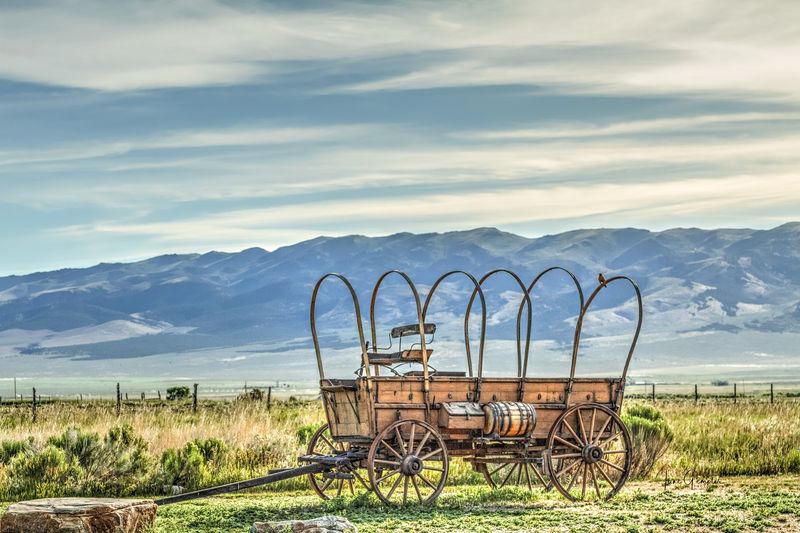
Granite spires make City of Rocks feel like Idaho accidentally built a natural castle and forgot to charge admission. Near Almo, the reserve covers 14,407 acres and protects scenery once described by California Trail emigrants as a “silent city” of stone.
Families can start at the shared visitor center in Almo, then drive into a landscape of towers, meadows, and boulders that look ready for a fantasy movie. Kids do not need to be climbers to enjoy it, because easy walks, interpretive stops, picnic spots, and strange rock shapes carry plenty of wonder on their own.
History adds another layer, with emigrant routes and markings tying the scenery to westward travel. Climbers come for the granite, photographers come for the light, and families come because the place feels huge without feeling complicated.
Spring and fall are especially comfortable for wandering, while summer brings bright skies and bigger crowds. Pack water, snacks, sun protection, and patience for slow roads.
City of Rocks works best when the schedule stays loose enough for everyone to point, scramble, pause, and invent dramatic names for every formation in sight. So memorable.
2. Craters Of The Moon National Monument
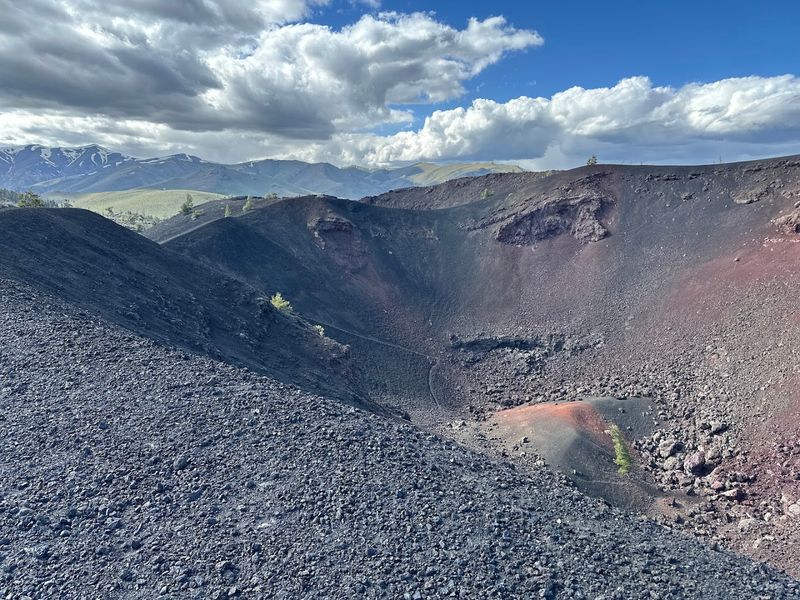
Black lava fields turn Craters of the Moon into Idaho’s strangest family field trip, and the whole place feels proud of being weird. Start at the Robert Limbert Visitor Center near Arco for maps, exhibits, restrooms, and current cave information before following the scenic Loop Road through cinder cones, lava flows, and trails.
NASA’s history here adds extra cool points, since the monument’s volcanic terrain helped support space-exploration research and astronaut training. Kids usually understand the appeal immediately: the ground looks like another planet, the caves feel adventurous, and every stop has a “wait, this is still Idaho?” moment.
Lava tube caves can be a highlight when open, but families should check permit rules, carry flashlights, and expect uneven footing. Spring and fall are easier for walking because black rock can make summer heat feel intense.
Short trails let visitors sample the landscape without committing to a long hike, which helps mixed-age groups. Craters of the Moon rewards curiosity more than speed.
Give everyone time to read signs, touch the rough rock where allowed, and stare across a landscape that looks borrowed from a science-fiction set. Naturally.
3. Shoshone Falls
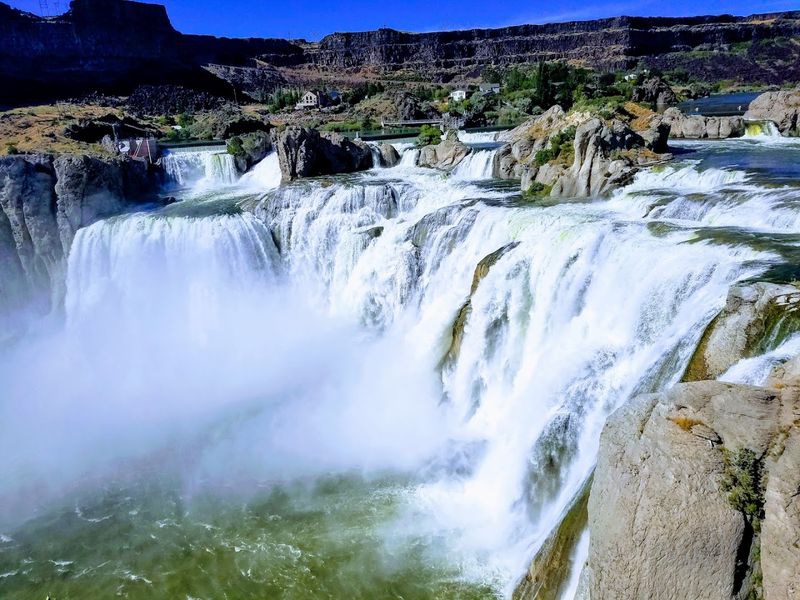
Mist does the dramatic greeting at Shoshone Falls, where Idaho proves it can out-height Niagara without acting smug about it. Twin Falls directs visitors to 4155 Shoshone Falls Grade Road, and Visit Idaho notes the waterfall drops 212 feet on the Snake River.
Families get an easy payoff here because the overlook, picnic areas, playgrounds, trails, and grassy spaces make the stop feel simple even when the view feels enormous. Spring usually brings the strongest flows as snowmelt feeds the river, giving the falls their biggest roar and best photo drama.
Summer can still be beautiful, especially when warm air meets cool spray near the viewpoints. Nobody needs a complicated itinerary to enjoy this trip.
Bring lunch, let kids use the park space between overlooks, and keep the camera ready because every angle changes the mood of the water. Shoshone Falls works especially well for families who want a big natural landmark without a difficult hike attached.
Grand scenery still comes with manageable access. Few Idaho day trips deliver such a quick “everyone stop talking and look” moment with so little effort required from tired parents.
Picnic blankets, spare layers, and extra time all help everyone.
4. Upper And Lower Mesa Falls
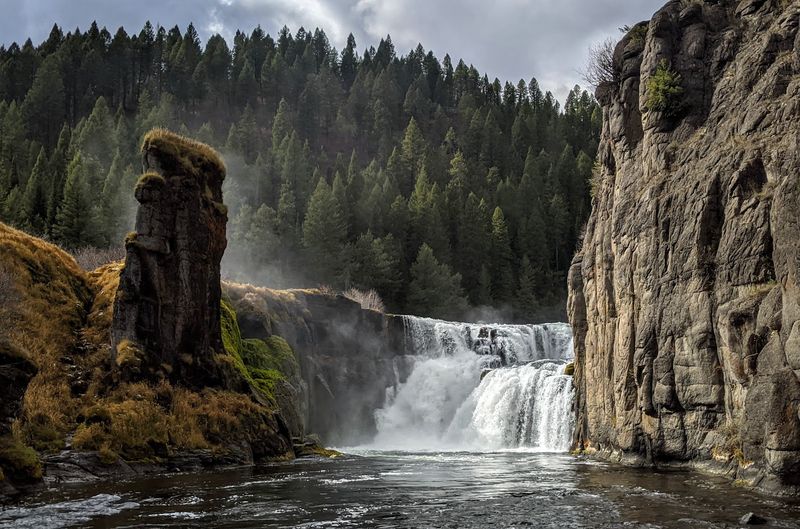
Few places in the American West feel as untouched and wild as Mesa Falls. Unlike most waterfalls that have been reshaped by dams or development, these falls remain completely natural, making them a rare and genuinely moving sight.
The Upper Mesa Falls area along the Mesa Falls Scenic Byway is the usual starting point, but families should check current Forest Service updates before relying on visitor-center services.
The accessible boardwalk from the visitor center winds through tall trees before opening up to a spectacular view of the upper falls plunging into the canyon below. Children and adults alike tend to stop in their tracks the first time they see it.
The lower falls require a bit more of a walk, but the payoff is a quieter, more intimate view of the water.
Visit Idaho highlights Mesa Falls as one of the last major waterfalls on the Snake River that has not been touched by human engineering. That sense of authenticity makes the experience feel genuinely special.
Pack a lunch, wear sturdy shoes, and allow a few extra hours to soak in everything this gorgeous Idaho treasure has to offer.
5. Bruneau Dunes State Park
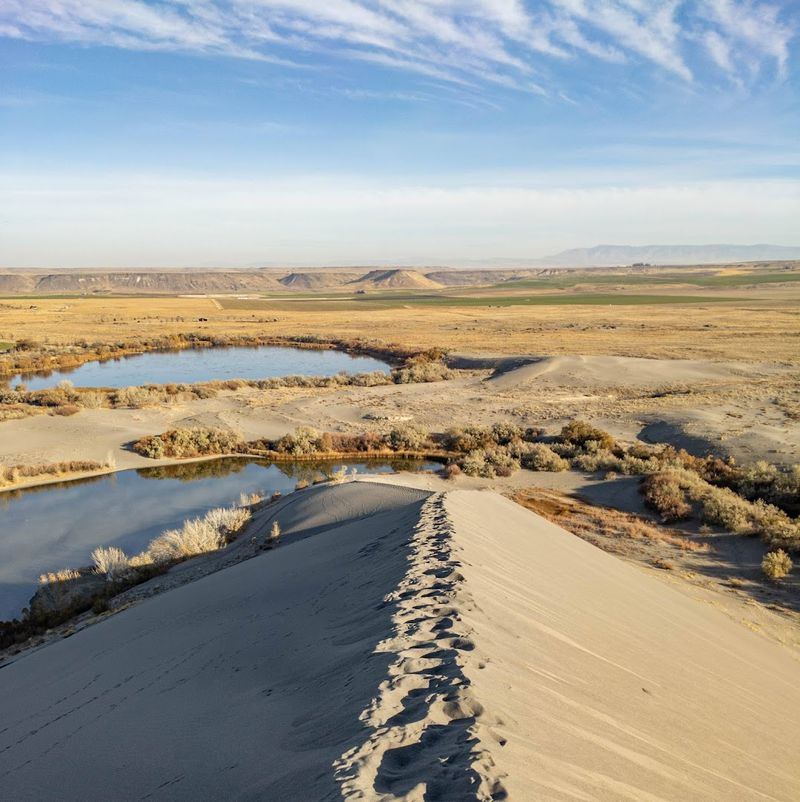
Sand suddenly becomes the main character at Bruneau Dunes State Park, and Idaho’s desert landscape seems delighted by the surprise. Idaho Parks says the park has the tallest single-structured sand dune in North America, rising 470 feet above the surrounding desert floor.
Families can hike the dunes, rent sandboards from the visitor center when available, fish in small lakes, watch birds, picnic, camp, and stay for night-sky programs when the observatory schedule lines up. Off-road vehicles are not allowed on the dunes, which helps keep the experience focused on climbing, sliding, and staring at the impossible-looking shape rising from the flat land.
Sun protection matters here more than enthusiasm. Sand reflects heat, kids burn energy fast, and shoes can fill with half the state if nobody plans properly.
Late afternoon often feels more comfortable and gives the dunes warmer color for photos. Bruneau works because it feels unlike almost every other Idaho day trip.
One minute the family is driving through high desert, and the next everyone is discussing whether climbing a giant dune was a brilliant idea or a personal fitness audit. Bring extra socks for the sand aftermath.
6. Harriman State Park
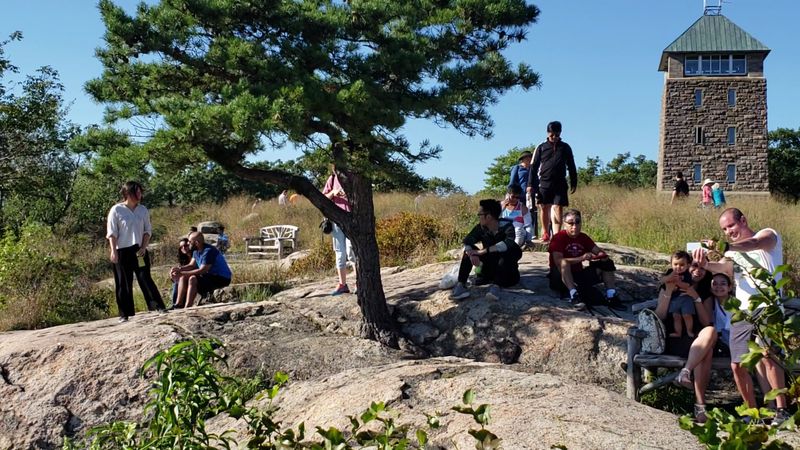
Wildlife tension makes Harriman State Park exciting in the quietest possible way. Inside the Greater Yellowstone Ecosystem, Idaho Parks says the park lies within an 11,700-acre wildlife refuge and offers 22 miles of trails for hiking, mountain biking, and horseback riding through meadows, riverbanks, and evergreen forest.
Families can choose short walks near the Henrys Fork or longer routes for older kids who can handle more distance. Moose, elk, trumpeter swans, and other wildlife are often part of the park’s appeal, though sightings should be treated as lucky moments rather than guaranteed entertainment.
Bring binoculars, keep respectful distance, and let children know wild animals are not background props for selfies. Harriman also carries ranch history, giving the landscape more story than a pretty meadow alone could provide.
Cooler mornings and early evenings can be especially rewarding for wildlife watching, while summer days invite slower trail time near the water. Harriman suits families who want calm exploration rather than loud attractions.
Everyone leaves with quieter memories: river movement, bird calls, open meadows, and the suspense of wondering what might appear around the bend. Slow families may enjoy it most, because patience pays here.
7. Thousand Springs State Park
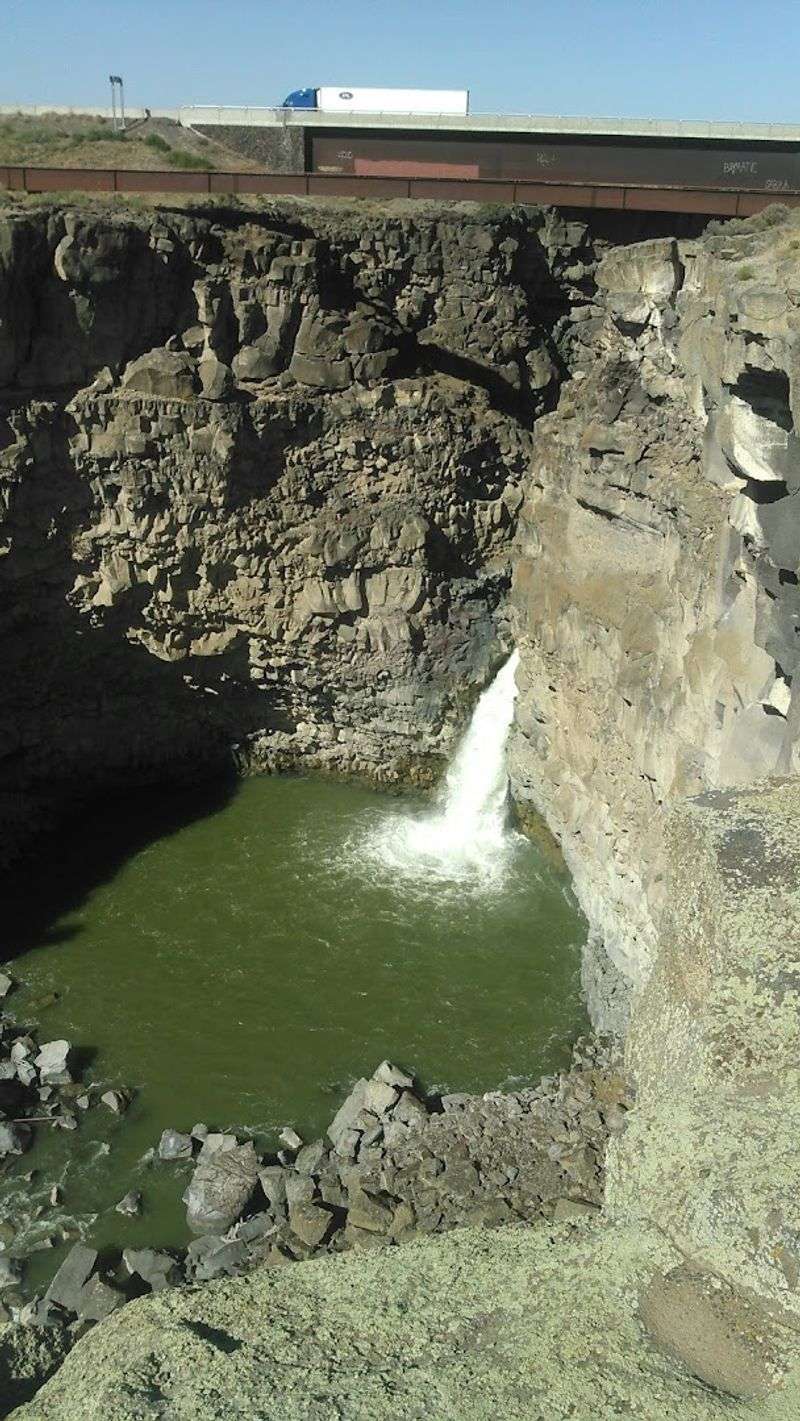
Water appears from canyon walls like Idaho is showing off at Thousand Springs State Park. Visitor-center stops at 17970 U.S.
Highway 30 in Hagerman serve both Thousand Springs State Park and Hagerman Fossil Beds National Monument, making them smart for maps, exhibits, and current unit information. Multiple scenic units make families treat the day like a flexible road trip rather than one single parking lot.
Along the Thousand Springs Scenic Byway, waterfalls, clear springs, fossil history, canyon overlooks, and small towns create a day with built-in variety. Kids can learn how underground aquifers shape the landscape, while adults get the pleasure of a drive that keeps revealing new views.
Seasonal visitor-center hours vary, so checking ahead prevents awkward timing. Pick a few units instead of trying to conquer everything, especially with younger children.
Box Canyon, Malad Gorge, and Ritter Island can each feel like their own mini-adventure. Thousand Springs works because the scenery keeps changing.
Entire route feels like Idaho stacked geology, water, and road-trip charm into one family-friendly puzzle. Leave room for detours, because the canyon loves surprising prepared families with more overlooks, springs, and photo stops.
8. Ponderosa State Park
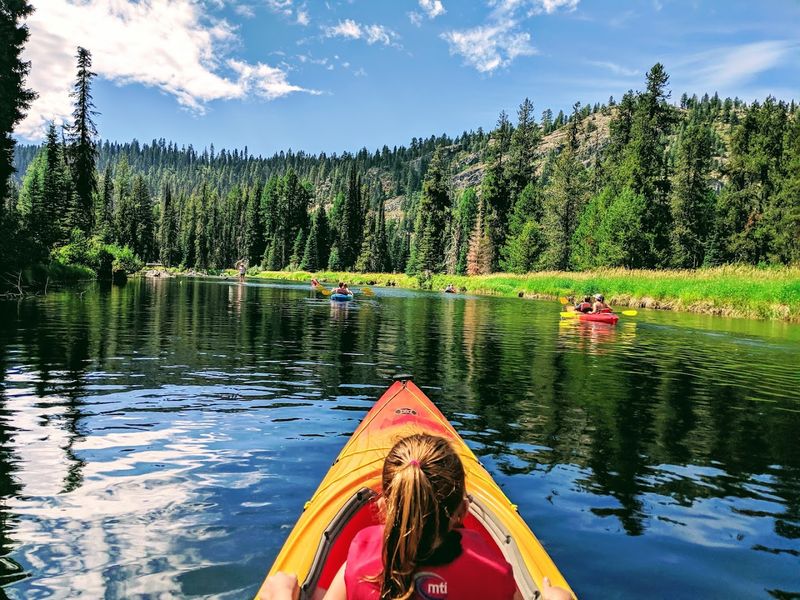
Sitting on a 1,000-acre peninsula surrounded by the sparkling waters of Payette Lake, Ponderosa State Park earns its reputation as one of Idaho’s most scenic family destinations. The moment you arrive and catch your first glimpse of the lake through the towering pines, it becomes clear why so many families return here year after year.
The park entrance is at 1920 N Davis Ave, McCall, ID 83638, just minutes from the charming mountain town of McCall.
Hiking trails range from flat lakeside paths to slightly elevated routes that reward walkers with sweeping panoramic views of the water and surrounding mountains. Sandy beach areas invite families to swim, build sandcastles, or simply sit and watch the light shimmer across the lake.
Paddleboard and kayak rentals are available nearby, adding an easy water adventure to the day without requiring any special gear.
The ponderosa pine forest itself is worth experiencing, with massive old-growth trees creating a cathedral-like canopy overhead. Picnic areas are well-maintained and positioned to take full advantage of the lake views.
Ponderosa State Park is the kind of place where a simple family day outdoors turns into something genuinely beautiful and memorable, with no complicated logistics required.
9. Old Mission State Park
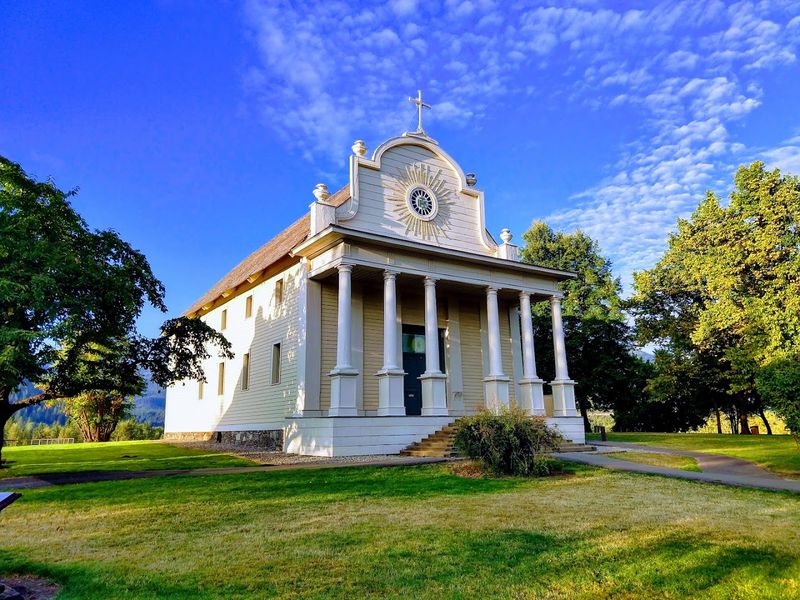
History feels unusually close at Old Mission State Park, where northern Idaho scenery frames one of the state’s most important buildings. Mission of the Sacred Heart, also known as Cataldo Mission, is widely recognized as Idaho’s oldest standing building, constructed in the 1850s by Coeur d’Alene tribal members and Jesuit missionaries using local materials.
Located at 31732 South Mission Road in Cataldo, the park gives families a chance to pair architecture, faith history, Indigenous history, and river-valley scenery in one compact visit. Mission architecture anchors the visit, while the surrounding grounds help the stop feel calm rather than classroom-heavy.
Exhibits and interpretation add context for children old enough to connect dates, people, and place. Nearby Trail of the Coeur d’Alenes access can stretch the day with walking or biking if the family wants more movement after the historic visit.
Old Mission works best for travelers who like stories anchored in real places. Instead of a quick roadside plaque, the park offers a building, landscape, and layered history that make northern Idaho feel deeper than its postcard scenery alone.
Quiet interpretation and easy grounds make the stop approachable without flattening complicated history.
10. Farragut State Park
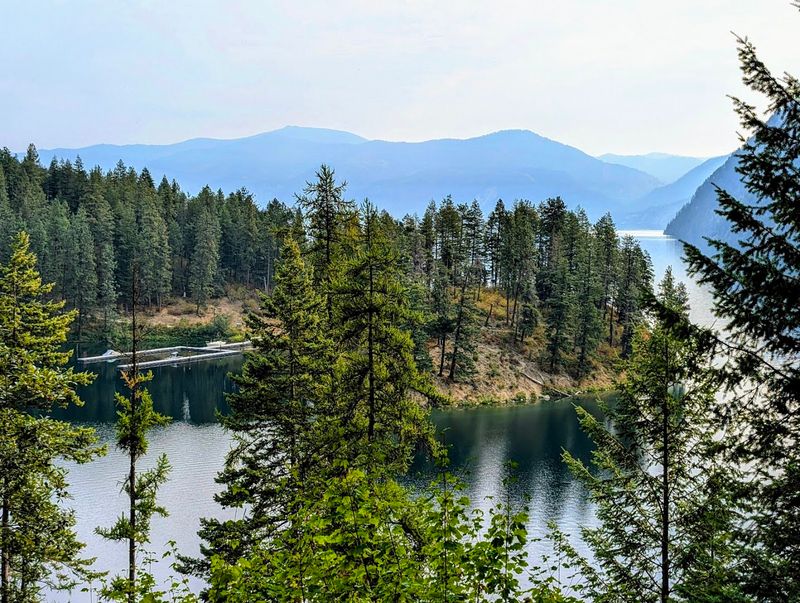
Lake Pend Oreille brings the scale, and Farragut State Park offers enough activities to help different family interests fit into one outing. Idaho Parks says this 4,000-acre park was once a World War II-era naval training station, while Visit Idaho notes more than 40 miles of trails for hiking, biking, skiing, or snowshoeing.
Located near Athol on the southern shore of Lake Pend Oreille, Farragut gives families lake views, forest trails, swimming areas, disc golf, camping options, and the Museum at the Brig for a dose of history. Such variety makes the park especially useful when everyone wants something different.
One child wants water, another wants bikes, someone wants shade, and an adult wants proof the day involved learning. Farragut can handle all of that without feeling scattered.
Northern Idaho’s greener landscape also gives the trip a different mood from the state’s desert parks and lava fields. Summer offers the fullest recreation menu, while cooler seasons can be great for trails and quieter scenery.
Farragut earns its place because it combines lake beauty, outdoor energy, and military history in one practical family destination. Pack curiosity and flexible plans.