This Louisiana Town Crowns Queen Sugar At The End Of September During Its Annual Festival
By the final weekend of September, sugar cane becomes royalty.
One Louisiana town marks harvest season with a celebration that mixes pageantry, farming tradition, music, and plenty of local pride.
The queen may grab the headline, but the event reflects something much deeper.
Generations of families have depended on the crop, and the festival keeps that connection visible.
Streets turn festive. Community traditions move into the spotlight. Visitors get a glimpse of agricultural life without needing to know anything about farming beforehand.
It is cheerful, specific, and unmistakably local. Few fall celebrations wear their identity quite so confidently.
Where The Sweet Celebration Lives
Sandwiched between historic Main Street and the slow water of Bayou Teche sits the green square that anchors this whole sugary affair.
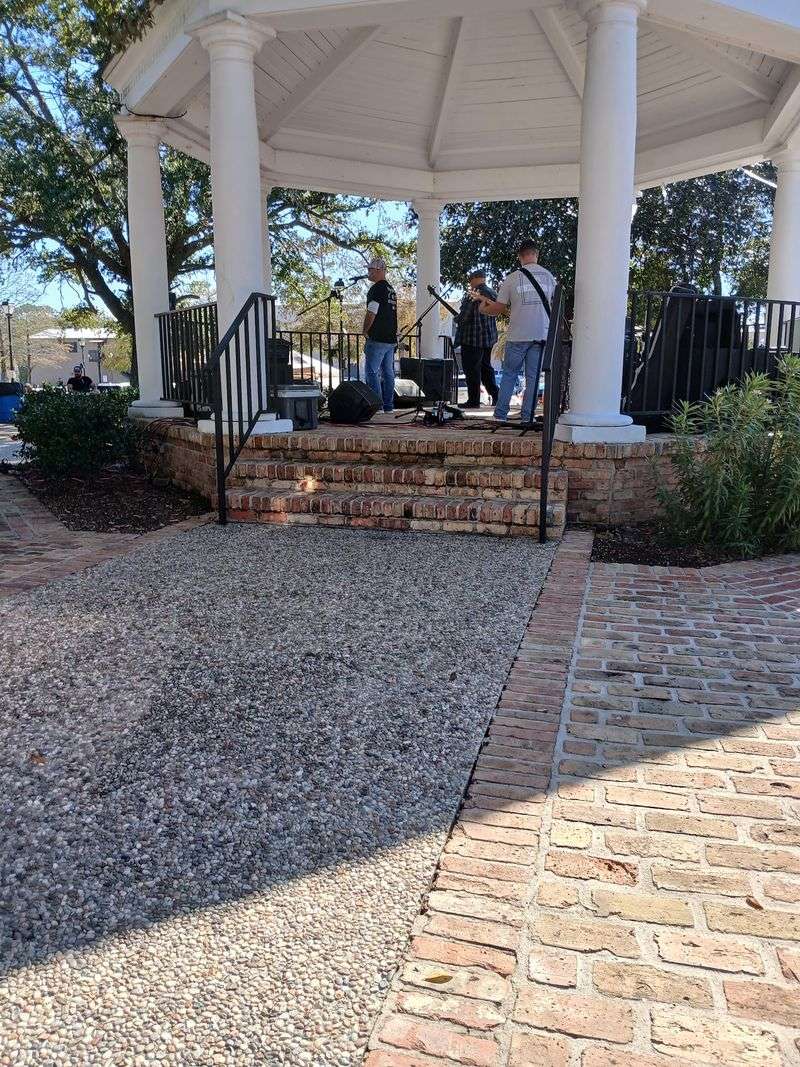
Bouligny Plaza is the beating center of downtown New Iberia, and locals simply call it the heart of town.
A white gazebo stands at the middle, recently refreshed, with public restrooms tucked behind it. Old cypress trees wear Spanish moss like lace, which makes every photo look better than it should.
Bouligny Plaza serves as a public gathering space in the center of downtown New Iberia throughout the year. The Teche Area Farmers Market uses the plaza on Saturday mornings and Tuesday afternoons throughout the year.
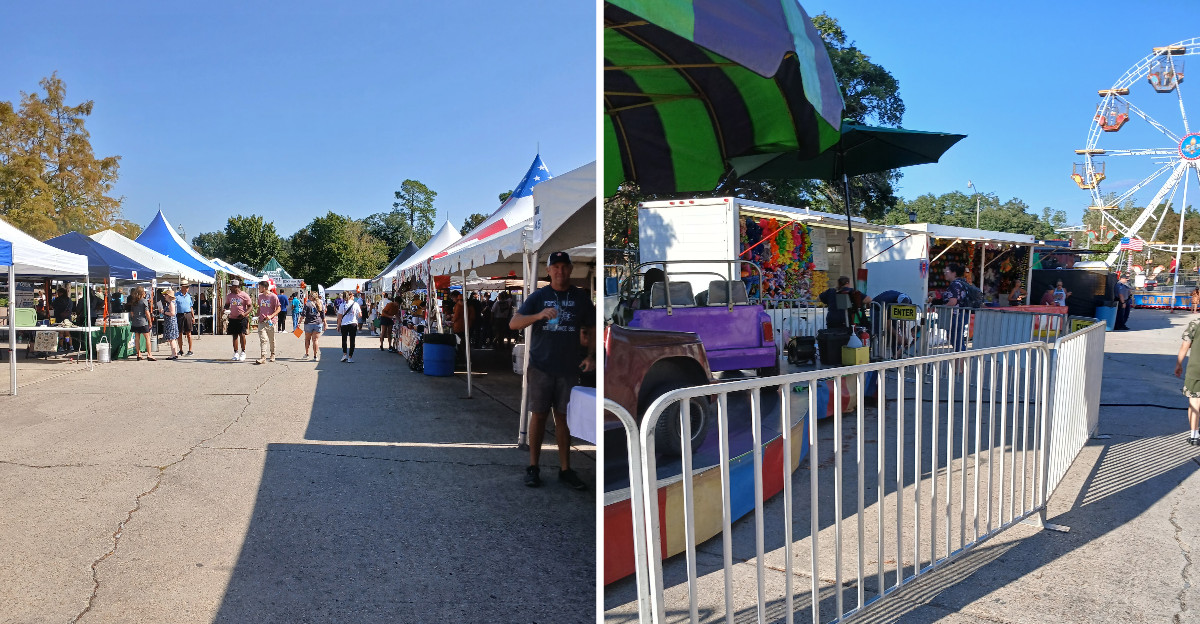
During festival week, the whole square transforms. Festival activity spreads across Bouligny Plaza and the adjacent Steamboat Warehouse Pavilion, with food vendors, carnival rides, and live entertainment downtown.
For the festival, use Bouligny Plaza at 102 W Main St in downtown New Iberia.
A Festival Born In 1937
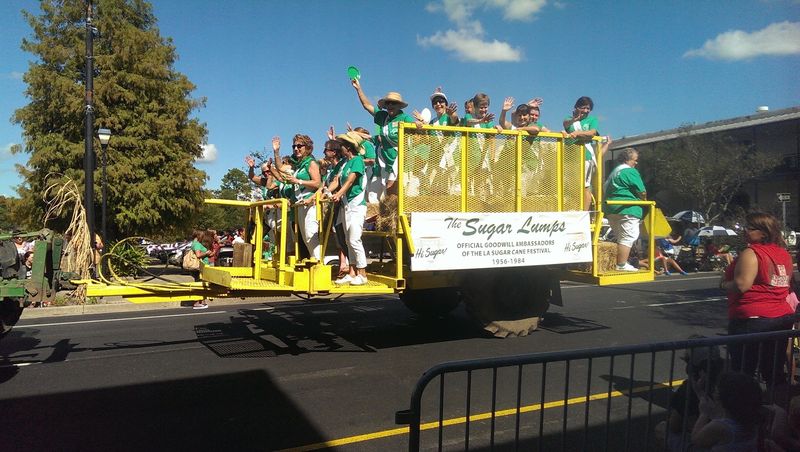
Back in 1937, the community here decided that the founding of the Iberia Sugar Cooperative deserved a party.
That single idea grew into the Louisiana Sugar Cane Festival and Fair, now one of the oldest agricultural celebrations in the state.
The event paused between 1941 and 1945 during World War II. It returned in 1946, with additional cancellations in 2020 and 2021 before the annual celebration resumed.
The celebration has always centered on sugarcane farming and the people connected to the industry. The festival exists to thank farmers, mill workers, and everyone who keeps the cane moving from field to factory.
Hundreds of volunteers from across the sugar belt pitch in each year. They build floats, run booths, and organize contests without much fanfare.
Joy, community, and gratitude remain the three pillars. New activities get added, but that original spirit never gets edited out.
History buffs will appreciate the markers and memorials scattered around the square. Reading them gives useful context before the music starts.
Visitors arriving before the busiest weekend events can explore downtown separately from the parade and entertainment schedule.
Crowning The Queen Sugar
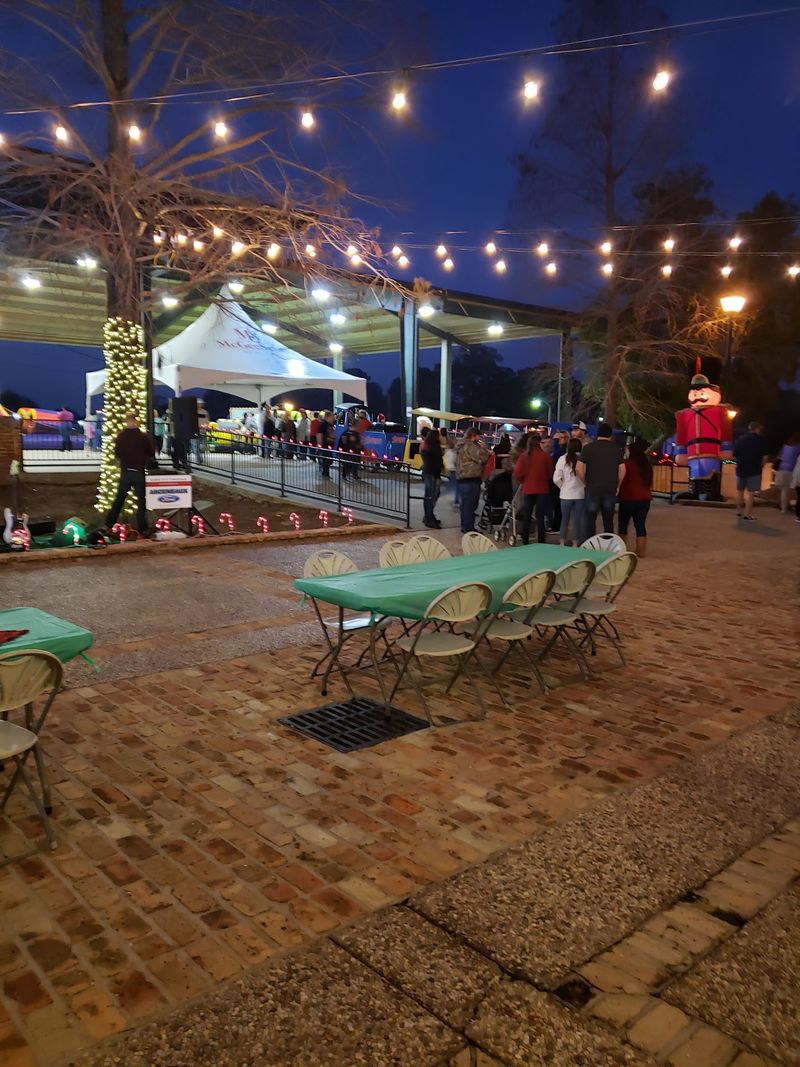
The state has roughly two dozen sugar-producing parishes, while 16 parish queens are listed as contestants for the 2026 Queen Sugar title.
The Queen Sugar competition is the crown jewel of the weekend, and I mean that literally.
The tradition began with the very first festival in 1937, when the inaugural queen was selected by popular vote. She was crowned by the state’s lieutenant governor, who became the first King Sucrose.
Nearly nine decades later, the pageantry has grown considerably. Saturday evening brings the 83rd Coronation of Queen Sugar at Westgate High School Auditorium, where the 2026 titleholder will be selected.
An elegant Coronation Ball follows, capping a week of receptions and formal gatherings. The royalty then serve as ambassadors for the state’s sugarcane industry throughout the year.
The contestants represent sugar-producing communities from across southern and central Louisiana.
For a public view of the newly crowned royalty, Sunday’s Royalty Parade follows Main Street through downtown. The parade begins at Main and Lee streets at 1 p.m. and ends at Jefferson Street.
Dress a little nicer than usual for the pageant night. The occasion carries real pride, and it shows.
Three Parades, Three Personalities
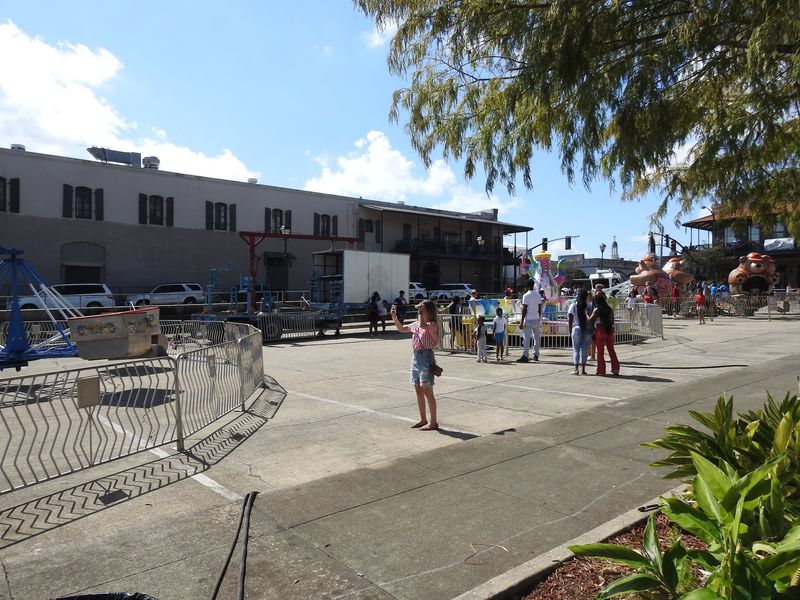
Most festivals manage one parade. This one hosts three, and each has its own flavor.
Friday belongs to the Farmer’s Parade, a rolling museum of vintage and modern farming equipment. Tractors rumble past while parish queens wave from their floats.
Saturday morning switches gears entirely with the Children’s Parade. Kids aged fourteen and younger take over the route, grinning and tossing waves at everyone.
Sunday delivers the Royalty Parade, the glittering finale. Marching bands from Iberia Parish high schools join dance schools and youth groups in a long, loud procession.
The newly crowned Queen Sugar and King Sucrose headline Sunday’s Royalty Parade through downtown. The procession also includes older youth groups, marching bands, dance schools, and other entrants.
Streets around the square fill quickly, so arrive early and claim curb space. Shade is limited in spots, and a hat helps.
Parking exists in several lots around historic downtown, including free options. Free and street parking are available in the downtown area during festival weekend.
All three parade routes travel through downtown and finish at Jefferson Street. Start times are Friday at 6 p.m., Saturday at 10 a.m., and Sunday at 1 p.m.
Blessing Of The Crop
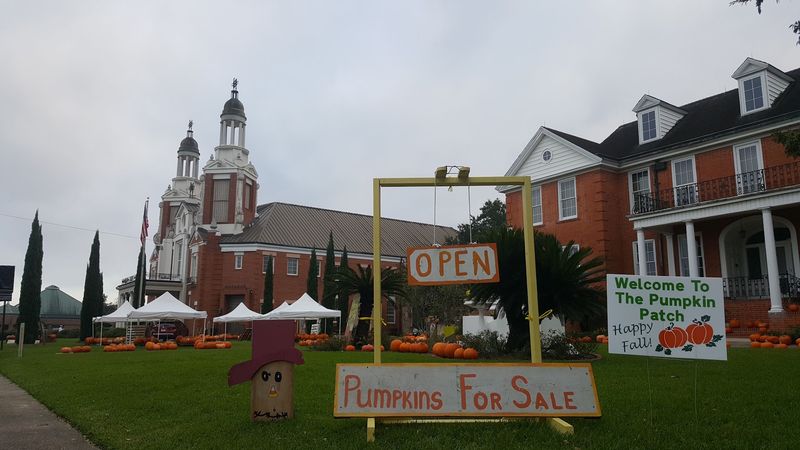
Not everything about this weekend is loud. Friday morning brings a quiet ceremony held out in a working sugarcane field.
Known as the Blessing of the Crop, it is led by a local priest who offers prayers for a successful harvest.
The tone shifts completely from downtown energy to something calm and reflective.
Faith and farming have always been woven together in southern Louisiana. Holding the ceremony on an active sugarcane farm keeps the agricultural purpose of the festival physically connected to the crop.
The ceremony honors the people who work the fields and the land that supports them. The 2026 Blessing of the Crop is scheduled for 10 a.m. Friday at Gonsoulin Farms, with coffee and beignets served there.
The ceremony offers one of the festival weekend’s clearest links to the approaching harvest. Its focus remains on the crop, farmers, and hopes for a successful season.
Wear closed shoes, since field ground can be uneven and soft after rain. Morning light also makes for lovely photographs.
The downtown Farmers Tractor Parade follows later that day at 6 p.m. The contrast between field and festival stays with you.
Accordion Nights And Petting Zoos
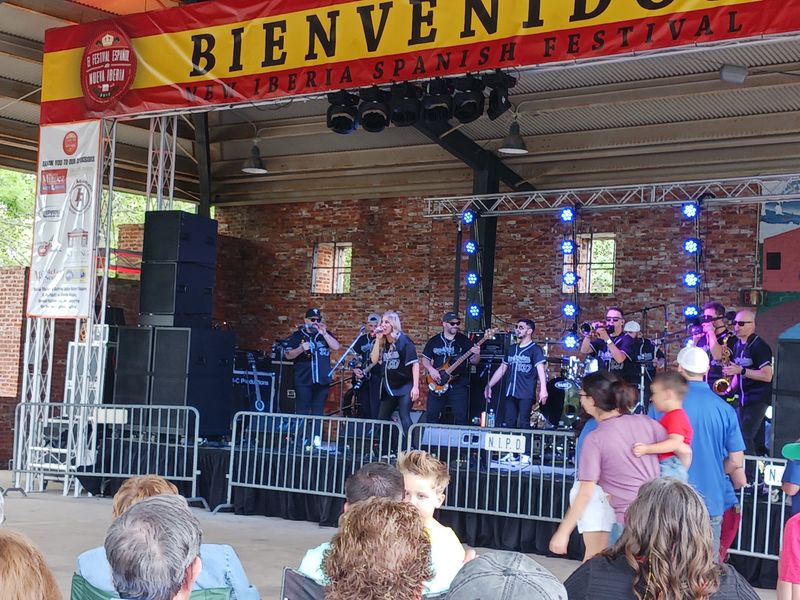
Music is the glue holding this whole weekend together.
The Fais-do-do brings live music to the Steamboat Warehouse Pavilion beside Bouligny Plaza.
Cajun and Zydeco bands take the stage with accordions, fiddles, and washboards. Even people who claim they cannot dance end up shuffling along.
There is an entry fee for the Fais-do-do dances, and cash is the only accepted payment on-site. A mobile ATM is usually available if you forget.
Families with young children should look for Farm Fest. Farm Fest includes kids’ games, a petting zoo, prizes, and a decorate-your-own-cupcake activity.
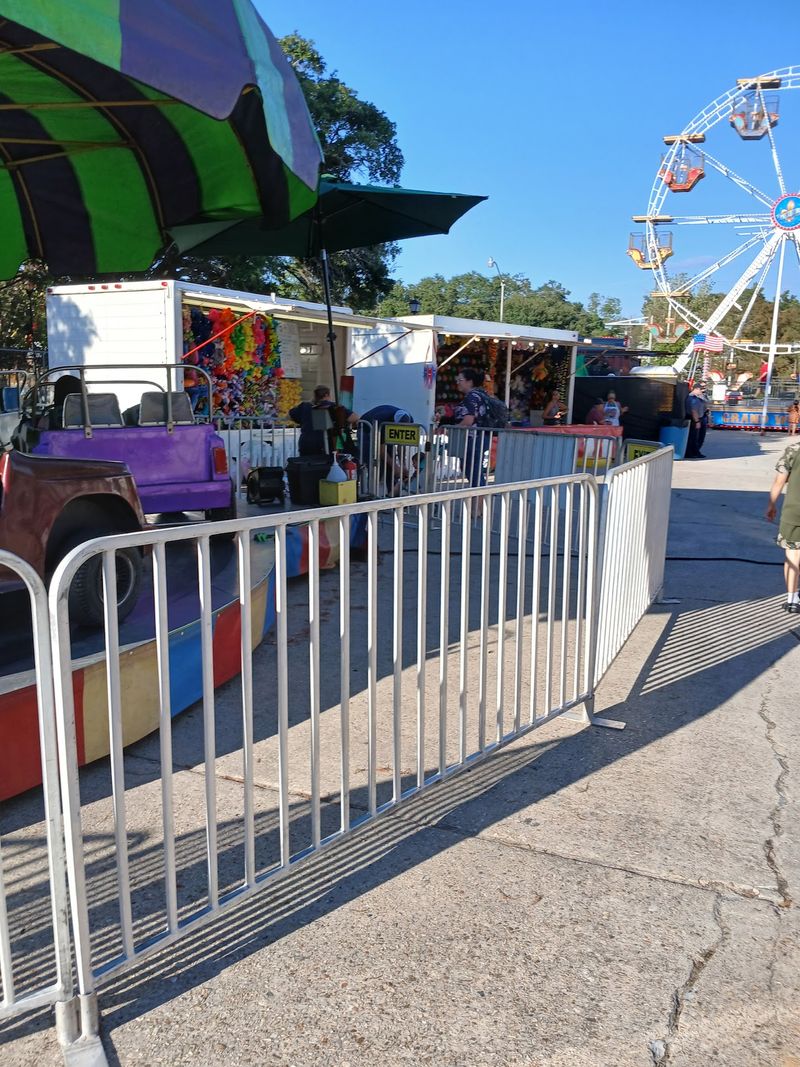
A carnival street fair adds rides and midway games at Bouligny Plaza. Rides require tickets, with some attractions using multiple tickets.
The 4-H livestock show highlights young agricultural talent from around the parish. The Iberia Parish 4-H Livestock Show and Sale runs in conjunction with the festival weekend.
Stroller access works fine on the plaza’s paved paths. Restrooms sit behind the gazebo, which helps with quick pit stops.
Evenings cool off pleasantly in late September. A light layer makes the music last longer.
Food Trucks And Flower Shows
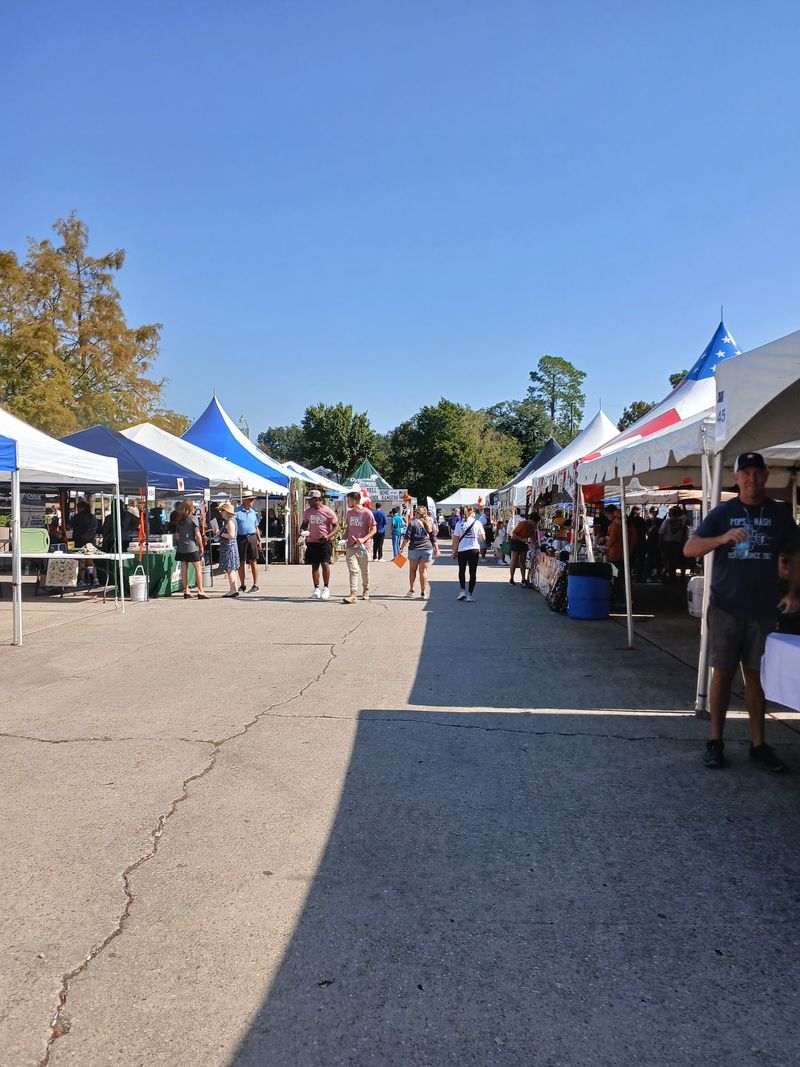
My stomach set the schedule on day two. Approved food truck vendors circle the plaza, and the lineup covers a lot of ground.
Food-truck menus vary by approved vendor, so the exact mix changes from year to year. Sampling from more than one vendor can spread the food stops across the day.
Iberia Parish 4-H holds a Sugar Cookery Contest in conjunction with the festival.
Bakers show off what they can do with the crop being celebrated, and the results get impressively creative.
Art, photography, and flower shows are held in conjunction with the festival rather than being directly hosted by it. Separate community organizations oversee those competitions and displays.
The exhibits offer an indoor or quieter complement to the parades and outdoor entertainment. Subjects vary according to the entries submitted each year.
Main Street shops and bakeries stay busy during the weekend too. Those nearby businesses provide additional stops between scheduled festival events.
The Fais-do-do and carnival ticket booths are cash-only. Individual food and parade-route vendors may set their own payment policies.
Between savory plates and sweet contests, nobody leaves hungry. That may be the most Louisiana thing about the entire event.
Planning Your September Visit
Timing matters here. The festival traditionally lands on the last full weekend of September as Louisiana’s sugarcane harvest season approaches.
The broader 2026 celebration runs September 24 through 27, with Farm Fest on Thursday and the main festival schedule continuing through Sunday.
The Fais-do-do, Queen Sugar coronation, Coronation Ball, carnival rides, and Farm Fest all have separate admission or ticket requirements.
Parking spreads across several areas near historic downtown, with free spaces available. Parade routes use downtown Main Street, so allowing extra time for parking is sensible on Saturday and Sunday.
Bring sunscreen and a clear bag, and carry cash for the Fais-do-do and carnival ticket booths.
Louisiana’s sugarcane industry currently spans more than 540,000 acres, with recent production reported across roughly two dozen parishes.
Eleven raw sugar factories process the crop, while successful sugarcane cultivation in Louisiana dates to the 1750s.
Those numbers show why an agricultural festival in one city represents an industry with statewide reach.
Plan a night or two nearby so you can catch multiple parades. One day simply is not enough.