This Small Kentucky Town Was Home To The South’S First Interracial College In 1855
Think about what people were arguing over in the mid eighteen hundreds. Kentucky was a slaveholding state, and the idea of Black and white students sharing a classroom was considered dangerous.
One minister decided to build that classroom anyway. He started with a one room schoolhouse that doubled as a church on Sundays.
The land came from a wealthy neighbor with strong opinions about slavery. From that small building grew the first interracial and coeducational college in the South.
Students of both races and genders learned side by side before the Civil War began. The state later passed a law specifically to stop it.
The school fought that law all the way to the Supreme Court. You can still visit the Kentucky town that grew up around all of this.
It is worth the drive. The story is older and stranger than most of the history you were handed in school.
A One-Room School With Enormous Ambition
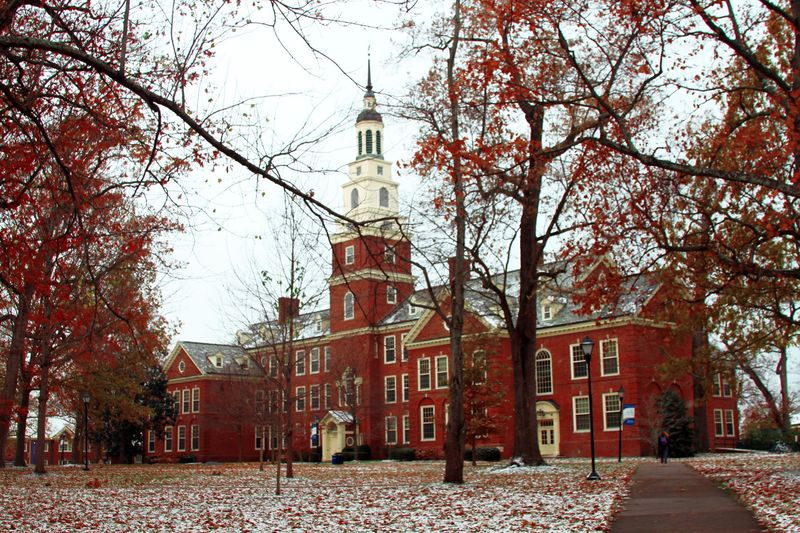
Berea College began in 1855 as a single room with a wooden floor and big plans. On Sundays, that same room served as a church for the young community.
Reverend John G. Fee started it all.
An abolitionist minister, he wanted a school where Black and white students learned side by side, and where women studied alongside men.
In the South, before the Civil War, that idea was close to unthinkable. Fee built it anyway, brick by brick and student by student.
The first teachers came from Oberlin College in Ohio, a school already known for admitting Black students. They carried those same convictions into the Kentucky hills.
By 1859, the first articles of incorporation were adopted. What started as one classroom now had legal footing and a formal name.
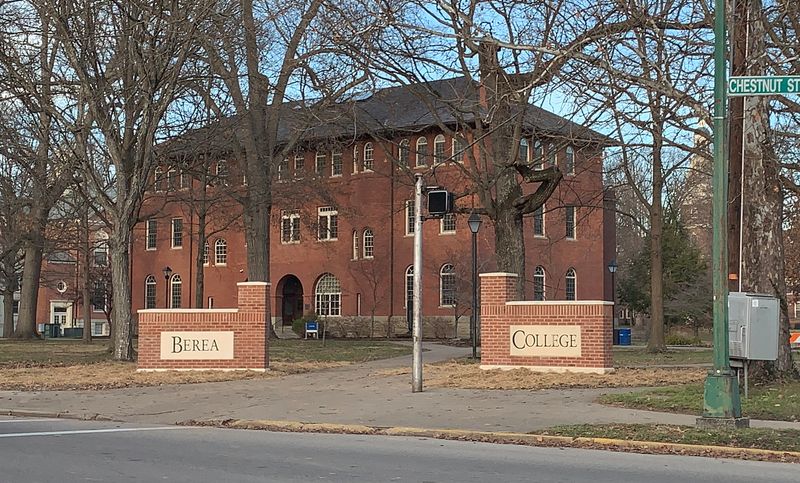
You can stand on campus today at 101 Chestnut St, Berea, Kentucky, and trace that beginning. The scale has changed, but the founding idea has not.
The scriptural motto says it plainly: God has made of one blood all peoples of the earth. That line, from Acts 17:26, still anchors the college.
Small starts can carry enormous weight. Berea proves a single room can shift a region’s history.
The Abolitionist Who Refused To Back Down
John G. Fee had every reason to choose an easier life.
He chose the hardest road available in 1850s Kentucky instead.
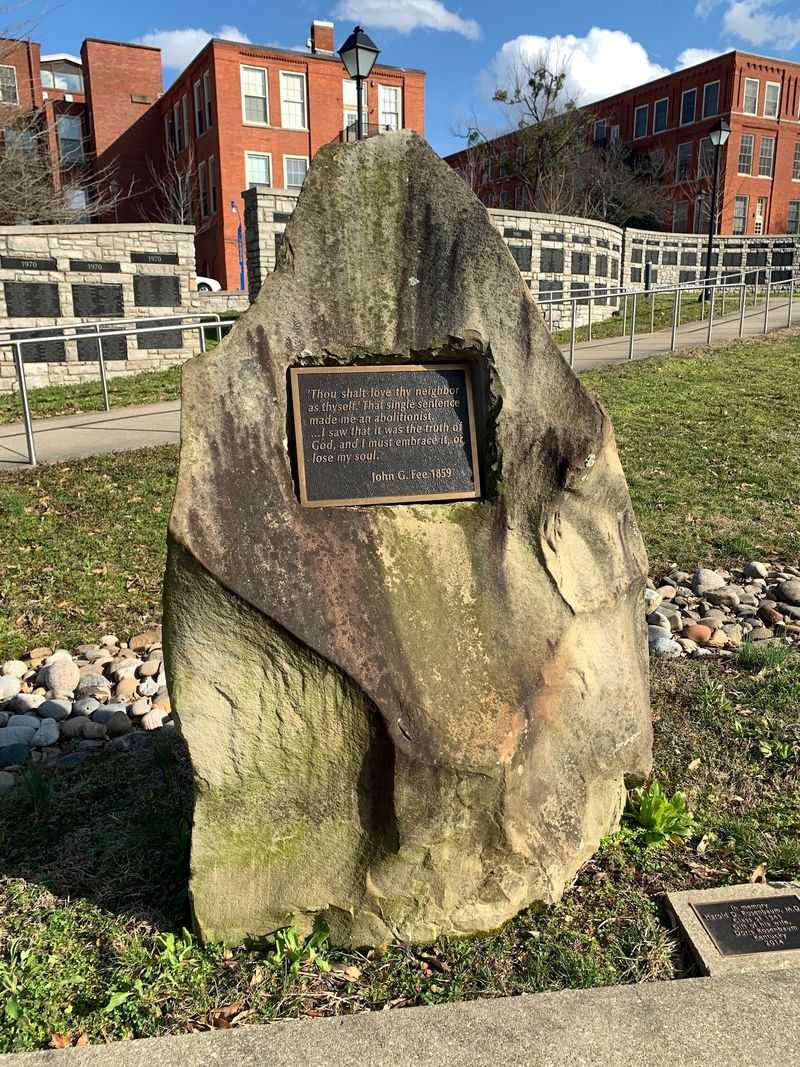
Fee was a minister and a committed abolitionist. He believed slavery was wrong, said so publicly, and paid for it repeatedly.
His vision went beyond ending slavery. He wanted equal education for Black and white people, and for men and women alike.
That belief was not popular with his neighbors. Pro-slavery sympathizers drove Fee and his teachers out of Madison County in 1859.
He did not quietly disappear. After the Civil War ended, Fee returned in 1865 and picked up exactly where he had stopped.
The school reopened in 1866. By 1869, a full college department was running, and the first bachelor’s degrees followed in 1873.
Fee’s mission statement included Christian values, human dignity, equality, and peace. Those four words still appear in college materials today.
You will find his name across campus, on plaques and in exhibits. The reverence is earned rather than decorative.
Stubbornness gets a bad reputation. In Fee’s case, it built a college that outlasted the laws designed to stop it.
How A Ten-Acre Gift Started Everything
Land was the first ingredient, and it arrived as a gift. In 1853, Cassius M.
Clay offered Fee a ten-acre homestead.
Clay was a wealthy landowner and an outspoken abolitionist. He wanted an anti-slavery church and community planted in Madison County.
Ten acres does not sound like much. It was enough to start a church, a school, and eventually a town.
Fee accepted, moved his family, and got to work. The ridge he settled became the center of everything that followed.
The gift came with risk. Openly anti-slavery communities in the South attracted hostility, and this one certainly did.
Clay and Fee did not always agree on tactics or pace. Their alliance still gave the movement land, money, and visibility.
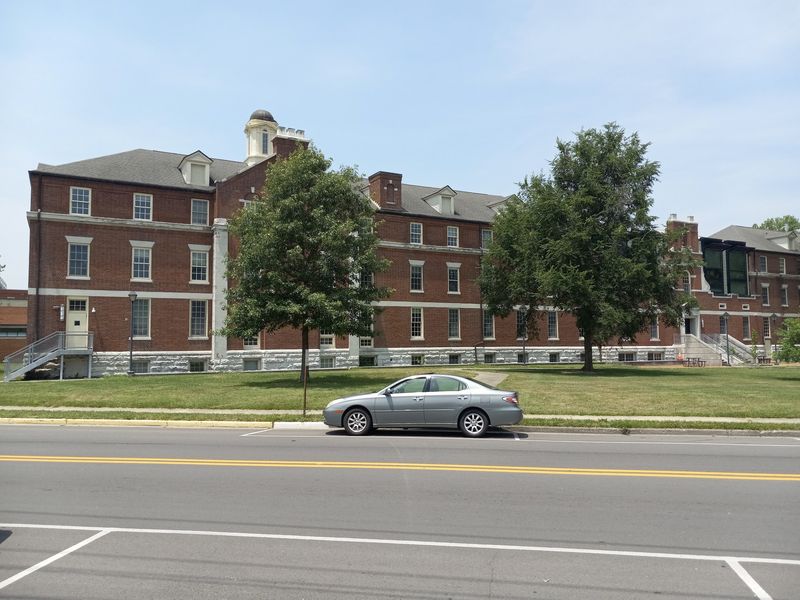
Today the campus spreads across the hills near that original homestead. The rolling terrain means you walk uphill more than you expect.
Visitors often mention the natural beauty and the hiking trails around the property. The setting feels rural and welcoming at once.
Big movements sometimes start with a simple handshake over acreage. This one did, and the results are still standing.
A Town Named For Open Minds
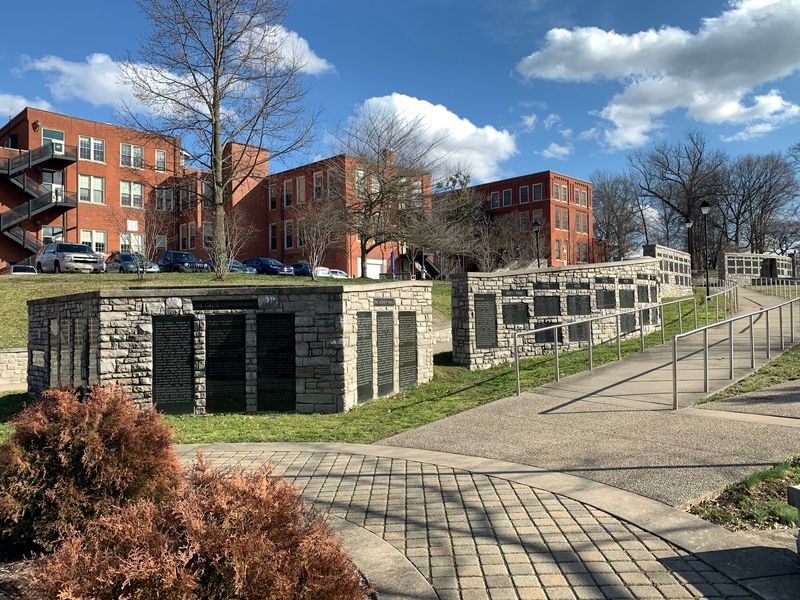
Most towns are named for founders, rivers, or someone’s hometown back east. Berea was named for an attitude.
Fee borrowed the name from a biblical town mentioned in Acts 17:10. The people of that ancient Berea were known for open minds.
They listened carefully and examined ideas before judging them. Fee wanted his settlement to carry that same reputation.
The choice was a mission statement disguised as a place name. Every letter sent from Berea carried the message.
Modern Berea sits in Madison County, in the foothills of the Appalachian Mountains. It is small, walkable, and full of craft studios.
Kentucky officially recognizes Berea as the state’s folk arts and crafts capital. Weavers, potters, and woodworkers keep shops around town.
Visitors describe a welcoming community with friendly people and a genuine college-town feel. The campus and the town blend together easily.
You can walk from academic buildings to storefronts in minutes. There is no hard boundary between school and neighborhood.
Names usually fade into background noise. Here, the name still tells you exactly what the place was built to be.
When Kentucky Made Integration Illegal
Progress hit a wall in 1904. The Kentucky Legislature passed the Day Law that year, and it targeted schools like Berea directly.
The law prohibited coeducation of Black and white students in private institutions. Berea had been doing exactly that for decades.
The college did not comply quietly. Trustees fought the law through the courts, all the way to the U.S.
Supreme Court.
In 1908, the Supreme Court upheld the law. Berea lost the case and was forced to separate its students.
After losing its legal challenge, Berea helped establish the Lincoln Institute near Louisville to serve Black students who could no longer attend the college.
It provided vocational education for African-American students who could no longer enroll at Berea.
That response cost money and effort. It also kept the founding promise alive during a legally hostile stretch of history.
You will see this chapter covered in campus exhibits and tours. Nobody hides it, and that honesty is refreshing.
Institutions reveal themselves under pressure. Berea bent where the law forced it, then kept paying for the students it could not teach.
First Back Through The Door In 1950
Forty-six years is a long wait for a door to reopen. The Day Law was finally amended in 1950.
The change allowed integration above the high school level. Colleges in Kentucky could legally admit Black and white students together again.
Berea moved first. It became the first college in the state to reopen its doors to Black students after the amendment.
That speed was not an accident. The school had spent decades waiting for permission to return to its original practice.
There was no need for lengthy debate about whether to integrate. The founding documents had settled that question back in the 1850s.
The moment connected 1855 to the modern civil rights era in one clean line. Berea now appears on the U.S.
Civil Rights Trail.
Walking the campus, you get a sense of that continuity. Buildings from different centuries sit within sight of each other.
Students and staff still talk openly about social justice as part of the school’s identity. It shows up in coursework and campus life.
Some places celebrate a single historic day. Berea celebrates a stubborn thread running through nearly two centuries.
Nobody Pays Tuition Here, And They Haven’t Since 1892

Here is the number that stops most people mid-sentence: zero. Berea College has not charged tuition since 1892.
Instead of a tuition bill, every student works. The Labor Program requires a minimum of ten hours per week in a campus job.
Jobs range widely across the college. Students work in dining halls, craft workshops, offices, farms, and student services.
The work is not busywork. Graduates credit those hours with building real skills and a serious work ethic.
The college primarily serves students from Appalachia with great promise and limited financial resources. Many arrive with no path to a private college education.
Alumni frequently mention graduating without debt. That single detail changes what a career can look like afterward.
Support extends past the classroom, too. Students have access to funding for internships, study abroad, and professional needs.
Traditional crafts remain a big part of campus culture. Weaving, woodworking, and ceramics have deep roots here.
The model sounds idealistic until you see it running. Labor and learning share equal billing, exactly as Fee intended.
Free does not mean easy. It means the price is paid in effort rather than dollars.
The Graduate Who Gave Us Black History Month
Black History Month has a starting point, and it runs straight through this campus. Carter G.
Woodson studied at Berea College.
Woodson went on to create Negro History Week in 1926. That observance eventually grew into Black History Month.
He is often called the father of Black history. His work pushed schools and scholars to take African-American history seriously.
Berea celebrates him regularly. The college hosts Carter G.
Woodson events that draw prospective students and visitors alike.
His path shows what access to education can unlock. A young man from limited means reshaped how a nation studies its own past.
Other graduates carry the same spirit into public policy, medicine, teaching, and the arts. Alumni speak about the school with obvious pride.
If you visit, plan to walk. The campus sits on hills, and every building is reachable on foot.
Bring a camera for evening light on the ridge. The surrounding countryside is genuinely lovely.
Small towns rarely change the national calendar. This one produced the scholar who did exactly that.