This Old-School California Drive-In Still Charges Just $10 To See New Movies
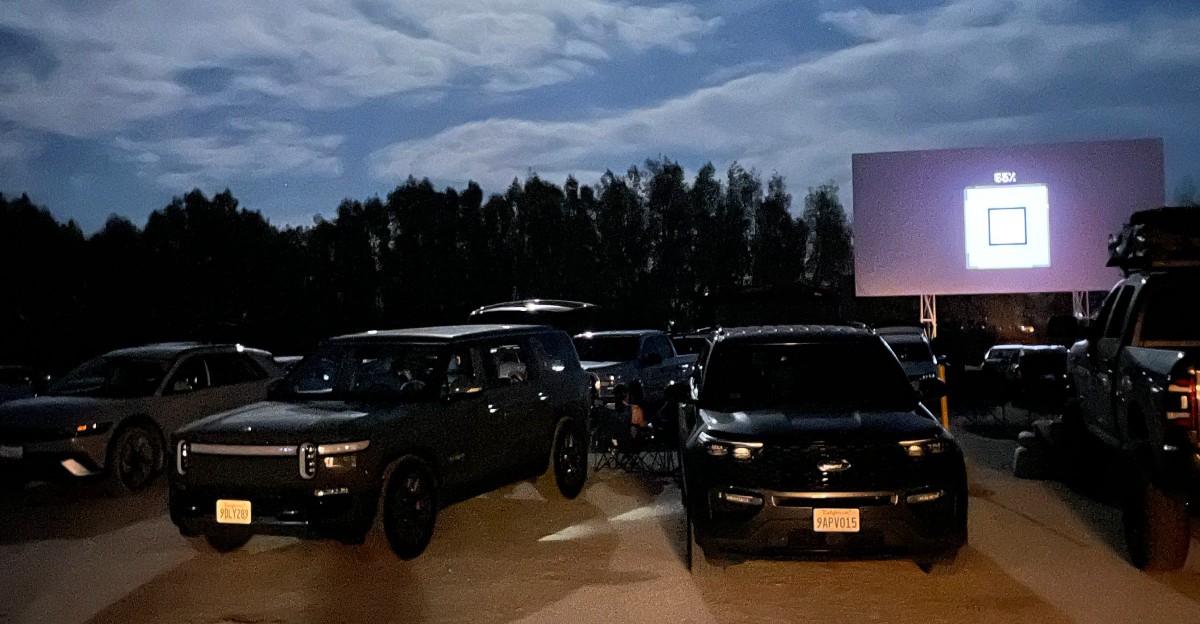
Going to the movies used to mean pulling into a parking spot, tuning the radio, and watching the screen light up beneath the night sky. At one old-school drive-in, that ritual never disappeared.
The movies are new, but much of the experience feels pleasantly untouched by the rush to modernize everything.
Even the ticket price sounds like it wandered in from another era and somehow managed to stick around.
Ten dollars does not stretch terribly far in California anymore, but it can still buy a night at the movies under the stars.
There is something refreshingly simple about watching a film without navigating theater hallways or squeezing past strangers halfway through the previews.
Your car becomes your private screening room, snacks can ride shotgun, and nobody complains if you whisper during the good parts.
General Admission Holds Steady At $10
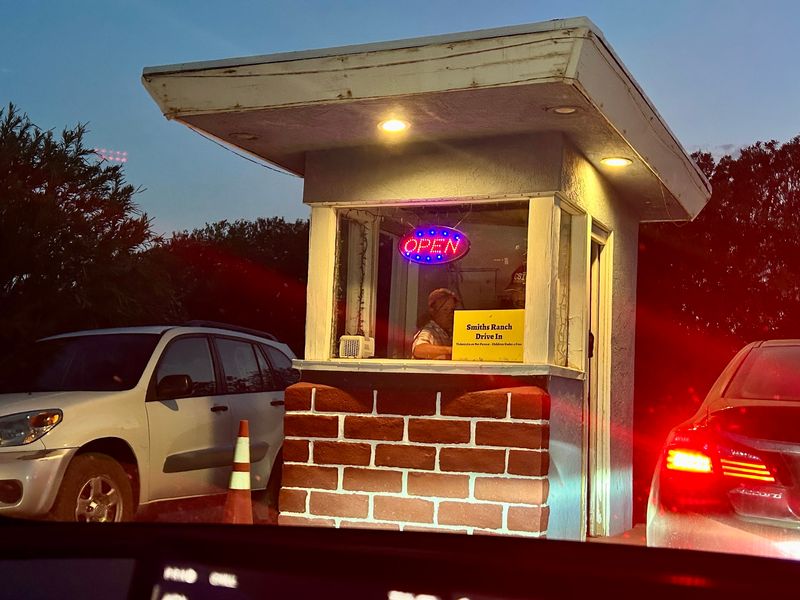
Ten dollars per person is the posted general admission price, and that number alone explains why so many people make the drive out to Twentynine Palms for a movie.
Compared with most indoor theaters in Southern California, the difference is noticeable, especially for a group.
A family of four can often get through the gate for less than the cost of two tickets elsewhere.
What makes the price even more interesting is that the films are current releases rather than old reruns.
The value stretches further because the drive-in has a history of showing double features, meaning the admission sometimes covers more than one film in a single evening.
Programming can shift, so checking ahead is the smart move rather than assuming what will play.
The box office has long been known as a cash-friendly operation, while cards are accepted at the snack bar, and some visitors report using cash for admission.
Bringing a few bills along to this 4584 Adobe Rd, Twentynine Palms, California 92277 located spot removes any guesswork at the gate.
Budget travelers heading toward Joshua Tree often build an evening here into the plan because it costs so little compared with other entertainment.
Little Kids Four And Under Ride In Free
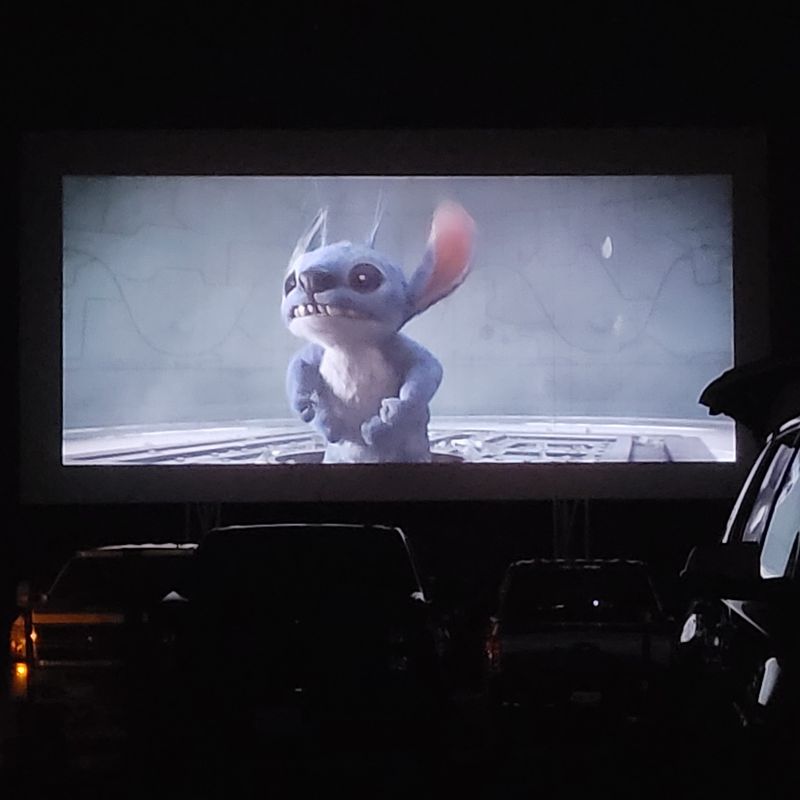
Families with toddlers get a break here that softens the cost even more.
Children who are four years old and younger are admitted without charge, so a young family can enjoy an entire movie night for the price of the adults alone.
For parents of little ones, the freedom that comes with a drive-in matters as much as the savings.
Wiggly kids can stretch out, talk, or fall asleep mid-film without anyone shushing them, since each vehicle acts as its own private space.
Snacks brought along or bought from the window can be eaten without worrying about crumbs on a theater floor.
Comfort takes a little planning. Pillows, sleeping bags, and a familiar blanket go a long way when a movie runs past bedtime, and the desert cools off quickly after sunset.
Animated features and family-friendly releases tend to be the easiest fit for younger viewers, partly because brighter films read well on an outdoor screen.
Arriving early gives children time to move around before the show begins, which usually makes the sitting-still part easier.
Seven Decades Of Desert Movie Nights Since 1956
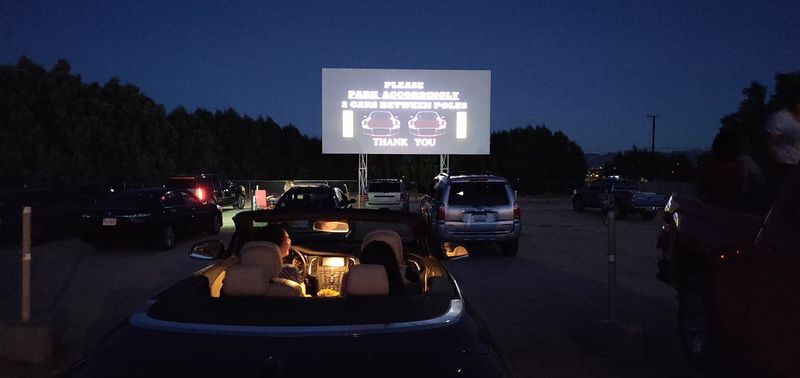
Back in 1956, the gates opened on what would become one of the longest-running outdoor theaters in the California desert.
Outdoor films were reportedly being shown on the historic Smith Ranch property even earlier, in the 1940s, before the formal drive-in took shape.
Seventy years is a long run for any business, and it is remarkable for a drive-in, since most of the thousands that once dotted the country have closed.
Land values, changing habits, and the cost of converting to digital projection ended many of them.
Staying open through all of that says something about both the owners and the town.
The founders were inspired to build after visiting a drive-in in Bakersfield and deciding the high desert deserved one too.
Longtime residents still talk about the playground that once sat below the screen, where kids played until the cartoons started.
Those details are part of why the place feels lived-in rather than staged. Visiting today offers a genuine link to that history without any museum-style presentation.
The Desert Sky Becomes Part Of The Show
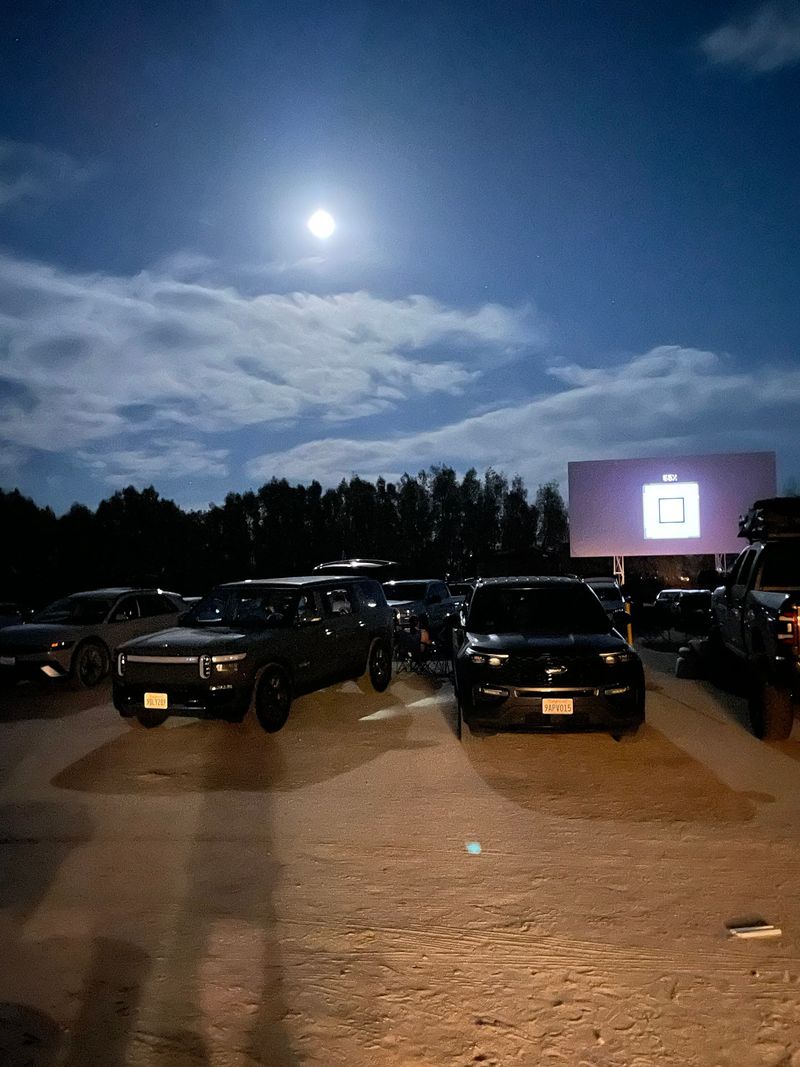
Few theaters can claim a ceiling like this one.
Once the sun drops behind the hills and the lot goes dark, the high desert sky opens up with far more stars than most city visitors are used to seeing.
Twentynine Palms sits near Joshua Tree National Park, an area known for dark skies.
Glancing up between scenes is part of the fun, and some guests end up spotting shooting stars during a film.
Sunset itself is worth arriving for, since the light across the surrounding landscape shifts through oranges and purples before fading out.
Summer evenings stay warm long after dark, while winter nights can get genuinely cold, and wind kicks up dust at times.
Checking the forecast and packing accordingly makes a real difference in comfort.
Many people set up in the bed of a truck with cushions and blankets, or bring folding chairs to sit outside the car.
Reclining a seat works just as well for those who prefer to stay inside.
The pacing feels slower than a standard movie outing, and that unhurried rhythm is a large part of why the place stays memorable.
Snack Bar Classics Made Fresh On Site
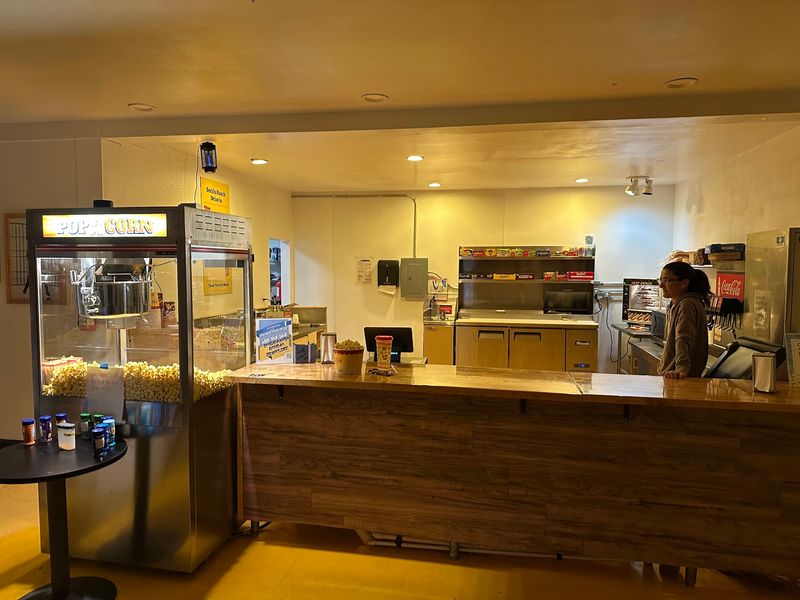
Popcorn here gets a lot of attention, and for good reason.
It is popped fresh rather than pulled from a bag, and the kernels come out large and well salted, filling the air around the concession building with that unmistakable buttery smell.
Beyond popcorn, the window serves hot dogs, candy, snow cones, nachos, soft pretzels, and a range of soft drinks.
Prices stay in line with the affordable spirit of the place, which is a welcome change from typical theater concession costs.
Both salted and cinnamon pretzels have been part of the lineup.
Timing matters more than most people expect.
The snack bar gets slammed all at once in the stretch just before showtime and again during the break between features, then empties out completely.
Getting in line shortly after arriving usually means a much shorter wait.
Cards are accepted at the snack bar along with cash, so payment is flexible there.
Bringing outside food is something some guests do, though supporting the snack bar is what keeps a small independent drive-in running year after year.
Order Food Ahead From Your Phone
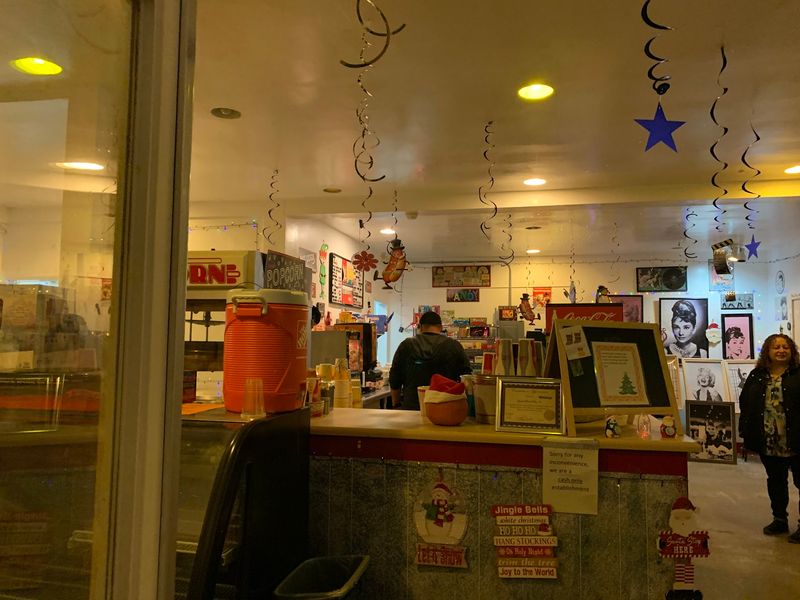
A drive-in from 1956 with mobile ordering sounds like a contradiction, yet that is exactly what happens here.
Guests can place food and drink orders ahead of time and pick them up, which cuts down on standing in line while the trailers roll.
The system helps most on busy nights when a popular release draws a full lot.
Instead of losing the opening scenes to a queue, an order can be placed early and collected when it is ready. Parents juggling kids in the car tend to appreciate the convenience most.
Nothing about the addition changes the character of the experience.
The food is still made the same way, the building still looks the same, and the staff still hand orders across the counter. Technology just trimmed the wait.
Mobile ordering also fits the pacing of a double feature, since a second round of snacks can be arranged partway through the evening without much effort.
For anyone who has spent twenty minutes in a concession line elsewhere, the option feels like a genuinely thoughtful improvement to an otherwise unchanged routine.
Space For Roughly 330 Cars
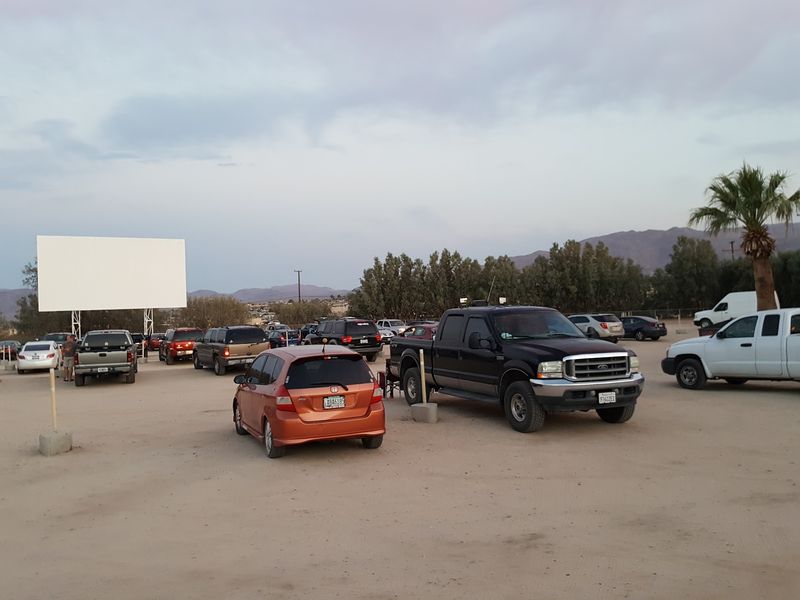
Capacity here is listed at around 330 vehicles across a single-screen lot, which is a substantial amount of room for a small desert town.
Even on busier nights, there is usually enough space that cars are not crammed together.
Parking is arranged over low humps that tilt vehicles slightly upward toward the screen, a classic drive-in design meant to improve sightlines.
Taller vehicles generally do better toward the back so they do not block the view for others, a courtesy most regulars follow without being asked.
Choosing a spot involves a small trade-off. Closer rows fill the windshield with a larger image, while spots farther back offer a wider perspective and easier access to the snack bar and restrooms.
Some visitors prefer the first couple of rows for the brightest, most detailed view of the screen.
Arriving well before showtime is the surest way to get a preferred position, particularly on weekends or when a major release opens. Weekday screenings tend to feel calmer with more elbow room.
Live Music, Trunk Or Treat And Private Screenings
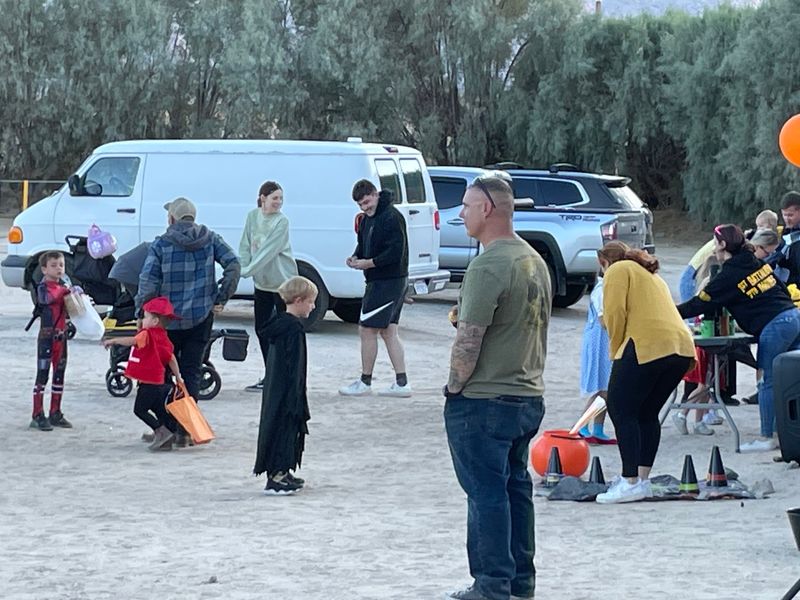
Films fill most of the calendar, but the grounds get used for plenty more than that.
Live music performances have taken place on the property, along with Halloween Trunk or Treat nights where decorated car trunks line up for costumed kids.
Private screenings can be arranged, which has made the lot a setting for birthday gatherings and special occasions.
The space has also hosted corporate parties, car shows, and location filming, all of which fit naturally with the vintage look of the screen tower and lot.
Flexibility of that kind helps a small independent venue stay afloat.
Rather than relying on ticket sales alone, the property earns its keep in several ways across the year while still serving the town.
For visitors, the payoff is variety.
A stop in late October might land on something entirely different from a quiet screening in March, and checking the schedule before planning a trip can turn up an event worth timing around.
Availability depends on the season and the regular film schedule, so early inquiries generally work best.