Skip The Famous Candy Factory For This Under-The-Radar California Chocolate Experience
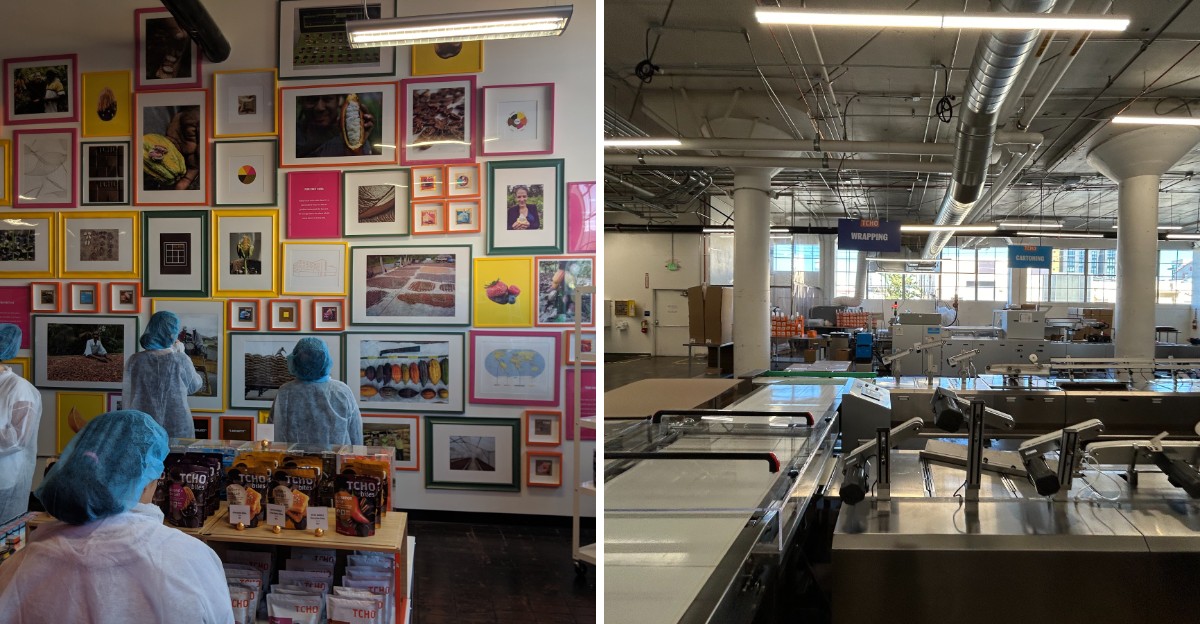
Big candy factories get plenty of attention, but chocolate gets much more interesting when you can learn what happens before the wrapper goes on.
One under-the-radar experience gives curious chocolate fans a closer look at the craft behind a favorite sweet.
Instead of simply grabbing a bar and moving along, the visit adds context to every bite and turns an everyday treat into something worth paying attention to.
California can make even eating chocolate feel educational, although nobody is likely to complain about this particular lesson.
That is part of what makes a smaller chocolate-focused stop so appealing. It feels like discovering something you will end up recommending later.
You may arrive thinking you already know chocolate pretty well. Then a few details about ingredients and how everything comes together make the next bite surprisingly different.
Of course, all that learning has one predictable side effect. Walking away without buying chocolate afterward seems like a very unreasonable thing to do.
A Working Factory In A Berkeley Neighborhood
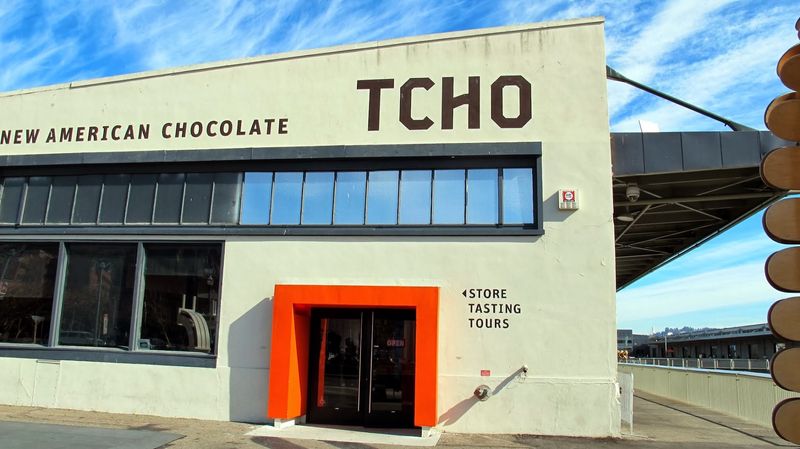
Plenty of drivers pass the building without realizing chocolate is being made inside.
There is no oversized cartoon mascot out front and no long line snaking down the sidewalk. The look is closer to a neighborhood workshop, which is part of the appeal for people who prefer quieter stops.
The factory sits at 3100 San Pablo Ave, Berkeley, California 94702, along a stretch of road lined with small shops and everyday businesses rather than tourist signs.
Parking in the area can be tight depending on the hour, though a small lot sits near the front. Street parking may require a short walk, so leaving a few extra minutes helps.
The surrounding blocks are flat and easy to walk, which makes combining a visit with other errands simple.
Inside, the tasting room area carries the warm smell of cocoa, and the sound of machinery sometimes drifts in from the back.
The contrast between the plain exterior and that scent is one of the small pleasures of finding the place.
Anyone expecting a theme park style attraction should adjust expectations first. What waits here is a genuine production site with a retail and tasting space attached to it.
Behind-The-Scenes Access That Goes Past The Counter
Most chocolate stops end at a display case and a sample tray.
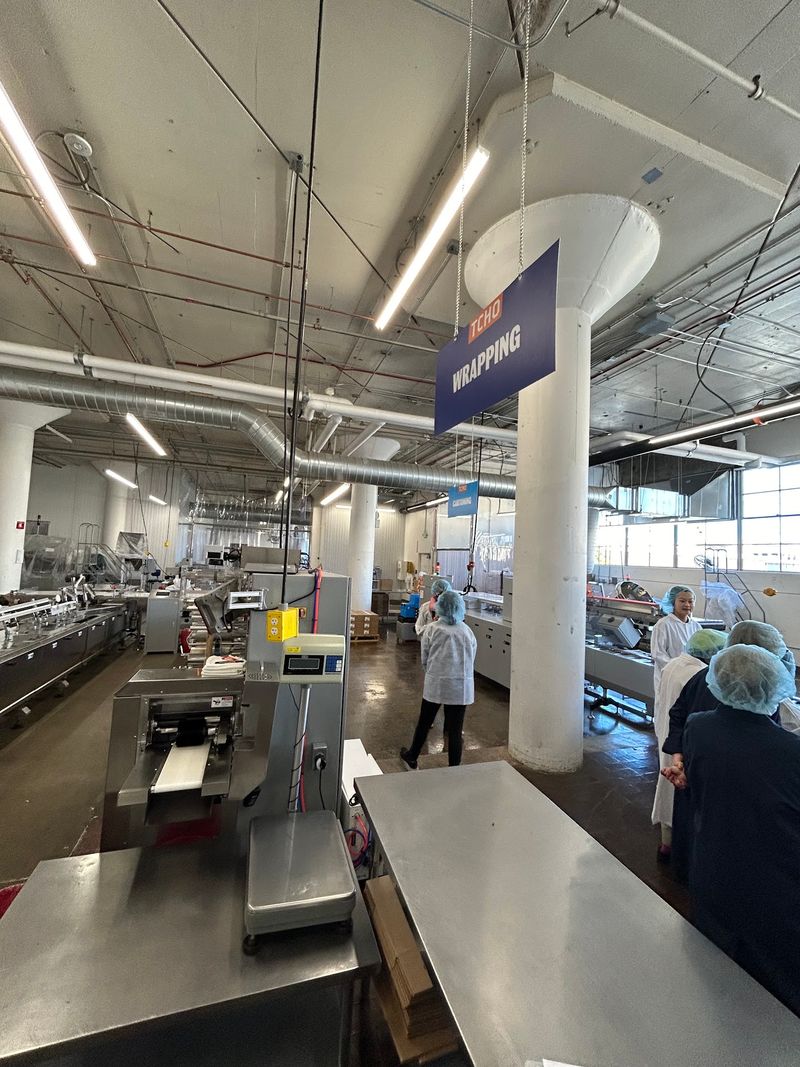
Guided experiences here, when they are offered, take groups past the retail space and into the actual operation where equipment runs and ingredients move through stages.
Guides walk through how raw cacao beans become a finished bar, covering roasting, grinding, refining and molding in plain language. The explanations are built for curious beginners rather than food scientists.
Seeing machinery up close changes how a wrapper reads afterward. Terms like conching and tempering start to mean something once the equipment behind them has a face.
Worth knowing ahead of time: production does not run around the clock.
Earlier weekday slots have historically been the better bet for catching machines in motion, while later appointments may show a cleaned and quiet floor instead.
Group sizes stay modest, which keeps questions flowing and makes it easier to hear over background noise. The pace feels unhurried rather than rushed from station to station.
The floor itself is compact, so the walking portion is short and manageable for most visitors. Comfortable shoes still help, since standing takes up more time than strolling.
Tasting Time Built Right Into The Tour
Learning about chocolate is fun, but eating it is what people remember.
The standard experience pairs a factory walkthrough with a guided tasting, so the information lands while the flavors are still on the tongue.
Guides often talk about the snap of a well tempered bar and the way a piece melts against the roof of the mouth. Small details like that turn snacking into something closer to a skill.
Samples typically span several bars, which lets visitors compare one flavor profile against the next in a single sitting. Differences that seem subtle on their own become obvious side by side.
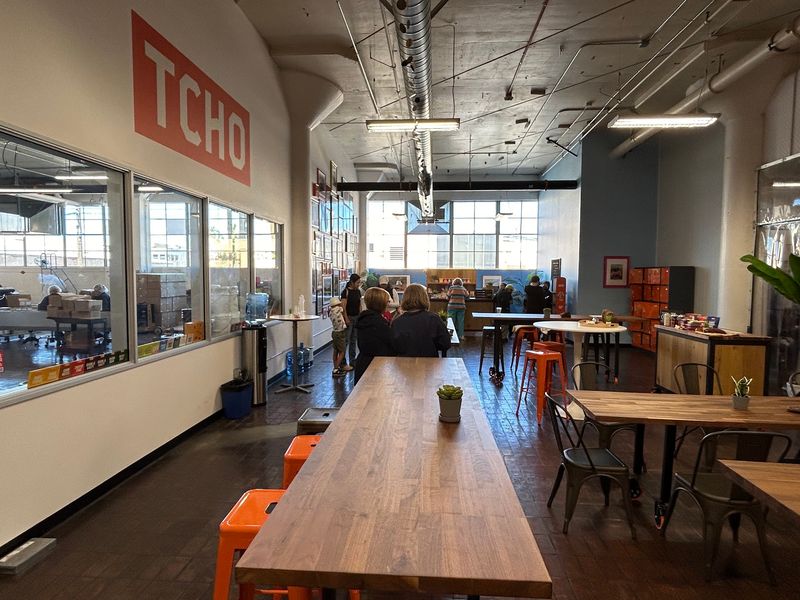
The tasting room offers seating and steady lighting, which makes it a comfortable place to slow down and pay attention. Noise levels stay conversational, so tablemates can actually talk through what they notice.
A practical tip: arriving without a coffee already in hand helps the palate stay clear. Water between samples also keeps flavors from blurring together.
For families, the tasting portion is usually the part that wins over younger visitors who lose patience with machinery talk. Sweet rewards have a way of holding attention.
Every Bar Starts And Finishes In The Same Building
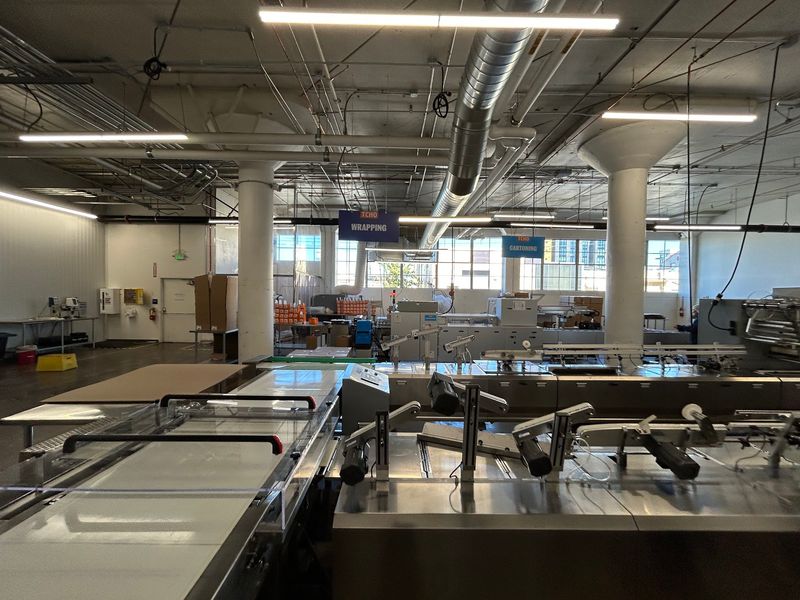
Lots of brands with visitor centers actually make their product somewhere far away. Here the situation is reversed, because the company states that all of its chocolate is crafted at the Berkeley facility.
That single fact changes the tone of a visit. Guests are not looking at a showroom built around a logo; they are standing inside the place where the bars in the display case were genuinely produced.
Bean to bar operations of this size are less common than shoppers might assume. Many chocolate makers buy finished chocolate and simply remelt it into their own shapes and flavors.
Controlling the whole process under one roof gives the team room to adjust roast levels and recipes in small steps. Those choices show up later in the taste of a specific bar.
For visitors, the practical payoff is context. Picking up a bar afterward feels different when the machine that refined it was standing a few yards away.
The retail selection includes baking chocolate along with standard bars, which surprises home bakers who struggle to find craft options on grocery shelves.
Two Days Of Patience For One Batch
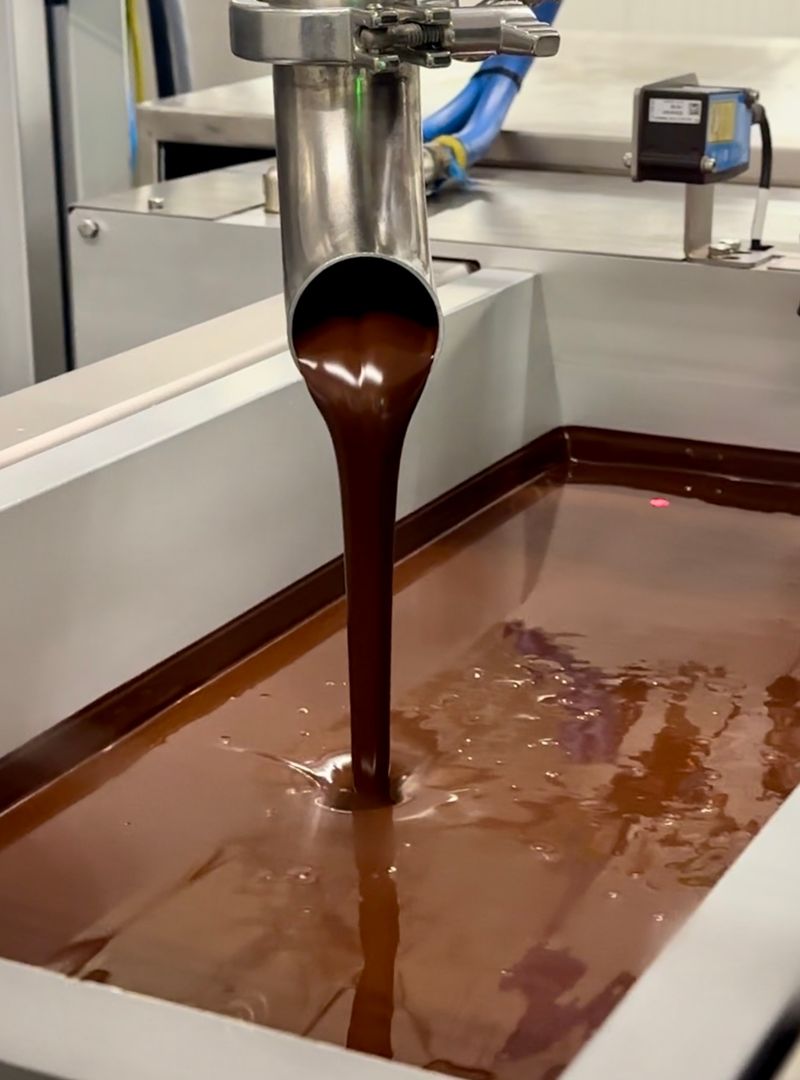
Speed is not the point in this building. A single batch of chocolate can take up to 48 hours to complete, which is a hard concept to hold onto while standing in front of a shelf of finished bars.
Time does real work during those hours. Grinding and refining smooth out gritty particles, and the long stretch helps develop the flavor notes that eventually reach the tongue.
Guides explain the stages in order, which helps the timeline make sense. The chocolate is never sitting idle; it is moving through steps that each need their own window.
Knowing the length of the process reframes the price tag on craft chocolate. Two days of machine time and monitoring per batch adds up in ways a candy aisle never advertises.
Visitors who catch production in progress usually see one slice of that timeline rather than the whole thing. That is simply how a 48 hour cycle works against a one hour appointment.
The takeaway is less about watching every step and more about understanding why patience matters in food production. Rushing the process would cost texture and taste.
Curious guests often leave with a new habit of letting a square melt slowly rather than chewing straight through it.
Forty Thousand Bars From One Long Run
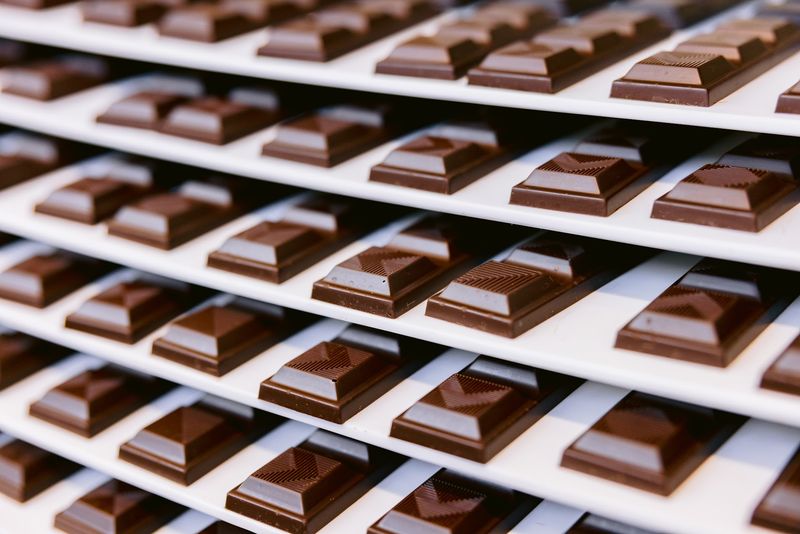
Slow does not mean small. Roughly 40,000 chocolate bars can come out of a single batch, which puts the two day wait into a very different light.
Hearing that number while standing near the equipment helps explain the scale of a mid sized craft operation. The building looks modest from the street, yet the output is serious.
Storage areas stacked with cases are part of what tour groups walk past. Boxes may not sound thrilling, but they make the volume real in a way a statistic cannot.
The math also explains how the brand ends up on shelves across the region rather than only in its own shop. Grocery stores around the Bay Area carry the bars.
For anyone weighing a visit, the combination of careful process and large output is the interesting tension. Handmade charm and industrial scale usually feel like opposites.
Guides tend to field plenty of questions about consistency after sharing the figure. Keeping tens of thousands of bars tasting the same takes constant checking.
Visitors interested in food manufacturing often find this section more fascinating than the tasting.
The Flavor Lab Where Recipes Get Tested
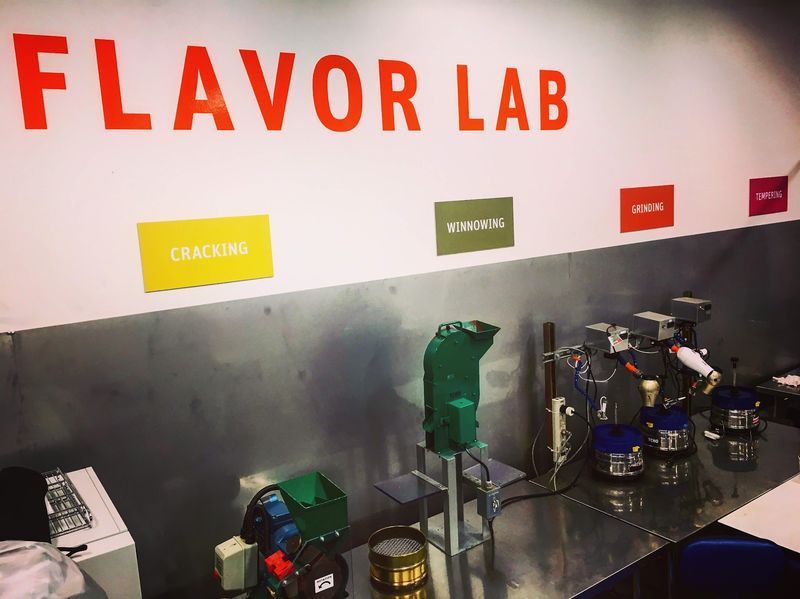
Inside the Berkeley factory is a Flavor Lab, and it may be the most impressive thing on the property. Small scale equipment there allows the team to analyze and develop chocolate profiles before anything scales up.
The idea did not stay in California. The company has established additional Flavor Labs in cacao growing regions, giving farmers the tools to make and evaluate chocolate from their own beans.
That setup flips a long standing problem in the cacao world. Growers have often sold beans without ever tasting the chocolate those beans become.
Direct feedback on flavor development means farmers can adjust fermentation and drying with real information instead of guesswork. Better beans then travel back through the supply chain.
For visitors, the lab explains why origin matters so much during the tasting portion. Flavor differences are tracked and measured, not invented for marketing copy.
Guides usually describe the lab work in simple terms, comparing it to a test kitchen where recipes get tried before dinner service.
Anyone who enjoys the behind the curtain side of food production will find the concept worth asking about.
Cacao Arriving From Five Main Origins
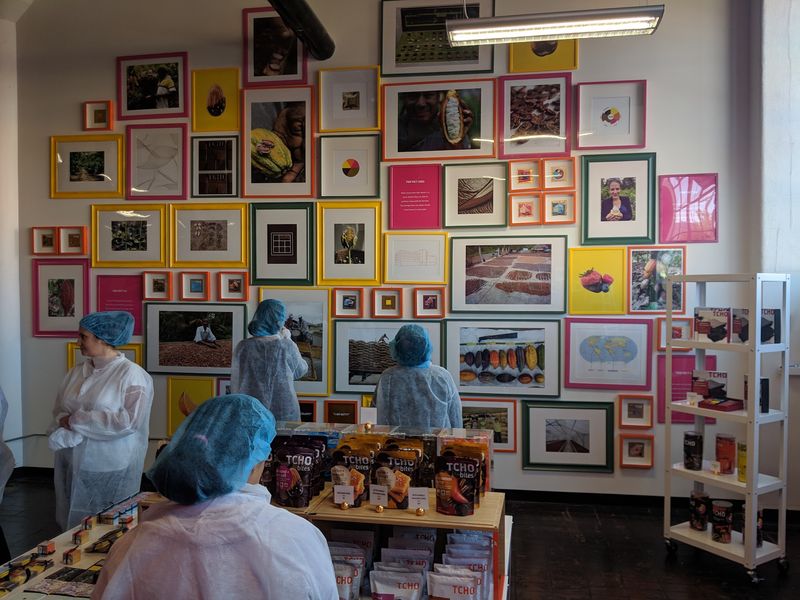
Chocolate is an agricultural product, and the map behind it shapes everything. Five primary cacao origins feed the operation: Ghana, Ecuador, Peru, Madagascar and the Dominican Republic.
Each region brings its own natural character. Some beans lean bright and fruity while others come across earthier or nuttier, all before a single extra ingredient enters the picture.
Tasting samples side by side is where the lesson clicks. Visitors often realize that fruit notes in a dark bar are not added flavoring at all.
Blending across origins is a deliberate choice rather than a shortcut. Combining beans lets the team aim for a specific flavor target instead of relying on one harvest.
Guides sometimes pass around a cacao pod so guests can see the source up close. Holding one makes the jump from tropical fruit to candy bar feel less abstract.
Geography also affects supply, since weather and growing seasons vary by country. That variability is part of why craft chocolate recipes shift over time.
Curious visitors can turn the origin discussion into a home experiment afterward by comparing bars from different regions on their own kitchen table.
An Award Shelf With More Than Thirty Wins
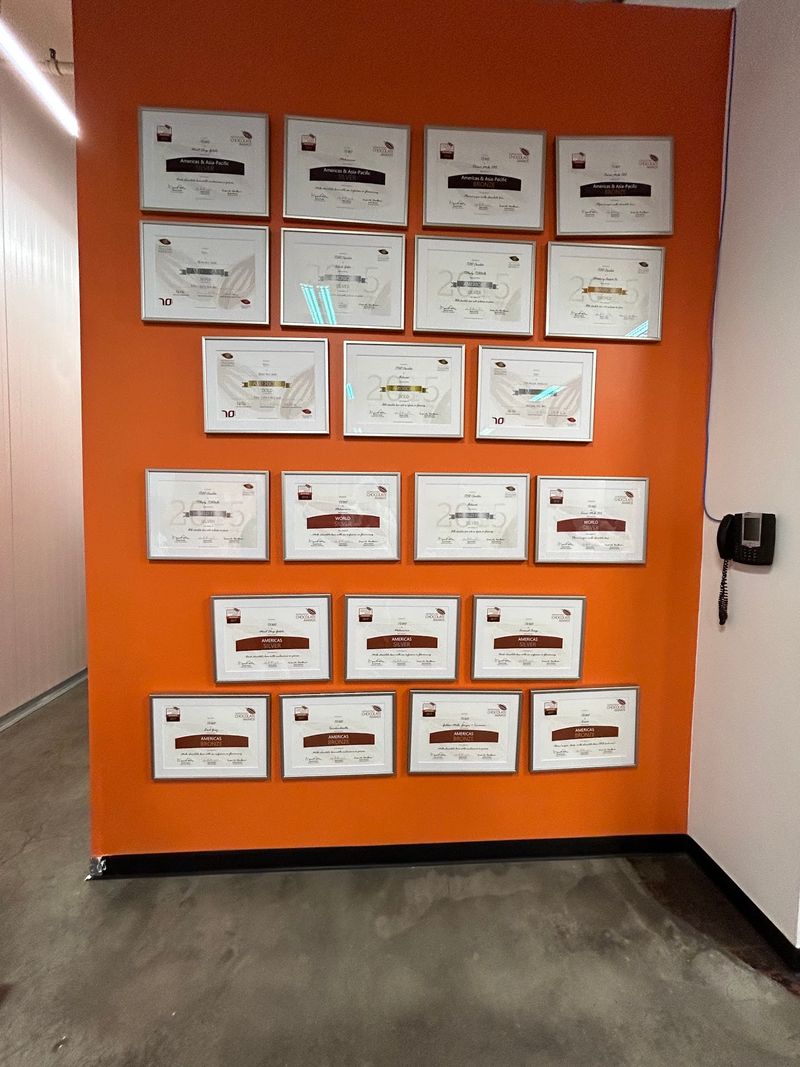
Competition results add a useful outside measure to any food claim. The company says its chocolate has collected more than 30 awards over the years.
Categories have ranged from organic chocolate to dark chocolate with inclusions, meaning recognition has come across several different styles rather than one lucky entry.
Judged competitions look at things most shoppers cannot evaluate in a store, including aroma, texture and finish. Results give a sense of consistency across a lineup.
Visitors sometimes spot mentions of these wins in the retail area, which helps when choosing between unfamiliar bars.
Awards do not guarantee that every person will love every flavor, since taste stays personal.
Still, the record is worth knowing for anyone deciding whether a small Berkeley factory deserves a spot on a travel list ahead of a bigger name.
Accessibility Notes And Confirming Tour Availability First
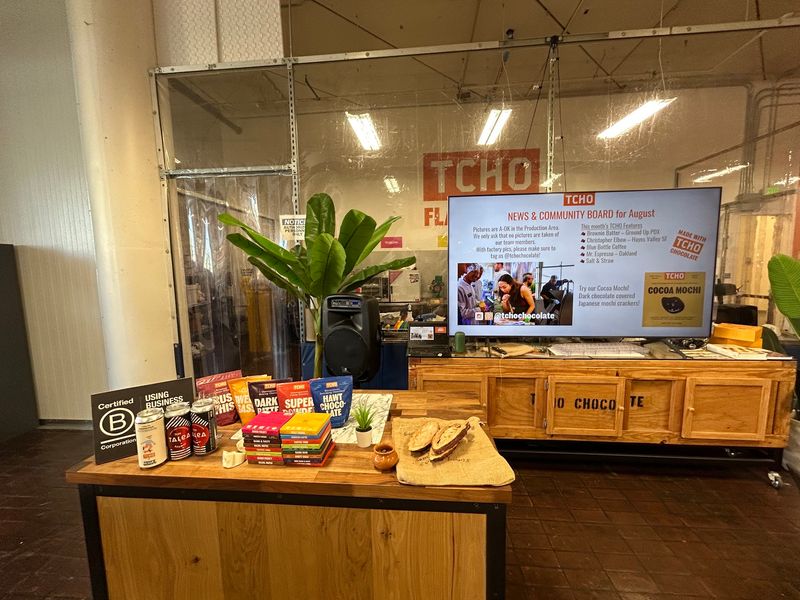
Planning details can make or break a visit, so two practical points deserve attention. The tasting room is set up to accommodate wheelchairs, walkers and strollers.
The production floor is a different story, because safety regulations in a working factory mean those mobility aids cannot be brought onto it. For guests who cannot enter, process visuals are offered in the tasting room instead.
That arrangement lets more people take part in the educational portion even when the floor itself is off limits.
Confirming schedules directly with the company before making the drive is the only reliable approach when it comes to tour availability.
Walk-ins are generally not accepted, so showing up hopefully is unlikely to work out.
Calling ahead also allows questions about accessibility, current rules and whether production is expected to be running during a given slot.
Even without a tour, the shop and tasting space have long been a pleasant stop for browsing bars and picking up baking chocolate.
Setting expectations before arrival turns a possible letdown into a flexible, easygoing afternoon in Berkeley, California.