Here Is Why You Are Seeing More Snakes In Kentucky This Fall, According To Wildlife Experts
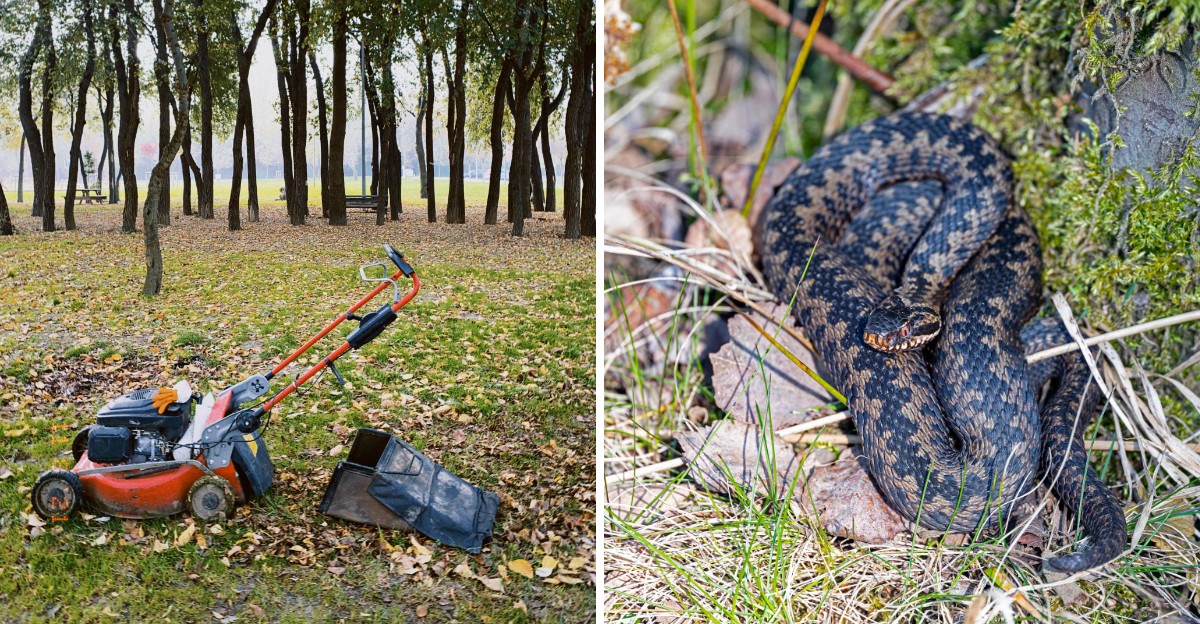
You went to move the woodpile and something moved first. Welcome to fall in Kentucky.
Snakes are suddenly everywhere, on driveways, in garages, crossing the road in front of you. It feels like an invasion.
It is nothing of the sort. The snakes were there all summer, working the night shift while you slept.
Cooler weather flipped their schedule back to daylight, which happens to be when you are outside raking and stacking firewood. Baby snakes showed up in late summer and are now out finding their first meals.
Adults are traveling to winter dens and eating heavily before the cold arrives. Mice are moving into barns and crawl spaces, and snakes go where dinner goes.
Kentucky has more than thirty snake species and only four are venomous. Knowing which is which changes everything.
Understanding the timing helps too, and the reasons are more interesting than you would expect.
1. Cooler Weather Moved Them Back To Daytime Hours
Summer heat pushed Kentucky snakes onto the night shift. Fall cooled things off, so now they keep banker’s hours.
During July, midday sun is too intense for a cold-blooded body. Snakes hunt after dark and hide under cover all afternoon.
October changes the math completely. The warmest hours now fall between late morning and mid afternoon.
That is exactly when you are outside raking, walking dogs, or hauling firewood. Your schedule and theirs finally overlap, so sightings jump.
Sunny fence lines and gravel edges hold heat well into the afternoon. Those spots draw snakes the way a warm bench draws a cat.
Wildlife biologists call this a shift in activity, not a population boom. There are not suddenly more snakes in your neighborhood.
You are simply awake at the same time they are. Keep that in mind before assuming your yard has been invaded.
Kentucky is home to roughly 30 snake species statewide. Only four are venomous, and all of them prefer avoiding people.
Practical tip: scan ahead on trails around noon instead of dusk. Watch where you place hands and feet near sunny ledges.
Give any snake six feet of space and it will move along. Most species here want nothing at all to do with you.
Expect the pattern to fade once nights turn steadily cold. By late November, most snakes have settled underground.
2. Baby Snakes Are Dispersing After Late Summer Births
Snake nurseries empty out in early fall, and the tiny graduates head off alone. Kentucky copperheads give birth to live young in late August and early September.
Those newborns arrive fully formed and completely independent. No parent guides them, so they scatter in every direction looking for cover.
Juvenile copperheads wear a bright yellowish tail tip. They wiggle it like a worm to draw curious frogs and lizards closer.
Small bodies need small hiding places. Window wells, flower pots, stacked bricks, and garage corners all work nicely.
That is why a snake the size of a pencil shows up on your patio. It is not lost, just house hunting for the first time.
Baby snakes are not more dangerous than adults, despite the old rumor. They simply carry less venom and far less experience avoiding people.
Many harmless species also give birth or hatch around the same weeks. Garter snakes, brown snakes, and rat snakes all add to the crowd.
Teach kids the look-but-never-touch rule this time of year. A photo from several feet away is the safest way to identify one.
Shake out gardening gloves and check boots left on the porch. A quick look saves you a startling moment later.
Sightings usually taper off by mid to late October. By then the young ones have found sheltered spots of their own.
3. Breeding Season Has Males Traveling Long Distances
Fall turns some male snakes into serious road trippers. Copperheads and a few other Kentucky species court mates during autumn.
A searching male can cover surprising ground in a single week. He follows scent trails with rapid tongue flicks, reading the air like a map.
That flicking tongue carries particles to a special organ in the roof of his mouth. Scientists call it the Jacobson’s organ, and it works like a chemical GPS.
Travel makes snakes far more visible than usual. A snake crossing your driveway at dusk is often a male on a mission.
Roads hold heat and cut straight through their travel routes. Slowing down on warm fall evenings helps both of you.
Closed gates will not stop them, but tidy edges help. Trimmed grass and clear walkways make a yard less appealing for a stopover.
Males on the move usually ignore people entirely. Their attention is elsewhere, and they would rather slide past than hold ground.
If one pauses in your path, stop and back up a few steps. Give it a clear exit and it will take it.
Keep garage and shed doors shut during these weeks. A traveling snake treats any open door as an invitation.
Breeding activity peaks while daytime highs still reach the seventies. Once cold snaps settle in, the wandering slows way down.
Wildlife experts stress that this is normal seasonal behavior. Courtship simply puts more snakes in motion at once.
4. Migrating To Rocky Winter Dens
Snakes do not book winter rentals, but they do commute to them. Kentucky snakes head for underground shelters known as hibernacula.
Good dens sit below the frost line and stay dry. Rock crevices, old stone foundations, and hillside burrows all qualify.
South-facing slopes are prime property in eastern Kentucky. They soak up sun and warm the rocks well into November.
Some snakes return to the same den year after year. Timber rattlesnakes are known for this loyalty to ancestral sites.
The trip can stretch a mile or more for larger species. That journey crosses trails, roads, farm lanes, and backyards.
Different species sometimes share one crevice through the cold months. Rat snakes, racers, and garter snakes may pile into the same space.
Your house can look like an excellent den from the outside. Gaps under siding, open crawl space vents, and cracked block walls invite exploring.
Seal those openings in early fall, before the traffic starts. Hardware cloth over vents costs little and works all winter.
Move loose rock piles and railroad ties away from the foundation. Push that habitat to the far edge of your property instead.
Watch for a burst of sightings during the first cool week. Migration crowds the landscape for a few short days.
Once snakes settle in, activity drops sharply until spring. Patience pays off if you simply wait them out.
5. Feeding Heavily Before Brumation
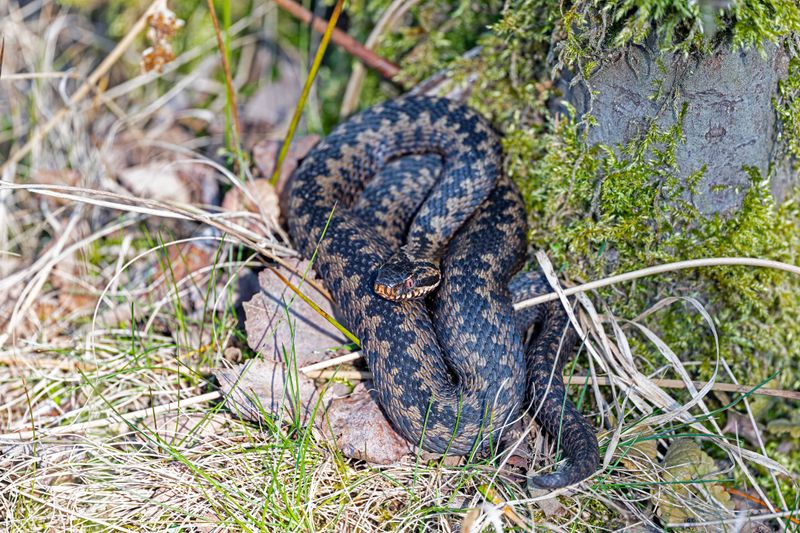
Think of fall as the last big grocery run before a long nap. Snakes are stocking their bodies with fat for the months ahead.
Reptiles do not truly hibernate, they brumate instead. Their systems slow way down, but they still stir on warm days.
Fueling that slowdown takes calories, and plenty of them. A well-fed snake handles a long, chilly stretch far better.
Hunting means moving, and moving means you notice them. Menus include mice, voles, frogs, lizards, insects, and bird eggs.
Snakes go wherever the food is thickest. Spilled birdseed under a feeder creates a rodent buffet within days.
Sweep up seed hulls weekly and store bags in sealed bins. Fewer rodents on the ground means fewer visitors with scales.
Compost piles attract the same crowd for the same reason. Keep kitchen scraps in a closed bin rather than an open heap.
Pet bowls left on the porch overnight feed more than your pets. Bring them inside after dinner and the problem shrinks fast.
Larger rat snakes may raid henhouses for eggs this time of year. Collecting eggs daily removes the temptation entirely.
Feeding season also makes snakes bolder about crossing open ground. Appetite beats caution when winter is on the calendar.
Expect those appetites to fade with the first hard frost. After that, most snakes stop eating until spring warmth returns.
6. Rodents Are Moving Indoors And Snakes Follow
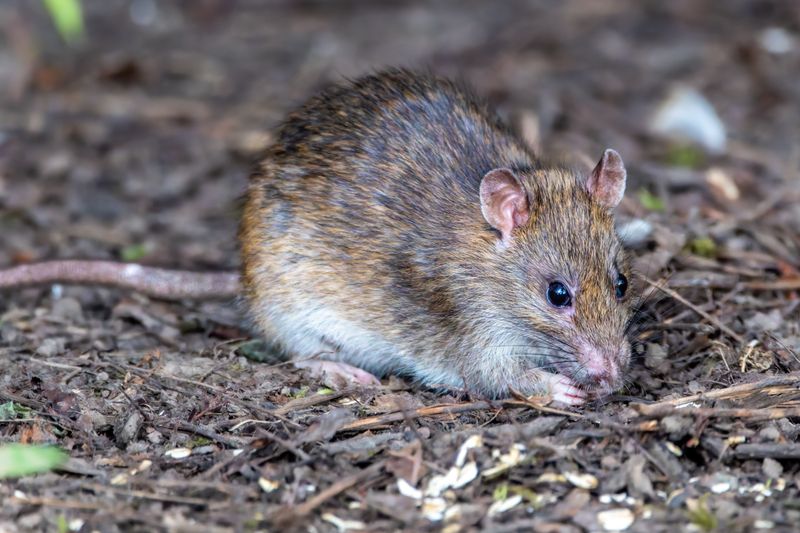
A snake in the basement is usually a messenger, not a mystery. It followed dinner through the same gap the mice used.
Cool nights send mice and rats toward warm walls and crawl spaces. Snakes read those scent trails and slip in behind them.
Rat snakes climb extremely well, so attics are fair game. They can scale rough brick and travel along ceiling joists.
Sealing the building beats chasing the snake every time. Close any opening wider than a quarter inch with steel wool or caulk.
Door sweeps, vent screens, and pipe collars handle most weak points. Check where utility lines enter the wall, since those gaps are common.
Trim shrubs back so rodents lose their covered highway to the house. Stack firewood off the ground and away from the siding.
Indoors, most Kentucky snakes are harmless species doing free pest control. Rat snakes and brown snakes top the list of accidental guests.
Still, nobody wants a surprise near the laundry basket. Guide one out gently with a broom and a tall box.
Call a licensed wildlife removal service if you cannot identify it. Professionals handle it calmly and check for entry points too.
Set traps in the attic and basement during early fall. Fixing the cause works far better than reacting later.
Solve the rodent issue and the snake visits usually end. No food source means no reason to stay.
7. Cool Mornings Mean More Basking On Warm Surfaces
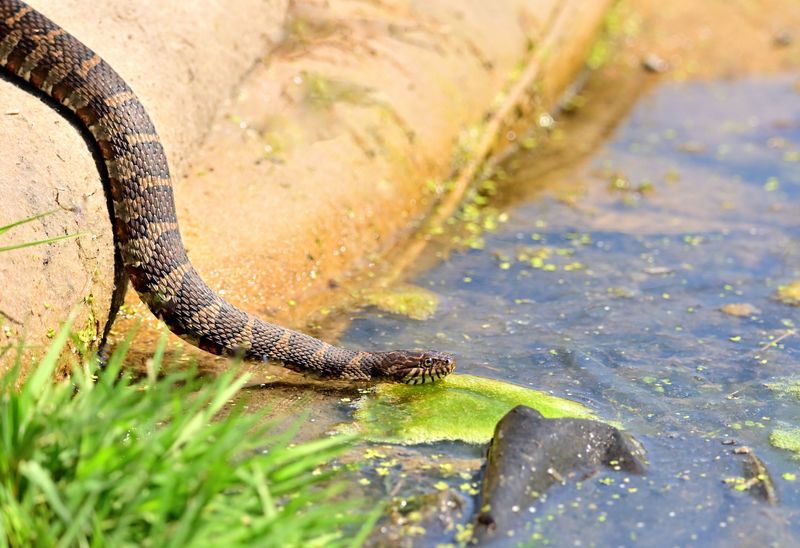
Snakes are solar powered, and fall makes them shameless about it. Every warm surface becomes a lounge chair by mid morning.
Asphalt driveways hold heat long after the sun moves on. Flagstone patios, retaining walls, and dark mulch do the same.
Kentucky sees big temperature swings through October and early November. Fifty degree mornings paired with seventy degree afternoons create perfect basking weather.
A basking snake is not lying in wait for anyone. It is charging its batteries so digestion and muscles work properly.
Look before you step on sunny porch stairs and deck boards. A quick scan takes two seconds and prevents a jolt.
Gravel edges along barns and sheds warm up fastest of all. Give those spots a glance before reaching into a corner.
Country roads get risky for snakes in the late afternoon. Warm pavement tempts them right into traffic.
Cyclists and hikers should watch the trail edges near rock ledges. Those warm ledges are the best real estate around.
Cold snakes move slowly, which can look like boldness. They are not holding ground, just waiting for warmth.
Back away and the snake will leave once it can. Speed returns quickly as body temperature climbs.
Keep boots, cushions, and grill covers indoors or shake them out. Warm fabric in the sun is surprisingly attractive.
Sightings peak on bright days that follow a chilly night. Mark those mornings as extra watchful ones.
8. Fall Yard Work Disturbs The Cover They Use
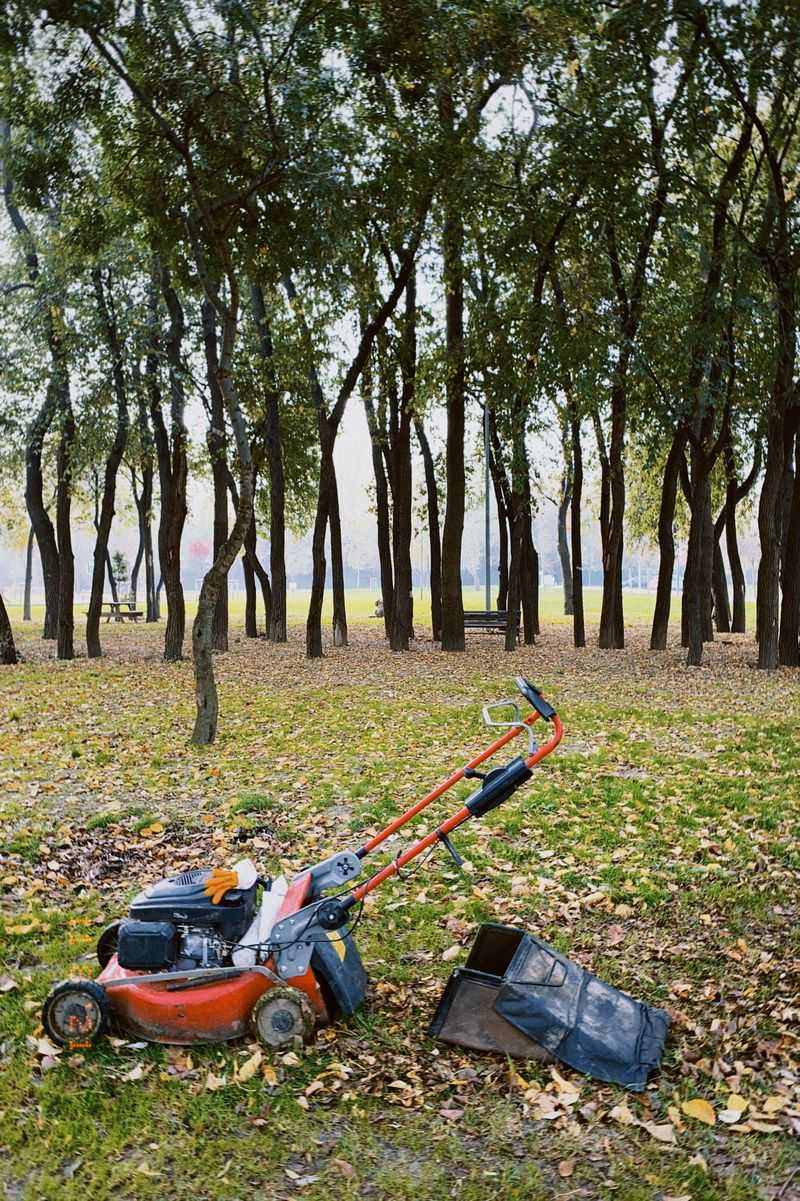
Your rake is basically an eviction notice. Leaf piles, mulch beds, and brush stacks are prime snake apartments.
Cleaning up feels productive, and it truly helps long term. Short term, it pushes hidden residents out into the open.
That is why so many sightings happen during weekend cleanup. The snake was there all along, simply out of view.
Wear closed shoes and leather gloves for any pile work. Long pants add a simple layer of comfort and confidence.
Tap and rake a pile first, then wait a minute. Noise and light usually convince a snake to leave on its own.
Lift firewood away from your body rather than toward it. Pull logs from the top down instead of digging underneath.
Tarps on the ground collect moisture and become favorite hideouts. Flip them with a rake handle, not bare hands.
Stack wood on a rack at least eighteen inches high. Place it away from the house and off the lawn.
Compost and grass clipping heaps warm up as they break down. That heat makes them cozy shelters right through November.
Power equipment vibration also sends snakes scattering across open lawn. Pause the mower if you spot movement ahead of the blade.
Most Kentucky species prefer retreat over confrontation. Step back, let it pass, and carry on with the leaves.
Finish the season by hauling debris off the property. Less clutter now means fewer surprises next spring.
9. Rain And Flooding Push Them To Higher Ground
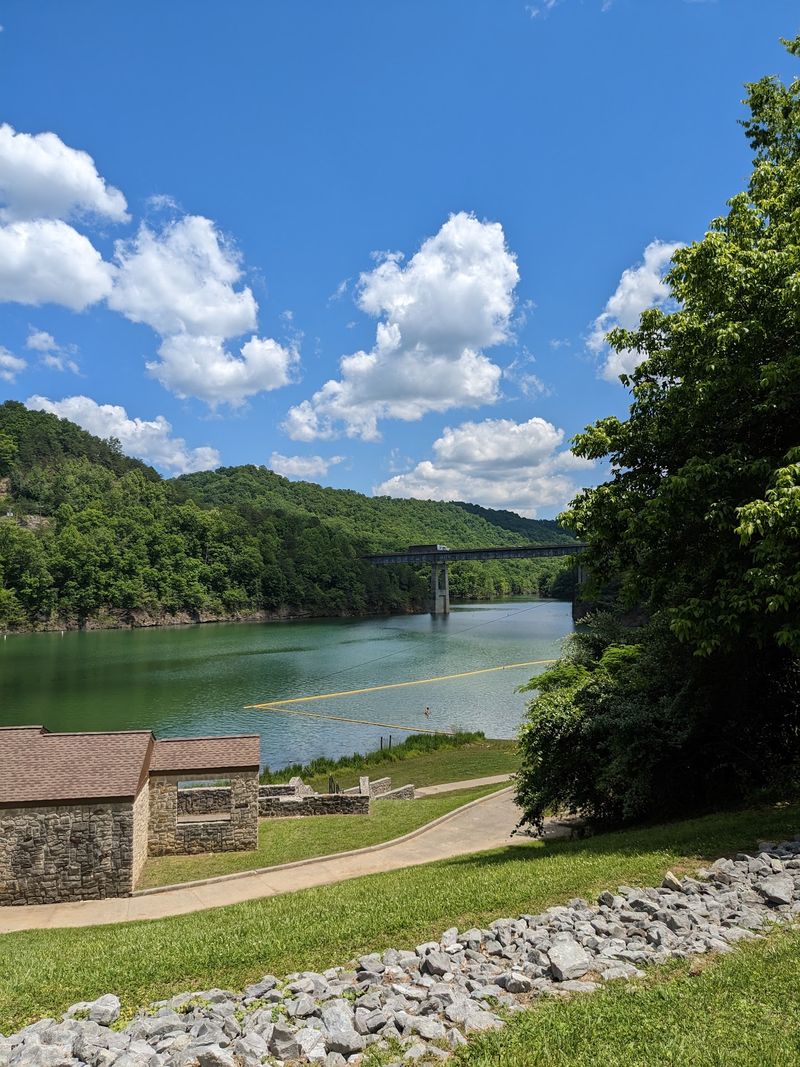
Heavy fall rain rearranges the neighborhood for anything living underground. Burrows fill with water, and the tenants relocate fast.
Kentucky gets soaking storms in September and October most years. Creek banks and low fields flood quickly in those downpours.
Snakes swim well, but they still want dry shelter. Porches, garages, sheds, and stacked lumber all fit the bill.
Higher ground often means your yard, especially on a slope. A snake on the patio after a storm is simply dry land shopping.
Check sheds and crawl spaces once the water drops. Do it with a flashlight and a long-handled tool.
Flood debris piles deserve extra respect for a few days. Move branches with a rake instead of reaching in blind.
Northern water snakes turn up often along swollen creeks. People frequently mistake them for cottonmouths, which live only in far western Kentucky.
Learning two or three local species saves a lot of worry. A field guide or a state wildlife page makes it easy.
Improve drainage around the foundation before the next storm. Gutter extensions and graded soil keep both water and wanderers away.
Kentucky Fish and Wildlife notes that native snakes serve a real purpose. They keep rodent numbers in check across farms and neighborhoods.
Activity settles once the ground dries and nights turn cold. A few patient days usually end the parade.