You Can Take Home Cretaceous-Era Fossils From This Texas Park, And It’s 100% Free
A tiny shape in the mud can turn into a story millions of years old. That possibility is what makes this Texas fossil hunt so addictive.
The riverbed keeps revealing pieces of the past, and visitors can search for certain finds without paying admission.
Success is never guaranteed. That is part of the thrill. Rain changes the terrain, gravel shifts, and every careful glance might uncover something ancient.
Wear shoes that can handle sticky clay and expect to get dirty. The experience feels less like visiting a museum and more like conducting your own hands-on fossil search.
Even an empty bucket can come with a very good afternoon.
An Open Invitation To Dig
Free things in travel usually come with a catch. Here, the catch is mud on your knees.
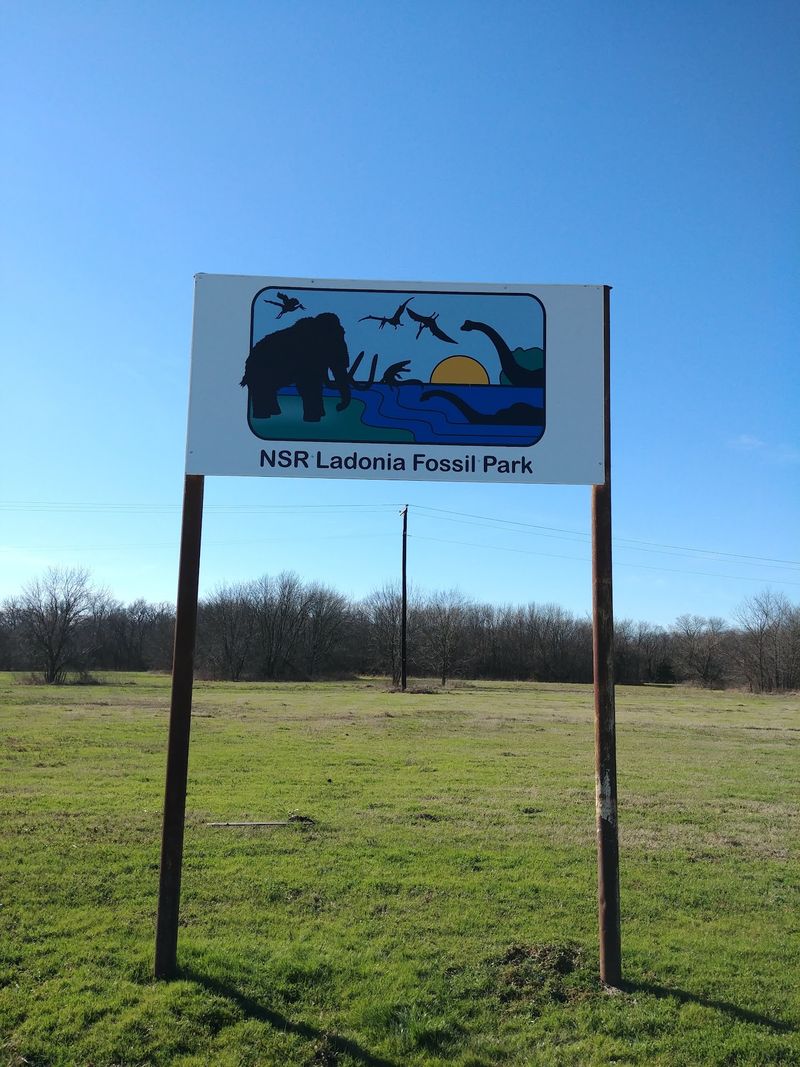
Ladonia Fossil Park sits in Fannin County, in the northeast corner of Texas, and it charges nothing to hunt. No guide is required, and ordinary fossil finds can be taken home for personal collecting.
Buckets and bags are useful for carrying the ordinary fossils visitors are permitted to collect. Nobody stopped me, because keeping your finds is the entire point of the place.
Upper Trinity built the permanent park in coordination with the City of Ladonia and local community partners. It replaced the temporary FM 2990 fossil-park access used during Lake Ralph Hall construction.
Gates open at dawn and close at dusk, and sensors let late cars exit safely. Earlier visits can offer cooler conditions before the exposed riverbed heats up later in the day.
The self-guided park attracts families as well as experienced fossil hunters. Organized events such as National Fossil Day also bring experts to the river to help identify finds.
The permanent park is at 2242 FM 904 in Ladonia.
How A Straightened River Started It All
The fossils here owe their fame to a flood control project from the 1920s. Engineers straightened the winding North Sulphur River to drain farmland faster.
Back then the new channel measured roughly 16 to 20 feet wide and about 10 feet deep. Straightening the channel increased its gradient and accelerated erosion along the river and its tributaries.
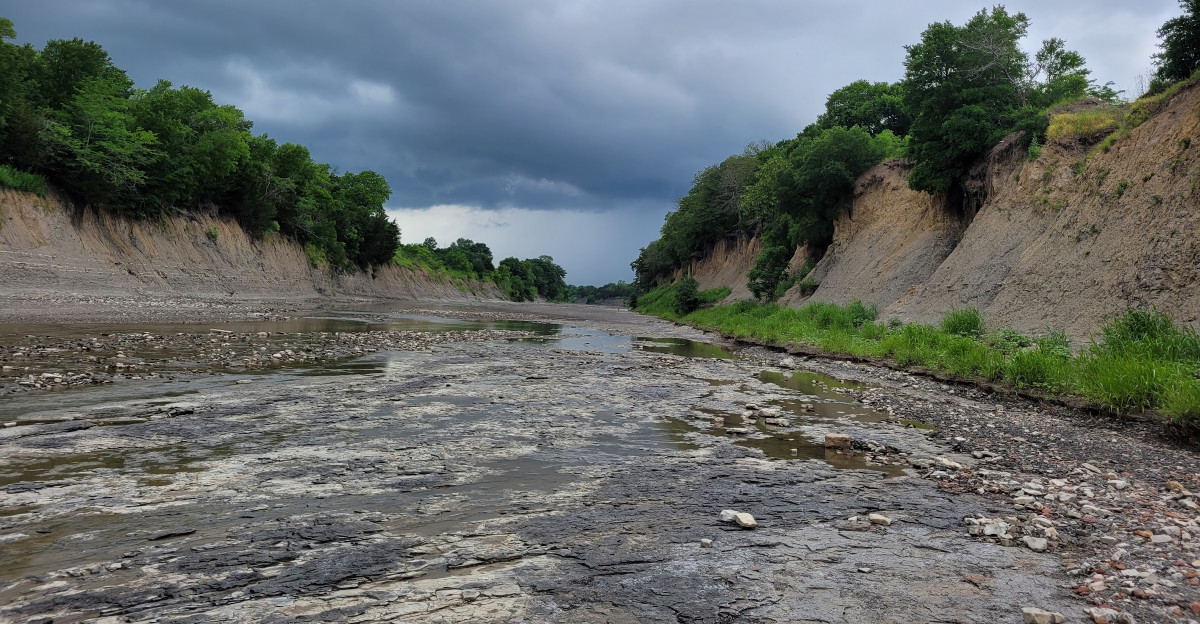
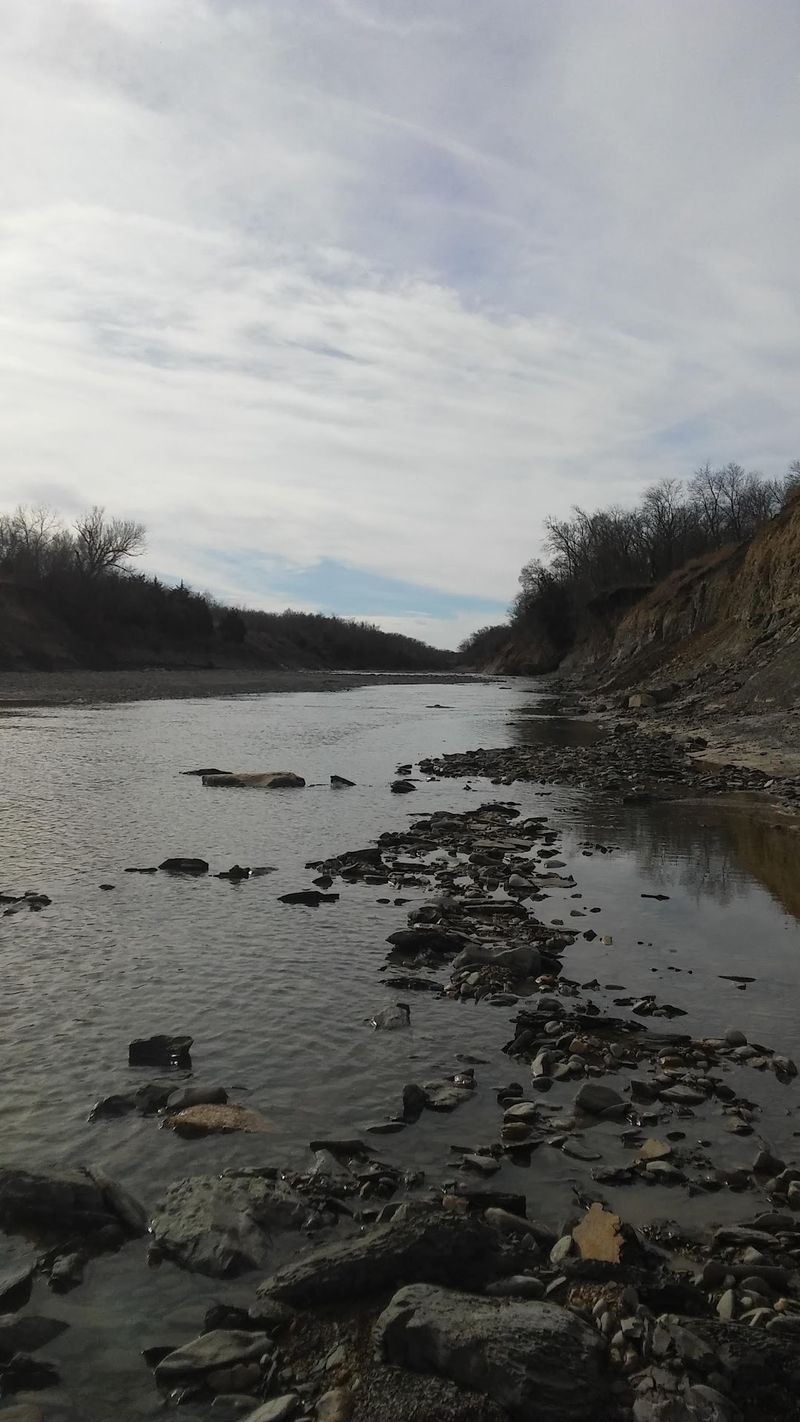
A century of hard erosion widened that ditch into a canyon. Today parts of it stretch around 350 feet across and drop more than 60 feet down.
The eroded channel exposes layers of Late Cretaceous sedimentary rock along the North Sulphur River. Around Ladonia, fossil-rich deposits include the Ozan Formation and younger Cretaceous units farther along the river.
Those layers formed under the Western Interior Seaway, a shallow sea that covered this slice of Texas. Late Cretaceous time, roughly 84 to 70 million years ago, is written right into the walls.
Erosion keeps working every single season, which is the real secret of the site. Old fossil beds get depleted, while this one keeps restocking itself.
Baker Creek and McClure Creek still feed the river naturally, adding more scouring power.
Shark Teeth And Sea Monsters
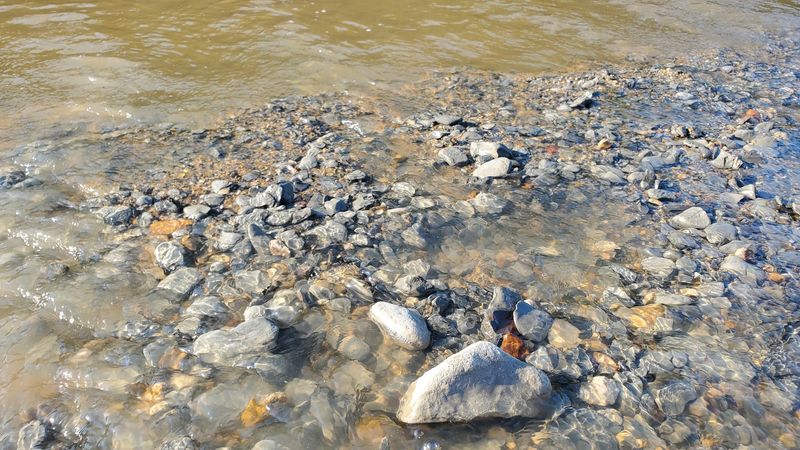
Serrated Squalicorax shark teeth are among the Late Cretaceous fossils documented from North Sulphur River deposits. Squalicorax kaupi is one species recorded from this regional fossil fauna.
Shark teeth can occur among gravel and eroded Cretaceous sediment in the riverbed. Finding one still depends on the location, recent erosion, and luck.
Bigger prizes exist for patient hunters. Mosasaur teeth and bone fragments turn up here, left by marine reptiles that could reach roughly 40 feet long.
Ammonites and straight-shelled baculites are among the best-documented cephalopod finds from the North Sulphur River. Fossil records from the Ozan Formation near Ladonia also include Glyptoxoceras and other ammonites.
Fossil oysters, including Exogyra ponderosa, occur among the marine remains found around Ladonia. Inoceramus and other Cretaceous bivalves are also documented from North Sulphur River deposits.
Much younger Ice Age material can appear alongside the Cretaceous fossils. Mammoth and mastodon remains are among the Pleistocene finds documented from the North Sulphur River.
Fish remains, shells, and other marine fossil fragments add still more variety to possible finds. Few places in Texas serve sea monsters and mammoths in the same afternoon.
Packing Smart Beats Packing Heavy
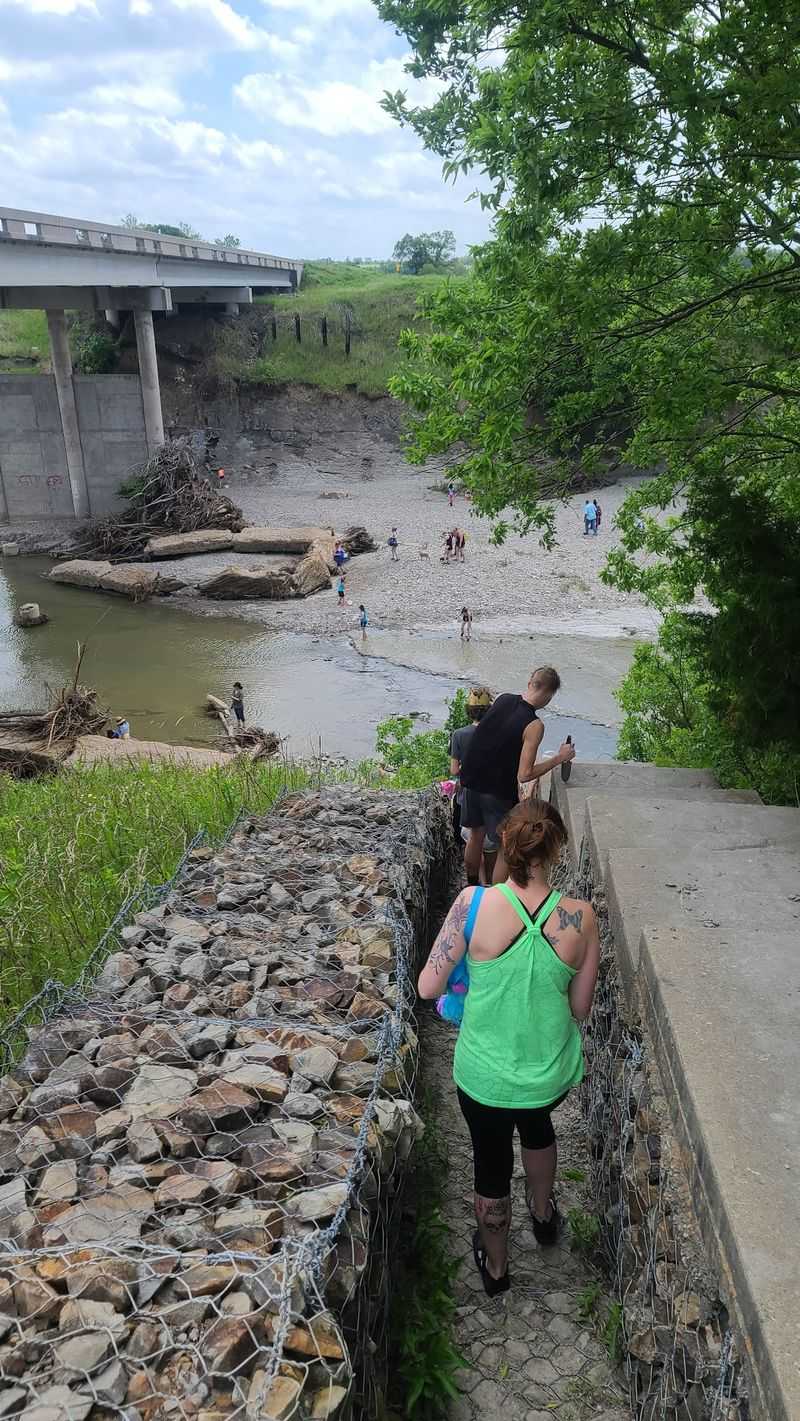
Practical gear matters because the hunt takes place in an exposed, rugged river channel. Summer conditions can become very hot with little relief from the sun.
Water comes first, and more than you think you need. The riverbed offers little shade, and the park itself has no drinking-water or restroom facilities.
Sunscreen and bug spray belong in every bag. Long sleeves can add useful sun and brush protection during a longer hunt.
Footwear matters most of all. Old sneakers work, but river shoes or low mud boots that strap tight are smarter, since the clay loves stealing loose footwear.
Closed-toe shoes with good grip are the safer choice because rocks and mud can become slick. Snug shoes protect toes and keep your balance on slick spots.
For tools, keep it simple. A small hand trowel, a hand sieve, and a stiff brush handled everything I found.
Bring a bucket, tote, or zip-top bags for hauling treasure uphill. Weight adds up fast, so keeping your load manageable makes the paved return path easier.
Timing Your Visit With The Water
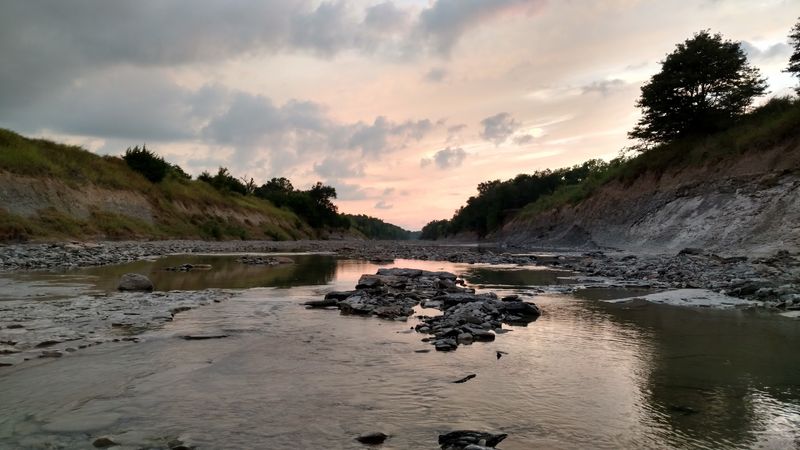
Rain is both your best friend and your worst enemy out here. Fresh storms scour the banks and reveal specimens nobody has ever seen.
The trick is waiting until water drops back down.
The Ladonia Chamber recommends checking the North Sulphur River gauge after recent rain and says readings below three feet generally indicate better local hunting conditions.
Conditions can change quickly after heavy rain. Wait until water has receded and avoid entering the channel during possible flood conditions.
Storm days and the hours right after deserve a hard pass. Banks turn unstable and currents get pushy, neither of which mixes with bucket carrying.
Season choice changes the whole mood. Cooler weather generally makes the exposed riverbed more comfortable to search.
Rainfall and river conditions matter more than any fixed month, so check conditions before every visit. Early spring and late fall hit the sweet spot for me.
Morning starts pay off nicely. Low sun angles make dark teeth and shiny shell prisms pop against pale gravel.
Cloud cover and a breeze can make an exposed search more comfortable. Extra time may let you cover more ground, but it does not guarantee more finds.
New Pavilion, Path And Parking
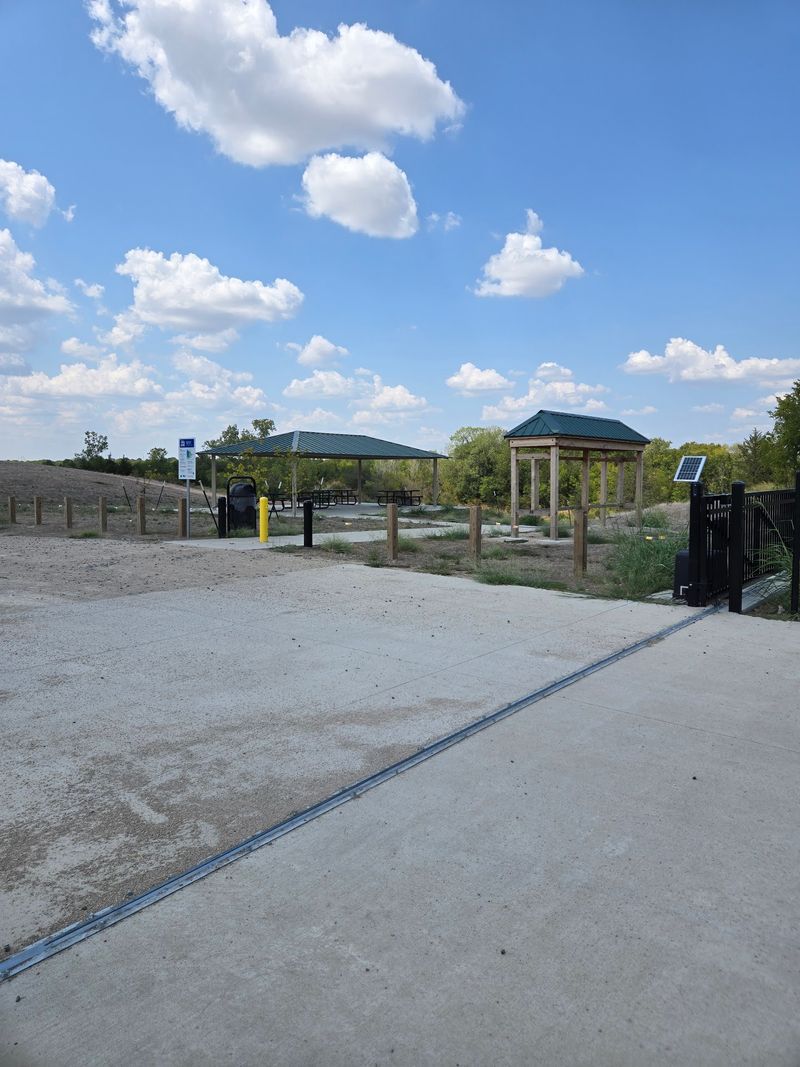
The permanent FM 904 park opened in 2026 with purpose-built river access.
Its paved path and benches improve on the rougher access arrangements used at earlier park locations.
An all-weather parking area greets you now, so soggy grass no longer traps tires. Fencing marks the boundaries clearly.
A covered pavilion with picnic tables sits near the lot. The pavilion provides a shaded place to eat or sort finds before heading back to the river.
Best of all, a paved concrete path runs down to the riverbed. Benches along the way exist for the return climb, which is long and genuinely steep.
The paved route makes it easier to move supplies between the parking area and river access. Getting gear back up is the workout nobody warns you about.
Manage expectations on facilities, though. Permanent restrooms are not available, so handle that stop before arriving, and expect portable units only during special events.
Downloading directions before arrival is sensible because cell service can become unreliable near the riverbed.
Rules keep things safe and tidy: no camping, no fireworks, no firearms, no open fires, and no motorized vehicles in the riverbed.
Mud, Footing And Common Sense
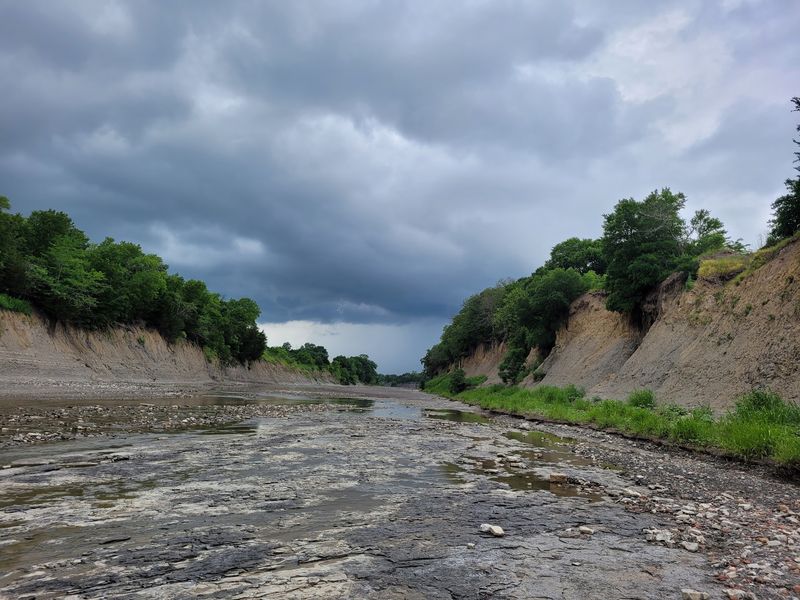
Thick clay can grip footwear tightly when the riverbed is wet. Mud boots or securely laced shoes reduce the chance of leaving a shoe behind.
That mud earns its reputation, especially after wet weeks. A spare pair of shoes can make the trip home much easier after muddy conditions.
Bringing a partner is smart advice for soft sections. A second set of hands turns a stuck foot into a two-second problem.
Gravel bars in the middle give firmer footing and better hunting. Choosing firmer gravel whenever possible can reduce slipping and deep mud exposure.
Water depth can change quickly after rainfall. Do not enter the channel during flowing or potential flood conditions.
Watch the banks, too. Steep clay walls look climbable and absolutely are not, particularly after rain.
Heat exposure is a serious consideration in the largely open river channel, so carry plenty of water and set a reasonable turnaround time. The covered pavilion provides dependable shade near the parking area before and after a hunt.
A Riverbed That Keeps Giving
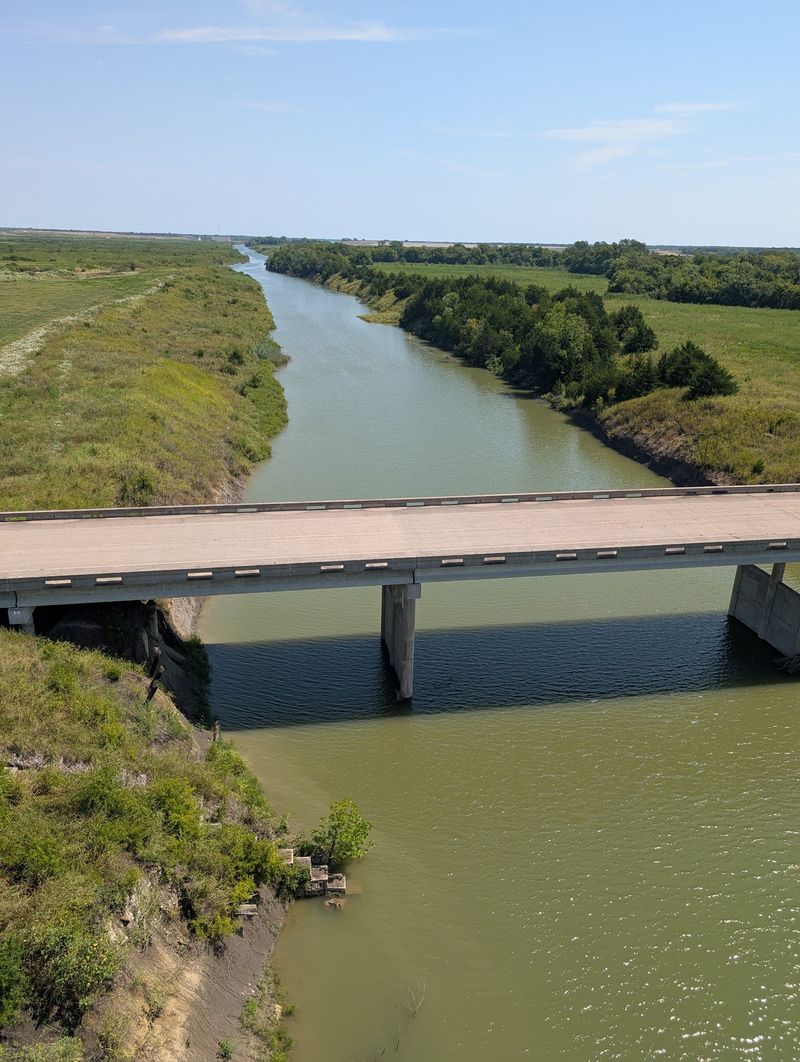
Popular fossil sites usually run dry over time. Constant erosion here flips that script completely.
Erosion and natural creek flow can continue exposing fossil-bearing material over time.
A previously searched stretch may look different after weather and water reshape the channel.
Construction of Lake Ralph Hall required relocating fossil access downstream of Leon Hurse Dam. Upper Trinity worked with local partners to preserve public access to the fossil-rich North Sulphur River.
Additional informational signs are planned for the kiosk near the park entrance. Upper Trinity says those displays will provide more information useful to fossil hunters.
Paleontological groups such as the Dallas Paleontological Society host gatherings here, including National Fossil Day events. Experts identifying finds on the spot is a treat worth planning around.
Outside organized events, the park is primarily a self-guided outdoor fossil-hunting site. Clear photos of uncertain finds can later be shared with experienced local fossil hunters for identification help.
Free collecting is only part of the park’s educational appeal. Ancient Texas sea life and Ice Age giants share one muddy stretch of ground, and anyone willing to get dirty can meet them.