This California Bakery Grows Its Own Wheat, Mills Its Own Flour And Bakes It Into Bread
Most bread begins its bakery life as a bag of flour delivered through the back door.
At one unusual bakery, the story starts much earlier, with wheat growing in the ground.
The same operation grows its grain, mills it into flour, and eventually turns it into loaves ready for the bakery counter.
Following that process all the way through makes an everyday food feel surprisingly connected to the land behind it.
A loaf of bread rarely comes with such a short family tree, even in California’s famously farm-focused food scene.
That connection also gives shoppers something interesting to think about while choosing what to bring home.
Bread can seem incredibly simple once it is sliced and sitting beside dinner, yet plenty of work happened before the oven ever entered the equation.
The Bread Actually Starts In The Wheat Field
Most bakers begin their day by opening a sack of flour. The team at Roan Mills begins much earlier, with seeds going into the ground months before any dough gets mixed.
The business works as a farmer, a miller and a baker all at once.
Owning every step gives the family a kind of control that few bakeries ever have. They decide which wheat to plant, how to care for the soil and when the grain is ready to harvest.
Nothing about the flour is a mystery because the same people watched it grow.
The farm uses certified organic methods along with regenerative practices.
Regenerative farming focuses on keeping soil healthy instead of wearing it out year after year.
Healthy soil can hold water better and support stronger plants, which matters in a dry place like Southern California.
The grain program grew out of Kenter Canyon Farms, a produce farm the same family already ran.
Wheat was a new crop for them, but farming itself was familiar ground. That experience helped them treat grain with the same care they gave their vegetables and fruit.
For shoppers, the takeaway is simple and pleasant. A loaf from this 411 Central Ave, Fillmore, California 93015 located bakery carries a story that starts in dirt and sunshine rather than in a warehouse.
They Grow Heritage Varieties Of Wheat
Not all wheat is the same, even though grocery store flour might make it seem that way.
Heritage wheat varieties are older types of grain that were grown before modern farming focused mainly on high yields.
Many of them have deeper flavors and unique colors that faded from everyday bread over time.
Roan Mills treats these grains as the stars of the show. Varieties connected to the farm include Sonora, Red Fife, Glenn, Emmer, Spelt and Durum.
Each one has its own history and personality.
Sonora wheat, for example, is one of the oldest wheat varieties grown in North America and has deep roots in the Southwest.
Red Fife is a heritage wheat with a long history in Canada. Emmer and Spelt are ancient relatives of modern wheat that people have eaten for thousands of years.
Early plantings were ambitious from the start. Around fifty acres of heritage wheat went into the ground when the grain program began, and that first crop relied on winter rain instead of irrigation.
The harvest reportedly came in at roughly 80,000 pounds of grain.
Growing identity-preserved grain means each variety stays separate from field to flour. Customers can know exactly which wheat is in a bag or a loaf.
For curious eaters, trying breads made from different varieties side by side can be a fun way to taste how much grain really matters.
The Grain Is Stone-Milled Into Flour
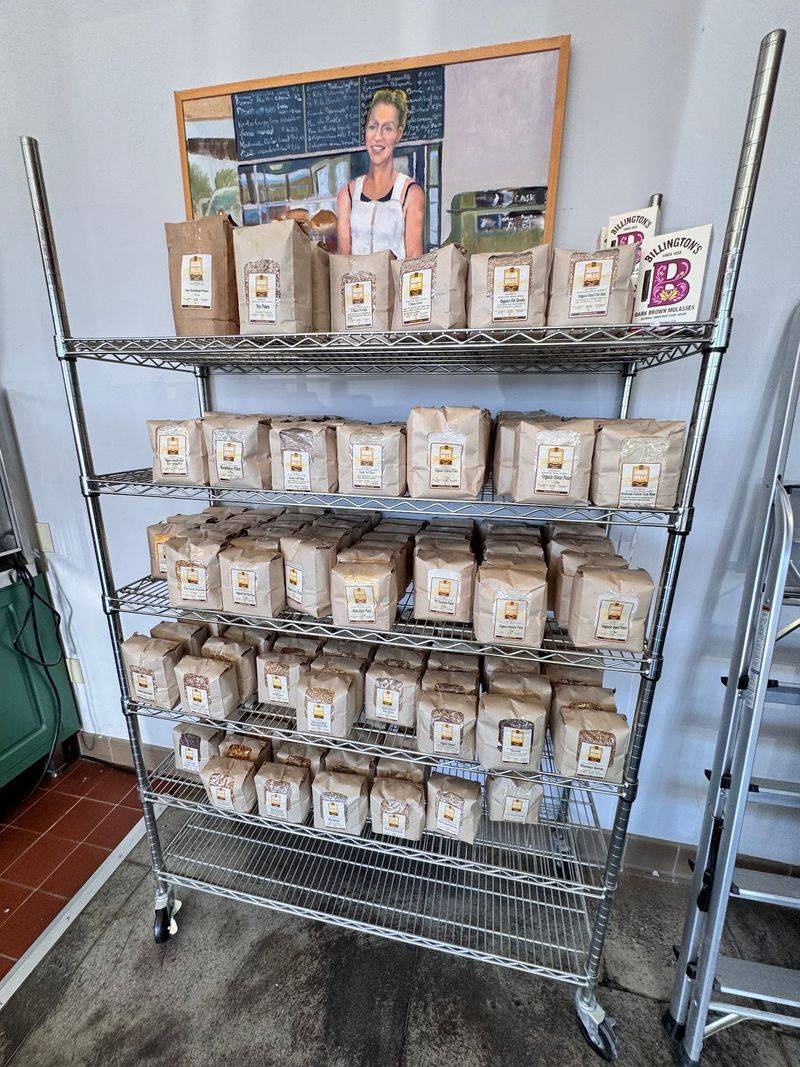
Grinding stones have been turning wheat into flour for thousands of years. Roan Mills still relies on that basic idea, using stone milling to turn harvested wheat berries into fresh flour.
The milling happens at the bakery in Fillmore rather than at some distant factory.
So what makes stone milling special? Large industrial mills often separate the parts of the wheat kernel and remove the bran and germ to create bright white flour.
Stone milling crushes the whole kernel together, so more of the natural oils, fiber and flavor stay in the finished flour.
Freshness is the other big piece of the puzzle. Once wheat is ground, the natural oils in the germ begin to change over time, and flavor can fade.
Milling in small batches close to baking day helps the flour keep its aroma and nutrients.
The bakery has shared that it mills its heritage wheat into flour every week. Freshly ground flour can smell nutty and sweet, a little like toasted grain.
People used to bagged supermarket flour may be surprised that flour can have a scent at all.
Milling also acts as the bridge between the farm and the kitchen. Without it, the wheat would simply be a pile of seeds.
With it, the grain becomes the soft, flavorful powder that the bakery’s loaves are built on.
Freshly Milled Flour Goes Straight Into The Baking Operation
Here is where the whole idea finally comes together.
Plenty of farms sell their wheat to a mill and then buy flour back later. Roan Mills skips that loop by keeping farming, milling and baking under one roof of ownership.
The flour ground at the bakery goes into the breads and baked goods sold right there.
There is no long trip across the country and no months spent sitting in a warehouse. The gap between mill and mixing bowl can be very short.
Why does that matter to someone just buying a loaf? Fresh flour can bring more flavor and aroma into bread than flour that has aged on a shelf.
Bread made from freshly milled grain can show a deeper color in the crumb and a fuller, nuttier taste.
Keeping every step in the same family also means fewer places for things to go wrong. The people baking know exactly how the grain was grown and how it was milled.
If a batch of flour behaves a bit differently, they understand why and can adjust their recipes.
A visit here becomes a chance to taste the final chapter of a very local story. Asking the counter staff which grain went into a particular loaf can be a friendly way to learn more.
Sourdough Bread Is One Of The Main Attractions
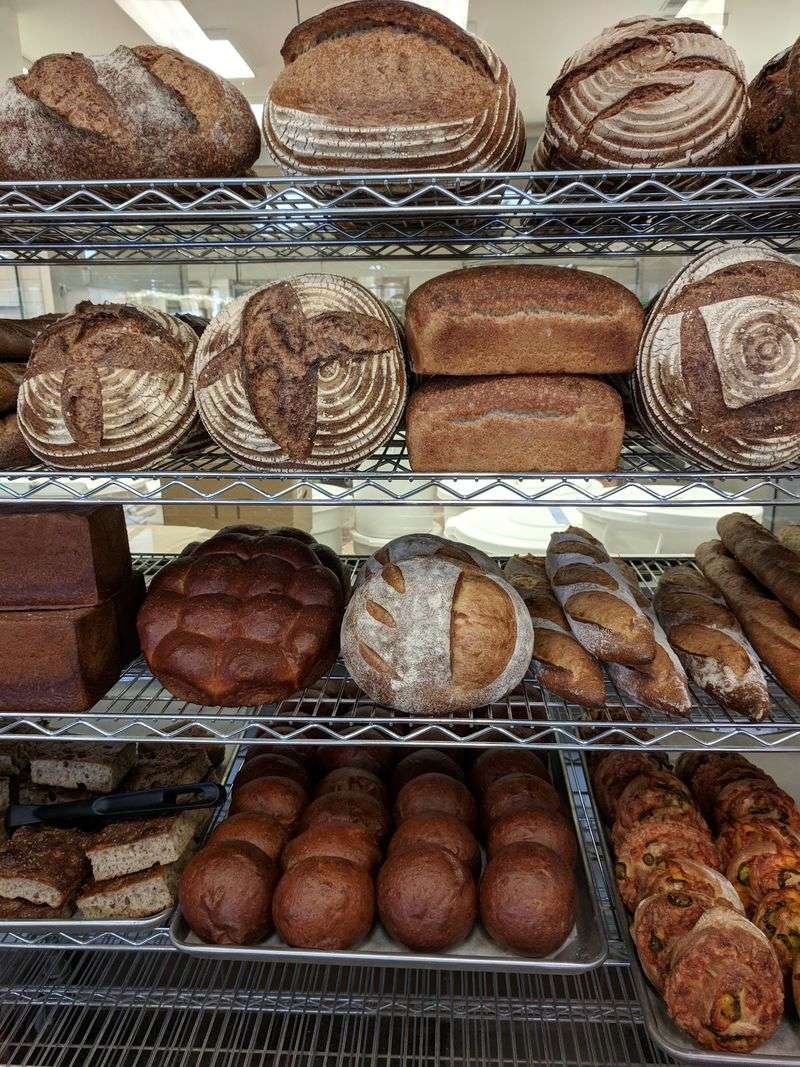
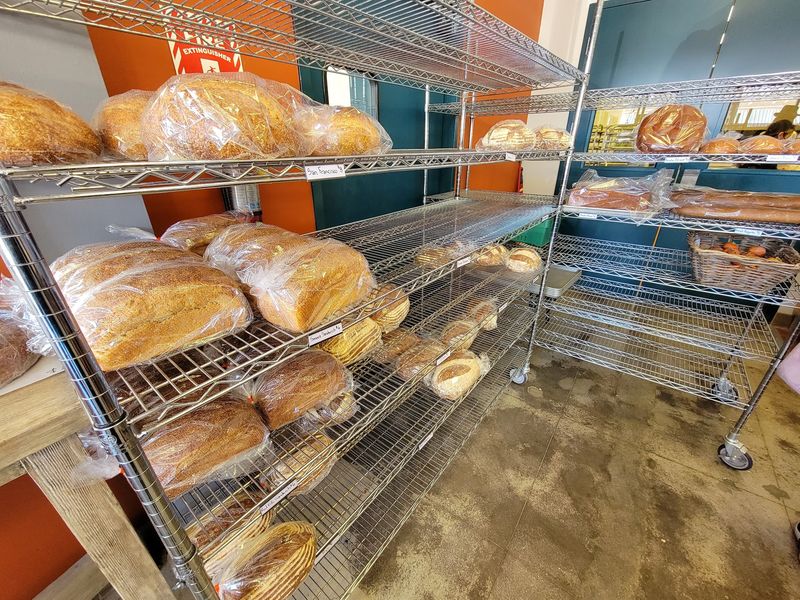
A good sourdough loaf announces itself with a crackly crust and a gentle tang.
Naturally leavened bread sits at the heart of the Roan Mills lineup, and sourdough is one of the items shoppers talk about most. It can be a smart first choice for anyone new to the bakery.
Naturally leavened means the bread rises with a sourdough starter instead of commercial yeast. A starter is a living mix of flour and water that holds wild yeast and helpful bacteria.
The bakery feeds its starter on a regular schedule to keep those tiny helpers active and strong.
Sourdough takes patience. The dough ferments slowly over many hours, which gives the bread time to build flavor and a chewy, open texture.
Classic sourdough needs only flour, water and salt, so every ingredient has to pull its weight.
Freshly milled whole grain adds its own twist. Heritage flour can give sourdough a deeper color, a nuttier smell and a more complex taste than bread made with plain white flour.
Each loaf may look a little different from the one beside it, which is part of the charm.
For the best experience, slice the loaf only when ready to eat and store it cut side down on a board.
Pastries Give You Another Reason To Visit
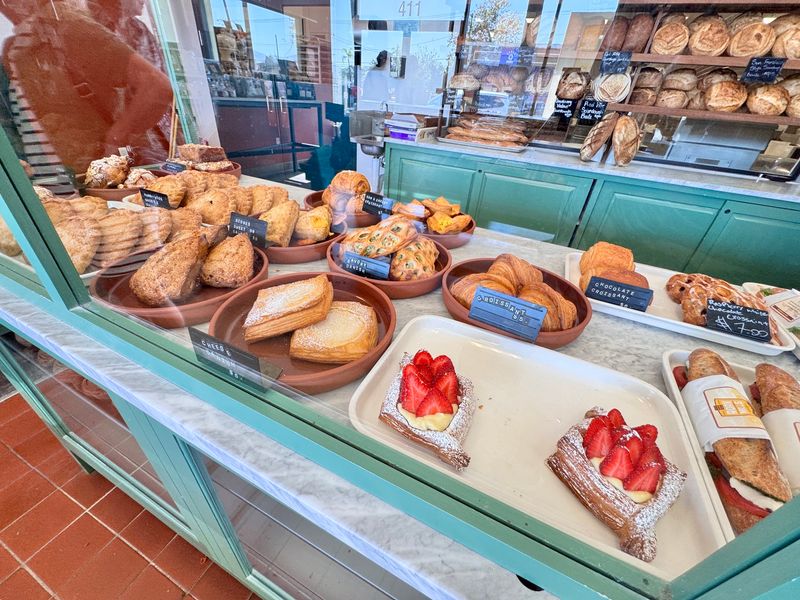
Not everyone walks in needing a whole loaf, and that is perfectly fine. The pastry case offers plenty of smaller treats for anyone craving something sweet or savory.
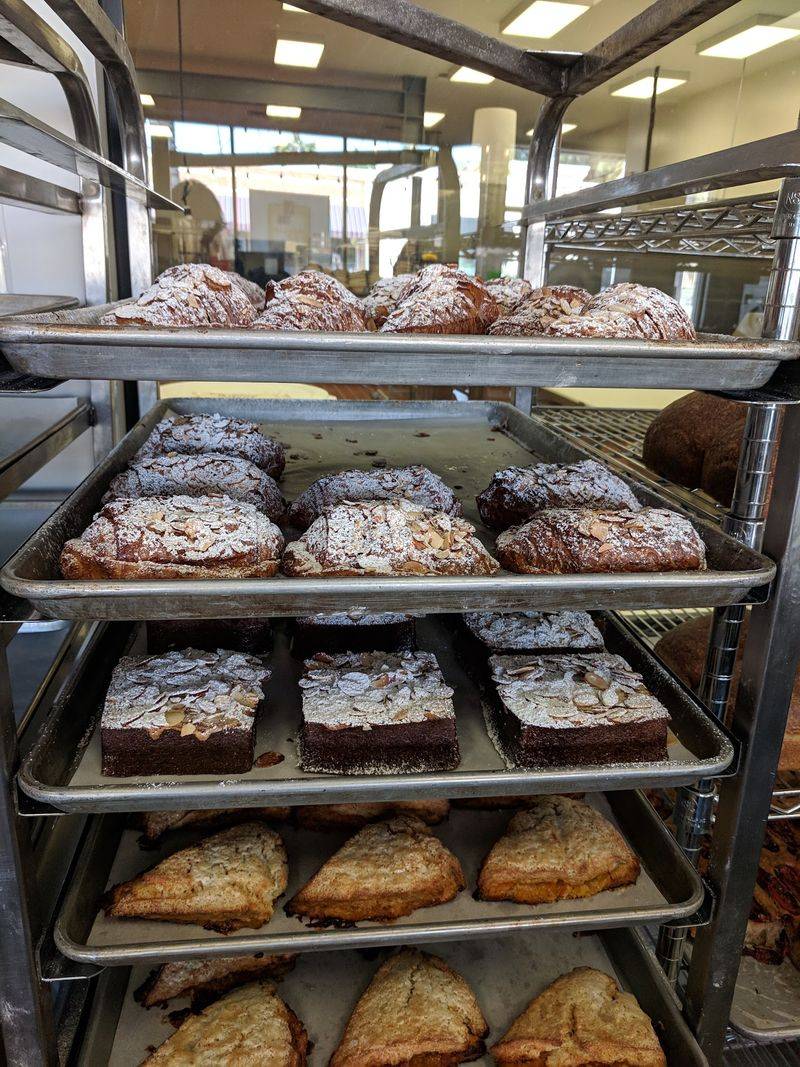
Croissants have been a regular sight, including plain, chocolate and almond versions. Scones, morning buns, danishes and hand pies have also appeared on the counter.
Savory items such as quiche and chicken pot pie give lunch-minded visitors something hearty to choose.
Pies deserve a special mention. Whole pies and hand pies are among the items that visitors bring up most often, and flavors can shift with the seasons.
Fruit fillings may change depending on what is ripe, which keeps the case feeling fresh throughout the year.
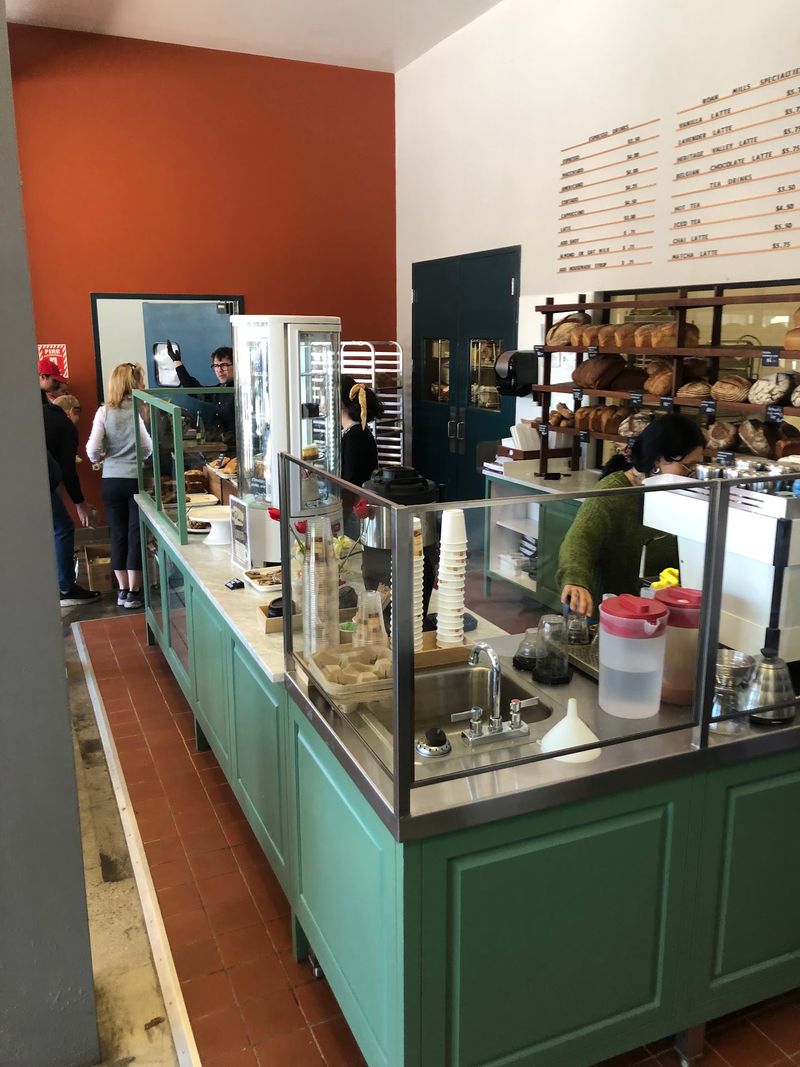
The bakery also serves coffee drinks, which pair naturally with a flaky pastry.
Sandwiches made on house bread have become a popular choice for a light breakfast or lunch, including vegan options.
Selections change often, so it helps to keep an open mind. Trying whatever looks freshest on a given morning can turn into a fun little weekly habit.
You Can Buy The Flour And Bake With It Yourself
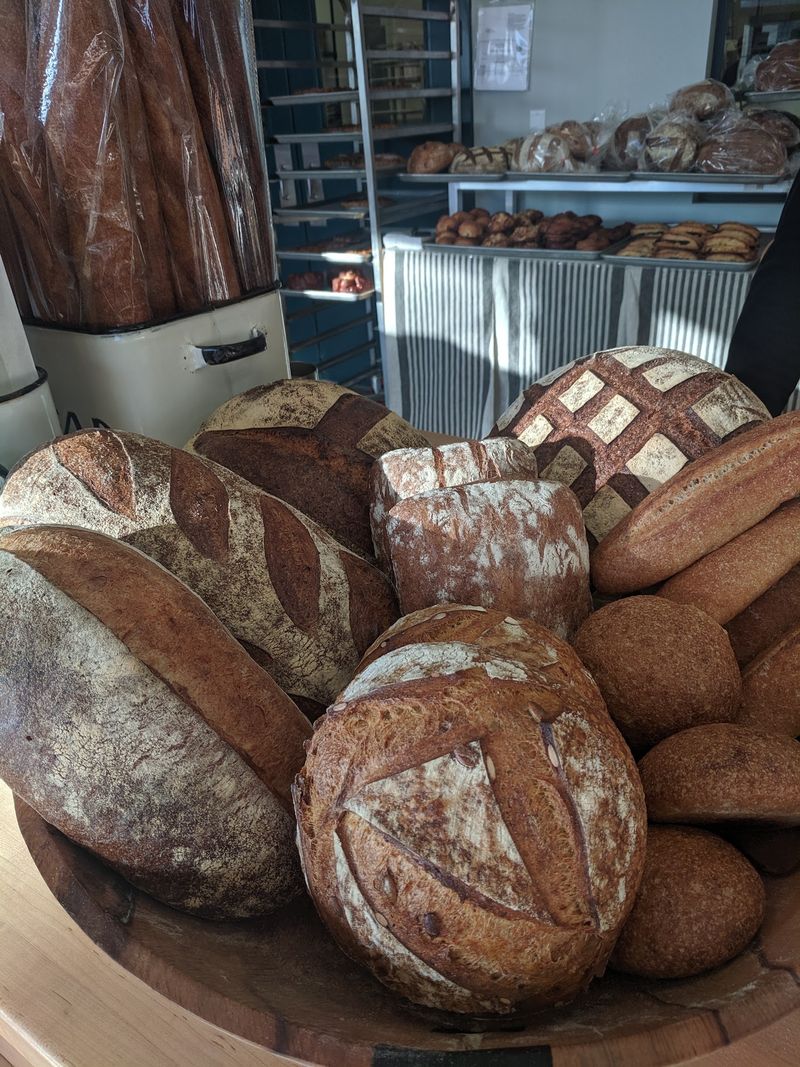
Home bakers, get ready for a genuine treat. The same flour that goes into the bakery’s bread is sold by the bag, so the grain story can continue in any kitchen.
Few things feel as satisfying as baking with flour that was recently stone-ground from wheat grown nearby.
Roan Mills has offered several varieties, including Sonora, Red Fife, Glenn, Triple Four, Edison and organic Durum.
Bags have come in sizes such as 2, 4 and 10 pounds. Whole wheat berries are also available for people who own a home grain mill.
Each flour behaves in its own way.
Sonora is a soft wheat that many bakers like for tortillas, cookies and tender pastries. Durum is a hard wheat traditionally used for pasta, while Red Fife and Glenn are often chosen for hearty breads.
Freshly milled whole grain flour drinks up more water than white flour. Recipes may need a splash more liquid, and dough can feel a bit stickier at first.
Letting the dough rest for twenty or thirty minutes before kneading gives the bran time to soften.
Storage matters too. Because the natural oils are still inside, fresh flour keeps best in an airtight container in the refrigerator or freezer.
Starting with a small 2-pound bag is a friendly, low-pressure way to test a new variety before committing to a larger size.
The Bakery Is Connected To Southern California Farmland
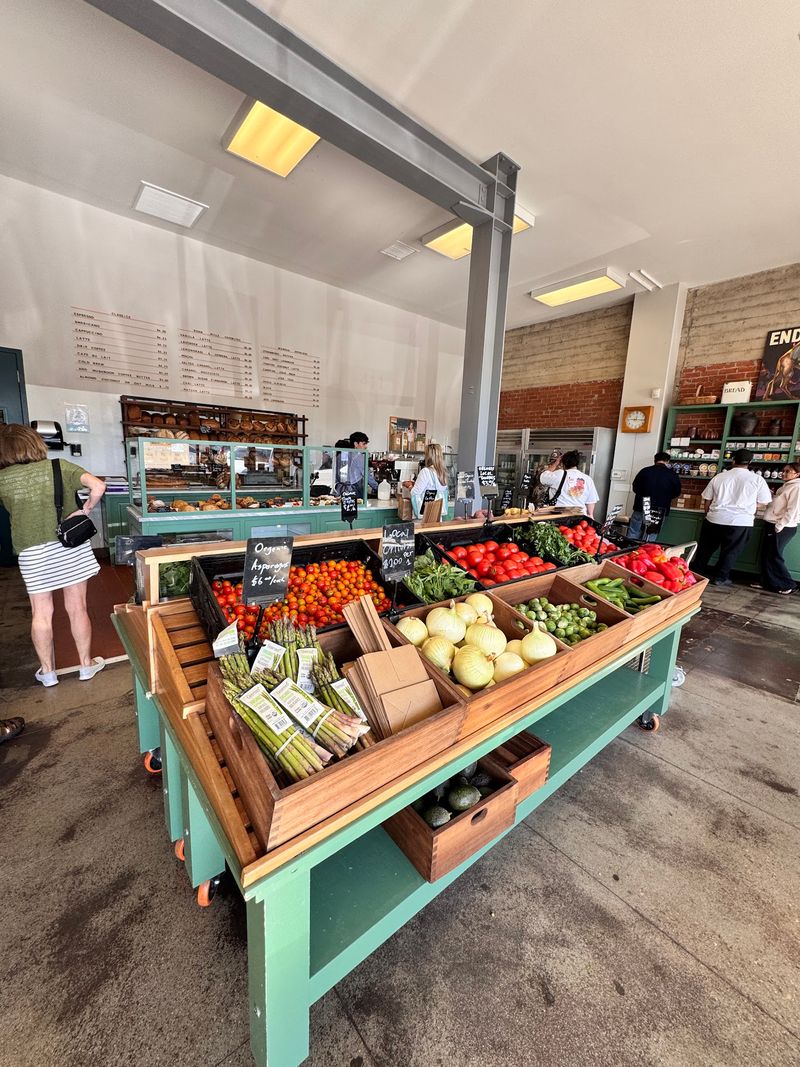
Artisan bakeries are usually pictured on busy city streets, not surrounded by orchards and open fields.
Fillmore sits in the Santa Clara River Valley of Ventura County, an area known for citrus groves, farms and rolling hills. That rural setting gives the bakery a backdrop that feels close to the soil.
The family behind the bakery has farmed in Southern California for decades. Their produce business, Kenter Canyon Farms, has been growing crops since 1996.
Organic lettuces, leafy greens, herbs, oranges and avocados are among the things the family farms have grown.
Adding wheat to that mix was a natural next step. Grain fits well into a farming system that already cares about soil health and organic methods.
Rotating crops and building up the land over many seasons can benefit everything else growing nearby.
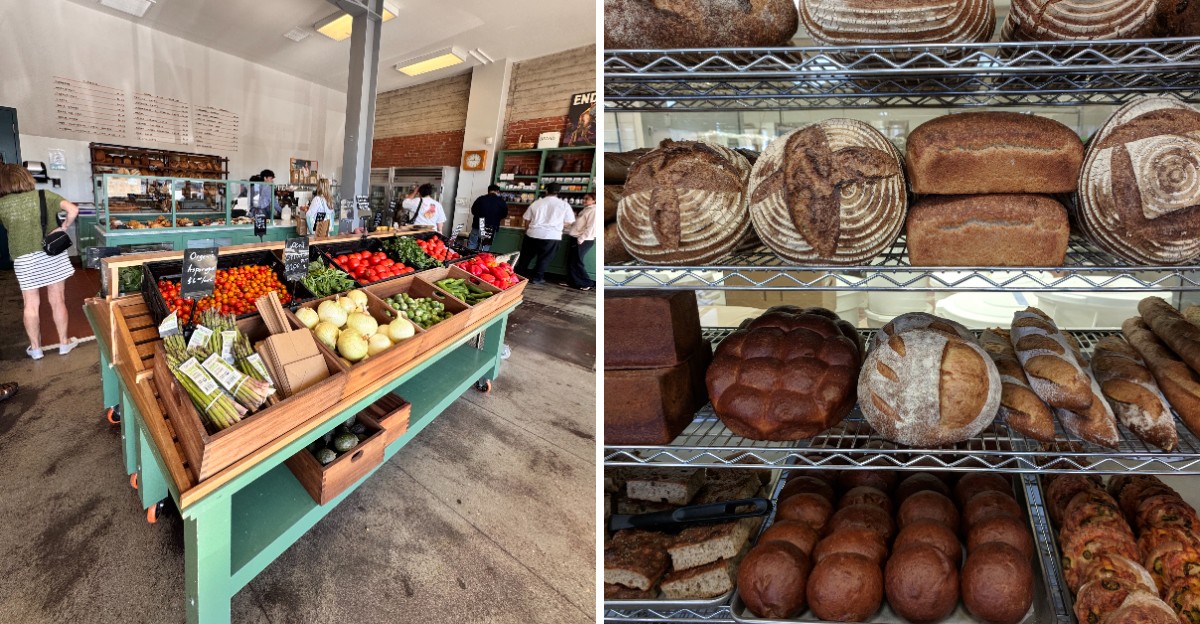
The farm connection shows up inside the shop as well. Fresh produce often sits alongside the bread and pastries, so a bakery stop can double as a small market trip.
Seasonal fruits and vegetables may change from visit to visit, depending on what is being harvested.
Visitors who enjoy country drives may find the trip itself relaxing. Highway 126 runs through the valley and passes groves and farm stands along the way.
Pairing a bakery visit with a slow, unhurried drive through the area can make for a pleasant half-day outing.