This Connecticut Orchard Makes Apple Cider Donuts Hot And Fresh To Order
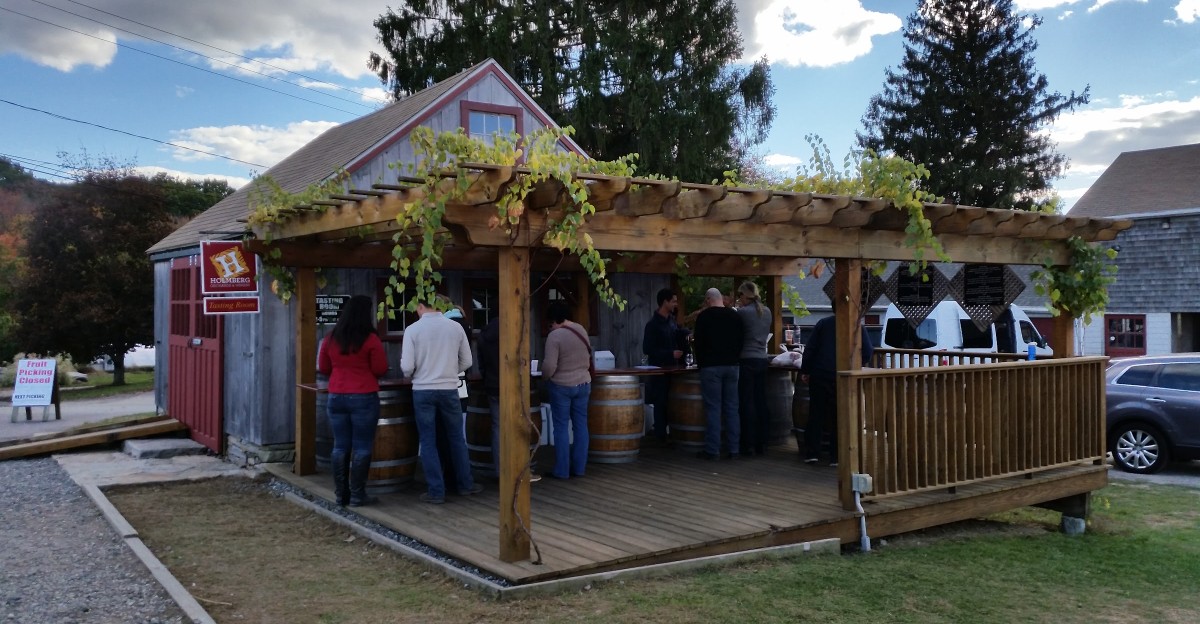
There is a big difference between grabbing a cider donut from a box and getting one while it is still warm enough to make waiting difficult.
At this orchard, the timing is part of the pleasure. Donuts are made fresh to order, so the experience comes with that rare little window when the outside has just the right bite and the inside is wonderfully soft.
Apple season in Connecticut gets considerably sweeter when cider donuts arrive hot instead of waiting around on a shelf.
That freshness changes the whole snack. Even the aroma feels more persuasive when your order has barely finished cooking.
It also gives an orchard visit a delicious second purpose. Apples may have brought you out for the day, but a warm donut can quickly become the detail everyone remembers afterward.
Cold cider donuts certainly have their fans. Still, once you have been handed one fresh and hot, patience suddenly seems wildly overrated.
1. Generations Of Farming Shape This Family Orchard
Apples came later. Much later. What started as a small family farm eventually grew into a Connecticut orchard tradition that has lasted for well over a century.
The story began in 1896, when Swedish immigrants Adolph and Hulda Holmberg purchased hilly farmland in Gales Ferry. Vegetables and chickens initially played bigger roles, with fruit making up only a smaller portion of the operation.
Then the next generation changed course. Their sons took charge in the early 1930s and began planting additional fruit trees.
By the middle of the decade, orchards had become the farm’s main focus, setting the direction that would carry the family business forward.
Later generations kept adapting. A retail market gave customers a new way to shop directly from the farm, while pick-your-own fruit transformed a simple visit into an activity families could enjoy together.
More than 125 years after that first purchase, Holmberg Orchards remains family owned. Growing methods have evolved considerably, but careful attention to the land and harvesting fruit at the right stage still matter.
That long history adds something special to an ordinary apple. Each harvest connects today’s visitors with generations of farming knowledge built on the same Gales Ferry hillsides.
2. Apple Trees Spread Across The Rolling Property
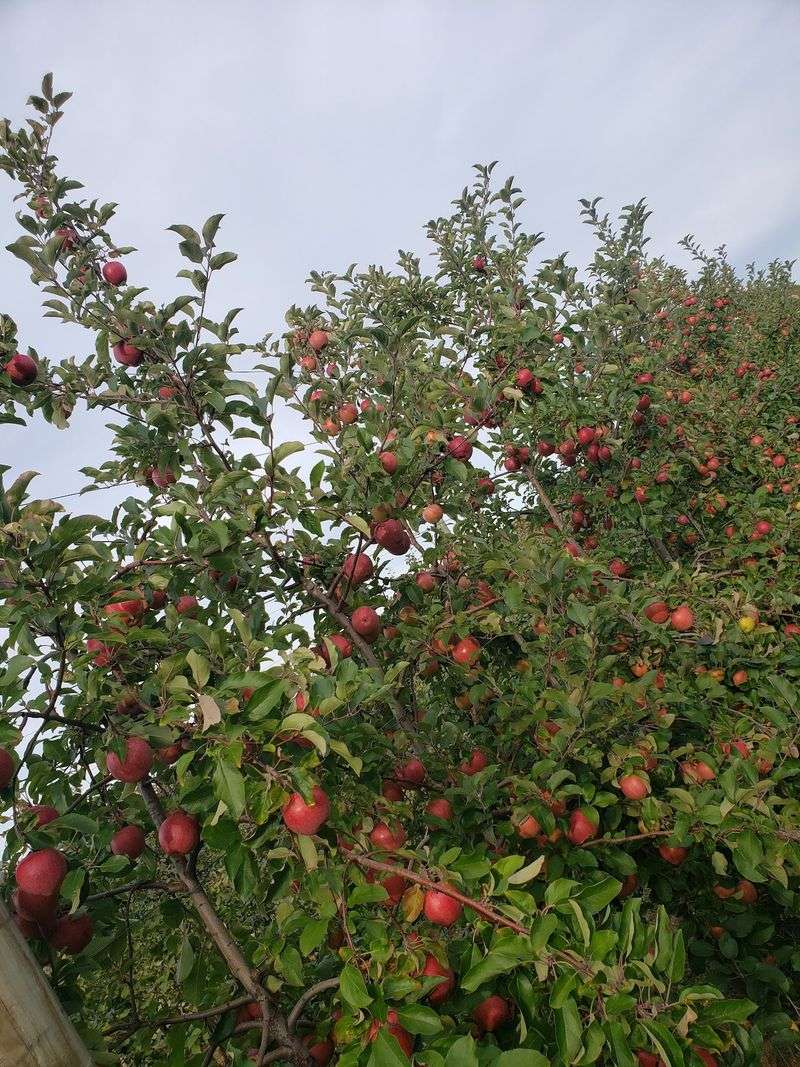
Think of about 150 acres of hills, and you start to get a picture of this farm’s size. Many first-time visitors are surprised, because the property looks much smaller from the road than it really is.
Once you head up the slopes, rows of trees seem to stretch on and on.
Apples take up a large share of the growing land, and the orchard raises dozens of different varieties. That variety matters more than you might think.
Some apples ripen early in September, while others are not ready until later in October, so the selection shifts from week to week.
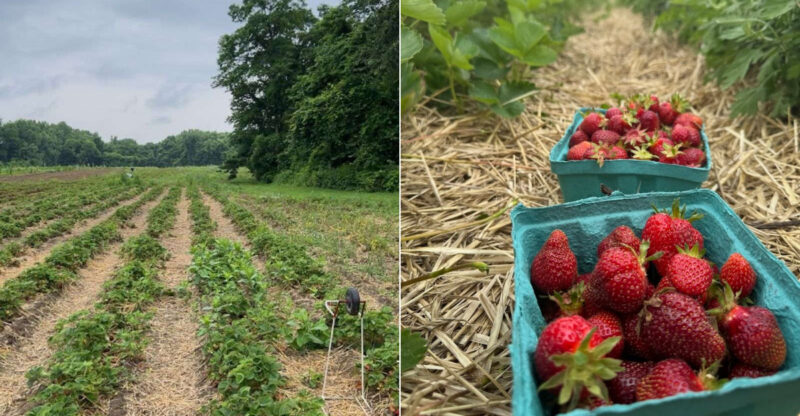
Fruit fans have more to look forward to, though. The farm also grows peaches, nectarines, pears, and several kinds of berries, including blueberries, raspberries, and blackberries.
That means the picking season here starts well before fall and keeps going for months.
The rows are kept tidy, and visitors often mention how clearly the trees are labeled. Signs help you find the exact type of apple you want without wandering in circles.
Some spots on the higher ground even offer views toward the water, which makes a nice backdrop for photos.
A good tip is to ask at the market which varieties are ready before you head out. That way, you can go straight to the trees worth your time.
3. Country Roads Make The Arrival Feel Like Fall
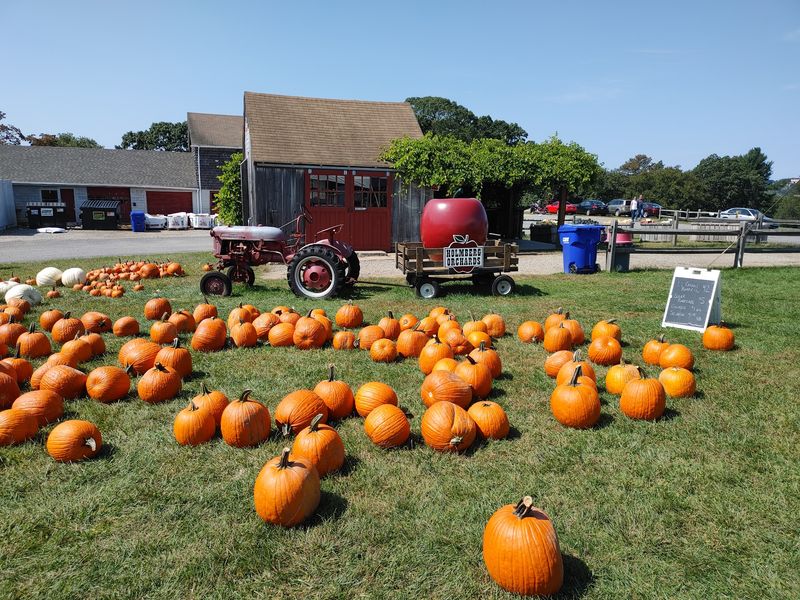
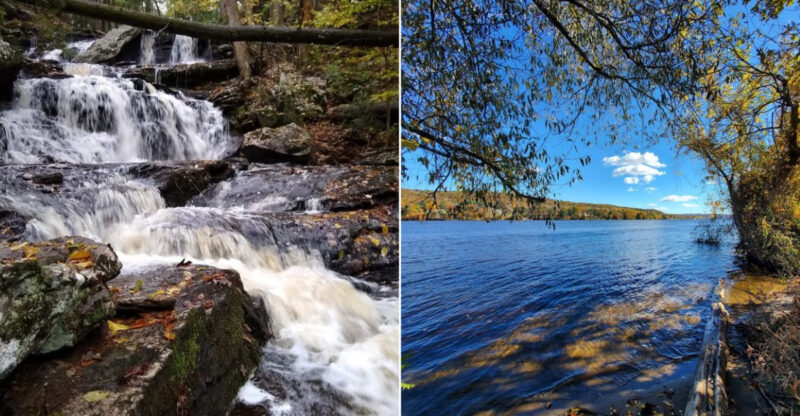
The fun starts on the road. Hills roll past. Trees close in. By fall, the countryside around Gales Ferry can make the drive to Holmberg Orchards feel like part of the outing itself.
Once the farm comes into view, the landscape takes over. Orchard rows spread across sloping ground, creating the sort of setting that immediately puts you in an apple-picking mood.
Late September and October add changing leaves to the scenery, with autumn color appearing around the surrounding roads and woods.
Fall weekends can bring more visitors, so getting an earlier start may make the experience feel less rushed. A weekday trip is another option when schedules allow.
Good shoes matter here. The orchard covers hilly, grassy terrain, so footwear that can handle uneven ground makes exploring much more comfortable.
Bringing an extra layer is useful too, especially when cooler fall air moves across the higher ground.
Holmberg Orchards is at 12 Orchard Lane in Gales Ferry, not far from Route 12. Parking is available at the farm, making it easy to get settled before heading toward the orchard.
By then, the countryside has already done its job. Fresh air, sloping rows of fruit trees, and fall color make the arrival feel like the beginning of a proper autumn day.
4. Cider Donuts Come Hot And Fresh
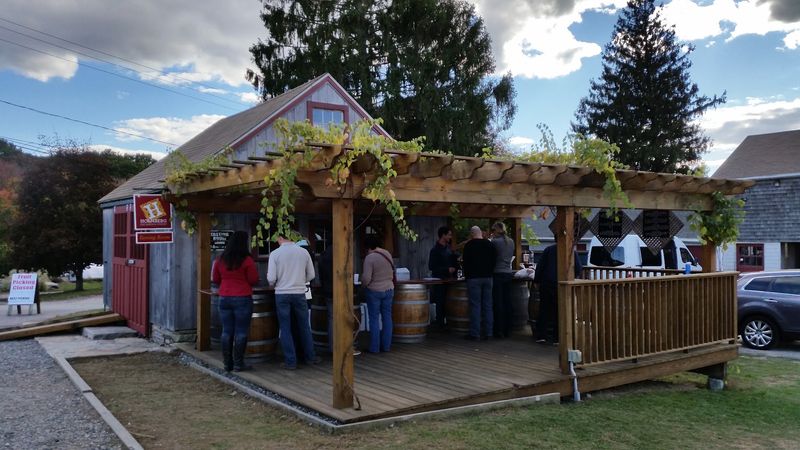
Hot donuts win. Especially in fall. At Holmberg Orchards, apple cider donuts come with the kind of warmth and sweet spice that makes eating one immediately feel almost mandatory.
Fall weekends bring the biggest treat. Donut machines run at both the farm market and the pick-your-own orchard, so visitors can grab freshly made cider donuts close to the apple-picking action.
That means you do not necessarily have to wait until the drive home to open the bag.
The best part is eating them while they are still warm. A soft, cakey center makes each bite satisfying, while the apple cider gives the donuts their seasonal character.
They are exactly the sort of snack that seems to disappear faster than expected after an afternoon outside.
Busy autumn weekends naturally attract more visitors, so arriving earlier can make the day easier. A weekday trip may offer a more relaxed alternative when schedules allow.
Pairing a warm donut with fresh cider makes the orchard break even better. The farm also offers apple cider slushies, giving warmer fall afternoons another sweet option.
Grab a bag, take a seat outside, and enjoy one before heading back toward the trees. Buying extras for later is probably the hardest part, since making them last until home takes some serious restraint.
5. Pick-Your-Own Apples Keep Weekends Busy
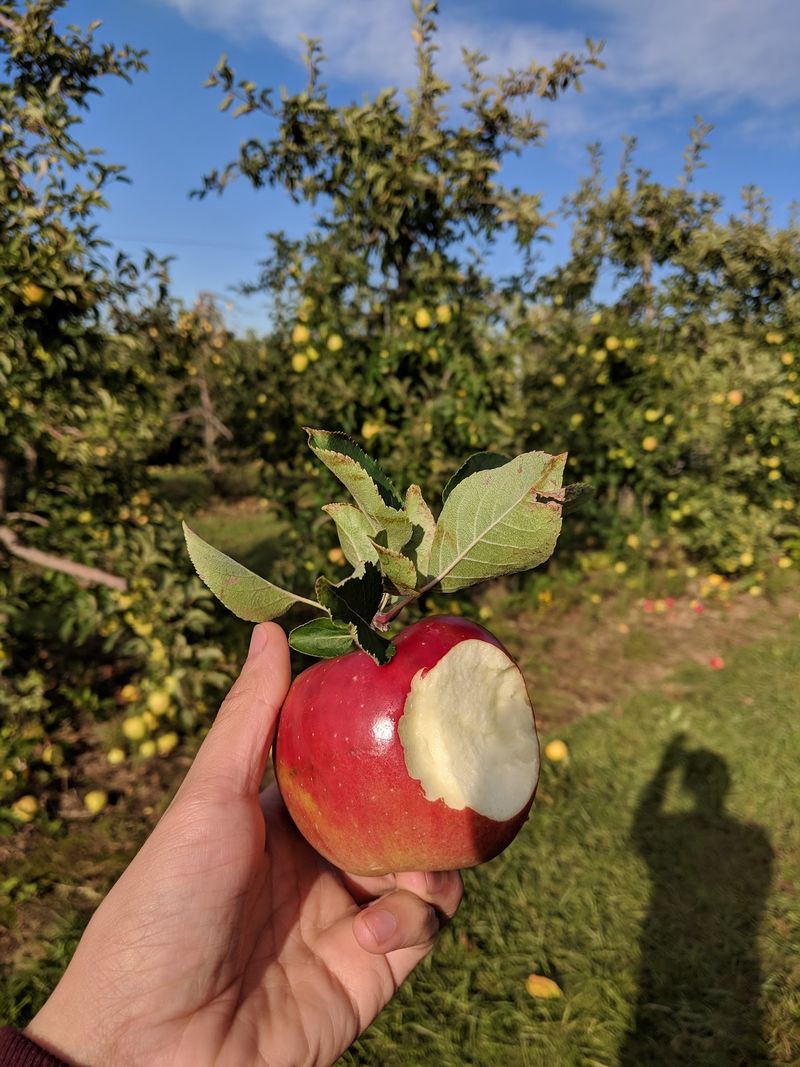
Is there a better way to spend a September Saturday than filling a bag with apples you picked yourself? For plenty of families, the answer is no. Apple picking here usually runs through September and October, and weekends are when the orchard really hums.
The process is simple. You buy a picking container from the farm when you arrive, since outside bags and baskets are not allowed.
Then you head into the rows, where staff members can point you toward the trees with the ripest fruit.
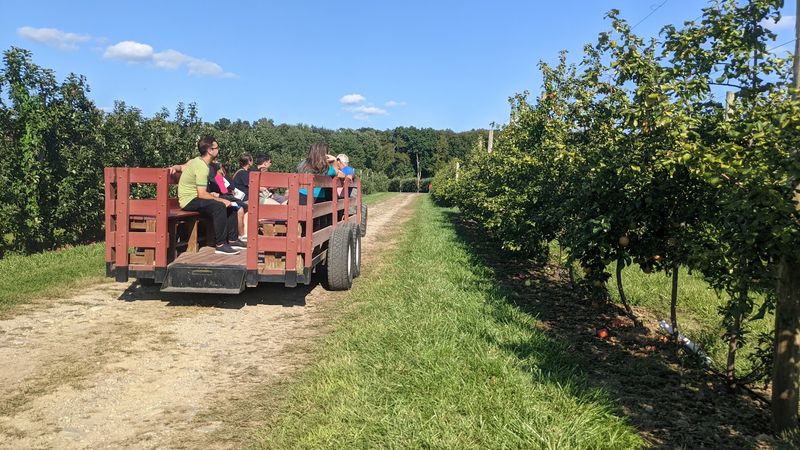
On Saturdays and Sundays during the fall season, free wagon rides pulled by a tractor carry visitors out to the picking areas. Kids tend to love this part as much as the apples themselves.
The ride up the hill also saves tired legs for the walk between trees.
Picking hours can change with the season and the weather, so check the current schedule before you go. The farm suggests arriving at least 25 minutes before picking ends, which gives you enough time to enjoy yourself without rushing.
One handy trick makes picking easier. Twist the apple gently upward instead of pulling straight down, and the stem should pop free.
Visitors often notice that even when the main area feels crowded, the rows themselves have plenty of room.
6. Fresh Cider Adds Another Taste Of Autumn
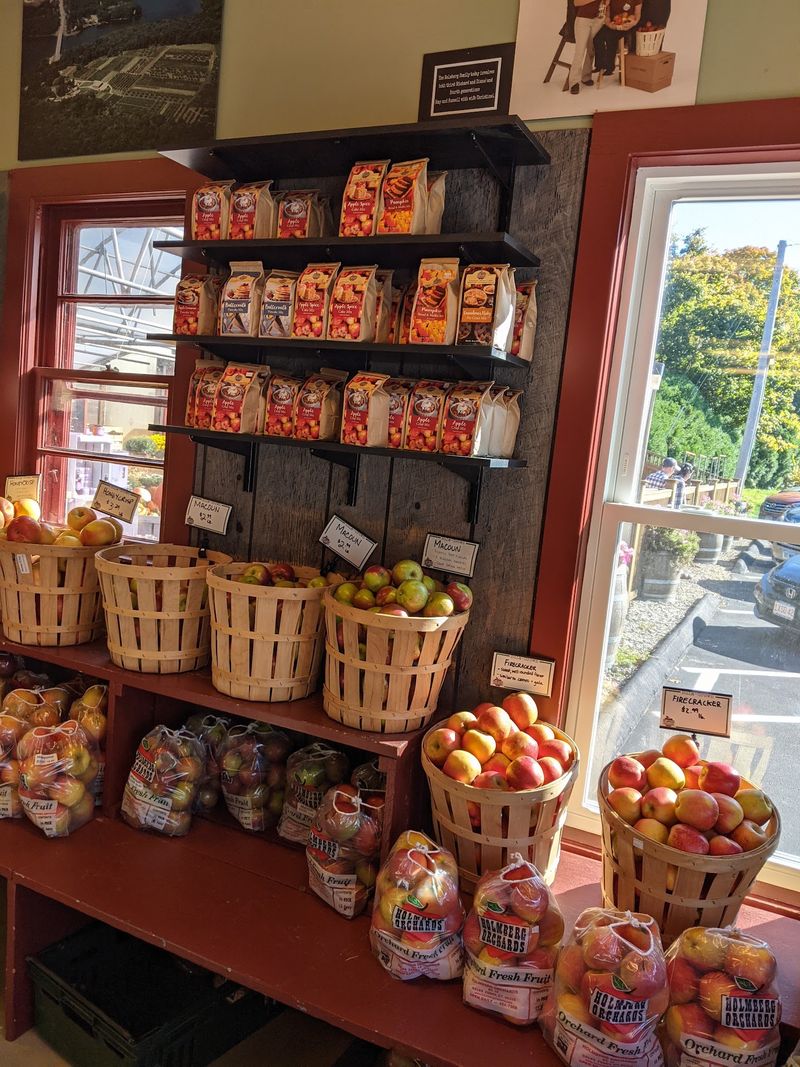
Even the cider changes with fall. That is part of the fun. A glass poured in September may taste noticeably different from one enjoyed several weeks later.
Early-season cider tends to lean sweeter. As additional apple varieties ripen and join the blend, the flavor can become more complex, picking up extra depth and a pleasantly tart finish.
Trying it at different points in the season becomes a surprisingly tasty little experiment.
The cider is pressed right at the farm using ripe apples from the orchard. Rather than relying on traditional heat pasteurization, Holmberg Orchards treats its cider with ultraviolet light.
The process helps make the cider safe while avoiding the heating and cooling involved with conventional pasteurization.
Different container sizes make it easy to choose according to the plan. A pint works nicely when you want something to sip during the visit, while half gallons and gallons are better suited to sharing at home.
Warmer fall afternoons bring another option. Apple cider slushies turn that familiar orchard flavor into a cold, refreshing break after spending time outside.
So here is a fun reason to return later in the season: buy another cider. Comparing it with the first one lets the changing apple harvest do the taste test for you.
7. Pumpkins Join The Harvest Later In The Season
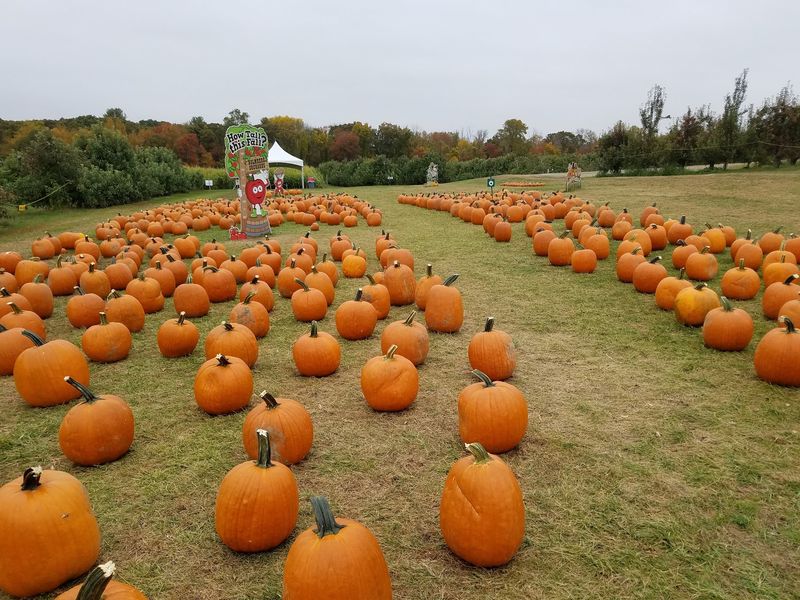
Just when the apple crowd hits its peak, the fields start showing a new color. Pumpkin picking usually begins in late September, and suddenly orange shapes seem to pop up all over the farm.
Families who come for apples often leave with a pumpkin riding in the back seat, too.
The choices go well beyond one basic type. Big carving pumpkins are perfect for jack-o’-lanterns, while smaller sugar pumpkins are the ones bakers want for pies and breads.
Mini pumpkins and specialty varieties add fun shapes, bumpy skins, and unusual colors to the mix.
By early fall, the farm’s greenhouse turns into a small showroom for seasonal decorating. Gourds, bright mums, and squash fill the space.
You can also find Indian corn, hay bales, and cornstalks, which makes it easy to decorate a front porch in a single trip.
Pumpkins also make great photo props, and visitors often snap pictures with piles of them scattered around the grounds. Bring a camera or keep your phone charged.
Choose wisely before you head to the register. Look for a pumpkin with a firm, sturdy stem and no soft spots, and always lift it from the bottom rather than by the stem.
It will last longer on your doorstep that way.
8. Fall Weekends Bring The Orchard To Life
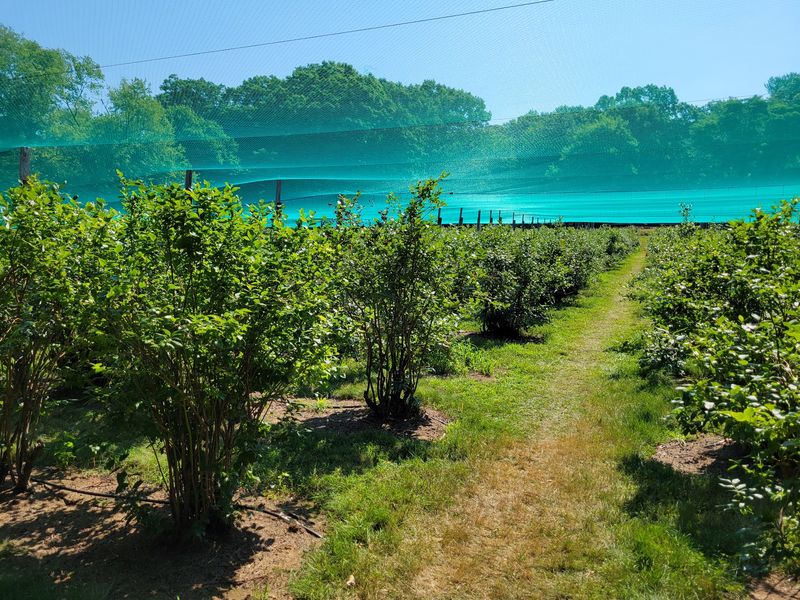
Saturday morning in October might be the orchard at its liveliest. Tractors rumble along the paths, kids race toward the corn maze, and the smell of fresh baking drifts out of the market door.
Families who come back year after year often call this visit one of their favorite fall traditions.
The corn maze is a playful challenge for all ages, though a small fee may apply, so ask when you arrive. Seasonal cut-your-own flowers are another treat.
Clipping a handful of blooms to carry home turns a simple day trip into a keepsake.
The farm market, open daily with hours that can vary by season, deserves a slow walk-through. Shelves hold homemade pies, muffins, breads, and apple crisp, plus fresh produce from the fields and a range of specialty foods.
Many visitors praise the friendly, knowledgeable staff who help shoppers find what they need.
If you want to see everything in one outing, a simple plan works well. Start with picking and a wagon ride while the day is still cool.
Then explore the maze, stop at the market for treats, and finish with a snack outside.
By the end of the afternoon, you will likely leave with full bags and a few new memories.