This Fascinating Aviation Museum Is Worth The Drive From Anywhere In Connecticut
Not everyone grows up dreaming about planes – but walk through these doors and something shifts.
There’s a certain electricity in the air when you’re standing next to a machine that once broke the sound barrier or crossed an ocean before most people even had televisions. It’s bigger than you expect, cooler than you imagine, and somehow way more emotional than you’d think a museum could ever be.
This jaw-dropping aviation museum is the kind of Connecticut hidden gem that has absolutely no business being this good – yet here we are, completely floored.
Kids are running from exhibit to exhibit, adults are stopping dead in their tracks, and everyone in between is pulling out their phones trying to capture something that honestly needs to be seen in person.
History, engineering, adventure – it’s all here, and it hits differently when you’re standing right next to it.
1. Explore The Connecticut Air & Space Center
Sitting right next to Sikorsky Memorial Airport, the Connecticut Air & Space Center is the kind of place that surprises visitors the moment they step through the door. The museum operates out of a historic Curtiss Hangar that adds its own layer of character to the experience.
Located at 225 B Main St, Stratford, CT 06615, the center is open on Saturdays and Sundays from 10 AM to 4 PM, making it a manageable weekend destination for anyone traveling from across the state. Admission is ten dollars for most visitors, with reduced pricing available for veterans, which makes the trip feel like a genuine value.
Volunteers run the entire operation, and their passion for aviation history comes through in every conversation. The setting alongside a working airfield means visitors can watch real planes take off and land while exploring exhibits, adding a live, dynamic element that no indoor display can fully replicate.
2. Discover Historic Aircraft And Space Memorabilia
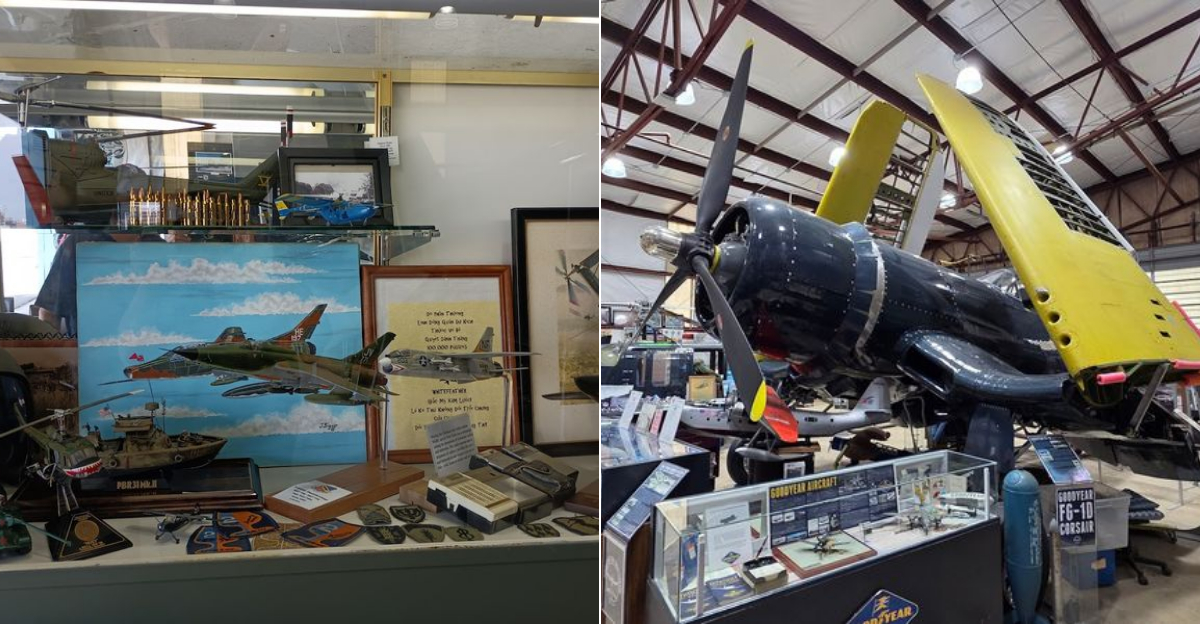
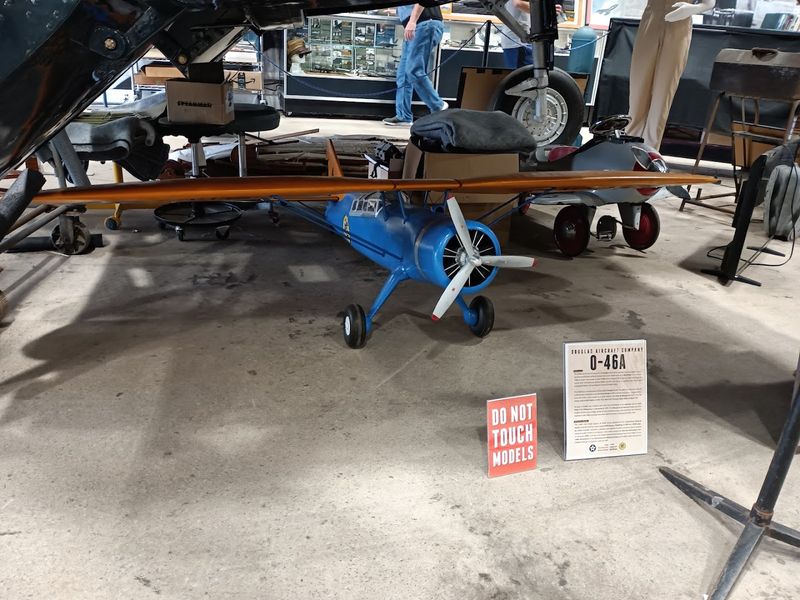
Beyond the full-size aircraft, the Connecticut Air & Space Center holds an impressive range of artifacts and memorabilia that span from World War I all the way through the space age. Scale models crafted and painted on-site by museum volunteers line the displays, offering a detailed look at aircraft that visitors might not otherwise encounter in person.
The museum covers conflicts including WWI, WWII, Korea, and Vietnam, presenting each era through a combination of physical objects, photographs, and informational panels. Diorama models showing how the Vought factory operated in the 1940s and how planes were transported across the street to the airport are particularly fascinating for those who enjoy industrial and manufacturing history.
Space memorabilia rounds out the collection and helps broaden the museum’s scope beyond traditional aviation. Together, these exhibits create a layered experience where each display connects to a larger story about human ambition, engineering progress, and the people who made flight possible across different generations and circumstances.
3. Located In The Heart Of Stratford, Connecticut
Stratford has deep roots in American aviation history, and the Connecticut Air & Space Center is situated right at the center of that legacy. The museum’s address at 225 B Main St places it directly beside Sikorsky Memorial Airport, named after Igor Sikorsky, whose helicopter manufacturing work transformed the industry.
The location itself tells part of the story, since the Vought aircraft factory once operated just across the street from where the museum now stands. Diorama models inside the museum help visitors visualize how that factory was laid out and how finished planes made their way to the airstrip for testing and deployment.
Driving to Stratford from most parts of Connecticut takes under an hour and a half, making the trip realistic for a day visit without requiring an overnight stay. Parking is available near the museum, and the Windsock Restaurant sits right next door, offering a convenient option for grabbing a meal before or after exploring the exhibits.
4. Hands-On Exhibits For All Ages
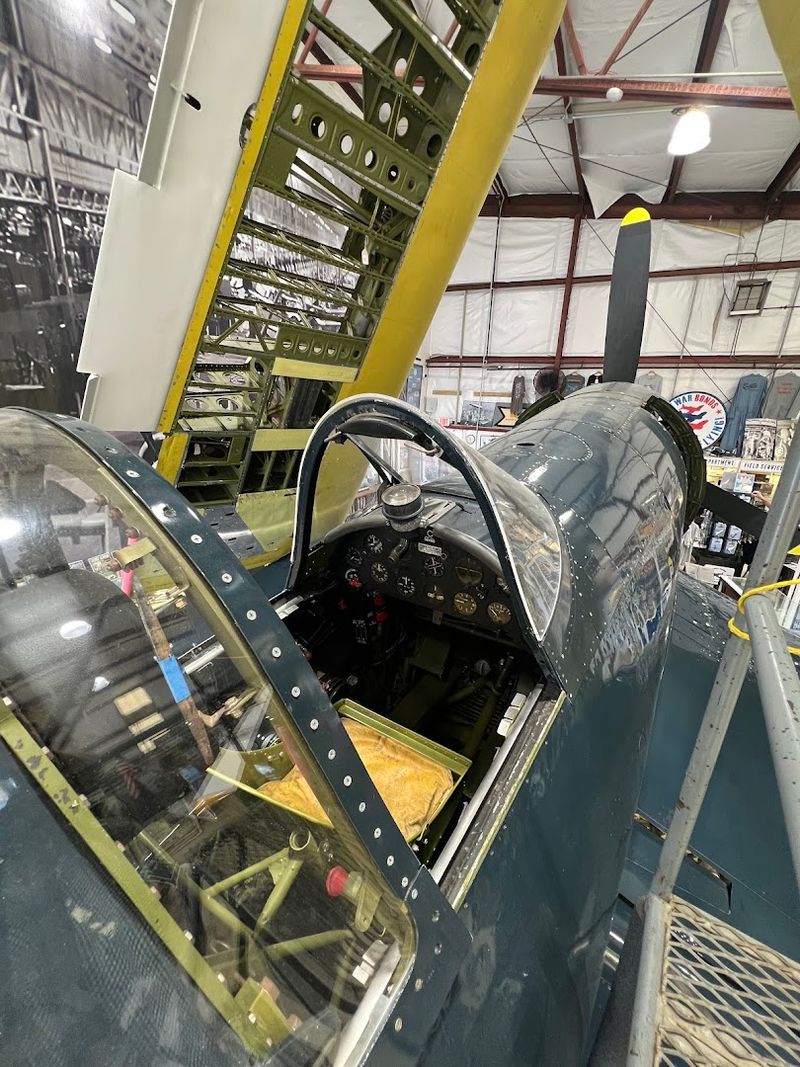
One of the most distinctive qualities of this museum is how much visitors are actually allowed to touch and interact with. Rather than keeping aircraft behind barriers, the Connecticut Air & Space Center encourages guests to get up close, and in many cases, to climb inside cockpits and feel the scale of these machines firsthand.
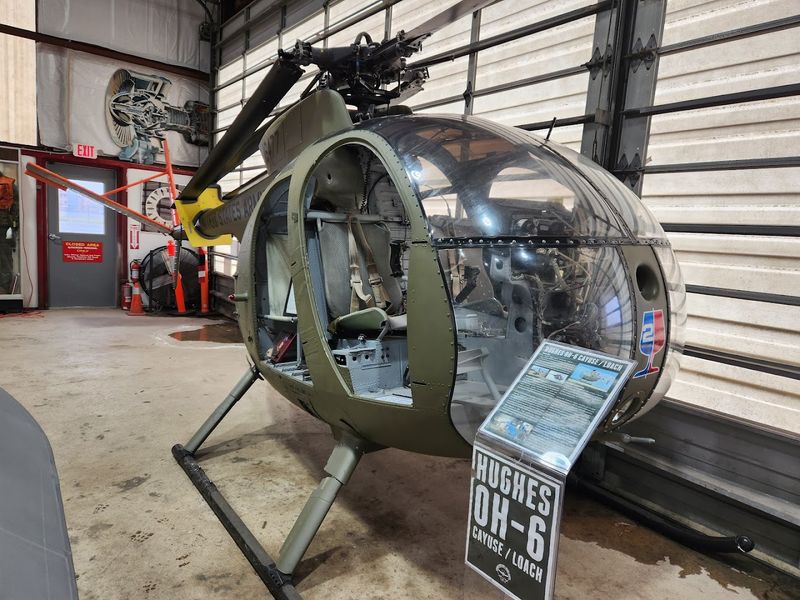
Children and adults alike can sit in the cockpit seats of helicopters and small planes, which transforms a passive museum visit into something far more tactile and memorable. For younger visitors especially, being physically inside an aircraft creates a sense of wonder that photographs and videos simply cannot replicate.
The interactive approach extends to guided outdoor tours where volunteers walk visitors through aircraft parked outside the hangar. Guides explain the mechanics, history, and personal stories connected to each machine in a relaxed and conversational style that feels more like a friendly conversation than a formal lecture, making the content genuinely accessible regardless of how much aviation knowledge a visitor brings with them.
5. A Peek Into Connecticut’s Aviation History
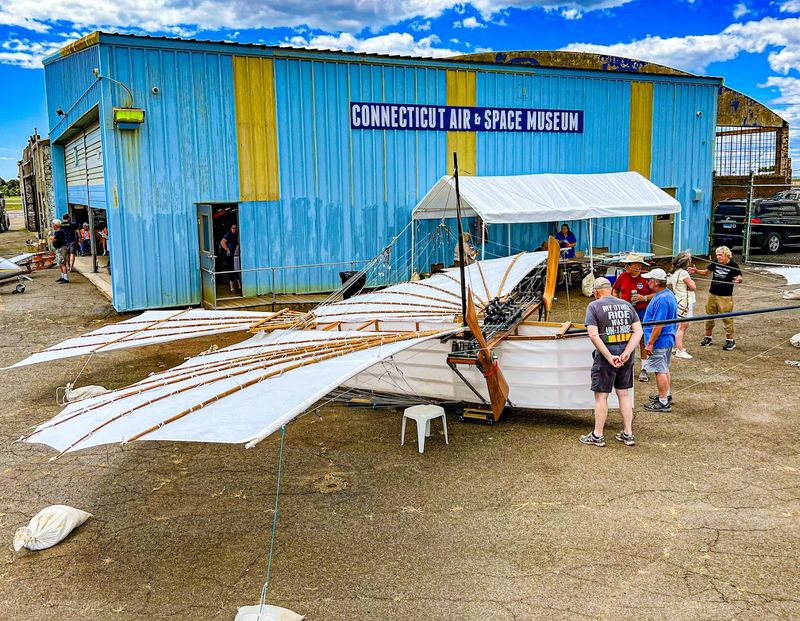
Connecticut’s role in aviation history runs deeper than most people realize, and this museum does a remarkable job of bringing those lesser-known stories to the surface. One of the most surprising exhibits focuses on Gustav Whitehead, whose controlled flight over Long Island Sound predates the Wright Brothers’ famous flight at Kitty Hawk.
The museum holds model recreations of Whitehead’s aircraft and shares the complicated history behind why his accomplishments were largely overlooked for so long. According to exhibits on display, a legal agreement between the Wright Brothers and the federal government reportedly kept Whitehead’s story from receiving official recognition for decades.
Beyond Whitehead, the center documents Stratford’s direct connection to the Sikorsky helicopter program and the Vought aircraft manufacturing operation that once dominated the area. These local threads weave through the larger story of American aviation in a way that feels specific and grounded rather than generic, giving Connecticut residents in particular a sense of genuine pride in what happened right in their own backyard.
6. Learn About The Heroes Of The Skies
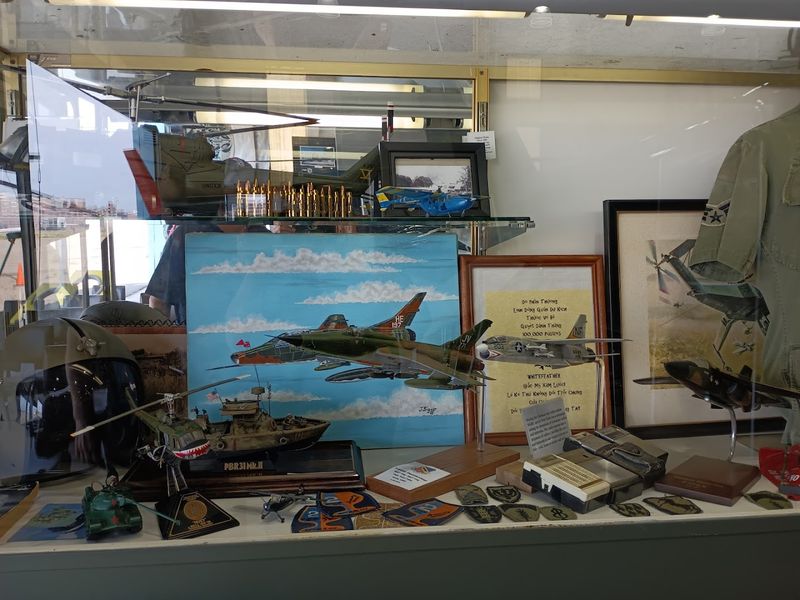
Military history takes on a deeply personal dimension at the Connecticut Air & Space Center, where exhibits highlight the men and women who served in conflicts ranging from World War I through Vietnam. Rather than presenting war history in abstract terms, the museum connects each aircraft and artifact to the real people who flew, maintained, and depended on them.
Volunteer guides share stories about individual servicemembers, including details about specific missions, mechanical challenges, and the human experiences behind the hardware on display. That storytelling approach makes the history feel immediate and relatable rather than distant or textbook-like.
The museum’s collection of Connecticut veterans’ stories is particularly moving, honoring locals who gave their service and in many cases their lives during some of the most consequential conflicts of the twentieth century. Visitors who come with little background in military history often leave with a much stronger sense of appreciation for what those individuals endured and accomplished, which reflects the museum’s genuine commitment to preserving these personal histories rather than just the machines themselves.
7. Perfect For Family Visits And School Trips
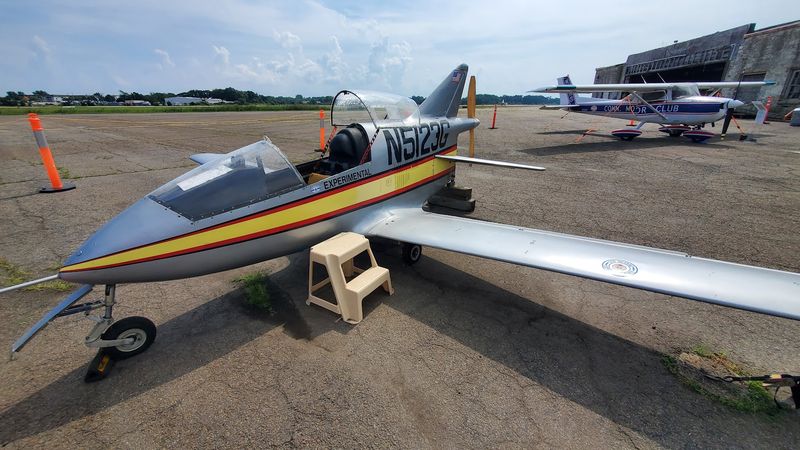
Families with children of different ages tend to find the museum surprisingly easy to navigate together, since the exhibits range from visually exciting aircraft to detailed historical panels that older visitors can read at their own pace. The compact size of the space works in families’ favor, keeping the visit focused and energetic rather than exhausting.
Toddlers and young children are naturally drawn to the large, colorful aircraft on display, and the opportunity to sit inside cockpits tends to be an instant highlight for the youngest visitors. Older kids and teenagers often engage more deeply with the historical context provided by volunteer guides, who adjust their explanations based on the audience in front of them.
School groups visiting on weekdays should note that the museum is currently open only on Saturdays and Sundays from 10 AM to 4 PM, so trip planning needs to account for weekend scheduling.
8. A Must-Visit For Aviation Enthusiasts
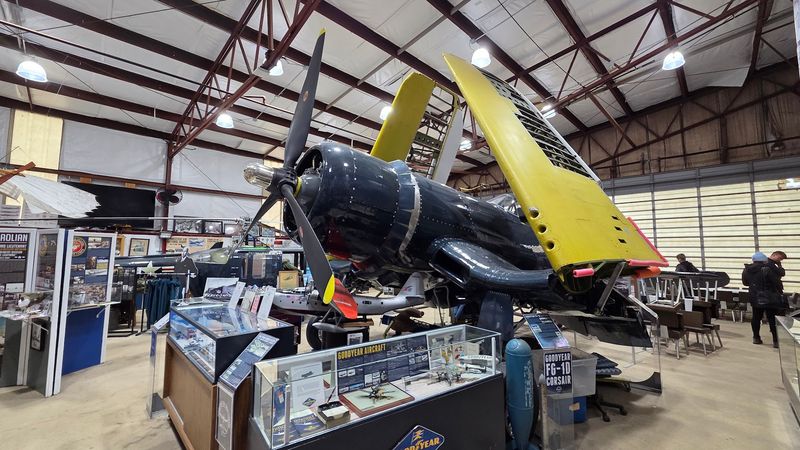
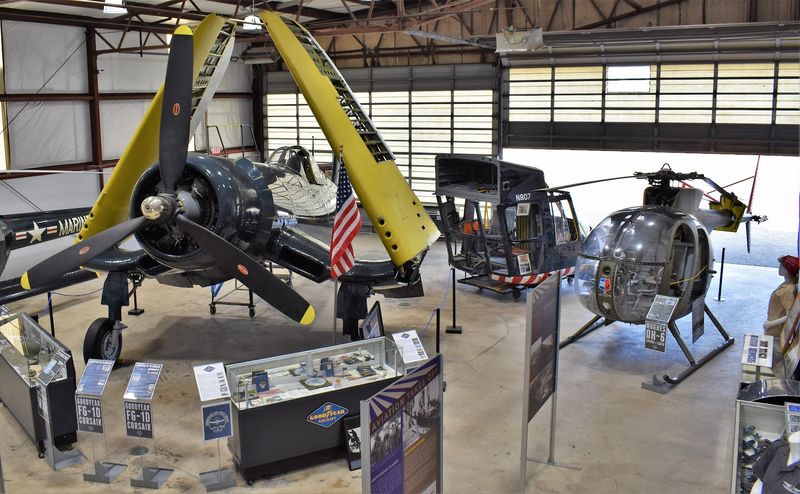
Few museums in New England manage to capture the raw excitement of aviation history the way this center does. The collection includes actual aircraft from multiple eras, with one of the most talked-about pieces being a complete World War II Corsair that sits right in the middle of the main exhibit space.
Getting close to a full-size Corsair is already remarkable, but visitors can also approach the cockpit for a firsthand look at the controls and instrumentation that pilots relied on decades ago. That kind of access is rare at most aviation museums, where ropes and barriers tend to keep everything at a distance.
Aviation enthusiasts tend to find the depth of knowledge shared by volunteers especially rewarding. Staff members can speak in detail about each aircraft’s history, mechanical design, and wartime role, including pointing out where bullet holes were patched on specific planes.
That level of storytelling turns a simple museum visit into something far more engaging and personal.
9. Don’t Miss The Incredible Vintage Aircraft Displays
The vintage aircraft collection at the Connecticut Air & Space Center stands as the undeniable centerpiece of the entire museum experience. The fully assembled World War II Corsair draws the most attention, partly because of its sheer size and partly because visitors can walk right up to the cockpit and peer inside at the original controls.
What makes the display particularly compelling is the context provided alongside each aircraft. Volunteers explain not just the technical specifications but the manufacturing origins, combat history, and local connections, including the fact that the Corsair on display was built by Goodyear while Vought operated a factory directly across the street from the current museum location.
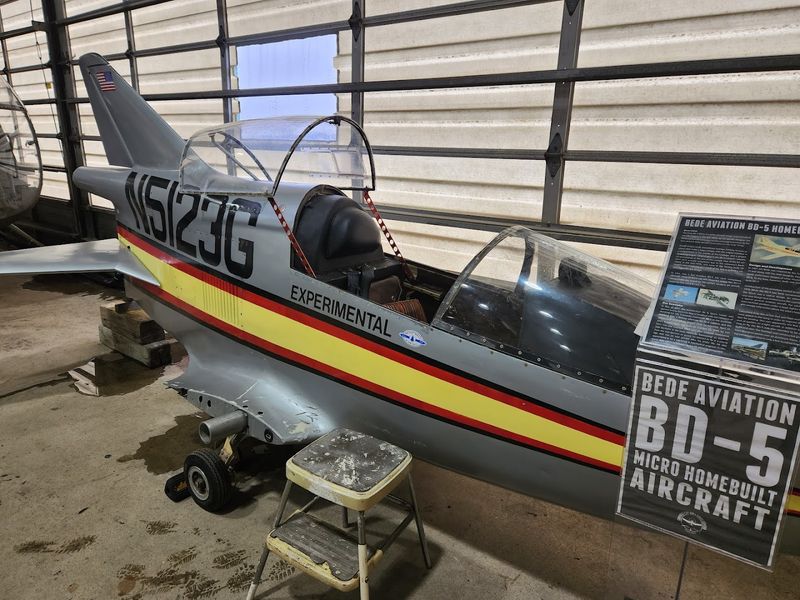
Additional vintage aircraft and helicopters are displayed both inside the hangar and outdoors on the grounds, giving the collection a sense of variety and scale that feels impressive given the museum’s overall footprint. Visiting on a clear day allows for an especially rewarding experience, since the outdoor aircraft can be examined in natural light while planes from the adjacent airfield pass overhead in real time.