Idaho Is Home To A Basque Museum Inside An 1864 Boarding House
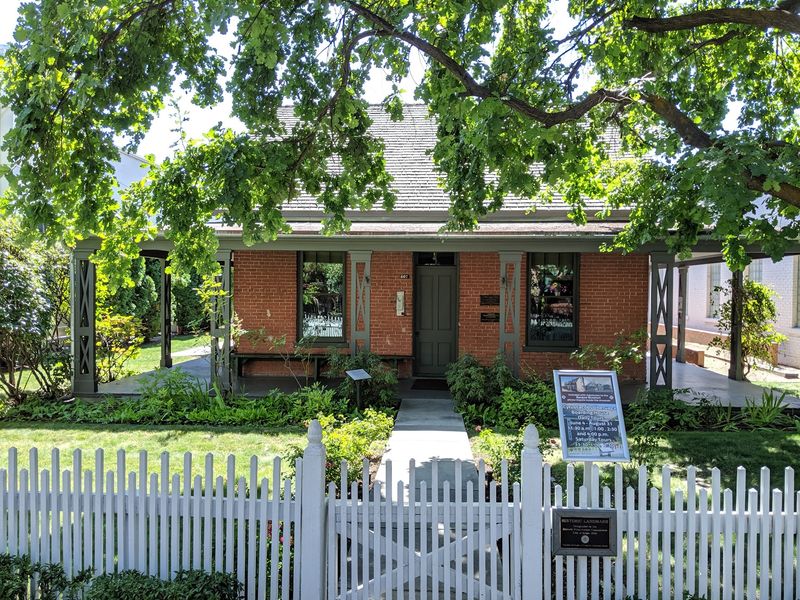
Red brick doesn’t usually stop traffic in Idaho, but one small house on a downtown side street has outlasted nearly everything built around it. For more than a century, its rooms sheltered a merchant’s family and then a long parade of sheepherders who crossed an ocean to work the hills.
Today the old place is part of the only museum of its kind in the country, and the story inside it is still being told. Stepping through its door feels a bit like finding a family photo album you never knew your state kept.
A Survivor Made Of Brick
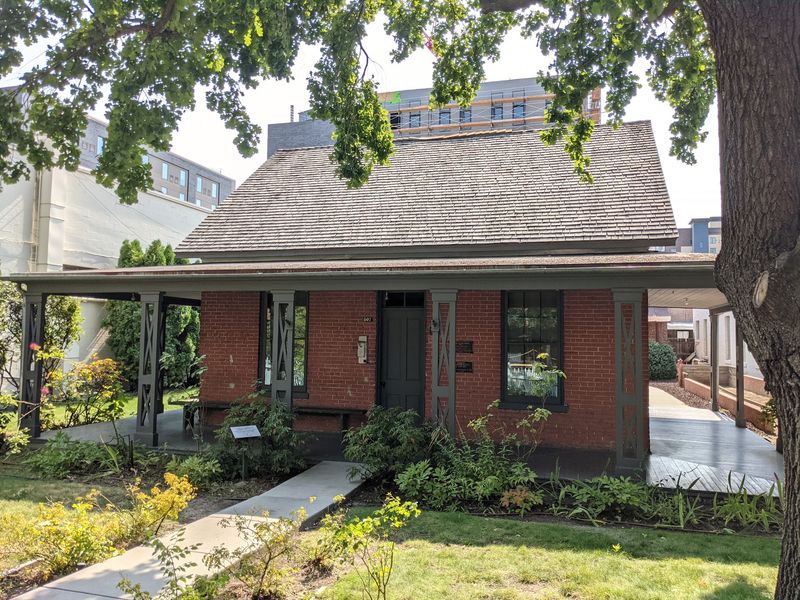
Stacked brick, tall narrow windows, and a modest front porch make the little house at the center of this story easy to walk past. Built in 1864, it is the oldest surviving brick residence in Boise, and it now anchors the Basque Museum and Cultural Center in the heart of the Treasure Valley.
The museum opened its doors in 1985 with a clear job: preserve, promote, and carry forward Basque history and culture across Idaho and the wider American West. It holds a distinction that surprises many first-time visitors.
It is the only Basque museum in the United States.
So what does that mean for someone wandering downtown on a free afternoon? Two connected experiences.
The main museum building holds galleries, exhibits, and a store, while the historic boarding house next door offers guided tours that show how early Basque immigrants lived.
Plenty of people arrive expecting a quick glance at a few old photographs. They leave knowing the names of families who cooked, cleaned, and made a home here for sheepherders far from the Pyrenees.
The house is small, but the story packed into it stretches across an ocean and more than a century of Idaho life.
Where Grove Street Meets Heritage
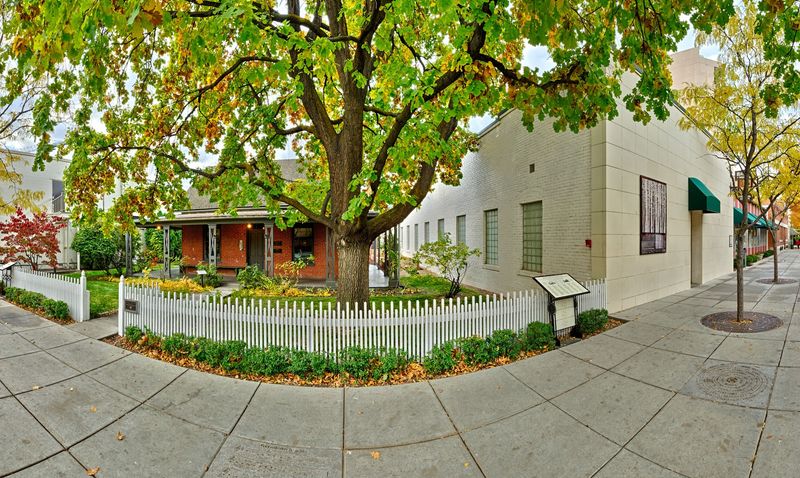
Look for 611 West Grove Street in downtown Boise, the Ada County seat, and you have found the museum’s main building. The historic boarding house sits right beside it at 607 Grove Street, close enough that the two feel like old neighbors sharing a fence line.
Both belong to a stretch known as the Basque Block, one of the most distinctive corners of any Idaho city. Walk a few steps in either direction and the neighborhood tells you where you are, with Basque restaurants, gathering spaces, and the smell of freshly made paella drifting onto the sidewalk.
That central spot matters for planning. Visitors often mention how easy it is to fold the museum into a day already spent downtown, whether that means shopping, a lunch break, or a stroll between errands.
One guest even wandered in during a lunch hour and left with a whole new appreciation for Basque influence in the region.
Downtown events can make parking unpredictable, so a quick check before heading out can save a few loops around the block. Once you are on Grove Street, though, the red brick of the 1864 house makes a hard landmark to miss.
A Merchant Mayor’s Front Door
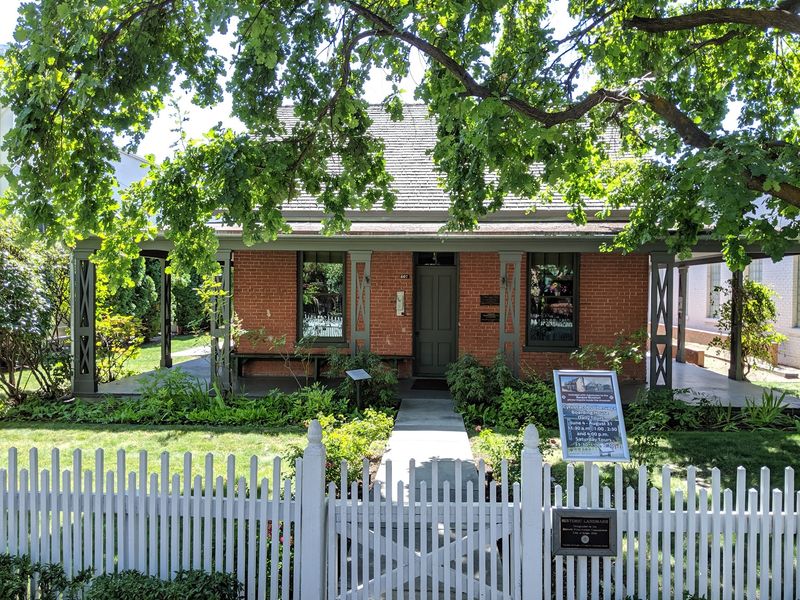
Cyrus Jacobs had a head for business and a front-row seat to a young Boise. A significant merchant who later served as the city’s mayor, he put up the brick house in 1864, during Idaho’s territorial years.
He and his family lived there for nearly four decades. That long stretch gives the house its first chapter, one of a prominent household settling into a town that was still figuring out what it wanted to become.
Why does brick matter so much here? Sturdy walls likely helped the building outlast so many early homes.
Today it holds the title of the oldest surviving brick residence in Boise, a detail that makes history fans pause on the sidewalk before they even reach the door.
The Jacobs years also set up a quiet twist. A house built for a mayor’s family would eventually become something very different, a place where young men from the Basque Country found beds, meals, and familiar voices.
Knowing where the story starts makes the later chapters land harder.
Keep the Jacobs name in mind during the tour, since the house carries every household’s story under one roof.
A Home Away From Home
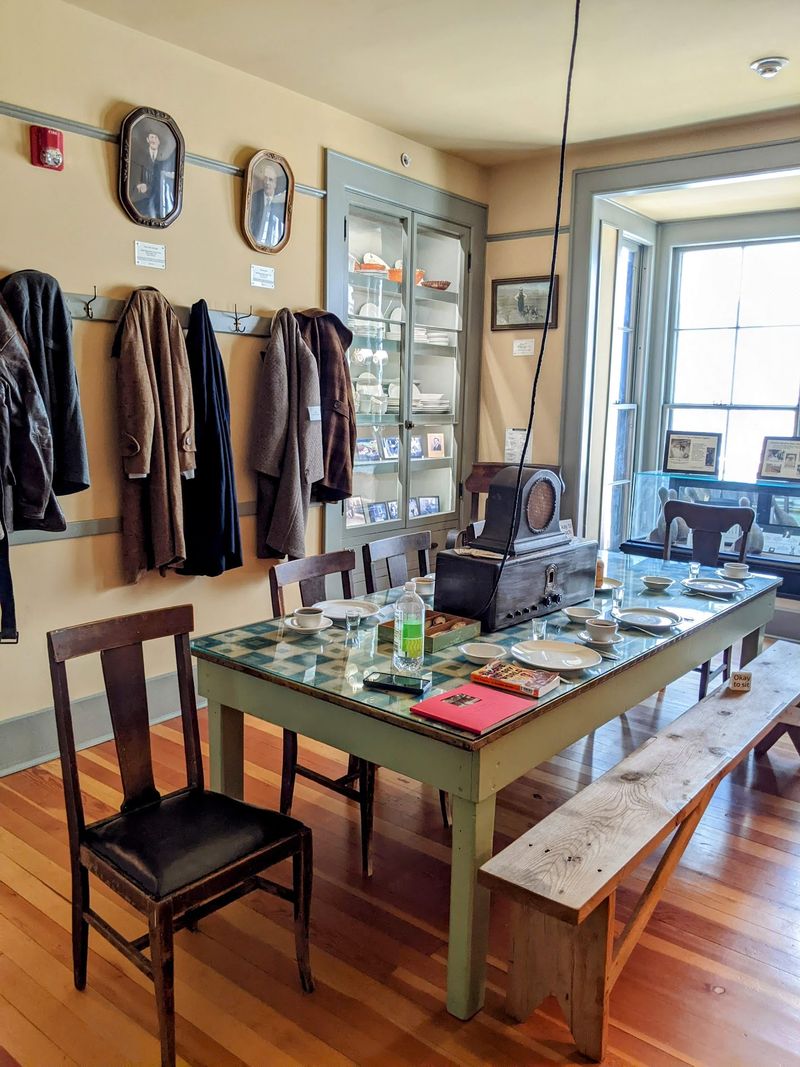
Around 1910, the front door opened to a new kind of household. Basque families, beginning with the Galdos and the Bicandis, started running the brick house as a boarding home for fellow immigrants.
Many of the boarders were sheepherders and other workers who had crossed the Atlantic to find jobs in Idaho. Work with the flocks could keep them away from town for long stretches, so a warm room meant far more than a place to sleep.
It meant hearing their own language at the table and eating familiar food.
The house became a home away from home, a role it kept for nearly six decades, until boarding ended in 1969.
Places like this were often a first stop for newcomers. A boarder might arrive knowing little English, and the family running the house could become translator, cook, and guide all at once.
Standing in these rooms today, it is easy to picture muddy boots by the door and a long table set for a crowd. The guided tour brings that everyday rhythm back into focus, filling in the small routines that made strangers feel like family.
The Uberuaga Chapter Begins
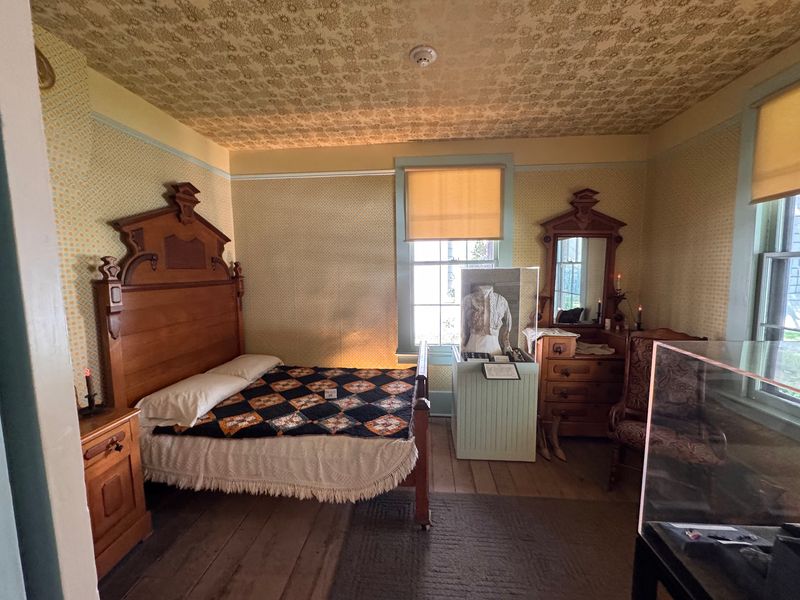
Keys changed hands in 1928, when the Uberuaga family bought the property. Their name now sits right in the official title of the building, the Cyrus Jacobs-Uberuaga House, pairing the first owner with the family who shaped its best-known era.
Under the Uberuagas, the boarding tradition carried on for four more decades. Sheepherders and other Basque boarders kept finding a bed and a seat at the table until 1969, when the house finally stopped taking in lodgers.
Think about what that span covers. The Uberuaga years stretched from the late 1920s through the postwar decades, all while the house kept serving newcomers who needed a foothold in Idaho.
That blend of names is part of what makes the site so memorable. A single address tells two stories at once: a founding merchant who helped shape early Boise, and an immigrant family who turned his house into a community lifeline.
Visitors sometimes come in expecting a generic pioneer home. Instead, the tour puts faces and family names to the Basque experience, which makes the history feel personal rather than distant.
Ask about the families by name, and the rooms start to feel lived in again.
Clues Buried In The Yard
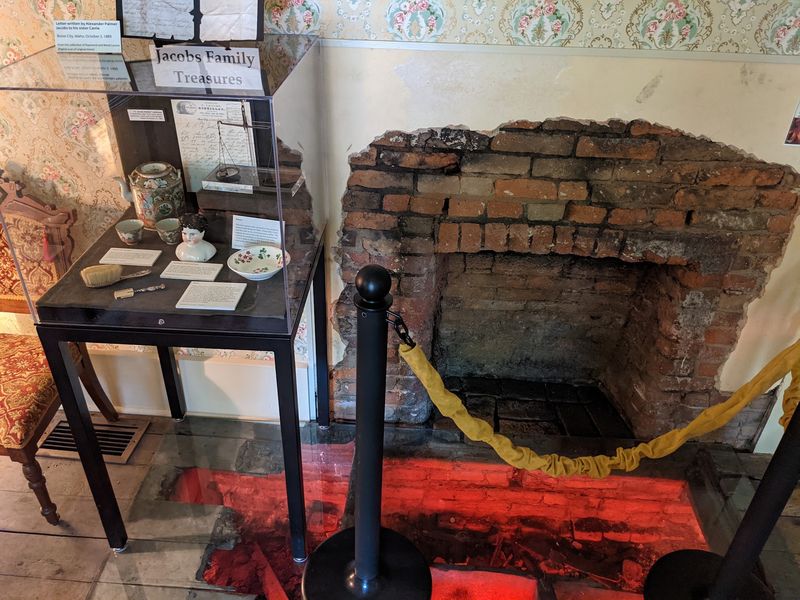
Shovels and sifting screens turned up a surprising amount of history here. Archaeological excavations at the site have unearthed thousands of artifacts, small leftovers that offer glimpses into more than a century of life inside and around the house.
Digs like that fill in gaps that paperwork never could. Written records might say who owned the house, but the objects left behind hint at how people ate, worked, and passed their evenings through both the Jacobs and boarding house years.
A major restoration and interpretation effort arrived in 2005. The work helped prepare the building to welcome visitors and tell its story clearly, rather than simply stand as an old shell on a downtown street.
The house is also listed on the National Register of Historic Places, a recognition that underlines its value to Idaho and beyond. Seeing that status in person hits differently than reading about it, especially once you notice how compact the rooms are.
Curious minds should bring questions. Guides and staff draw frequent praise for their knowledge, and asking about the excavations or the restoration can open up details that never make it onto a sign.
Every recovered object has a backstory worth hearing.
Stories Told Room By Room
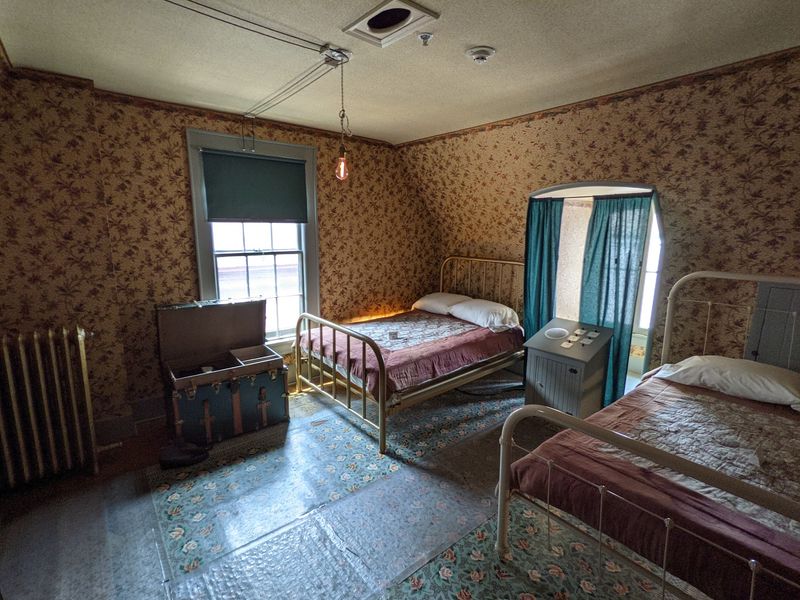
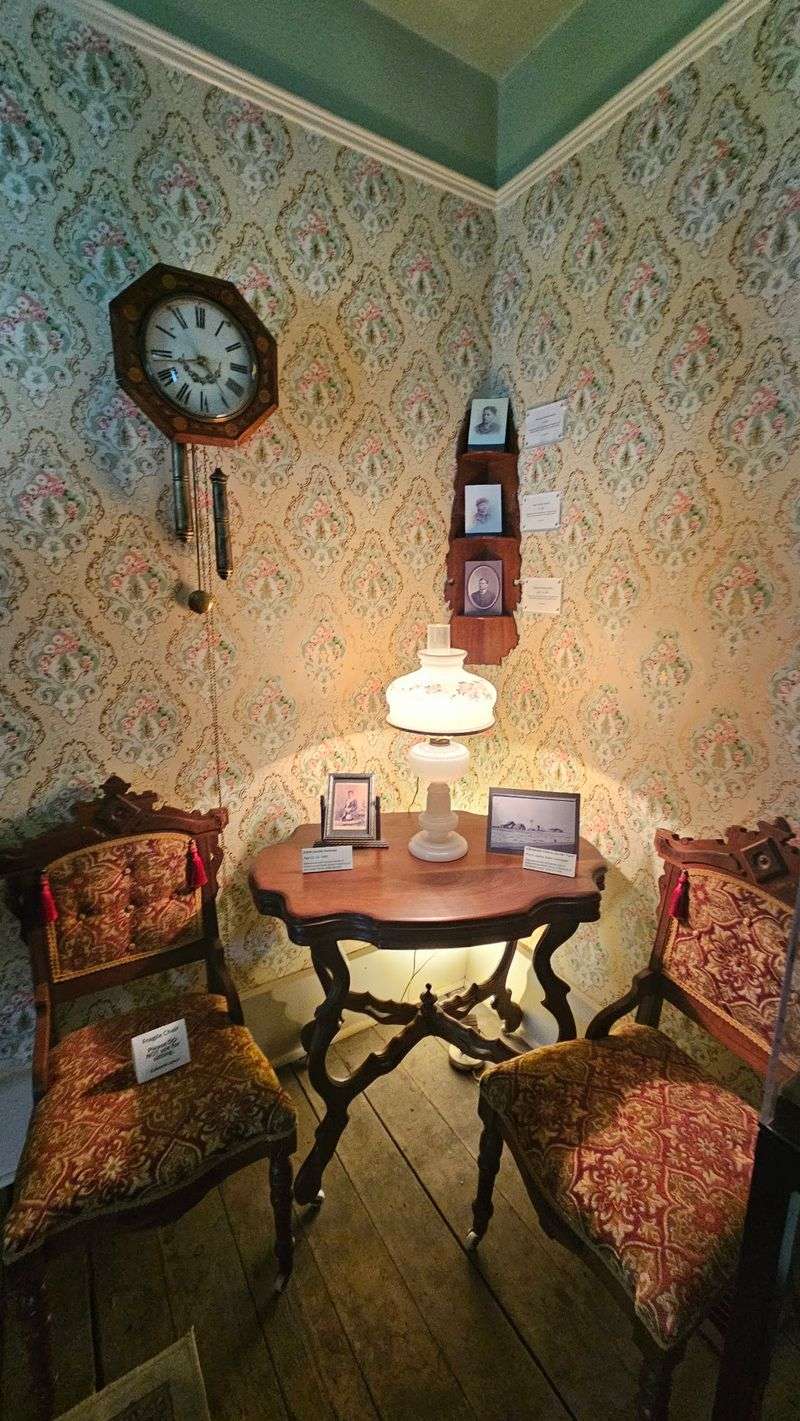
No placards line the walls inside the boarding house, and that turns out to be part of the appeal. Space is tight, so the story arrives through a guided tour instead, with a real person walking you from room to room.
Much of the magic comes from the guides. They field questions freely and share insights about Basque life that many guests have never heard before.
The tours illustrate what daily boarding house life looked like for early Basque immigrants, from shared meals to the simple routines of a crowded home.
Plenty of beautiful artifacts fill the rooms, too. Without signs pulling your eyes away, it becomes easier to simply look, listen, and imagine the house full of boarders again.
One practical tip matters here more than anywhere else. The boarding house tour wraps up earlier than the museum closes, so late arrivals can miss it entirely.
A good plan is to start with the house, then drift back to the main galleries afterward. One family spent just under an hour and wished for another thirty minutes, which says plenty about how easily time slips away inside those old brick walls.
Galleries Built For Easy Browsing
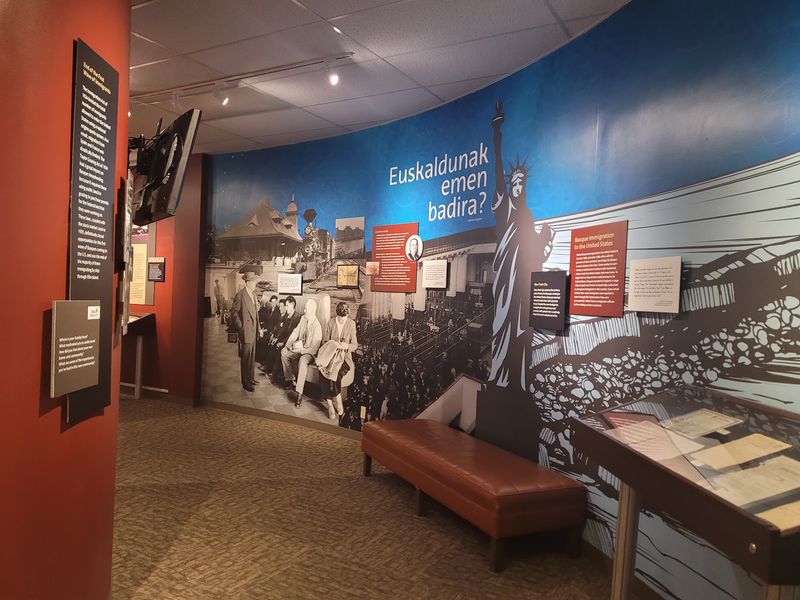
Push open the door at the main building and the first surprise is how polished everything feels. Exhibits look updated and well planned, with educational panels, interactive stations, and a solid collection of artifacts that round out the story of Basque people in the American West.
Size-wise, the museum sits on the smaller side. That works in its favor for many visitors, since you can read the information boards at an easy pace without feeling rushed or overwhelmed, and still walk out having learned several new things.
Topics run from immigrant life at the turn of the century to Basque culture as it exists today. Art, traditions, and history all get attention, and the displays do a good job of making a complicated past feel approachable instead of academic.
Families find it an easy win. Kids can poke at the interactive pieces while grandparents linger over photographs, and extended groups can move through together without anyone getting bored.
Staff and volunteers add another layer. Many are clearly passionate about sharing their culture, and a quick chat at the admission desk can turn into a surprisingly rich history lesson before you even reach the first exhibit.
Voices, Photos, And Library Shelves
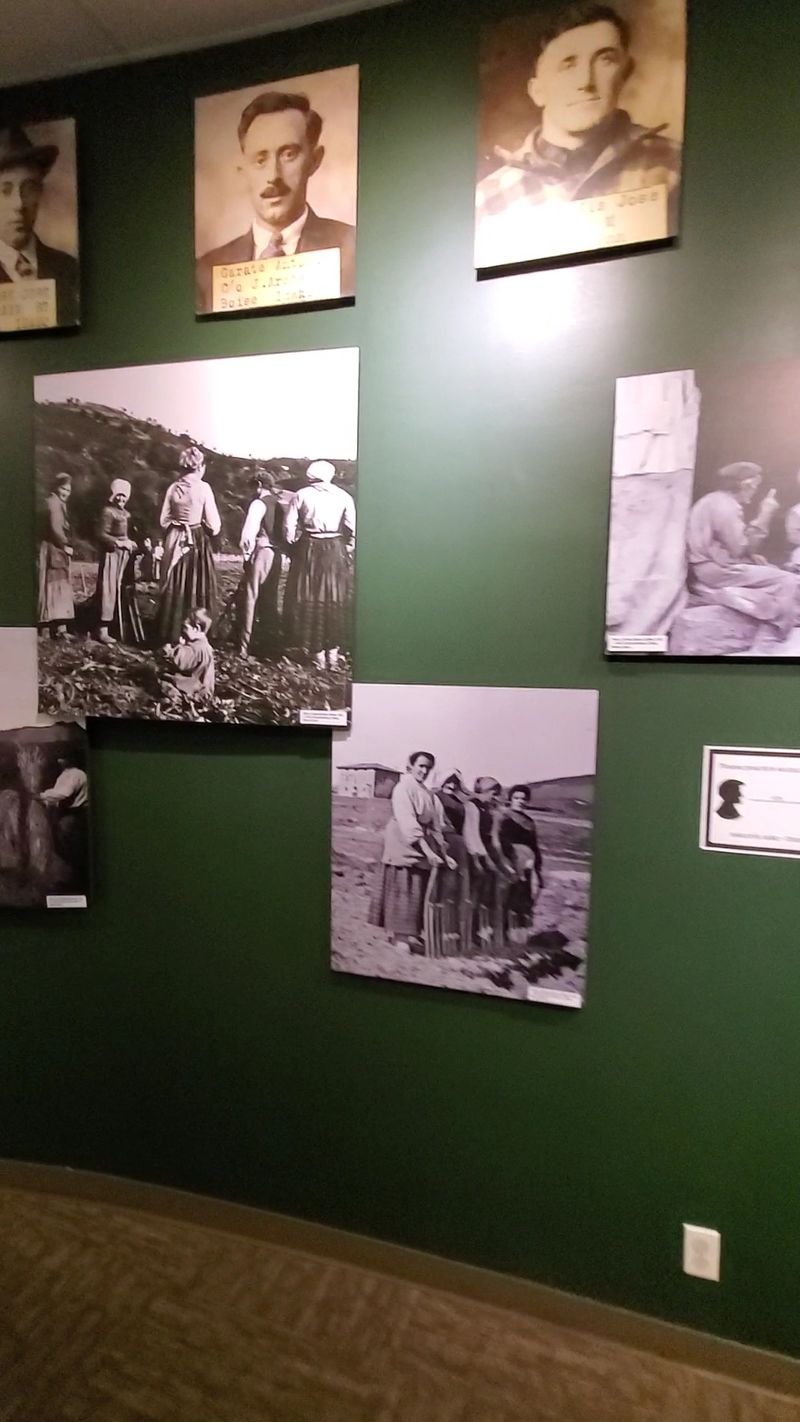
Recorded memories might be the museum’s quietest treasure. Its collections include oral history archives that preserve memories of the journeys, jobs, and family lives behind Basque communities across Idaho.
Alongside those recordings sit a library and a deep store of photographs and artifacts. For anyone researching family roots, writing a school report, or simply wondering how a great-grandparent ended up herding sheep in the Idaho hills, these resources can offer real answers.
Here is a fun fact that catches many people off guard: the Boise area holds one of the largest concentrations of people with Basque heritage in the country. Basque roots trace back to a homeland that spans parts of Spain and France, which helps explain the blend of traditions on display.
Some visitors admit they had never heard of the Basques before stepping inside. They tend to leave with a new appreciation for how much these families contributed to the fabric of Idaho.
That kind of discovery tends to stick around long after the drive home.
Research visits may need extra coordination, so reach out ahead of time if you hope to dig into the archives rather than just browse the galleries.
A Preschool Keeping Language Alive
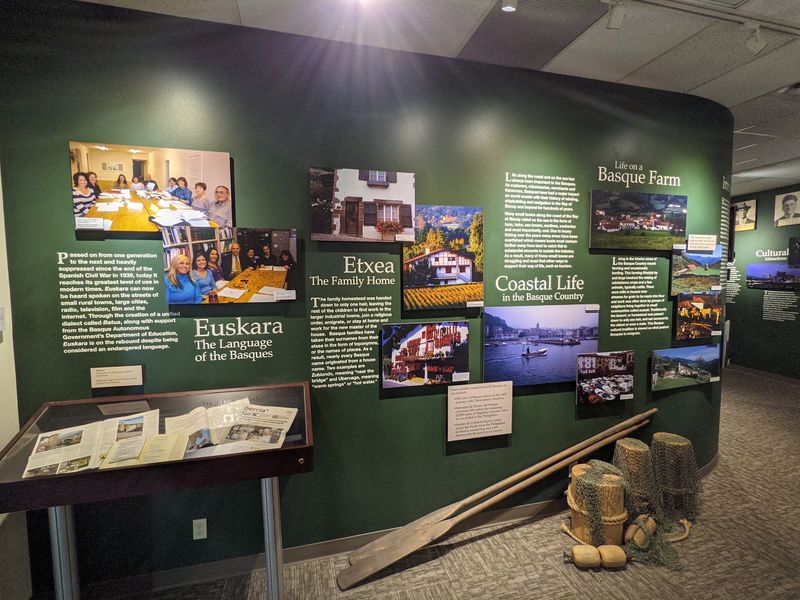
Tiny voices practicing Basque words might be the most hopeful sound connected to this museum. Boiseko Ikastola, the only Basque language preschool found outside the Basque Country, is one of the center’s standout initiatives.
That detail changes how the whole place reads. A museum could easily focus only on the past, but this one also works to carry the culture forward, helping a new generation of Idaho kids grow up hearing an old language.
Basque itself is famously unusual. It is not related to Spanish or French, even though its homeland sits where Spain and France meet, and keeping it alive so far from home takes steady, intentional effort.
The mission boils down to three verbs: preserve, promote, and perpetuate. The preschool handles that last one especially well, while the archives and exhibits take care of the first two.
Community pride runs high during Jaialdi, the Basque festival celebrated in Boise, when visitors of Basque descent stop by to see their story on display. Even on a quiet weekday, though, knowing that children learn the language nearby gives the galleries a sense that this culture is still very much alive.
Timing The Brick House Visit
Clocks matter more than usual at this stop. The museum runs a weekday schedule with trimmed weekend hours and closes a couple of days each week, so checking the current times before driving in from Nampa, Meridian, or farther afield can save a wasted trip.
Boarding house tours follow their own rhythm. They have run daily through the summer months, then scaled back to a weekend schedule the rest of the year, and they wrap up earlier than the museum.
Arriving early is the simplest way to catch one.
Admission stays friendly on the wallet, generally a few dollars, and one ticket has covered both the museum and the boarding house tour. A military and veterans discount has been offered, and free admission days have popped up in the past, so ask at the desk.
Plan on roughly an hour to an hour and a half for both buildings. Solo travelers can move quickly, while history lovers may want extra time with the information boards.
A small gift shop rounds things out. Staff members have stayed kind and patient even with last-minute shoppers near closing time, which says a lot about the welcome here.
Paella Air And Parting Thoughts
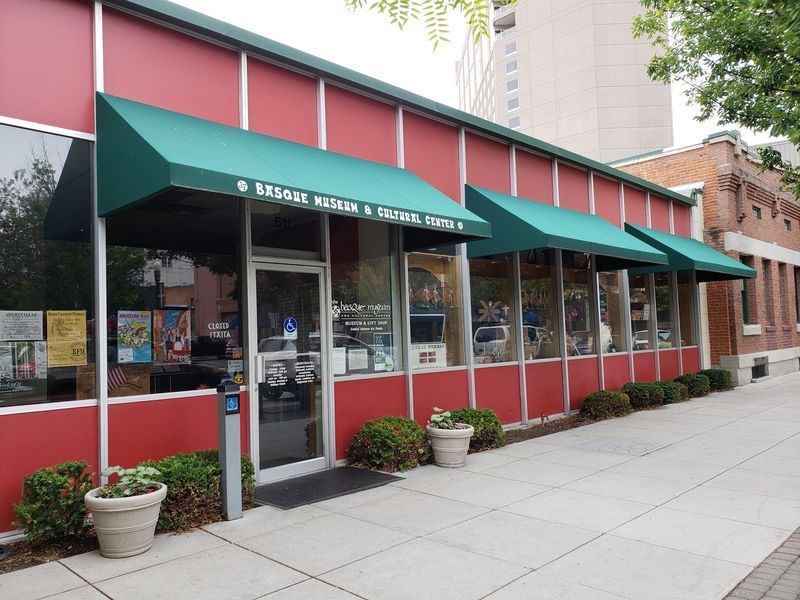
Step back onto Grove Street after the tour and the aroma of freshly made paella may be the first thing you notice. Basque restaurants sit just across the way, making it easy to turn a museum stop into a full afternoon on the Basque Block.
So who will enjoy this place most? History buffs, families with curious kids, Idahoans who have walked past the red brick house for years without going in, and travelers looking for something rooted in the real story of the Treasure Valley.
Anyone with Basque roots will likely feel real pride seeing their heritage honored so carefully.
Expectations help. It is not a sprawling, all-day museum, and the boarding house tour runs on a tighter clock than the galleries.
What it offers instead is a close-up look at how an immigrant community made a life in Idaho, told in the very rooms where boarders once slept. The oldest surviving brick home in Boise, a one-of-a-kind museum, and staff who clearly love sharing their culture add up to an easy recommendation.
Come early, ask questions, and save room for lunch across the street.