Meteorites, Glowing Rocks, And Free Admission Fill This Little Idaho Museum
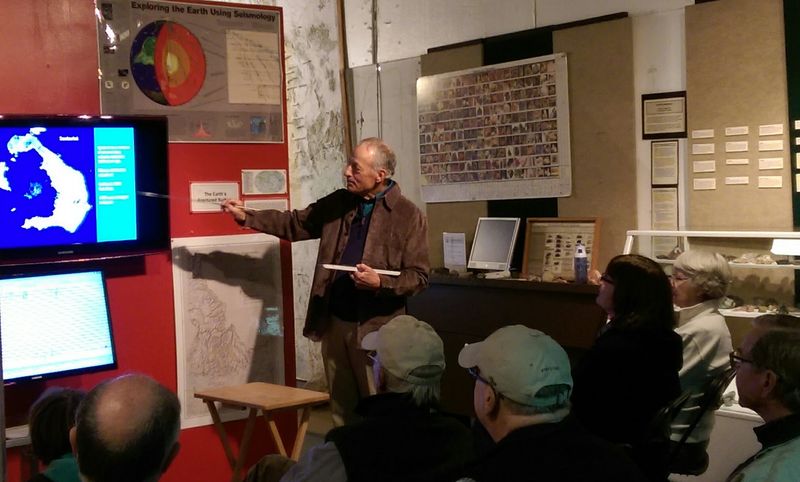
Meteorites are not what most people expect to find a few steps from a row of old sandstone cellblocks in Idaho. Inside a modest building, rocks glow under ultraviolet light, a wall-sized map shows every ridge in the state, and a resident geologist will gladly tell you what that odd stone in your garage really is.
Admission costs nothing, which makes the discovery even sweeter.
A Rock House Beside Old Walls
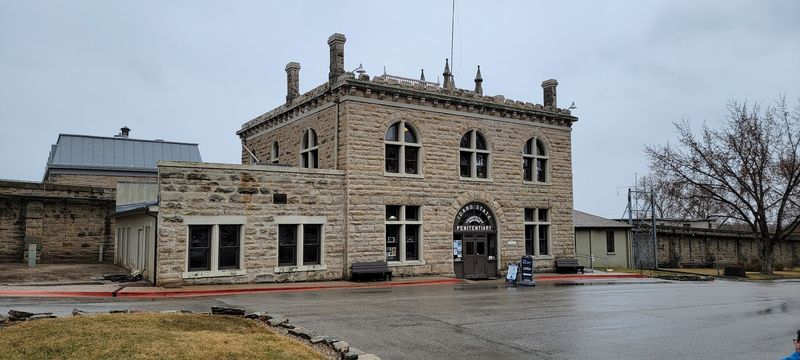
Old sandstone cellblocks draw most of the crowds on the east end of Boise, but a modest building next door holds a different kind of history. Inside, the Idaho Museum of Mining and Geology packs the story of the state’s rocks, minerals, and mines into rooms you can cross in a minute.
Don’t let the small footprint fool you. The museum centers on two big questions: how Idaho’s landscape took shape over millions of years, and how people pulled wealth from the ground here.
Both answers turn out to be more colorful than you might expect.
Displays cover gems, crystals, fossils, earthquakes, maps, and the mining districts that once dotted the backcountry. Some exhibits invite you to touch, push buttons, or scroll through screens.
Plenty of Treasure Valley residents have driven past for years without noticing. Even a Boise-born rockhound confessed to only recently learning the place existed, which says a lot about how quietly it operates.
Volunteers run the front desk and floor, so friendly faces greet you as you walk in. Admission is free, making it an easy stop on any Ada County afternoon.
Donations are welcome and help keep the lights on.
A Short Walk From Cellblocks
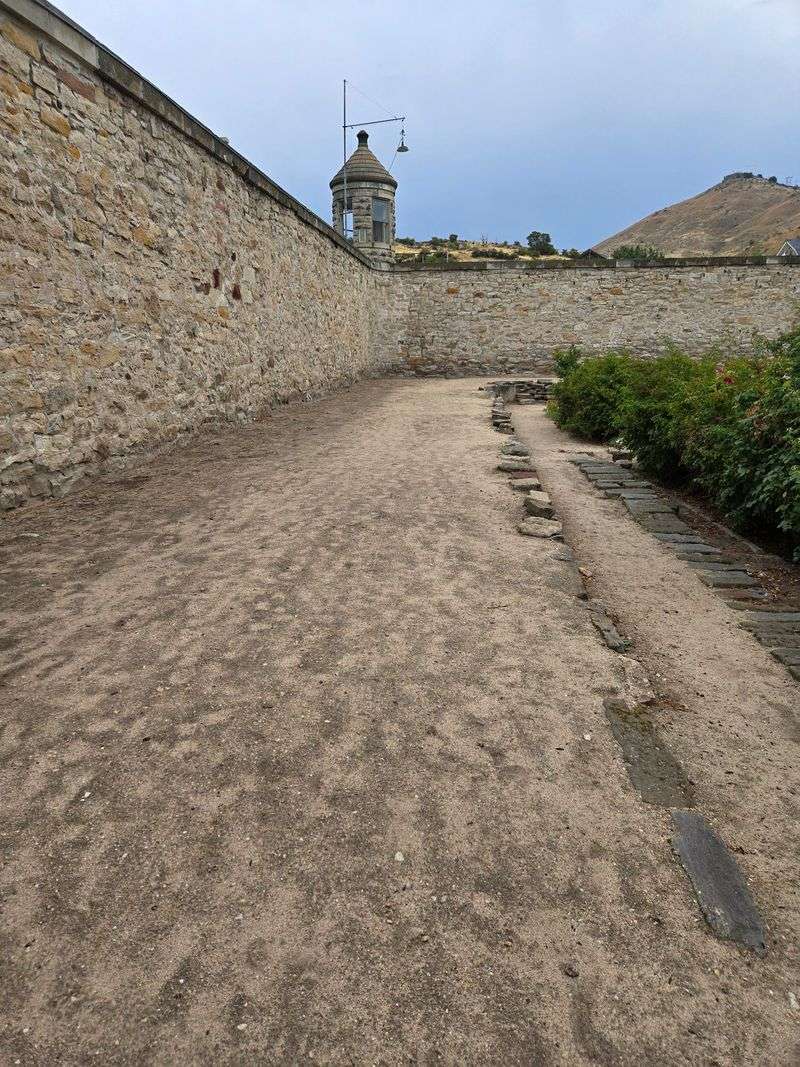
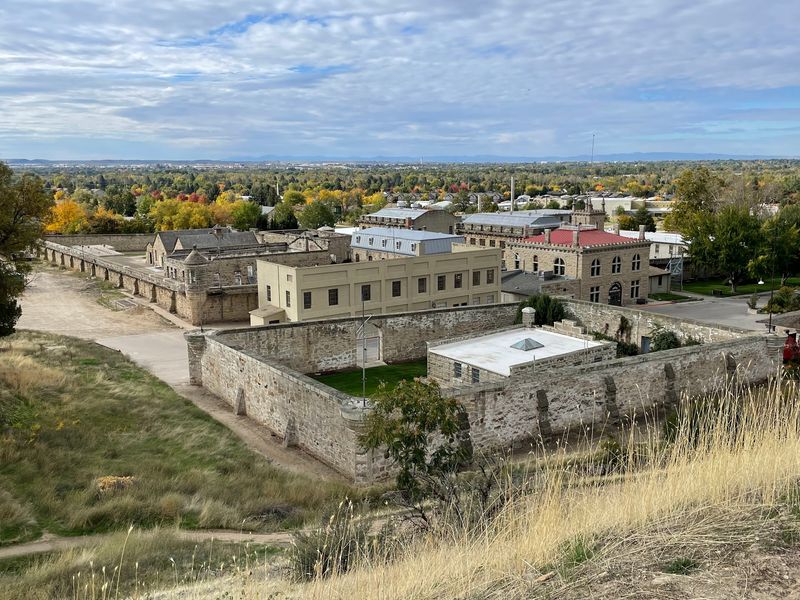
Directions start with the Old Idaho Penitentiary, since the museum shares its grounds on the city’s east side. The address listed is 2455 Old Penitentiary Road in Boise, and the museum sits right next to that entrance.
Expect to walk roughly half a block from where you park. A few visitors have grumbled about that stroll, but most treat it as a chance to stretch their legs and take in the old sandstone architecture along the way.
Pairing the two sites is an obvious move. Many guests come for a penitentiary tour, spot the rock museum next door, and wander over afterward, turning a single stop into a couple of relaxed hours.
Timing matters, though. One visitor finished touring next door only to find the museum already closed for the day, then had to come back on a Friday after work.
Checking both schedules before you leave home saves that kind of letdown.
The setting adds its own flavor. Foothills rise just beyond the grounds, and Table Rock, the flat-topped landmark that looms over Boise, is close enough that some museum outings include a climb up its slopes.
The State In Bold Relief
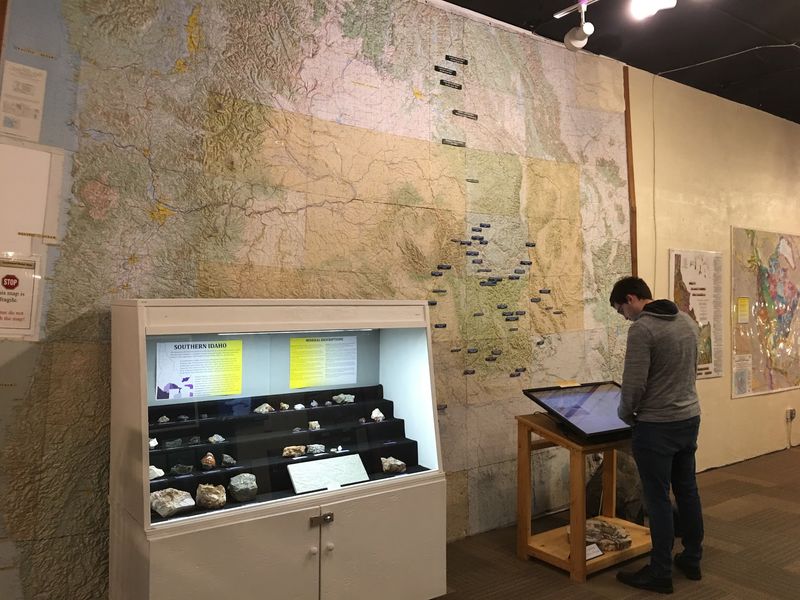
Mountains you can almost reach out and grab cover one entire wall. A huge three-dimensional relief map shows Idaho in bold detail, with the Sawtooths, the Snake River Plain, and the rugged central wilderness rising and dipping across its surface.
Maps come up again and again when people describe their visit, and for good reason. The museum uses several kinds of graphics and media to show hills, valleys, plateaus, and faults, laying out how Idaho came to look the way it does today.
Standing in front of that wall is a little like looking down from a plane. Kids tend to hunt for their hometown first, while adults trace the routes they’ve driven, from Highway 95 in the north to Interstate 84 across the south.
Geography lessons rarely feel this physical. Seeing the forested ridges of the Panhandle next to the flat farm country of the Magic Valley makes the state’s wild variety click in a way a road atlas never manages.
Take a few minutes here before moving deeper into the museum. The rest of the exhibits make more sense once you can picture where each rock, mine, and fault line actually sits.
Mining Towns At Your Fingertips
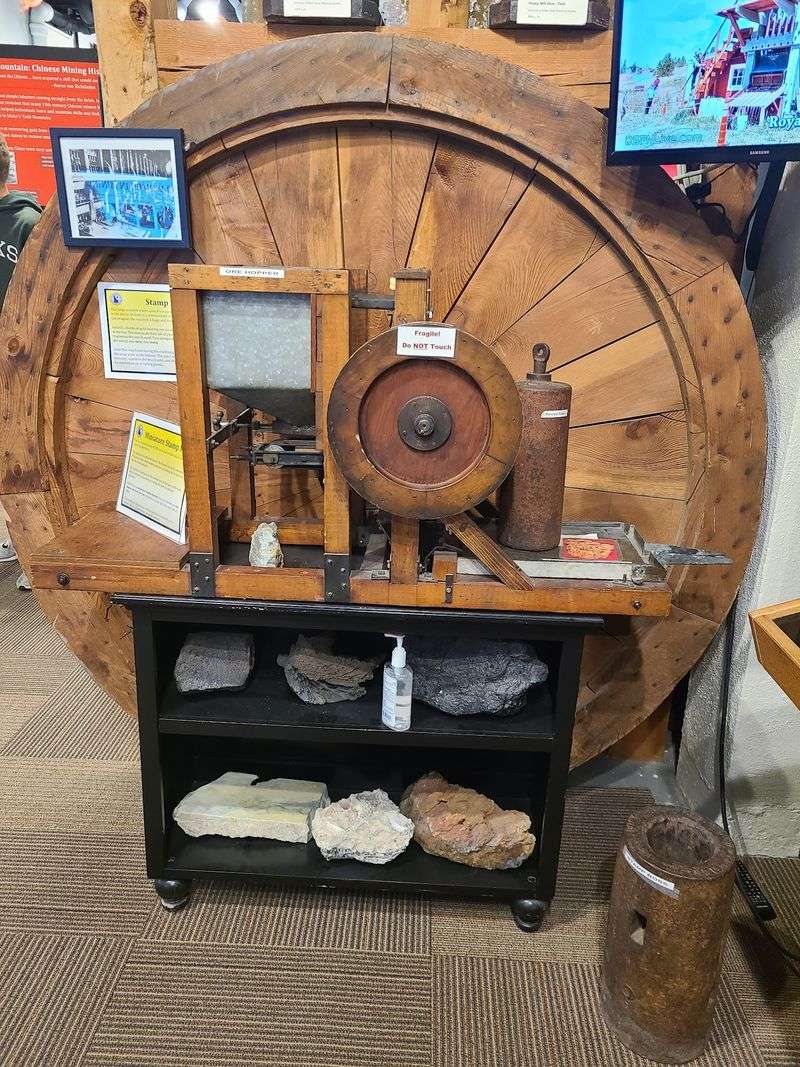
Tap once and the whole state appears. Tap again and you’re zoomed into a single mining district, then a single mine, complete with old photographs of the buildings, the workers, and the equipment they hauled into the hills.
Scroll slowly, since the old photos reward patience.
The touch-screen display ranks among the museum’s most praised features. It moves smoothly from a statewide overview down to surprising detail, giving faces and places to names you may have only seen on historic markers.
Idaho’s mining story runs deep, from gold in the Boise Basin to silver in the Panhandle, and the museum shows how much wealth came out of the earth’s crust here.
One detail catches many visitors off guard. Displays include information on early women miners, a part of frontier history that rarely makes the textbooks.
Other exhibits walk through the actual work of mining, showing the tasks and tools involved in pulling ore from rock. Homeschooling families have called the mix of history and hands-on learning a wonderful field trip, touching on everything from rock formation to the grit of old-time prospecting.
Visitors From Outer Space
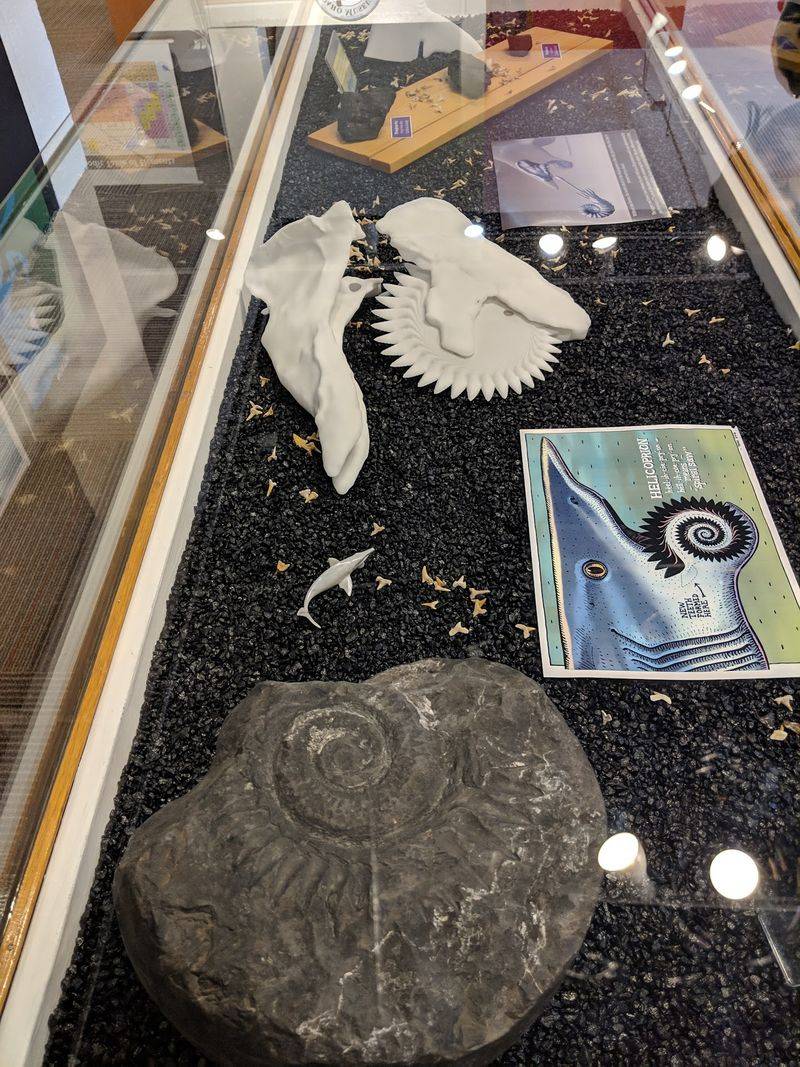
Some of the rocks on display didn’t start out on Earth at all. Meteorites rank near the top of the list of things people remember, and more than one guest has been surprised to find space rocks in a small Boise museum.
The collection doesn’t stop at the sky. Visitors mention dinosaur material, a shark exhibit, Native American artifacts, and loads of fossils tucked among the cases.
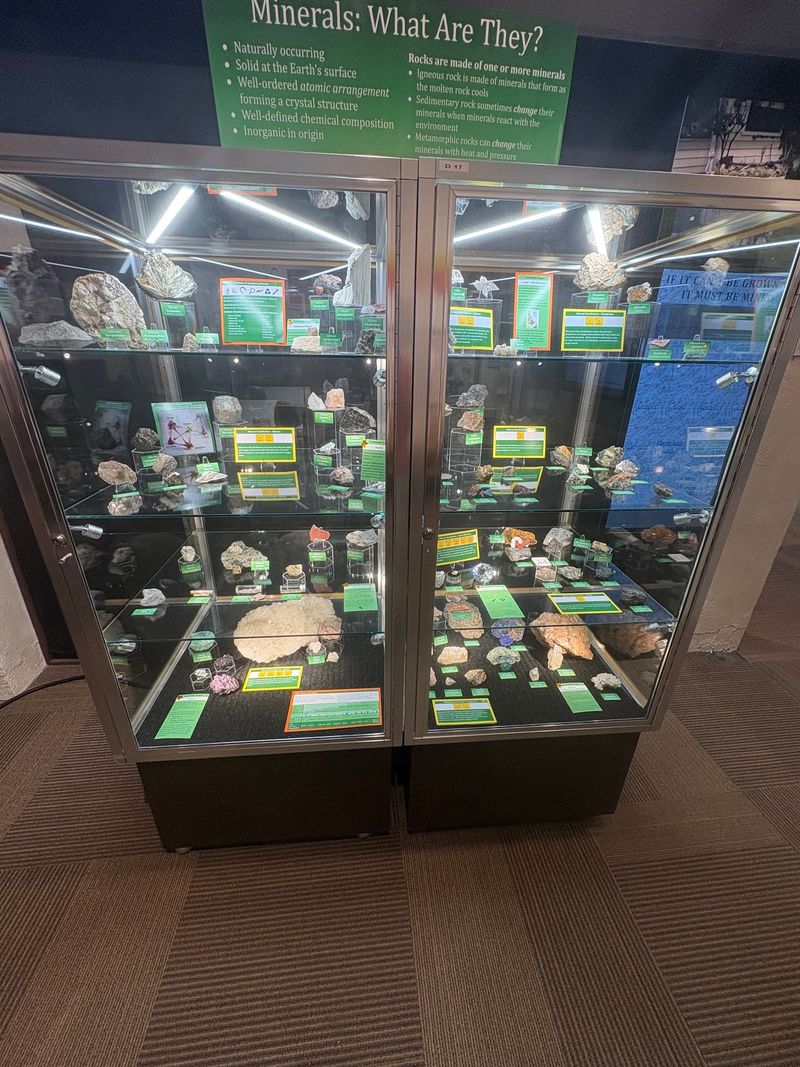
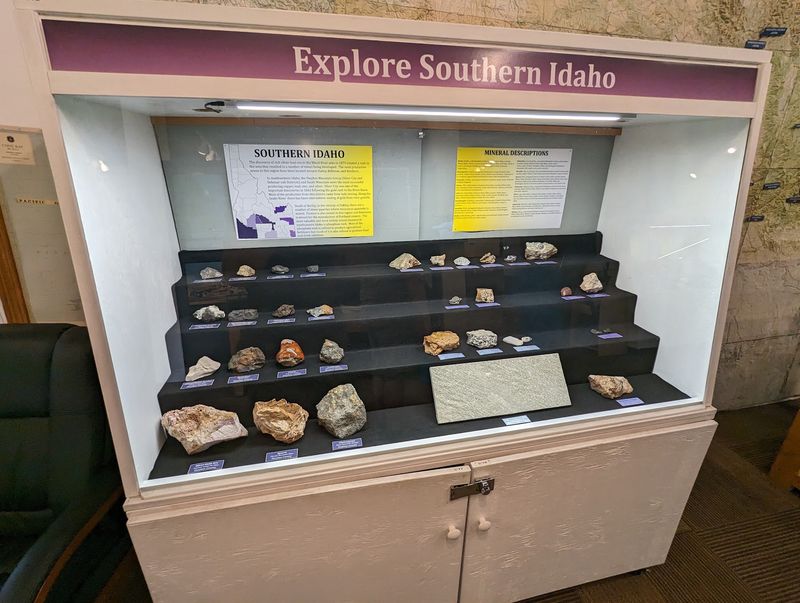
Then there are the minerals. Crystal clusters, polished gems, and colorful specimens fill much of the floor space, making up the bulk of what you’ll see.
Geology buffs appreciate how the displays connect to the state itself. Exhibits tie many specimens back to Idaho, so you learn not only what a rock is, but where it came from and why it matters.
Fun fact for the car ride home: Idaho is often called the Gem State, and a stroll past these cases makes the nickname feel earned.
Younger kids may not read every label, and that’s fine. Plenty of little ones simply enjoy pressing their noses to the glass and pointing out the shiniest pieces, while older siblings and grandparents lean in for the details.
When The Lights Go Out
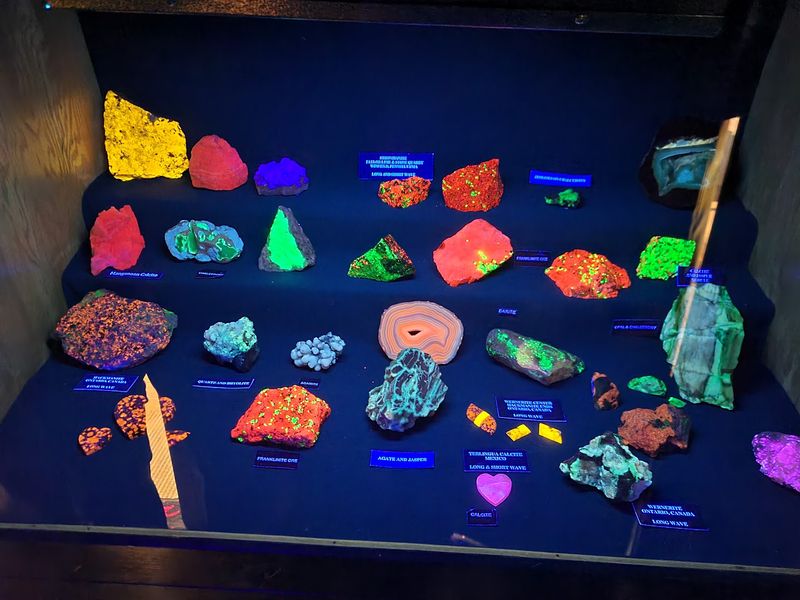
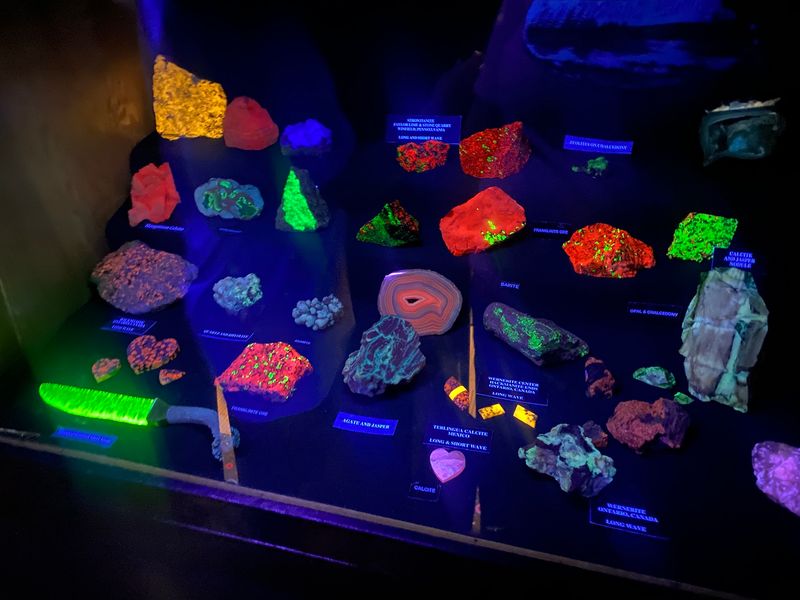
Switch off the regular lights, turn on ultraviolet, and ordinary gray stones can suddenly glow in vivid colors. The museum’s blacklight room shows how certain rocks and minerals look in dim light, and it’s a real showstopper.
Even guests who admit geology isn’t their thing have singled out this display as the highlight. It’s hard to stay unimpressed when a plain-looking chunk of rock starts shining like a neon sign.
The effect is called fluorescence. Certain minerals absorb invisible ultraviolet light and give it back as visible color, which is why the same specimen can look dull under a ceiling bulb and brilliant in the dim room.
Kids tend to linger here longer than almost anywhere else. Some run back to grab a parent, and a few try to guess which rock will light up before the glow gives the answer away.
Photographers, take note. The low light makes pictures tricky, so steady hands help if you want to capture the colors to show friends later.
It’s a small corner, but it sparks real curiosity about what hides inside everyday stones, and it might send you home eager to test a few of your own.
Shaking Ground And Everyday Minerals
A squiggly line on a seismology graph might not sound thrilling, until you realize it records the ground beneath your feet moving. Earthquakes get their own attention here, along with the ways shifting crust has reshaped the land around Boise and beyond.
Idaho sits in active territory, and the displays explain how those movements built mountains, dropped valleys, and carved faults over deep time. Exhibits on prehistoric geography and the rock cycle slowly round out the picture.
Then comes a fun curveball. An older display about minerals in your life shows how rocks end up in everyday objects, including a throwback reminder that asbestos once went into household walls.
It’s a quirky time capsule.
Mineral hobbyists have singled it out as a nostalgic favorite, and it’s easy to see why. Seeing the stuff of kitchens and garages traced back to mines makes geology feel personal.
Several interactive stations let kids test ideas with their own hands rather than just reading. That mix of science and daily life keeps even reluctant learners engaged for longer than you’d guess.
Parents often end up learning just as much.
A Geologist Named Coyote
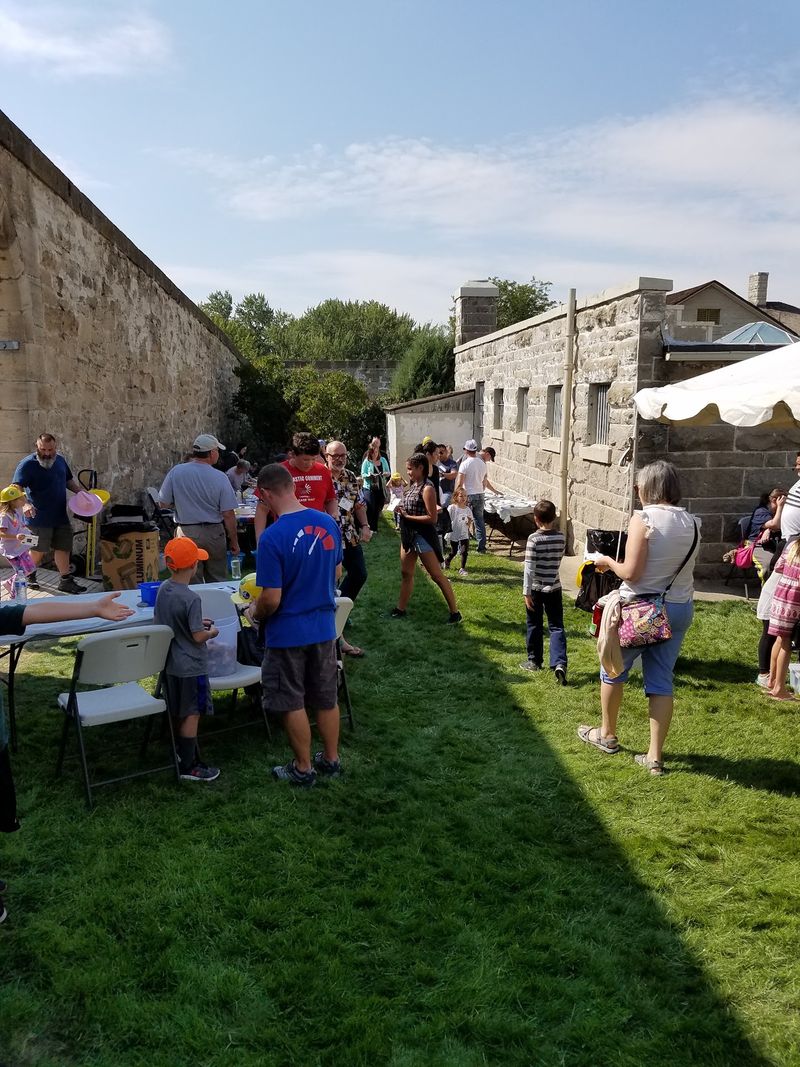
Bring your mystery rocks. Seriously, the museum’s volunteers have offered to identify unknown specimens from visitors’ personal collections, and some guests plan return trips just to get answers about stones they’ve kept for years.
Much of that expertise centers on the resident geologist, known to visitors simply as Coyote. Families describe Coyote as deeply knowledgeable and patient, breaking down the details of different rocks in ways that held the attention of kids ages 10 and 12.
Coyote isn’t the only helper. Another volunteer, Shirley, also gets credit for rock identification, and the folks at the register earn praise for being warm and helpful.
Docents across the building know their material. Questions about fossils, mining camps, or earthquakes rarely go unanswered, and volunteers seem genuinely happy to share what they’ve learned.
That personal touch sets a small Idaho museum apart from bigger institutions. You’re not just reading placards; you’re talking rocks with people who have spent years studying them.
Tip: wrap specimens in a soft cloth or egg carton so nothing chips on the way, and jot down where you found each one, since location often helps with identification.
Field Trips Beyond The Walls
Some of the best lessons happen outdoors. The museum organizes guided field trips, and one participant came back thrilled after visiting pegmatite outcrops, those coarse-grained rock formations known for large crystals.
Student groups have gotten in on the action too. One young visitor recalled climbing Table Rock during a museum outing and described the whole experience as fun and curiosity-sparking.
Here’s the money-saving angle. An annual membership lets you join any or all of the guided field trips at no extra cost, while non-members pay a small fee per trip.
Dedicated rockhounds and prospectors tend to find the membership pays off quickly. It turns a single museum visit into a whole year of guided outings with people who know exactly what they’re looking at.
Guided tours are available for groups as well. Homeschool families have made the museum a field trip stop and talked about returning with larger groups for a led experience.
Trip schedules shift with the seasons and weather in southwest Idaho, so check the museum’s calendar before planning around a specific outing. Popular trips may fill, so signing up early makes sense.
Sized Just Right For Young Rockhounds
Tiny but tidy sums up the layout. Everything is well organized, so you can loop the rooms without feeling lost or overwhelmed.
Signs are clear, and exhibits flow naturally from one topic to the next.
Kids take to the place quickly. One family with a rock-loving 10-year-old spent almost an hour, while a grandmother and her 11-year-old granddaughter soaked up the content as the littlest ones simply ran around looking at rocks.
Adults get plenty out of it too. Rockhounds, prospectors, and anyone raised by a geologist find lots to admire in the specimens and history.
Plan on about an hour, maybe a bit less. That makes it a great piece of a bigger Boise day rather than the whole agenda, especially paired with the penitentiary tour next door.
Save a few minutes for the gift shop. It’s itty-bitty but inviting, and visitors repeatedly point out how reasonable the prices are, with some calling them the lowest they’ve seen anywhere.
A small keepsake makes an easy reward for a kid who caught the collecting bug, and a modest budget goes a long way here.
Worth The Half-Block Walk
Afternoons on Friday, Saturday, and Sunday are your window, since the museum stays closed the rest of the week. Sunday hours run shorter than the other two days, so aim for Friday or Saturday if you want to linger.
Published hours don’t always hold, and at least one visitor found the doors closed during a listed time. Checking the museum’s website or calling ahead before you drive across the Treasure Valley is a smart habit.
Admission is free, with donations welcome for anyone who wants to chip in. That makes it one of the easiest family outings in Boise to fit into a tight budget.
Getting there means heading toward the Old Idaho Penitentiary grounds on the east side of town and walking a short way from parking. Comfortable shoes help if you plan to add a tour next door or a hike nearby.
So is it worth the trip? For anyone who has ever pocketed a pretty stone on an Idaho riverbank, the answer leans toward yes.
Glowing rocks, meteorites, and a geologist ready to name your mystery specimen add up to a surprisingly rich hour.